Kyung's Seafood
A seafood-focused address on South King Street, Kyung's Seafood operates in a Honolulu dining corridor that rewards those who look beyond the resort strip. The restaurant draws on Hawaii's extraordinary access to Pacific catch, placing it within a broader local tradition of market-driven fish cookery. Visitors exploring the city's neighbourhood dining scene will find it a useful reference point alongside the island's wider seafood conversation.
Pearl is the En Primeur Club membership app — saves, bookings, and concierge access live there. Same editors, same standards.
- Address
- 1269 S King St, Honolulu, HI 96814
- Phone
- (808) 589-1144
- Directions
- Get directions
 Saves & bookings on Pearl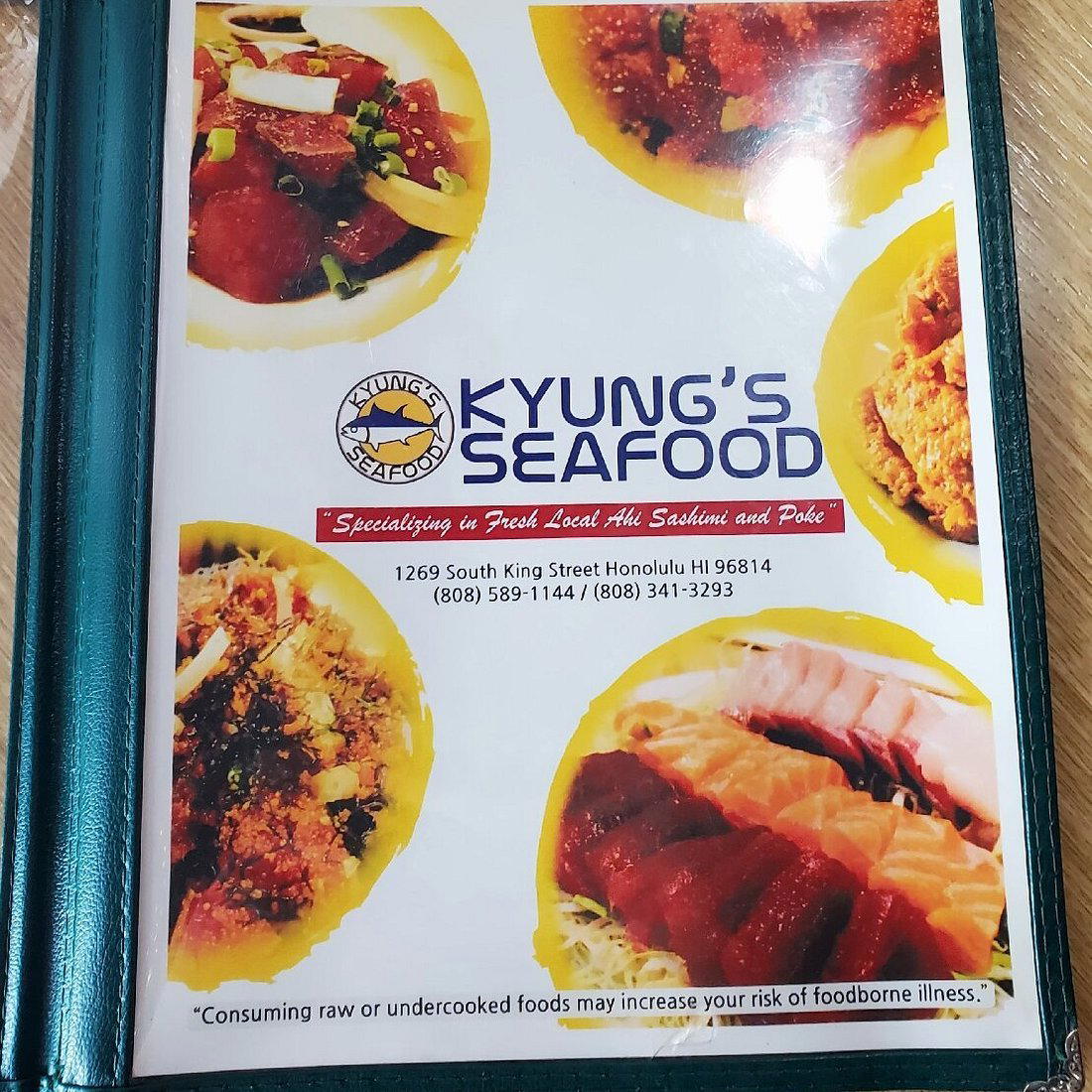
South King Street and the Case for Neighbourhood Seafood
Honolulu's most discussed dining addresses tend to cluster around Waikiki and the waterfront, where ocean views and resort budgets set the pricing floor. But the city's more instructive seafood conversation has been happening further inland, along corridors like South King Street, where the clientele is predominantly local and the menu priorities reflect what's actually coming off the boats rather than what photographs well on a terrace. Kyung's Seafood, at 1269 S King St, sits within that tradition: a neighbourhood address operating at a remove from the tourist circuit, shaped by the kind of Pacific proximity that gives Hawaii a structural advantage over nearly every other American seafood market.
Hawaii's position in the Pacific means access to species — ahi, opah, mahi-mahi, opakapaka — that mainland restaurants receive as a freight afterthought. The islands sit close enough to deep-water fishing grounds that same-day catch is a realistic baseline rather than a marketing claim. Seafood restaurants that anchor themselves in local supply chains, as many South King Street operators do, inherit that advantage by geography as much as by intent. It's a different competitive context than, say, Le Bernardin in New York City, where sourcing requires transatlantic logistics, or Providence in Los Angeles, where the Pacific is closer but the supply chain is still filtered through multiple intermediaries.
The Honolulu Seafood Tier: Where Neighbourhood Fits
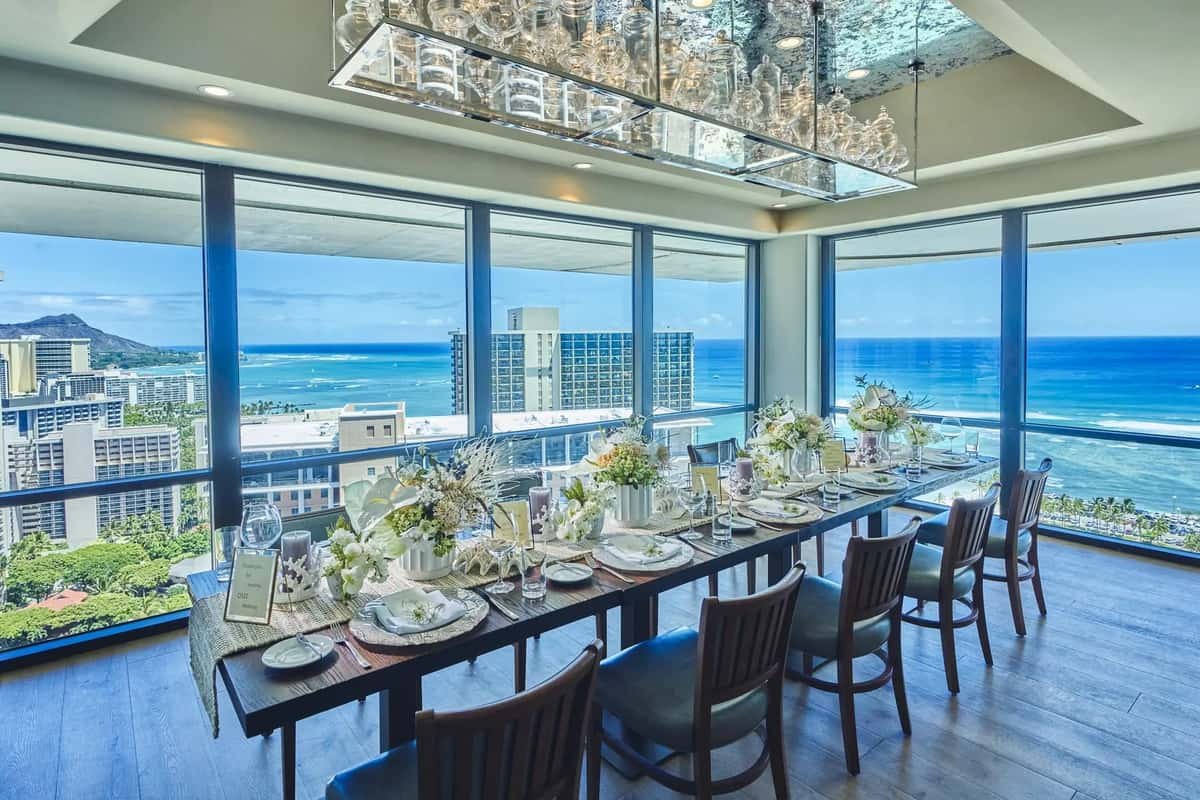
Honolulu's seafood dining has stratified in a way that mirrors patterns in other Pacific-rim cities. At the leading end sit destination restaurants with formal service, curated wine programs, and prix-fixe structures, venues like 53 By The Sea, which combines ocean views with event-format dining. Below that tier, a mid-market band of neighbourhood operators works the same fish supply with less ceremony, building loyal local followings on consistency and familiarity rather than occasion dining. Kyung's Seafood operates within that second tier, where the dining room is unlikely to be referenced in the same sentence as The French Laundry in Napa or Alinea in Chicago, but where the fish quality can be entirely comparable because the source is identical.
That distinction matters for how first-time visitors should calibrate expectations. South King Street restaurants are not auditions for a higher tier; they are a different format altogether, built for frequency rather than occasion, for tables who return weekly rather than annually. The dining room, the service cadence, and the pricing all reflect that relationship with a repeat customer base. 3660 On the Rise, another Honolulu address that has built its reputation on local fish, represents one version of how that neighbourhood-loyalty model can scale upward toward broader recognition over time.
Pacific Catch and the Beverage Question
The editorial angle that seafood restaurants in this tier consistently struggle to resolve is the wine list. Hawaii is not a wine-producing state, and the logistics of building a serious cellar in a market where import costs compound on every bottle create a structural ceiling that few neighbourhood operators push through. The more sophisticated approach, adopted by a handful of Honolulu addresses, is to lean into the Pacific context entirely: prioritising lighter white Burgundies, Chablis, and Alsatian bottlings that trace well alongside the salinity and clean fat of Pacific fish, while building a short but purposeful selection rather than a long list that dilutes quality per bracket.
The Korean and Korean-American culinary influences that the name Kyung's suggests point toward a beverage pairing logic that diverges from the European model entirely. Korean seafood traditions, with their emphasis on fermented condiments, clean broths, and raw preparations, pair differently than European fish cookery. The sparkling and low-intervention wine movement has found some traction here, with slightly oxidative or skin-contact whites creating bridges between European cellar depth and Korean table flavour profiles. Restaurants at the intersection of these two traditions, as Kyung's address and name imply, sit at a genuinely interesting moment in American dining: the convergence of Korean technique with Pacific produce that venues like Atomix in New York City have explored at the fine dining tier, now filtering into neighbourhood formats in cities like Honolulu where both culinary communities have long-established roots.
Hawaiian restaurants in this price tier frequently maintain tight, well-chosen selections rather than deep cellars, and local beer and sake have become credible pairing alternatives at addresses where wine investment has been concentrated on a small number of high-value bottles rather than breadth. The practical recommendation, wherever verified cellar information is absent, is to ask on arrival about what the kitchen recommends alongside the day's catch.
Reading the Address in Context
South King Street sits within a residential-commercial mix that makes it a reliable indicator of local preference rather than visitor pressure. Restaurants here compete for the same customer multiple times a month, which produces a different editorial outcome than venues designed for once-in-a-trip spending. The discipline required to retain a neighbourhood regular, consistent execution, honest pricing, a menu that evolves with the market without losing familiar anchors, is a different skill set than the one that earns a destination restaurant its reputation. Both are valid; they are simply different formats.
Visitors who want to map Honolulu's dining range more broadly will find the contrast instructive. Fête, with its New American format, and 855-ALOHA represent different register points in the same city's dining range. Further afield, Ahaaina Luau anchors the cultural-experience end of Hawaiian dining, a format that prioritises tradition and narrative over technical kitchen ambition. For a fuller map of where each of these sits, the EP Club Honolulu restaurants guide covers the range across price tiers and neighbourhood contexts.
For a sense of how seafood-forward restaurants at the highest American tier handle the same sourcing and beverage questions, Single Thread Farm in Healdsburg and Blue Hill at Stone Barns in Tarrytown offer instructive reference points: both demonstrate what happens when proximity to source and cellar depth are treated as equally serious investments. Addison in San Diego and The Inn at Little Washington in Washington show how occasion-dining formats in American cities have absorbed similar Pacific and mid-Atlantic fish traditions into tasting-menu structures with corresponding wine programs. Lazy Bear in San Francisco and Emeril's in New Orleans round out the comparison set for understanding how neighbourhood culinary identity scales when it finds the right format. And for a view of how Korean fine dining has refined its beverage conversation internationally, 8 1/2 Otto e Mezzo Bombana in Hong Kong provides useful context on how Asian dining addresses at the premium tier handle cellar depth and European wine traditions.
Planning a Visit
Kyung's Seafood is located at 1269 S King Street, within reach of central Honolulu without requiring a resort-area taxi fare. South King Street is accessible by bus along multiple routes, and street parking is available in the surrounding blocks, though mid-evening availability depends on the day. Verified hours, booking policies, and current menu pricing are not published through any confirmed channel at the time of writing; the practical advice is to visit early in the evening if walking in, as neighbourhood seafood restaurants in this part of Honolulu with a local following tend to fill from the regular customer base before the later dining window opens.
How Kyung's Seafood Honolulu compares with similar nearby venues.
| Venue | Cuisine |
|---|---|
| Sushi Izakaya Gaku | Izakaya |
| Midtown Eats | Food hall |
At a Glance
- Cozy
- Casual
- Casual Hangout
- Family
- Standalone
- Sustainable Seafood
Current opening hours
- Monday
- 10 AM–11 PM
- Tuesday
- Closed
- Wednesday
- 10 AM–11 PM
- Thursday
- 10 AM–11 PM
- Friday
- 10 AM–11 PM
- Saturday
- 10 AM–11 PM
- Sunday
- 10 AM–11 PM
Hours can change for holidays and private events. Last verified .
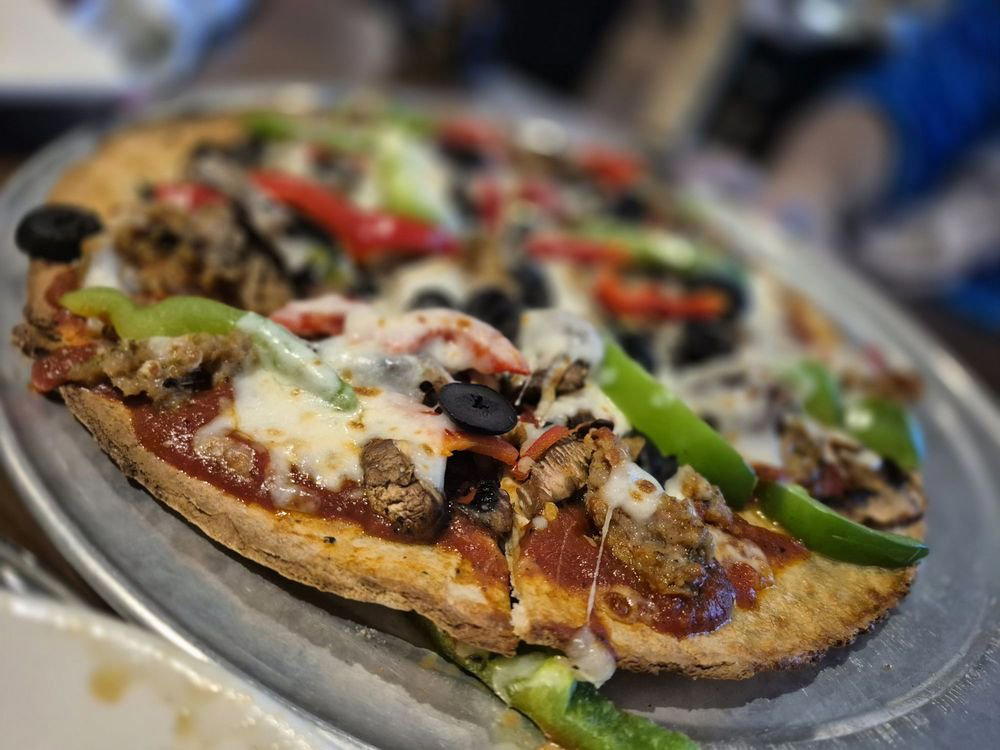
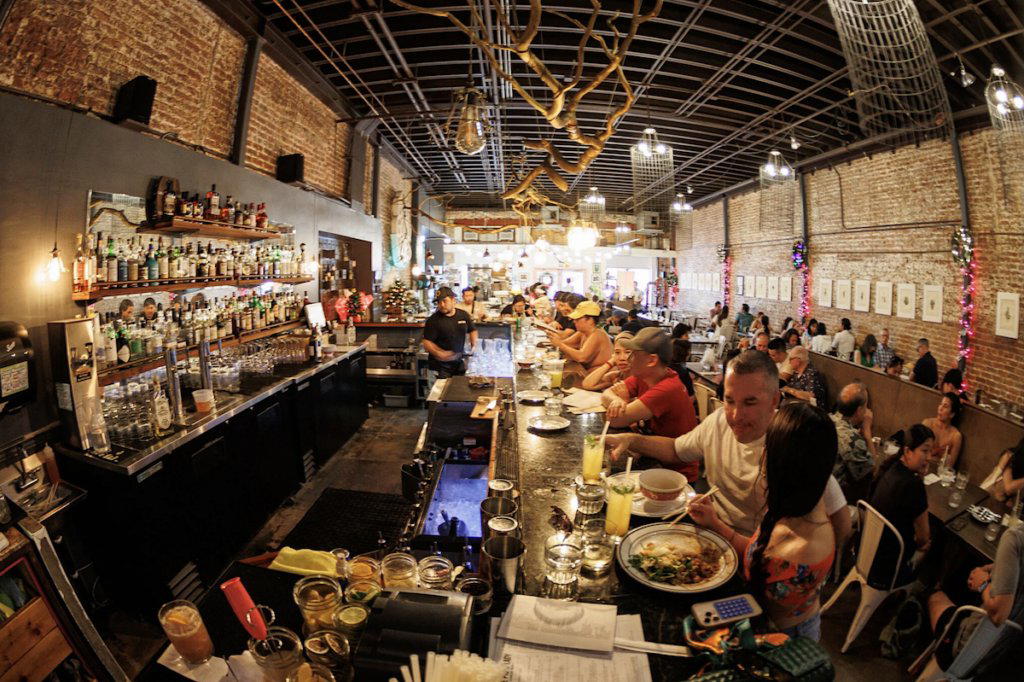
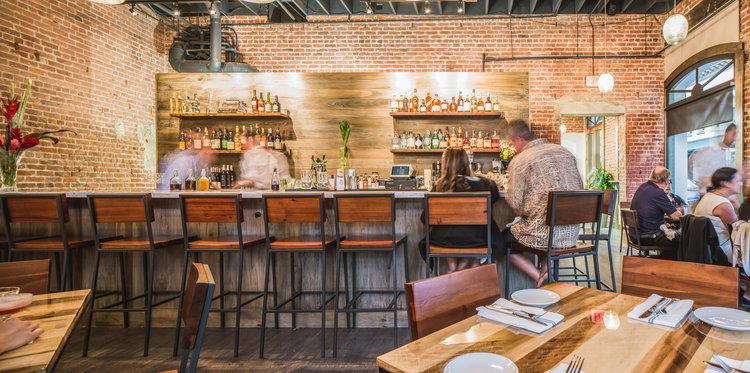
Casual, cozy, and unassuming with a welcoming, family-friendly atmosphere.
Know Before You Go
- Getting there
- 1269 S King St, Honolulu, HI 96814