Tim Ho Wan

Our verdict
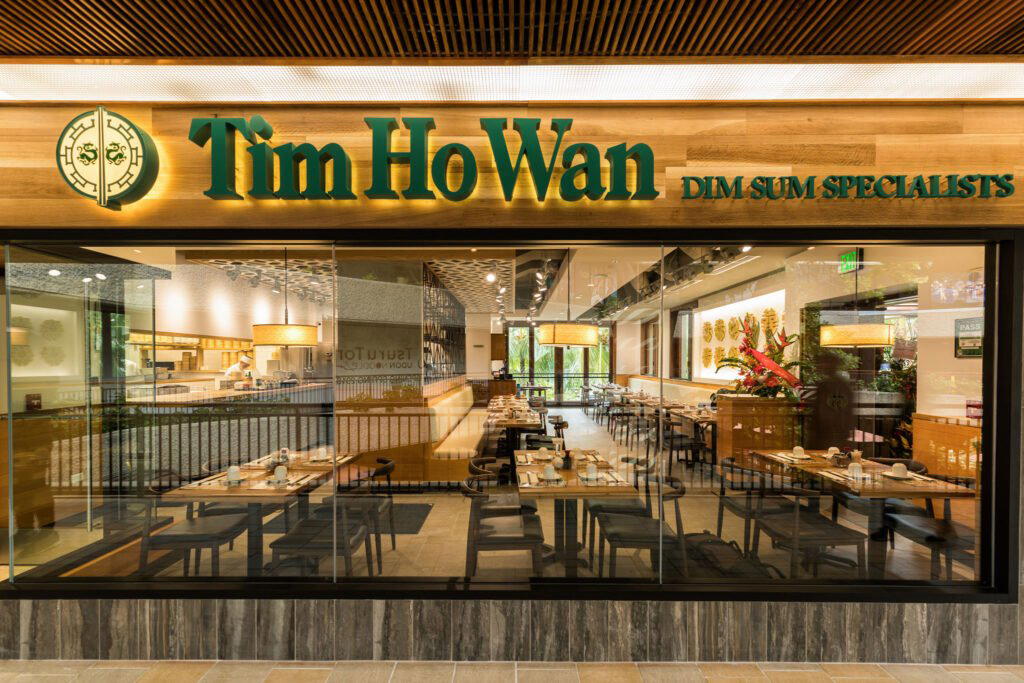
Tim Ho Wan brings its Michelin-recognized dim sum format to Waikiki's retail corridor, offering the Hong Kong chain's signature baked BBQ pork buns and har gow at a price point that sits well below Honolulu's fine-dining tier. For a city where serious Chinese cooking has historically required a drive to Chinatown, its address inside the DFS Galleria puts affordable, high-pedigree Cantonese in an unexpected ZIP code.

Pearl is the En Primeur Club membership app — saves, bookings, and concierge access live there. Same editors, same standards.
- Address
- 2201 Kalākaua Ave A-307, Honolulu, HI 96815
- Phone
- (808) 888-6088
- Hours
- Daily 11 AM–9 PM
- Website
- timhowanusa.com
- Directions
- Get directions
The menu
What to order
- Baked BBQ Pork Buns
- Steamed Pork Dumplings with Shrimp (Siu Mai)
- Steamed Shrimp Dumplings (Har Gow)
- Xiao Long Bao
Dim Sum at Waikiki's Edge: What Tim Ho Wan's Address Actually Means
Waikiki's dining axis runs predictably: hotel restaurants commanding ocean views, resort buffets absorbing package tourists, and a handful of independent spots that survive on local loyalty. The stretch of Kalākaua Avenue around the DFS Galleria is, bluntly, retail territory — duty-free perfume counters and luxury brand outposts. Dropping a dim sum operation with serious Hong Kong credentials into Suite A-307 of that corridor is the kind of placement decision that reads as counterintuitive until you consider who walks those blocks: a dense mix of Japanese, Korean, and mainland Chinese visitors for whom Cantonese dim sum is not novelty dining but comfort food with known reference points.
That geographic tension is, in many ways, what makes Tim Ho Wan's Honolulu location worth understanding on its own terms. The brand originated in Mong Kok in 2009 and received a Michelin star the following year, becoming one of the first dim sum operations to earn that recognition. What that credential established was not fine-dining status but category credibility: the argument that dim sum executed with technical consistency could hold against any standard of evaluation. The Honolulu outpost carries that lineage into a market where Cantonese cooking at the level the brand represents has been largely absent from the Waikiki core.
Where Honolulu's Dim Sum Scene Actually Sits
Honolulu has a legitimate Chinese food history, anchored in Chinatown on the downtown edge of the city, where family-run operations have served the local Chinese-Hawaiian community for generations. That neighborhood's dim sum tradition is cart-service, volume-driven, and priced for regular weekday use. The Waikiki end of the spectrum has historically offered very little in that category at any quality level. Tim Ho Wan's format, which is counter-order rather than cart and oriented toward a shorter, more precisely executed menu, occupies a different register from Chinatown's established houses without directly competing with them.
For context, the Honolulu dining tier that draws regional attention skews heavily toward New American and Euro-Pacific formats. Fête (New American) and 3660 On the Rise represent the city's serious mid-to-upper dining conversation, while waterfront destinations like 53 By The Sea compete on setting and occasion value. 855-ALOHA and cultural formats like Ahaaina Luau occupy the local-experience end of visitor dining. None of those intersect with what Tim Ho Wan does. The dim sum category in Waikiki was effectively vacant at a credentialed level before this location opened, which is the actual story behind the placement.
See the full Honolulu restaurants guide for broader context on where the city's dining neighborhoods sit relative to each other.
The Format and Why It Travels
Tim Ho Wan's expansion model has been studied in the hospitality industry as an example of how a Michelin-recognized format can scale without collapsing the underlying quality proposition. The original Mong Kok counter was built around a tightly controlled menu, a small footprint, and the elimination of cart service in favor of order sheets. Those constraints, which looked like austerity when the first location opened, turned out to be the mechanism that made consistency across markets possible.
The baked BBQ pork bun, universally cited as the menu anchor, illustrates the logic. The technique requires precise dough lamination and filling ratio — not complex by haute cuisine standards, but demanding enough that execution variance immediately registers. When the format exports cleanly, the bun arrives with the same crisp-yielding shell the Hong Kong location established as the baseline. That replicability is what the Michelin credential is actually measuring in this context, and it is what the Honolulu location is expected to deliver.
For visitors arriving from markets with deep dim sum scenes, whether Hong Kong, Singapore, Sydney, or Vancouver, Tim Ho Wan functions as a known quantity. For Honolulu-based diners without those reference points, it functions as an accessible entry into a style of Cantonese cooking that has been underrepresented in the tourist core.
Waikiki in the Broader US Fine-Dining Frame
Hawaii's isolation from the continental US has always produced a restaurant market with different competitive dynamics. The highest-recognition tier of American dining, represented by operations like Le Bernardin in New York City, Alinea in Chicago, The French Laundry in Napa, Providence in Los Angeles, Lazy Bear in San Francisco, Addison in San Diego, Single Thread Farm in Healdsburg, Blue Hill at Stone Barns in Tarrytown, The Inn at Little Washington, Atomix in New York City, and Emeril's in New Orleans, operates in a different category entirely, built around destination dining economics and extensive tasting menus. Honolulu's market has always been shaped more by visitor volume and price sensitivity than by the tasting-menu arms race that defines coastal fine dining.
Tim Ho Wan's price positioning reflects that reality. It sits at a fraction of what dinner at any Michelin-starred tasting format costs, which means it serves a genuinely different decision in the visitor's day: the low-stakes, high-quality lunch that a resort city often fails to provide at a credentialed level. For international visitors, particularly those traveling from Asia-Pacific markets where the brand is well-known, it also functions as a point of familiarity inside an otherwise unfamiliar destination. Globally, the brand has presence across Hong Kong, Singapore, Australia, and multiple US cities, and the Honolulu location fits that Pacific-rim expansion logic directly. Comparable credentials in the Asian restaurant category at the international tier can be found at 8 1/2 Otto e Mezzo Bombana in Hong Kong, though at a different price point and format entirely.
Planning Your Visit
| Venue | Category | Setting | Price Tier | Booking |
|---|---|---|---|---|
| Tim Ho Wan | Dim Sum / Cantonese | Retail mall, Waikiki | Budget-mid | Walk-in or limited reservations |
| Fête | New American | Restaurant row, downtown | Mid-upper | Advance booking advised |
| 53 By The Sea | Euro-Pacific | Waterfront | Upper | Reservation required |
| Ginza Bairin | Japanese | Waikiki mid-block | Mid | Walk-in friendly |
| Fujiyama Texas | Japanese | Waikiki | Mid | Walk-in friendly |
The DFS Galleria address on Kalākaua Avenue puts Tim Ho Wan inside walking distance of most Waikiki hotels, which is logistically useful but also means foot traffic from the retail corridor. Lunch service draws the heaviest volume; midweek morning visits typically see shorter waits than weekend afternoons. The menu format, based on order sheets rather than cart service, moves faster than traditional dim sum houses once you understand the system.
Frequently asked questions
Is Tim Ho Wan suitable for children?
Dim sum formats generally suit families well — dishes arrive in small portions, the pacing is flexible, and there is no long tasting-menu commitment. Tim Ho Wan's Waikiki location at 2201 Kalākaua Ave places it inside a retail complex, which adds practical ease for groups with children. Nothing in the format skews adult-only.
What kind of setting is Tim Ho Wan?
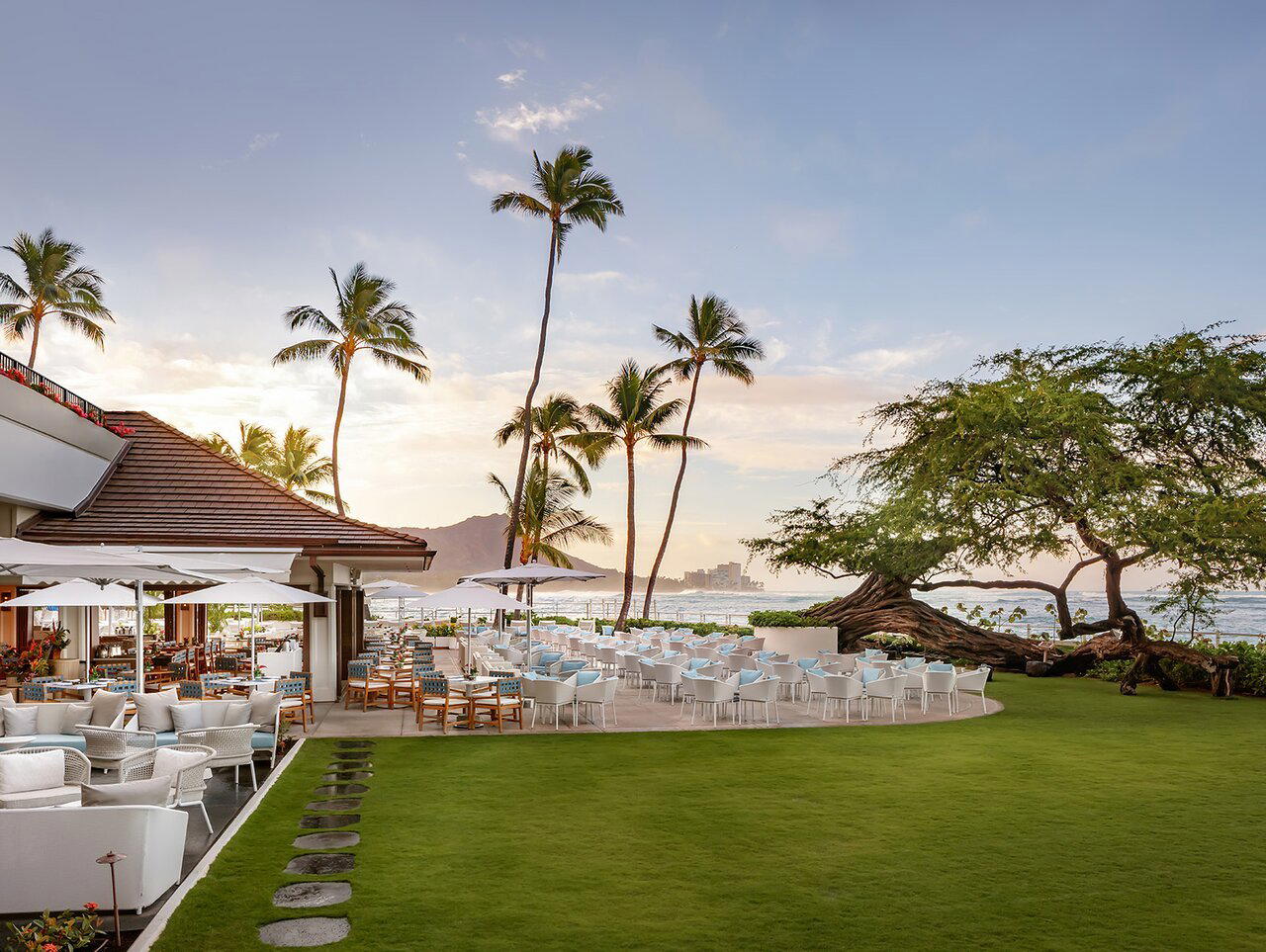
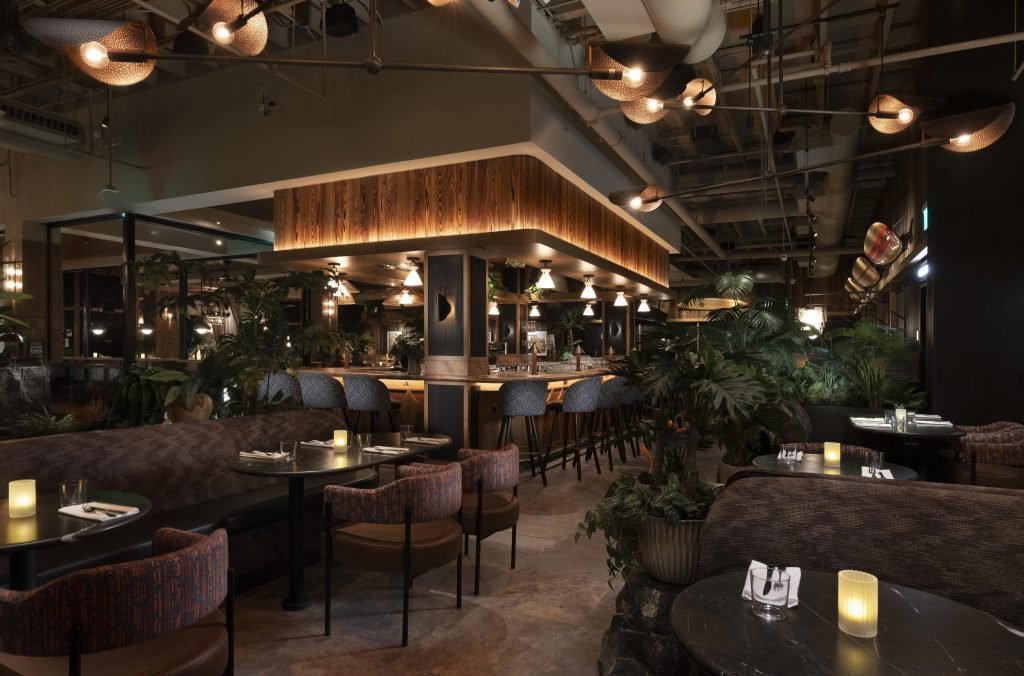
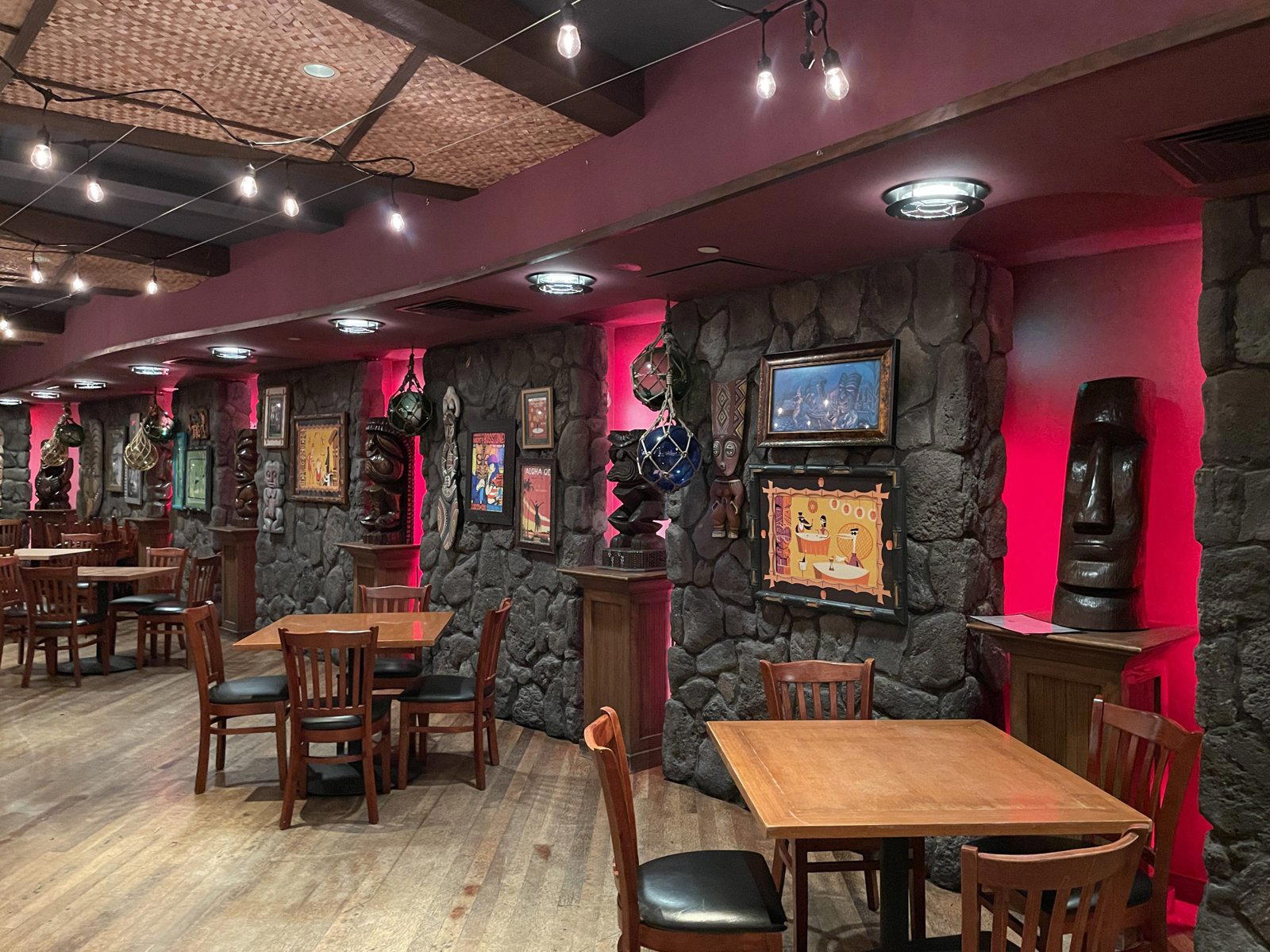
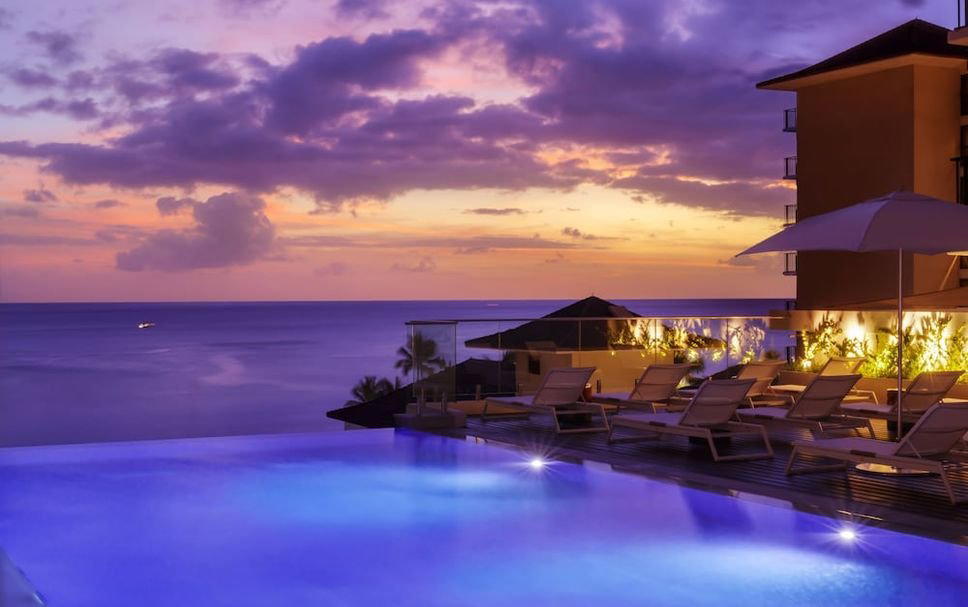
The Honolulu outpost sits on the third floor of a Waikiki retail complex at 2201 Kalākaua Ave, which means the setting is compact and canteen-adjacent rather than resort-formal. Tim Ho Wan's global expansion has consistently prioritised accessibility over atmosphere — the format is counter-style efficiency, not tableside ceremony. Dress accordingly: casual is appropriate.
How does Tim Ho Wan Honolulu compare to the original Michelin-recognised Hong Kong location?
The Hong Kong original earned Michelin recognition as one of the most affordable starred dim sum operations in the world, a credential that made Tim Ho Wan's expansion internationally newsworthy. The Honolulu outlet at 2201 Kalākaua Ave is part of that licensed global rollout, operating under the same brand and core menu logic, though Michelin coverage does not extend to this Hawaii location. For visitors already familiar with the chain's Hong Kong or New York outposts, the Waikiki version offers continuity of format in a notably different geographic context.
What's the signature dish at Tim Ho Wan?
Across its international locations, Tim Ho Wan is most closely associated with its baked BBQ pork buns — the item that helped the Hong Kong original earn Michelin recognition and anchored the brand's reputation as it expanded. Whether the Honolulu menu follows the same exact format is best confirmed directly with the restaurant, as location-specific menus can vary.
What part of town is Tim Ho Wan in?
Tim Ho Wan is located at 2201 Kalākaua Ave A-307, Honolulu, HI 96815, Honolulu.
Should I book Tim Ho Wan in advance?
Tim Ho Wan locations in tourist-dense areas typically draw consistent queues, particularly on weekends and during peak Waikiki visitor periods. Walk-in availability varies — checking directly with the 2201 Kalākaua Ave location before arrival is advisable if your schedule is fixed. Policies on reservations differ by location within the chain.
Just the Basics
Comparable venues nearby, for context on price, style, and recognition.
| Venue | Cuisine | Price | Notes |
|---|---|---|---|
| Tim Ho WanThis venue — the venue you are viewing | Authentic Cantonese Dim Sum | $20–30 | Not listed |
| Khan Skewer Restaurant | Mongolian-style BBQ Skewers | $20–30 | Mō‘ili‘ili, Mongolian-style BBQ Skewers |
| The Mandarin | Northern Chinese | $10–20 | Capitol District, Northern Chinese |
| Chow Mein Express | Airport Chinese Takeout | $10–20 | Honolulu International Airport, Airport Chinese Takeout |
| Redfish Waikiki | Hawaiian Poke & Local Cuisine | $20–30 | Kapahulu, Hawaiian Poke & Local Cuisine |
| An Di Dzo | Modern Vietnamese | $20–30 | Ala Moana, Modern Vietnamese |
Recognition history
Dated appearances from independent guides and award organizations, with the underlying list record or original source where available.
Opinionated About Dining Casual in North America Recommended
Opinionated About Dining
Details
- Casual
- Lively
- Brunch
- Casual Hangout
- Open Kitchen
- A La Carte
- Small Plates
- Vegetarian Friendly
Current opening hours
- Monday
- 11 AM–9 PM
- Tuesday
- 11 AM–9 PM
- Wednesday
- 11 AM–9 PM
- Thursday
- 11 AM–9 PM
- Friday
- 11 AM–9 PM
- Saturday
- 11 AM–9 PM
- Sunday
- 11 AM–9 PM
Hours can change for holidays and private events. Last verified .
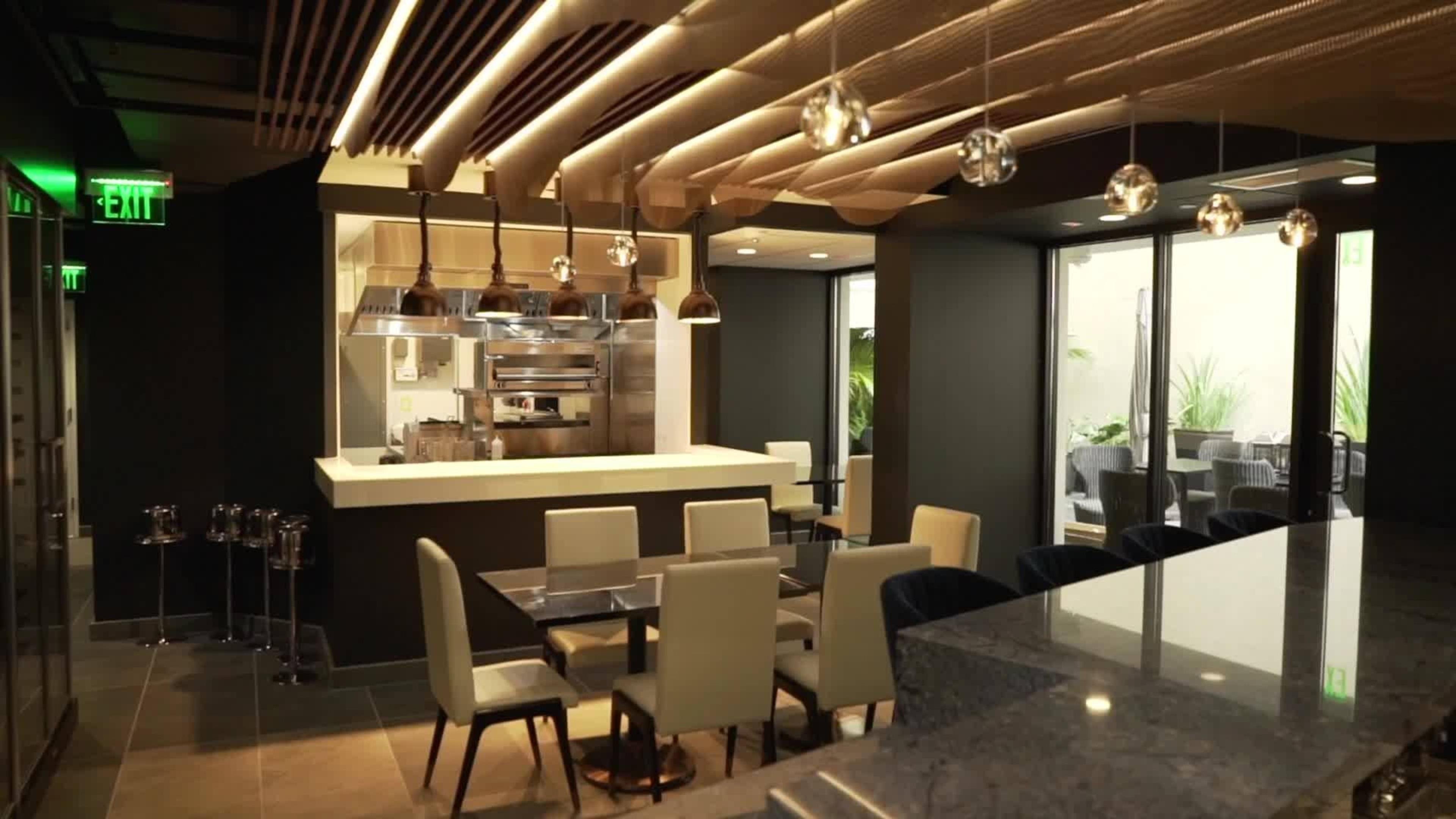
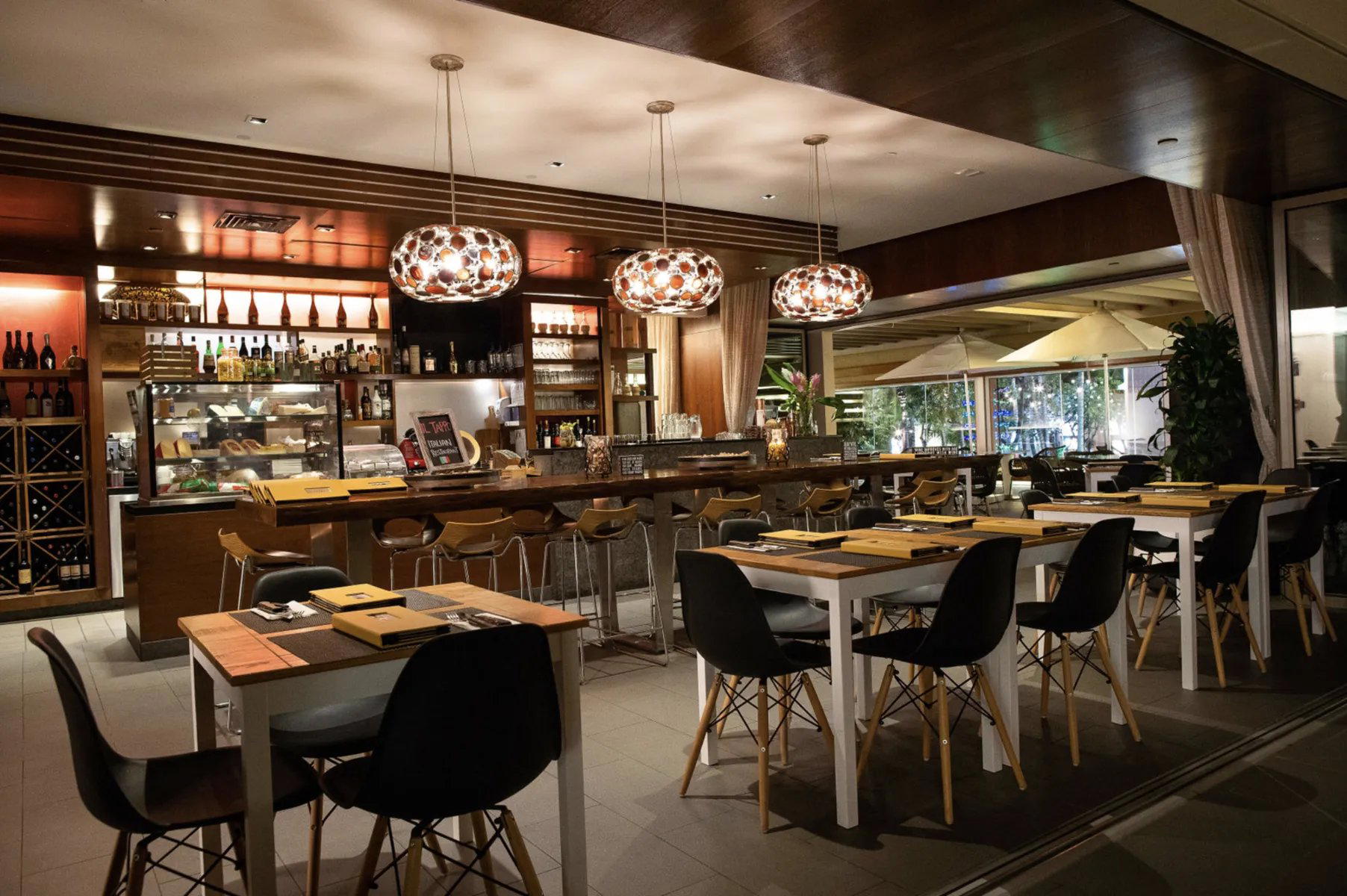
Casual and down-to-earth atmosphere reminiscent of authentic Hong Kong dining with a focus on precise dim sum preparation.