Mei Sum Dim Sum
On Nuuanu Avenue in Honolulu's Chinatown corridor, Mei Sum Dim Sum occupies the kind of no-ceremony position that serious dim sum houses often do: the food argues for itself. The menu follows the Cantonese cart-and-basket format that defines the category across the Pacific, making it a reliable reference point for anyone mapping Honolulu's Chinese dining scene.
Pearl is the En Primeur Club membership app — saves, bookings, and concierge access live there. Same editors, same standards.
- Address
- 1170 Nuuanu Ave #102, Honolulu, HI 96817
- Phone
- +18085313268
- Website
- meisumdimsumhi.com
- Directions
- Get directions
 Saves & bookings on Pearl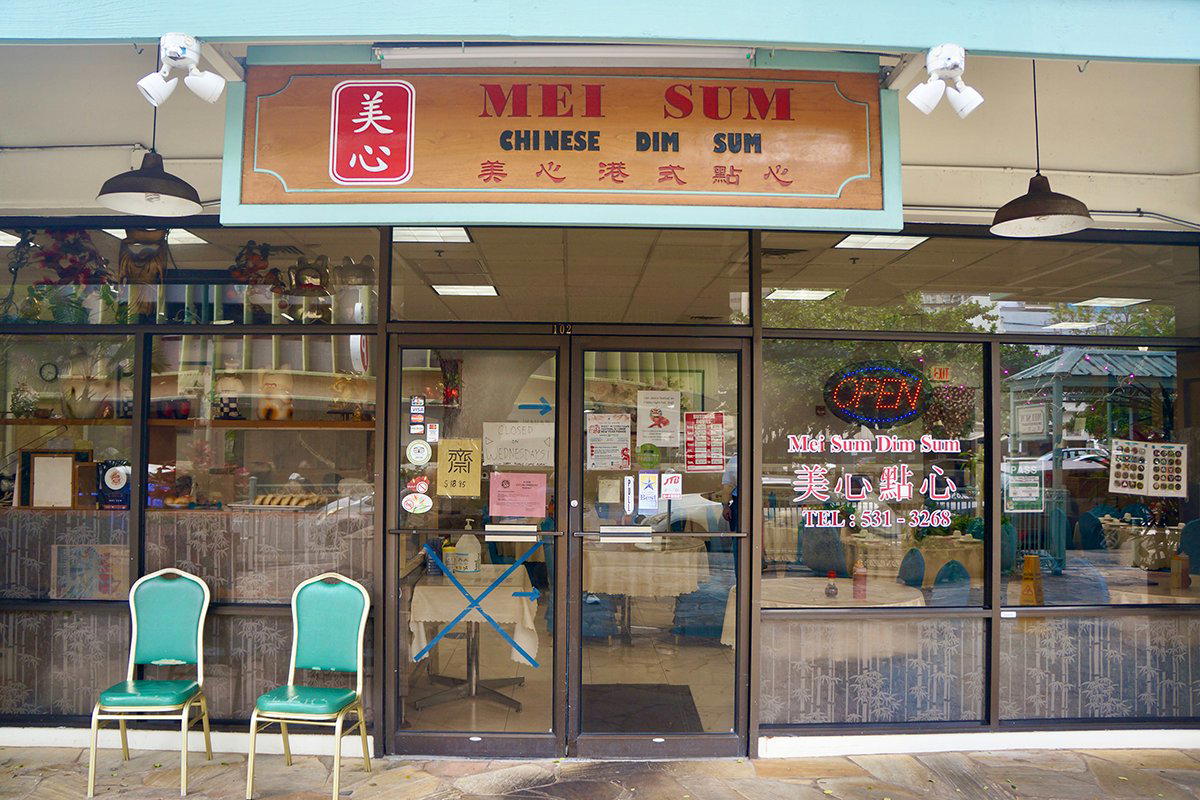
Nuuanu Avenue and the Grammar of a Dim Sum Room
Walk along Nuuanu Avenue through Honolulu's Chinatown district and the signage changes register quickly. The blocks between Hotel Street and Beretania mix herbal shops, produce vendors, and a handful of dining rooms that have served the neighborhood's Chinese and Southeast Asian communities for decades. Mei Sum Dim Sum sits in that corridor at 1170 Nuuanu Ave, Honolulu, and the address is itself an editorial statement: this is not a restaurant positioned for the resort strip or the hotel dining circuit. It operates inside a local ecosystem where the room's function is to deliver food efficiently and the food is expected to do the persuading.
That distinction matters when you're reading Honolulu's dining map. The city's premium end runs toward Pacific Rim tasting menus, Hawaii Regional Cuisine showcases, and ocean-view dining rooms. Options like 53 By The Sea or Fête (New American) operate in a register defined by sourcing narrative and composed plating. Mei Sum occupies a different tier by design, one where the kitchen's credibility is measured by how the har gow skin holds together and whether the char siu bao filling hits the right balance of sweet and savory rather than by any single chef's biography.
How the Menu Works: Dim Sum as a System
Dim sum is a format before it is a menu, and understanding the format helps clarify what separates a competent dim sum house from a routine one. The Cantonese yum cha tradition organizes eating into small portions across a wide range of preparations: steamed dumplings, pan-fried buns, rice noodle rolls, turnip cake, sticky rice wrapped in lotus leaf, egg tarts. The logic is horizontal rather than vertical. You are not building toward a single main event; you are sampling across a structure where every dish type has a canonical version against which variations get judged.
That structure places specific demands on a kitchen. Dim sum requires parallel production at scale, precise timing across steam baskets, and consistency in wrapper thickness and filling ratio across hundreds of individual pieces served across a single service. The venues that earn sustained neighborhood loyalty in this category do so by maintaining that consistency over years, not by rotating seasonal concepts. In cities with dense Chinese-American populations, like San Francisco, Los Angeles, or New York, the dim sum tier is highly competitive and the standards are publicly debated among regulars. Honolulu's Chinatown runs smaller, which makes Mei Sum's position in that neighborhood ecosystem more significant: there are fewer direct competitors at this format and price positioning.
For context on how seriously the dim sum format is taken elsewhere in the Pacific world, the kitchen precision expected at a Cantonese institution shares a technical seriousness with what drives Michelin recognition at operations like 8 1/2 Otto e Mezzo Bombana (Hong Kong) in Hong Kong, even if the category and price register are entirely different. The point is that Cantonese cooking tradition at any level operates within a deeply codified grammar.
Chinatown Honolulu: The Neighborhood as Context
Honolulu's Chinatown is one of the oldest in the United States, with roots going back to the 19th century when Chinese laborers arrived to work the sugar plantations. The neighborhood has layered on additional communities since, with Filipino, Vietnamese, and Korean presences folding into the original Chinese commercial fabric. That layering shows in the food options: a single block can hold a Vietnamese pho counter, a Filipino bakery, and a Cantonese restaurant without any of them feeling like an outlier.
For a visitor oriented toward the higher-end Honolulu dining scene, which has attracted coverage in publications tracking restaurants like 3660 On the Rise, the Chinatown corridor offers a counterpoint. It is where Honolulu eats without performance. Mei Sum fits that register: a neighborhood room where the repeat customer base sets the standard and the kitchen's job is to meet it reliably.
Chinatown Honolulu is also walkable from downtown and accessible enough that it functions as a deliberate destination rather than an accidental one. Visitors who have structured their Honolulu itinerary around experiences like Ahaaina Luau or 855-ALOHA will find the Chinatown detour a useful recalibration, a reminder that the city's food culture extends well beyond its resort-zone identity.
Placing Mei Sum in the Wider American Dim Sum Picture
Across the continental United States, dim sum has bifurcated into two distinct operational models. The traditional rolling-cart format, where servers wheel trays through a large dining room and diners select by pointing, represents one pole. The order-by-checkbox-form model, increasingly common in newer operations, represents the other. Each has advocates: the cart format rewards browsing and produces a social energy; the form system offers more kitchen control and fresher items on demand.
Honolulu sits at a significant cultural crossroads for this question. Hawaii's Chinese community is large enough to sustain genuine demand for the format, and proximity to Asia keeps expectations calibrated against a wider reference pool than many mainland American cities manage. That context separates Honolulu's Chinese dining scene from what you might find in a smaller American city where dim sum is an occasional novelty rather than a weekly ritual for a significant portion of the population.
For a broader frame on what serious American restaurant culture looks like, our coverage spans everything from Le Bernardin in New York City and The French Laundry in Napa to Lazy Bear in San Francisco, Alinea in Chicago, Providence in Los Angeles, and Addison in San Diego. Neighborhood dim sum houses like Mei Sum operate in a different register entirely, but they serve an equally irreplaceable function in a city's food culture: they are where locals eat without occasion.
See our full Honolulu restaurants guide for a complete view of the city's dining range, from Chinatown to the waterfront.
Know Before You Go
- Address: 1170 Nuuanu Ave #102, Honolulu, HI 96817
- Neighborhood: Chinatown, Honolulu
- Format: Dim sum / Cantonese
- Price range: About $15 per person
- Reservations: See walk-in notes in FAQ below
- Contact: Please check current local listings
Quick Comparison
Comparable venues nearby, for context on price, style, and recognition.
| Venue | Cuisine | Price | Notes |
|---|---|---|---|
| Mei Sum Dim SumThis venue — the venue you are viewing | Traditional Chinese Dim Sum | $ | Not listed |
| Chow Mein Express | Airport Chinese Takeout | $ | Honolulu International Airport |
| Maunakea Marketplace | Asian Food Court | $ | Chinatown |
| Legend Seafood Restaurant | Authentic Cantonese Dim Sum | $$ | Chinatown |
| Pork Tamago Onigiri | Okinawan Pork Tamago Onigiri | $ | Waikiki |
| The Mandarin | Northern Chinese | $$ | Capitol District |
At a Glance
- Lively
- Classic
- Casual Hangout
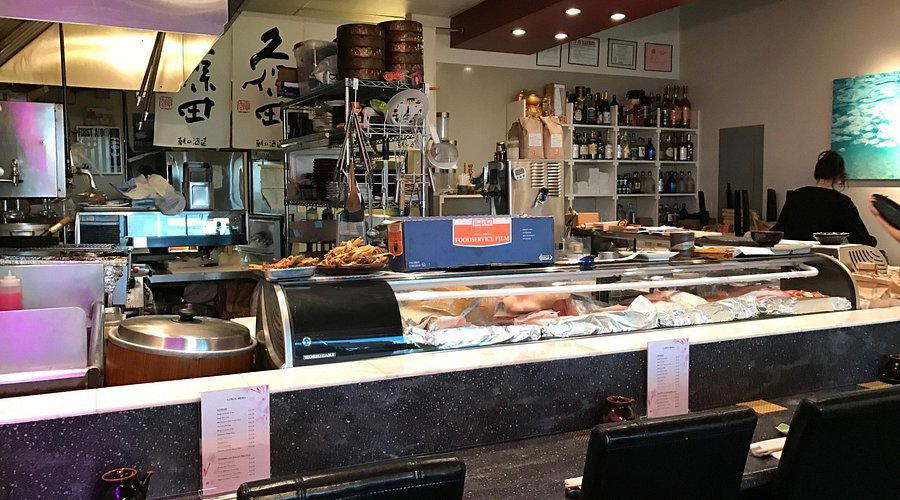
- Open Kitchen
Current opening hours
- Monday
- 9 AM–8 PM
- Tuesday
- 9 AM–8 PM
- Wednesday
- Closed
- Thursday
- 9 AM–8 PM
- Friday
- 9 AM–8 PM
- Saturday
- 8 AM–8 PM
- Sunday
- 8 AM–8 PM
Hours can change for holidays and private events. Last verified .
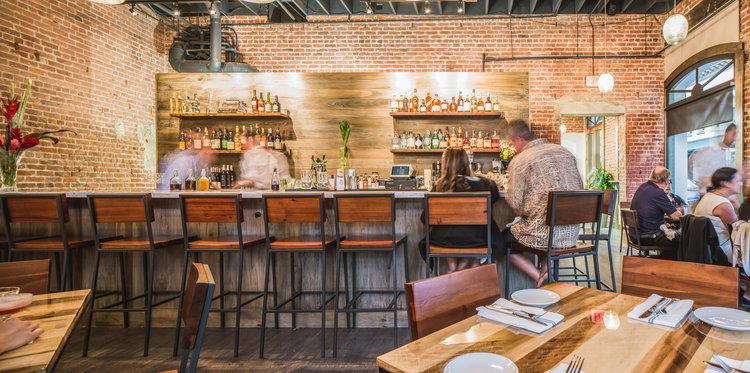
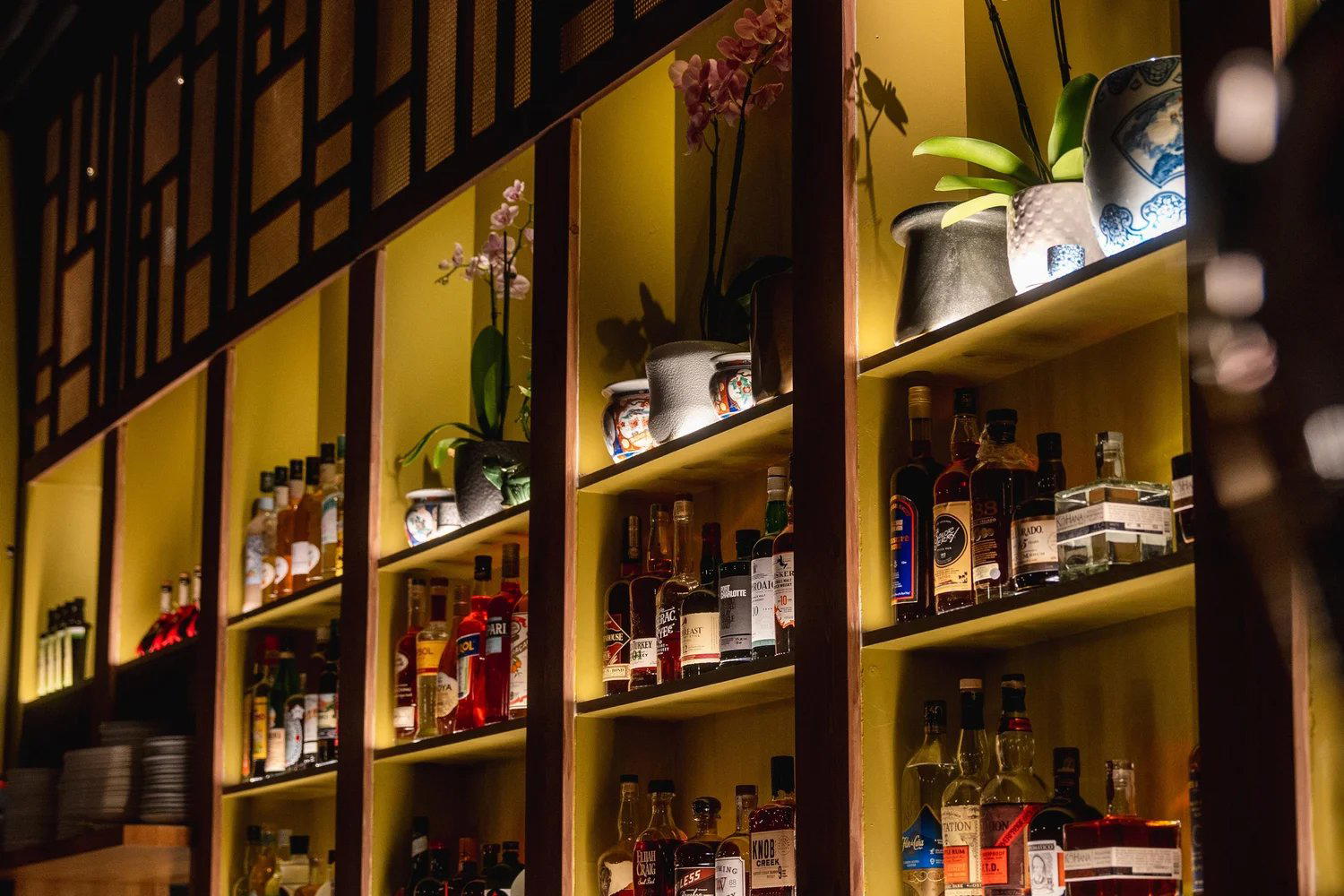
Snug and bustling with a lively Chinatown atmosphere.