The Knast occupies a former prison building in Berlin's Lichterfelde district, translating its loaded architectural history into a dining setting unlike anything in the city's mainstream restaurant circuit. With minimal published data and a deliberately low public profile, it operates closer to the regulars-only end of the Berlin dining spectrum, where word-of-mouth and return visits define the reputation.
Pearl is the En Primeur Club membership app — saves, bookings, and concierge access live there. Same editors, same standards.
- Address
- Söhtstraße 7, 12203 Berlin, Germany
- Phone
- +4930279099061
- Website
- theknast.de
- Directions
- Get directions
 Saves & bookings on Pearl
Where the Room Does the Work
Berlin's most talked-about dining rooms tend to cluster in Mitte, Kreuzberg, and Prenzlauer Berg, where foot traffic and press visibility reinforce each other. The Knast sits outside that geography, on Söhtstraße in Lichterfelde, a southwestern residential district that sees almost no dining tourism. The address alone signals something: this is a place that does not need the city's restaurant circuit to sustain itself. The building's history as a former prison ("Knast" is German slang for jail) gives the space an architectural weight that most Berlin restaurants spend significant money trying to simulate with industrial design. Here, the material reality of thick walls, institutional corridors, and repurposed cells is the atmosphere, not a constructed one.
Among Berlin's dining crowd, this kind of venue occupies a distinct category. The city's celebrated Michelin tier, represented by counters like Rutz, Nobelhart & Schmutzig, and FACIL, draws an international clientele that plans visits months in advance. The Knast draws a different crowd entirely: locals who discovered it through a friend, who returned without telling too many others, and who have kept it in a comfortable state of productive obscurity.
The Regulars' Logic
What keeps a dining room functioning on repeat visits alone, without awards citations or a prominent online presence, tells you something about the offer. In Berlin, where the dining scene rewards novelty and concept-driven openings, a venue that survives on return custom is making a specific kind of promise: consistency, a room that feels personally yours, and a relationship with the kitchen or front-of-house that develops over time. This is the unwritten contract at the regulars-oriented end of the market, and it operates by entirely different rules than the reservation-list prestige economy.
The pattern is familiar across European cities with strong neighbourhood restaurant cultures. In Paris, the bistrot de quartier functions the same way: local, unglamorous by design, resistant to the review cycle, and quietly irreplaceable to the people who depend on it. Berlin has fewer of these than its reputation as a city of anti-establishment energy might suggest. Most venues that trade on informality still participate actively in the media and social visibility game. A place like The Knast, with no published phone, no website indexed in standard directories, and a Lichterfelde address that requires deliberate effort to reach, operates on a different logic entirely.
For the regulars who return to a room like this, the draw is often partly social architecture. The layout of a former prison lends itself to smaller, more contained dining spaces than an open-plan restaurant floor. That kind of compartmentalisation naturally segments tables from each other, reduces ambient noise, and creates a sense of enclosure that some diners find more conducive to conversation than the wide-open industrial formats that dominate Berlin's mid-range sector. These are not features that appear in any press release; they are reasons people come back.
Berlin's Dining Geography, Redrawn
Understanding why The Knast matters to its regulars requires a brief map of how Berlin's dining scene distributes itself spatially. The city's high-profile creative restaurants, from CODA Dessert Dining to Restaurant Tim Raue, are concentrated in areas with high visitor density and strong press ecosystems. Lichterfelde operates outside this circuit. It is a district of Wilhelmine-era apartment blocks and quiet streets, with a resident population that has little interest in queueing for tasting menus or competing for reservations with international visitors.
This geography shapes the dining culture available to those residents. A venue that survives in Lichterfelde does so because it serves people who live there, not people who are passing through. That dynamic produces a different kind of hospitality: less performative, more calibrated to the rhythms of people returning rather than arriving for the first time. Across Germany's fine and casual dining spectrum, from the destination precision of Aqua in Wolfsburg to the regional anchoring of Schwarzwaldstube in Baiersbronn, the venues that attract loyal repeat clientele share one quality: they are not trying to be different things to different people depending on who walked through the door that week.
The Low-Profile Advantage
There is a growing argument in food criticism that interesting dining in any major city happens at venues with the lowest online visibility. Not because obscurity is itself a virtue, but because the venues that have not built a presence around visibility are often the ones whose offer is self-sustaining. The restaurant's low profile places it in a tier that resists easy characterisation. That is not a flaw in the research; it reflects how the venue operates.
For context, Germany's most lauded restaurants maintain highly visible profiles as part of their market positioning. Vendôme in Bergisch Gladbach, Victor's Fine Dining by Christian Bau in Perl, and Waldhotel Sonnora in Dreis are places where the Michelin relationship is central to the operating model. The restaurant occupies the opposite position: whatever it has built, it has built without that scaffold. Internationally, the dynamic is comparable to venues like Le Bernardin in New York, which maintains its standing through consistent execution rather than novelty cycles, though the price tier and format are entirely different. The structural point is the same: sustained reputation built on return custom outlasts the press cycle.
Among other German cities, JAN in Munich, Restaurant Haerlin in Hamburg, and Schanz in Piesport demonstrate how regional dining identities hold distinct from Berlin's more fluid, scene-driven culture. Venues like ES:SENZ in Grassau, Bagatelle in Trier, and even Atomix in New York each operate with clear public identities. The restaurant's comparative opacity is, in this context, a positioning in itself.
Planning a Visit
Approaching the restaurant requires the kind of legwork that regulars have already done: arriving in the neighbourhood or connecting through someone who has been. The address at Söhtstraße 7, 12203 Berlin puts it in Lichterfelde, accessible by S-Bahn to Lichterfelde West or Lichterfelde Ost. Advance planning is limited. For visitors already exploring Berlin's broader restaurant scene, the restaurant is not the right anchor for a first-night-in-Berlin itinerary. It rewards the kind of visit built around neighbourhood exploration rather than reservation logistics.
Practical details: Söhtstraße 7, 12203 Berlin.
What It’s Closest To
Comparable venues nearby, for context on price, style, and recognition.
| Venue | Cuisine | Price | Notes |
|---|---|---|---|
| THE KNASTThis venue — the venue you are viewing | Modern French Bistro | $$$ | Not listed |
| Joynes Kitchen | Modern French Bistro | $$$ | Charlottenburg |
| Belmondo | Classic French Bistro | $$$ | Charlottenburg |
| TORBAR | French Brasserie | $$$ | Mitte |
| Jolie Bistrot | Modern French Bistro | $$$ | Prenzlauer Berg |
| VOLK | French Oyster Bar & Bistro | $$ | Scheunenviertel |
Continue exploring
More in Berlin
Restaurants in Berlin
Browse all →
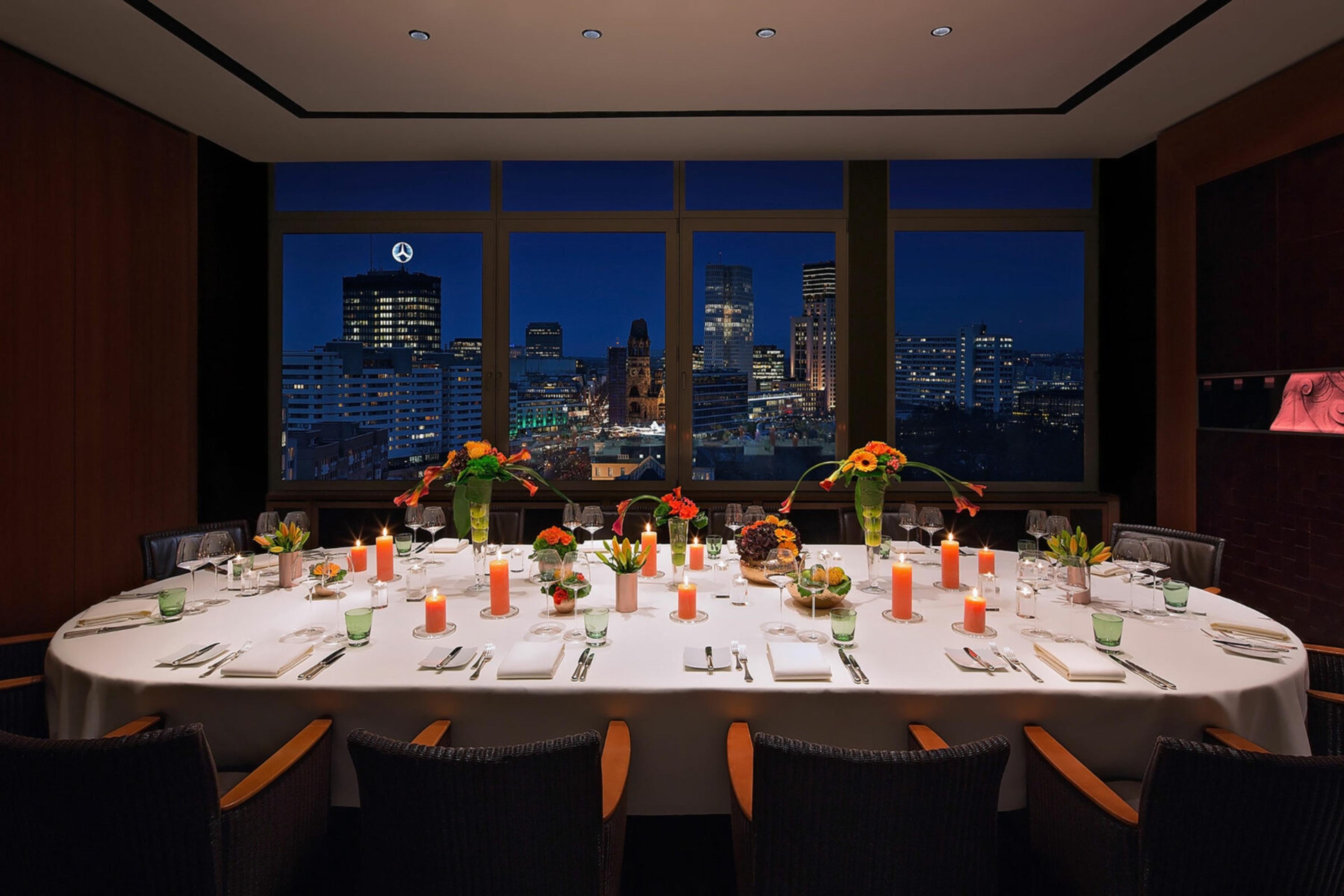
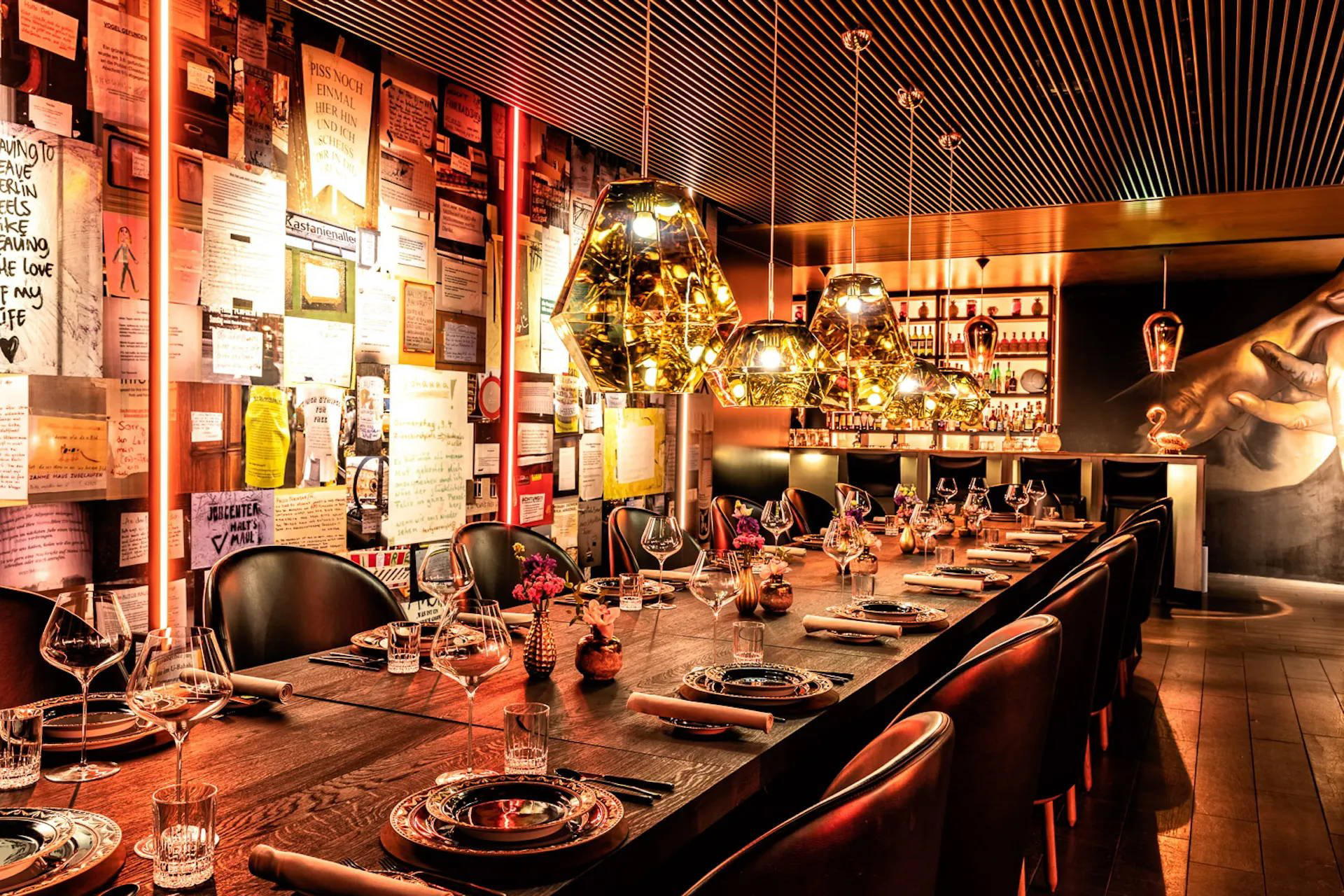
Bars in Berlin
Browse all →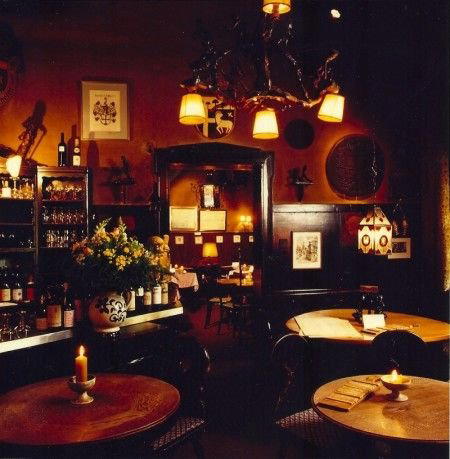
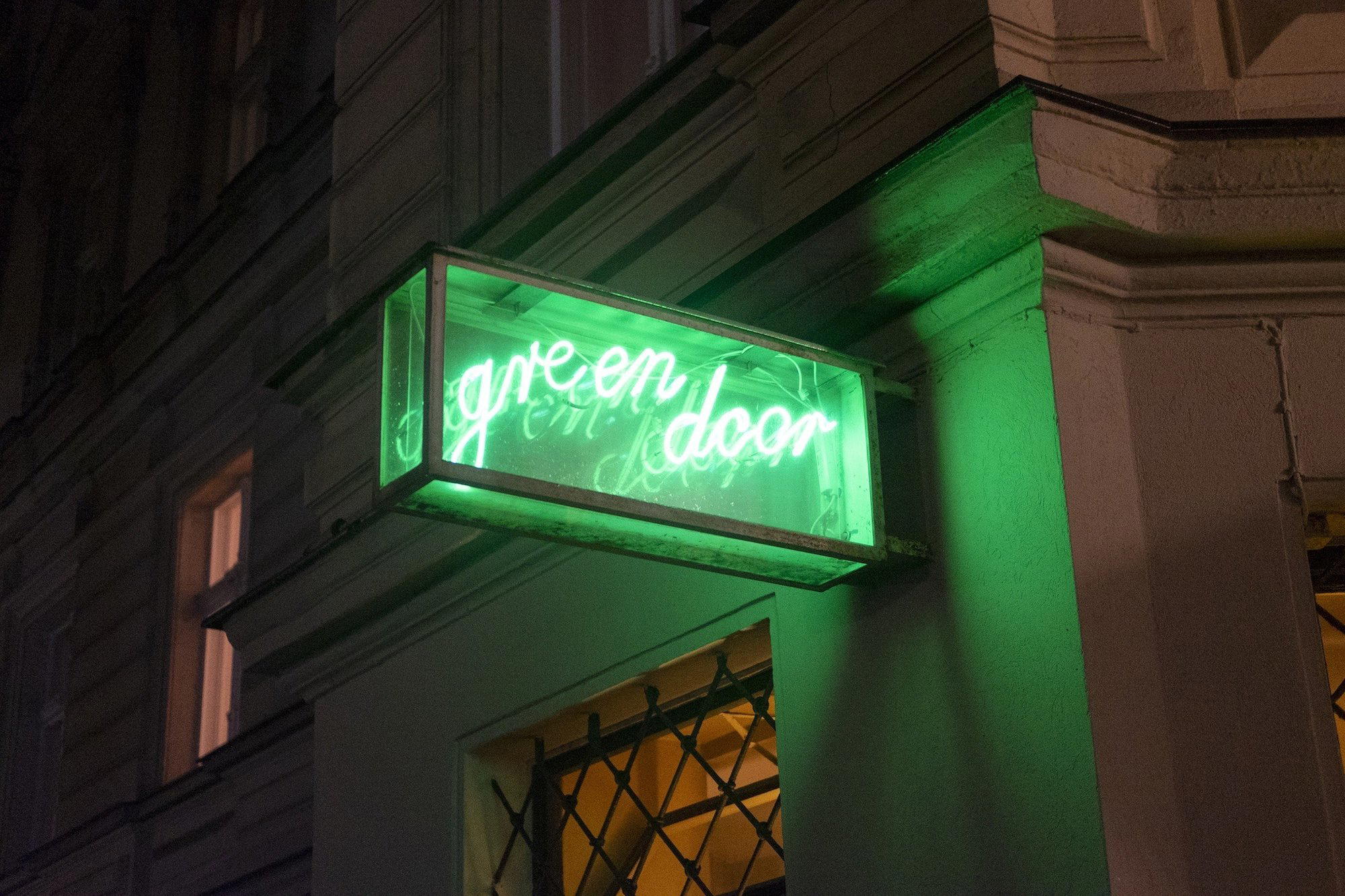
Hotels in Berlin
Browse all →

At a Glance
- Elegant
- Modern
- Intimate
- Historic
- Sophisticated
- Date Night
- Business Dinner
- Special Occasion
- Historic Building
- Garden
- Extensive Wine List
- Organic
- Garden
Current opening hours
- Monday
- Closed
- Tuesday
- 5–11 PM
- Wednesday
- 5–11 PM
- Thursday
- 5–11 PM
- Friday
- 5 PM–1 AM
- Saturday
- 5 PM–1 AM
- Sunday
- Closed
Hours can change for holidays and private events. Last verified .
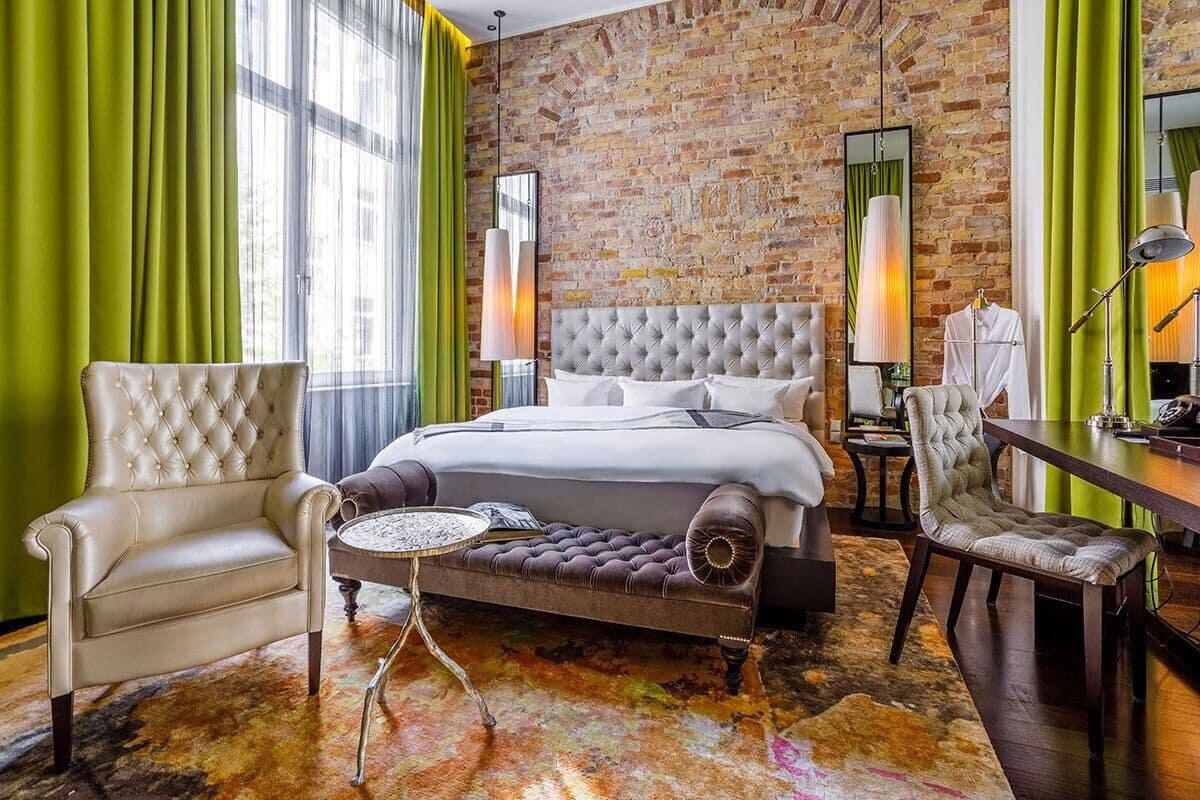
Elegant dining room with chic lounge, charming garden in good weather, and a distinctive historic atmosphere.