VOLK occupies a narrow address on Brunnenstraße in Mitte, a street that has quietly become one of Berlin's more considered dining corridors. The restaurant sits in the upper tier of Berlin's independent dining scene, alongside Michelin-recognised peers on the city's creative circuit. For those plotting a serious meal in the German capital, it belongs on the same shortlist as Rutz, CODA, and Nobelhart & Schmutzig.
Pearl is the En Primeur Club membership app — saves, bookings, and concierge access live there. Same editors, same standards.
- Address
- Brunnenstraße 182, 10119 Berlin, Germany
- Phone
- +491736863883
- Website
- volkmitte.de
- Directions
- Get directions
 Saves & bookings on Pearl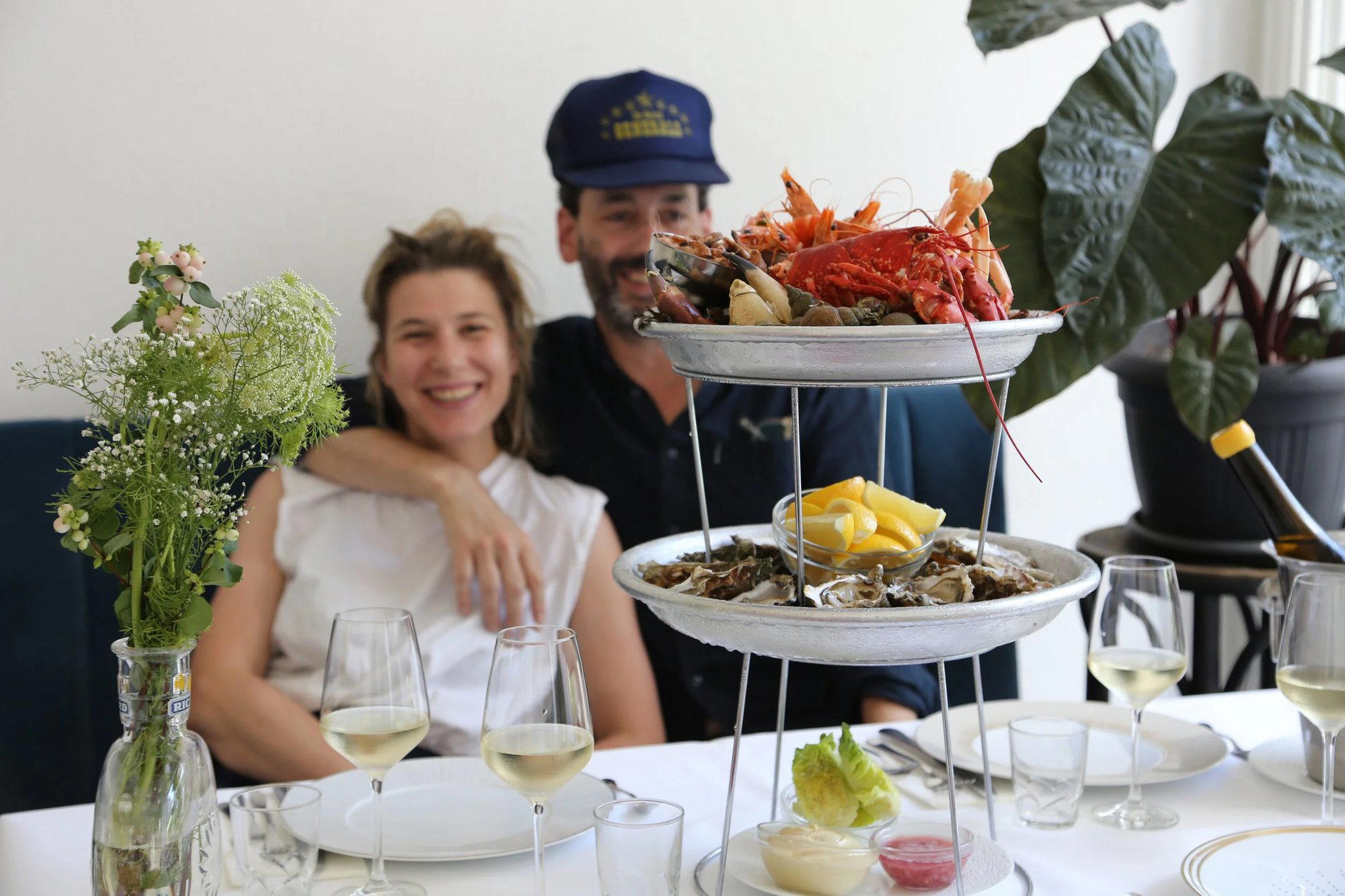
Brunnenstraße and the Art of the Considered Meal
VOLK is a French Oyster Bar & Bistro at Brunnenstraße 182 in Berlin, with a casual dress code, reservations recommended, and an average price of about $30 per person. Along streets like Brunnenstraße in Mitte, restaurants have begun to operate at a different register: not the loose, convivial energy of the city's well-known late-night bars, but something more deliberate. VOLK sits at number 182 on that stretch, and the address alone signals something about the kind of meal on offer. Mitte's northern corridor, running toward the old Borsig district, has accumulated a cluster of independent restaurants that treat the dining ritual as the evening's primary event, not its preamble.
This shift mirrors what has happened across Berlin's serious dining tier more broadly. The city now supports a cohort of restaurants, including Rutz, Nobelhart & Schmutzig, FACIL, and CODA Dessert Dining, where the format of the meal, its pacing, its sequencing, its silences, is treated as seriously as the ingredients. VOLK belongs to that conversation. What distinguishes the Brunnenstraße location is its position at the edge of gentrification's last wave in this part of the city: close enough to Mitte's polished centre to draw international visitors, far enough north to retain a neighbourhood quality that the Michelin-saturated streets around Potsdamer Platz have largely lost.
The Ritual of the Meal
In Berlin's upper dining tier, the choreography of service has become as much a statement of intent as the cooking itself. The city's most serious independent restaurants have moved away from the elaborate tableside theatre that defined European fine dining a decade ago, toward something more restrained: fewer interruptions, longer pauses between courses, a preference for letting the food carry its own explanation. This is the dining ritual that VOLK inhabits.
Across the restaurants that define this tier in Berlin, the approach to sequencing has converged around a set of recognisable habits. Courses arrive at intervals that allow conversation to settle rather than forcing it to compete with service. Wine pairings, where offered, tend to prioritise regional German producers and natural-leaning importers, a reflection of the city's broader sommelier culture, which has moved decisively in that direction over the past five years. The bread course, once an afterthought in German restaurants, now functions as an opening statement, often signalling the kitchen's relationship with fermentation and local grain sourcing before a single main course arrives.
For diners accustomed to the pacing of restaurants like Restaurant Tim Raue, where the energy is kinetic and the flavour register deliberately high-contrast, VOLK represents a different cadence. The meal here is structured to accumulate rather than to arrive fully formed in a single dramatic gesture. That distinction matters when choosing where to spend an evening in Berlin: both approaches are coherent, but they suit different moods and different travelling companions.
Where VOLK Sits in Berlin's Creative Dining Circuit
Germany's serious dining scene has traditionally concentrated outside Berlin. The restaurants that have historically anchored the country's Michelin tier, including Aqua in Wolfsburg, Schwarzwaldstube in Baiersbronn, Vendôme in Bergisch Gladbach, and Victor's Fine Dining by Christian Bau in Perl, are destination restaurants in the truest sense: you travel to them, rather than passing by. Berlin operates differently. Its leading restaurants function as part of an urban dining culture that includes multiple visits across a trip, casual stops alongside formal meals, and a greater willingness to experiment with format and price point.
Within that context, VOLK occupies a specific position. It draws from the same creative current as Nobelhart & Schmutzig, with its commitment to ingredient sourcing as a political act, and Rutz, which has built one of the city's most thoughtful wine programs alongside its kitchen ambitions. These restaurants share an orientation: they are interested in what German cooking can become when it stops apologising for being German. VOLK belongs to that project.
For visitors mapping a longer itinerary across Germany, it is worth noting how Berlin's creative tier compares to what is happening in Munich, where JAN has established a different kind of seriousness, or in smaller towns like ES:SENZ in Grassau and Schanz in Piesport, where the proximity to agricultural producers gives kitchens a different kind of latitude. Berlin's creative restaurants must work harder to source well, and that constraint tends to sharpen decision-making.
Internationally, the closest analogue for what VOLK and its peers are doing is the kind of technically grounded, format-conscious cooking found at Atomix in New York City, where the meal's structure carries as much meaning as its individual components. The comparison is not about cuisine type but about the underlying philosophy of how a restaurant constructs an evening. Le Bernardin in New York occupies a different end of that spectrum, where classical discipline is the organising principle, but it is useful context for understanding where Berlin's creative tier positions itself: closer to Atomix's restless intelligence than to Le Bernardin's reverent classicism.
Planning Your Visit to VOLK
Brunnenstraße 182 is in the 10119 postal district of Berlin, within the Mitte borough and close to the U8 line, making it accessible from most central neighbourhoods without the need for a taxi. Reservations are recommended.
For diners building a longer Berlin itinerary, VOLK works well as part of a sequence that includes one of the city's Michelin-recognised addresses for contrast. FACIL, which operates inside the Mandala Hotel near Potsdamer Platz, offers a different spatial register: glass, courtyard, a sense of enclosure that contrasts with Mitte's more street-facing energy.
Cost and Credentials
Comparable venues nearby, for context on price, style, and recognition.
| Venue | Cuisine | Price |
|---|---|---|
| VOLKThis venue — the venue you are viewing | Not listed | $$ |
| Restaurant Pastis | Wilmersdorf, Classic French Bistro | $$ |
| Restaurant Patrice | Wilmersdorf, French Bistro | $$ |
| THE KNAST | Lichterfelde, Modern French Bistro | $$$ |
| Jolie Bistrot | Prenzlauer Berg, Modern French Bistro | $$$ |
| Fergy – Detroit Pan Pizza | Scheunenviertel, Detroit-Style Pan Pizza | $$ |
Continue exploring
More in Berlin
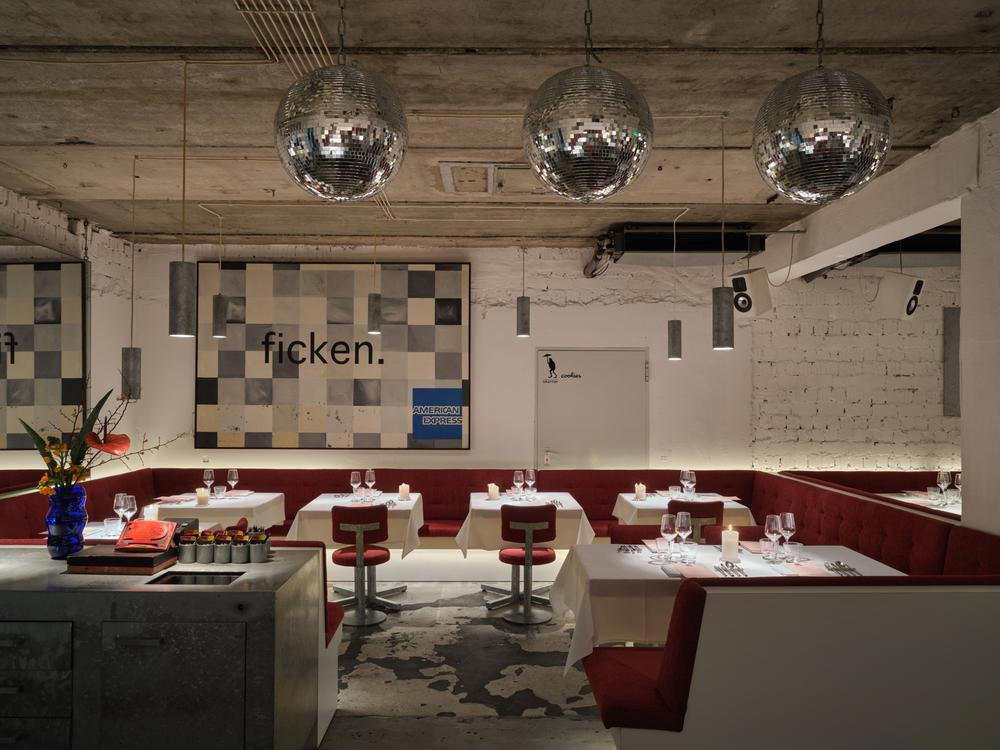
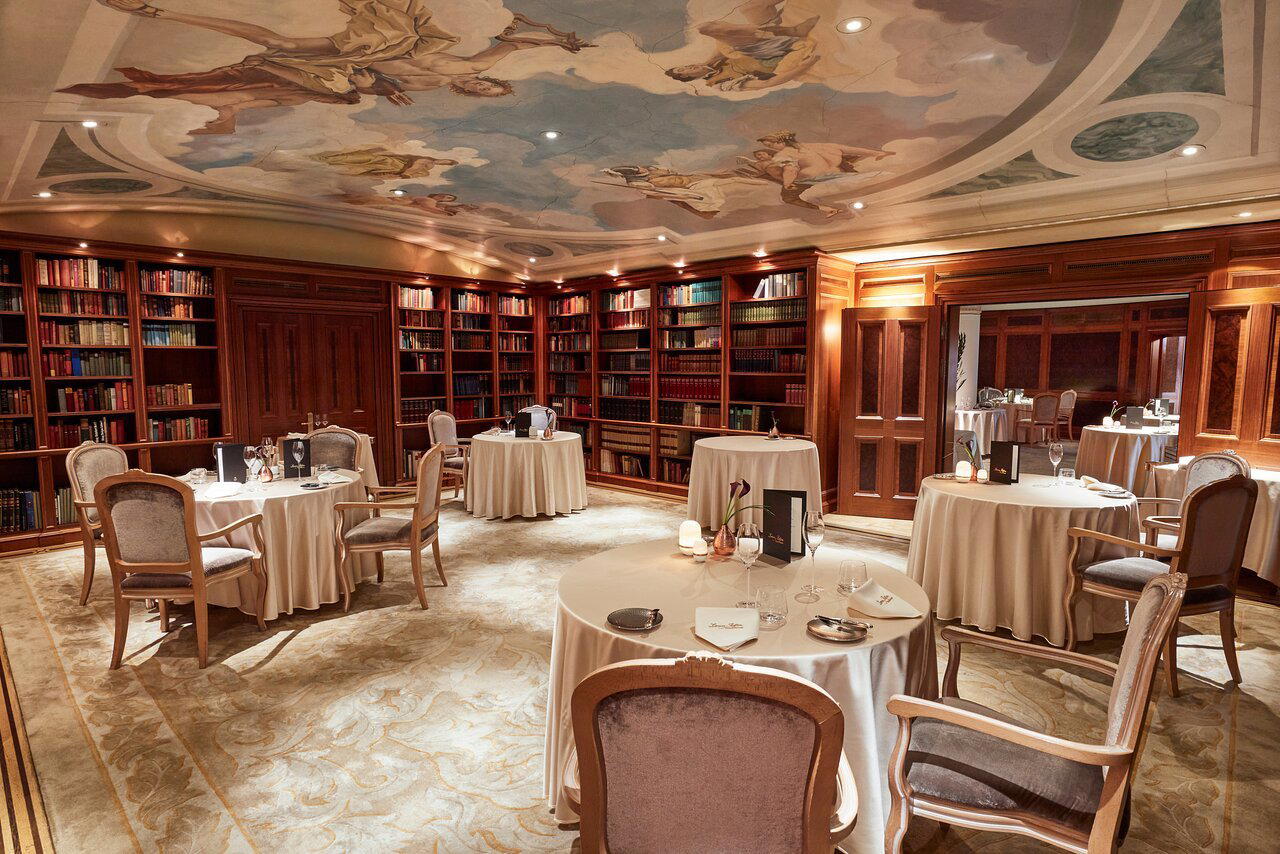
Restaurants in Berlin
Browse all →
Bars in Berlin
Browse all →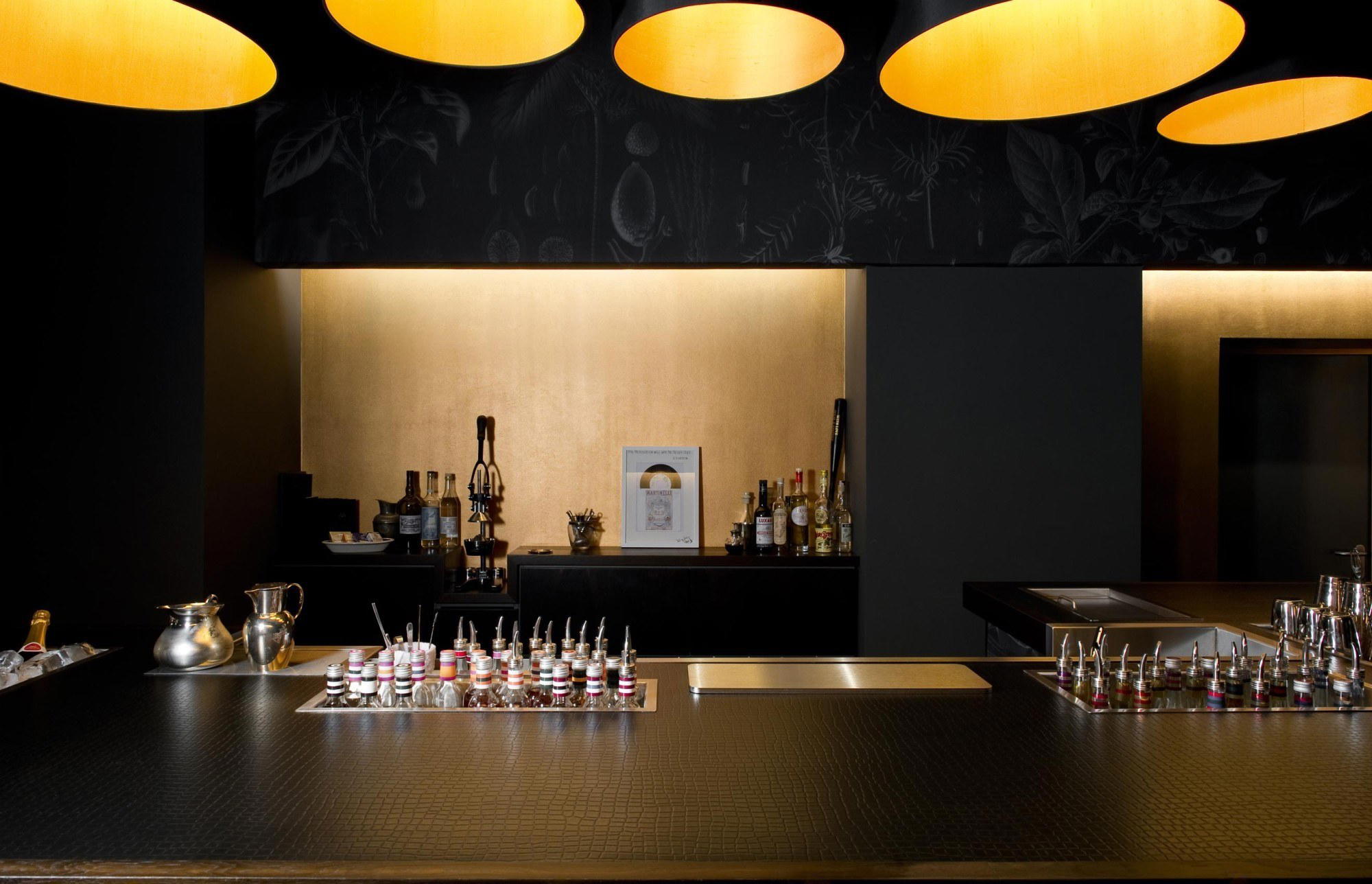
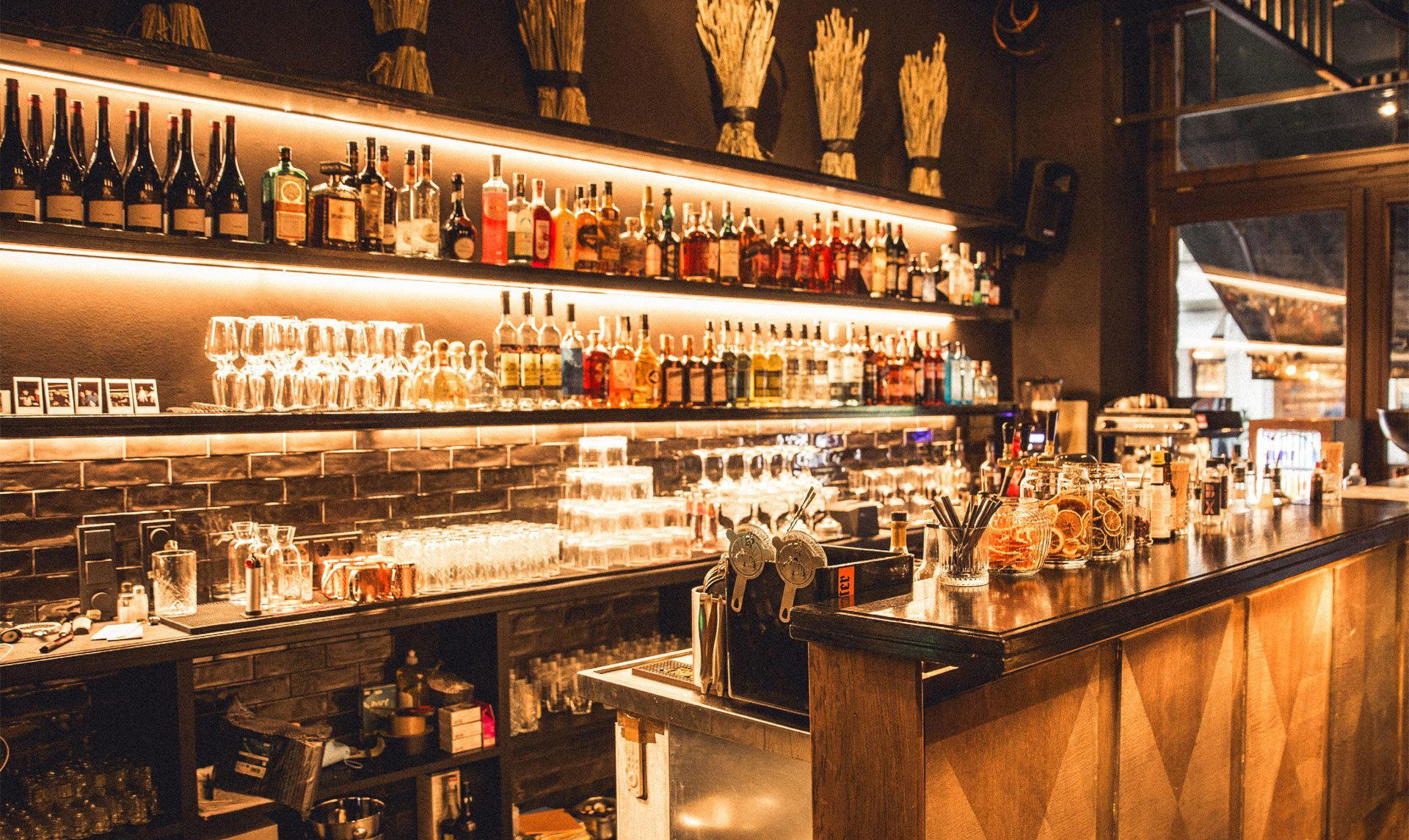
Hotels in Berlin
Browse all →
Wineries in Berlin
Browse all →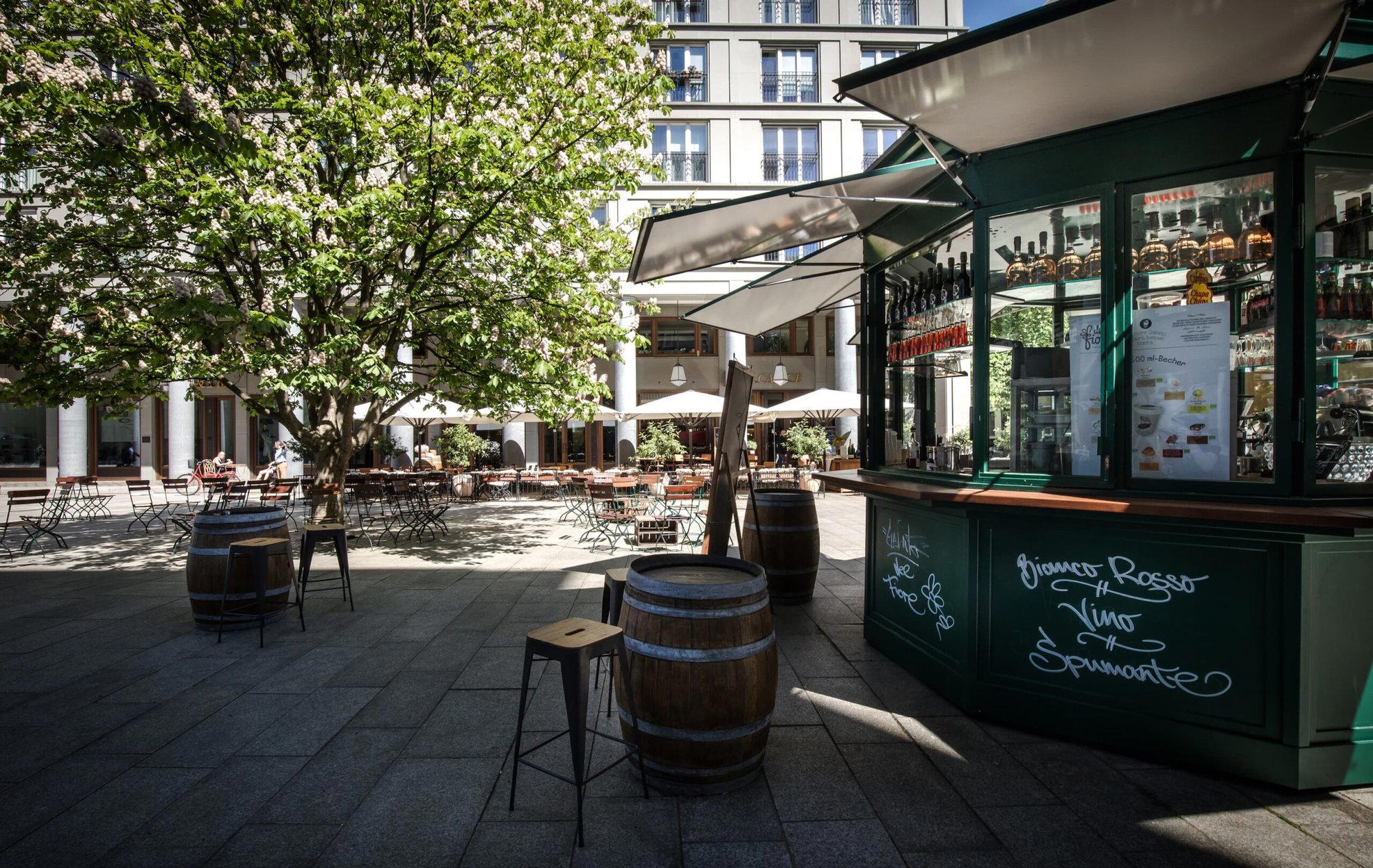
At a Glance
- Intimate
- Cozy
- Trendy
- Date Night
- Casual Hangout
- Open Kitchen
- Natural Wine
- Local Sourcing
Current opening hours
- Monday
- 11:30 AM–11:30 PM
- Tuesday
- Closed
- Wednesday
- 11:30 AM–11:30 PM
- Thursday
- 11:30 AM–11:30 PM
- Friday
- 11:30 AM–11:30 PM
- Saturday
- 11:30 AM–11:30 PM
- Sunday
- 11:30 AM–11:30 PM
Hours can change for holidays and private events. Last verified .
Cozy and personal with uncomplicated interior, funky plates, folding chairs, and a French holiday vibe.