The Izakaya at Momotaro

The Izakaya at Momotaro brings the informal, small-plate tradition of Tokyo's after-work drinking dens to Chicago's West Loop, holding a Michelin Plate in both 2024 and 2025. The format rewards grazing over multiple rounds rather than linear dining, placing it in a different register from the main Momotaro restaurant upstairs.
Pearl is the En Primeur Club membership app — saves, bookings, and concierge access live there. Same editors, same standards.
- Address
- 820 W Lake St, Chicago, IL 60607, United States
- Phone
- +1 312-733-4818
- Website
- momotarochicago.com
- Directions
- Get directions
 Saves & bookings on Pearl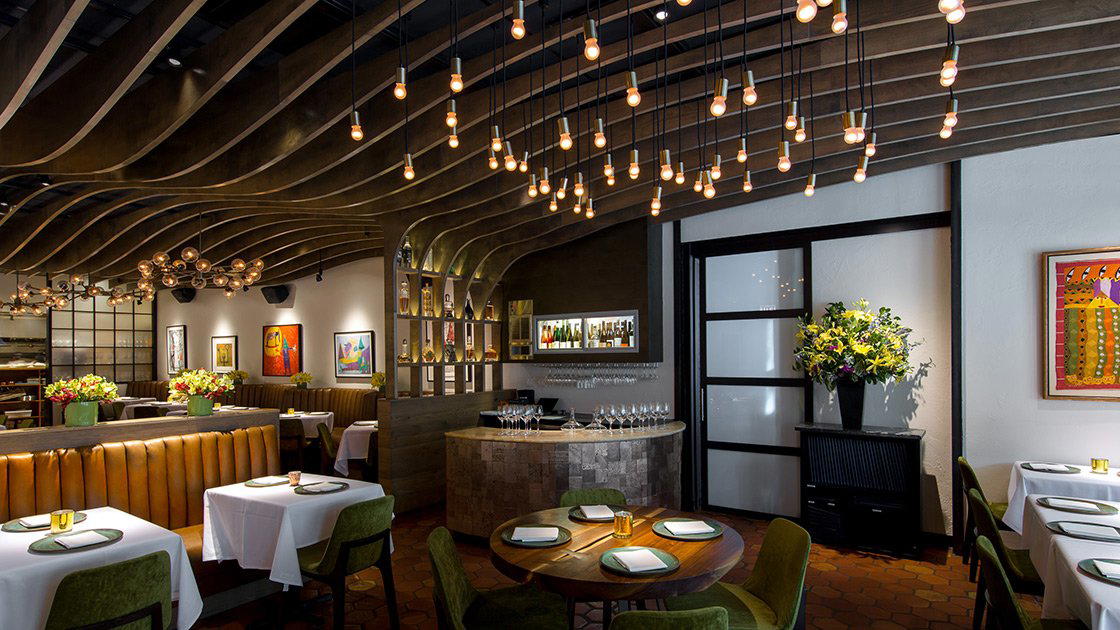
The West Loop's Izakaya Format, Placed in Context
Chicago's West Loop has spent the better part of a decade consolidating its position as the city's most competitive dining corridor, where Japanese concepts now occupy a range of registers: the omakase precision of Omakase Takeya, the cocktail-driven Japanese-American crossover at Kumiko, and the broader pan-Asian street-food territory explored at Gaijin. The Izakaya at Momotaro positions itself differently from all of them. It draws on the izakaya model, Japan's version of the pub-restaurant hybrid, where the order of arrival matters less than the rhythm of the meal and where small plates arrive to accompany drinks rather than to build toward a single climax. That format, common in Tokyo's back-alley drinking districts, is still relatively underrepresented in American cities at this price and quality tier.
The address, 820 W Lake St, places it in the heart of the West Loop's dense restaurant row, sharing a building with the main Momotaro dining room above. That vertical arrangement, a refined main room with a more casual izakaya beneath, mirrors a structural logic common in Japanese hospitality, where the same operator runs distinct formats for distinct purposes. The Izakaya functions as the low-threshold entry point to the Momotaro universe, less formal in expectation and more fluid in sequencing.
How the Meal Sequences: An Izakaya Arc
The tasting progression at an izakaya is not linear in the Western sense. There is no amuse-bouche to appetizer to main to dessert pipeline. Instead, the meal tends to open with lighter, sharper flavors, cold preparations, pickled vegetables, raw fish, before moving toward heavier, heat-driven plates as the session lengthens. Drinks are integral to the pacing rather than incidental to it. That rhythm separates the izakaya from the standard American casual-Japanese format, where a bowl of ramen or a plate of rolls functions as the entire meal.
In the izakaya model, the opening round typically sets the register: something bright and acidic to prime the palate, often alongside a cold beer or highball. The middle movement broadens out, bringing grilled skewers, fried small plates, and richer composed dishes into rotation. The closing notes tend toward carbohydrates, rice or noodle dishes traditionally served at the end in Japan to signal that the drinking portion of the evening has concluded. Whether The Izakaya at Momotaro follows this structure precisely is a function of how the kitchen sequences its plates on a given night, but the format invites that kind of loosely structured arc rather than resisting it.
For diners accustomed to omakase or tasting-menu logic, the kind practiced at nearby Itoko or, at the higher end of the city's spectrum, at prix-fixe rooms like Smyth and Alinea, the izakaya format requires a different mode of engagement. The meal is assembled rather than served. That makes the experience more active and, for those unfamiliar with the format, occasionally disorienting. The reward is a meal that can last two hours or stretch to four without the structure breaking down.
Michelin Recognition and What It Signals in This Category
The Izakaya at Momotaro holds a Michelin Plate for both 2024 and 2025. The Plate designation, sitting below the star tier, functions as Michelin's acknowledgment that a restaurant produces consistently good cooking without reaching the level of distinction the inspectors reserve for starred venues. In the context of casual Japanese dining in Chicago, that recognition carries meaningful signal: it places this izakaya in a monitored tier of quality that distinguishes it from the broader field of Japanese casual restaurants in the city, many of which operate outside Michelin's notice entirely.
At that volume, a rating above 4.5 reflects sustained execution rather than a spike driven by early enthusiasm. It suggests the kitchen and floor are managing consistency at genuine scale, a different challenge from the low-cover-count omakase model, where quality control is structurally easier.
For a broader frame of reference on Japanese dining at the summit of the quality curve, Myojaku and Azabu Kadowaki in Tokyo represent the kind of precision-driven kaiseki and kappo traditions that inform how Japanese cuisine has exported its standards globally. Chicago's izakaya tier operates at a different register of formality, but the underlying culinary logic, ingredient specificity, clean technique, restrained seasoning, connects to the same tradition.
Where This Fits in Chicago's Broader Dining Map
At the $$$ price tier, the restaurant occupies a middle band in Chicago's Japanese dining spectrum: above the fast-casual ramen and sushi-roll segment, below the omakase and multi-course kaiseki tier. It competes for the same evening as restaurants like Itoko and draws from a West Loop dining pool that includes everything from high-production progressive American rooms to neighborhood-scale newcomers.
For visitors building a Chicago itinerary around food, the izakaya is a strong fit for a second or third evening, after the higher-formality meals have been attended to. The format rewards a group with broad tastes and no fixed endpoint to the night. Solo diners at the bar, a natural izakaya configuration, can work through a progression at their own pace without the social overhead that tasting menus require.
Planning Your Visit
| Venue | Cuisine | Price Tier | Format | Michelin Status |
|---|---|---|---|---|
| The restaurant | Japanese (Izakaya) | $$$ | Small plates, drinks-led | Plate 2024, 2025 |
| Momotaro | Japanese | $$$ | Full-service dining room | Michelin recognized |
| Kumiko | Japanese-American (Cocktail-led) | $$$ | Bar-forward, small plates | Michelin recognized |
| Omakase Takeya | Japanese (Omakase) | $$$$ | Chef-driven counter | Michelin recognized |
The restaurant is located at 820 W Lake St in Chicago's West Loop. The $$$ price tier places it at a mid-to-upper spend for the category. The restaurant is located at 820 W Lake St in Chicago's West Loop. The $$$ price tier places it at a mid-to-upper spend for the category. Current hours are Mon to Thu and Sun 5 to 10 p.m. Fri 11 a.m. to 2 p.m. and 4:30 to 11 p.m. and Sat 4:30 to 11 p.m.; reservations are recommended.
Recognition, Side-by-Side
Comparable venues nearby, for context on price, style, and recognition.
| Venue | Cuisine | Price | Awards | Notes |
|---|---|---|---|---|
| The Izakaya at MomotaroThis venue — the venue you are viewing | Modern Japanese Izakaya | $$$ | Michelin Plate | Not listed |
| Itoko | Modern Japanese Sushi & Robata | $$$ | Michelin Plate | Lakeview |
| Nomonomo Sushi | Modern Japanese Omakase and Izakaya | $$$ | Not listed | Logan Square |
| Omakase Yume | Modern Japanese Omakase | $$$$ | Michelin Plate | West Loop |
| Warlord | Modern Live-Fire American | $$$ | Michelin Plate | Avondale |
| Chez Joël | Classic French Bistro | $$$ | Michelin Plate | Little Italy |
Recognition history
Dated appearances from independent guides and award organizations, with the underlying list record or original source where available.
Michelin Plate
Michelin
Michelin Plate
Michelin
At a Glance
- Lively
- Trendy
- Intimate
- Energetic
- Date Night
- Casual Hangout
- After Work
- Open Kitchen
- Sake Program
- Craft Cocktails
Current opening hours
- Monday
- 5–10 p.m.
- Tuesday
- 5–10 p.m.
- Wednesday
- 5–10 p.m.
- Thursday
- 5–10 p.m.
- Friday
- 11 a.m.–2 p.m., 4:30–11 p.m.
- Saturday
- 4:30–11 p.m.
- Sunday
- 5–10 p.m.
Hours can change for holidays and private events. Last verified .
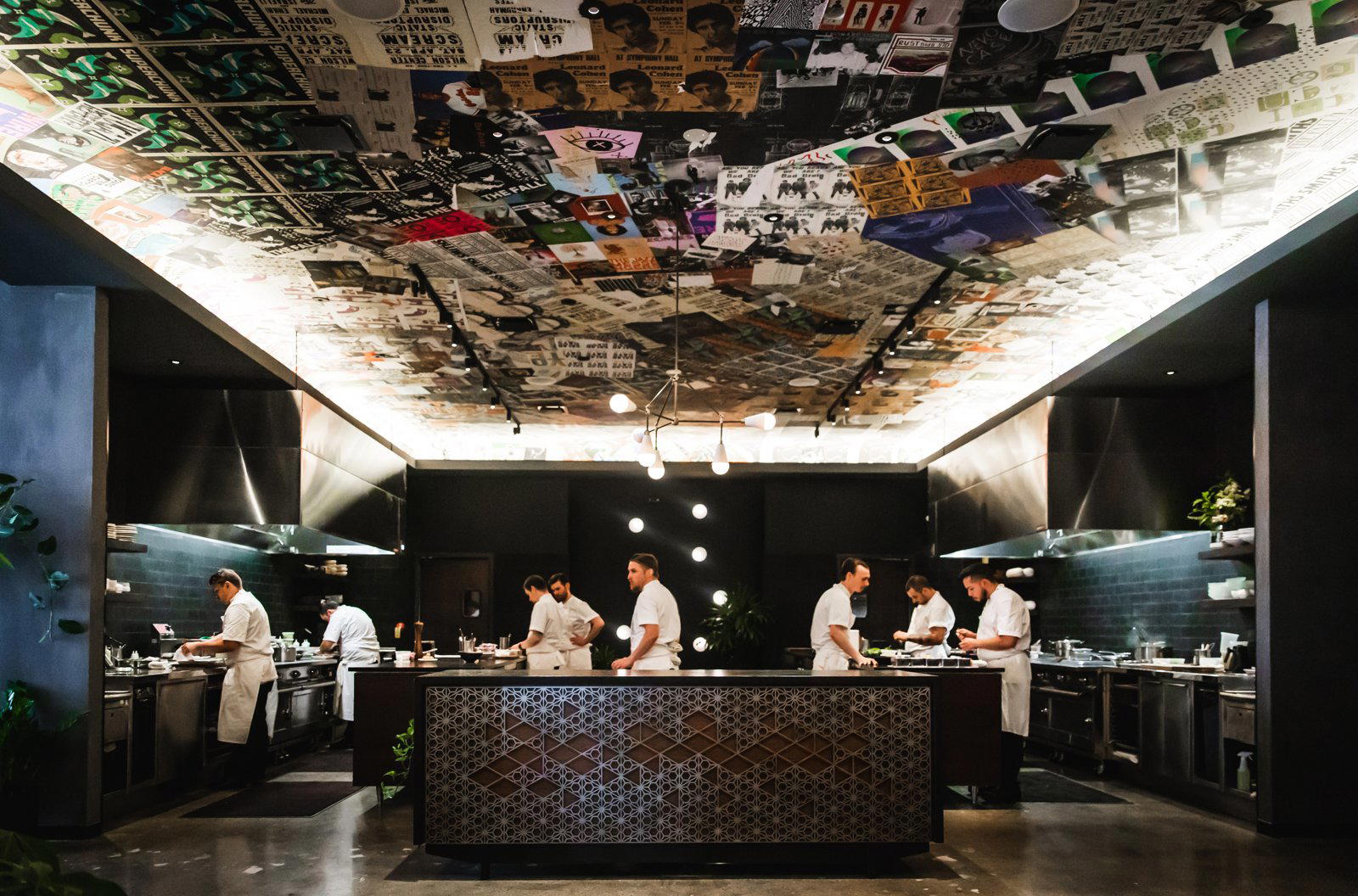
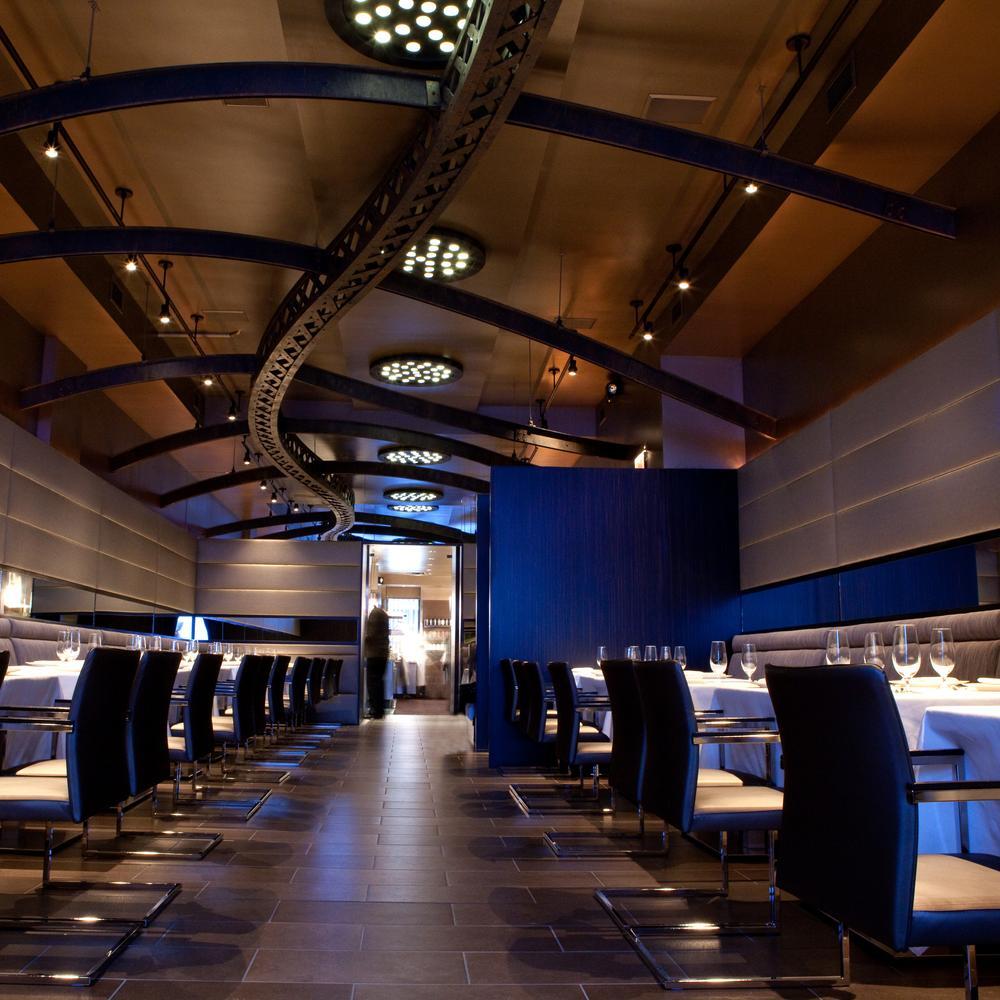
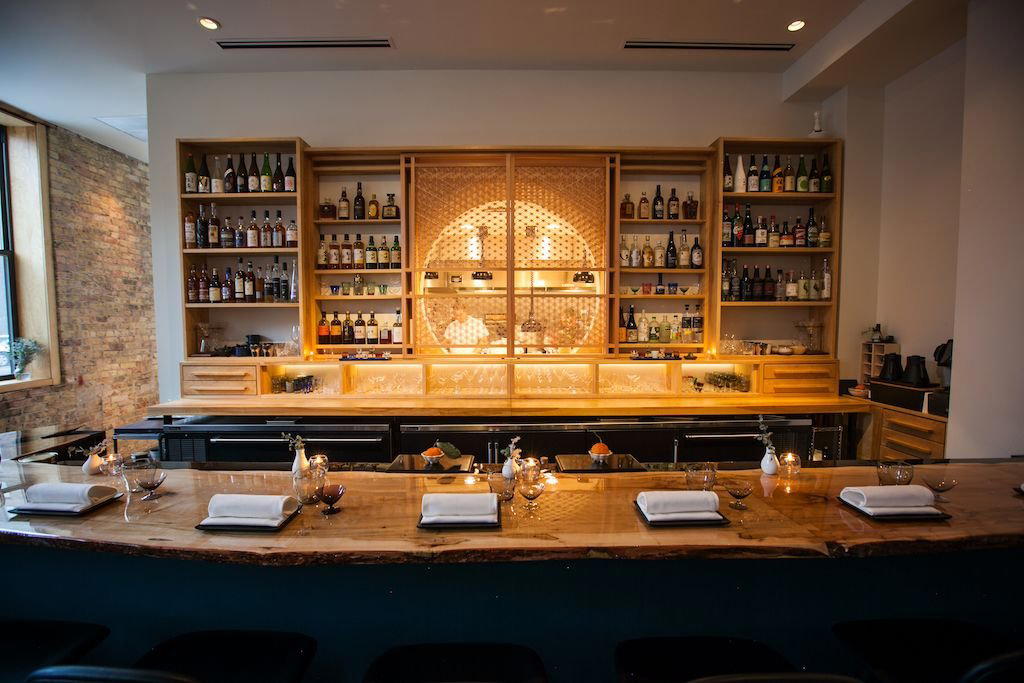
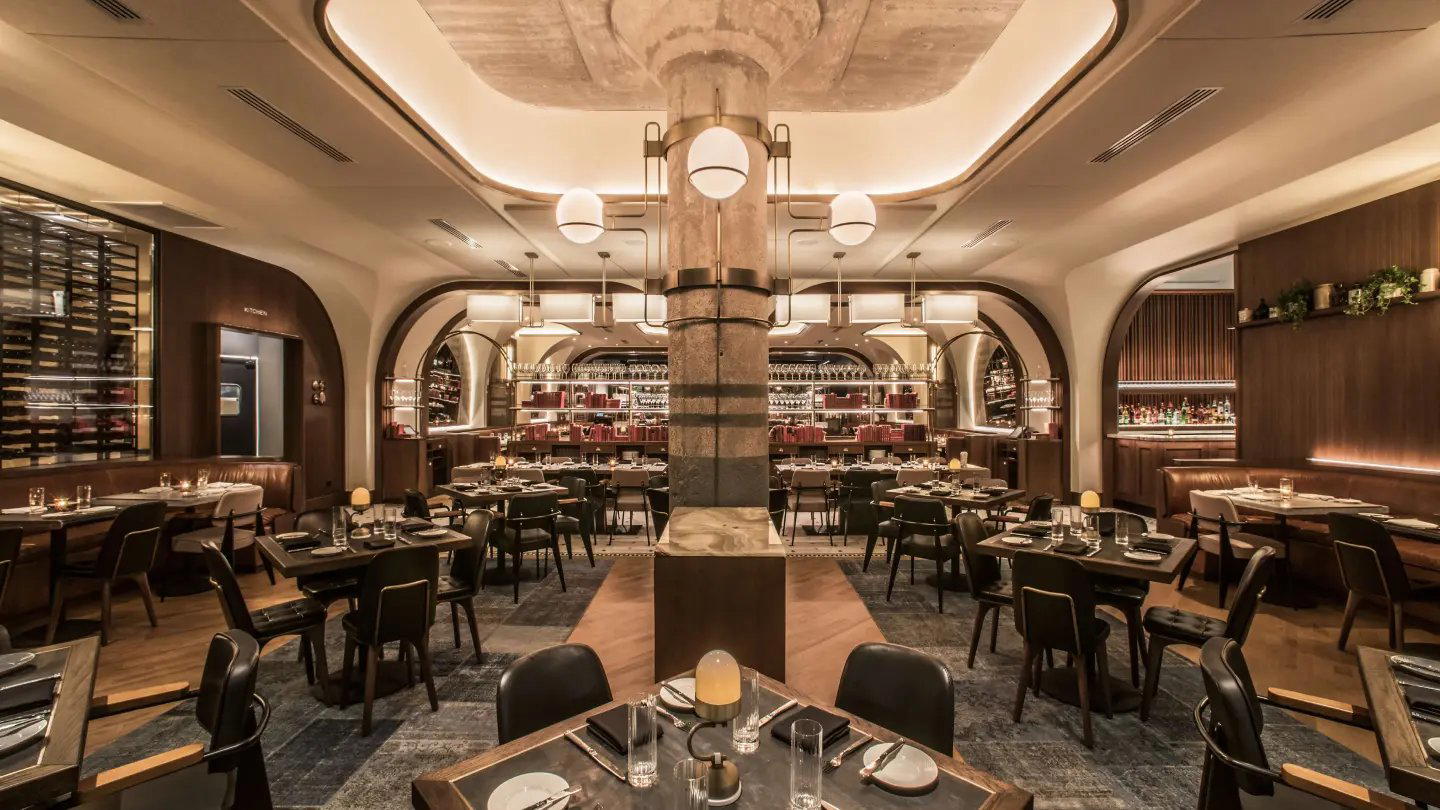
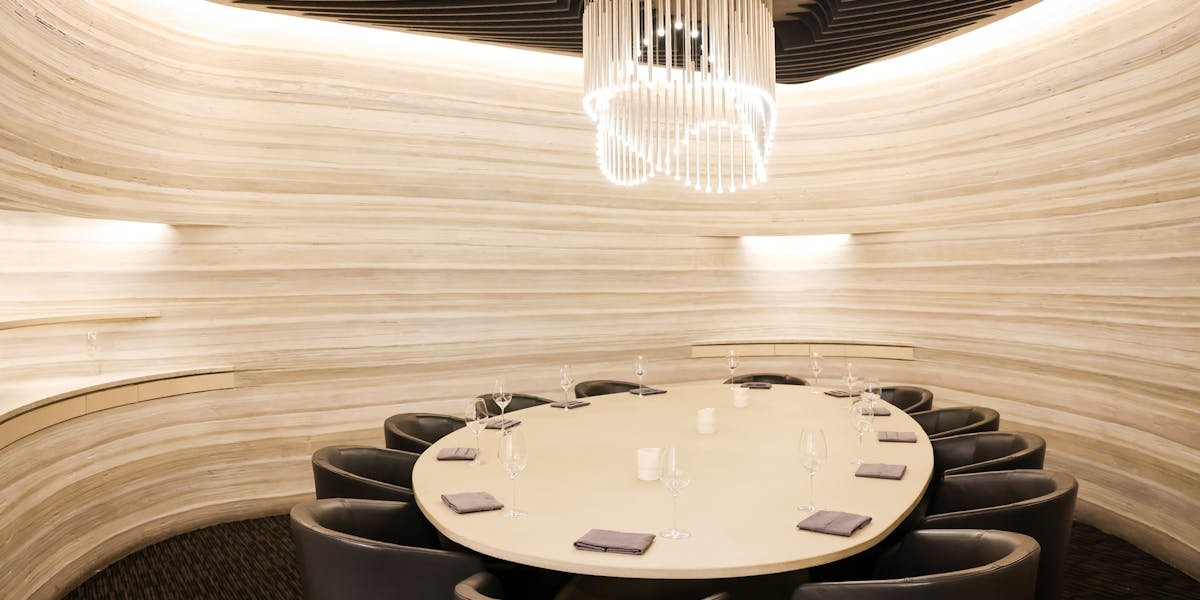
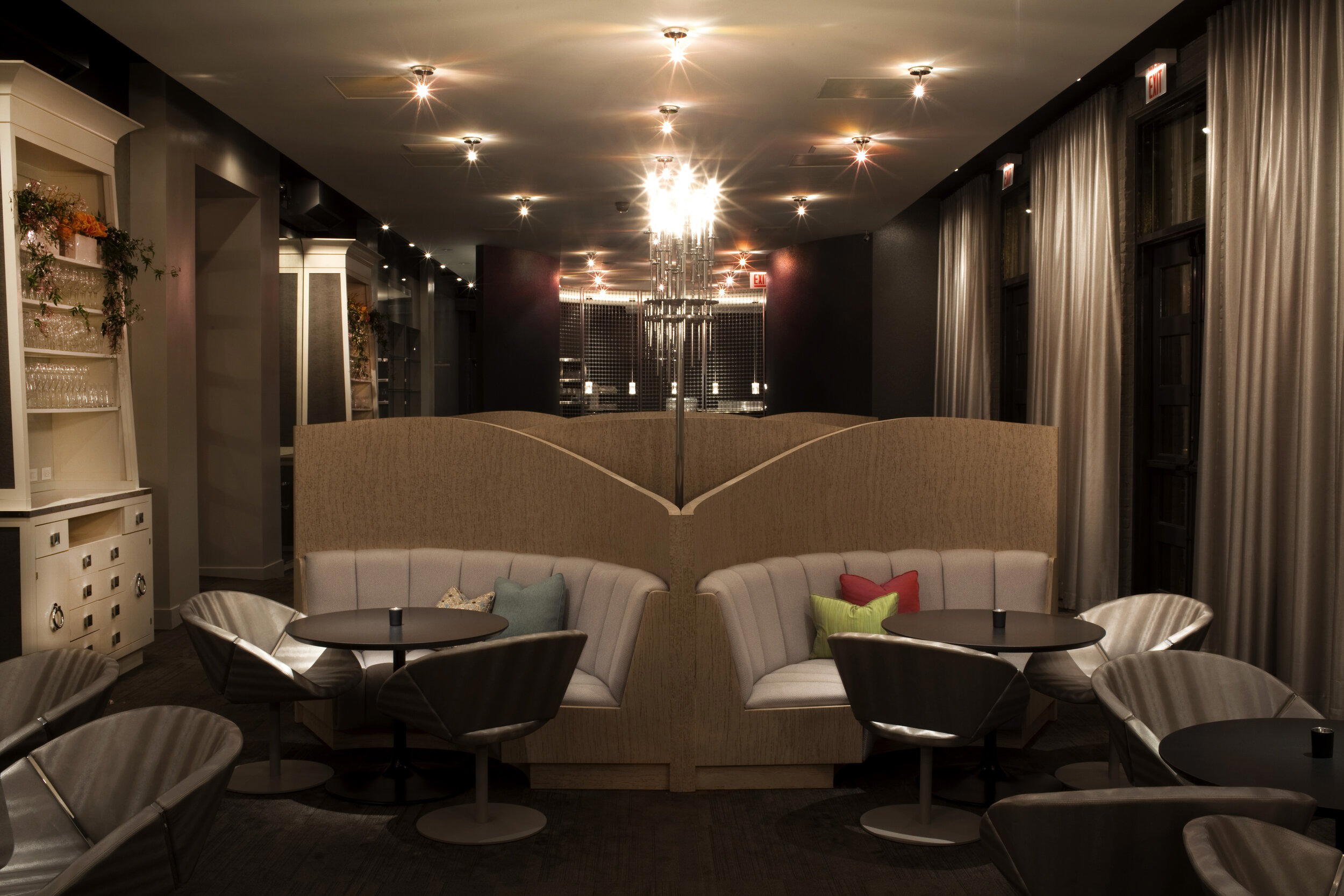
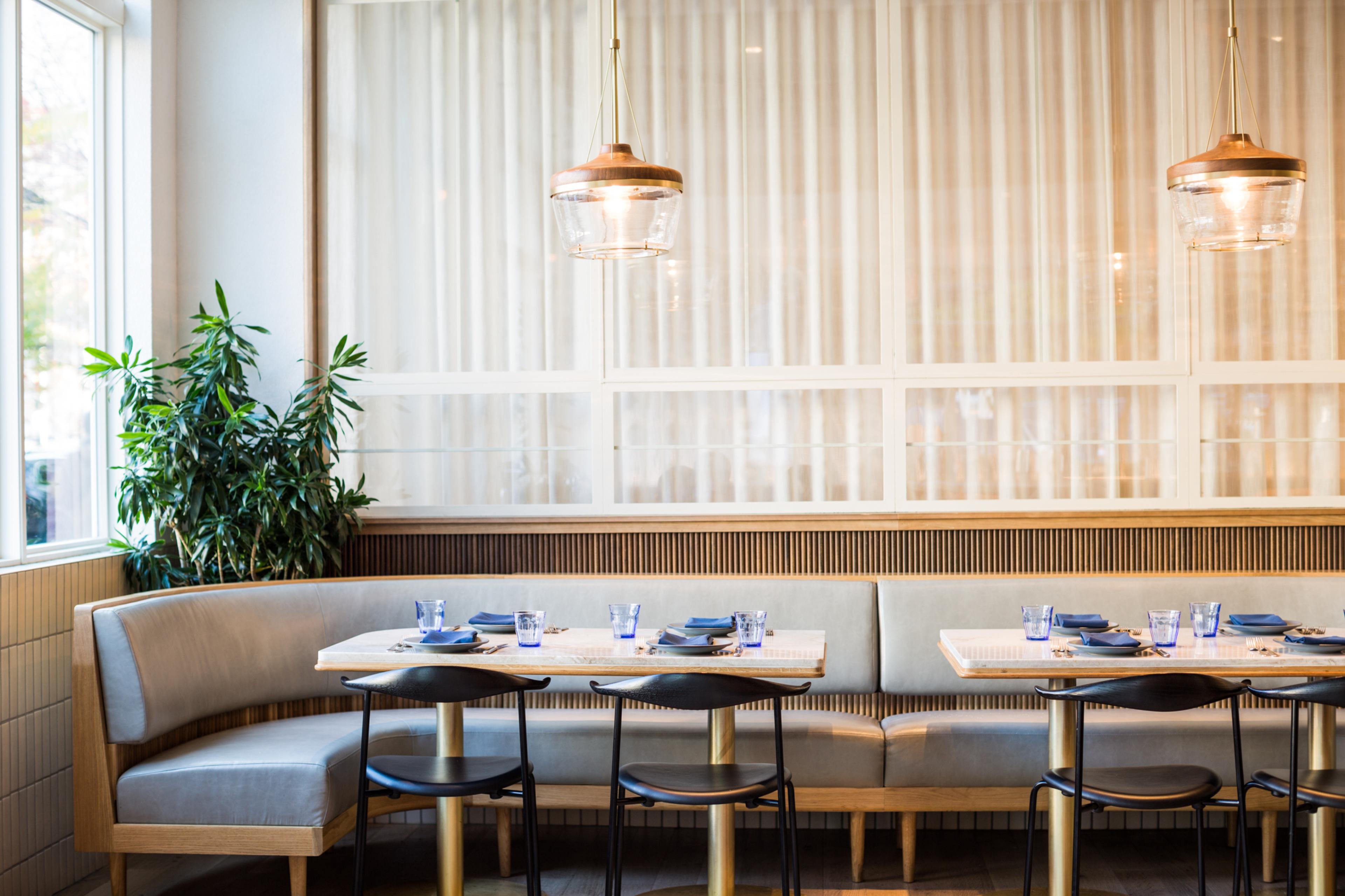
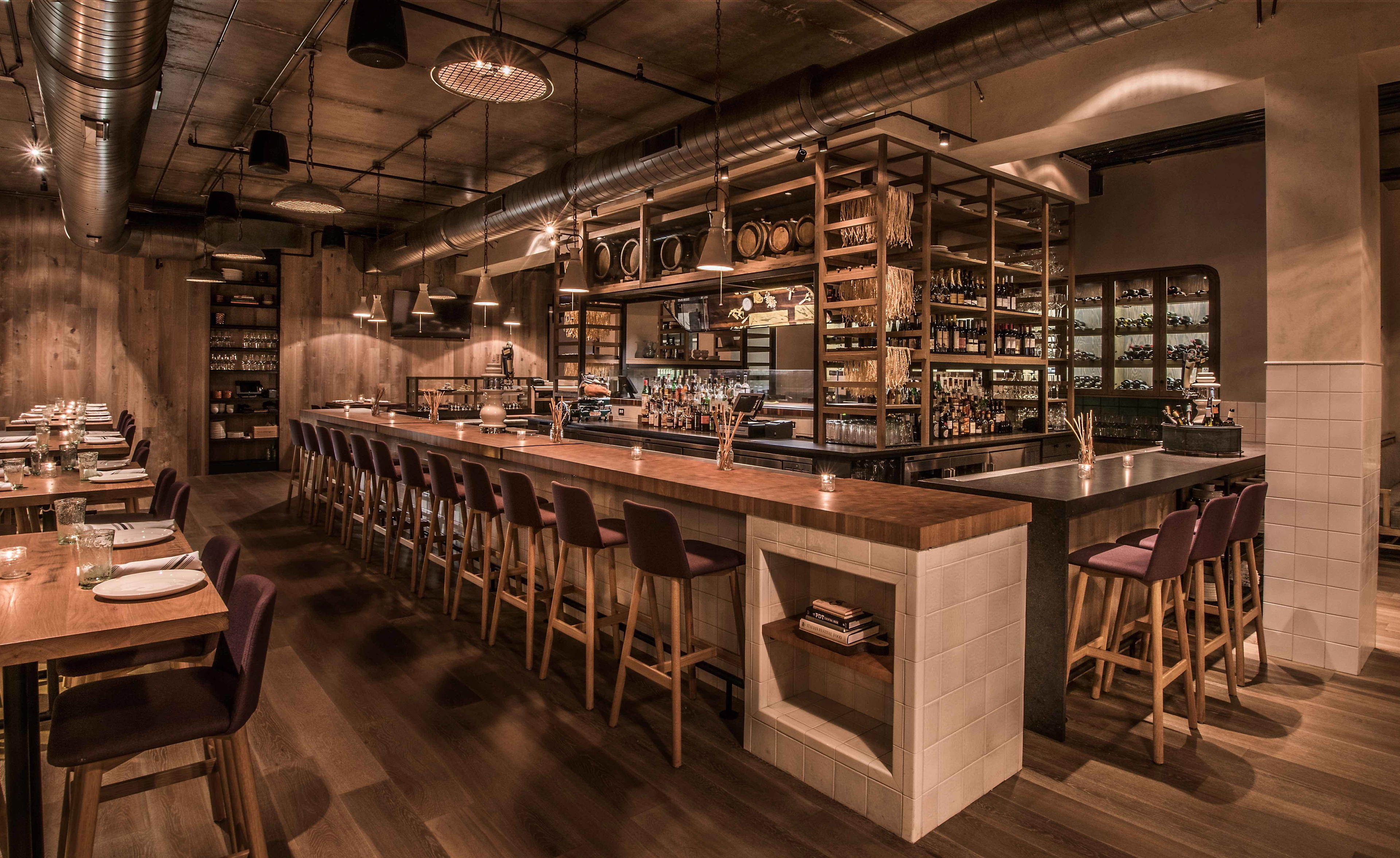
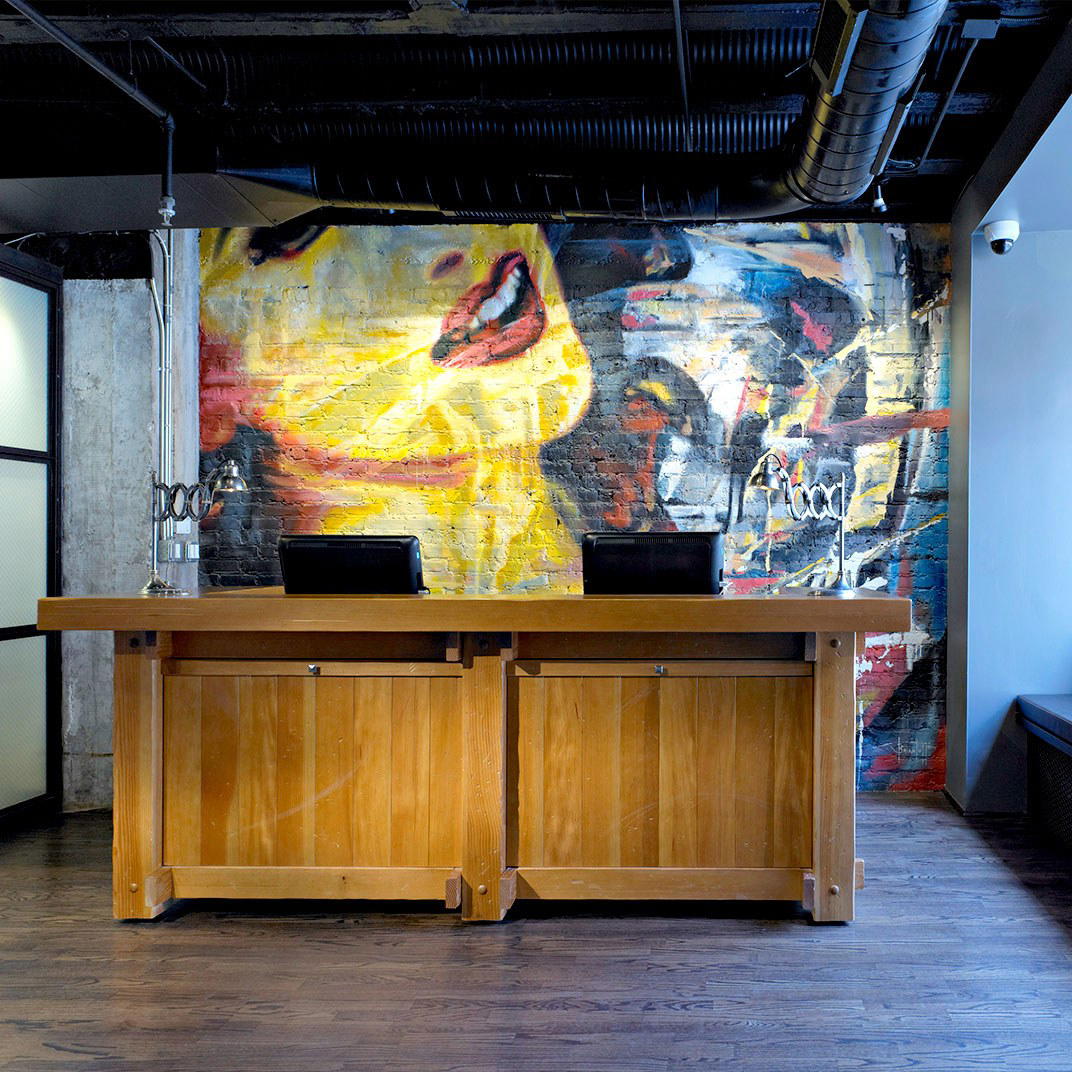
Moody neon lights, soft red lighting, Japanese lanterns, and vintage street signs create a dark, energetic, and atmospheric underground lounge vibe.