Itoko

Michelin Plate
Our verdict
A Michelin Plate-recognised izakaya and sushi bar in Lakeview, Itoko works across a wide format: handrolls, robata, hot and cold appetizers, and inventive desserts in a bright, wood-detailed room on North Southport Avenue. The menu draws on Japanese technique while absorbing flavours from further afield, producing combinations that reward attention rather than habit.

Pearl is the En Primeur Club membership app — saves, bookings, and concierge access live there. Same editors, same standards.
- Address
- 3325 N Southport Ave, Chicago, IL 60657
- Phone
- (773) 819-7672
- Hours
- Mon–Thu 4:30–9 PMFri 11 AM–2 PM, 4:30–10 PMSat 9:30 AM–2 PM, 4:30–10 PMSun 9:30 AM–2 PM, 4:30–9 PM
- Website
- itokochicago.com
- Directions
- Get directions
- Booking
- Book on OpenTable
The menu
What to order
- Jewel Bako Chirashi Don
- Mecha Kucha Hand Roll
- Wagyu Beef Chahan
Light, Wood, and the Izakaya Format on Southport
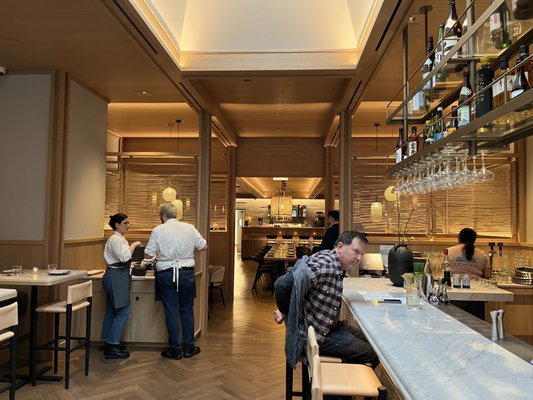
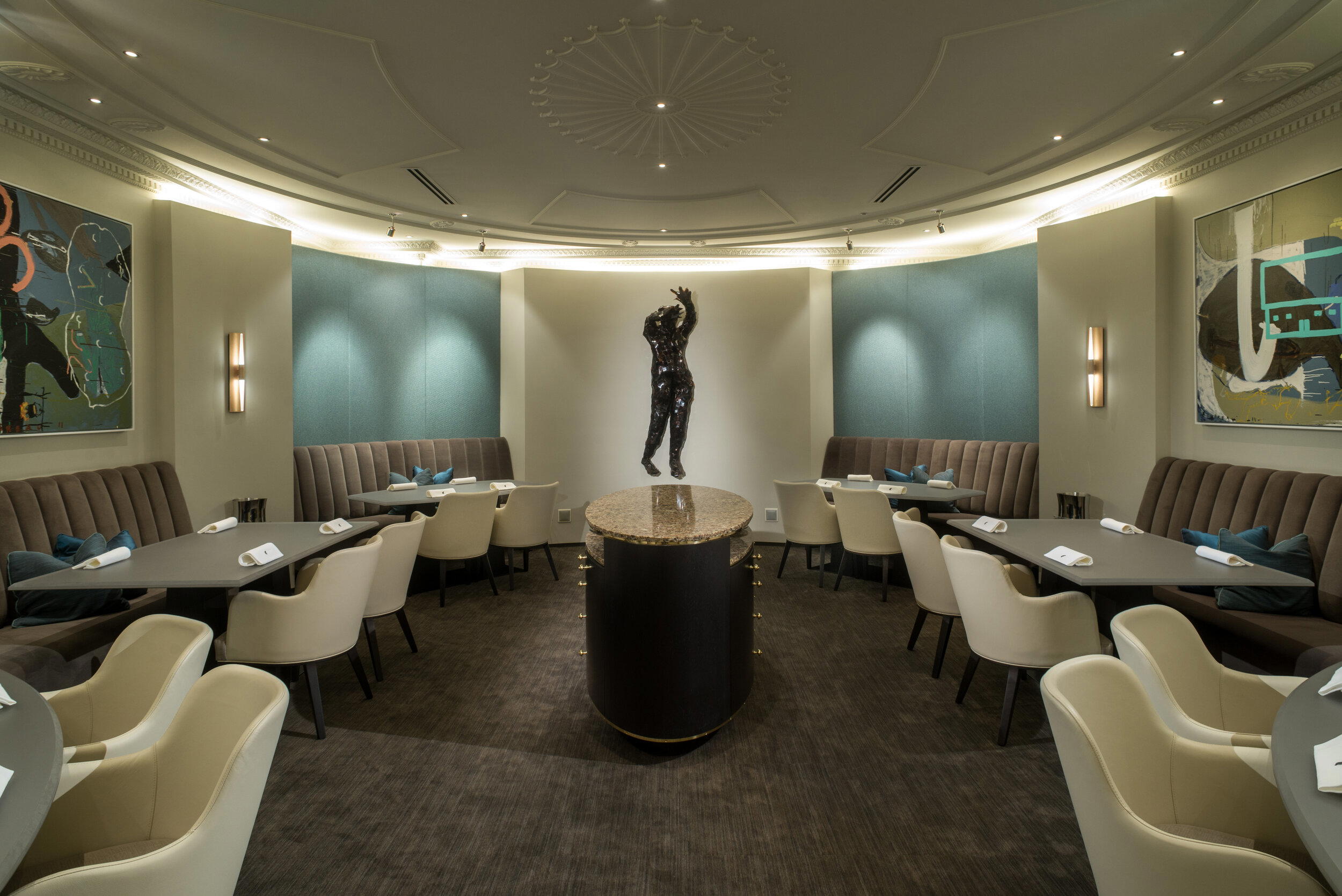
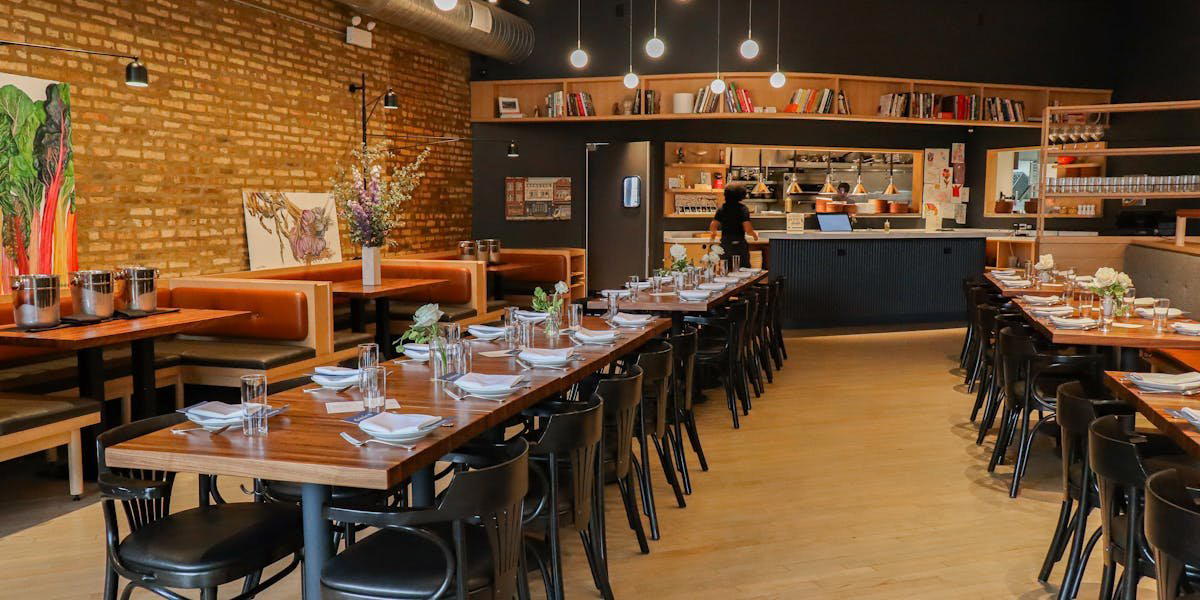
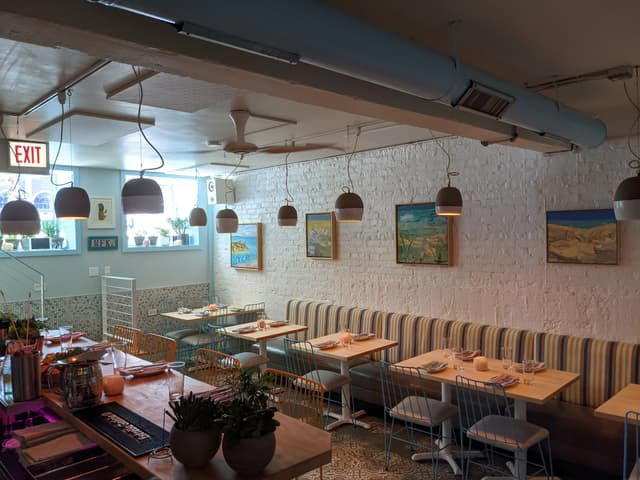
North Southport Avenue in Lakeview sits comfortably outside the downtown dining corridor, drawing a neighbourhood crowd that returns by habit rather than occasion. The block trades in independent businesses, and Itoko fits that rhythm: a modern room with hardwood floors, wood-detailed ceiling panels, and a palette of cream and gray that keeps the space calm without feeling clinical. Natural light does much of the work during earlier service, and the overall effect is less destination theatre and more considered neighbourhood room. That positioning matters, because it shapes what the menu asks of you: not a linear tasting sequence, but a table of dishes assembled over the course of an evening.
The izakaya format, as it exists in Japan, operates on exactly this principle. In Osaka especially, the tradition is one of incremental ordering, sharing, and informal accumulation rather than the structured procession associated with Kanto kaiseki. Chicago's Japanese dining scene has absorbed both registers. Kumiko works in a more refined, composed direction; The Izakaya at Momotaro occupies a larger, louder version of the same casual category. Itoko operates at a price point and scale that positions it between neighbourhood accessible and carefully executed, without the production scale of Momotaro itself.
Where the Menu Sits in Chicago's Japanese Dining Tier
Chicago's Japanese dining scene now spans a meaningful range. At the leading end, omakase counters like Omakase Takeya price against the most demanding peer sets nationally. Below that, a mid-tier of izakaya and sushi formats serves the city's appetite for Japanese food outside the white-tablecloth register. Itoko holds a Michelin Plate (2024), the guide's recognition that a kitchen is producing food worth eating without the formal star designation. In Chicago's context, that sits it alongside a broader set of quality-focused neighbourhood restaurants rather than the city's four-star progressive American rooms like Alinea or Smyth.
The menu itself covers considerable ground: cold appetizers, hot appetizers, handrolls, nigiri, sashimi, and robata skewers. That breadth is characteristic of Kansai-influenced izakaya thinking, where the kitchen is expected to be competent across fire, raw preparation, and braised or pickled small plates simultaneously. The risk of that model is diffusion; the reward, when execution holds, is a table that can accommodate very different moods at once. Based on verified guest and editorial data, the kitchen manages the range with enough skill to hold Michelin attention in a competitive market.
The Regional Lens: Kansai Informality Meets Kanto Precision
Japanese cuisine's internal geography is rarely discussed in American dining contexts, but it shapes menus in material ways. Kanto cooking, centred on Tokyo, tends toward restrained seasoning and precise presentation; the soy-forward broths of Tokyo ramen and the clean lines of Edo-mae sushi both reflect that aesthetic. Kansai cooking, from the Osaka-Kyoto-Kobe corridor, leans into bolder seasoning, pork-heavy preparations, and a more relaxed relationship with format. Izakaya culture as a commercial tradition emerged largely from the Kansai region and its emphasis on eating and drinking without ceremony.
Itoko's menu reads as a synthesis rather than strict adherence to either school. The tom yum hand roll, with sweet diced shrimp in a fiery Southeast Asian-inflected sauce, sits well outside either Japanese regional tradition, but its presence is consistent with the way Kansai kitchens have historically absorbed outside influence, particularly from Korea and Southeast Asia through Osaka's port history. The seared mackerel, meanwhile, is a more classical Japanese preparation, one that would read comfortably in a Kyoto izakaya. The beef tsukune skewer wrapped in bao buns and finished with miso mustard operates in a similar register of deliberate fusion: the Chinese-derived bao, the Japanese fermented condiment, and the grilled meatball technique combining without apparent strain. For comparison, Gaijin in Chicago approaches a related set of cross-cultural Japanese-American references from a different angle, making the two worth considering as complementary rather than competing options.
Robata, the charcoal-grill method associated with Hokkaido's fishing communities but long since absorbed into izakaya nationwide, anchors the hot section. The format emphasises ingredient quality over technique complexity, which means the sourcing question matters more than the preparation question. The donatsu dessert, a donut served with a separate hole for dipping in matcha semifreddo, applies the same hybridisation logic: Japanese matcha in a Western pastry format, resolved through a playful presentation that is consistent with the menu's general tone.
How Itoko Compares to Peer Venues Nationally
The izakaya and upscale-casual Japanese format has strong representation in cities where Japanese dining scenes have matured. In Tokyo, venues like Myojaku and Azabu Kadowaki define what the highest-end of Japanese cooking looks like in context. American cities are developing more differentiated Japanese dining tiers: in San Francisco, Lazy Bear operates in the progressive American register; in Napa, The French Laundry anchors a different premium entirely; and in Los Angeles, Providence holds a Michelin two-star position in the seafood-focused fine dining category. None of these are direct peers, but they define the broader field Itoko's quality signals operate within. For the full picture of Chicago's dining options across categories, see [our full Chicago restaurants guide]().
The Neighbourhood and the Occasion
Lakeview is not a dining destination district in the way that the West Loop or River North attract visitors with itineraries in hand. The neighbourhood's restaurants draw primarily from the surrounding residential catchment, which means Itoko's audience is weighted toward regulars and local word-of-mouth rather than international travel traffic.
The $$$ price point positions it clearly: above fast-casual and mid-market sushi chains, below the omakase tier. In Chicago's current market, that bracket includes some well-regarded Filipino, New American, and international-influence kitchens, all of which compete for the same mid-premium spending occasion. For a broader picture of where to eat, drink, and stay across the city, EP Club maintains guides to [bars](), [hotels](), [wineries](), and experiences in Chicago.
Know Before You Go
- Address: 3325 N Southport Ave, Chicago, IL 60657
- Neighbourhood: Lakeview
- Cuisine: Japanese (izakaya, sushi, robata)
- Price range: $$$
- Awards: Michelin Plate (2024)
- Booking: See FAQ below; advance reservation recommended
Frequently asked questions
What's the price range at Itoko?
Pricing at Itoko is listed as $$$.
Should I book Itoko in advance?
Booking ahead is advisable, particularly for weekend evenings. Walk-ins may find bar seating at quieter times, but reservations are the safer approach at 3325 N Southport Ave.
Peers You’d Cross-Shop
| Venue | Cuisine | Price | Awards | Notes |
|---|---|---|---|---|
| ItokoThis venue — the venue you are viewing | Modern Japanese Sushi & Robata | $50–100 | Michelin Plate | Not listed |
| Alinea | Avant-Garde Molecular Gastronomy | $300–500 | 2 Michelin Stars · World's 50 Best #37 | Progressive American, Creative |
| Smyth | Modern American Tasting Menu | $200–300 | 3 Michelin Stars · World's 50 Best #1 | Progressive American, Contemporary |
| Kasama | Modern Filipino | $30–50 | 2 Michelin Stars · World's 50 Best #31 | Filipino |
| Next Restaurant | Avant-Garde Themed Tasting Menus | Not listed | 1 Michelin Star · We're Smart World 2 Radishes | American Cuisine |
| Boka | Modern American Seasonal Fine Dining | $150–200 | 1 Michelin Star · La Liste Top Restaurants | New American, Contemporary |
Recognition history
Dated appearances from independent guides and award organizations, with the underlying list record or original source where available.
Michelin Plate
Michelin
Full recognition history (2 entries)
Michelin Plate
Michelin
Details
- Modern
- Trendy
- Cozy
- Date Night
- Group Dining
- Brunch
- Open Kitchen
- Sake Program
- Craft Cocktails
- A La Carte
- Small Plates
- Gluten Free Options
- Allergy Accommodating
Current opening hours
- Monday
- 4:30–9 PM
- Tuesday
- 4:30–9 PM
- Wednesday
- 4:30–9 PM
- Thursday
- 4:30–9 PM
- Friday
- 11 AM–2 PM, 4:30–10 PM
- Saturday
- 9:30 AM–2 PM, 4:30–10 PM
- Sunday
- 9:30 AM–2 PM, 4:30–9 PM
Hours can change for holidays and private events. Last verified .
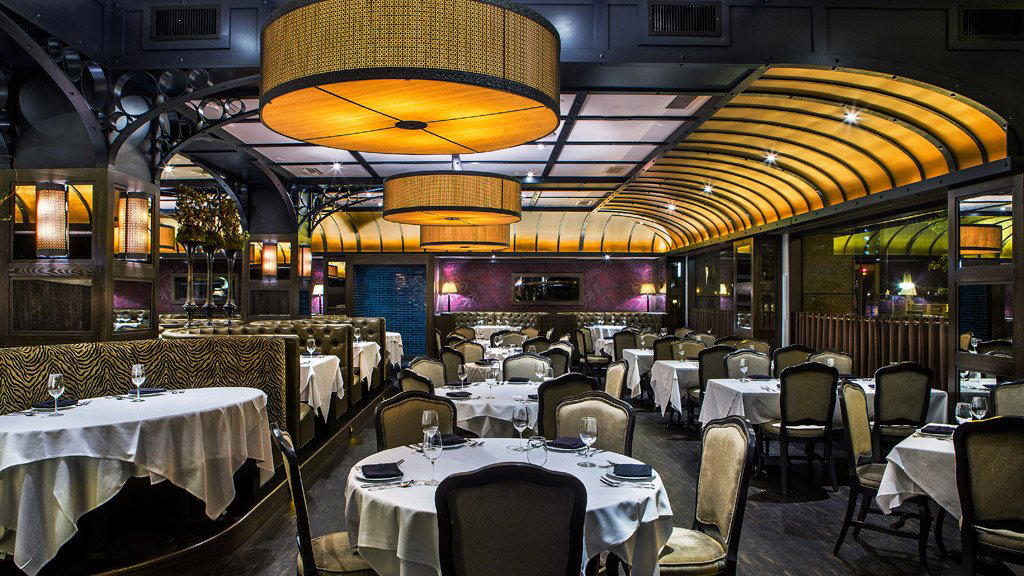
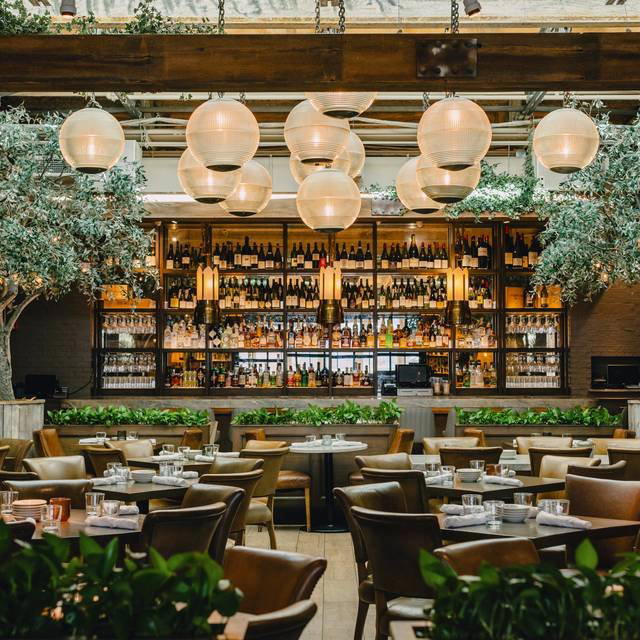
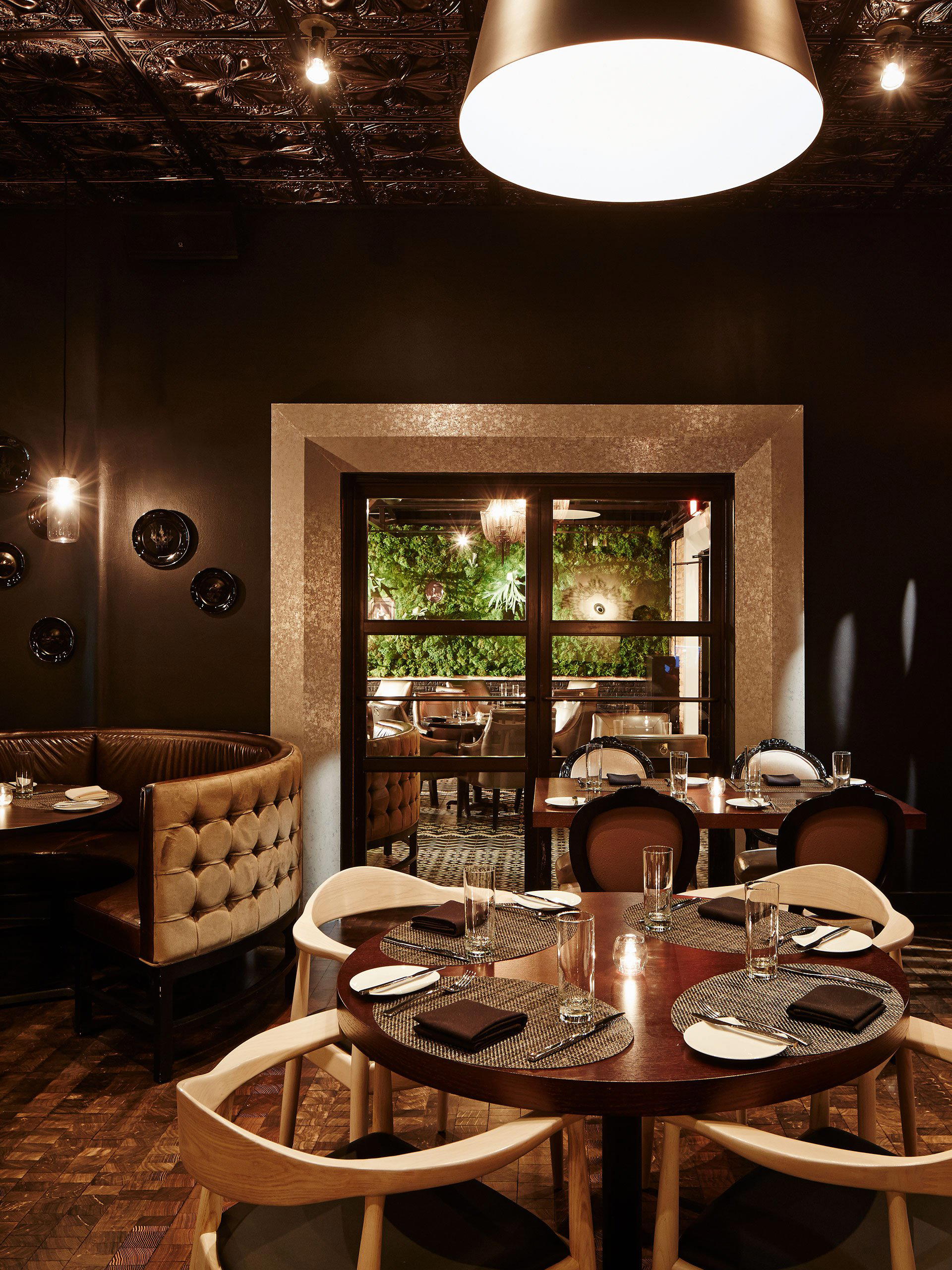
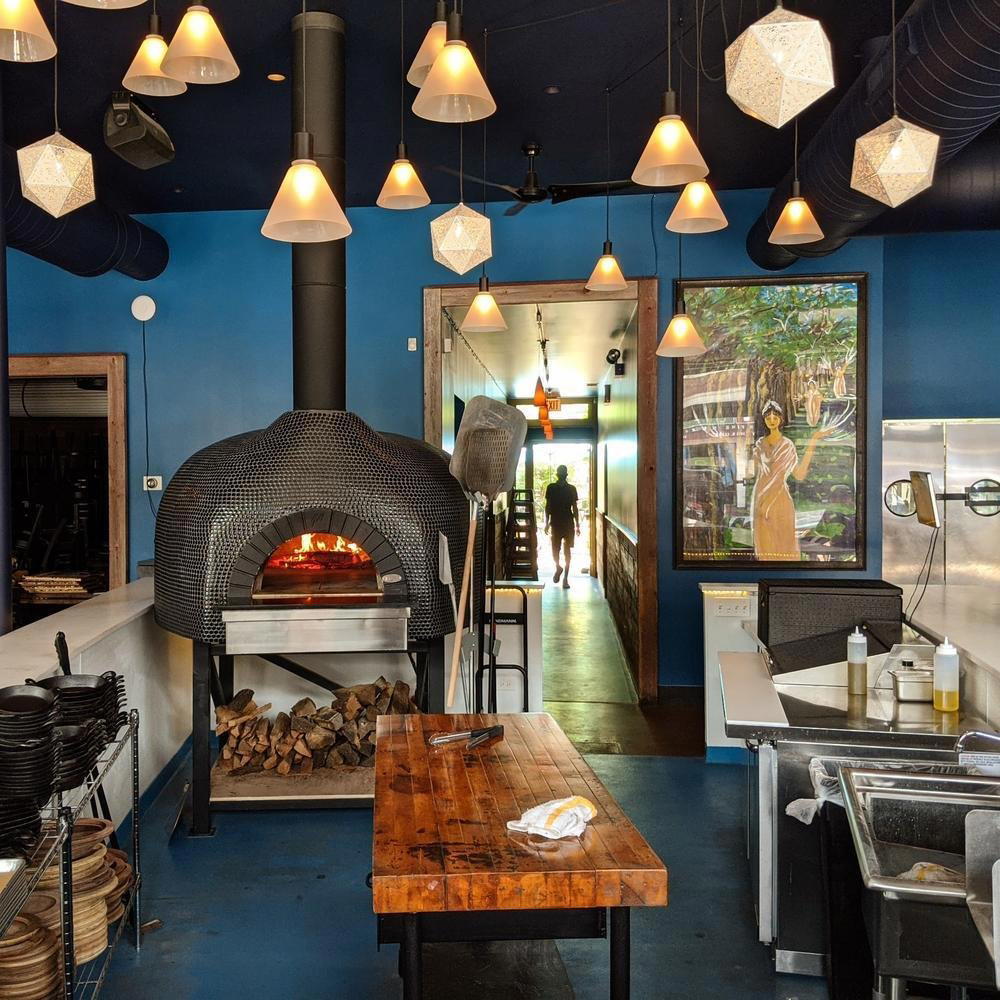
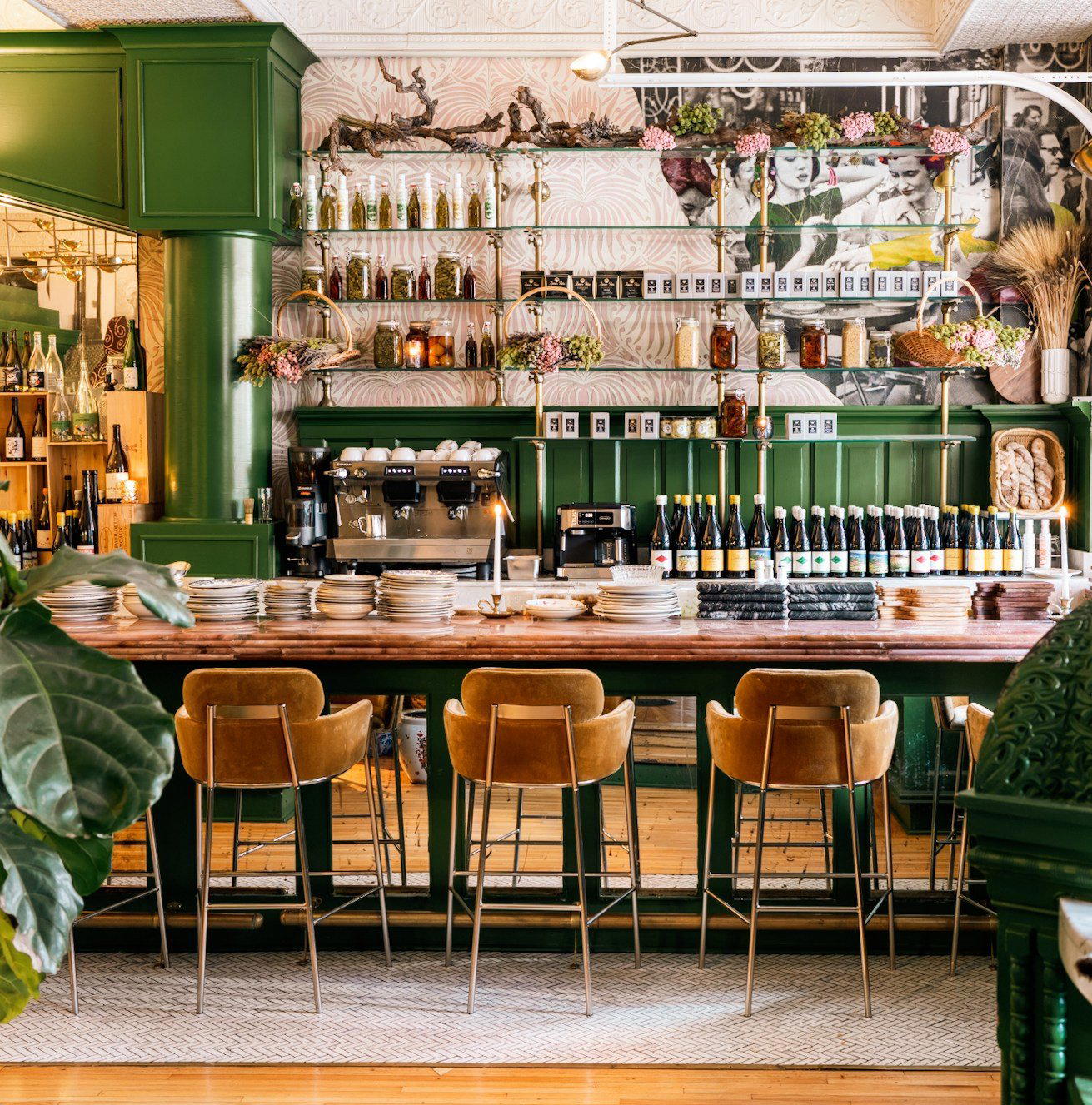
Bright space with natural light, hardwood floors, wood detailing, and pops of gray and cream for a sleek, modern atmosphere.