Kasama




Kasama occupies a rare position in American dining: a Filipino restaurant holding a Michelin star and a James Beard Award, operating as a daytime bakery and café before transforming into a 13-course tasting menu destination by night. Located in Chicago's East Ukrainian Village, it draws on the culinary pedigrees of Genie Kwon and Timothy Flores to reframe Filipino cuisine within the language of contemporary fine dining.
 Discover on Pearl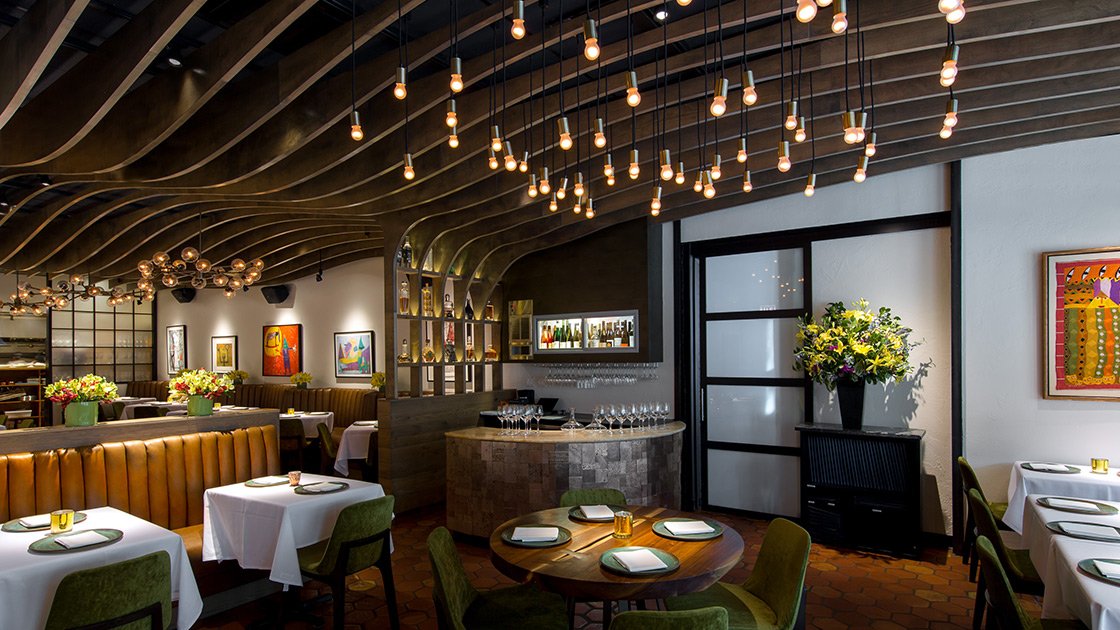
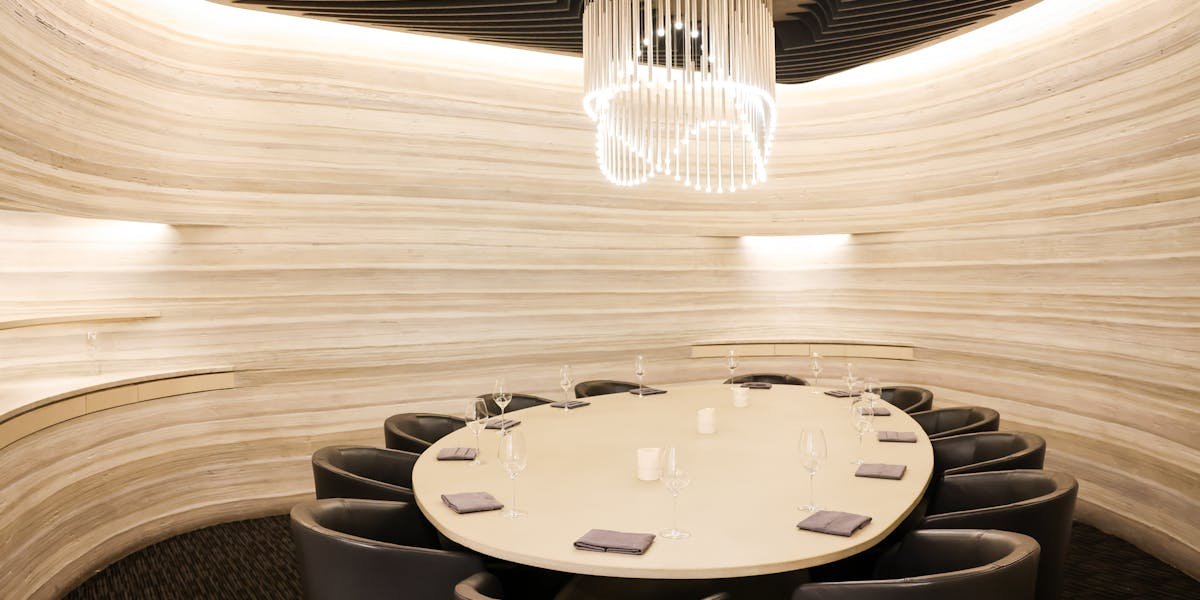
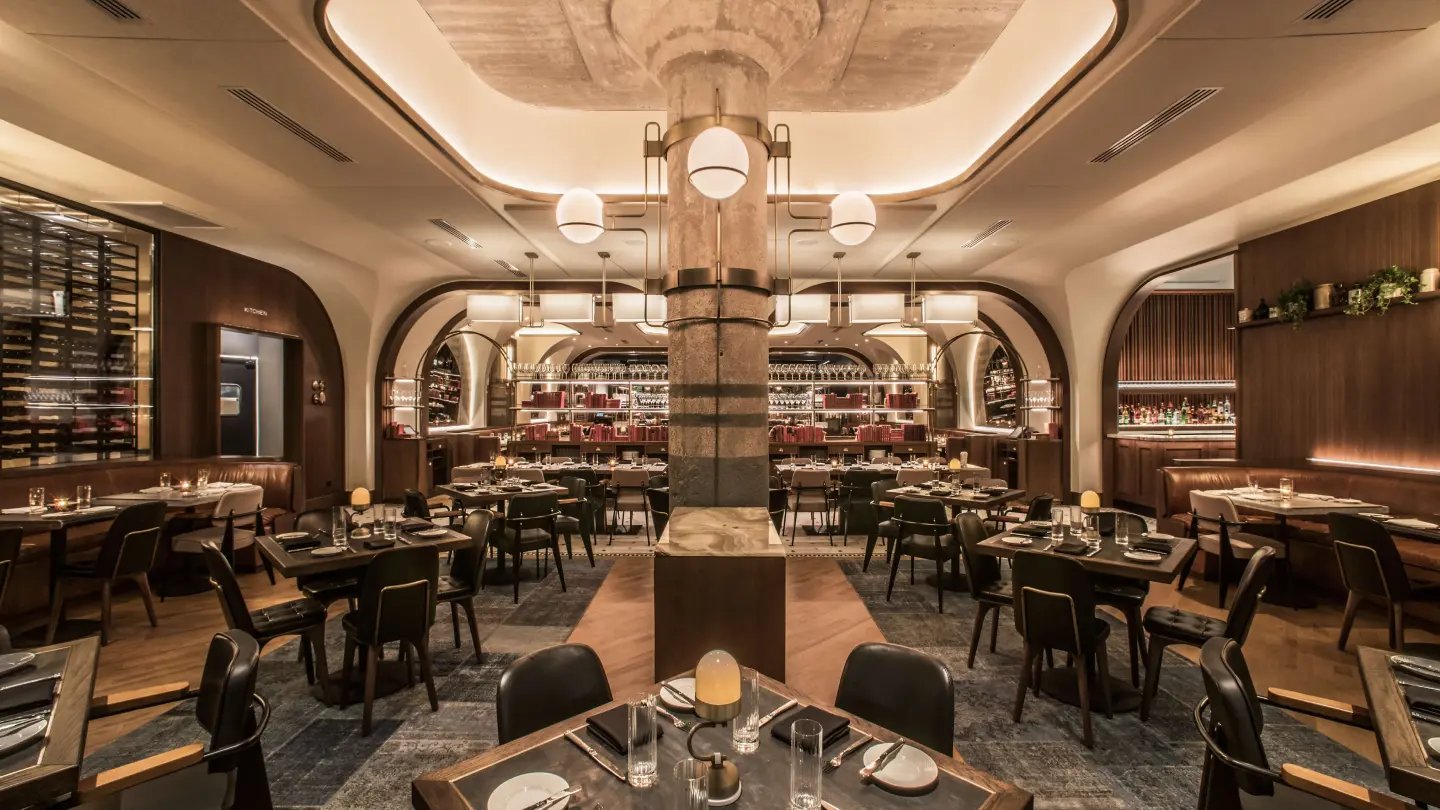
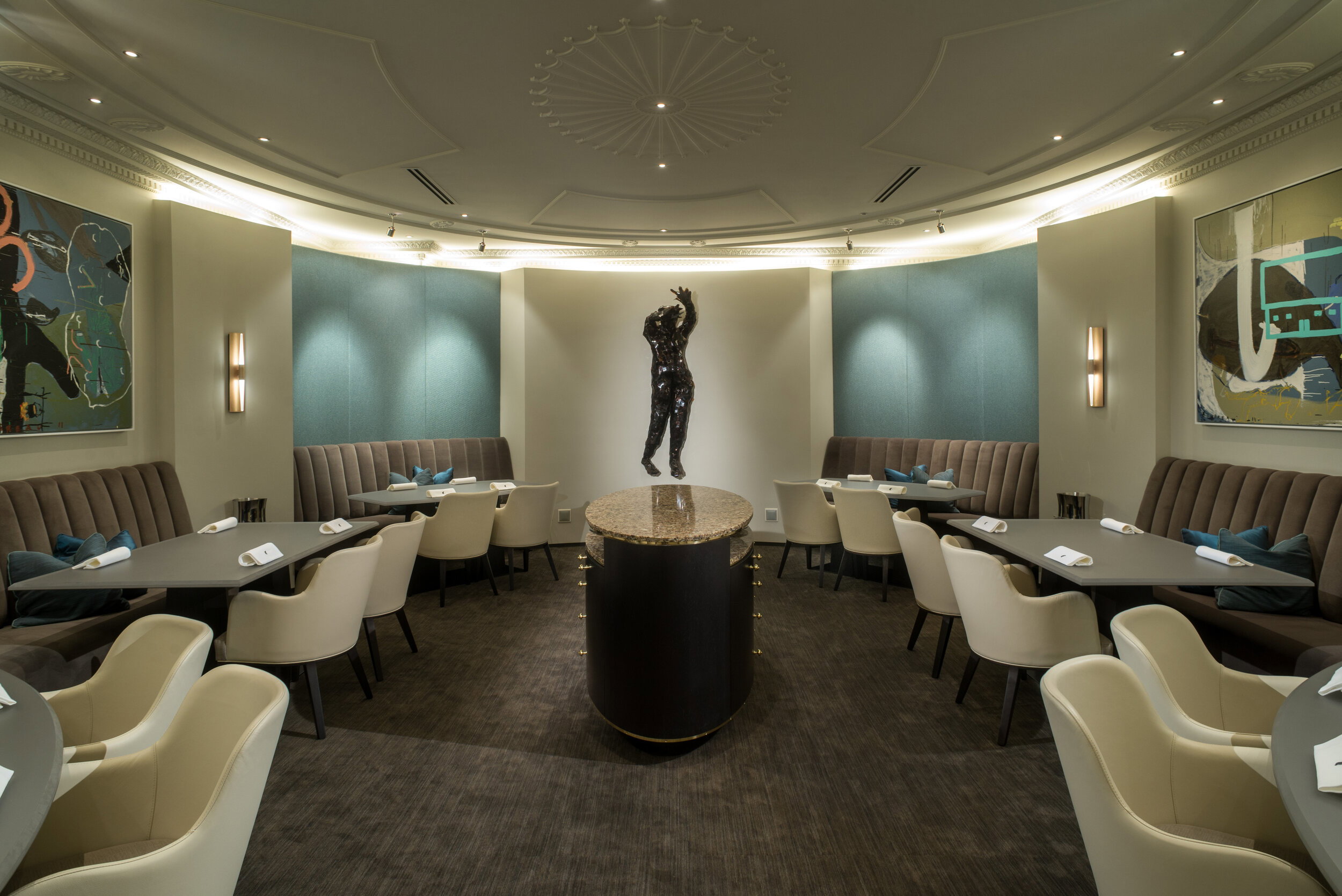
The corner building on North Winchester Avenue in Chicago's East Ukrainian Village gives little away from the outside. The interior is minimalist, with long banquettes and a restrained palette that reads more like a considered editorial choice than an aesthetic shortcut. In the morning and afternoon hours, the space operates as a café and bakery, with foot traffic and the rhythm of counter service. Come evening, the same room reconfigures into something closer to a Michelin-starred tasting room, and the contrast is intentional. Few restaurants in the United States operate a dual format with this degree of seriousness on both sides of the divide.
Filipino Fine Dining and Its Moment in American Restaurants
For most of the past two decades, Filipino cuisine occupied an uncomfortable position in the American restaurant conversation: beloved within the diaspora, largely absent from the Michelin guide and the James Beard conversation. The reasons are structural as much as cultural. Fine dining gatekeeping in the United States has historically favored European frameworks, and cuisines that did not map neatly onto those frameworks were consistently passed over. That position has shifted, and Bayan Ko and Boonie's have each contributed to a broader Chicago-Filipino dining conversation. Kasama, though, sits at the sharpest point of that shift. It holds a Michelin star, a 2023 James Beard Award for Leading Chef: Great Lakes, and a ranking of #153 on Opinionated About Dining's 2025 Leading Restaurants in North America list, after reaching #62 in 2024. The restaurant is also documented as the first Filipino restaurant in the world to receive two Michelin stars. These are not soft signals.
The parallel, internationally, exists in Manila at Hapag in Makati, which has done comparable work repositioning Filipino cuisine within the language of tasting menus. In the United States, Kaya in Orlando operates in the same broader category. Kasama, however, was operating before either had equivalent recognition, and its dual-format model gives it a structural footprint that most single-format Filipino restaurants do not have.
The Daytime Format: Bakery as Credential
Pastry training at this level is rare in chef partnerships, and it shows in the daytime menu. Genie Kwon's background at Eleven Madison Park and Bouchon Bakery is not incidental context; it is the direct explanation for why the café side of Kasama operates with the precision it does. The daytime offering runs Wednesday through Sunday from 9 AM to 3 PM, with dishes rooted in Filipino comfort food: longganisa sausage, chicken adobo, garlic rice, and ube croissants with a laminated dough that reflects classical pastry training applied to a Filipino ingredient canon. Black sesame macarons became reference points in Chicago almost immediately after the restaurant opened in 2020.
This is a pattern seen in serious tasting menu restaurants globally, where the daytime or casual format acts as an entry point that is genuinely good rather than merely an afterthought. The daytime version of Kasama is not a lesser experience; it is a different one, and the technical quality carries through. For context on what Chicago's broader tasting menu tier looks like, Alinea, Smyth, and Oriole all operate single-format, single-session models. Kasama's two-mode structure is its own distinct proposition.
The Evening Tasting Menu: Technique Meets Reference
The 13-course evening tasting menu runs on reservations booked up to 45 days in advance. The format draws on Filipino culinary reference points while working within a technical language shaped by kitchens at Oriole and Senza (Timothy Flores) and Eleven Madison Park (Genie Kwon). The approach does not use Filipino ingredients as decoration on a European frame; the Filipino culinary logic is the structure, and the fine dining technique is the execution tool.
Documented dishes across various review records include sinigang with wagyu, kinilaw (a traditional Filipino raw seafood preparation), and lumpia appearing within the tasting menu arc. An adobo preparation of mussels and wild mushrooms has been noted as an example of how traditional flavor principles — tangy, salty, savory — translate into something formally plated without losing their reference point. Desserts like a mais con yelo interpretation, featuring sweet corn semifreddo and milk granita, demonstrate the pastry side of the partnership operating at the same register as the savory menu, rather than as an afterthought.
Pairing menus are available with both alcoholic and non-alcoholic options. The non-alcoholic pairing is a practical consideration worth noting: in this tier of tasting menu dining across the United States, from Le Bernardin in New York City to Lazy Bear in San Francisco and The French Laundry in Napa, non-alcoholic pairing programs have become a marker of completeness rather than a concession. Kasama's inclusion of one signals the same level of seriousness.
Beverage Curation at This Tier
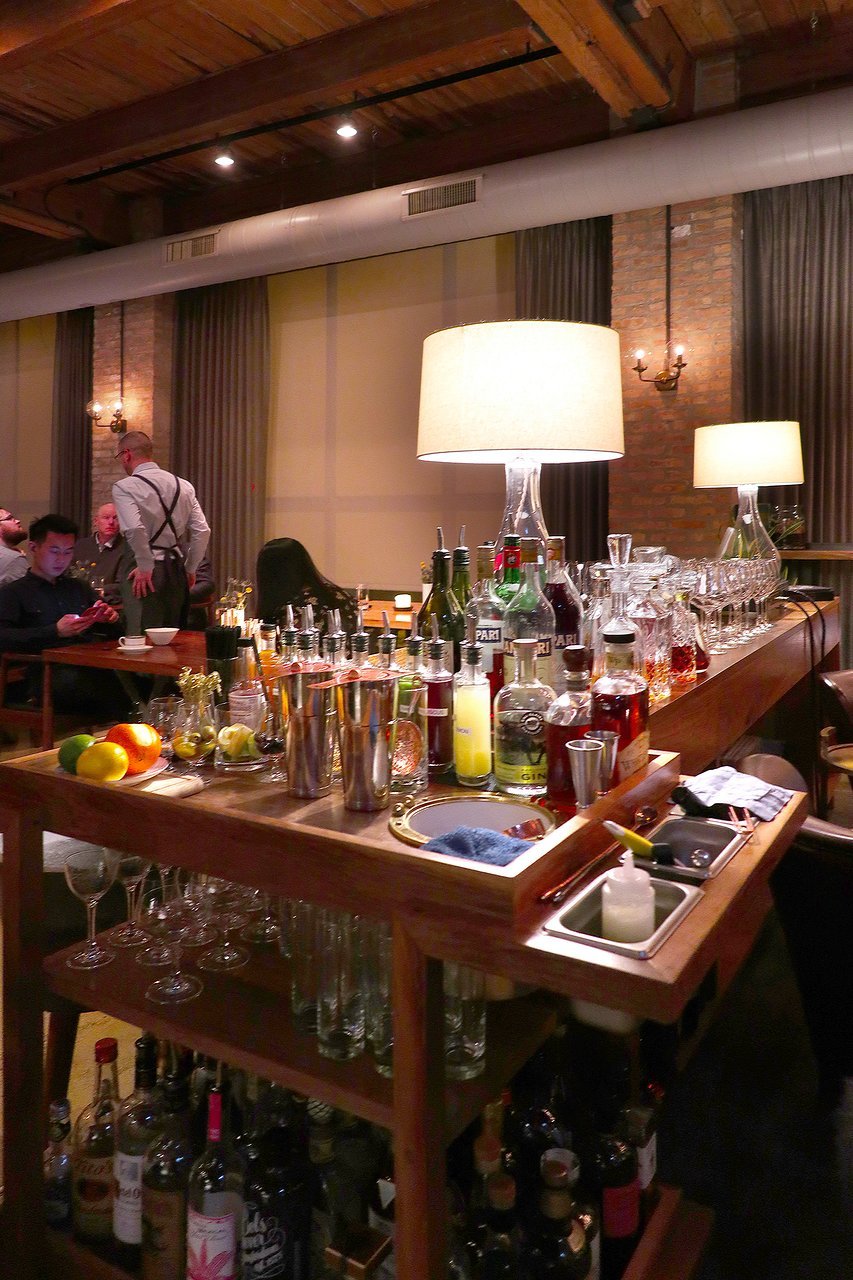
The editorial angle on beverage programs in tasting menu restaurants at this price point is worth addressing directly. In the tier that Kasama occupies alongside Smyth, Alinea, Providence in Los Angeles, and Single Thread Farm in Healdsburg, the beverage program is expected to do more than accompany the food. It is expected to have a point of view: cellar depth that supports the wine pairing across 13 courses, a sommelier presence that can translate a Filipino-inflected menu into a coherent wine logic, and enough range in the non-alcoholic pairing to treat it as a full program rather than a juice-and-tea afterthought.
The specific database record for Kasama does not include detailed list composition or sommelier credentials, and this review will not fabricate them. What can be said is that a restaurant operating at the James Beard and Michelin level, running a 13-course format with both alcoholic and non-alcoholic pairing tracks, is operating with a beverage program built to match that ambition. The practical signal for any reader planning an evening reservation is to confirm which pairing is available on their specific booking date, as format and availability can shift with the tasting menu changes.
Cultural Position and Critical Recognition
Awards Kasama has accumulated are not only culinary judgments; they are signals within a longer argument about which cuisines belong in the fine dining conversation and which have been historically underrepresented. The 2023 James Beard Award for Leading Chef: Great Lakes, the Michelin star, two consecutive years of Opinionated About Dining rankings, the Esquire Leading New Restaurants appearances in both 2021 (at #39) and 2022 (at #7), and the documented first-in-the-world status for a Filipino restaurant at the two-Michelin-star level: taken together, these represent a critical and institutional consensus that is unusual in its consistency.
Restaurant also appeared briefly on The Bear, the Chicago-set culinary drama, which is a cultural marker of a different kind , not an institutional award but an acknowledgment of the restaurant's place in the city's public imagination. Emeril's in New Orleans offers a historical parallel: a restaurant that occupied a specific cultural moment in American dining beyond its purely culinary footprint. The comparison is not about register; it is about the way certain restaurants become reference points for broader conversations about what American dining includes and excludes.
For a full picture of Chicago's restaurant scene and where Kasama sits within it, see our full Chicago restaurants guide. For planning the rest of a visit, our Chicago hotels guide, bars guide, wineries guide, and experiences guide cover the broader city.
Know Before You Go
- Address: 1001 N Winchester Ave, Chicago, IL 60622 (East Ukrainian Village)
- Daytime hours: Wednesday to Sunday, 9 AM to 3 PM (closed Monday and Tuesday)
- Evening tasting menu: Reservations required; book up to 45 days in advance
- Format: 13-course tasting menu in the evening; café and bakery by day
- Pairings: Alcoholic and non-alcoholic pairing menus available
- Price range: $$$$
- Dietary accommodation: Some allergies and dietary restrictions can be accommodated; confirm at booking
- Awards: Michelin 1 Star; James Beard Award 2023, Leading Chef: Great Lakes; Opinionated About Dining Leading Restaurants in North America #153 (2025)
- Google rating: 4.5 from 1,749 reviews
Similar Picks
A compact peer snapshot based on similar venues we track.
| Venue | Cuisine | Price | Notes |
|---|---|---|---|
| Kasama | Filipino | $$$$ | This venue |
| Alinea | Progressive American, Creative | $$$$ | Progressive American, Creative, $$$$ |
| Smyth | Progressive American, Contemporary | $$$$ | Progressive American, Contemporary, $$$$ |
| Next Restaurant | American Cuisine | $$$$ | American Cuisine, $$$$ |
| Boka | New American, Contemporary | $$$$ | New American, Contemporary, $$$$ |
| Esmé | Nordic-American, Contemporary | $$$$ | Nordic-American, Contemporary, $$$$ |
Continue exploring