Momotaro

Michelin Plate
Our verdict
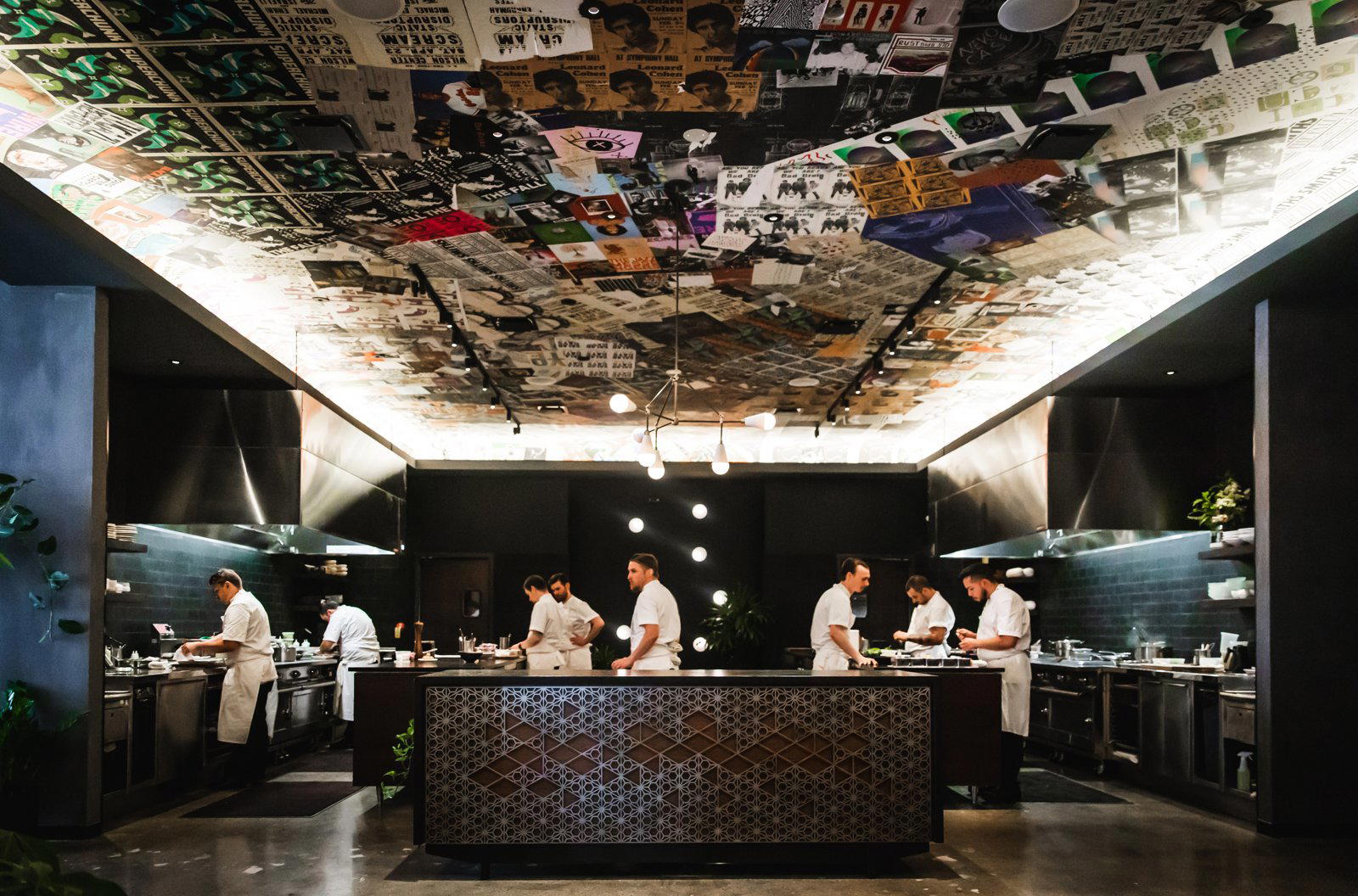
A West Loop address that takes Japanese dining seriously without taking itself too seriously, Momotaro operates across multiple kitchen stations — robata-yaki, sushi counter, izakaya small plates — inside a space that manages to be theatrical and disciplined at once.

Pearl is the En Primeur Club membership app — saves, bookings, and concierge access live there. Same editors, same standards.
- Address
- 820 W Lake St, Chicago, IL 60607
- Phone
- (312) 733-4818
- Hours
- Mon–Thu 5–10 PMFri 11 AM–2 PM, 4:30–11 PMSat 4:30–11 PMSun 5–10 PM
- Website
- momotarochicago.com
- Directions
- Get directions
- Booking
- Book on OpenTable
The menu
What to order
- MomoMaki
- Tsukune Dango
- Chahan
- Hamachi
- Maguro
The West Loop's Approach to Japanese Cooking
Chicago's West Loop has spent the past decade consolidating its position as the city's most competitive dining corridor, and its Japanese restaurants reflect that ambition clearly. Where a decade ago the neighborhood's Japanese offering tilted toward fast-casual and pan-Asian fusion, the current generation of addresses in the area takes raw materials, kitchen technique, and format discipline with far more seriousness. Momotaro, at 820 W Lake Street, sits at the sharper end of that shift: a large-format Japanese restaurant that operates like several restaurants at once, organized around ingredient sourcing and cooking method rather than a single throughline.
Momotaro operates in the space between those poles: accessible enough to fill a large room consistently, focused enough to hold Michelin recognition.
What the Space Tells You Before the Food Arrives
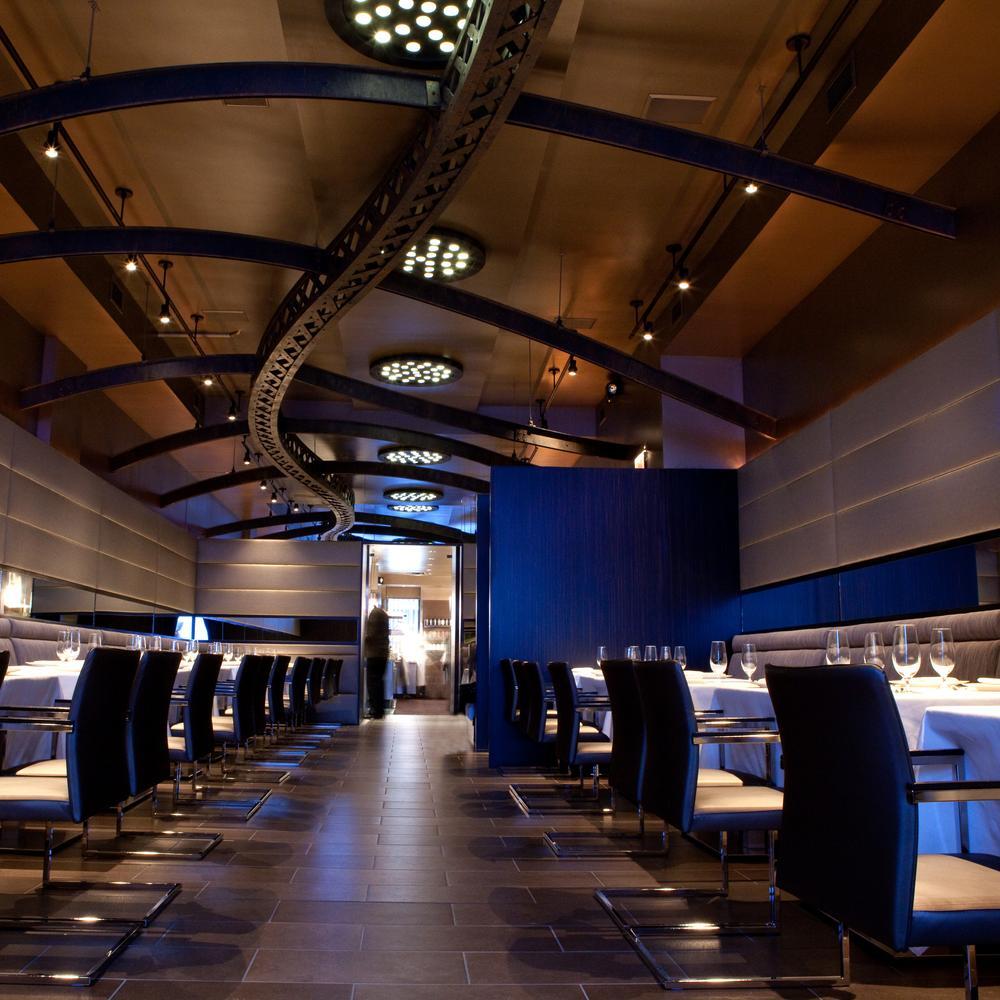
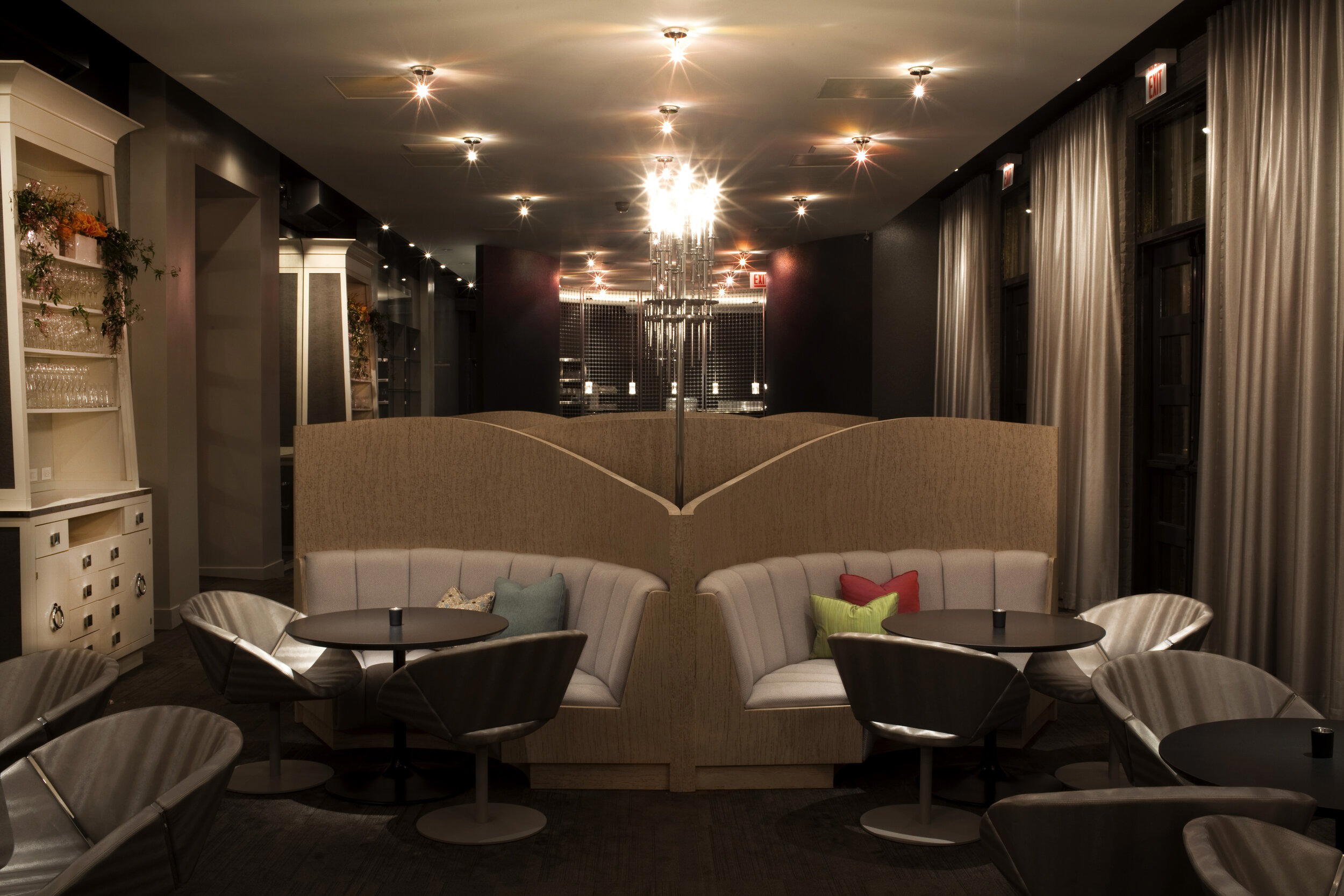
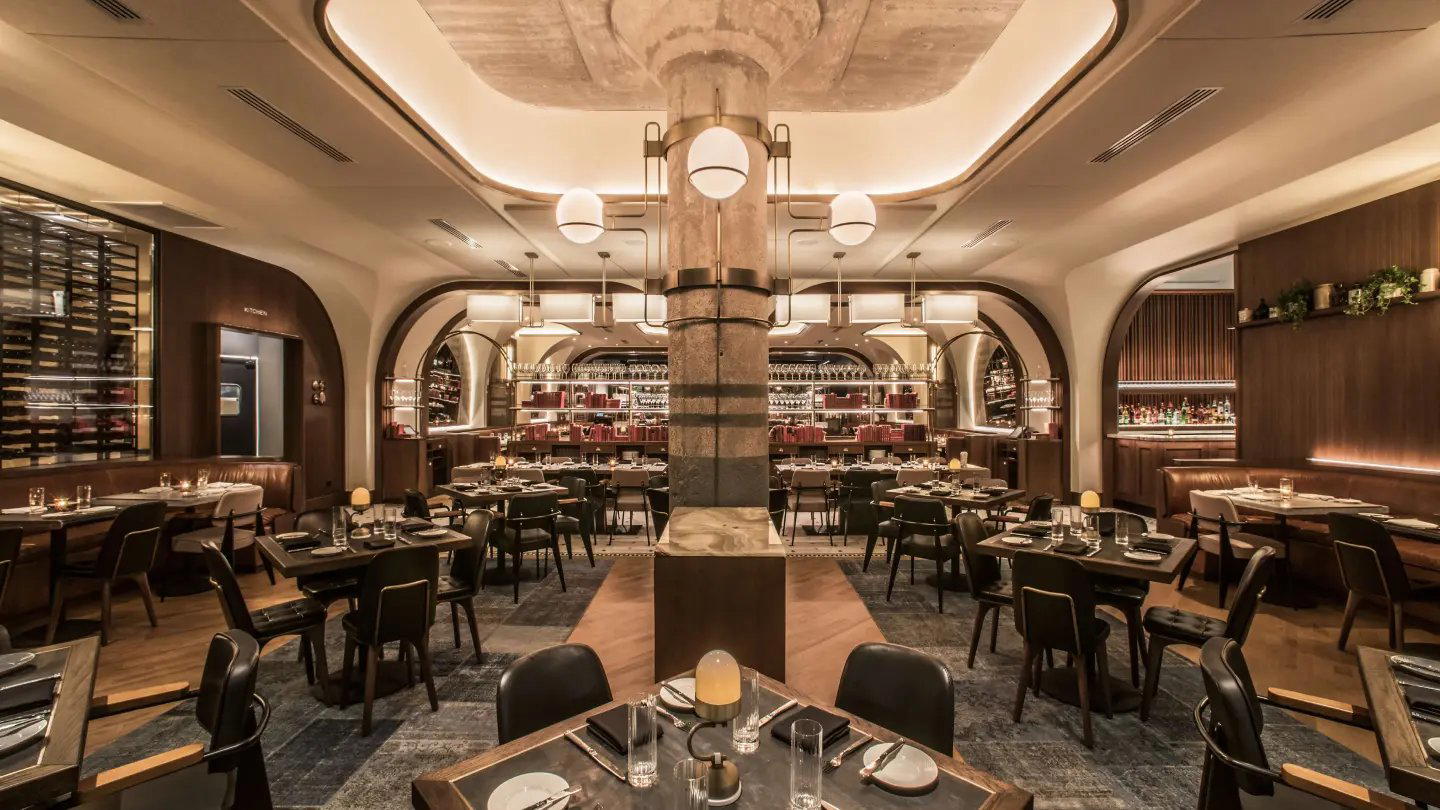
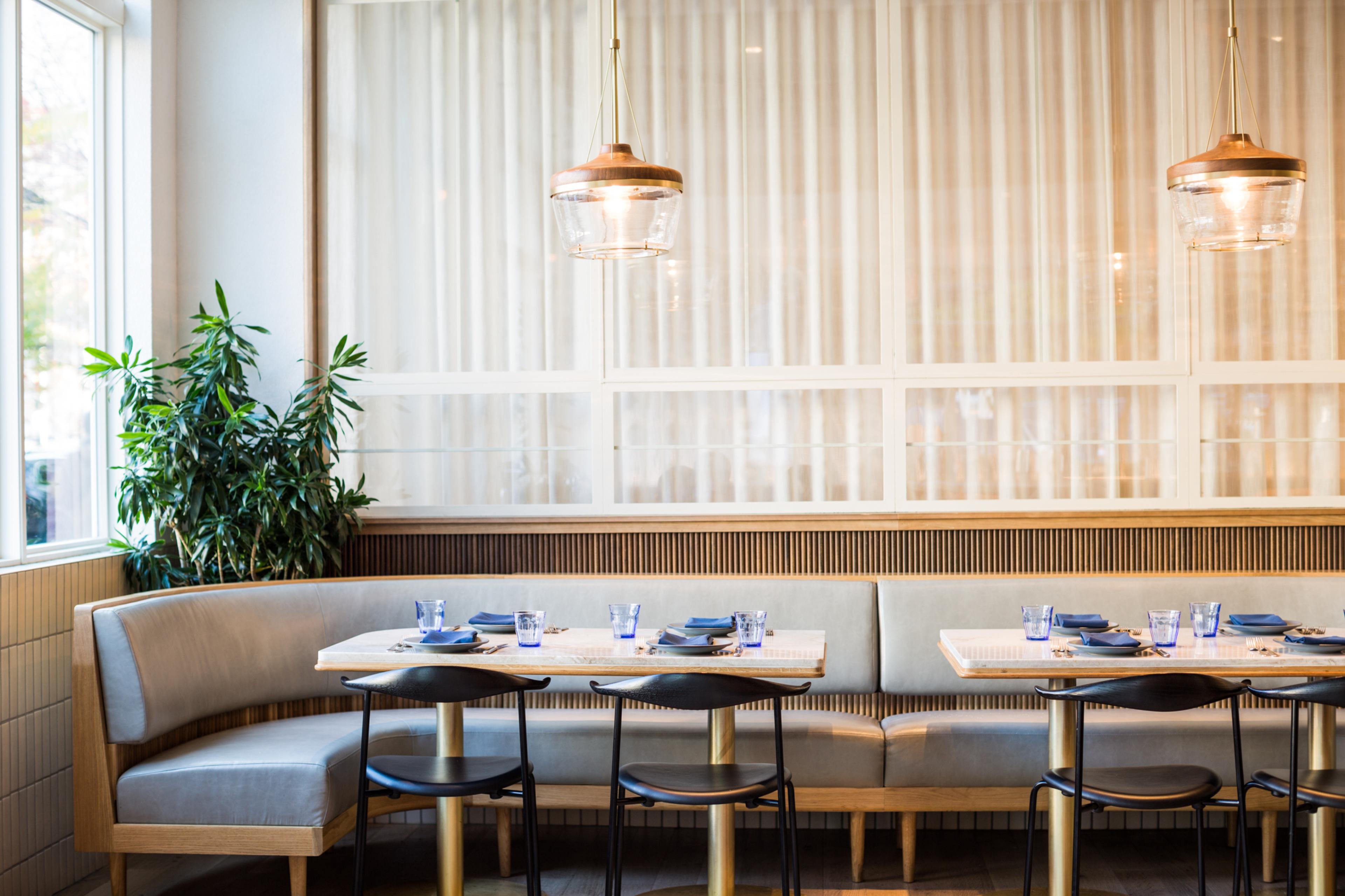
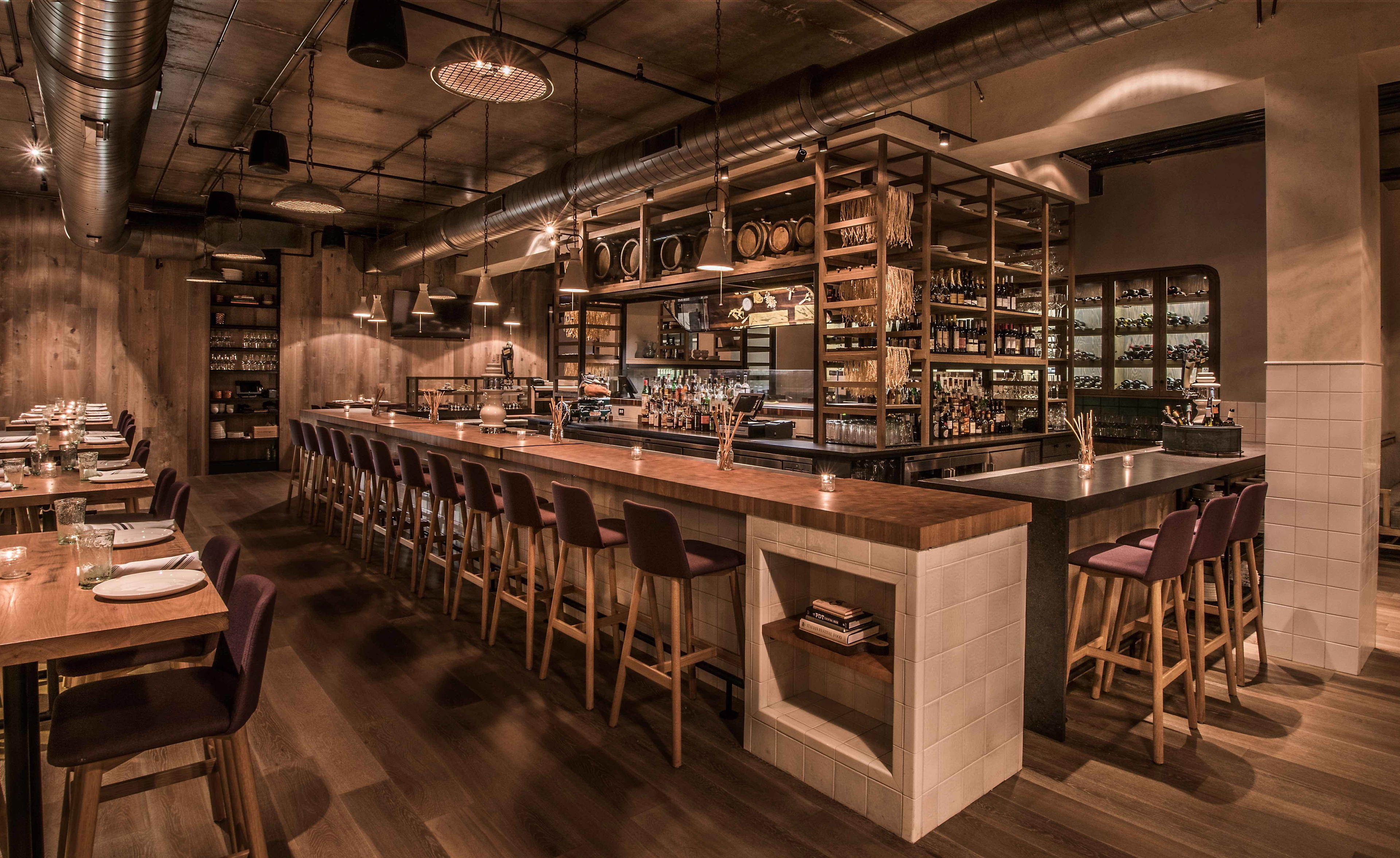
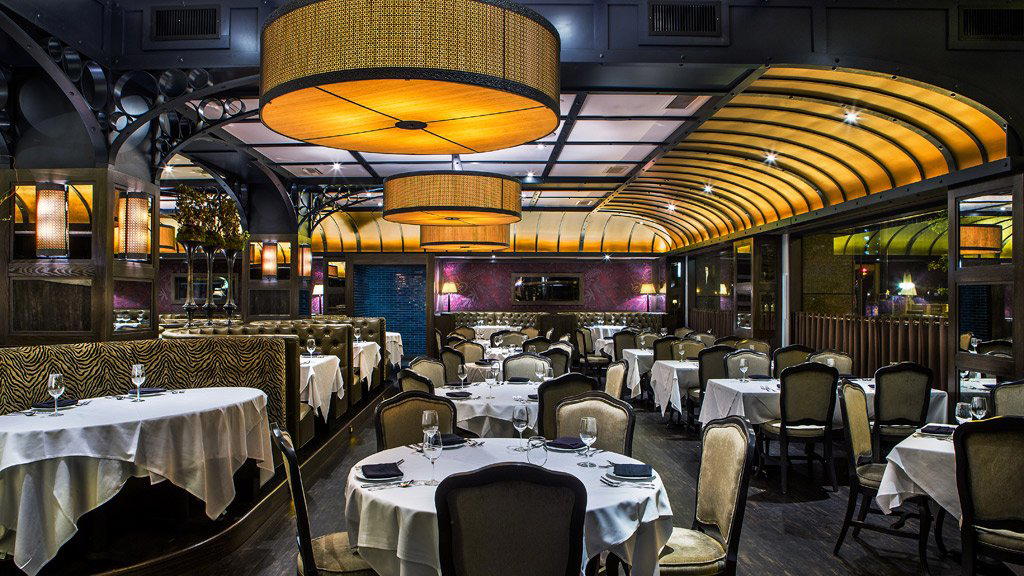
Japanese restaurant design in American cities has historically defaulted to one of two registers: minimalist calm (shoji screens, pale wood, hushed interiors) or casual izakaya clutter. Momotaro refuses both. The room on W Lake Street is theatrical in a deliberate way — an imported whisky list displayed on a retro-style airport departure board sets the tone at the entrance, signaling that the space has a point of view about its own theatricality. A private dining room upstairs is styled as a mid-century corporate boardroom, an architectural joke that works better in practice than it sounds in description.
The design choices are not simply aesthetic. They locate the restaurant within a broader trend in American Japanese dining toward environments that signal cultural fluency rather than cultural mimicry. The room is consistently full, which matters for how food tastes: dishes from a robata-yaki kitchen are better received in a warm, busy room than in an austere one, and Momotaro's atmosphere is calibrated accordingly.
Ingredient Logic Across Multiple Kitchens
The clearest way to understand Momotaro's menu is through its sourcing logic rather than its format. The restaurant operates multiple kitchen stations simultaneously, a robata-yaki grill, a sushi counter, and an izakaya-style small-plates program, and the coherence across those stations comes from the quality and specificity of ingredients rather than a single cooking style. Executive Chef Gene Kato's program is organized around the principle that the right raw material, handled correctly, does most of the work.
That logic shows most clearly in the jidori chicken preparations. Jidori, a designation for free-range, slow-raised chickens fed on grain rather than commercial feed, produces meat with a noticeably firmer texture and more concentrated flavor than commodity poultry. The kimo, the prized oyster cut from the back of the bird, has become a signature here when grilled over robata. It is the kind of dish that only works if the sourcing is right; no amount of technique rescues inferior chicken at that level of simplicity.
The beef tsukune sliders served in bao from the robata-yaki station represent a different kind of ingredient discipline, ground beef preparations on a robata grill require careful fat-to-lean ratios and binding to survive direct heat without losing moisture. The bao wrapper is a format borrowed from Chinese dim sum tradition and now fully absorbed into modern Japanese-American cooking; its presence here reflects how Chicago's Japanese restaurants, like Gaijin, have moved toward cross-cultural fluency as a legitimate culinary mode rather than a compromise.
The Sushi Counter in Context
Japanese restaurants that operate robata and izakaya programs alongside a sushi counter often find the sushi becomes an afterthought, servicing guests who want something familiar alongside more adventurous plates. That is not the pattern here. The nigiri and maki program is treated as a parallel track of equal seriousness, with particular attention paid to sourced fish with specific culinary identities.
The una-kyu maki, eel and cucumber, is a preparation with deep roots in traditional Edo-style sushi, where the pairing of fatty unagi with the clean sharpness of cucumber represents a textural and flavor balance that has proven durable for good reasons. The ebi uni maguro combination (shrimp, sea urchin, and tuna) operates at a different level of ambition and availability: the restaurant runs only ten of these per evening. That constraint is a direct function of sourcing, sea urchin of the quality that justifies pairing with premium tuna is not available in unlimited quantities, and restaurants that acknowledge that reality in their service approach rather than substituting down are making an ingredient-forward statement. Booking ahead is the practical implication; treating it as a planning priority rather than a spontaneous order is the right approach.
Momotaro does not position itself as an omakase equivalent of those addresses, but its ingredient selectivity in specific preparations reflects awareness of that standard.
The Whisky Program as a Parallel Signal
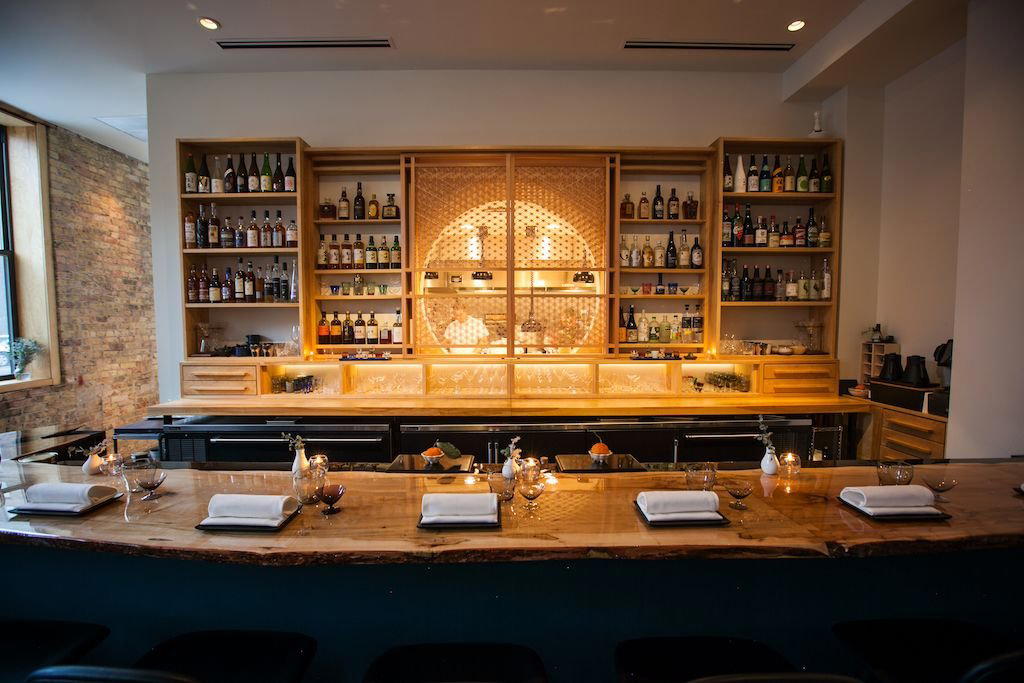
The imported Japanese whisky selection, displayed on the departure board rather than buried in a drinks list, functions as more than atmosphere. Japanese whisky has moved from niche enthusiasm to premium category over the past decade, with allocated bottles from Yamazaki, Hakushu, and Nikka now trading above retail in most markets. A restaurant that maintains a serious Japanese whisky list is making a sourcing investment that parallels its food program, both require relationships, forward planning, and willingness to pay for quality that isn't immediately obvious to every guest.
That pairing of food and spirits seriousness places Momotaro in a different competitive conversation from Chicago's more austere Japanese addresses. Itoko and The Izakaya at Momotaro, the latter being the same group's more casual downstairs format, serve different functions in the same broader ecosystem. The full Momotaro upstairs is the expression of that ecosystem at its most ambitious.
Across American cities, the Japanese restaurant tier that Momotaro occupies, large-format, multi-station, ingredient-serious, design-driven, is a format that only a handful of addresses have executed with consistency. For comparison: Providence in Los Angeles operates a different cuisine but a similar philosophy of sourcing-led large-format dining; Lazy Bear in San Francisco takes the multi-course communal format in a different direction. Neither is a direct peer, but both illustrate how seriously American fine dining now takes the relationship between ingredient sourcing and format design, a relationship Momotaro has made its organizing principle.
For anyone building a Chicago itinerary around Japanese dining, it is worth cross-referencing with, alongside and for a complete picture of the West Loop and beyond.
Know Before You Go
- Address: 820 W Lake St, Chicago, IL 60607
- Cuisine: Japanese (robata-yaki, sushi, izakaya small plates)
- Price range: $$$
- Awards: Michelin Plate (2024)
- Booking note: The ebi uni maguro is limited to ten portions per evening, plan accordingly and confirm availability when reserving
- Private dining: Available upstairs in a mid-century boardroom-styled room
- Related address: The Izakaya at Momotaro operates as a more casual format within the same building
What Do People Recommend at Momotaro?
The dishes that draw the strongest direction from repeat visitors cluster around specific ingredient-driven preparations. The jidori kimo, the chicken oyster from the robata grill, is the preparation most frequently cited as the reason to return: it is a cut that rewards sourcing discipline and simple technique, and the robata format suits it precisely. The beef tsukune sliders in bao are the second consistent recommendation, occupying a different register (rich, portable, crowd-pleasing) without compromising on kitchen craft.
On the sushi side, the nigiri program is taken seriously, with the una-kyu maki representing the more traditional Edo-style pairing and the ebi uni maguro (shrimp, sea urchin, tuna) representing the higher-risk, higher-reward option. Given the ten-per-evening limit on the latter, guests with a specific interest in that combination should treat it as a reservation priority rather than a walk-in aspiration. The Japanese whisky selection, presented on the departure board, draws attention from spirits-focused guests as a program worth exploring in its own right.
Frequently asked questions
Where do I go for Momotaro?
Momotaro is located at 820 W Lake St, Chicago, IL 60607.
What do people recommend at Momotaro?
Repeat visitors consistently point to the jidori kimo, prized chicken oysters grilled at the robata station, as a signature order. The beef tsukune sliders served in bao are equally well-regarded. For sushi, the ebi uni maguro is the counter's standout, though only ten portions are prepared per evening, so ordering early in the meal is advisable.
What style of cooking does Momotaro do?
Is Momotaro expensive?
Pricing at Momotaro is listed as $$$.
Peers Worth Knowing
| Venue | Cuisine | Price | Awards | Notes |
|---|---|---|---|---|
| MomotaroThis venue — the venue you are viewing | Modern Japanese Izakaya & Robata | $100–150 | Michelin Plate | Not listed |
| Alinea | Avant-Garde Molecular Gastronomy | $300–500 | 2 Michelin Stars · World's 50 Best #37 | Progressive American, Creative |
| Smyth | Modern American Tasting Menu | $200–300 | 3 Michelin Stars · World's 50 Best #1 | Progressive American, Contemporary |
| Kasama | Modern Filipino | $30–50 | 2 Michelin Stars · World's 50 Best #31 | Filipino |
| Next Restaurant | Avant-Garde Themed Tasting Menus | Not listed | 1 Michelin Star · We're Smart World 2 Radishes | American Cuisine |
| Boka | Modern American Seasonal Fine Dining | $150–200 | 1 Michelin Star · La Liste Top Restaurants | New American, Contemporary |
Recognition history
Dated appearances from independent guides and award organizations, with the underlying list record or original source where available.
Michelin Plate
Michelin
Full recognition history (2 entries)
Michelin Plate
Michelin