Nobu Hotel Chicago


Michelin Selected · Virtuoso Luxury Hotel Partner · Mr & Mrs Smith Seal of Approval
Nobu Hotel Chicago occupies a striking position above Fulton Market, where the brand's Japanese minimalist design meets one of the city's most active dining corridors. A 2024 Michelin Key recipient, the property delivers the Nobu Hospitality template, signature Japanese-Peruvian cuisine, omotenashi-inflected service, and design-forward rooms, within walking distance of Restaurant Row and the West Loop's concentrated dining scene.

Pearl is the En Primeur Club membership app, where members save venues, book tables and use the concierge.
Where Fulton Market Meets Japanese Minimalism
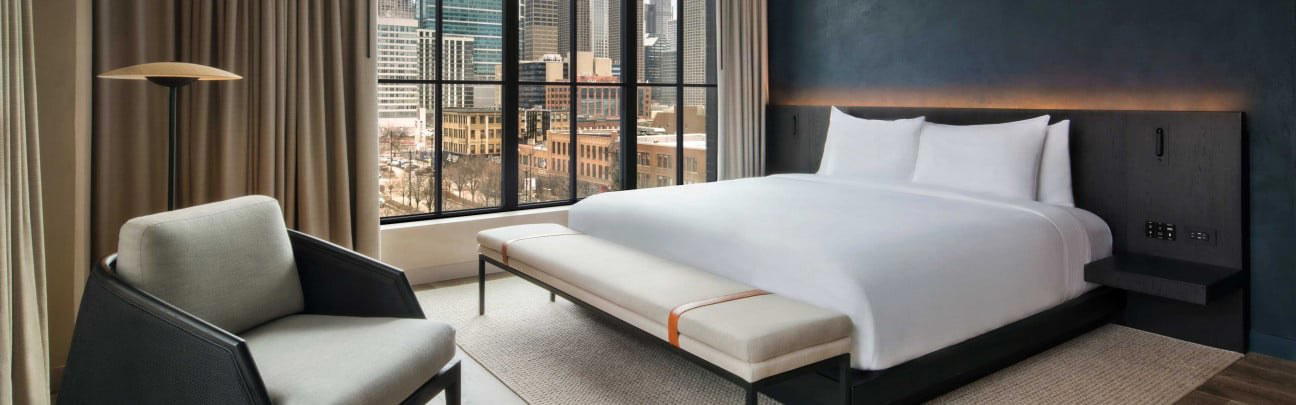
Chicago's West Loop has undergone a transformation that few American urban neighborhoods can match in speed or completeness. What was a meatpacking and cold-storage district a generation ago is now the city's most concentrated block of serious dining, with Randolph Street's Restaurant Row drawing chefs and restaurateurs who once would have defaulted to River North or the Gold Coast. Nobu Hotel Chicago arrived into this context at 155 N Peoria St, a deliberate placement that puts guests above the action rather than adjacent to it, close enough to the energy of Fulton Market, removed enough to maintain the quiet that the Nobu Hospitality brand architecture depends on.
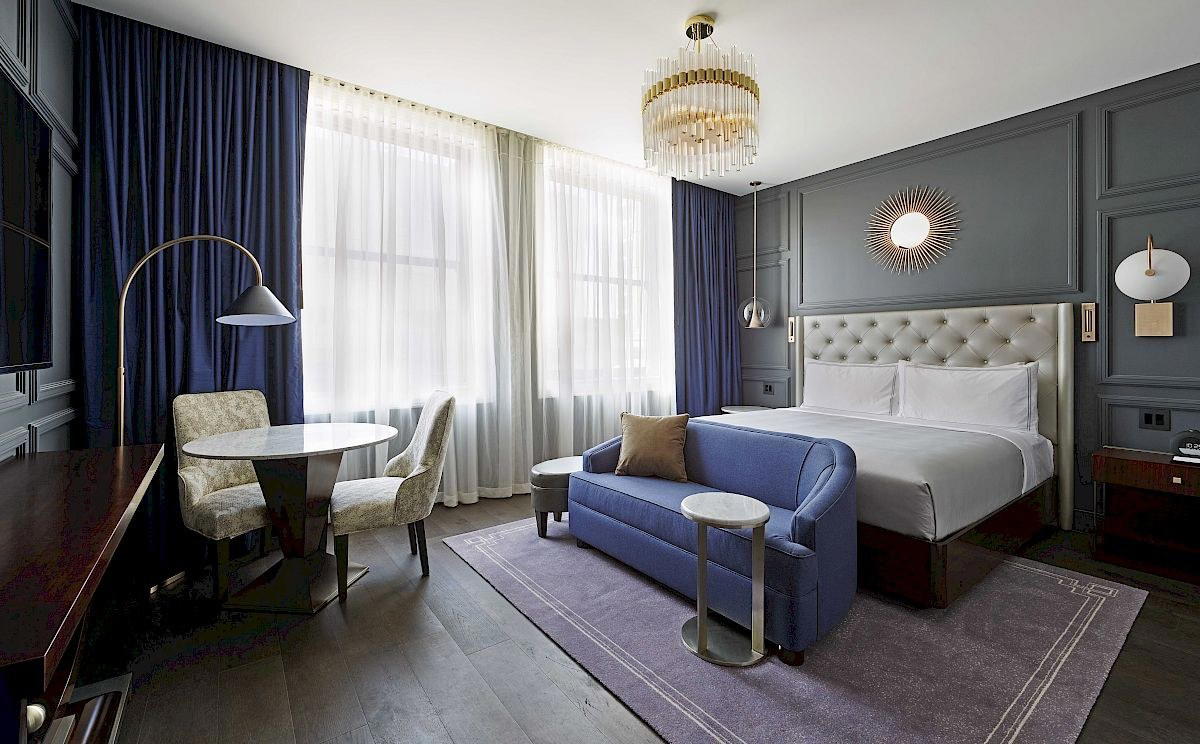
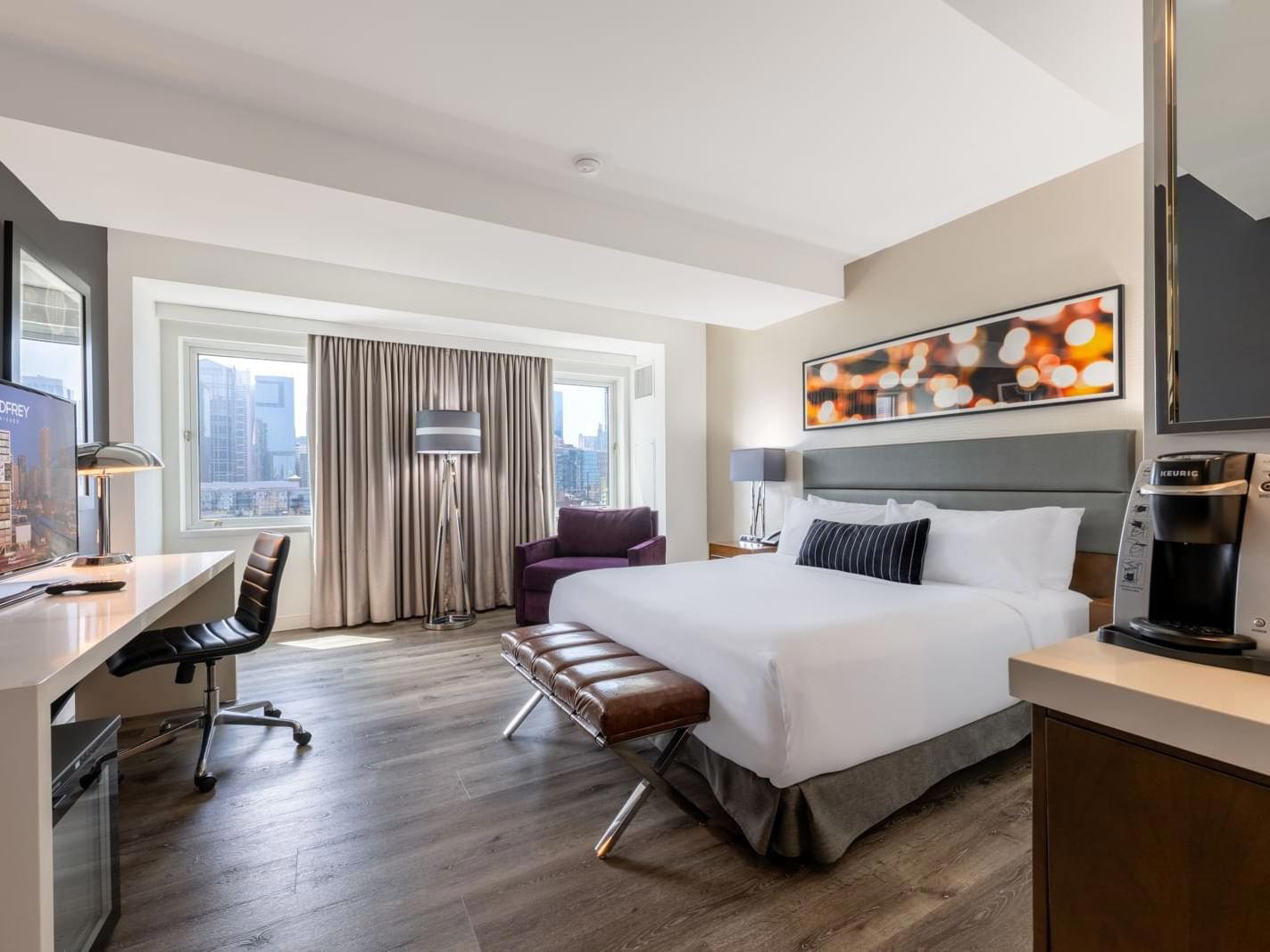
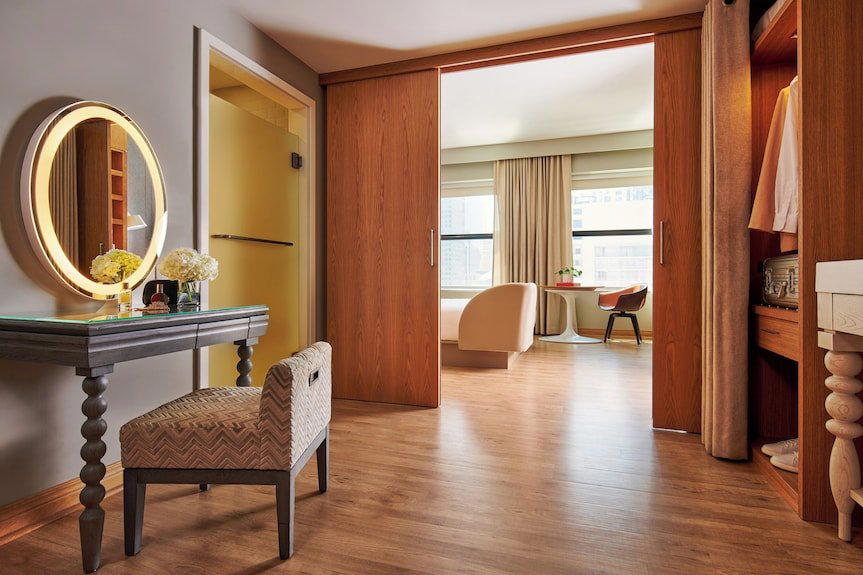
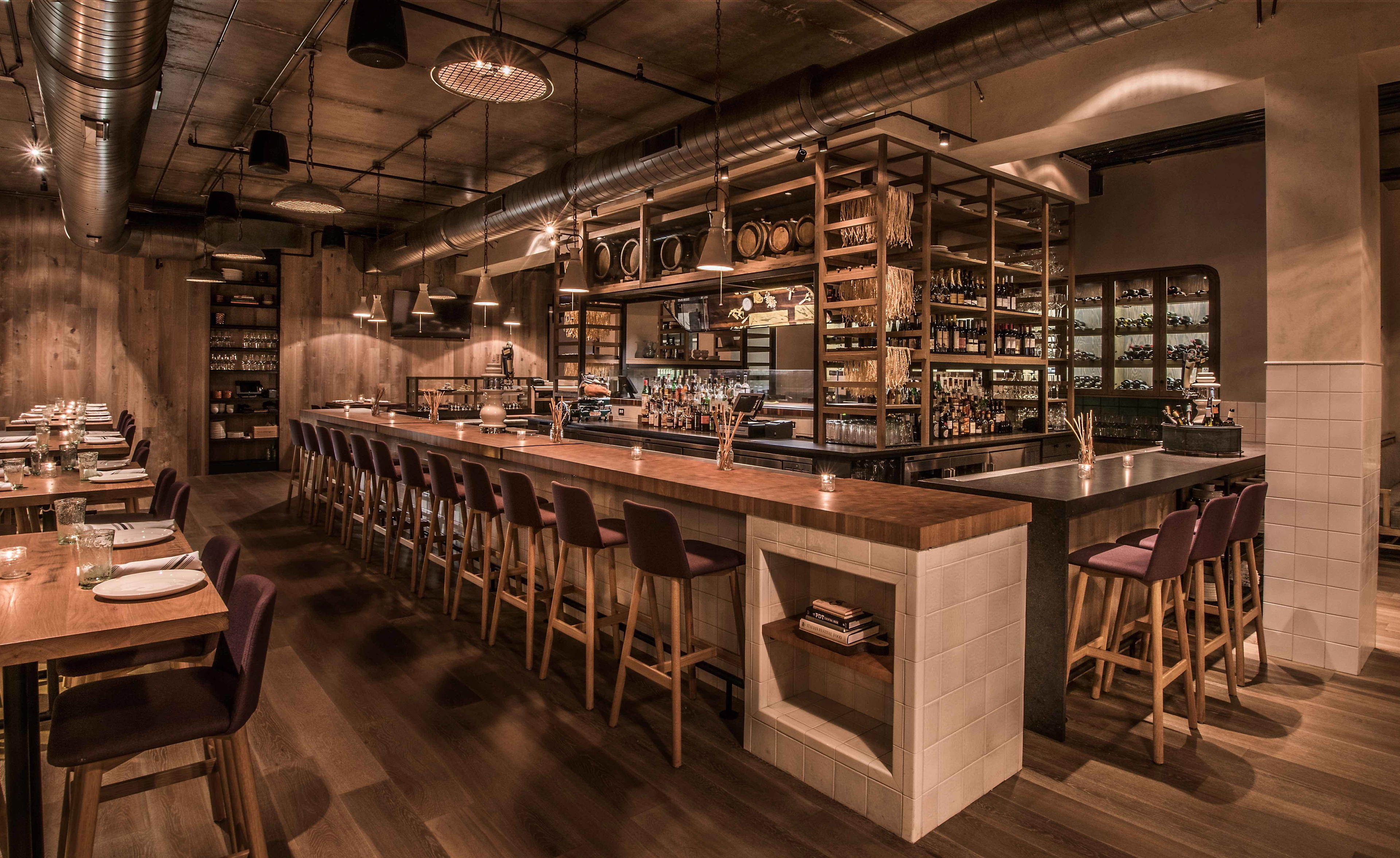
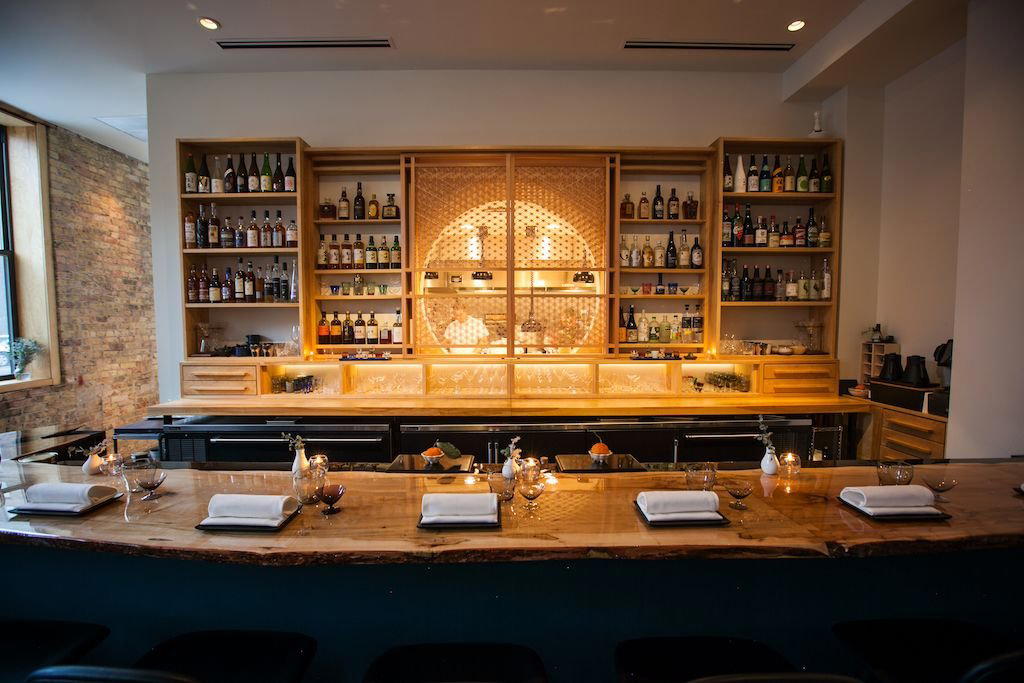
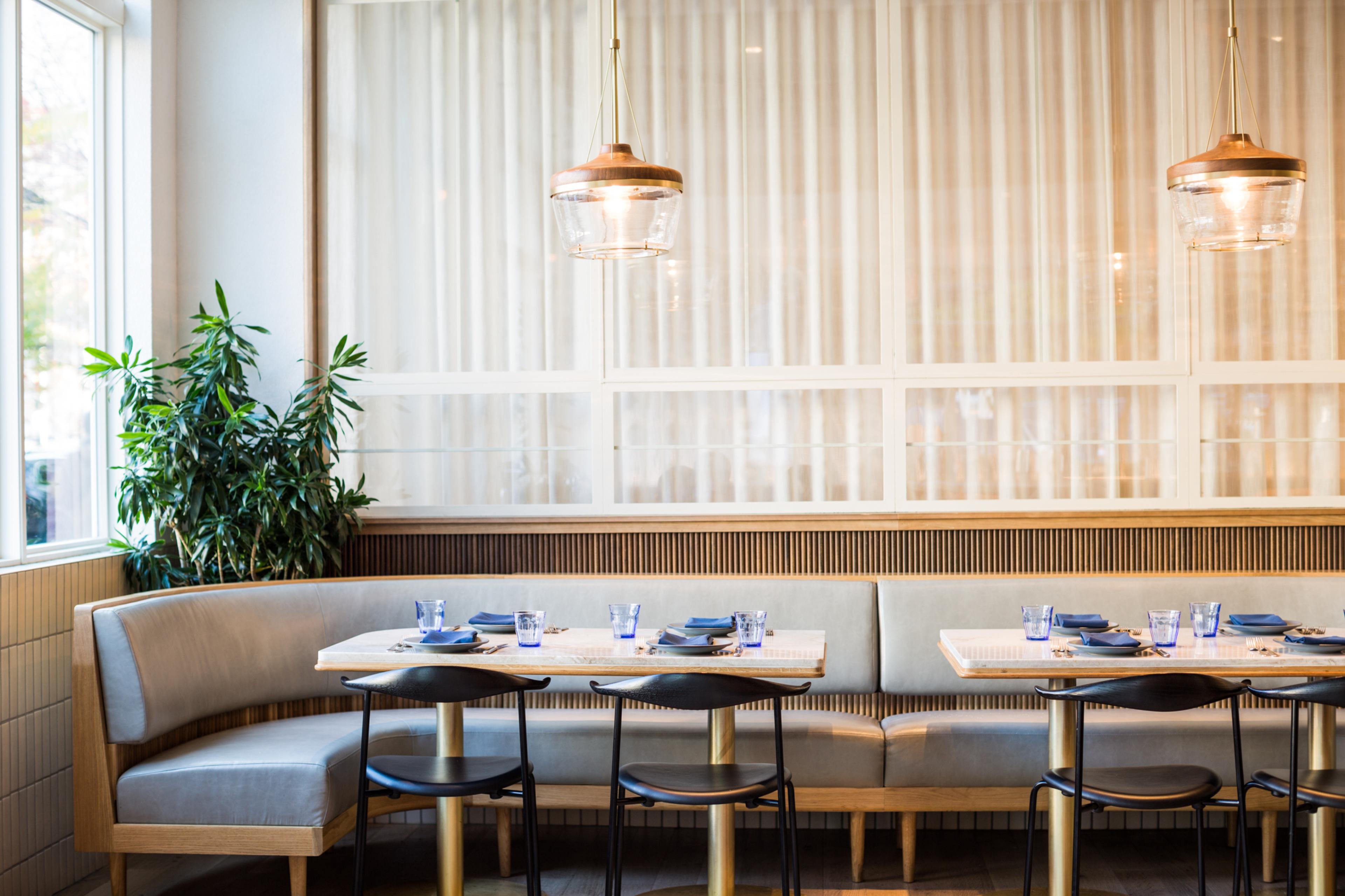
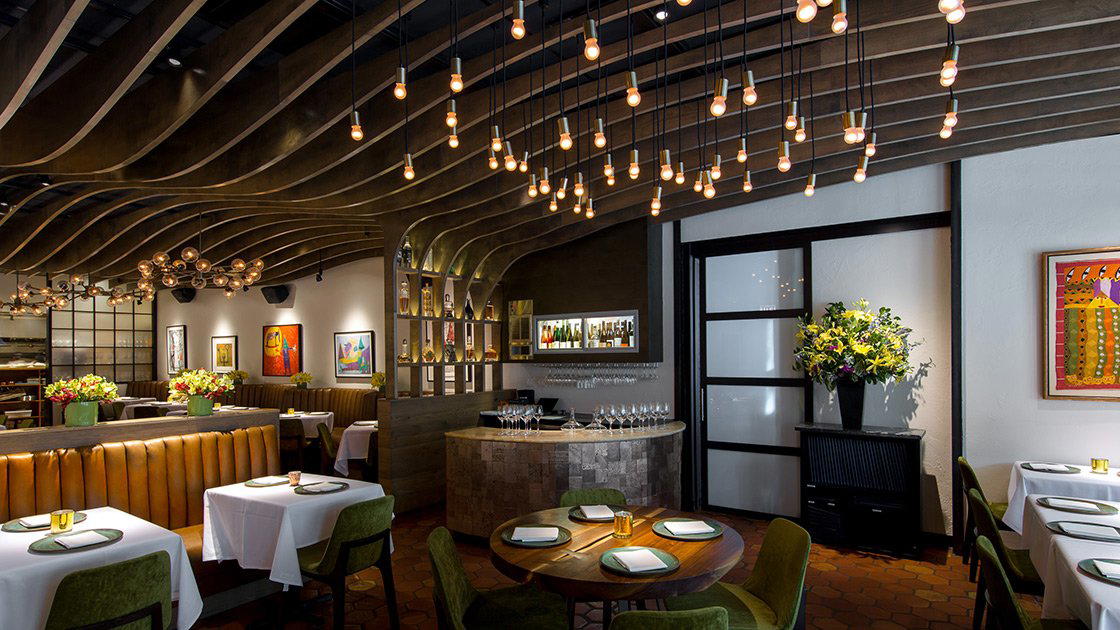
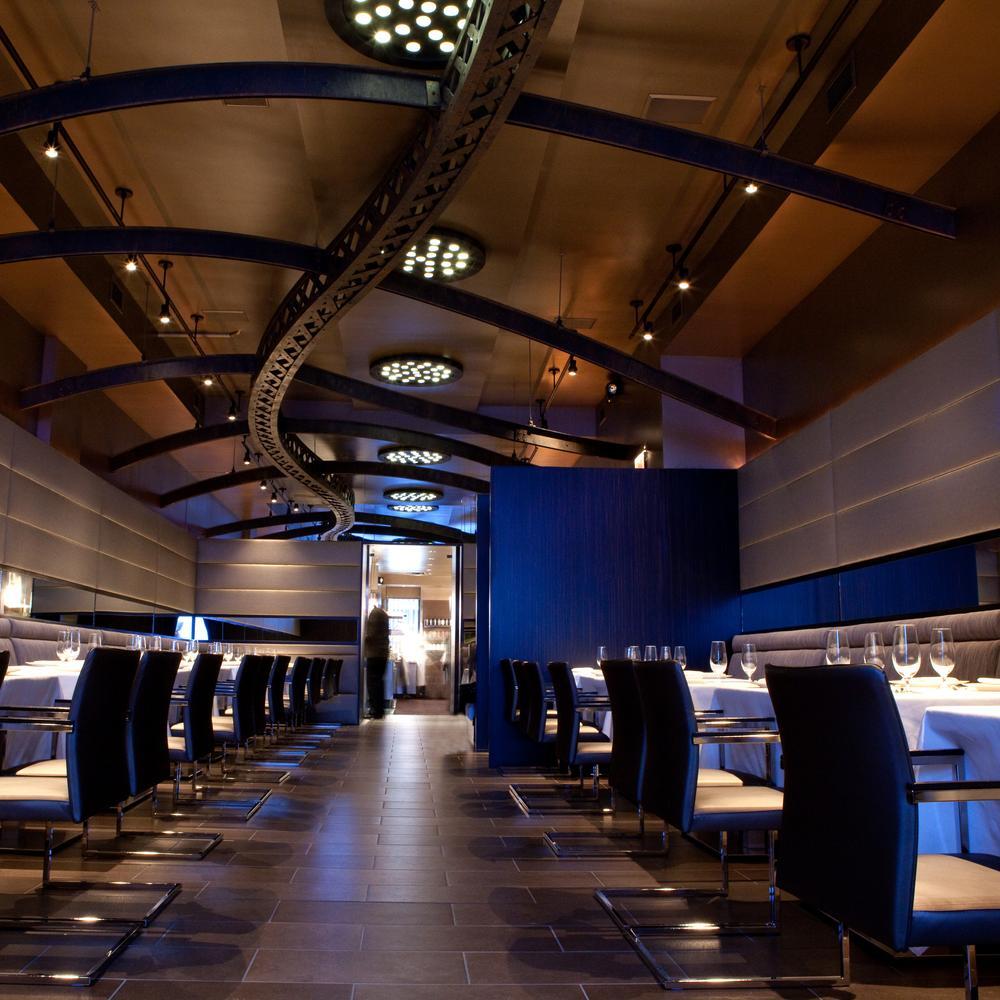
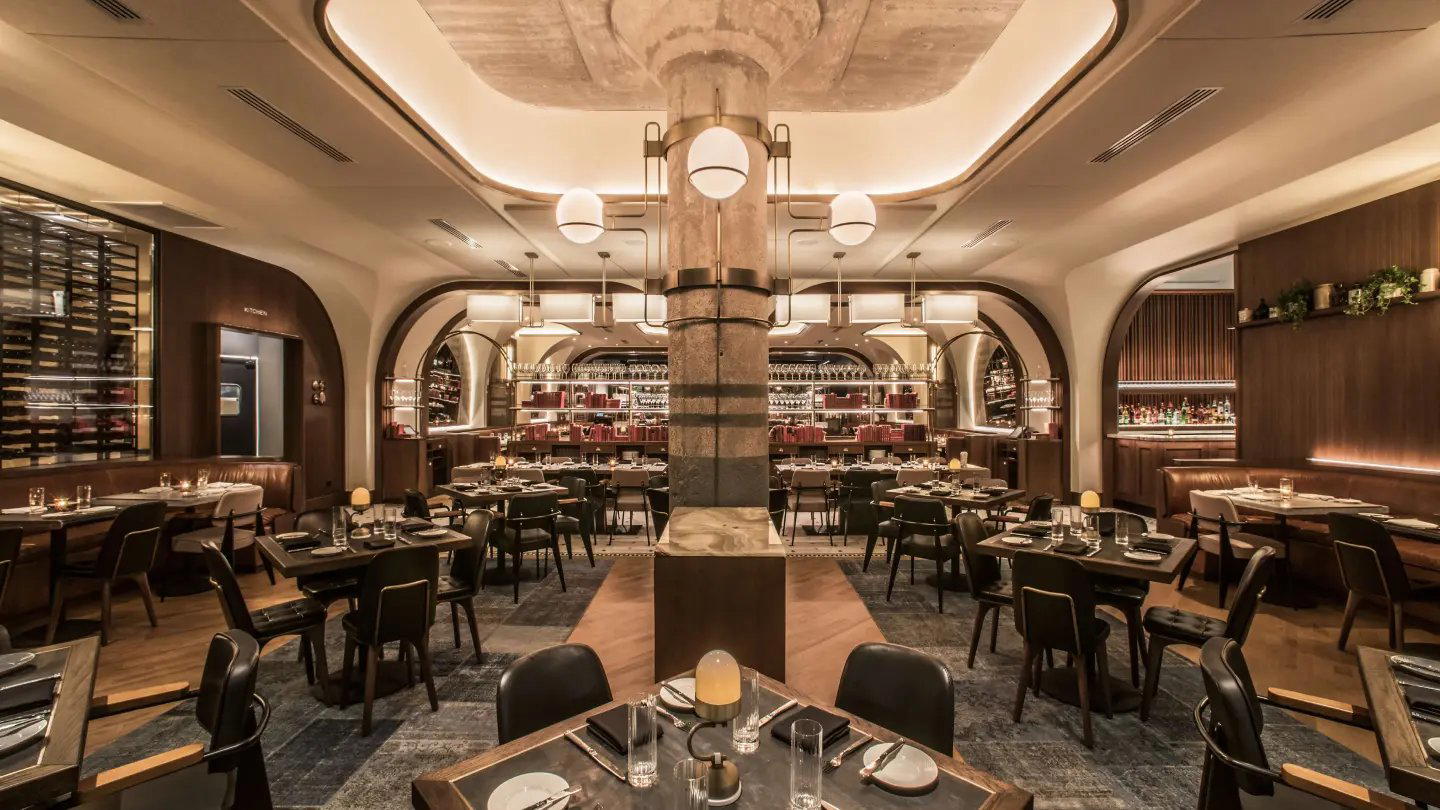
The visual grammar inside is consistent with Nobu's global properties: clean lines, natural materials, a studied restraint that reads as Japanese minimalism transposed into an American urban setting. This is not the maximalist hotel design that characterized Chicago's luxury market through the 2000s. Properties like Waldorf Astoria Chicago and The Peninsula Chicago occupy the traditional luxury tier with a European grandeur that the Nobu product explicitly does not pursue. The hotel earned a Michelin Key in 2024, a signal that the guide's inspectors read the property as operating within a specific design and hospitality discipline, not simply as a branded extension.
The Sourcing Logic Behind the Nobu Menu
The editorial angle that matters most when assessing any Nobu dining room is not the menu's visual presentation or the service choreography, but the sourcing philosophy that has defined the Nobu Matsuhisa kitchen since its earliest iterations. The cuisine Matsuhisa developed, a hybrid of Japanese technique and South American ingredient logic, drawing heavily on his years cooking in Lima and Buenos Aires, has always been about what arrives at the kitchen before service begins.
At Nobu Chicago, that means the same structural commitment to high-quality fish and seafood that the brand has maintained across its properties, sourced to meet the standards of a kitchen where raw preparations dominate the menu. The signature dishes that have traveled across the Nobu network, black cod preparations, yellowtail with jalapeño, tiradito formats that owe their acid logic to Peruvian ceviche, require sourcing precision that generic hotel restaurants rarely demand. The West Loop location is relevant here: Chicago's proximity to Great Lakes suppliers and its strong cold-chain infrastructure means the hotel's kitchen has access to regional freshwater fish alongside the Pacific-sourced species that anchor the Nobu canon.
The Fulton Market neighborhood itself has food-sourcing heritage embedded in its architecture. The district's former role as a wholesale meat and produce hub left behind a physical infrastructure, cold storage, loading access, proximity to the city's distribution networks, that now benefits the cluster of serious restaurants operating within a few blocks. A hotel dining program positioned in this corridor inherits that logistical advantage, whether or not it draws attention to it.
For comparison, hotels like The Langham, Chicago and Viceroy Chicago operate dining programs that reference the city's broader American-European fine dining tradition. Nobu Chicago is doing something categorically different: it is running a branded culinary concept with a defined global lineage, then adapting it to a city with serious ingredient access and a dining culture that has grown sophisticated enough to contextualize what that lineage means.
Omotenashi in a West Loop Context
The service philosophy Nobu Hospitality describes as omotenashi, the Japanese concept of anticipatory hospitality, where the host removes friction before the guest identifies it, operates differently in a hotel setting than it does in a restaurant. In a standalone Nobu dining room, it manifests primarily at the table. In a hotel, it extends to the entire stay: the moment of check-in, the communication between front-of-house and the restaurant, the way amenity requests move through the property.
Chicago has several properties that execute high-level service with European formality, The Peninsula Chicago being the most rigorous example in the traditional luxury tier. The omotenashi framework Nobu deploys is structurally different: less hierarchical, more attuned to subtle preference signals, with a hospitality rhythm that reads as warmer and less ceremonial than white-glove European service. Whether that distinction registers depends on the guest; for travelers who find traditional luxury hotel service performative, it is a meaningful differentiator.
Properties like Chicago Athletic Association and Pendry Chicago sit in a similar design-forward, personality-driven tier, though their hospitality frameworks reference American boutique hotel culture rather than Japanese service philosophy. The distinction matters less as a competitive claim and more as a framing device: guests choosing Nobu Chicago are selecting into a specific cultural register that extends from the food to the rooms to the way staff engage.
Wellness and the Tranquility Pool
The wellness offering at Nobu Chicago follows the brand's standard template: fitness facilities described as state-of-the-art, steam rooms, and a private pool, the Tranquility Pool, that functions as an amenity more commonly associated with resort properties than urban hotels. In a city where many luxury hotels at this tier offer gym access but stop short of private pool amenities, this positions Nobu Chicago slightly differently within Chicago's urban hotel set.
For guests who want resort-caliber recovery within a city-center property, the comparison set shifts outward. Destination wellness properties like Canyon Ranch Tucson or experiential retreats such as Amangiri in Canyon Point represent a different product entirely, but the presence of a dedicated wellness floor in an urban Nobu property signals that the brand is positioning recovery as a core part of the guest proposition, not an ancillary amenity.
Placing Nobu Chicago in Its Competitive Set
Chicago's premium hotel market in 2024 spans traditional luxury institutions, design-led independents, and branded lifestyle properties. Nobu Chicago occupies the branded lifestyle tier, but with a hospitality and culinary identity specific enough to separate it from generic lifestyle hotels. The 2024 Michelin Key, awarded to hotels rather than restaurants, assessing the overall quality of the accommodation experience, confirms that the property is operating at a level the guide considers worth tracking.
Within that Michelin Key cohort, Nobu Chicago sits alongside properties that have earned recognition for consistent quality across multiple touchpoints.
For travelers comparing options in Chicago's premium tier, the relevant peer properties are those that combine serious dining with design-conscious rooms and a defined hospitality philosophy. The Gwen, a Luxury Collection Hotel on Michigan Avenue offers a different neighborhood context and a more traditional luxury register. Waldorf Astoria Chicago represents the formal luxury end of the market. Nobu's West Loop location and Japanese-Peruvian dining program carve out a position that none of those properties replicate.
Travelers who want to understand how Nobu Chicago fits within the broader range of US hotel dining should look at how the brand's culinary program compares to destination properties with similarly specific food identities, places like SingleThread Farm Inn in Healdsburg, where the dining program is inseparable from the accommodation experience, or Auberge du Soleil in Napa, where cuisine and setting operate as a unified proposition. Nobu Chicago is an urban version of that logic: the restaurant is not incidental to the hotel, it is foundational to what the property is.
For a broader view of where Nobu Chicago sits within the city's full dining and accommodation offer, see our full Chicago restaurants guide.
Planning Your Stay
Nobu Hotel Chicago is located at 155 N Peoria St in the West Loop, within walking distance of Fulton Market's restaurant corridor and easily accessible from O'Hare and Midway via the city's transit network or rideshare. The hotel is part of Nobu Hospitality's wider portfolio, which means loyalty and rate benefits may apply for repeat Nobu guests. Direct booking via the Nobu Hospitality platform is the standard route for rate transparency and room preference requests.
Category Peers
Comparable venues nearby, for context on price, style, and recognition.
| Venue | Cuisine | Price | Awards | Notes |
|---|---|---|---|---|
| Nobu Hotel ChicagoThis venue (the venue you are viewing) | Contemporary luxury design hotel blending industrial chic architecture with Japanese minimalism in a lively urban setting. | $300–500 | Michelin Selected · Virtuoso Luxury Hotel Partner | Not listed |
| Viceroy Chicago | Contemporary luxury reimagining of a historic Art Deco landmark with modernist glass tower and bold interior design. | $300–500 | 1 Michelin Key · Forbes Recommended | Gold Coast |
| The Gwen, a Luxury Collection Hotel, Michigan Avenue Chicago | Contemporary luxury hotel blending historic Art Deco with modern glamour. | Not listed | 1 Michelin Key · Star Wine List | Magnificent Mile |
| The Ritz-Carlton, Chicago | Luxury urban high-rise with panoramic views | Not listed | Forbes Recommended · Virtuoso Luxury Hotel Partner | Gold Coast |
| Chicago Athletic Association | Historic athletic club revived as modern urban playground | $300–500 | 1 Michelin Key · La Liste Top Hotels | The Loop |
| Waldorf Astoria Chicago | Modern luxury tower with intimate boutique feel | $300–500 | 1 Michelin Key · La Liste Top Hotels | Gold Coast |
Recognition history
Dated appearances from independent guides and award organizations, with the underlying list record or original source where available.
Michelin Selected
Michelin
Mr & Mrs Smith Seal of Approval
Mr & Mrs Smith
Virtuoso Luxury Hotel Partner
Virtuoso
Full recognition history (4 entries)
Michelin 1 Key
Michelin
Continue exploring
More in Chicago
Hotels in Chicago
All hotels in Chicago →
Bars in Chicago
All bars in Chicago →
Details
- Elegant
- Minimalist
- Sophisticated
- Modern
- Quiet
- Romantic Getaway
- Anniversary
- Business Trip
- Wellness Retreat
- Celebration
- Rooftop Pool
- Destination Spa
- Design Destination
- Panoramic View
- Private Dining
- Wi Fi
- Pool
- Fitness Center
- Room Service
- Concierge
- Valet Parking
- Restaurant
- Bar
- Spa
- Skyline
- Street Scene
- Wheelchair Accessible
- Elevator
- Step Free Entrance
- Accessible Restroom
- Accessible Parking
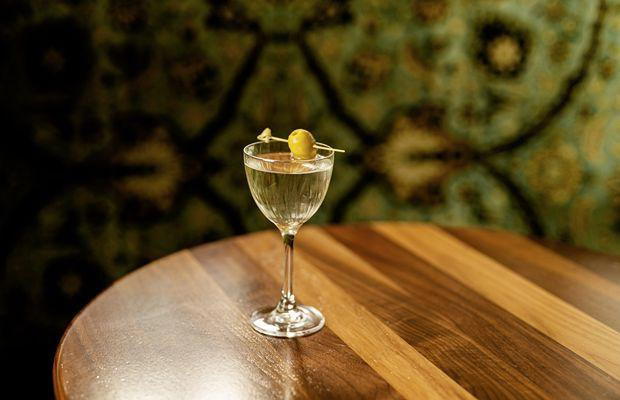
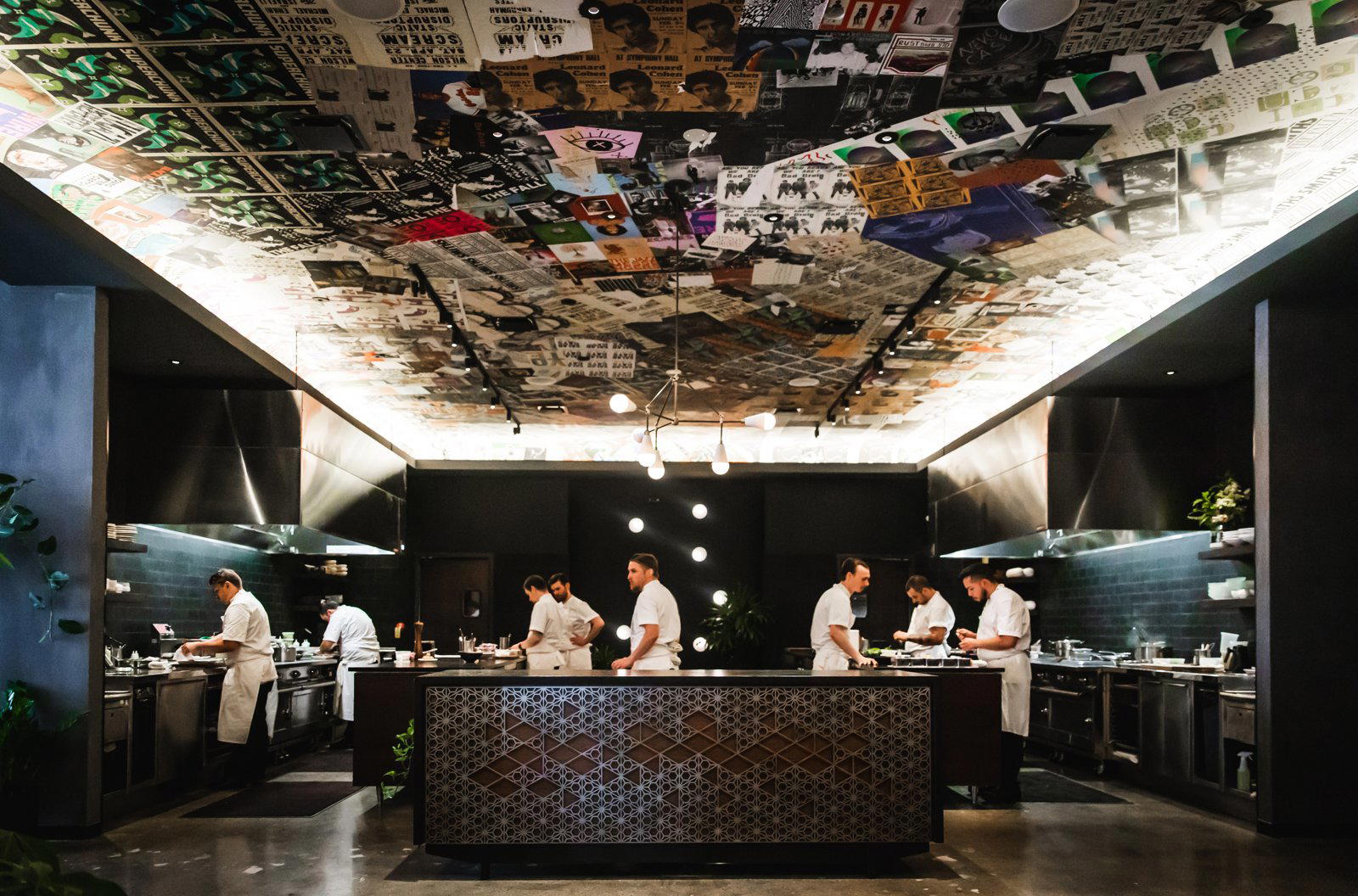
Minimalist Japanese aesthetic with soft, calming lighting and understated elegance; serene and intimate rather than grand, emphasizing quiet sophistication and attention to detail.