Sepia





Set inside a converted 19th-century print shop on Jefferson Street, Sepia occupies Chicago's upper tier of contemporary American fine dining. Chef Andrew Zimmerman draws on Southeast Asian, Korean, and Mediterranean influences to push the format well beyond straightforward Continental territory. With a Google rating of 4.6 across more than 1,400 reviews and an 840-selection wine list priced accessibly for the category, the room earns its $$$$ positioning on substance rather than ceremony.
Pearl is the En Primeur Club membership app — saves, bookings, and concierge access live there. Same editors, same standards.
- Address
- 123 N Jefferson St, Chicago, IL 60661
- Phone
- (312) 441-1920
- Website
- sepiachicago.com
 Saves & bookings on Pearl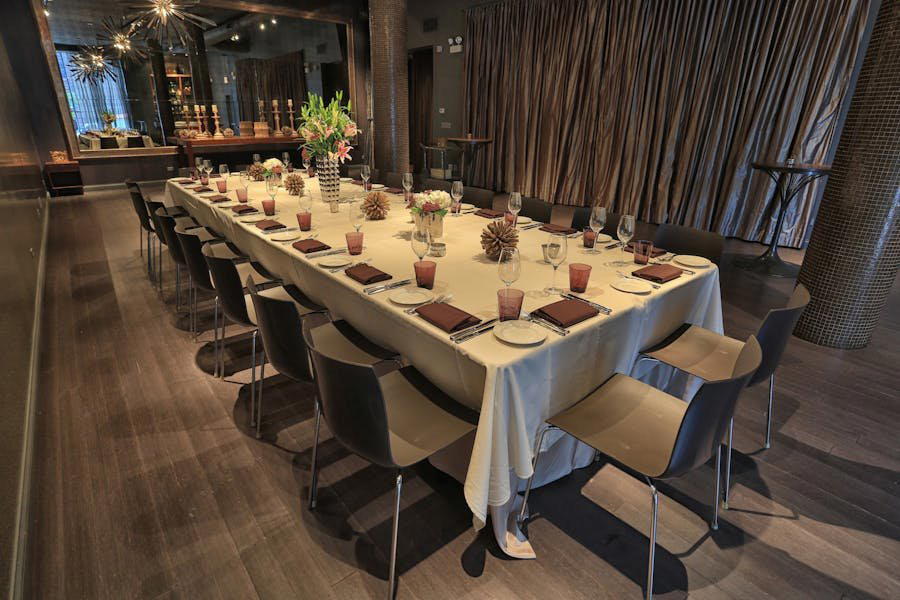
A Room That Sets Its Own Terms
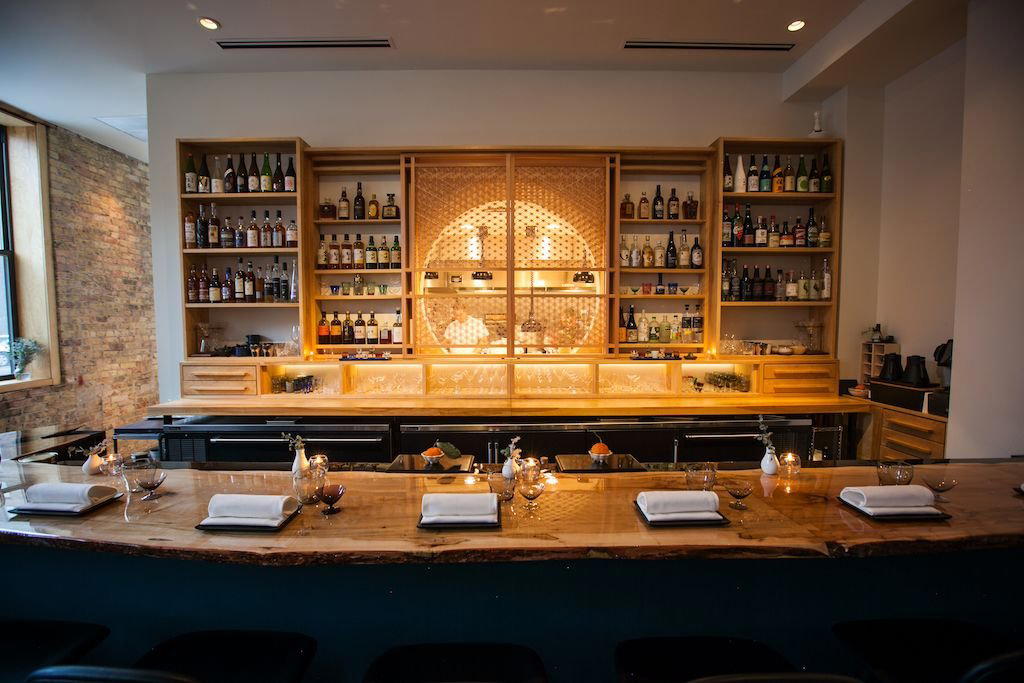
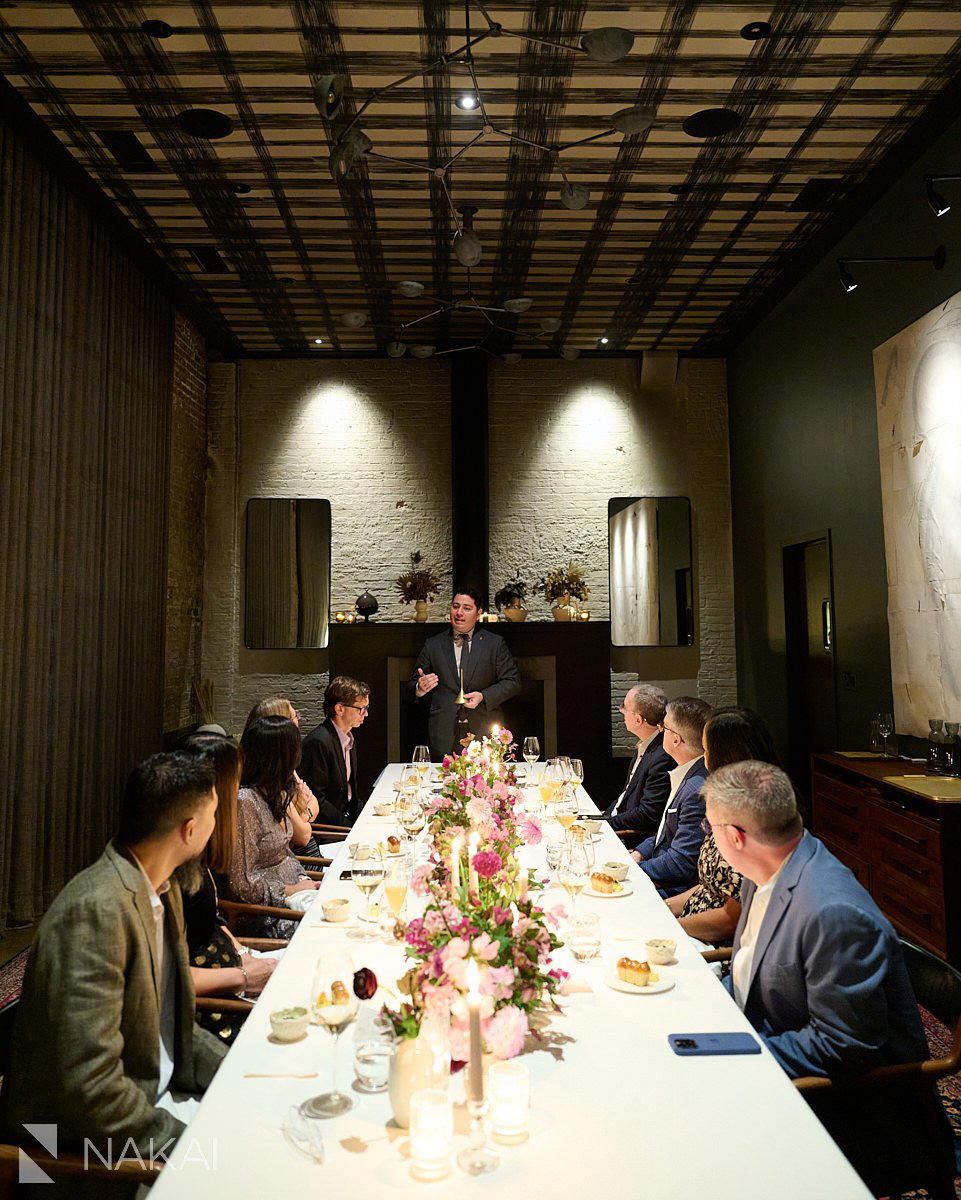
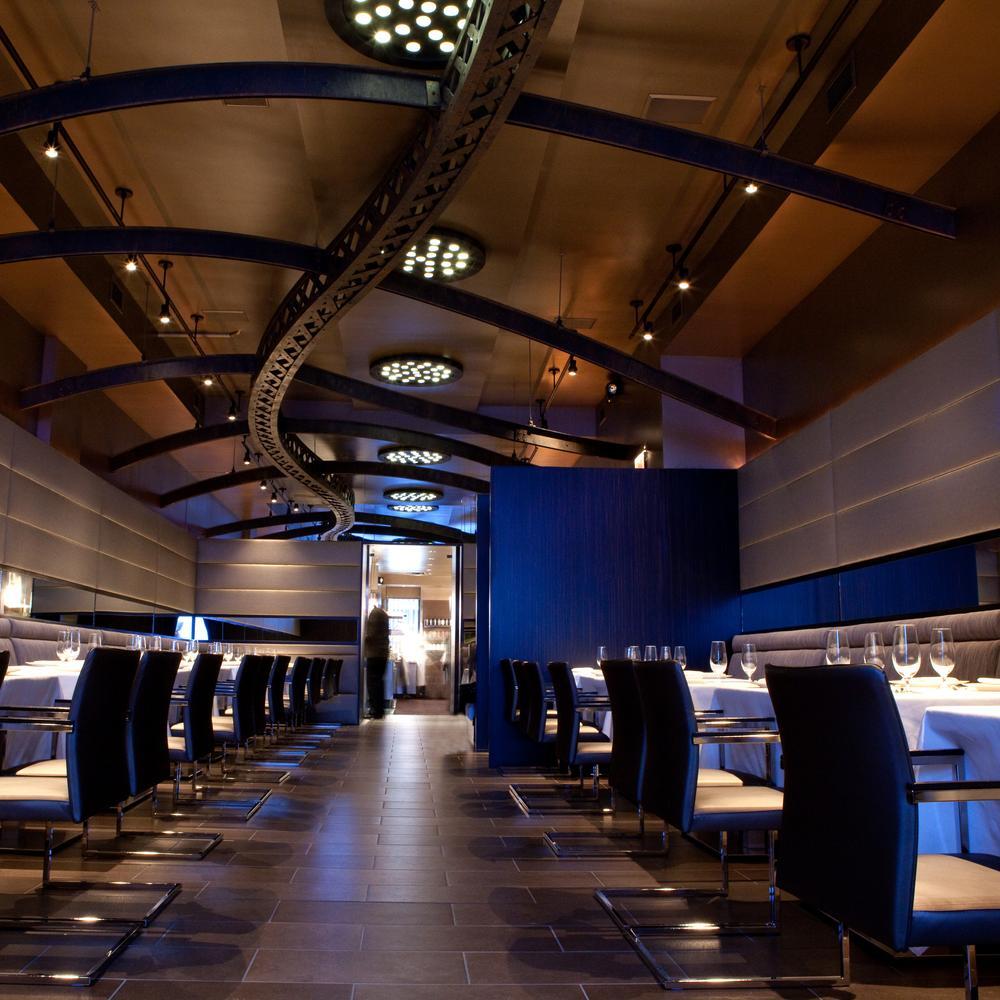
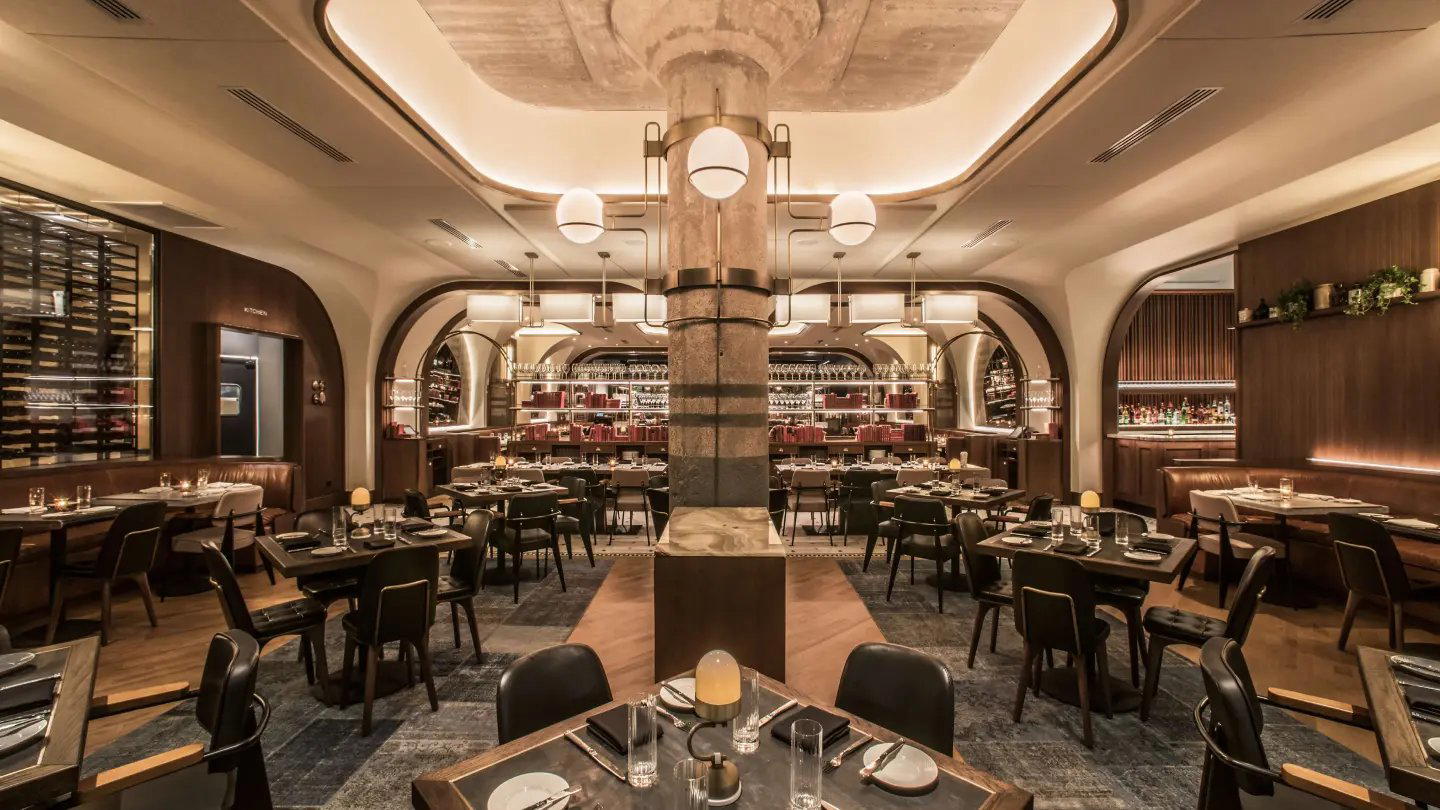
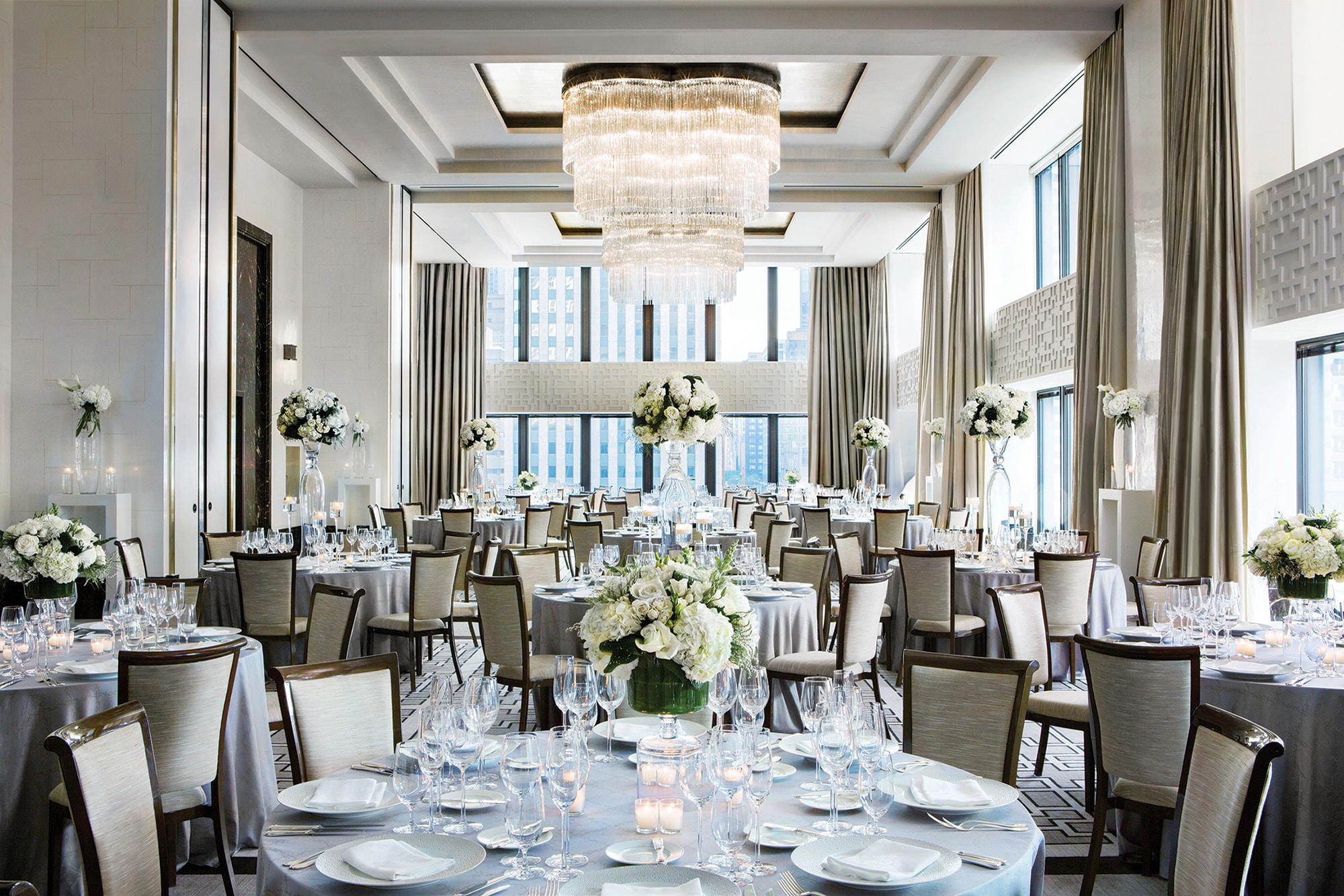
Chicago's West Loop has become the city's most competitive dining corridor, home to formats ranging from progressive tasting menus at Lazy Bear-adjacent ambition levels to the kind of neighbourhood bistro energy that defines places like John's Food and Wine. Sepia is a one-Michelin-star restaurant in Chicago's West Loop, with a price point of about $125 per person. Within that range, Sepia occupies a specific and deliberate middle ground: a full-service fine dining room that prices at the top of the market without adopting the tasting-menu-only format that defines its most discussed Chicago peers. At 123 N Jefferson St, the building itself signals the positioning before a menu arrives. Exposed brick, original floors from a 19th-century print shop, custom tile, floor-to-ceiling wine storage, and chandelier lighting combine into a room that reads as settled and serious rather than theatrical. The aesthetic suggests a restaurant confident enough in its cooking to let the architecture do atmospheric work without gimmickry.
That confidence matters in a city where the $$$$ tier is crowded with destination venues. Alinea, Smyth, Kasama, and Next all operate at comparable price points but with formats that foreground ceremony and concept. Sepia's approach, by contrast, prioritises hospitality and a la carte flexibility. In the broader American fine dining market, that positions it alongside rooms like Providence in Los Angeles or Selby's in Atherton: technically accomplished, reference-aware cooking served in a format that doesn't require diners to surrender the evening to a fixed progression.
Dinner: Where the Kitchen Shows Its Range
Sepia's dinner service is cross-cultural technique deployed with enough restraint that the American fine dining frame holds. Chef Andrew Zimmerman draws on Southeast Asian, Korean, and Mediterranean references, not as theme nights or fusion showmanship, but as a working vocabulary applied dish by dish. A toasted brioche arrives layered with Délice de Bourgogne, wilted leeks, and black truffle, finished tableside with a leek and popcorn velouté that's both technically precise and generous in spirit. The combination places a French cheese and a classical sauce alongside a distinctly American ingredient (popcorn), which captures how the menu operates: each dish anchors in a recognisable Western fine dining format and opens outward from there.
Elsewhere on the dinner menu, grilled sablefish appears in a Carolina barbecue frame, served with shredded cabbage, honey mustard, trout roe, and smoked apple cider beurre blanc. The dish illustrates the kitchen's willingness to take a regional American tradition seriously as a cooking method rather than a genre signal. Sablefish, a Pacific Northwest fish more often associated with Japanese preparations, treated through a Southern American lens with classical French sauce technique: the result is a plate that couldn't be described in one culinary shorthand, which is exactly the point. Dessert continues in the same vein, with a jivara milk chocolate preparation styled as a "frosty", a format reference to fast food that arrives in a context where the chocolate sourcing and technique are anything but casual.
For Chicago diners calibrating options at this price tier, the comparison set matters. Sepia's dinner service occupies a different register from the hyper-conceptual menus at Next or the austere precision at Smyth. The closer analogues nationally are rooms like Hilda and Jesse in San Francisco or Emeril's in New Orleans, places where the cooking draws on wide culinary knowledge without subordinating the meal to a single aesthetic argument. Among Chicago's own range, Blue Door Kitchen & Garden occupies a warmer, more casual register; Forbidden Root tilts toward brewpub territory. Sepia sits above both in formal ambition while remaining more approachable in format than the city's tasting-menu rooms.
The Lunch vs. Dinner Question
Sepia's hours run from 5 PM daily, with Sunday closed, placing it firmly in the dinner-only category. This is a deliberate positioning choice common among Chicago's upper-tier independents, where daytime covers dilute labour capacity without significantly raising revenue per table. The dinner-only format concentrates the kitchen's attention, and the room's hours (Monday through Thursday until 9 PM, Friday and Saturday until 10 PM) suggest a pacing that values depth over volume. Friday and Saturday service runs an hour later than the weekday close, giving those evenings slightly more room for extended tables.
For diners comparing this to lunch-accessible peers like Hugo's Frog Bar or midday options at GG's Chicken Shop, the calculus is direct: Sepia is a deliberate evening commitment. The mood of the room supports that, the lighting and architecture read more richly after dark, and the wine program's 2,750-bottle inventory is better suited to evening pacing than a weekday lunch window.
The Wine Program as a Differentiator
At the $$$$ tier, wine programs often function as margin vehicles, marked up to three times retail with little editorial curation. Sepia's list runs to 840 selections across a 2,750-bottle inventory, with particular strength in Italy, Mexico, Spain, France, and Champagne. The pricing tier is rated $$$$, which is notable for the category. A $35 corkage fee applies for guests bringing their own bottles, a standard policy at this tier but worth noting for those with specific producers in mind. The Mexican wine strand is worth highlighting: it signals a more deliberate curatorial approach than the France-Italy-California defaults that populate most American fine dining lists.
Where Sepia Sits in Chicago's Dining Order
Chicago's restaurant reputation is anchored internationally by a small number of progressive American venues, Le Bernardin sets the reference point for coastal fine dining, while The French Laundry defines what American destination dining can mean at its most formal. Sepia operates comfortably below that stratosphere and above the mid-market. With a 4.6 Google rating across 1,504 reviews, the room has demonstrated staying power in a market that rewards spectacle as often as substance. That consistency, in a city with as many dining options as Chicago, is its own form of credential.
Know Before You Go
- Address: 123 N Jefferson St, Chicago, IL 60661
- Hours: Monday–Thursday 5 PM–9 PM; Friday–Saturday 5 PM–10 PM; Sunday closed
- Price range: $$$$
- Cuisine: Contemporary American with Southeast Asian, Korean, and Mediterranean influences
- Wine list: 840 selections, 2,750-bottle inventory; strengths in Italy, Mexico, Spain, France, and Champagne; list priced $$
- Corkage fee: $35
- Chef: Andrew Zimmerman
- Google rating: 4.6 (1,429 reviews)
Compact Comparison
Comparable venues nearby, for context on price, style, and recognition.
| Venue | Cuisine | Price | Notes |
|---|---|---|---|
| SepiaThis venue — the venue you are viewing | West Loop, Modern American Fine Dining | $$$$ | |
| Elske | $$$$ | West Town, Nordic-Inspired Modern American | |
| Boka | $$$$ | Lincoln Park, Modern American Seasonal Fine Dining | |
| Schwa | $$$$ | Wicker Park, Inventive New American Tasting Menu | |
| EL Ideas | Pilsen, Avant-Garde Tasting Menu | $$$$ | |
| Mako | West Loop, Modern Omakase | $$$$ |

At a Glance
- Elegant
- Sophisticated
- Cozy
- Intimate
- Modern
- Date Night
- Special Occasion
- Business Dinner
- Celebration
- Private Dining
- Open Kitchen
- Extensive Wine List
- Sommelier Led
- Local Sourcing
- Street Scene
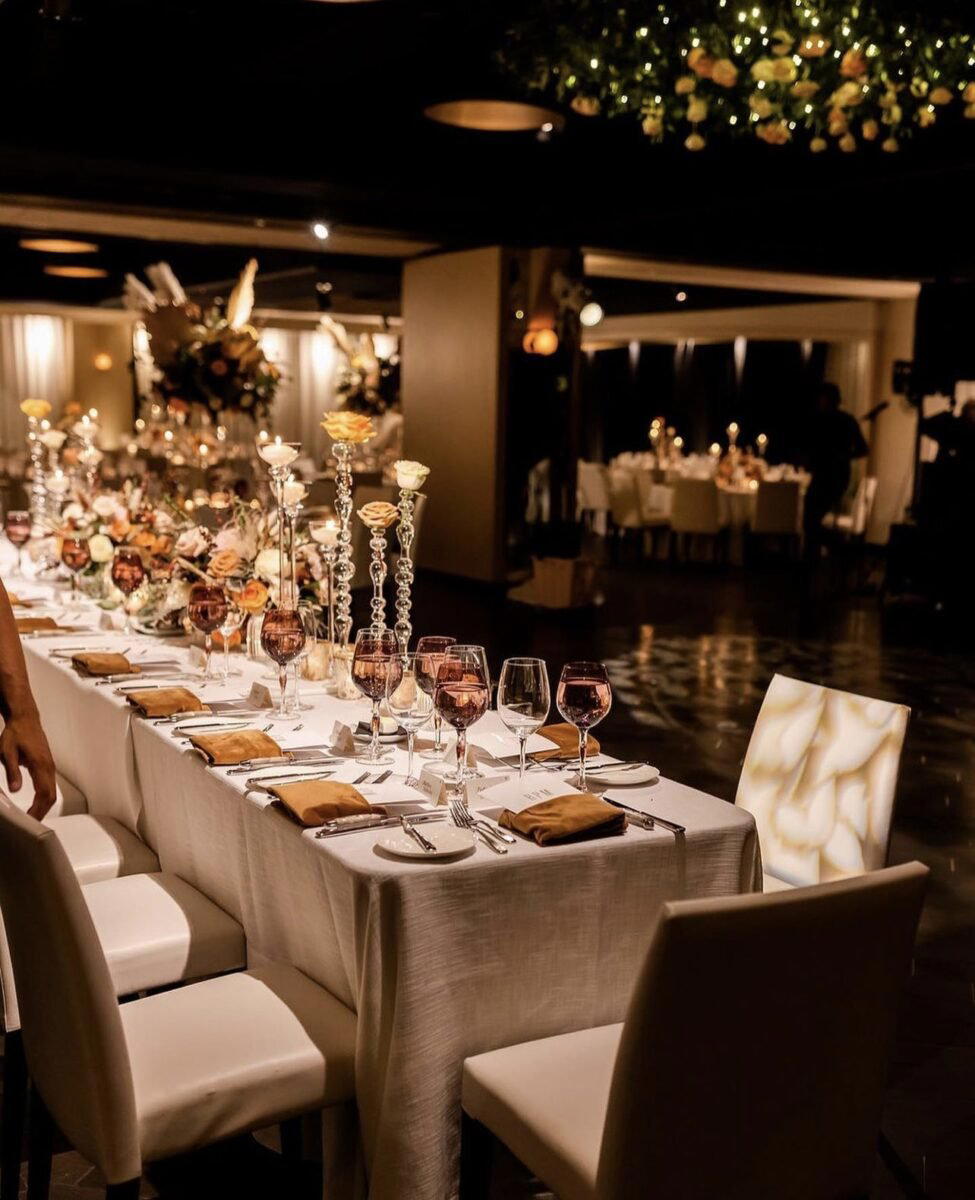
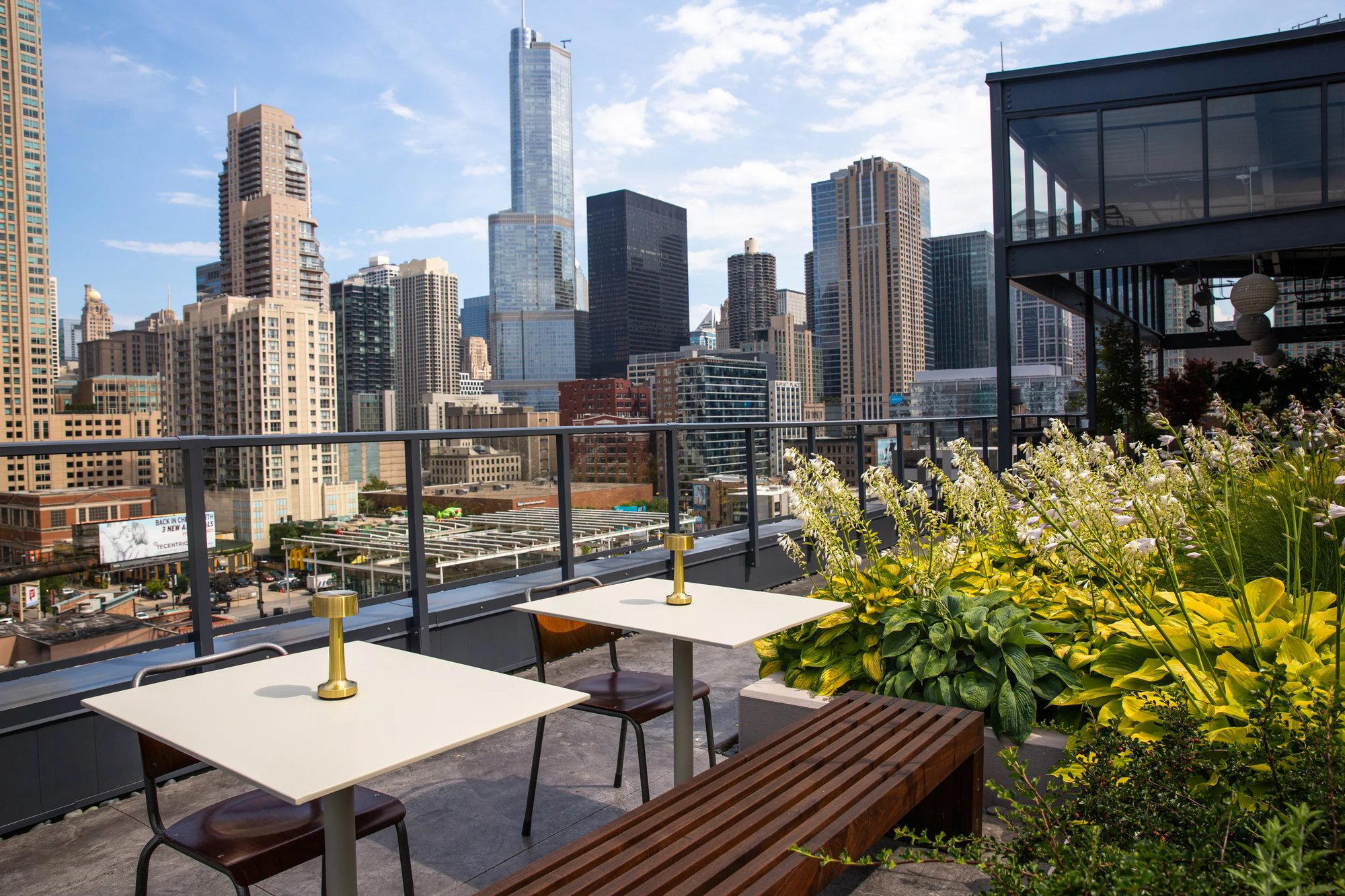
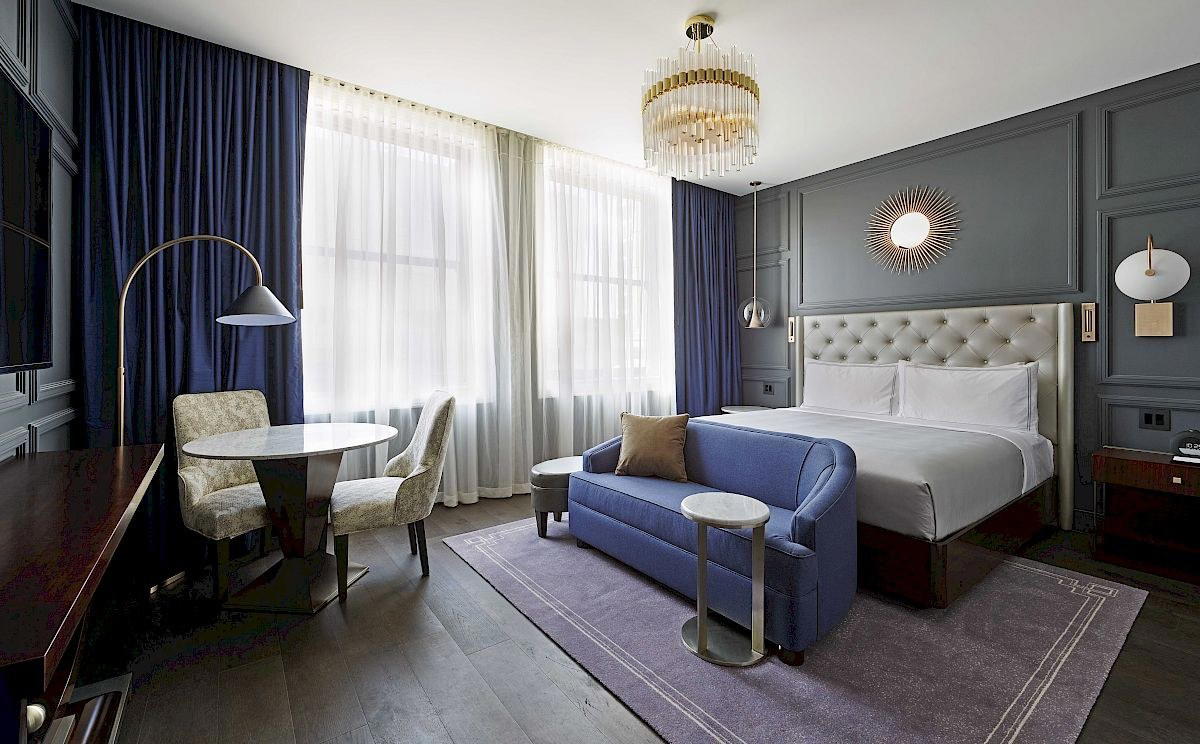
Warmth and quiet sophistication with wooden walls, exposed brick, vintage decor, custom tile floors, floor-to-ceiling wine storage, and dramatic chandeliers creating a cozy, home-like atmosphere.