Gaijin


Gaijin on West Lake Street puts okonomiyaki at the centre of Chicago's Japanese dining scene, with both Osaka and Hiroshima styles on the griddle and a Tuesday tonkatsu format that draws a dedicated crowd. Paul Virant's time in Japan shows in the precision of the savoury pancakes and the izakaya-style room. Opinionated About Dining has ranked it among North America's top casual Japanese spots three consecutive years running.
Pearl is the En Primeur Club membership app — saves, bookings, and concierge access live there. Same editors, same standards.
- Address
- 950 W Lake St, Chicago, IL 60607
- Phone
- (312) 265-1348
- Website
- gaijinchicago.com
- Directions
- Get directions
 Saves & bookings on Pearl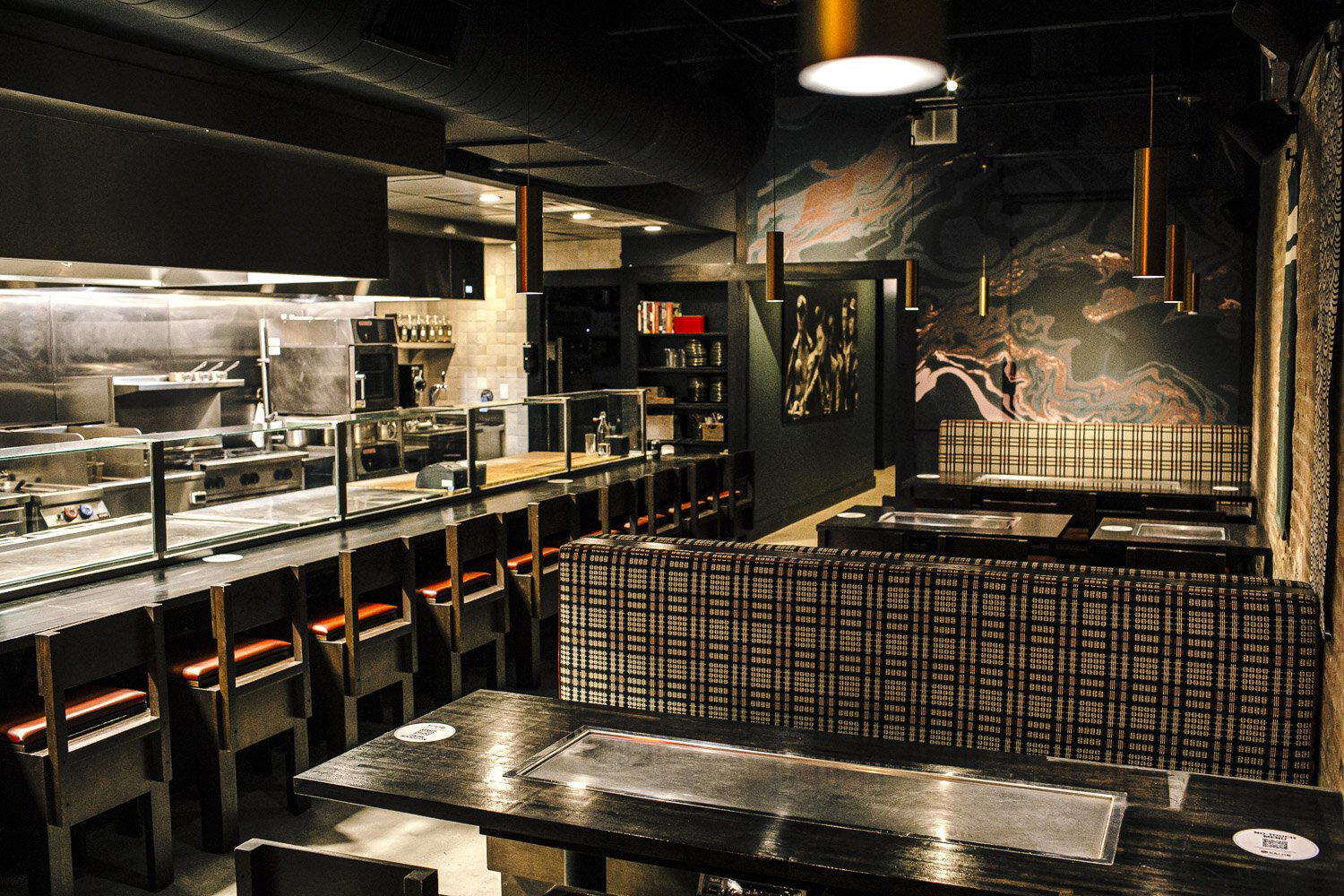
An Izakaya Sensibility in the West Loop
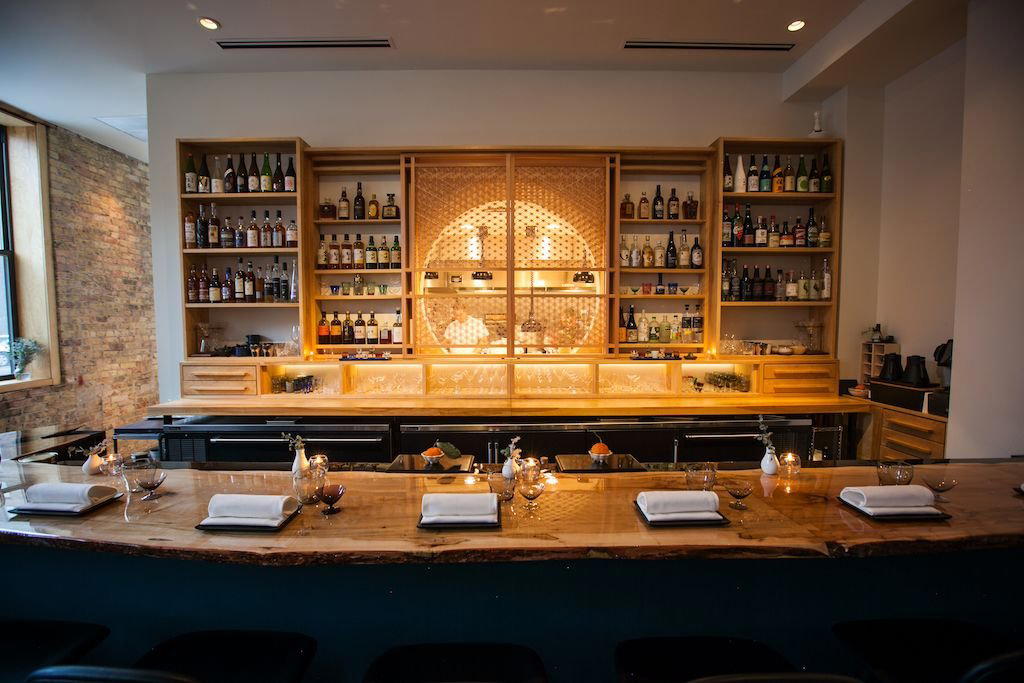
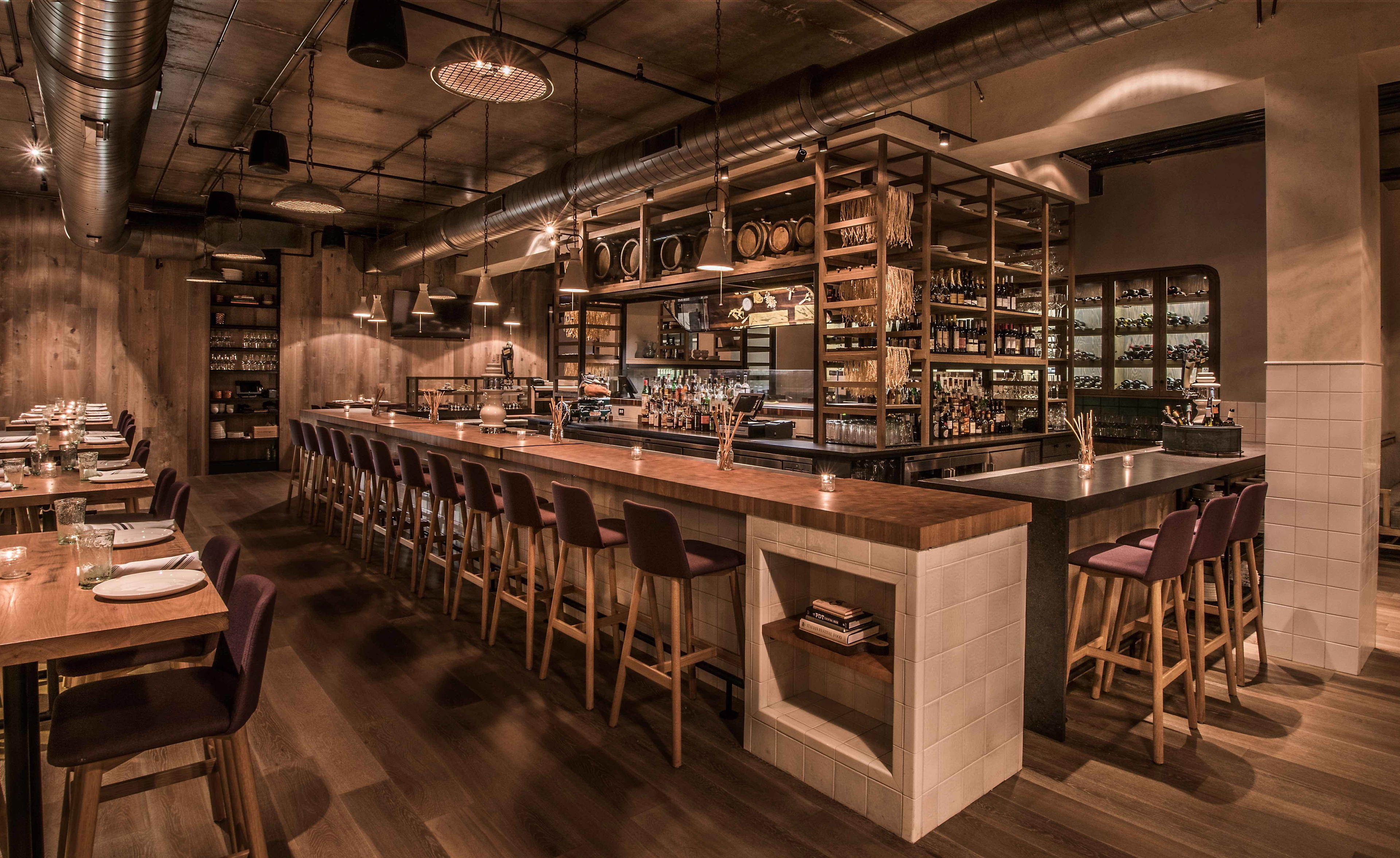
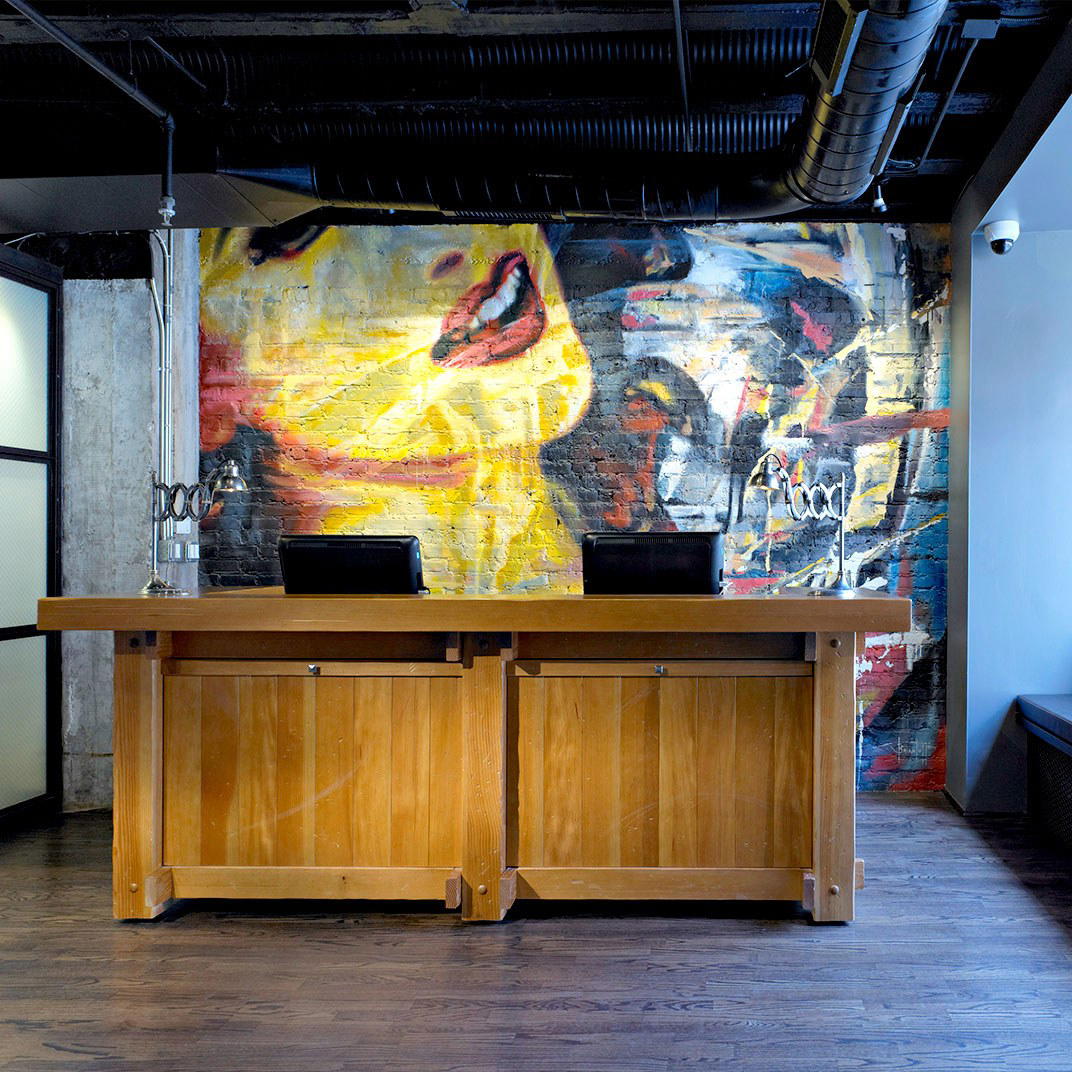
Gaijin is a Chicago restaurant in the West Loop serving Modern Japanese Okonomiyaki at about $40 per person. Chicago's Japanese dining scene has stratified considerably over the past decade. At one end sit the high-formality omakase counters, where a seat at Omakase Takeya or a reservation at Itoko requires weeks of advance planning and a commitment to a fixed price structure. At the other end, a looser, more convivial tradition has taken hold in the izakaya format, where the room itself sets the agenda. Gaijin, at 950 W Lake Street, belongs firmly to that second category, and the room makes the argument immediately: an okonomiyaki griddle occupies the visual centre of the space, brass accents run alongside exposed brick, and concrete floors keep the atmosphere grounded rather than precious. It reads less like a restaurant deploying Japanese aesthetics and more like a space where the cooking genuinely determines the architecture.
That positioning matters in the West Loop, a neighbourhood that now houses some of Chicago's most deliberate dining rooms. Gaijin is not competing with the tasting-menu format of Momotaro or the sake-forward bar programme at Kumiko. It operates in the mid-price tier, designated $$, and the format is built around guest choice rather than chef-led sequence.
Okonomiyaki as the Anchor
Okonomiyaki occupies a specific cultural position in Japanese food that Western diners often underestimate. The name translates roughly to "what you like," and the dish's architecture, a savoury pancake built around a batter base with layered additions cooked on a teppan griddle, is deeply regional. Osaka and Hiroshima produce fundamentally different versions: the Osaka style mixes all ingredients into the batter before cooking, while the Hiroshima approach layers them, building the pancake in stages with noodles incorporated beneath the egg. Both styles appear on Gaijin's menu, which means the kitchen is maintaining two distinct technique sets simultaneously. Chef Paul Virant's time spent in Japan informs that dual fluency. The representation of both regional traditions in one room is relatively uncommon in the United States, where okonomiyaki, when it appears at all, tends to be treated as a novelty rather than a discipline.
The broader menu extends beyond the griddle. Steamed rice with furikake, miso soup, and tsukemono operate as constants, the kind of supporting cast that signals a kitchen oriented toward full-meal coherence rather than headline dishes alone. On Tuesdays, the format shifts to a tonkatsu focus, a pork cutlet tradition with its own set of craft considerations around breading technique and frying temperature. That weekly rotation gives regulars a reason to return on a specific night and gives the kitchen a contained format in which to show depth on a single preparation.
The Beverage Angle: A Custom Brew and the Pairing Logic
The editorial angle that distinguishes Gaijin from Chicago's broader Japanese casual tier is the beverage integration. The room has a custom brew developed with Moody Tongue, one of Chicago's more technically-minded craft breweries, known for ingredient-driven brewing and a fine-dining sensibility that has earned it recognition well beyond the city. A collaboration with Moody Tongue signals that the drinks programme at Gaijin is not an afterthought.
Okonomiyaki's savoury, umami-forward profile, often finished with bonito flakes, aonori, and sweet-salty sauce, makes it a natural pairing target for beer rather than wine. The malt backbone and carbonation of a well-built brew cut through the richness of the batter and complement the sweet fermented character of okonomi sauce in a way that most still wines do not. This is the kind of beverage logic that izakayas in Osaka and Hiroshima apply instinctively, and a Chicago room that formalises that logic through a named brewery collaboration is making a specific editorial statement about seriousness of intent. For a broader picture of Chicago's bar and beverage programmes, our full Chicago bars guide covers the city's drinking scene in detail.
The full-table experience at Gaijin is shaped by the relationship between the griddle and the glass. The izakaya tradition that Gaijin draws from has always understood beer and shochu as primary, with sake as a secondary or complementary register. A venue at this price point that builds that logic into the beverage programme rather than defaulting to a standard restaurant wine list is doing something the West Loop's more expensive Japanese rooms sometimes miss.
Dessert as a Closing Argument
Shirokuma, a Japanese shaved-ice dessert with condensed milk origins in Kagoshima, is not a common sighting on menus in Chicago. Its appearance at Gaijin, adapted with pineapple-buttermilk sherbet and coconut syrup, indicates a kitchen that has absorbed the full register of Japanese food culture rather than anchoring on a single regional signature. The OAD notes specifically that desserts here are worth the additional spend, which at a mid-price venue is an unusual emphasis. Most casual Japanese rooms in the United States treat dessert as a perfunctory close; a shaved-ice programme that earns specific critical mention is a different proposition.
Recognition and Where It Sits
Opinionated About Dining, which applies a methodical peer-review model to casual dining rather than formal restaurants, has placed Gaijin in its North America casual rankings for three consecutive years: Recommended in 2023, ranked 802nd in 2024, and moving to 614th in 2025. That upward trajectory on a ranked list that covers the continent is a concrete signal of accumulating critical consensus. For context, OAD's casual lists draw on input from a network of experienced diners rather than anonymous crowd-sourced reviews, which makes the directional movement meaningful.
Chicago's Japanese dining scene at the casual-to-mid tier is more developed than most cities outside the West Coast. The Izakaya at Momotaro operates in a similar register but with a different price architecture and a broader menu scope. Gaijin is more focused, orienting the room explicitly around the griddle format. That specificity is its competitive logic. For readers comparing against high-formality Japanese experiences in Tokyo, Myojaku and Azabu Kadowaki represent the other end of the register. The distance between those rooms and Gaijin is not a quality gap; it is a format gap. The West Loop address at the $$ price point, set against a city where restaurants like Lazy Bear in San Francisco, Providence in Los Angeles, and The French Laundry in Napa represent the formal tier's ceiling, places Gaijin in a different but deliberate category.
Planning a Visit
Gaijin sits at 950 W Lake Street in Chicago's West Loop, a neighbourhood with consistent foot traffic on evenings and weekends. The mid-price format and walk-in friendly atmosphere make it more accessible than many of Chicago's reservation-dependent Japanese rooms, though Tuesday tonkatsu nights draw a specific crowd and may warrant earlier arrival. For a full view of dining options in the city, our full Chicago restaurants guide maps the complete range. Travellers planning accommodation can consult our full Chicago hotels guide, and those building a broader itinerary can reference our full Chicago experiences guide alongside the wineries section for day-trip options outside the city.
In Context: Similar Options
Comparable venues nearby, for context on price, style, and recognition.
| Venue | Cuisine | Price | Awards | Notes |
|---|---|---|---|---|
| GaijinThis venue — the venue you are viewing | Modern Japanese Okonomiyaki | $$$ | Michelin Plate | Not listed |
| Itoko | Modern Japanese Sushi & Robata | $$$ | Michelin Plate | Lakeview |
| The Izakaya at Momotaro | Modern Japanese Izakaya | $$$ | Michelin Plate | West Loop |
| Tortello Pastificio | Handmade Italian Pasta | $$$ | Bib Gourmand | Wicker Park |
| The Perch | American Gastropub with Wood-Fired Grill | $$$ | Michelin Plate | Wicker Park |
| NADU Regional Indian | Regional Indian | $$$ | Bib Gourmand | Lincoln Park |
Recognition history
Dated appearances from independent guides and award organizations, with the underlying list record or original source where available.
Opinionated About Dining Casual in North America Recommended
Opinionated About Dining
Michelin Plate
Michelin
Opinionated About Dining Casual in North America Ranked #614
Opinionated About Dining
Opinionated About Dining Casual in North America Ranked #802
Opinionated About Dining
Opinionated About Dining Casual in North America Recommended
Opinionated About Dining
At a Glance
- Lively
- Trendy
- Modern
- Industrial
- Energetic
- Date Night
- Group Dining
- Casual Hangout
- Special Occasion
- Open Kitchen
- Craft Cocktails
- Sake Program
- Local Sourcing
- Farm To Table
Current opening hours
- Monday
- Closed
- Tuesday
- 11 AM–2:30 PM, 5–10 PM
- Wednesday
- 11 AM–2:30 PM, 5–10 PM
- Thursday
- 11 AM–2:30 PM, 5–10 PM
- Friday
- 11 AM–2:30 PM, 5–10 PM
- Saturday
- 11 AM–10 PM
- Sunday
- 11 AM–10 PM
Hours can change for holidays and private events. Last verified .
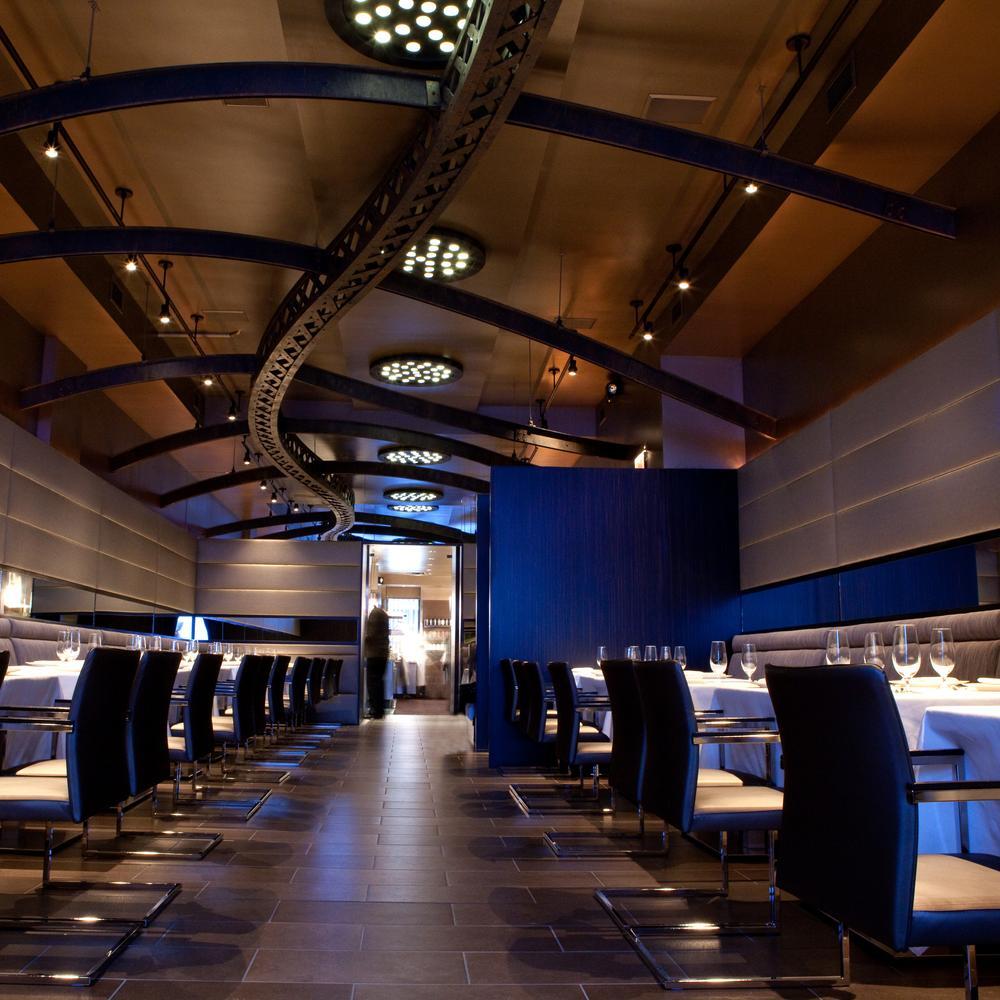
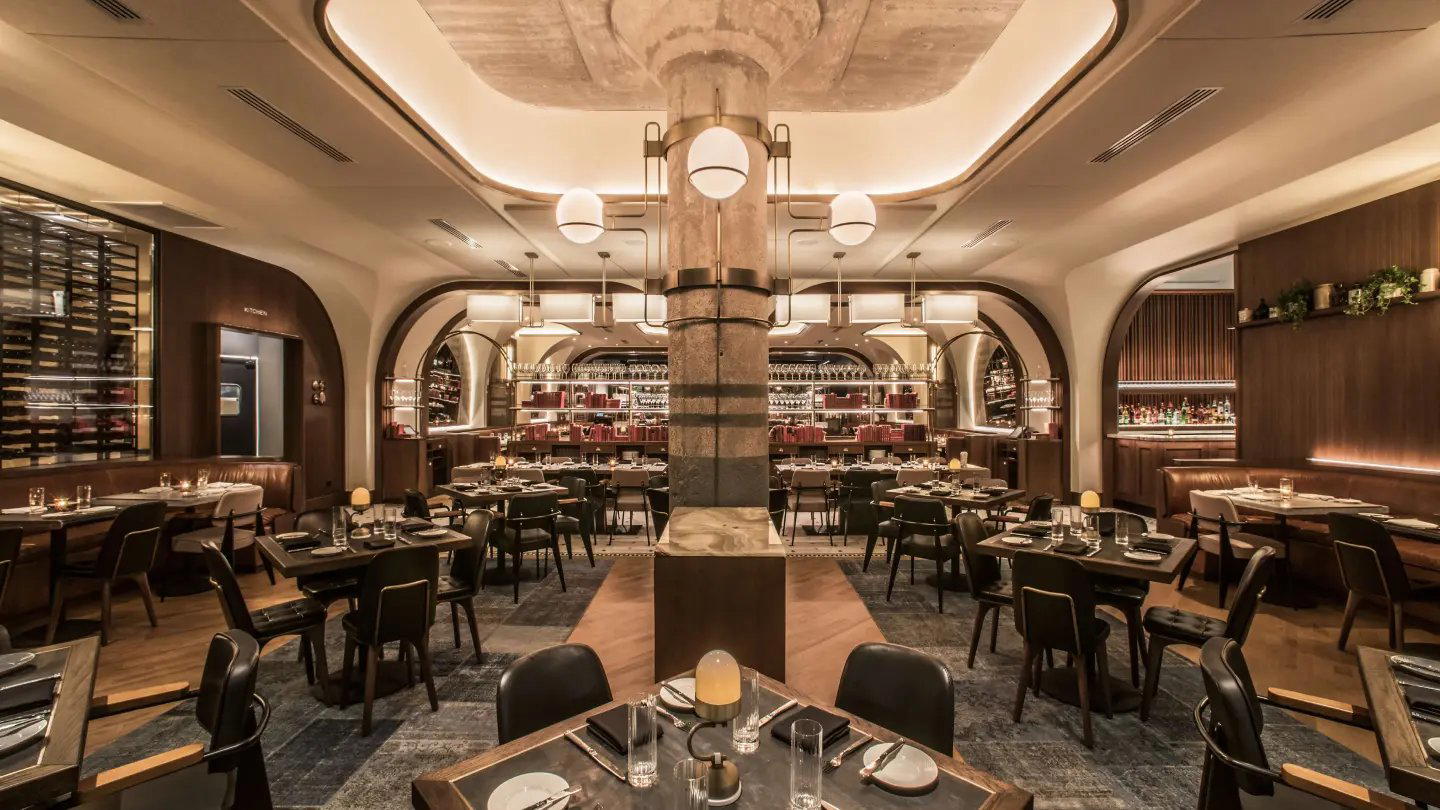
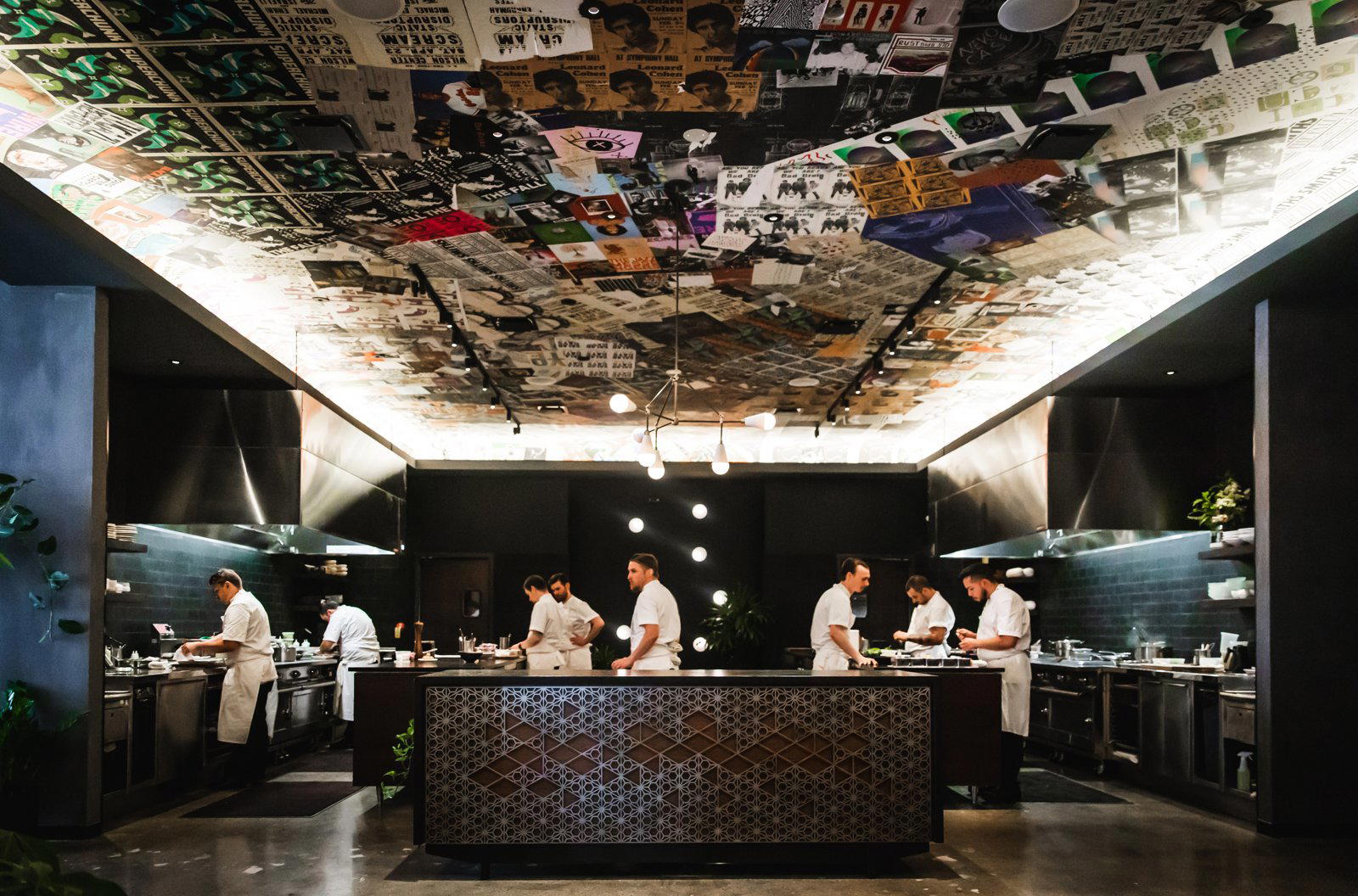
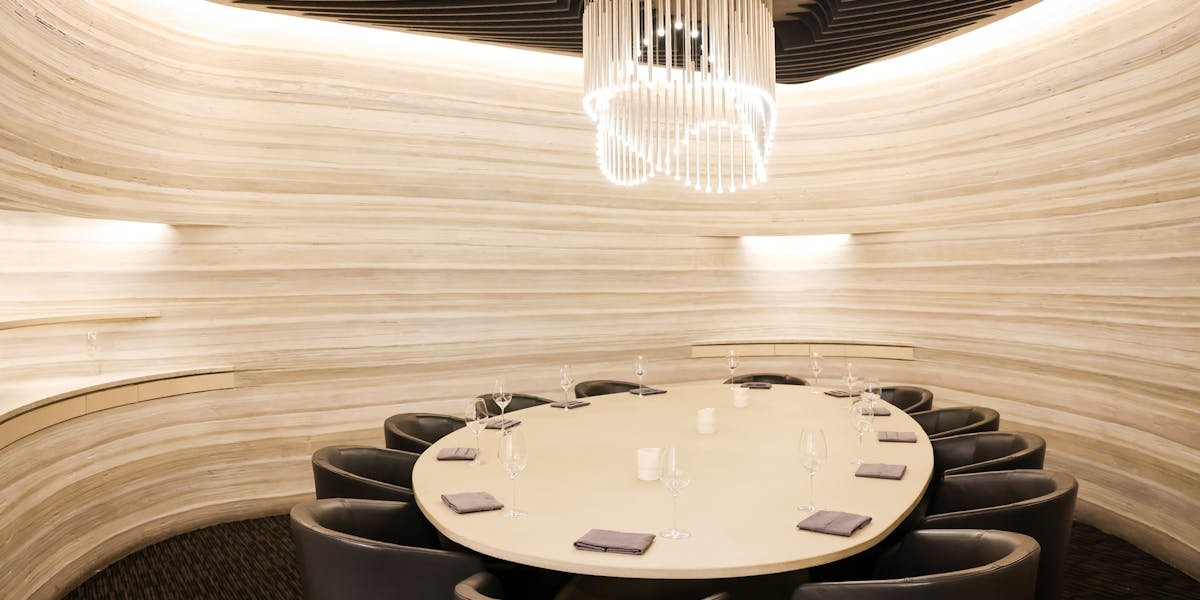
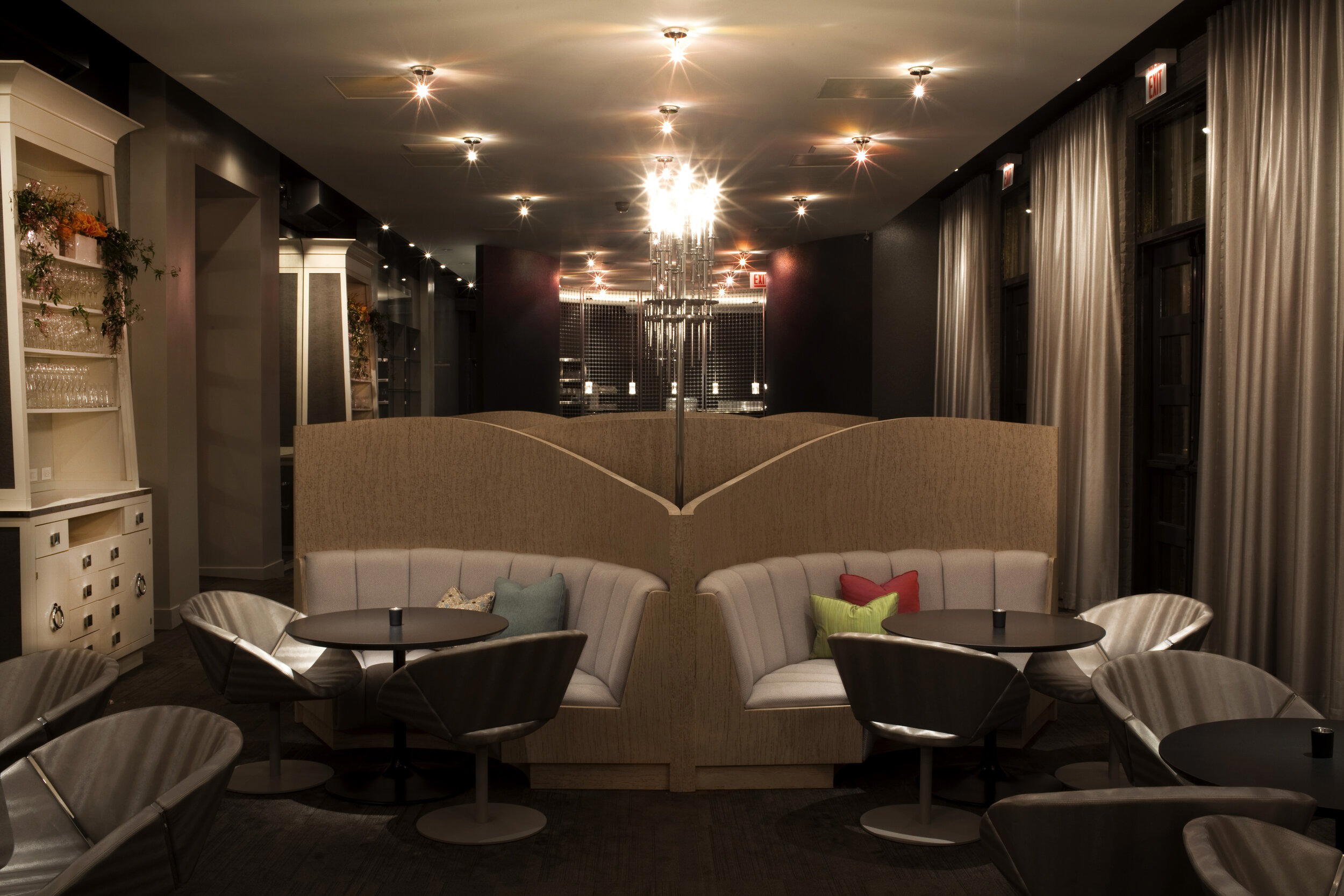
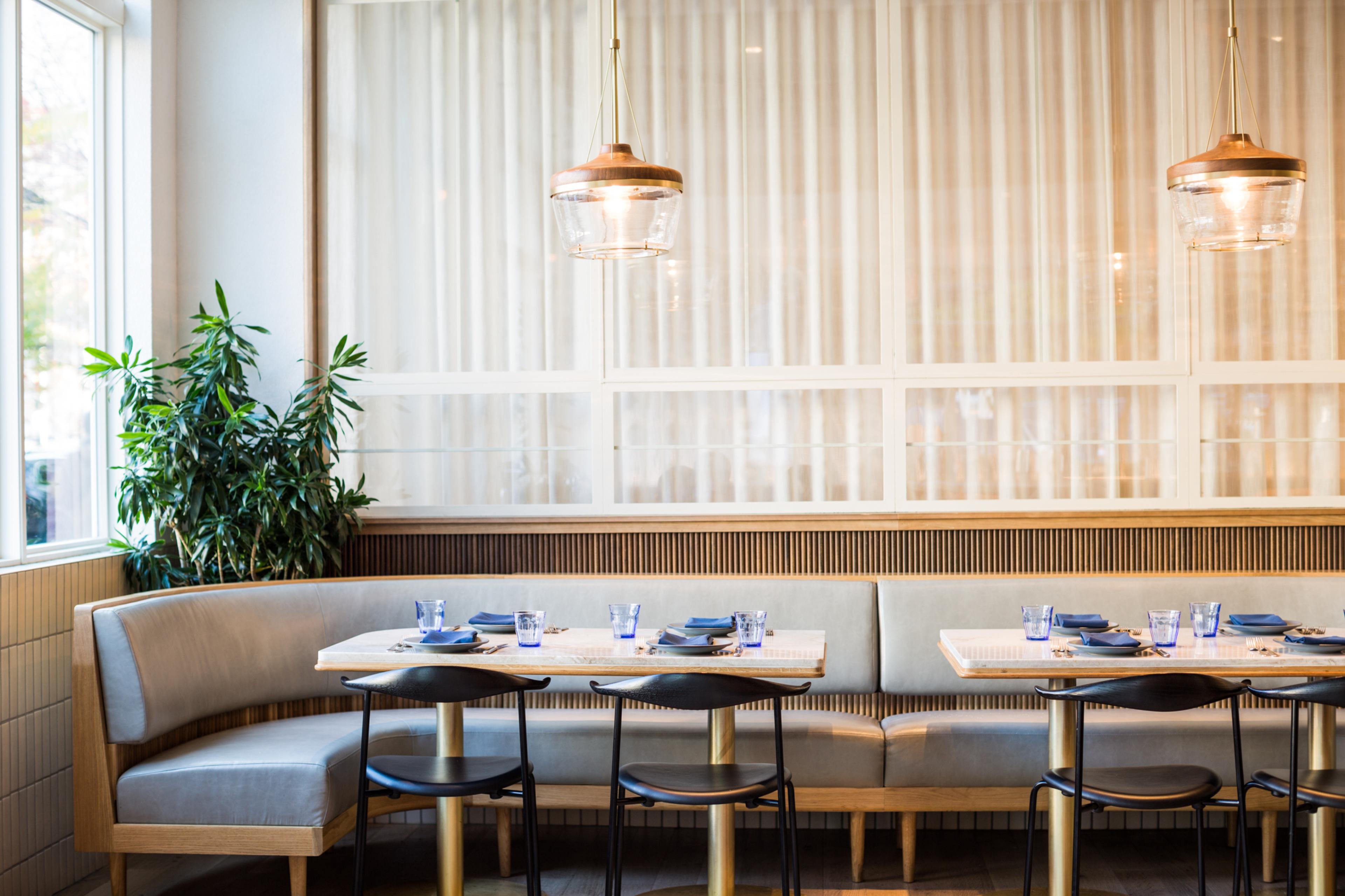
Hip warehouse-style industrial space with open kitchen, buzzy energy, neon signs, white marble and woody elements, and a fun, lively atmosphere.