The Hive sits on Via Torino in Rome's Esquilino quarter, a neighbourhood where the city's oldest layers press up against its most transient traffic. In a district that rewards those who look past the surface, the restaurant occupies a position within Rome's broader conversation about where serious dining happens outside the historic centre's established circuit.
Pearl is the En Primeur Club membership app — saves, bookings, and concierge access live there. Same editors, same standards.
- Address
- Via Torino, 6, 00184 Roma RM, Italy
- Phone
- +39640412000
- Website
- thehiverome.com
- Directions
- Get directions
 Saves & bookings on Pearl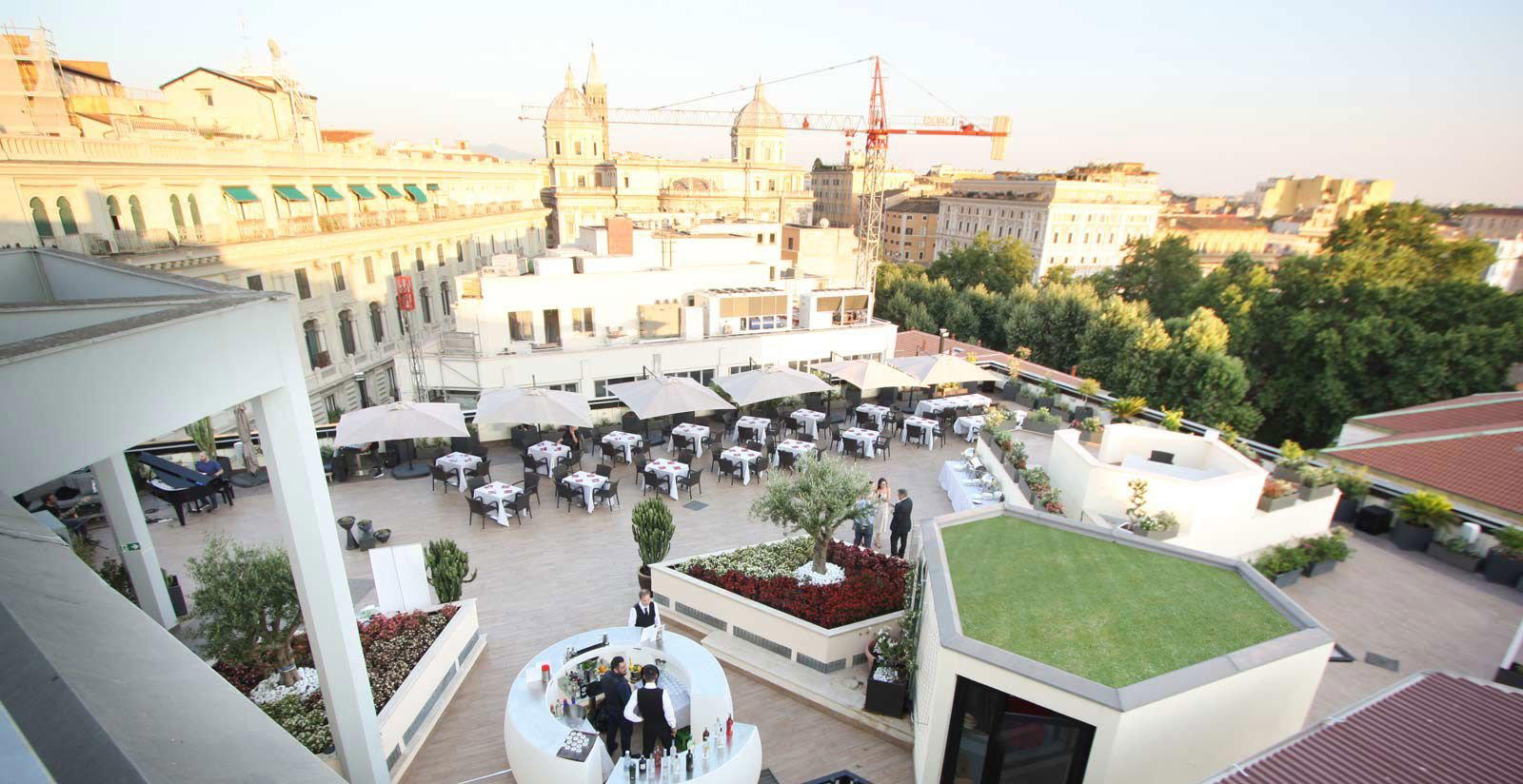
Via Torino and the Esquilino Quarter: Where Rome Eats Without an Audience
The stretch of Via Torino that runs south from Piazza della Repubblica toward the Esquilino hill is not where most visitors expect to find a restaurant worth seeking out. The neighbourhood carries the functional energy of a transit zone: Termini station draws the crowds, the surrounding streets absorb them, and serious dining attention tends to drift west toward Trastevere or north toward Prati. That geographic indifference is precisely what makes this part of Rome interesting. Restaurants here do not trade on postcard adjacency. They earn their position through what they put on the table.
The Hive occupies an address at Via Torino 6, Rome, which places it squarely in that underexamined corridor. The building sits within walking distance of the Basilica di Santa Maria Maggiore and the Teatro dell'Opera, two institutions that attract a culturally engaged audience rather than a purely tourist one. The catchment area matters because it shapes the room: this is not a terrace that fills itself off passing foot traffic in high season.
Rome's Dining Geography and Where The Hive Sits Within It
Rome's restaurant scene has long operated on a divide between the centro storico prestige tier and everything else. The prestige tier includes addresses like La Pergola, which occupies a singular position atop Monte Mario with three Michelin stars, and creative fine dining rooms like Il Pagliaccio and Enoteca La Torre, both of which have built sustained critical recognition within the capital. Acquolina and Achilli al Parlamento extend that map further, each anchored to distinct neighbourhood contexts and culinary identities.
The Esquilino sits outside that primary orbit. Historically one of Rome's most socially layered districts, it developed as a residential quarter after Italian unification and retains a density and pragmatism that the more polished centro storico addresses do not share. Restaurants in this zone operate in a different competitive logic: the comparison set is local, the clientele more mixed, and the pressure to perform for a tourist-review audience is lower. Whether that translates into a more focused or a less considered dining experience depends entirely on the individual kitchen.
What the Address Signals About the Format
Italy's broader fine dining conversation in recent years has moved beyond the traditional white-tablecloth hierarchy. Across the country, from Osteria Francescana in Modena to Piazza Duomo in Alba and Le Calandre in Rubano, the restaurants carrying Italian cuisine's most sustained critical attention tend to sit outside major urban centres, in smaller cities or rural settings where produce relationships are shorter and kitchen identity is easier to maintain. Rome has historically been an outlier in that pattern: a capital city where the weight of tradition and the volume of tourist demand pull against the conditions that allow a singular kitchen voice to emerge.
That context matters when reading a Esquilino address. A restaurant choosing to operate here, rather than in a more visible location, either accepts a quieter profile or has decided that neighbourhood rootedness is part of what it offers. Internationally, the logic is familiar: some of the dining rooms attracting serious attention in cities like New York, at addresses like Atomix, have deliberately chosen locations removed from the obvious hospitality corridors. The decision to not be central is itself an editorial statement about who the room is for.
The Italian Reference Points That Frame Any Roman Kitchen
Any restaurant in Rome operates against the weight of Roman culinary convention: cacio e pepe, coda alla vaccinara, supplì, the tripe traditions of the old slaughterhouse quarter. These are not nostalgic reference points but active competitive benchmarks. The trattorias that have been serving these dishes for decades around Testaccio and Pigneto set a standard for authenticity and price-to-quality ratio that no newer room can ignore. A restaurant on Via Torino is in conversation with that tradition whether or not it explicitly engages with it on the menu.
Italy's broader fine dining tier provides a different reference frame. Houses like Dal Pescatore in Runate, Uliassi in Senigallia, and Reale in Castel di Sangro have each built reputations through kitchen precision and locational commitment over many years. Quattro Passi in Marina del Cantone and Enrico Bartolini in Milan represent the urban and coastal variants of that sustained technical ambition. Enoteca Pinchiorri in Florence remains the reference point for the Italian wine-led fine dining format. Against that national field, Rome has fewer entries than its size and status might suggest. The city's dining identity has historically been shaped more by tradition and volume than by the kind of focused kitchen ambition those names represent.
For visitors building a broader Italy itinerary that includes serious cooking, it is worth consulting our full Rome restaurants guide alongside destination-specific entries for the regional houses. The contrast between Rome's trattoria culture and the precision cooking happening at addresses like Atelier Moessmer Norbert Niederkofler in Brunico is as instructive as any single meal. Internationally, the structural parallel is a room like Le Bernardin in New York: an address whose neighbourhood context matters far less than the consistency of what comes out of the kitchen.
Know Before You Go
- Address: Via Torino 6, 00184 Roma, Italy
- Neighbourhood: Esquilino, between Piazza della Repubblica and Santa Maria Maggiore
- Nearest transport: Repubblica metro station (Line A) is within walking distance; Termini station also close
Similar Picks
Comparable venues nearby, for context on price, style, and recognition.
| Venue | Cuisine | Price | Notes |
|---|---|---|---|
| The HiveThis venue — the venue you are viewing | Modern Italian Rooftop | $$$ | Not listed |
| VII Coorte | Roman Seafood with Sicilian Influences | $$$ | Trastevere |
| Sora Lalla | Authentic Roman Trattoria | $$$ | Parione |
| Sottosopra Trastevere | Modern Roman Italian | $$$ | Trastevere |
| Crazy Pizza Rome | Modern Italian Pizza | $$$ | Ludovisi |
| Baccano | Traditional Roman Trattoria | $$$ | Trevi |

At a Glance
- Scenic
- Elegant
- Trendy
- Date Night
- Special Occasion
- Rooftop
- Terrace
- Panoramic View
- Hotel Restaurant
- Skyline
Current opening hours
- Monday
- 12–2:30 PM, 4–10:30 PM
- Tuesday
- 12–2:30 PM, 4–10:30 PM
- Wednesday
- 12–2:30 PM, 4–10:30 PM
- Thursday
- 12–2:30 PM, 4–10:30 PM
- Friday
- 12–2:30 PM, 4–10:30 PM
- Saturday
- 12–2:30 PM, 4–10:30 PM
- Sunday
- 12–2:30 PM, 4–10:30 PM
Hours can change for holidays and private events. Last verified .
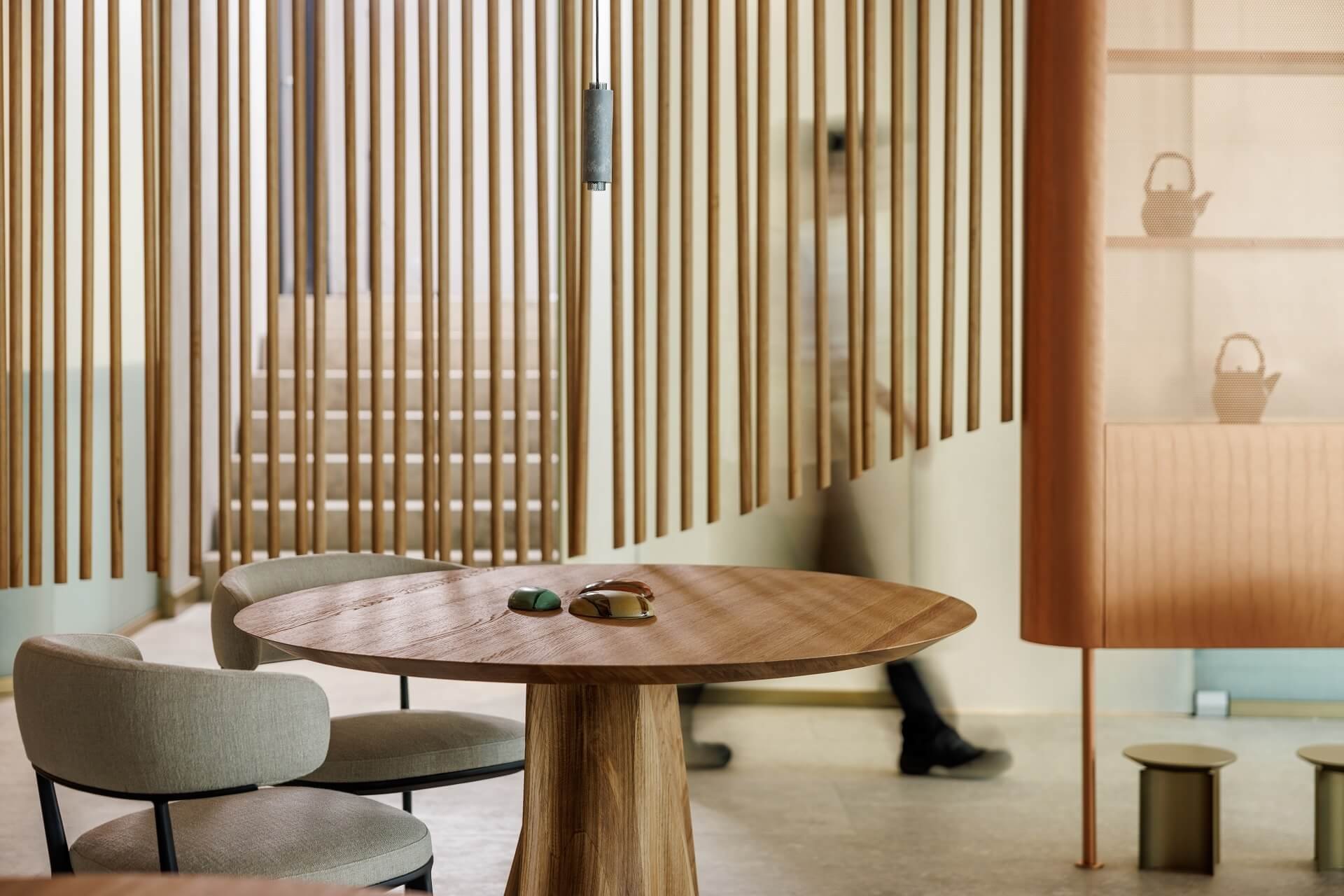
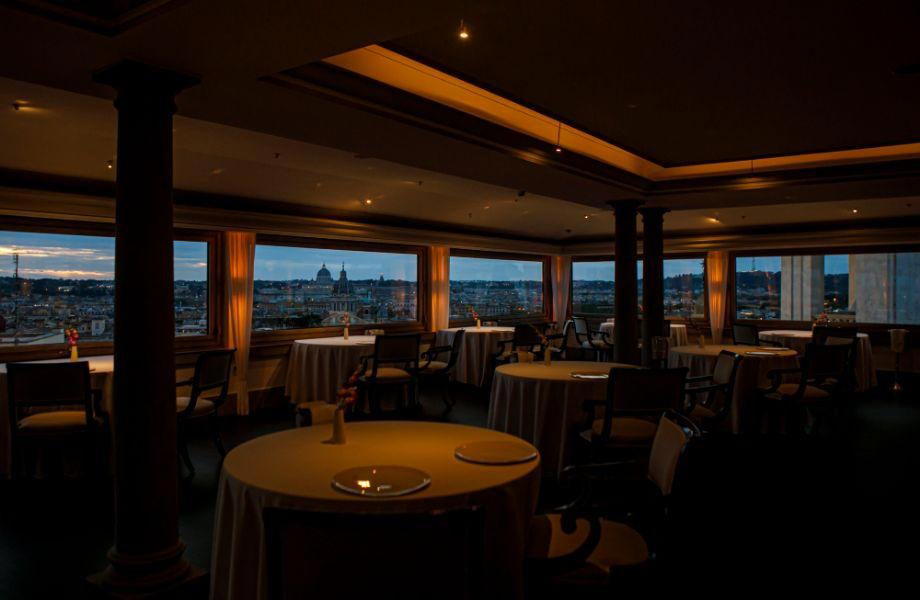
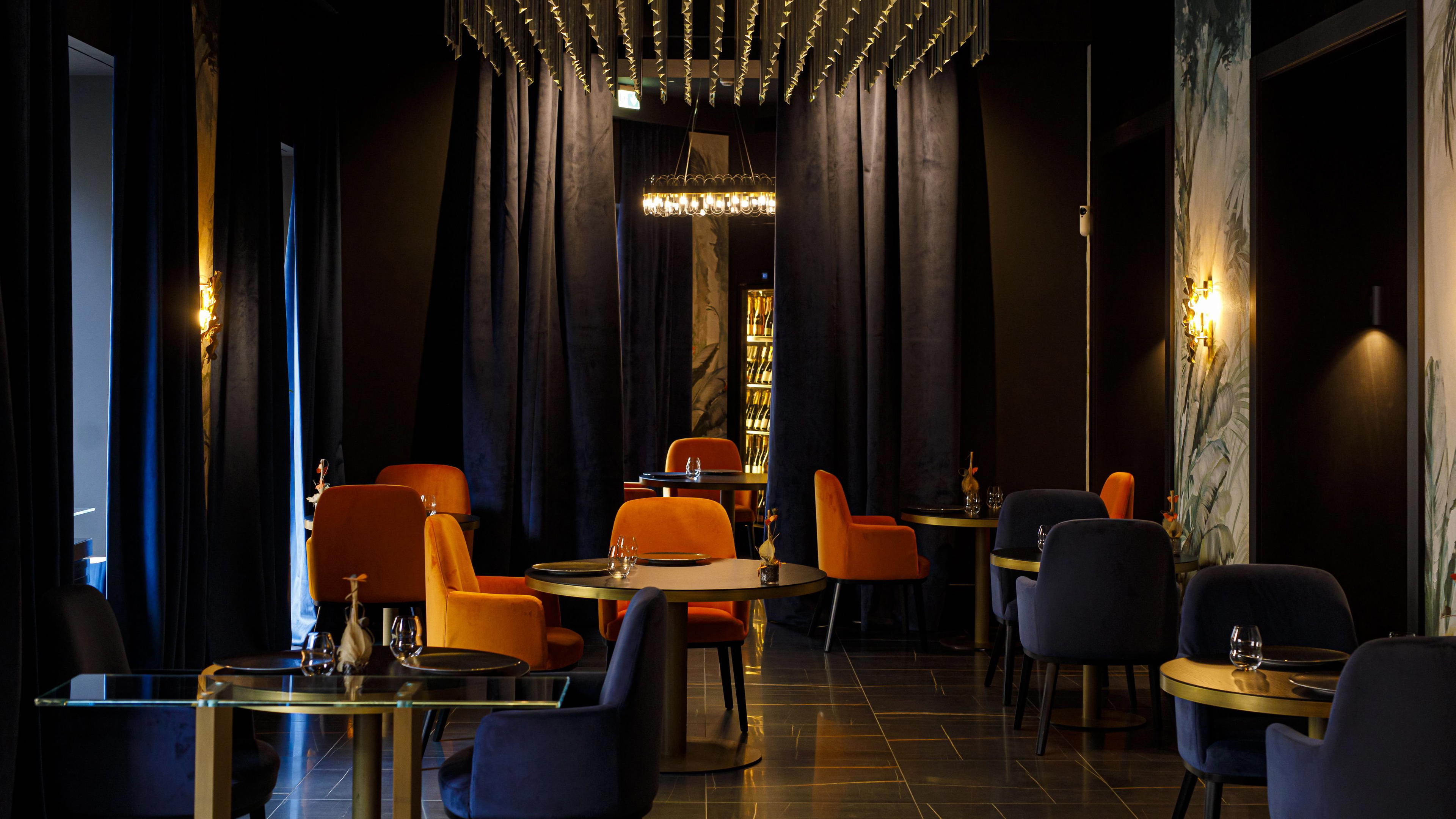
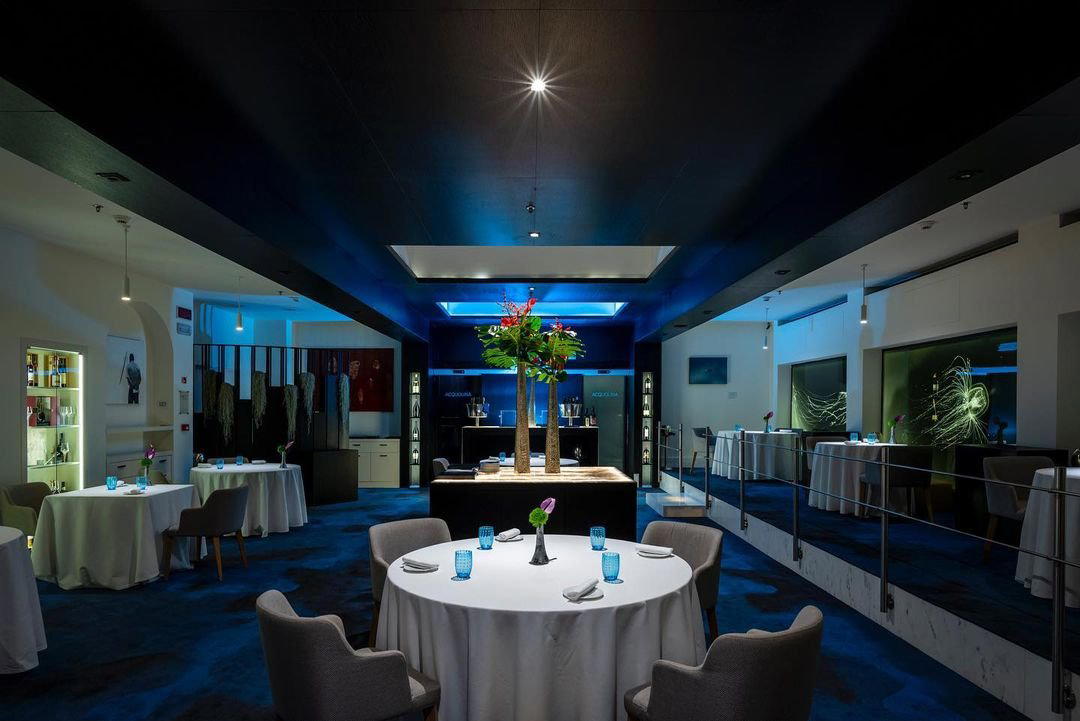
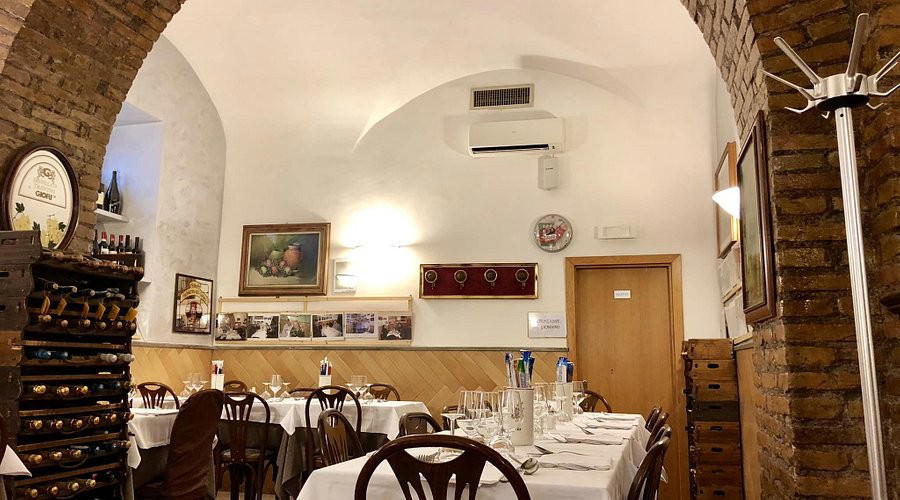
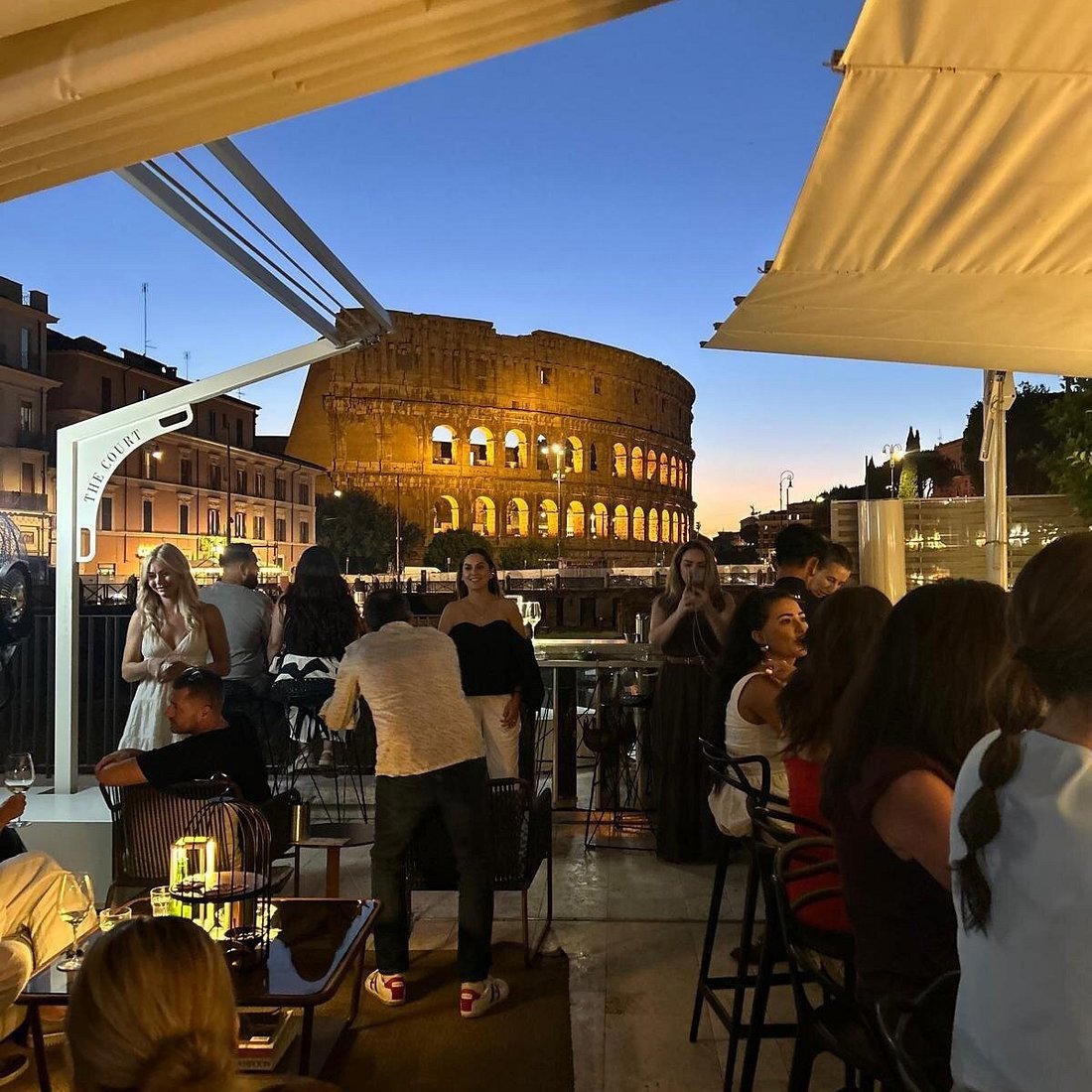
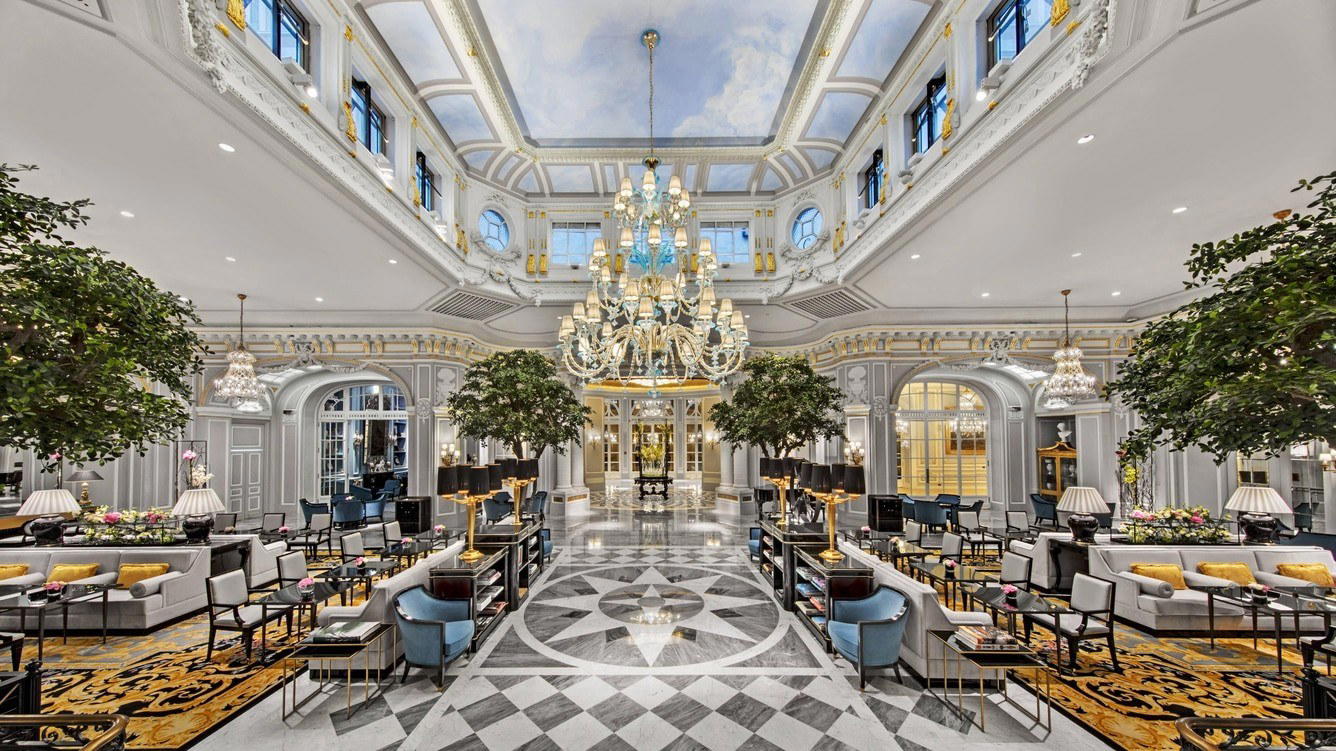
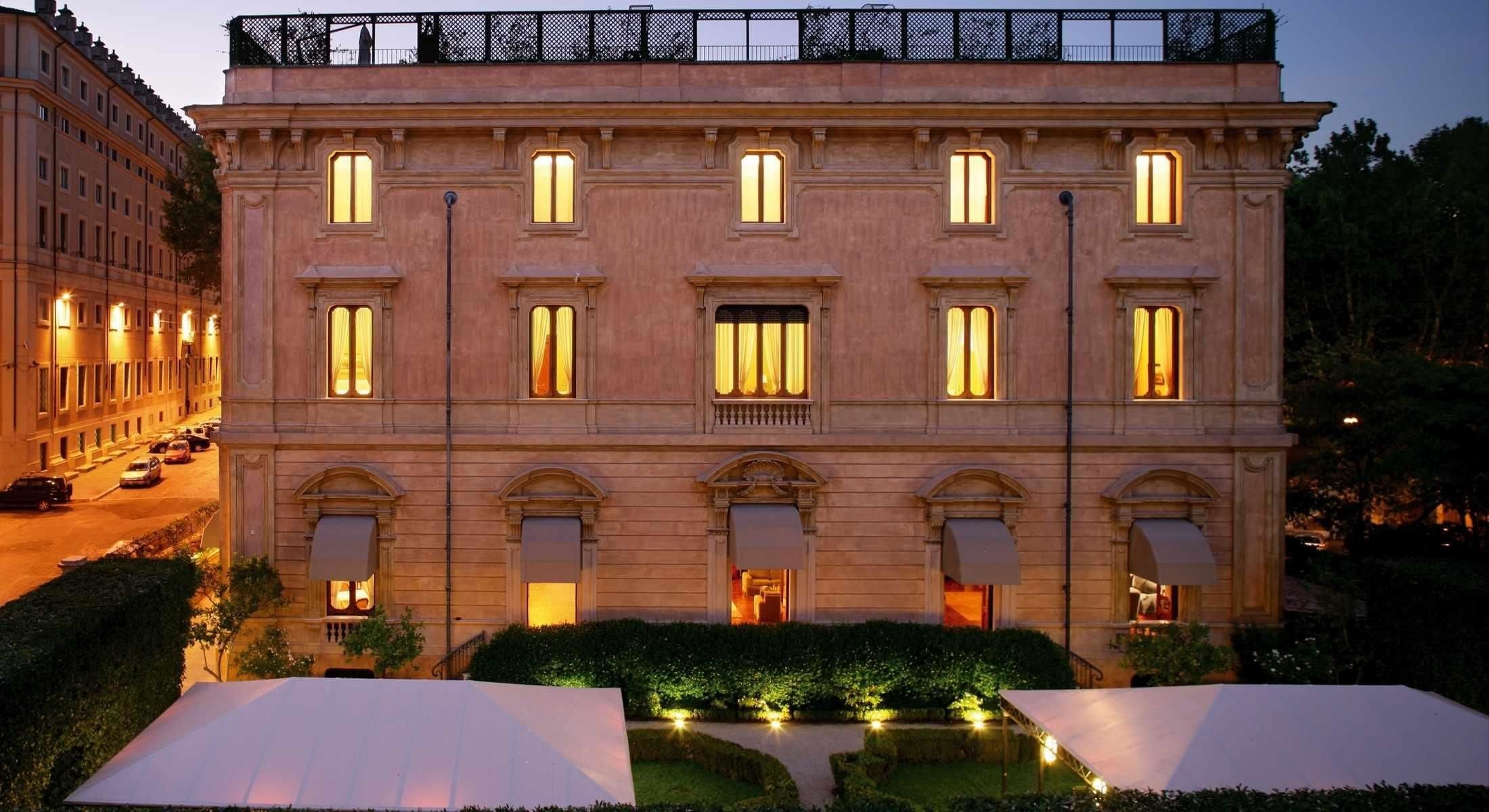
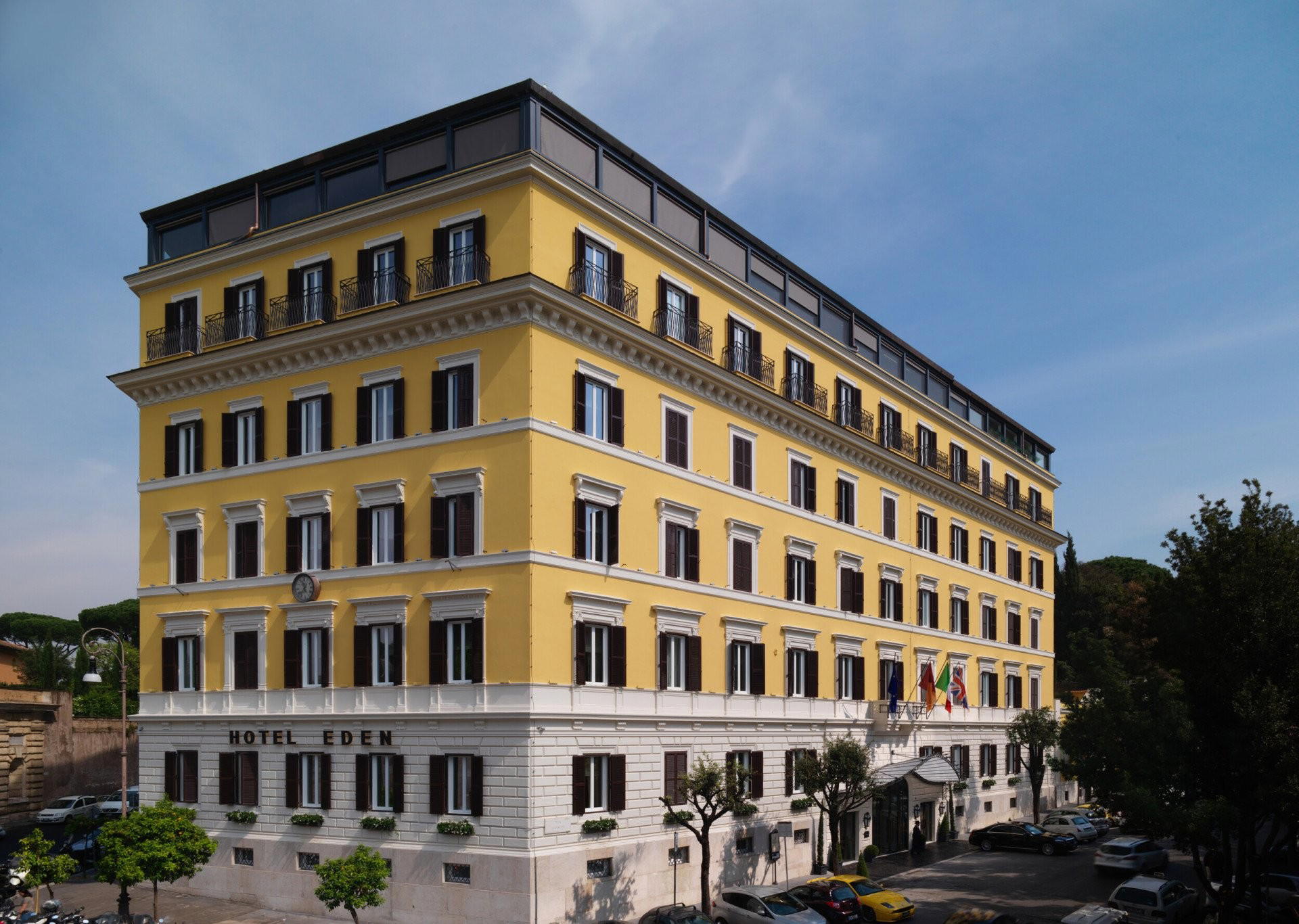
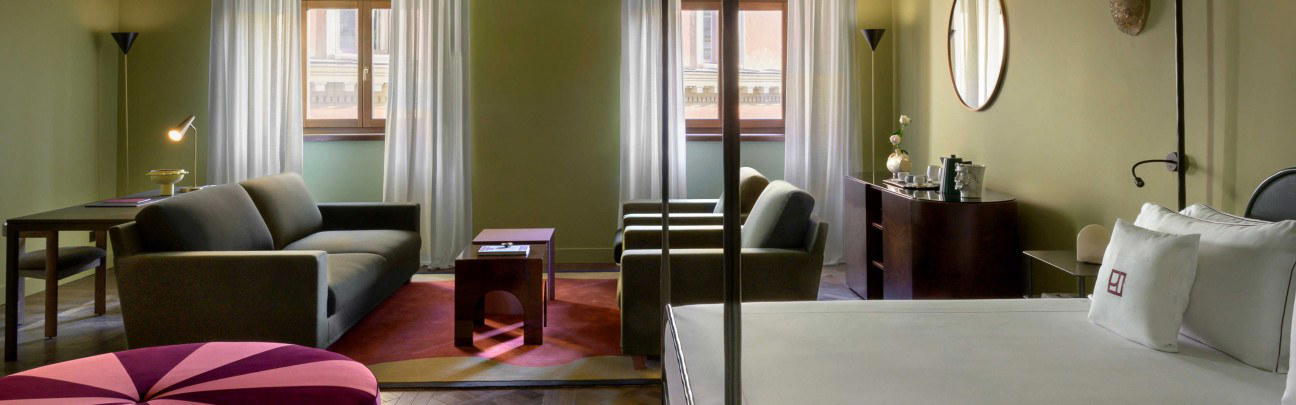
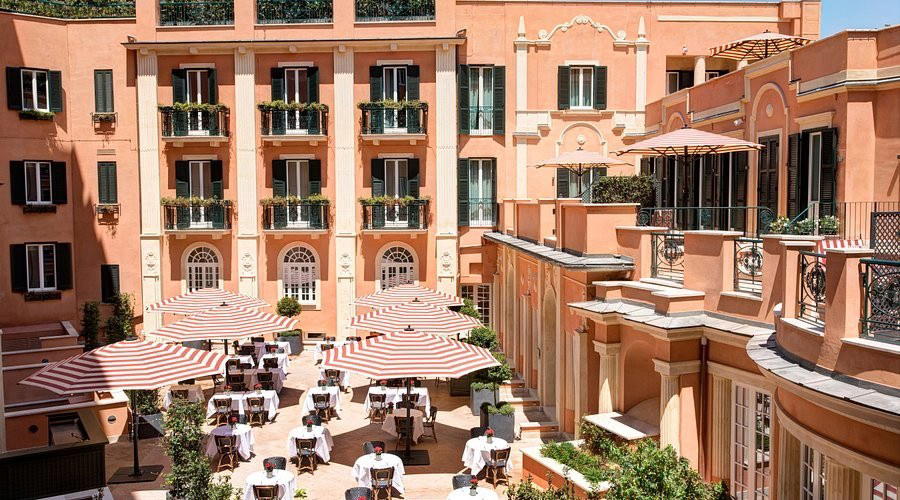
Bright and large indoor space with renovated terrace offering spectacular city views; rooftop atmosphere praised for evenings.