Our verdict
The restaurant has drawn attention for a kitchen approach aligned with ethical sourcing and waste-conscious cooking, placing it in a growing tier of Roman addresses where sustainability is method, not marketing.

Pearl is the En Primeur Club membership app, where members save venues, book tables and use the concierge.

The menu
What to order
- Cappellaccio cacio e pepe with carbonara foam and crispy guanciale
- Spaghettone cacio e pepe with red prawns tartare
Where Trastevere's Contradictions Meet the Plate
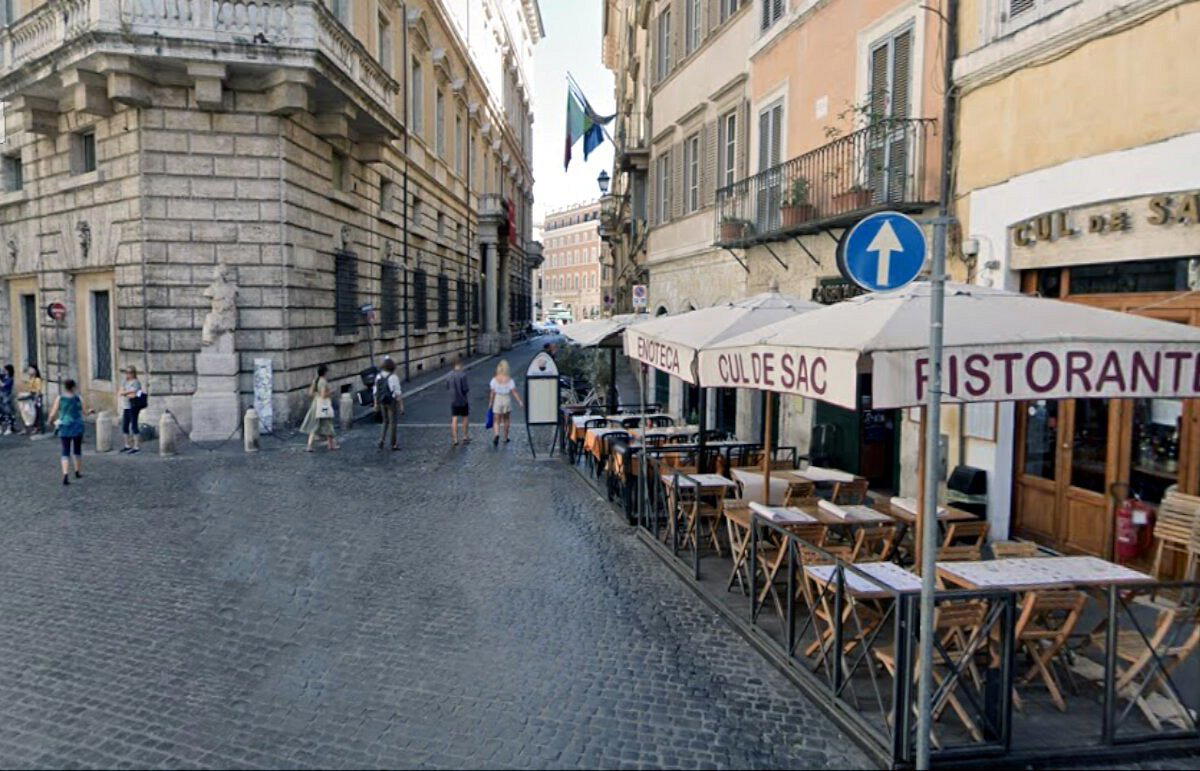
Trastevere has always been Rome's most legible paradox: a neighbourhood shaped by centuries of artisan life and Roman-Jewish cooking traditions, now threaded with a dining scene that ranges from tourist-facing trattorie to genuinely considered kitchens. Approaching from either direction, you pass the kind of Rome that still operates on its own clock, produce vendors, neighbourhood bars serving coffee without theatre, and restaurant terraces that have been through a dozen reboots since the 1980s. Sottosopra Trastevere occupies this environment without trying to escape it.
That physical grounding matters in a city where the most discussed fine dining addresses, La Pergola, Il Pagliaccio, Enoteca La Torre, operate in insulated hotel environments or discretely residential streets, sealed off from the city's texture. A Trastevere address is a different proposition: the neighbourhood intrudes, and good kitchens here learn to make that intrusion useful rather than incidental. At addresses like Atelier Moessmer Norbert Niederkofler in Brunico and Reale in Castel di Sangro, sustainability is embedded into sourcing relationships, seasonal calendars, and the logic of what appears on the menu at all. In Rome, that shift has been slower to take hold than in the north, partly because the city's dominant culinary identity, cacio e pepe, coda alla vaccinara, offal-centred cucina povera, is already built on a waste-nothing ethic, even if the restaurants serving it don't frame it in contemporary terms.
The more interesting question for any Rome kitchen positioning around sustainability is whether that positioning reflects genuine supply-chain decisions or simply borrows the language of a trend. Cucina povera, at its most honest, predates the sustainability movement by centuries: it emerged from necessity, not ideology. The kitchens that connect contemporary waste-reduction practice to that tradition, using the whole animal, building stock from what gets trimmed, letting the available rather than the aspirational define the menu, are doing something more durable than those deploying the vocabulary without the discipline.
Sottosopra Trastevere sits within this broader Roman shift toward kitchens that take the material seriously.
How Sottosopra Sits in Rome's Mid-Register Dining Tier
Rome's restaurant map has a pronounced gap at the mid-register. The city runs heavily on trattorias at one end and Michelin-flagged addresses at the other, Acquolina, Achilli al Parlamento, with less density in the space between. That gap is where neighbourhood-rooted kitchens with a considered approach to sourcing and cooking tend to operate, often without the awards architecture that defines how the upper tier gets discussed. Compared to the four-star creative registers of Enoteca Pinchiorri in Florence or Osteria Francescana in Modena, Sottosopra's pitch is more grounded, more contingent on what the week's sourcing makes possible.
That contingency is a feature of kitchens that take sustainability seriously. When the menu shifts with what's available rather than what's been pre-printed on a seasonal concept, the cooking becomes a more honest record of the city's supply relationships. It also means the experience changes depending on when you visit, which rewards return visits in ways that fixed tasting menus rarely do.enprimeurclub.com/restaurants/dal-pescatore-runate-restaurant), Uliassi in Senigallia, have built decades-long reputations on exactly this kind of supply-led discipline, even if their scale and recognition now place them in a different tier.
What People Recommend at Sottosopra Trastevere
What the address, neighbourhood context, and sustainability positioning together suggest is a kitchen working with Roman and Central Italian seasonal produce, likely leaning toward vegetable-forward preparations in warmer months and richer, slower-cooked dishes in winter. Trastevere's proximity to the city's main markets means a kitchen serious about sourcing has good raw material to work with year-round. Visitors who have eaten across Rome's more sustainability-conscious tier often note that the strongest plates at such addresses are those furthest from the standard trattoria repertoire, the dishes that reflect what was abundant and affordable that week, rather than what the menu was built to accommodate. For confirmed current dishes, the most reliable approach is to check directly with the restaurant before visiting.
Planning Your Visit
Rome's dining rhythm differs from northern European and North American cities: lunch remains a serious meal, and many neighbourhood restaurants serve their most considered cooking at midday rather than reserving it for evening service. Trastevere in particular fills quickly on weekend evenings when the neighbourhood draws significant foot traffic from both visitors and Romans from other rioni. Booking ahead for weekend dinner is advisable; weekday lunch tends to be more accessible. The broader Italian comparison matters here too: restaurants like Le Calandre in Rubano, Piazza Duomo in Alba, and Quattro Passi in Marina del Cantone typically require reservations weeks or months in advance; at Sottosopra's tier in Rome, a few days to a week ahead is usually sufficient outside of major travel periods.
For a fuller picture of where Sottosopra fits within Rome's dining map, see our full Rome restaurants guide, which places the city's neighbourhood-level kitchens alongside its award-tier addresses and destination restaurants like Enrico Bartolini in Milan for cross-city context.
What the restaurant's sustainability positioning and Trastevere location together point toward is a kitchen that changes its strongest plates with the season and the week's sourcing. Visitors planning ahead would do well to ask the restaurant directly about current strengths rather than arriving with fixed expectations. Rome's ethically sourced, market-driven kitchens are generally at their most interesting when the season is clearly defined, late autumn through winter for richer preparations, late spring for vegetable-led cooking.
How far ahead should I plan for Sottosopra Trastevere?
At Sottosopra's neighbourhood tier in Rome, a reservation made three to seven days in advance is typically sufficient for weekday visits. Weekend evenings in Trastevere require more lead time, particularly in the April-to-October travel peak, when the area draws heavy foot traffic. This contrasts with Rome's upper-tier addresses, where booking windows of several weeks to months are standard. If your travel dates are fixed, booking as soon as they are confirmed removes uncertainty regardless of the day of week.
Does Sottosopra Trastevere reflect Rome's cucina povera tradition in its approach to sustainability?
Trastevere has historically been one of Rome's strongest neighbourhoods for cucina povera: the whole-animal, nothing-wasted cooking tradition that defined working-class Roman tables for generations. Kitchens in this rione that frame sustainability as ethical sourcing and waste reduction are, in one sense, building on a practice the neighbourhood has observed for centuries rather than importing a contemporary concept. For comparison with kitchens that have made sustainability a formally documented pillar of their cooking, see Atelier Moessmer Norbert Niederkofler in Brunico.
Frequently asked questions
Where do I go for Sottosopra Trastevere?
Sottosopra Trastevere is located at Via Di Ponte Sisto, 67, 00153 Roma RM, Italy, Rome.
Does Sottosopra Trastevere suit Rome's cucina povera dining tradition?
Trastevere is one of Rome's historically strongest neighbourhoods for cucina povera, the cooking philosophy built around offal, legumes, and nothing-wasted technique that predates modern sustainability rhetoric by centuries. Whether the kitchen actively programmes those references or absorbs them by proximity, diners drawn to nose-to-tail and seasonal Roman cooking will find the right postcode.
What do people recommend at Sottosopra Trastevere?
Confirmed dish-level data for Sottosopra's current menu isn't available in published records, so specific recommendations would be speculative. What the Via di Ponte Sisto address and Trastevere context signal is a kitchen working within Rome's cucina povera tradition, whole-animal thinking, seasonal produce, minimal waste, rather than a menu built around showpiece ingredients. Ask staff what's moving that week; in neighbourhood restaurants of this tier in Rome, the verbal specials list often tells you more than the printed menu.
How far ahead should I plan for Sottosopra Trastevere?
At Sottosopra's neighbourhood tier in Trastevere, three to seven days in advance is generally sufficient for weekday tables. Weekend evenings in this quarter of Rome fill faster: Trastevere draws both locals and visitors on Friday and Saturday nights, so a reservation placed five to ten days out is a sensible buffer. Same-day walk-ins are more realistic at lunch, when the neighbourhood's rhythm is slower.
Comparison Snapshot
Comparable venues nearby, for context on price, style, and recognition.
| Venue | Cuisine | Price | Notes |
|---|---|---|---|
| Sottosopra TrastevereThis venue (the venue you are viewing) | Modern Roman Italian | $50–100 | Not listed |
| Osteria San Giorgio | Traditional Roman Osteria | Not listed | Testaccio |
| Ristorante Moscati | Mediterranean and Roman Italian | $30–50 | Trionfale |
| Fungo Rooftop | Italian Seafood Rooftop | $30–50 | EUR |
| Beppe and His Cheeses | Italian Cheese & Wine Bar | Not listed | Regola |
| Jacopa | Modern Italian | $30–50 | Trastevere |
Continue exploring
More in Rome
Restaurants in Rome
All restaurants in Rome →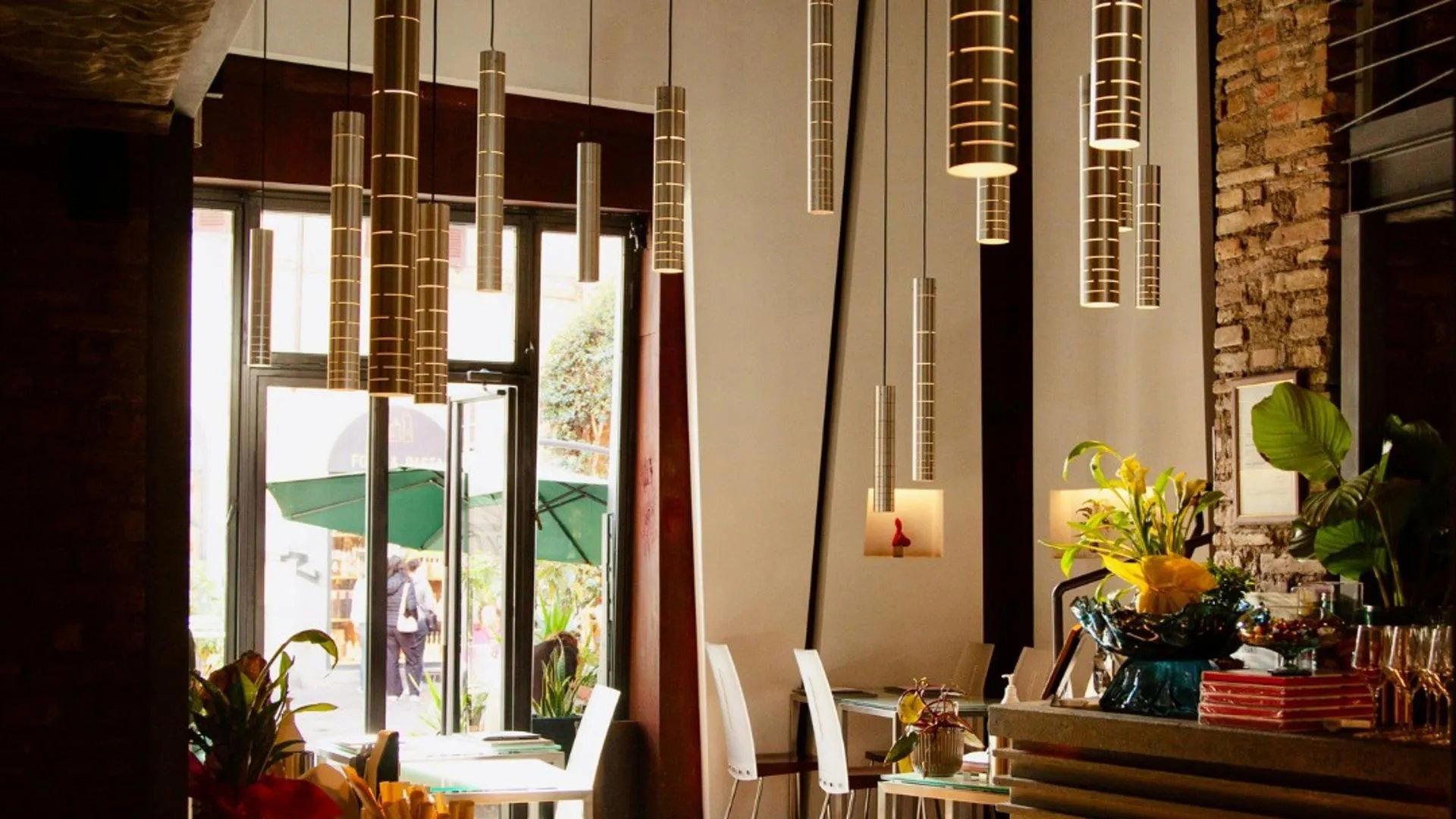
Bars in Rome
All bars in Rome →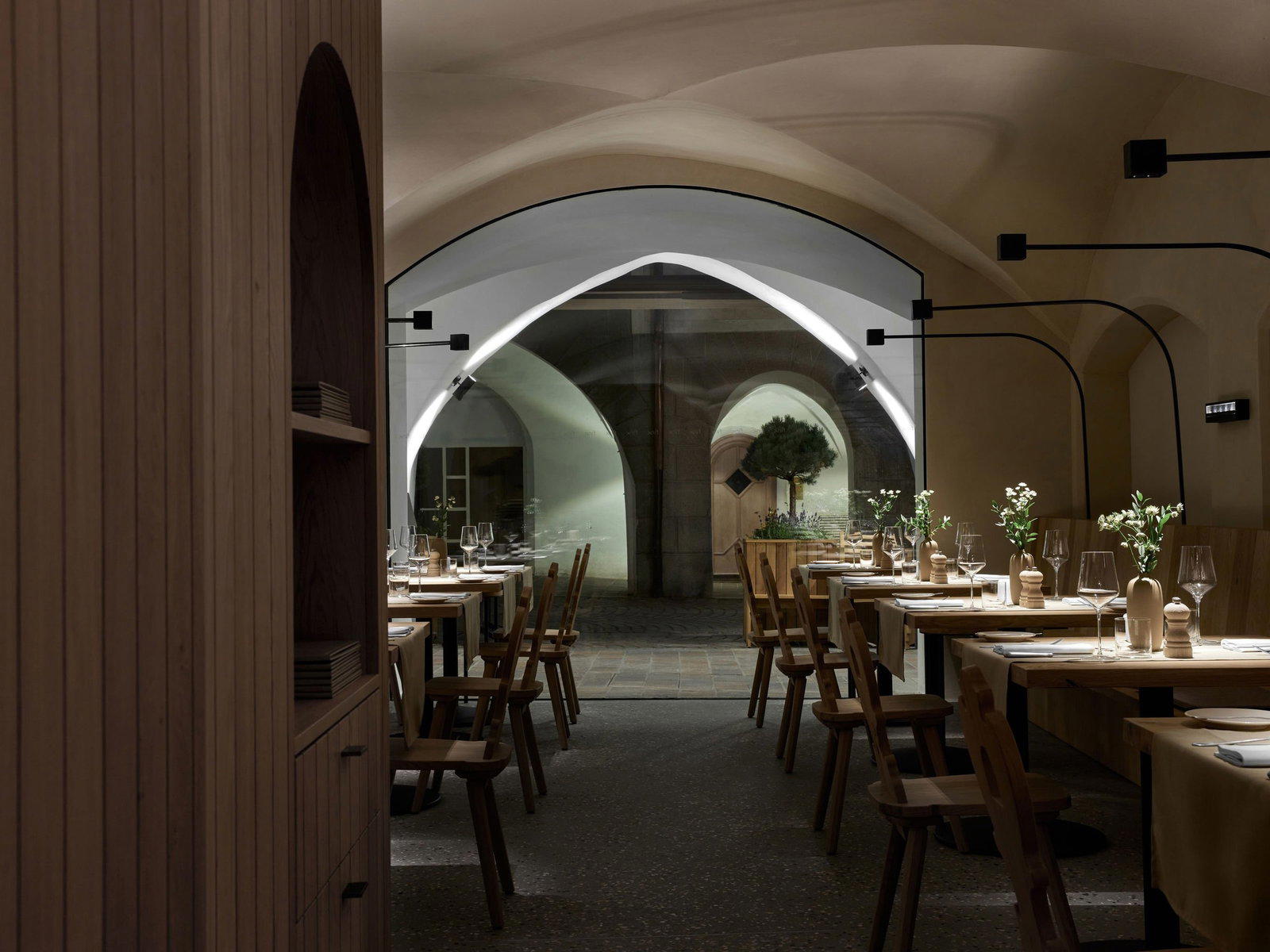

Details
- Romantic
- Cozy
- Elegant
- Intimate
- Scenic
- Date Night
- Special Occasion
- Terrace
- Street Scene
- A La Carte
- Vegetarian Friendly
Current opening hours
- Monday
- 12–11:45 PM
- Tuesday
- Closed
- Wednesday
- 12–11:45 PM
- Thursday
- 12–11:45 PM
- Friday
- 12–11:45 PM
- Saturday
- 12–11:45 PM
- Sunday
- 12–11:45 PM
Hours can change for holidays and private events. Hours as of .
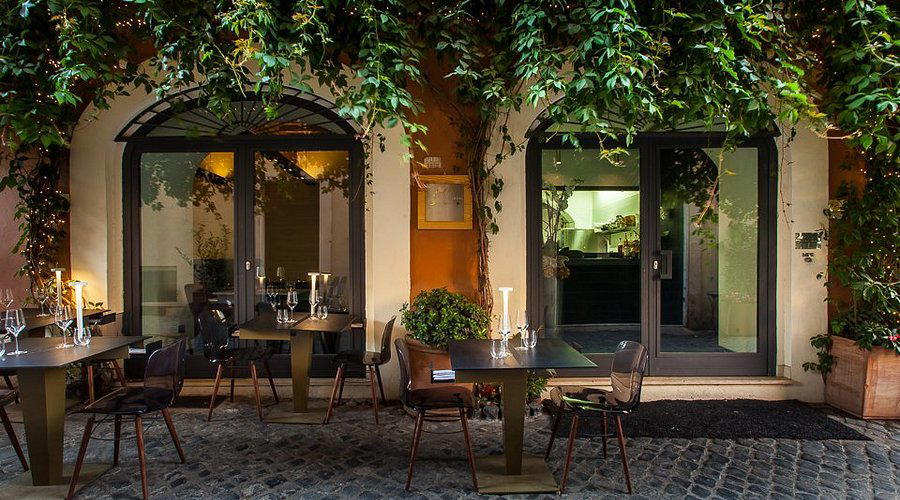
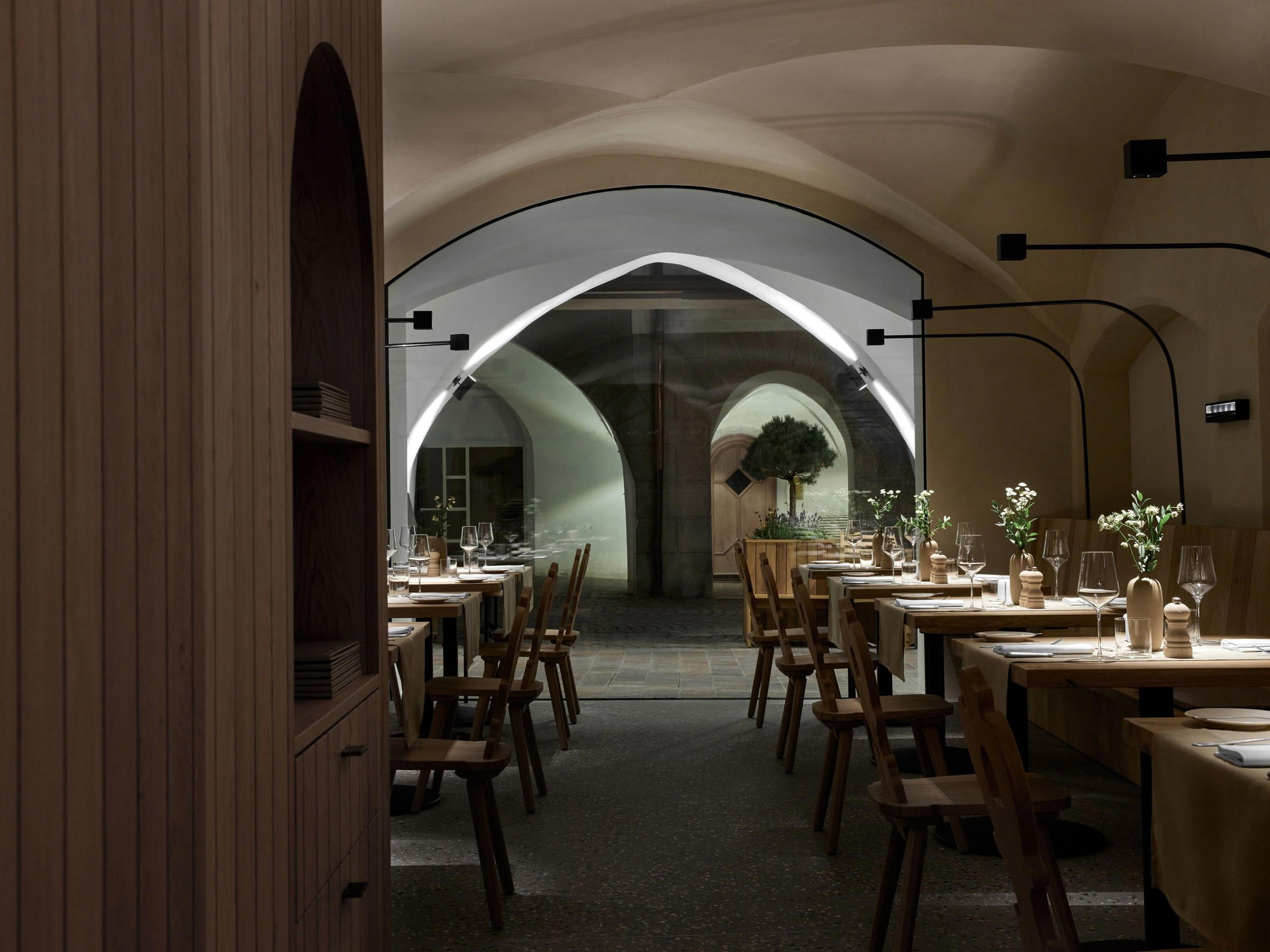
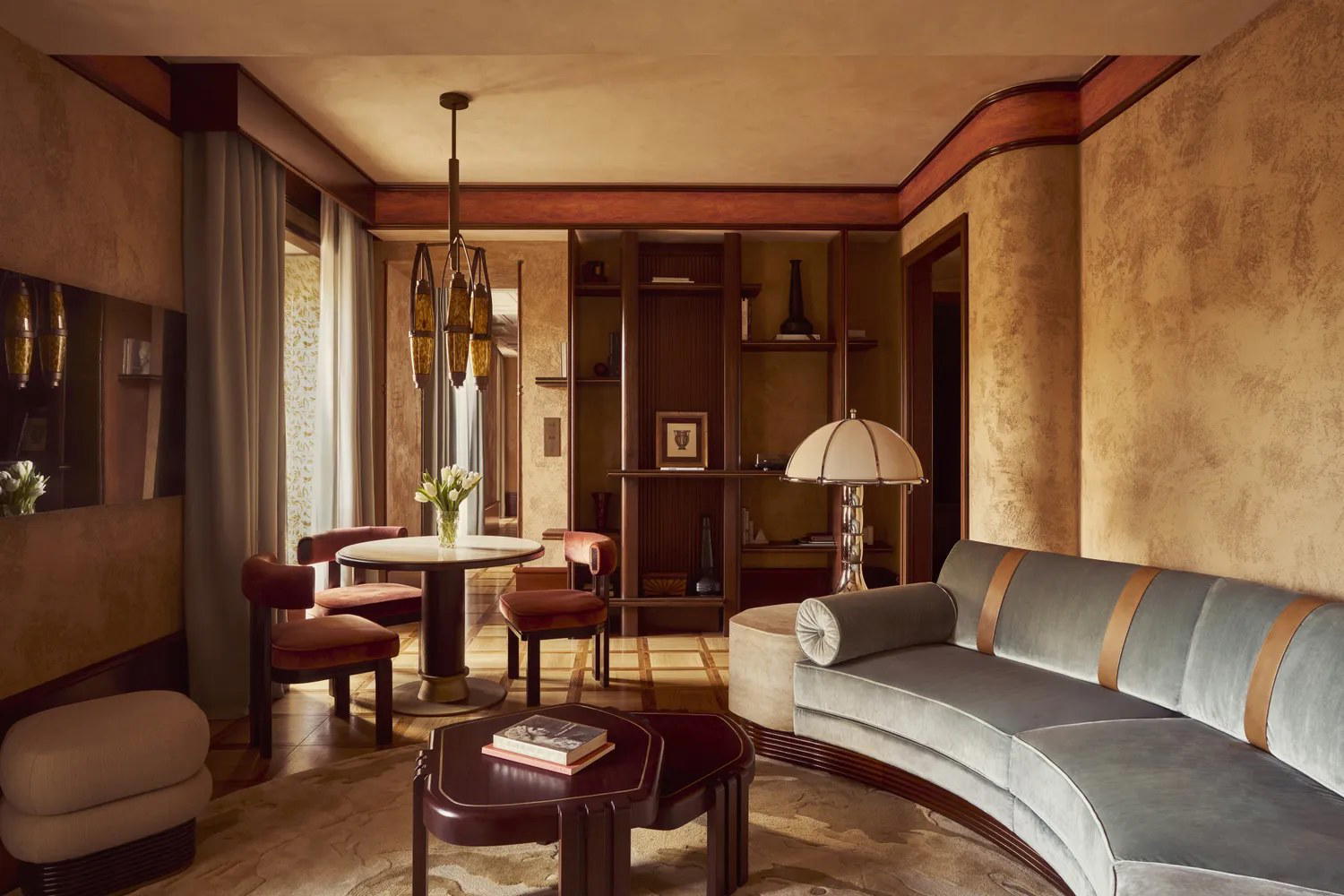
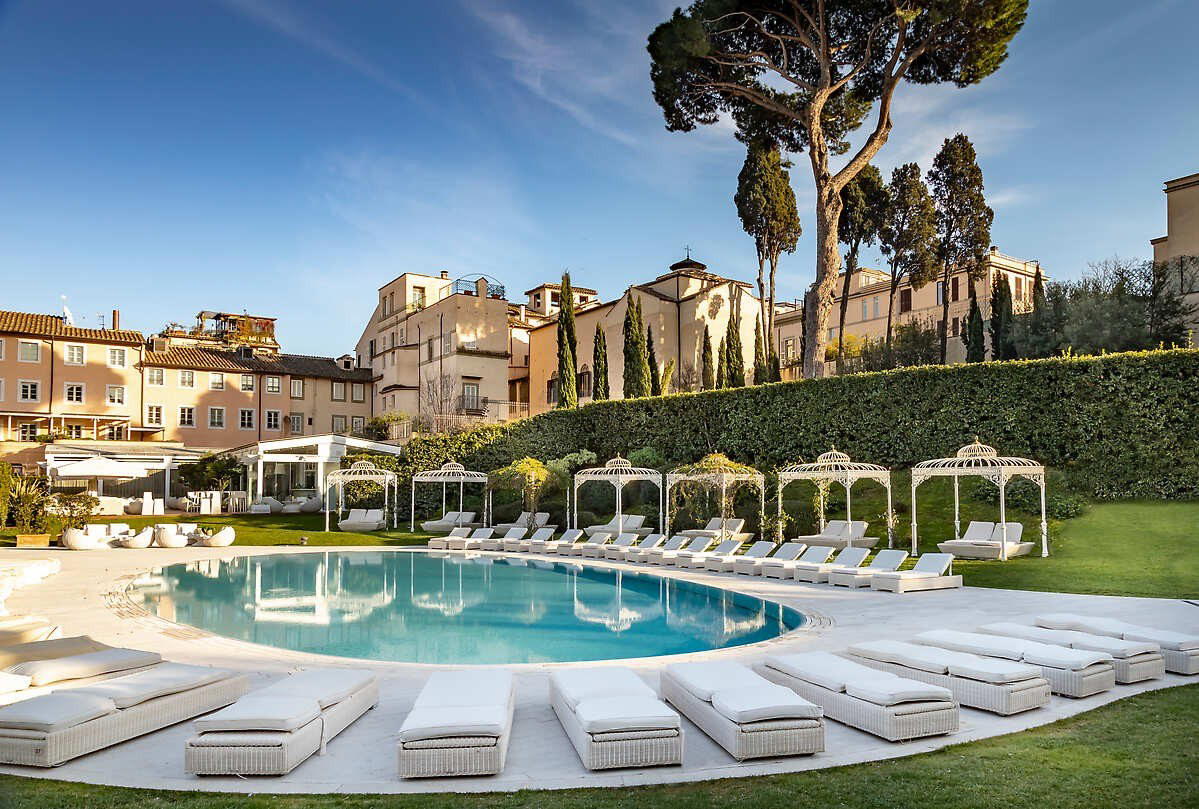
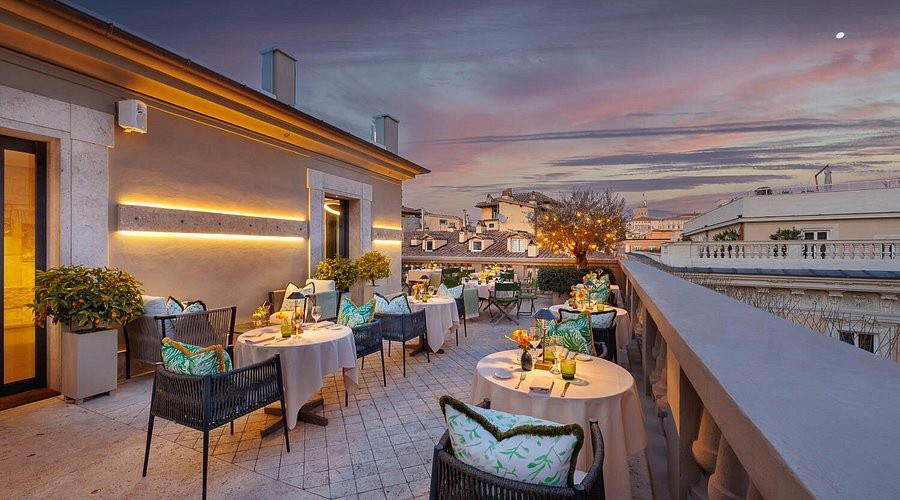
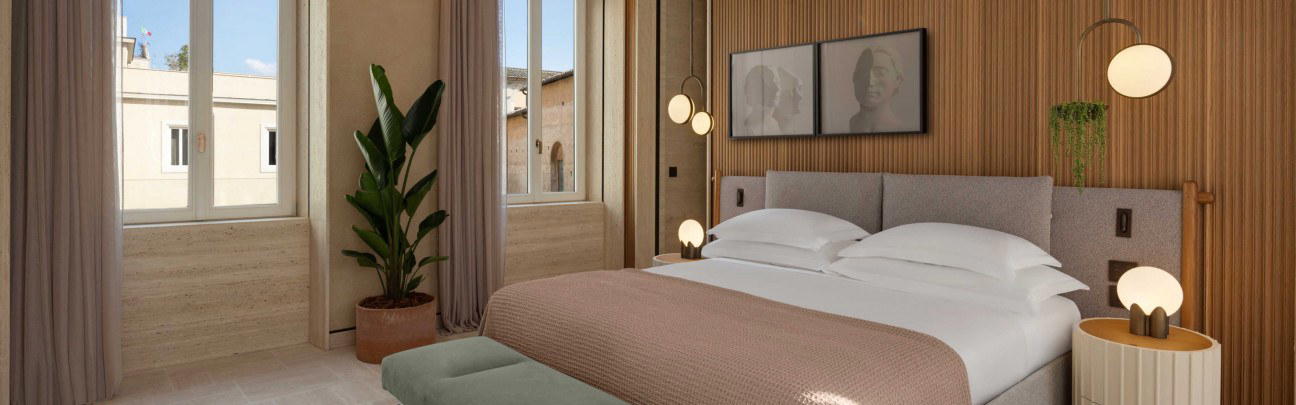
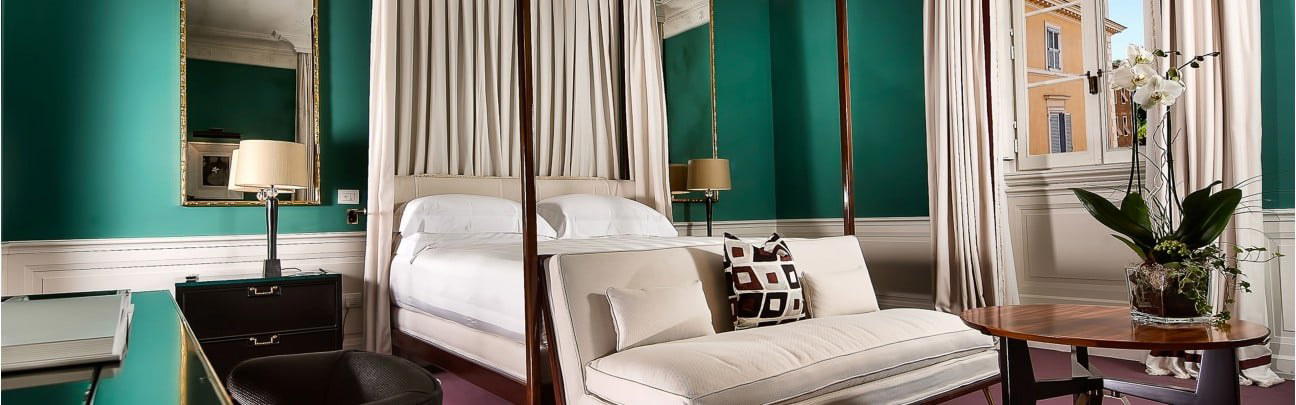
Cozy and refined environment blending modern design with classic touches, featuring an intimate terrace with magical atmosphere under twinkle lights and views of the piazza.