The Henri

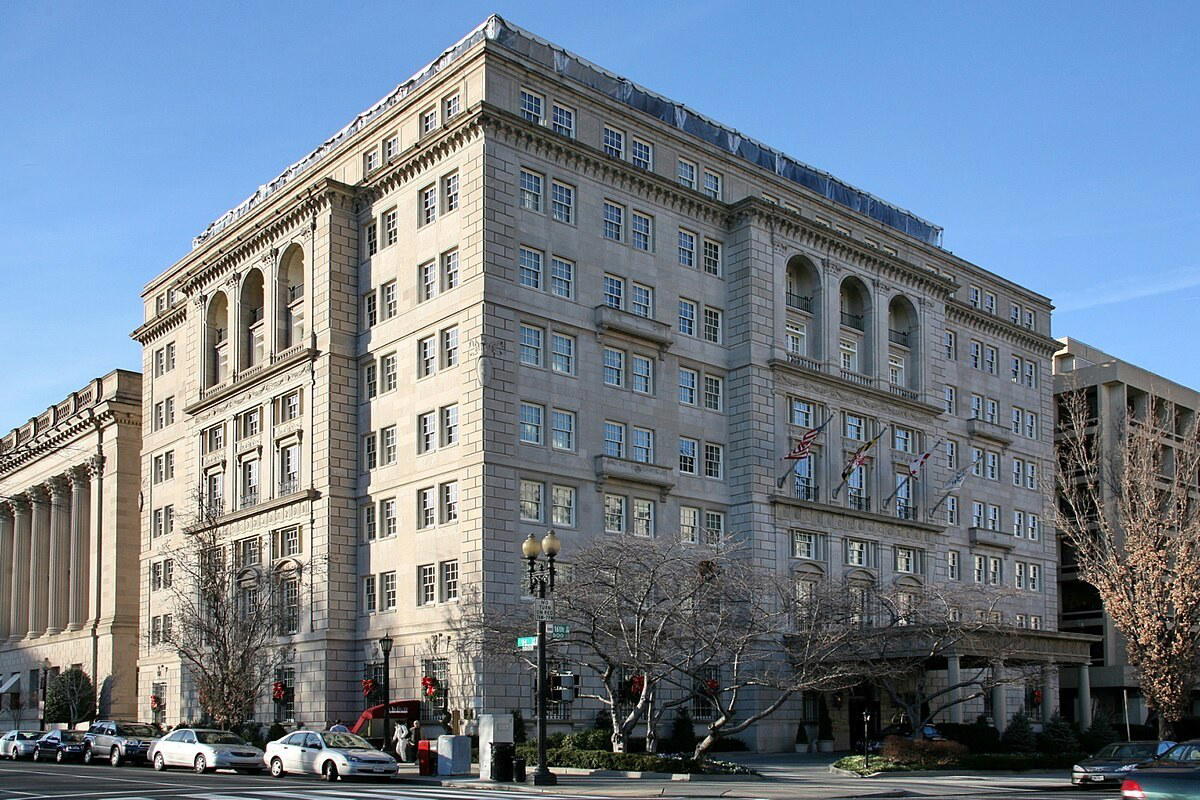
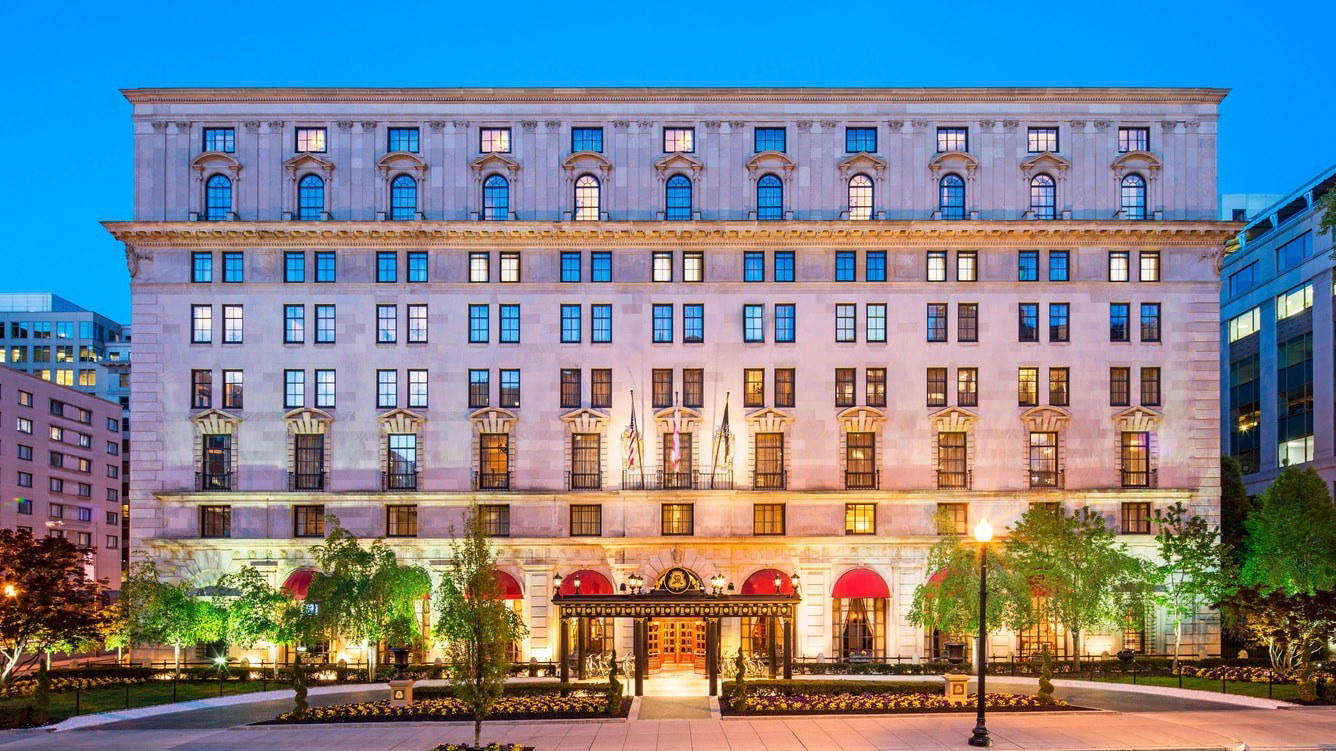
Positioned at 1301 Pennsylvania Avenue NW, The Henri occupies one of Washington D.C.'s most politically charged addresses, where the Capitol corridor meets a dining scene that has grown considerably more ambitious over the past decade. The venue sits within a tier of D.C. restaurants where front-of-house coordination and kitchen-to-floor communication define the experience as much as the food itself.
Pearl is the En Primeur Club membership app — saves, bookings, and concierge access live there. Same editors, same standards.
- Address
- 1301 Pennsylvania Ave NW, Washington, DC 20004
- Phone
- +12029895881
- Website
- thehenridc.com
- Directions
- Get directions
 Saves & bookings on Pearl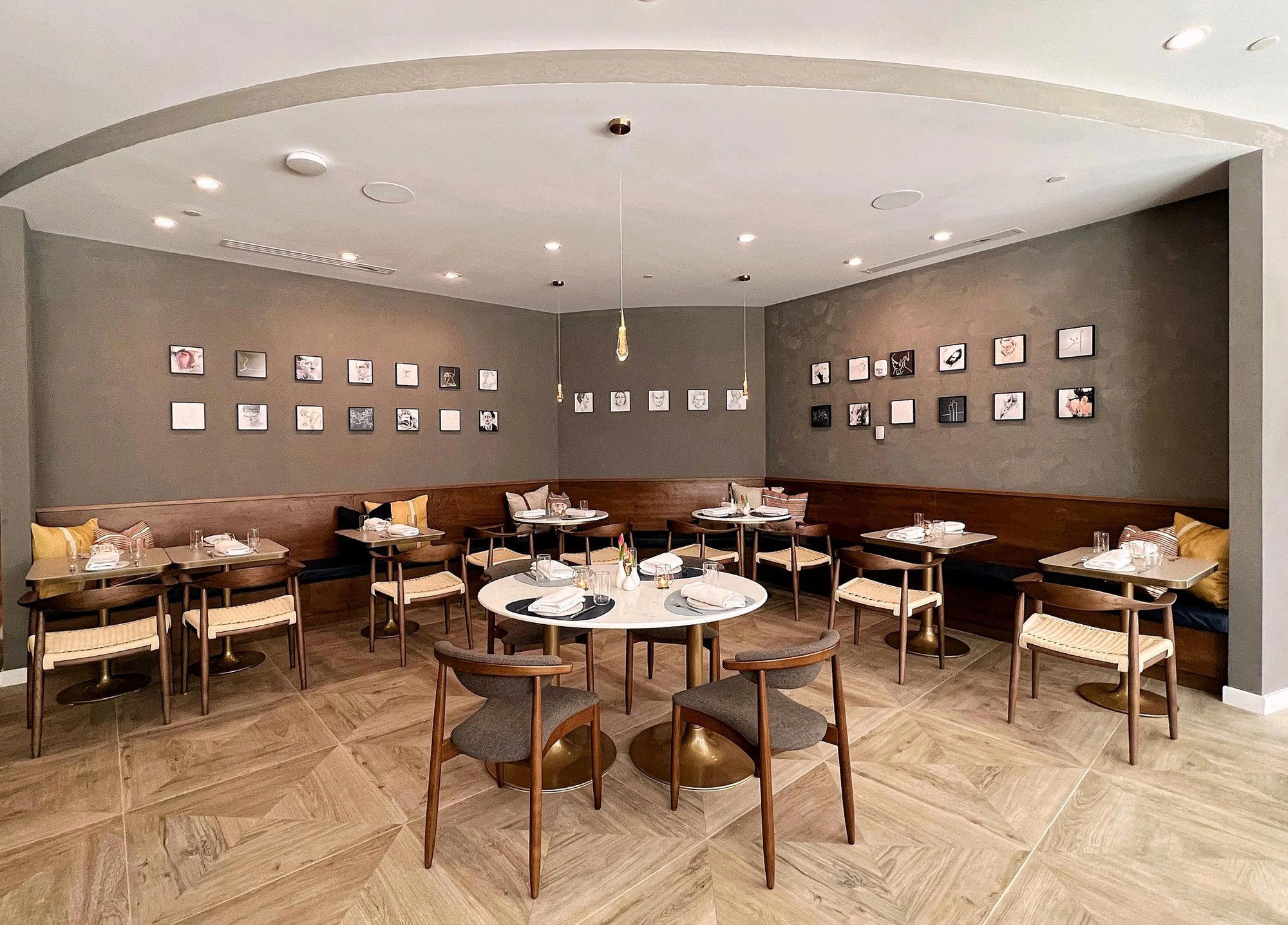
Pennsylvania Avenue's Dining Ambitions
There is a particular quality to restaurants that occupy historically loaded addresses in Washington, D.C. The stretch of Pennsylvania Avenue running between the Capitol and the White House has long attracted institutions that trade on proximity to power, but the city's dining scene has matured past that reflex. A newer cohort of restaurants along this corridor now competes on culinary terms rather than on political adjacency, and The Henri at 1301 Pennsylvania Ave NW, Washington, D.C. positions itself within that more demanding context.
D.C.'s fine dining tier has reorganized significantly over the past fifteen years. The city that once imported its restaurant credibility from New York has developed a local identity anchored in Mid-Atlantic sourcing, a more international resident population, and a generation of chefs who trained in serious kitchens elsewhere before returning. That context matters when reading any restaurant along this corridor: the baseline expectation has risen, and the comparison set now includes destinations like Jônt, which operates a tightly controlled modern French format, and minibar, which has held its place in the molecular and avant-garde conversation for years.
The Physical Address and What It Signals
Approaching from Pennsylvania Avenue, the location immediately communicates something about audience and intent. This is not a neighborhood bistro or a destination tucked into a residential quarter. The surrounding blocks draw a professional crowd at lunch and a more deliberately dressed one in the evenings, and the restaurant's positioning reflects that. Across the city, venues operating in this kind of high-visibility real estate tend to run tighter, more formal front-of-house operations, where the handoff between reception, floor staff, and the kitchen is choreographed rather than improvised.
That choreography is itself a statement about what kind of dining experience a restaurant is building. In the current D.C. scene, the restaurants that have earned sustained recognition, from the vegetable-forward ambition of Oyster Oyster to the Peruvian precision of Causa, tend to be those where the service structure and the culinary vision are developed in parallel rather than independently. The Henri's address places it in a comparable set where that integration is assumed.
Team Dynamics and the Floor-to-Kitchen Relationship
Durable fine dining rooms in the United States are built around an alignment between what arrives from the kitchen and how the floor frames it. This is particularly true at the higher end of the D.C. market, where a table might include someone who dines regularly at The Inn at Little Washington or travels to eat at Le Bernardin in New York City or Alinea in Chicago. A room full of experienced diners demands front-of-house staff who can speak to technique, sourcing, and the wine program with equal fluency.
The editorial angle here is not about any single chef or sommelier in isolation. It is about the collaborative structure that defines whether a restaurant at this price point and address reads as coherent or disjointed. Particularly instructive comparisons are venues like Single Thread Farm in Healdsburg or Blue Hill at Stone Barns in Tarrytown, where the front-of-house team functions as an interpretive layer between the kitchen's logic and the guest's experience. That model has filtered into ambitious urban rooms across the country, and D.C. has absorbed it.
Within D.C. itself, Albi demonstrates how a strong team dynamic around a defined regional cuisine can generate sustained press attention and booking demand. The lesson transfers: when the floor can articulate why specific decisions were made, the meal reads differently than when it cannot.
Where The Henri Sits in the D.C. Competition
Washington's premium dining tier now has genuine depth. The competition for the discretionary fine dining dollar includes restaurants that have attracted national attention and a handful that benchmark against peers well beyond the Mid-Atlantic. The French Laundry in Napa, Providence in Los Angeles, and Addison in San Diego represent the national tier against which serious D.C. rooms are increasingly measured, even if that comparison is still being earned rather than assumed.
Closer to home, the comparison table below maps the restaurant against a relevant comparable set on key logistical variables.
D.C. Fine Dining Peer Comparison
| Venue | Cuisine | Price Tier | Format |
|---|---|---|---|
| The restaurant | Modern French-Belgian Bistro | $$$$ | A la carte |
| Causa | Peruvian | $$$$ | Tasting menu |
| Oyster Oyster | New American, Vegetarian | $$$ | A la carte / tasting |
| Albi | Middle Eastern | $$$$ | A la carte / sharing |
| Jônt | Modern French | $$$$ | Counter omakase-style |
Seasonal Considerations
Pennsylvania Avenue's restaurant corridor shifts noticeably across the year. The January-to-March period, which overlaps with inauguration cycles in presidential years, compresses availability across the block significantly. Summer brings a lighter professional crowd as Congress recesses, and the shoulder seasons of April-May and September-October tend to offer particularly balanced conditions: full kitchen teams, stable reservation windows, and a room that reads closer to its intended character. Restaurants operating in this part of the city are worth planning around, rather than approaching as walk-in options.
For international context on what a tightly run urban fine dining room looks like at its peak, the operations at Atomix in New York City, Lazy Bear in San Francisco, or 8 1/2 Otto e Mezzo Bombana in Hong Kong and Emeril's in New Orleans each offer useful reference points for what a coordinated team-driven dining room delivers at full operational coherence.
Peers You’d Cross-Shop
Comparable venues nearby, for context on price, style, and recognition.
| Venue | Cuisine | Price | Notes |
|---|---|---|---|
| The HenriThis venue — the venue you are viewing | Modern French-Belgian Bistro | $$$$ | Not listed |
| Maison Bar à Vins | Wine Bar | $$$$ | Washington DC |
| Marcus DC | Modern American with Black Culinary Traditions | $$$$ | NoMa |
| 1226 36th St NW | Refined Seasonal American | $$$$ | West Village Georgetown |
| The Willard Room | Classic French Brasserie | $$$$ | East End |
| Isla | Caribbean Fusion | $$$$ | Downtown |
Recognition history
Dated appearances from independent guides and award organizations, with the underlying list record or original source where available.
Wine Spectator Award of Excellence
Wine Spectator
Continue exploring
More in Washington DC
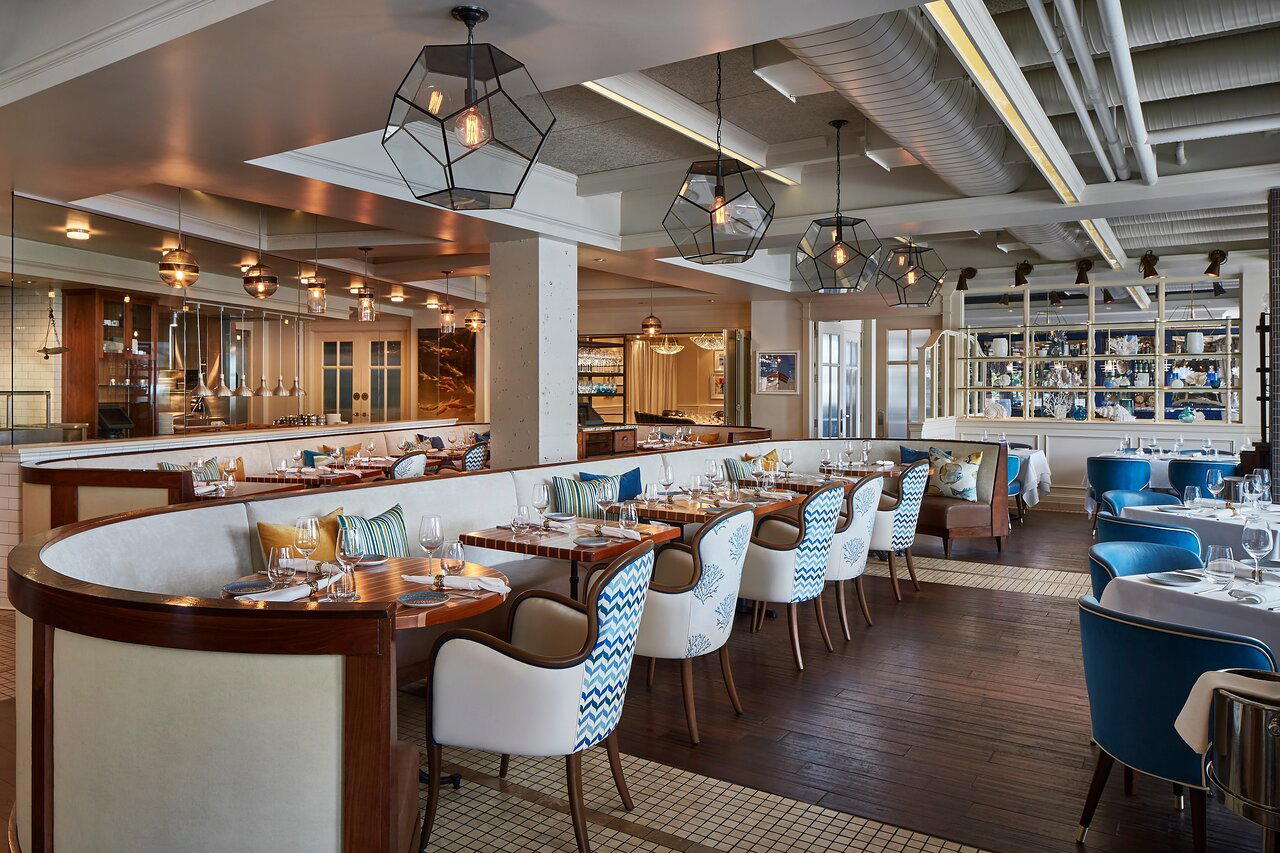
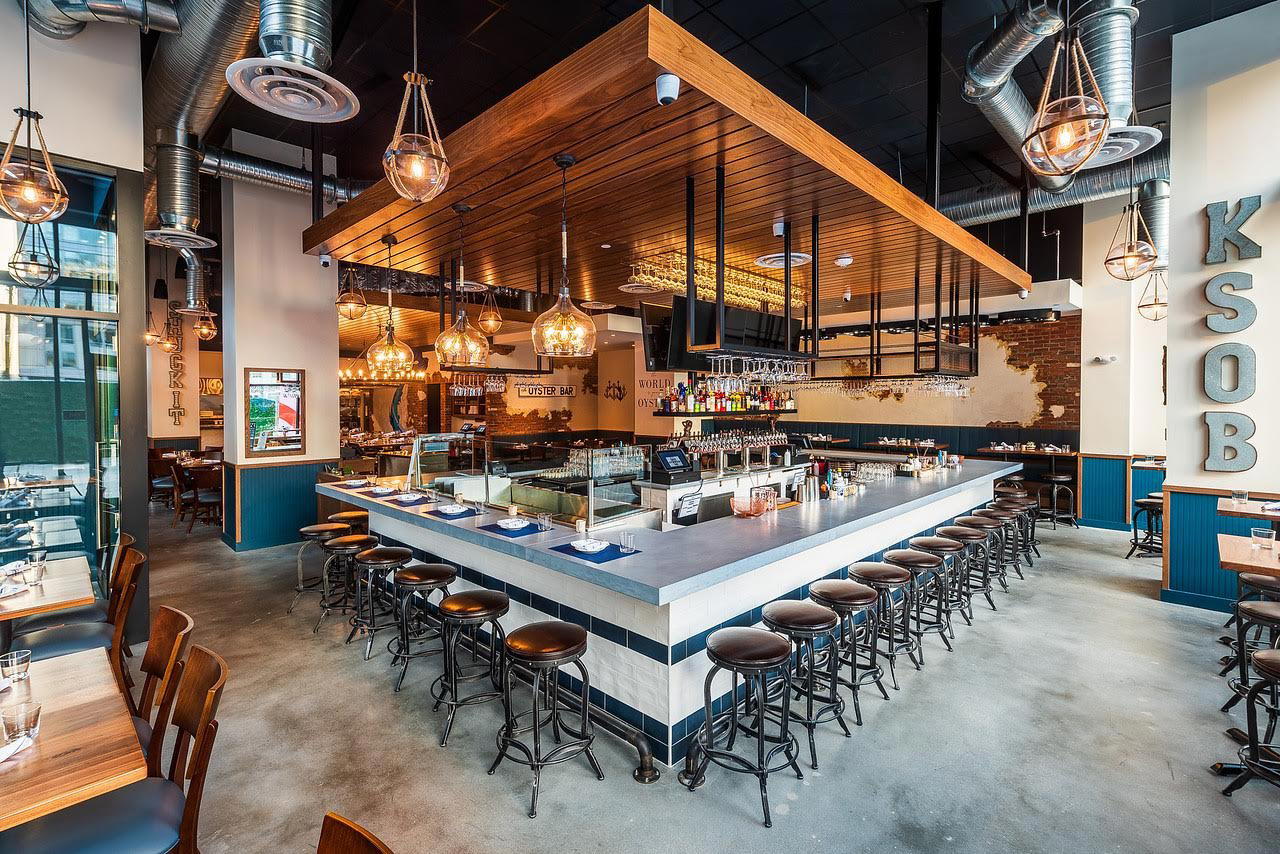
Restaurants in Washington DC
Browse all →
Bars in Washington DC
Browse all →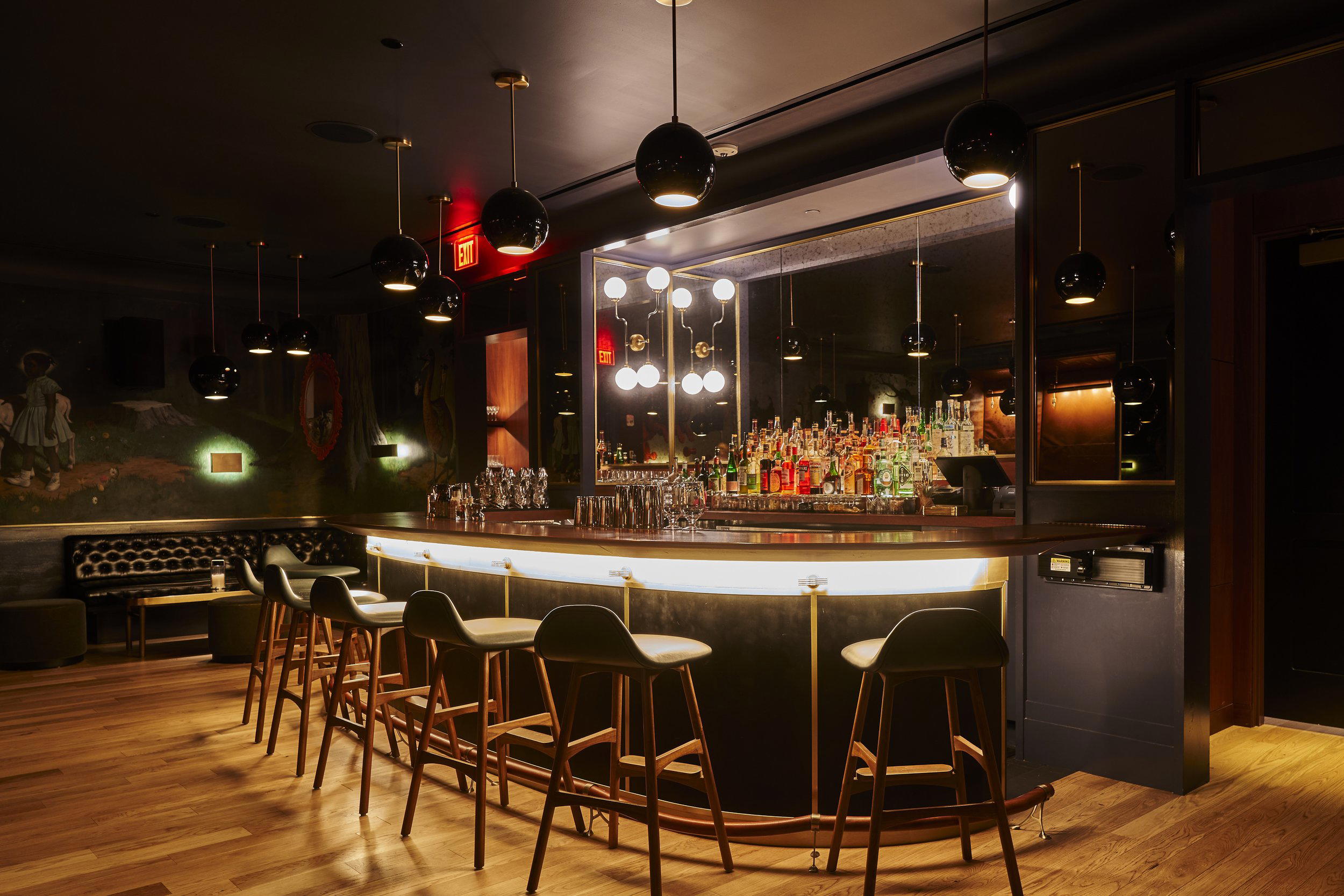
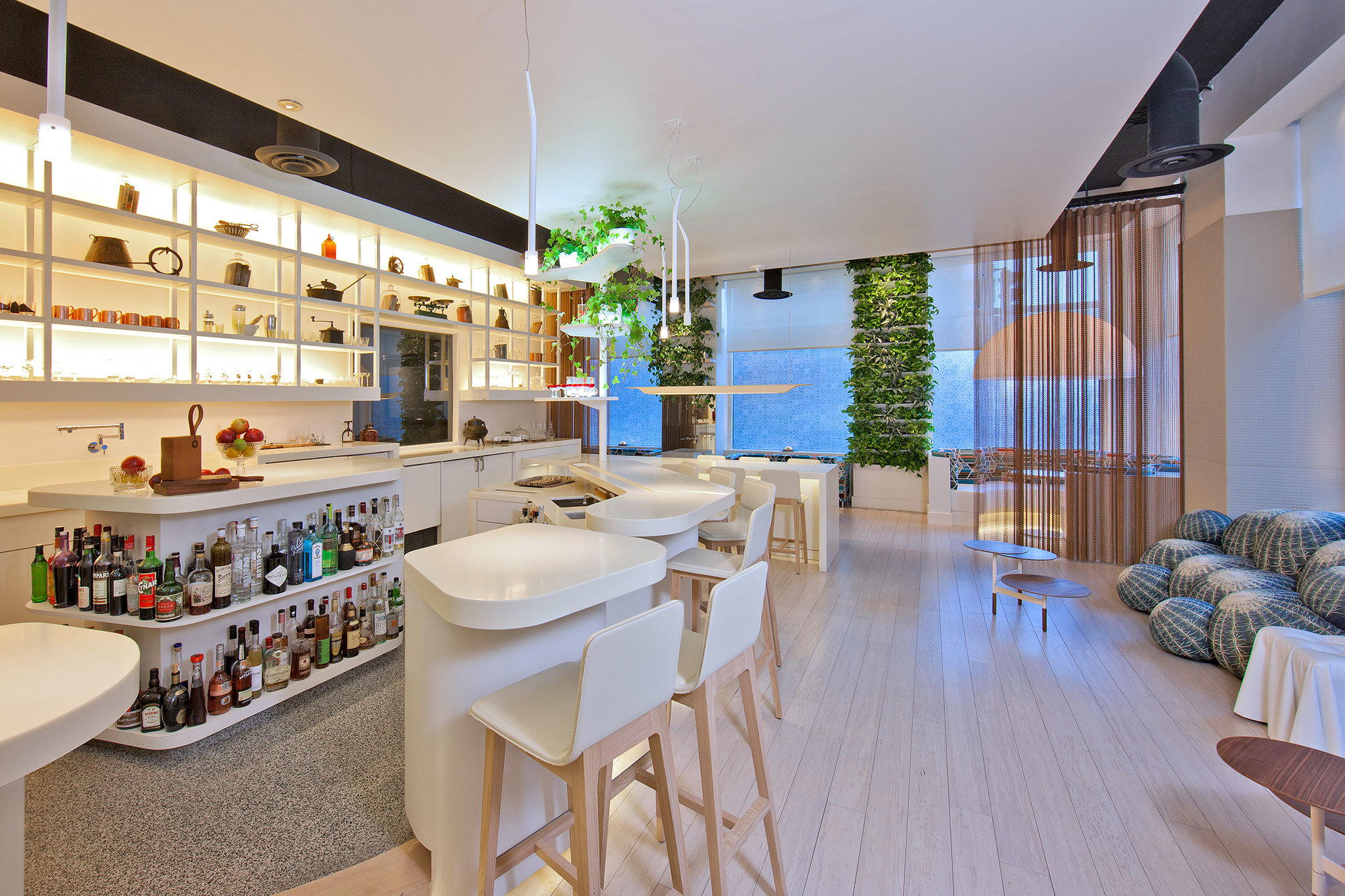
Hotels in Washington DC
Browse all →
At a Glance
- Elegant
- Sophisticated
- Modern
- Intimate
- Business Dinner
- Special Occasion
- Private Event
- Private Dining
- Open Kitchen
- Rooftop
- Extensive Wine List
- Craft Cocktails
- Street Scene
Current opening hours
- Monday
- 11:30 AM–2 PM, 4–9 PM
- Tuesday
- 11:30 AM–2 PM, 4–9 PM
- Wednesday
- 11:30 AM–2 PM, 4–9 PM
- Thursday
- 11:30 AM–2 PM, 4–9 PM
- Friday
- 11:30 AM–2 PM, 4–9 PM
- Saturday
- 4–9 PM
- Sunday
- Closed
Hours can change for holidays and private events. Last verified .
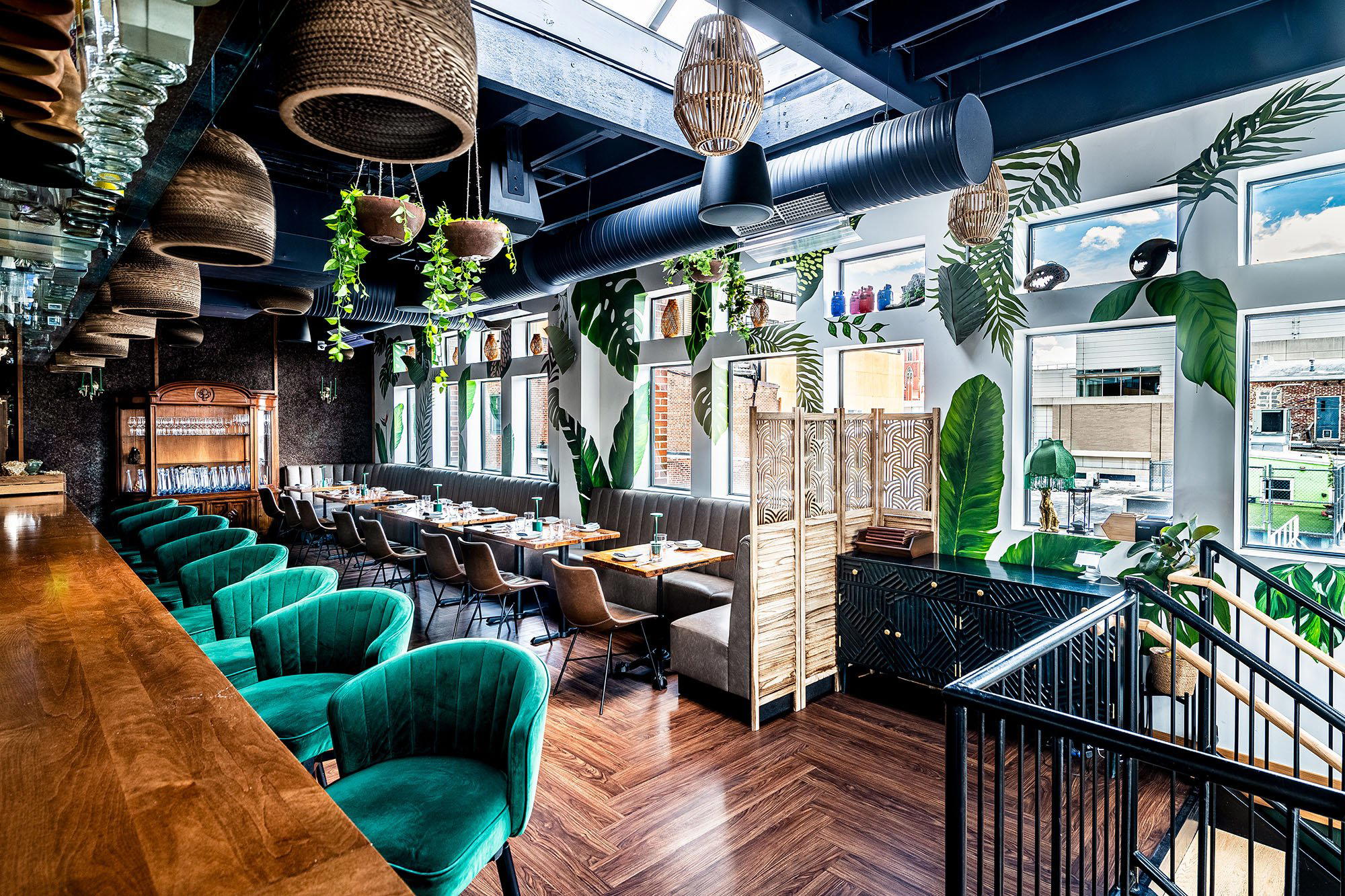
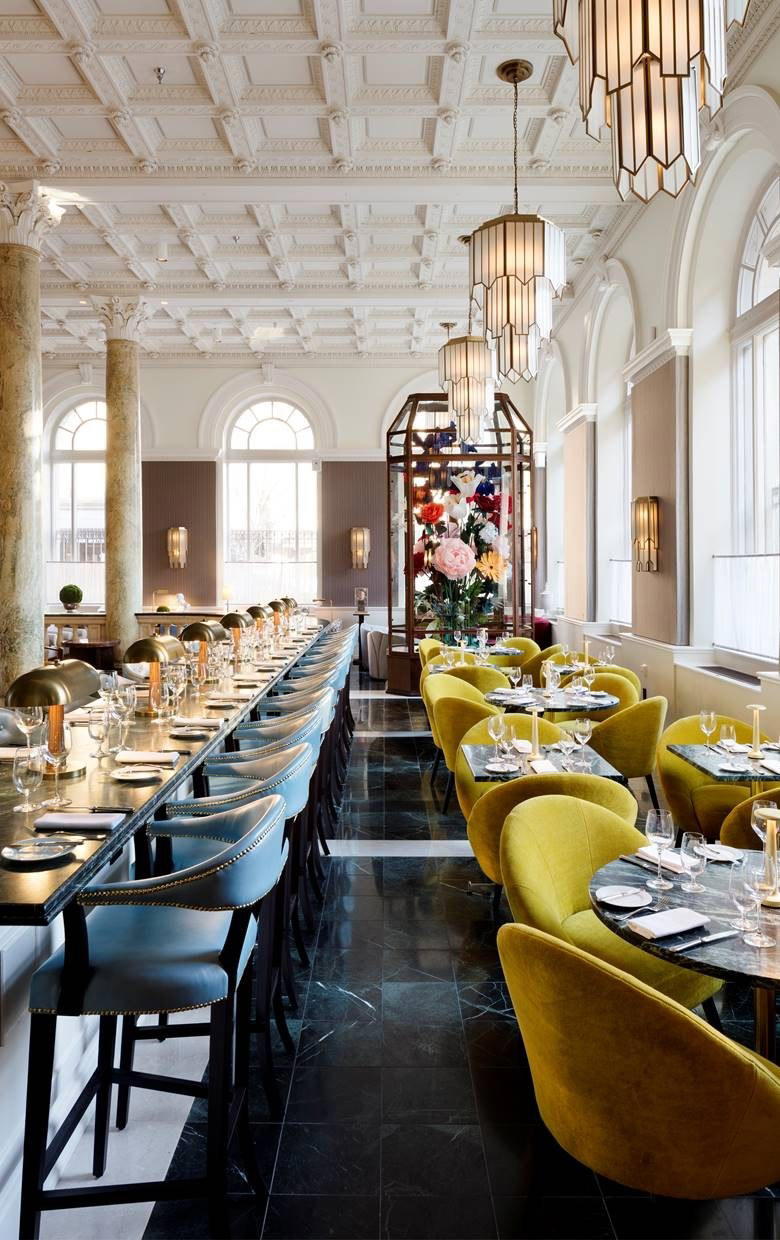
Warm tones with modern accents create an inviting, intimate atmosphere in the main dining areas, complemented by elegant lounge and views into the bustling rotisserie kitchen.