Marcus DC


James Beard Award Semi Finalist · Washingtonian 100 Very Best Restaurants #32
Our verdict
Marcus DC occupies a sharp address on M Street NE, sitting within Washington's wider conversation about what ambitious American dining looks like in a city long defined by power lunches and formal occasion restaurants. The room and its service cadence shift noticeably between midday and evening, making the choice of when to visit a genuine decision rather than a formality.

Pearl is the En Primeur Club membership app, where members save venues, book tables and use the concierge.
The menu
What to order
- Swediopian cured salmon
- Mel's Crab Rice
- Mambo-sauced roast chicken
- Tamarind-braised lamb shoulder
M Street NE and the Geography of Ambition
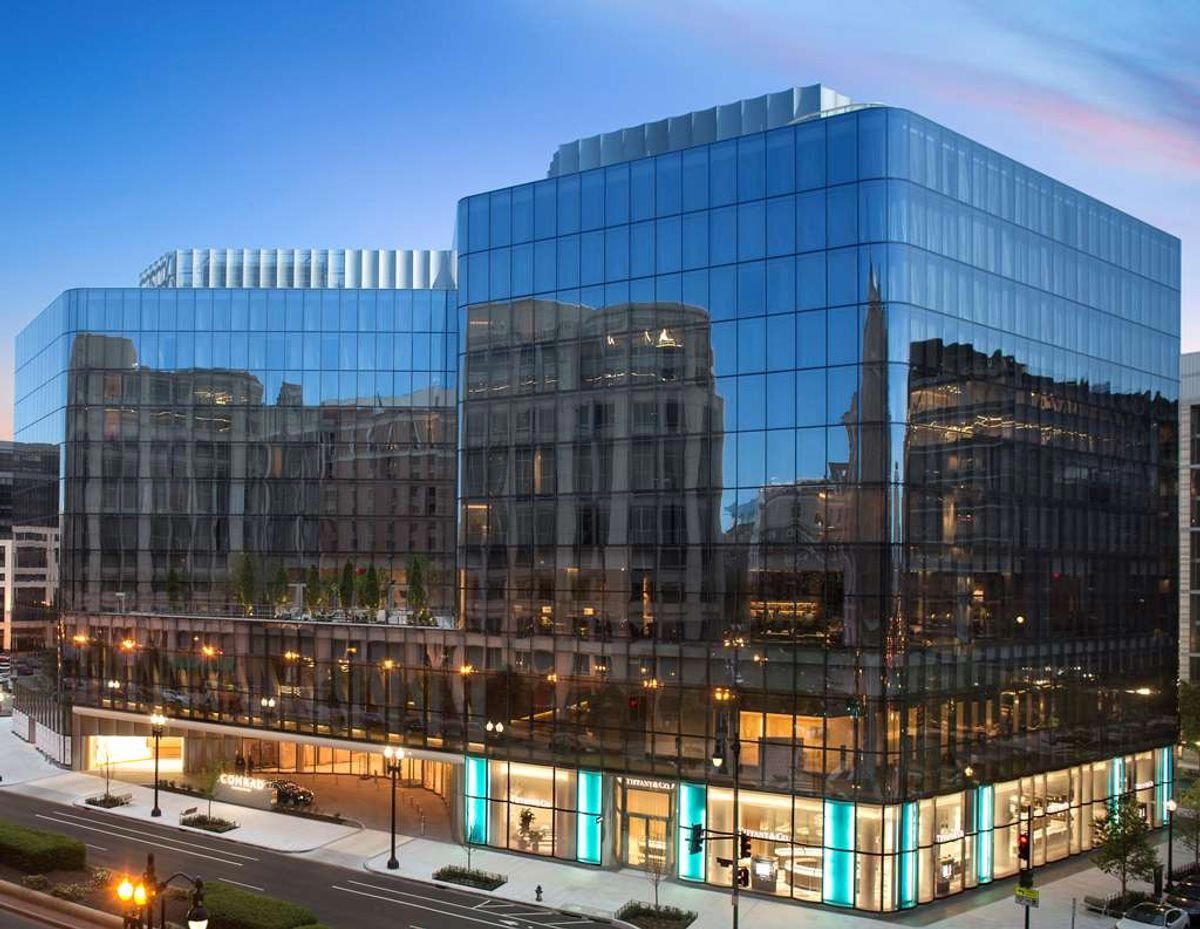
Washington's fine-dining axis has shifted. For decades, the city's most serious restaurants clustered around Penn Quarter, Georgetown, and the corridors that feed the expense-account trade near K Street. The emergence of NoMa and the M Street NE corridor represents something different: a dining scene that draws on neighborhood density and mixed-use development rather than proximity to political institutions. Marcus DC, at 222 M St NE, is part of that geographic reorientation, positioned in a part of the city where the diner demographic skews younger and the occasion is as likely to be a considered weeknight dinner as a client meal.
That address matters because it shapes expectation. Restaurants in this corridor operate alongside peers like Albi, which has built a nationally recognized identity around live-fire Middle Eastern cooking, and Oyster Oyster, which has made a rigorous case for vegetable-forward New American cooking at the $$$ tier. Marcus DC enters that conversation from a different angle, and understanding where it sits relative to those neighbors is part of reading it correctly.
The Lunch-Dinner Split: Two Different Restaurants in One Room
In Washington more than most American cities, the lunch-dinner divide carries genuine weight. The city's working population has historically used midday dining as a functional extension of professional life, which means lunch services at serious restaurants have long been shaped by time pressure, table-turn expectations, and the need to deliver a complete experience inside ninety minutes. Evening service operates under different physics: the pace opens up, the menu can extend, and the room itself tends to read differently once the natural light fades and the crowd shifts from professional to social.
At Marcus DC, this divide is worth treating as a genuine planning variable. Daytime service at restaurants in this category typically offers a compressed version of the kitchen's range, often at a lower price point, with a format that rewards the diner who wants to assess the kitchen's fundamentals without committing to a full evening progression. Evening service, by contrast, is where the full menu logic tends to reveal itself, where the kitchen has more time to execute, and where the room's intended atmosphere becomes legible.
For a first visit, the calculus depends on what you want to learn about the kitchen. Lunch is an efficient diagnostic. Dinner is the fuller argument. Washington peers like Jônt, which operates as a ticketed tasting counter with no lunch service at all, represent one end of the spectrum. Causa, running its Peruvian format at the $$$$ tier, similarly concentrates its identity in the evening. Marcus DC's willingness to operate across both dayparts puts it in a different category, one where the kitchen has to sustain quality across a wider service window.
Where Marcus DC Sits in Washington's Wider Dining Conversation
Washington's upper tier has become genuinely competitive over the past decade. minibar by José Andrés established that the city could support a full avant-garde tasting format. The Inn at Little Washington has held its position as the region's most decorated destination dining room for decades. What has changed is the middle layer: a cohort of serious, technically capable restaurants operating at the $$$-$$$$ band that give the city a depth it lacked fifteen years ago. Marcus DC belongs to that cohort, in a city that now has genuine peer restaurants across multiple neighborhoods rather than a single concentrated fine-dining district.
Nationally, the restaurant name itself carries associations worth noting. Marcus Samuelsson's broader portfolio spans New York, Washington, and beyond, and his restaurants have consistently engaged with questions of American identity, diaspora cooking, and what ambitious dining looks like when it draws on African and Scandinavian traditions simultaneously. That lineage places Marcus DC in a different frame than, say, a French-technique American restaurant. It sits closer in spirit to the conversation happening at Atomix in New York, where a distinct cultural identity drives the menu logic, than to the classical European-derived formats at Le Bernardin or The French Laundry.
Across the national fine-dining tier, there is a recognizable pattern: restaurants that combine a named chef's identity with a defined cultural perspective tend to hold their audience more durably than those built purely on technique. Blue Hill at Stone Barns in Tarrytown has done this around agricultural provenance. Providence in Los Angeles has done it around seafood sourcing. Marcus DC's version of this argument is rooted in a specific cultural inheritance that gives the kitchen a point of view beyond the technique-first frame.
What to Eat and When to Book
What can be said with confidence: the kitchen's reference points, rooted in Marcus Samuelsson's documented culinary background, suggest a menu that engages with spice, smoke, and fermentation as structural elements rather than accent notes. That places it in a different register from the cream-and-butter architecture of classical French American dining, and closer to restaurants like Addison in San Diego or Lazy Bear in San Francisco, where a defined cultural lens shapes what arrives at the table.
On booking: Washington's serious restaurants have tightened their reservation windows considerably post-2020. At the $$$$ tier, tables at peer restaurants in the city typically move within days of release, particularly for Friday and Saturday evening slots. Evening bookings at Marcus DC should be secured as early as the booking window allows. Lunch typically offers more flexibility, which is another argument for using a midday visit as a lower-friction entry point if the restaurant is new to you.
For readers building a broader Washington itinerary, our full Washington, D.C. restaurants guide maps the city's dining scene across neighborhoods, price tiers, and formats. For context on what comparable ambition looks like in other American cities, Alinea in Chicago, Single Thread Farm in Healdsburg, and Emeril's in New Orleans each represent different answers to the same question Marcus DC is working through: what does a chef-driven American restaurant owe to place, to tradition, and to the specific city it inhabits.
Know Before You Go
- Address: 222 M St NE, Washington, DC 20002
- Neighborhood: NoMa / M Street NE corridor
- Price tier: Contact directly for current pricing; peer restaurants in this D.C. corridor operate at the $$$ to $$$$ band
- Booking: Advance reservations strongly advised for evening service; check current booking platform at time of visit
- Leading for: Dinner for the full kitchen argument; lunch for an efficient first assessment
- Nearest comparison in D.C.: Albi (live-fire, $$$$), Causa (Peruvian, $$$$), Jônt (tasting counter, dinner only)
Frequently asked questions
What should I eat at Marcus DC?
The kitchen's documented reference points draw on African and Scandinavian culinary traditions, which suggests a menu that treats spice, smoke, and fermentation as primary flavors rather than finishing touches. Confirm the current menu directly before visiting, as seasonal rotations are standard at this tier. The dinner format is the fuller expression of that range; lunch typically offers a condensed version of the same kitchen logic at a lower commitment level.
Should I book Marcus DC in advance?
Yes. Washington's $$$$ tier restaurants have tightened significantly since 2020, and evening slots at peer restaurants in the NoMa and Penn Quarter corridors typically fill within days of release. Dinner reservations should be secured as early as the booking window allows. Lunch slots generally offer more availability and are a practical option for first-time visitors or those with scheduling constraints.
What makes Marcus DC worth seeking out?
In a city where fine dining has historically defaulted to French-technique American or direct steakhouse formats, Marcus DC brings a defined cultural identity rooted in Marcus Samuelsson's documented culinary lineage. That gives the kitchen a specific point of view rather than a generically ambitious one, which is increasingly the differentiator among serious American restaurants. It also operates across both lunch and dinner, which is less common at this price tier in Washington than it might appear.
How does Marcus DC fit within Washington D.C.'s broader fine-dining scene for visitors arriving from internationally recognized restaurant cities?
Washington's upper tier has developed genuine depth over the past decade, and Marcus DC sits within a cohort of serious, chef-driven restaurants that now give the city competitive range alongside destinations like New York, Chicago, and San Francisco. For visitors who have experienced 8 1/2 Otto e Mezzo Bombana in Hong Kong or comparable internationally recognized formats, Marcus DC represents a specifically American answer: a kitchen shaped by diaspora cooking traditions rather than European technique orthodoxy, at an address that reflects the city's evolving restaurant geography rather than its traditional power-dining corridors.
At a Glance
Comparable venues nearby, for context on price, style, and recognition.
| Venue | Cuisine | Price | Awards | Notes |
|---|---|---|---|---|
| Marcus DCThis venue (the venue you are viewing) | Modern American with Black Culinary Traditions | $100–150 | James Beard Award Semi Finalist · Washingtonian 100 Very Best Restaurants #32 | Not listed |
| Equinox - DC | Contemporary American Fine Dining | $30–50 | Not listed | Golden Triangle, Contemporary American Fine Dining |
| Roof Terrace Restaurant | Modern American with French Techniques | $50–100 | Not listed | Foggy Bottom, Modern American with French Techniques |
| Seasons | Contemporary American Fine Dining | $50–100 | Not listed | East Village Georgetown, Contemporary American Fine Dining |
| Proper 21 | Modern American Sports Bar | $30–50 | Not listed | East End, Modern American Sports Bar |
| The Lafayette | Upscale Contemporary American with French influences | $50–100 | Not listed | Golden Triangle, Upscale Contemporary American with French influences |
Recognition history
Dated appearances from independent guides and award organizations, with the underlying list record or original source where available.
James Beard Award Semi Finalist
James Beard Award
Washingtonian 100 Very Best Restaurants #32
Washingtonian
Continue exploring
More in Washington DC
Restaurants in Washington DC
All restaurants in Washington DC →
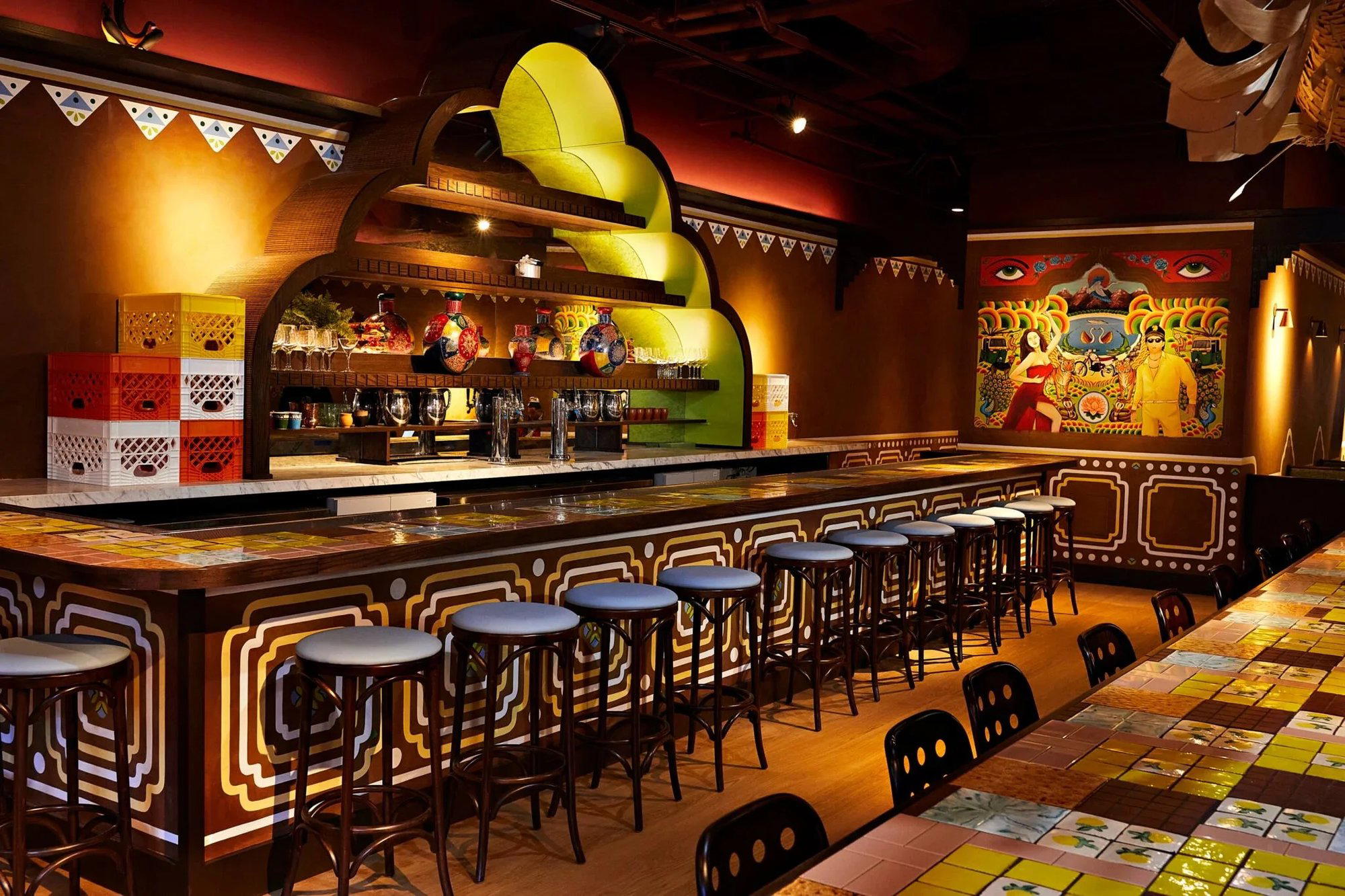
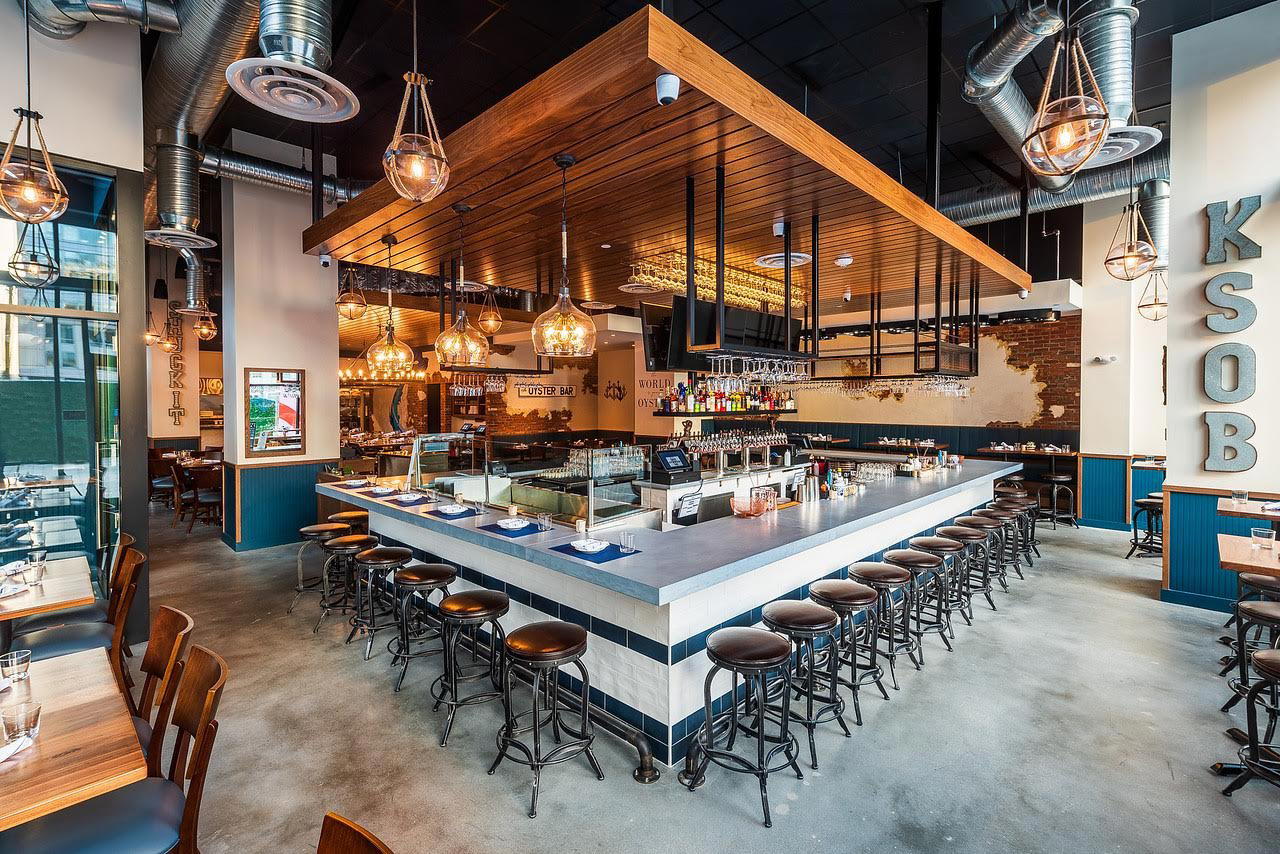
Bars in Washington DC
All bars in Washington DC →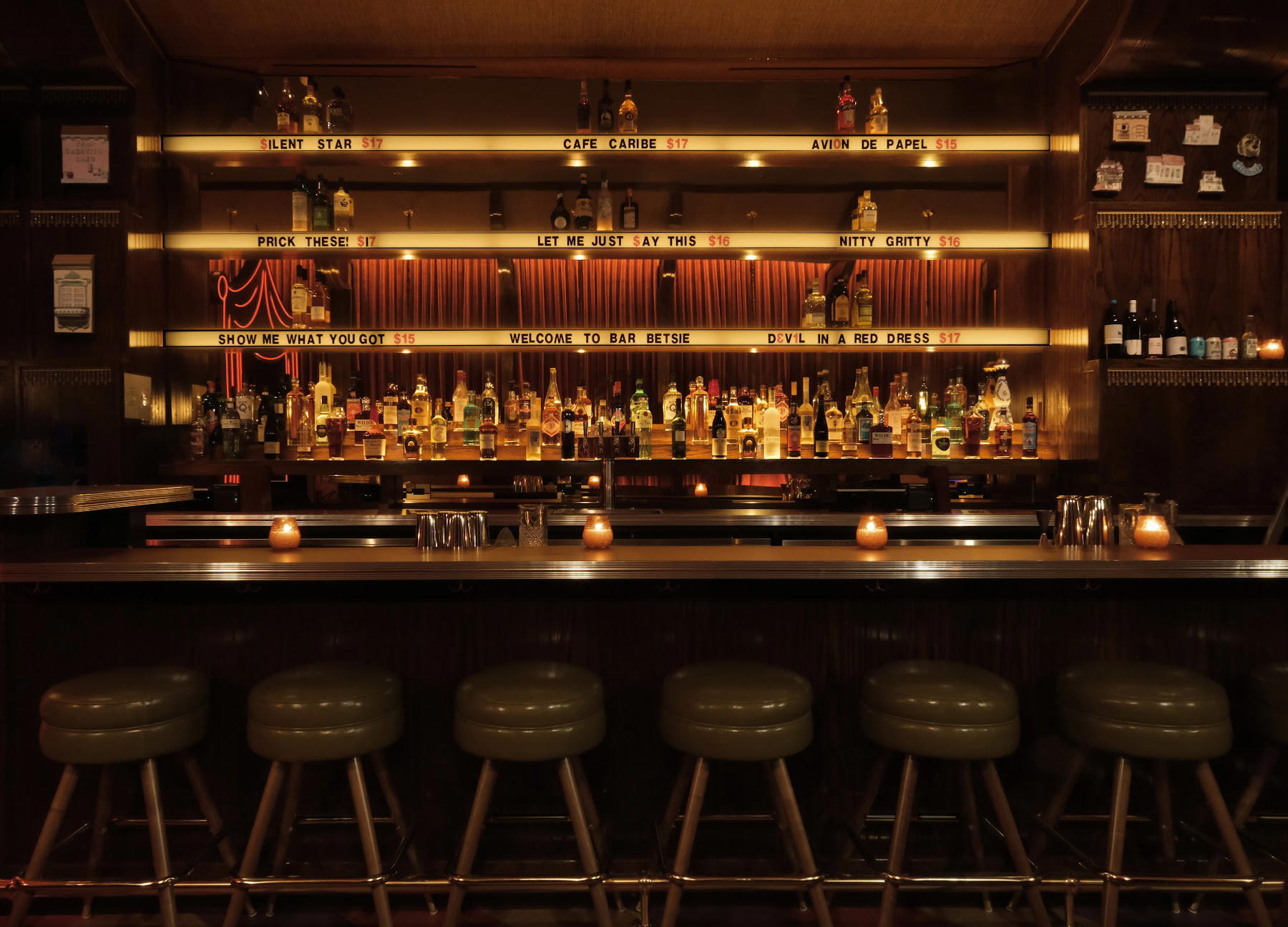
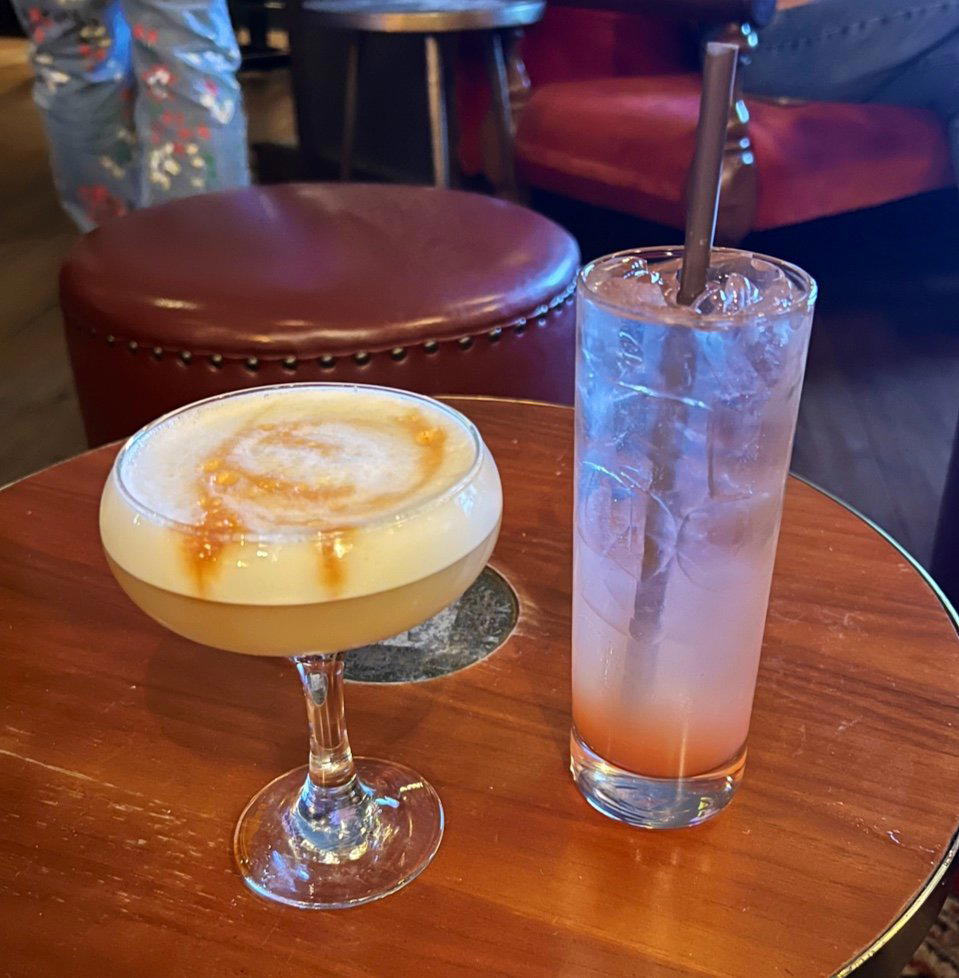
Details
- Lively
- Modern
- Elegant
- Sophisticated
- Date Night
- Special Occasion
- Group Dining
- Hotel Restaurant
- Private Dining
- A La Carte
Current opening hours
- Monday
- 5–10 PM
- Tuesday
- 5–10 PM
- Wednesday
- 5–10 PM
- Thursday
- 5–10 PM
- Friday
- 5–11 PM
- Saturday
- 5–11 PM
- Sunday
- Closed
Hours can change for holidays and private events. Hours as of .
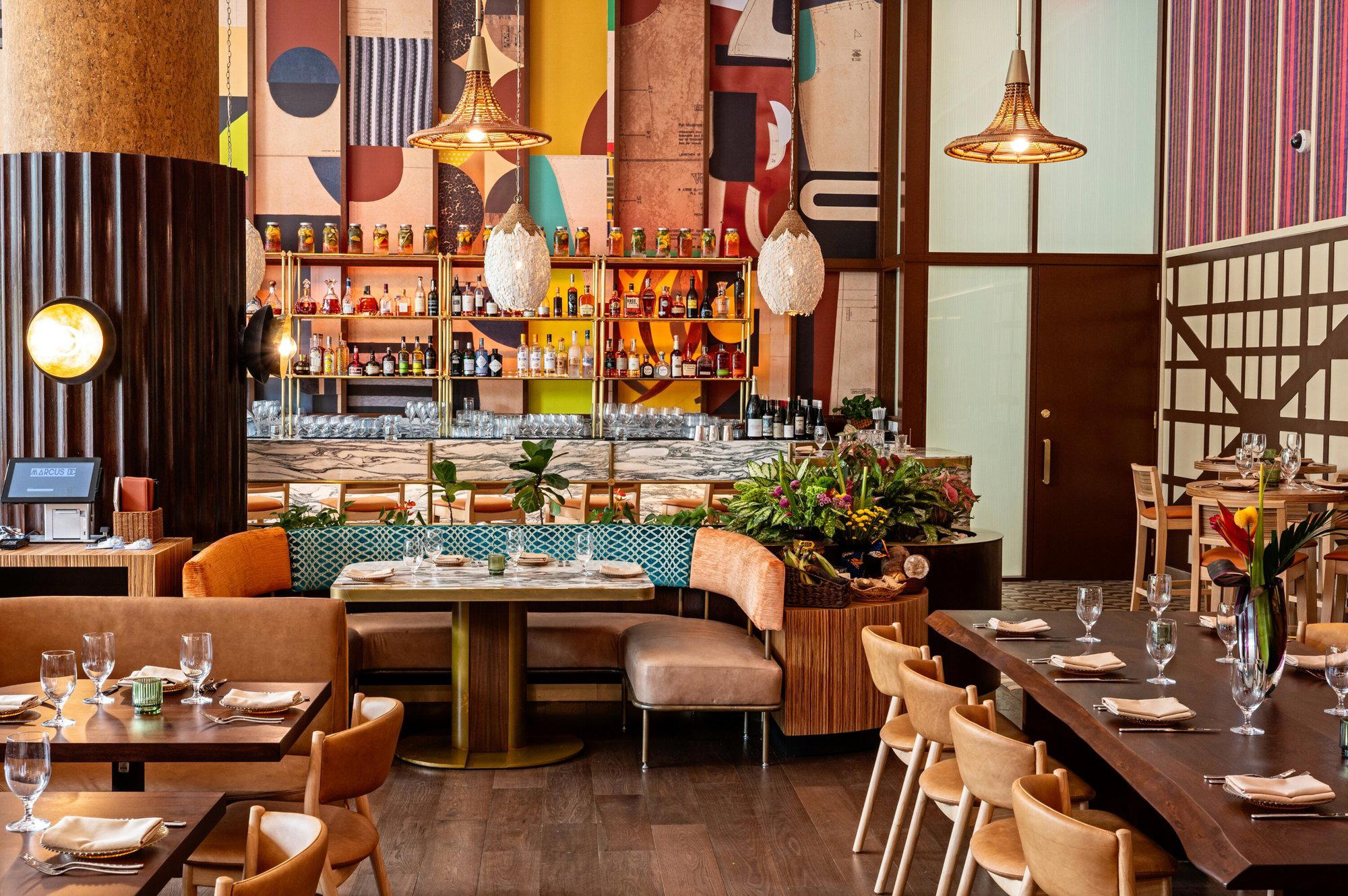
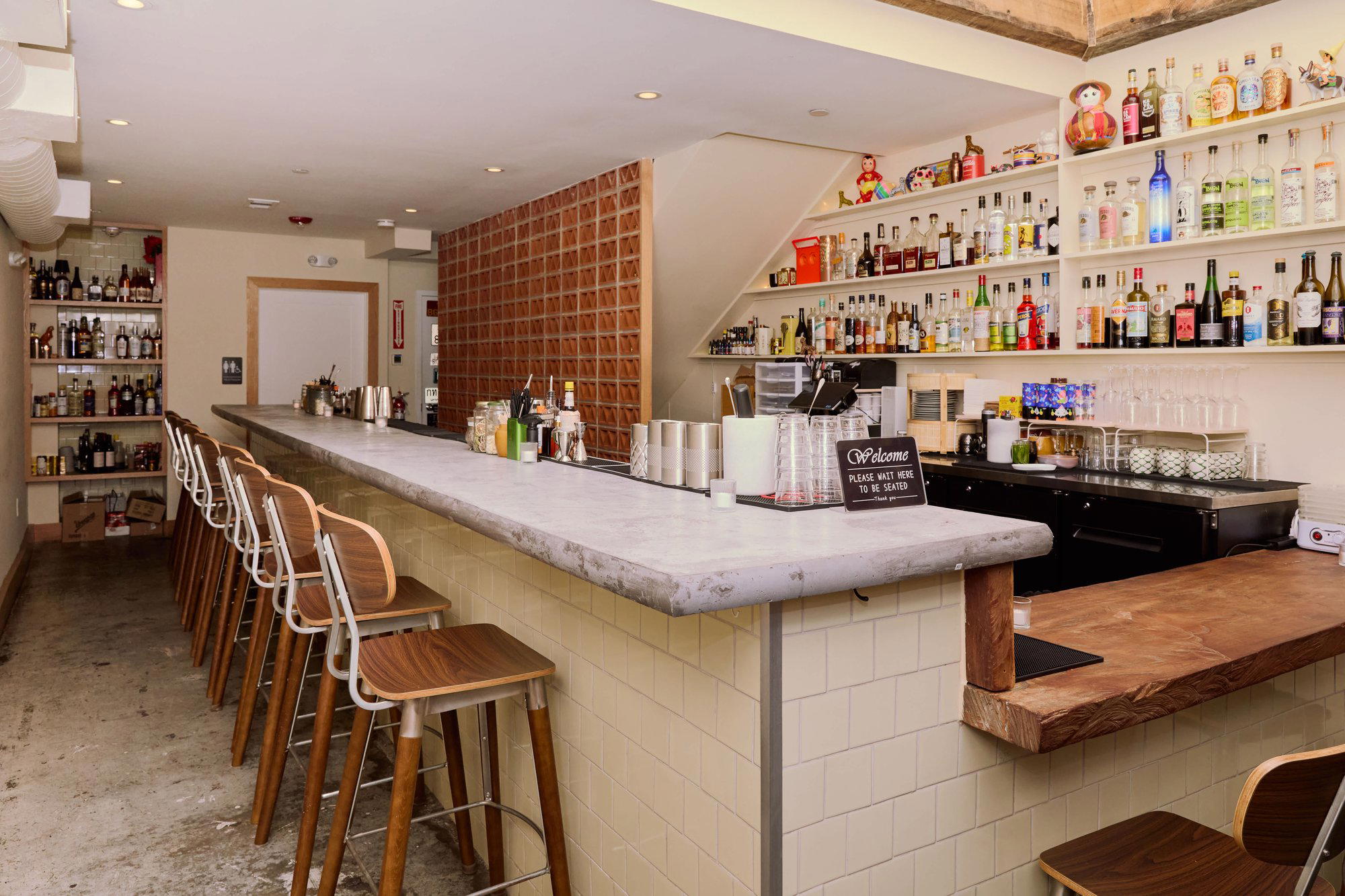
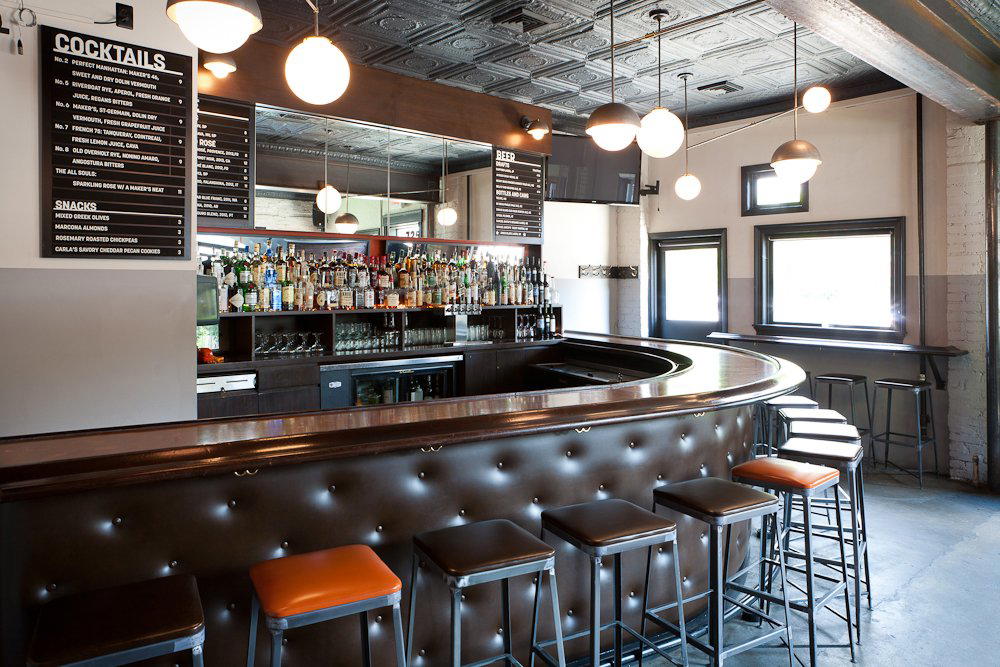
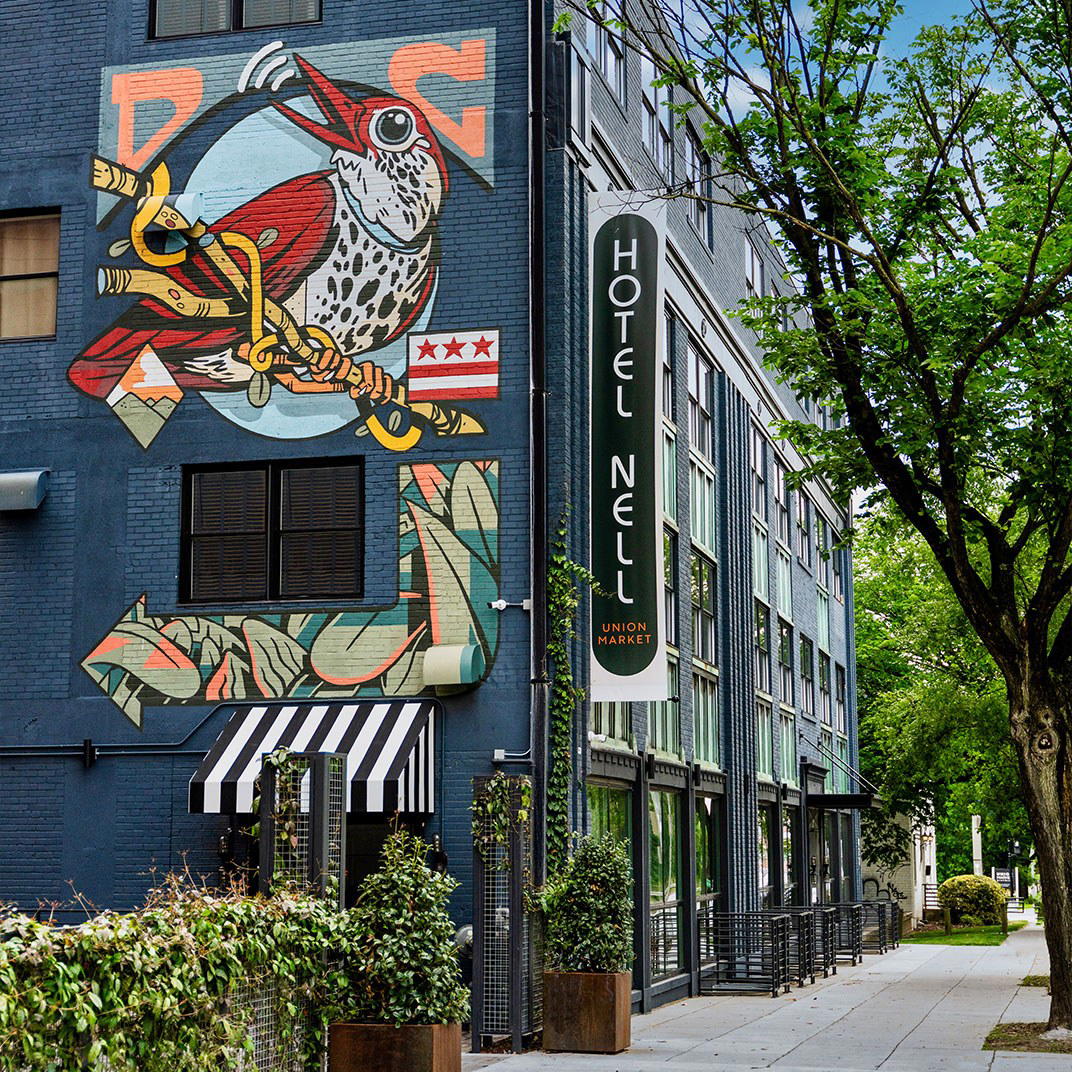
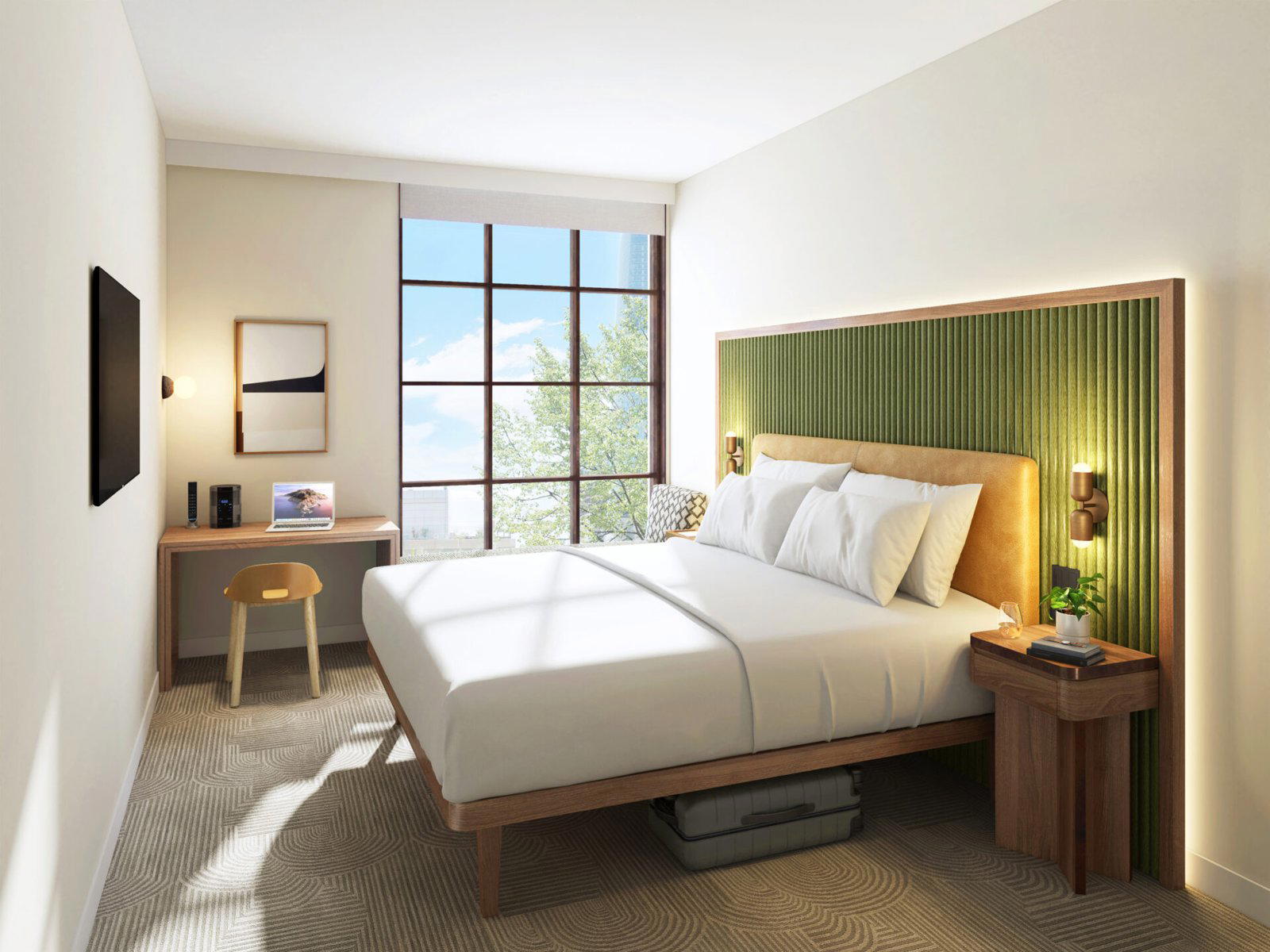
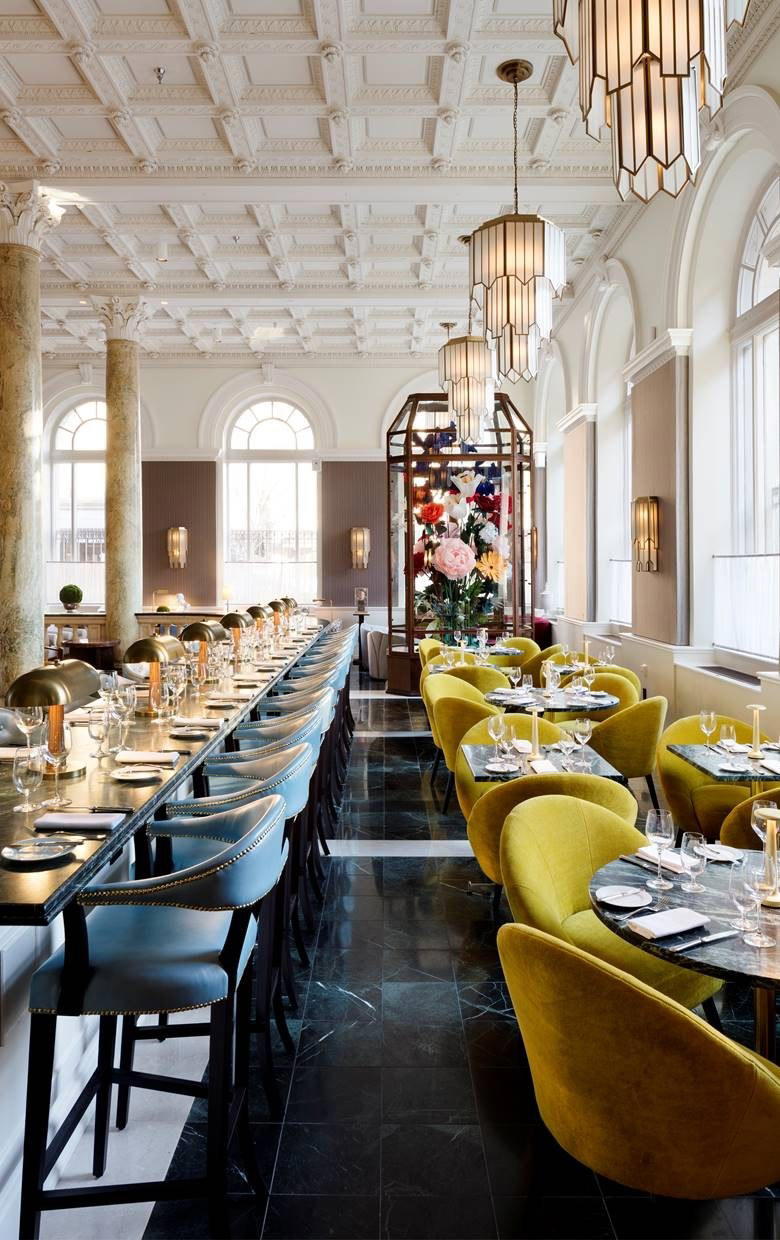
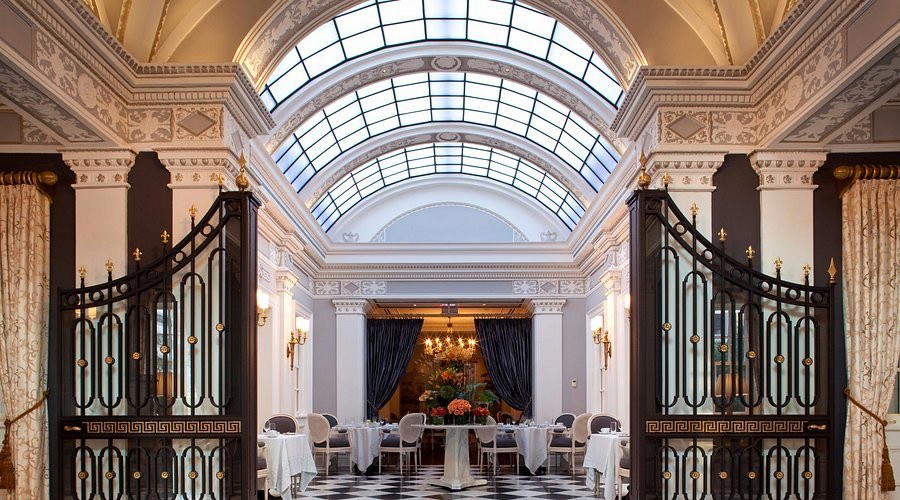
Lively brasserie atmosphere with a mural by Derrick Adams, rich green tones in private dining, and a lively soundtrack under modern lighting.