THE GRILL
At 99 Market Square SW, The Grill occupies a corner of Washington's Southwest Waterfront district where the city's power-lunch tradition meets a more contemporary dining register. Positioned alongside D.C.'s competitive upper-tier restaurant set, it draws a crowd that expects substance over spectacle. For visitors assessing the capital's fine-dining options, The Grill warrants comparison against the neighbourhood's broader culinary ambitions.
Pearl is the En Primeur Club membership app — saves, bookings, and concierge access live there. Same editors, same standards.
- Address
- 99 Market Square SW, Washington, DC 20024
- Phone
- +12029165996
- Website
- thegrilldc.com
- Directions
- Get directions
 Saves & bookings on Pearl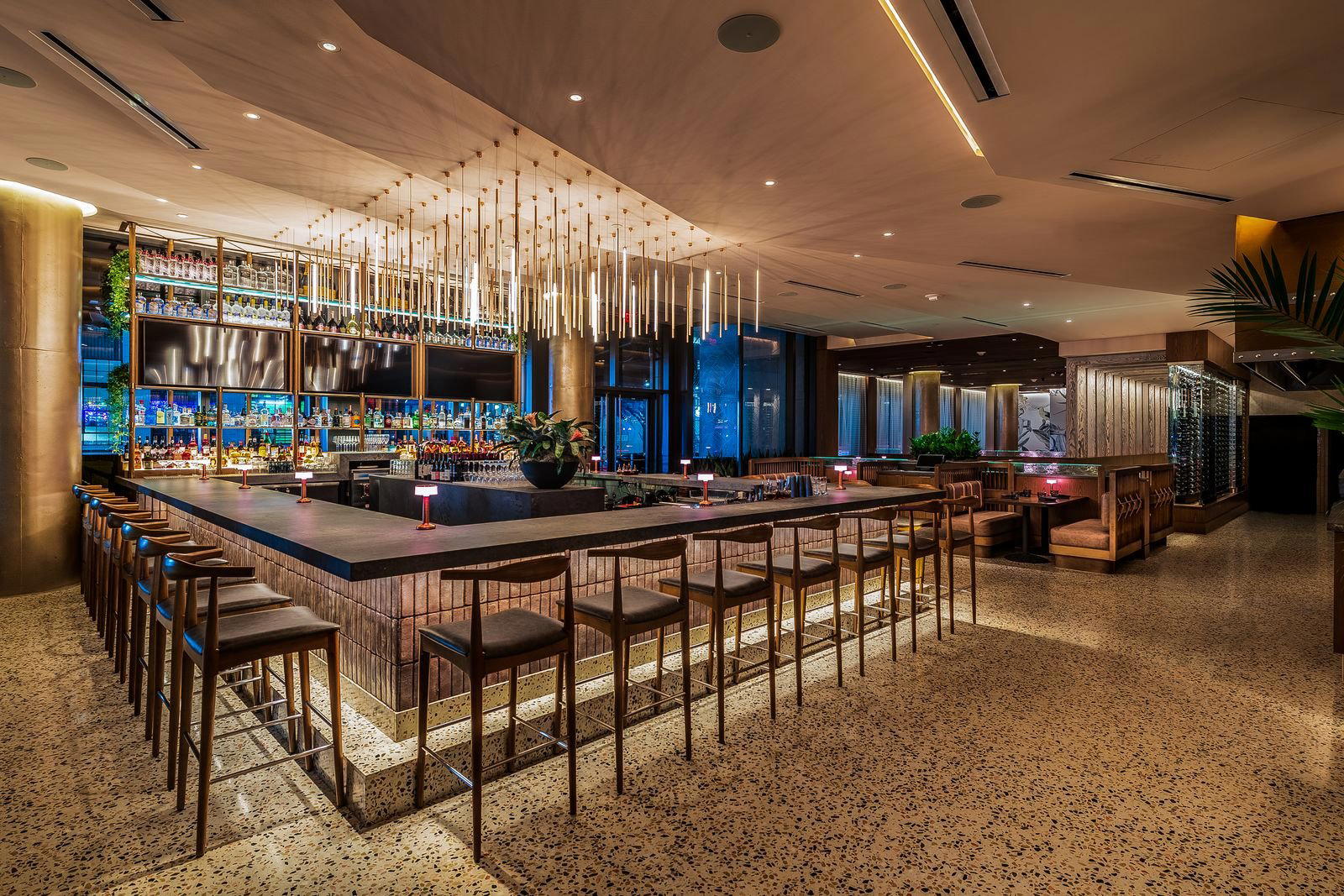
Where the Room Does the Work
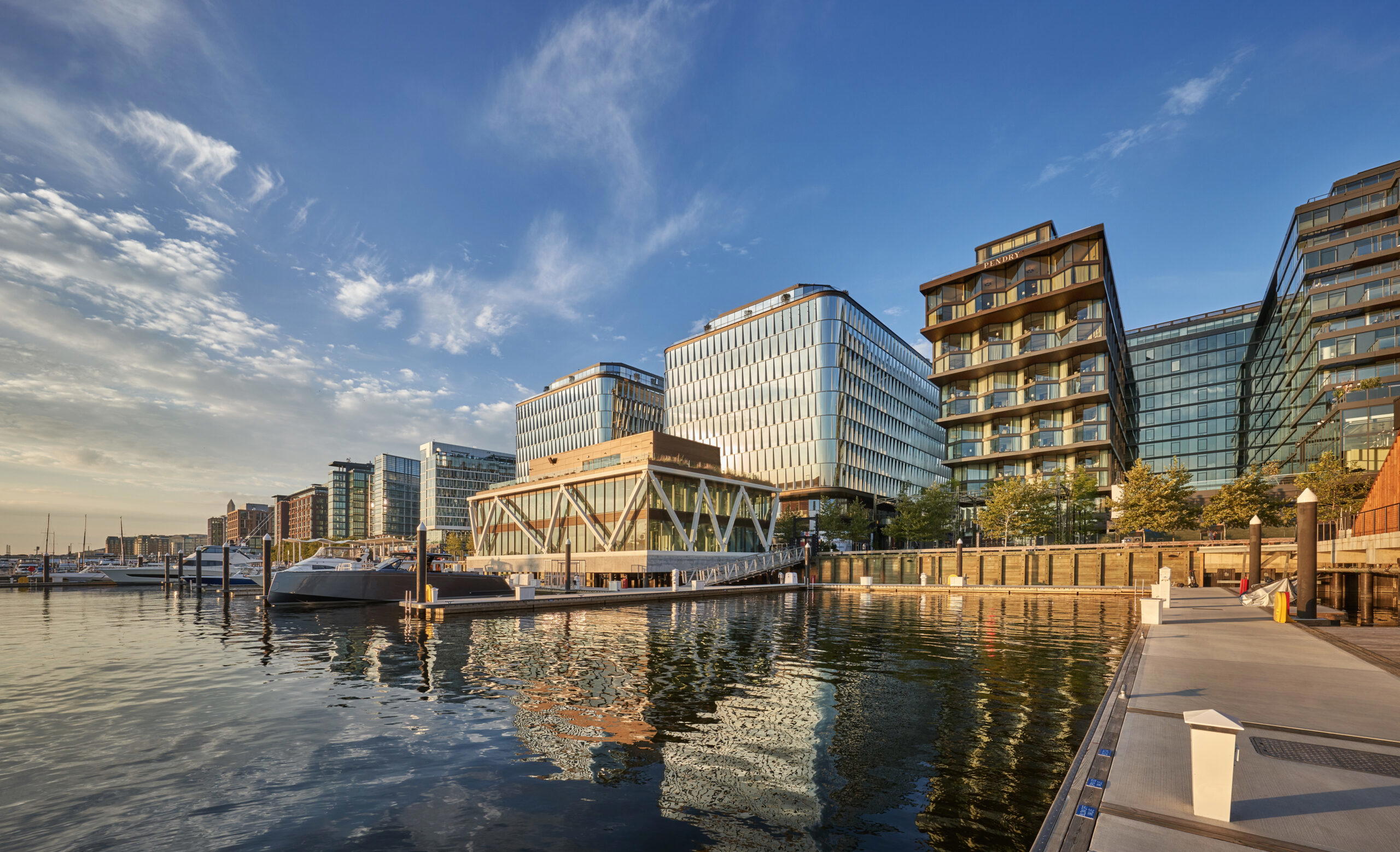
Washington's Southwest Waterfront has undergone a sustained redevelopment over the past decade, and the dining culture that has settled there reflects a specific civic appetite: rooms that project authority without excess, menus that signal seriousness rather than novelty, and an atmosphere calibrated for conversation rather than performance. The Grill is a Modern American Steakhouse in Washington, DC, at 99 Market Square SW. The address alone places it in a neighbourhood where the waterfront's physical openness contrasts with the tighter, more insular dining rooms that define much of Penn Quarter or Dupont Circle. Approaching from the waterfront promenade, the expectation is of a room that earns its formality through material weight rather than decoration.
In American cities with a political centre of gravity, the classic grill format has served a durable function. The broad, wood-panelled dining room, the booths arranged for semi-privacy, the sounds of flatware on ceramic rather than an aggressively curated soundtrack, these are not nostalgic choices so much as functional ones. The format communicates that the dining experience will not compete with the conversation happening across the table. That atmospheric logic is what separates the grill tradition from the tasting-menu counter or the chef-driven open kitchen, formats where the room itself is asking for attention.
The Grill Format in D.C.'s Competitive Set
Washington's upper-tier restaurant scene has diversified considerably. The city now sustains a range of formats and price points that would have seemed implausible twenty years ago. At the progressive end, minibar and Jônt operate in the tasting-menu tier where booking windows stretch weeks ahead and the per-person spend reflects that scarcity. At the ingredient-driven end, Oyster Oyster has built a reputation on sustainable sourcing within a more accessible price bracket. Albi and Causa operate at the $$$$-tier with cuisine frameworks that are specific and regionally grounded.
The classic American grill occupies a different lane from all of these. It is not defined by a singular sourcing philosophy or a tasting-menu architecture, but by a format that has proven resilient across American dining cycles precisely because its pleasures are legible. Grilled proteins, confident seasoning, a wine list built for depth rather than discovery, service that prioritises efficiency alongside warmth: these are the components that kept the grill format relevant through the experimental dining waves of the 2000s and 2010s. In a city where dinner is frequently also a working meal, that legibility carries genuine value.
The National Grill Tradition and Its Benchmarks
Across American cities, the grill format has produced particularly enduring fine-dining rooms. Le Bernardin in New York City represents the formal end of that lineage, where the room's restraint amplifies the precision of what arrives on the plate. Emeril's in New Orleans has sustained decades of relevance through a similar calibration of room and format. Further afield, the contrast between the grill tradition and the more theatrically experimental formats is sharpest when placed against venues like Alinea in Chicago or Lazy Bear in San Francisco, where the dining format is itself the primary artistic statement.
The West Coast adds further points of comparison. The French Laundry in Napa, Single Thread Farm in Healdsburg, and Addison in San Diego all occupy the tasting-menu tier where format discipline and seasonal architecture define the experience. Providence in Los Angeles and Blue Hill at Stone Barns in Tarrytown add an ingredient-sourcing rigour that has come to define a particular strand of American fine dining. None of these is in direct competition with the grill format, which is part of what makes the grill's persistence instructive: it serves a need that progressive formats explicitly decline to serve.
Internationally, the comparison holds. Atomix in New York City and 8 1/2 Otto e Mezzo Bombana in Hong Kong represent the global tasting-counter tier, where the room, the mise en place, and the sequencing of courses all function as deliberate statements. The classic grill asks none of those questions. It answers a simpler one: where can a serious diner eat well without the format becoming the subject of the evening?
In the D.C. context, The Inn at Little Washington, located in Washington, Virginia, represents the outer boundary of the capital region's fine-dining ambition, with a decades-long reputation and a setting that makes the drive part of the occasion. The Grill operates in a different register: urban, accessible by the standards of the Southwest Waterfront, and oriented toward a diner who wants substance without a two-hour drive or a six-week booking wait.
The neighbourhood has expanded its dining and event infrastructure significantly since the Wharf's phase-one opening, which means evening foot traffic in the area is now consistent across the week rather than concentrated on weekends.
| Venue | Price Tier | Format | Neighbourhood | Booking Lead Time |
|---|---|---|---|---|
| The Grill | Not confirmed | American Grill | Southwest Waterfront | |
| Jônt | $$$$ | Tasting Menu | Georgetown | Several weeks ahead |
| minibar | $$$$ | Tasting Counter | Penn Quarter | Several weeks ahead |
| Albi | $$$$ | À la carte / Sharing | Navy Yard | 1-2 weeks ahead |
| Causa | $$$$ | Tasting Menu / À la carte | Dupont Circle | 1-2 weeks ahead |
| Oyster Oyster | $$$ | À la carte / Seasonal | Shaw | 1-2 weeks ahead |
At a Glance
Comparable venues nearby, for context on price, style, and recognition.
| Venue | Cuisine | Price | Notes |
|---|---|---|---|
| THE GRILLThis venue — the venue you are viewing | Not listed | $$$$ | Not listed |
| Seasons | Not listed | $$$$ | East Village Georgetown, Contemporary American Fine Dining |
| Proper 21 | East End, Modern American Sports Bar | $$$ | Not listed |
| The Greenhouse | Dupont Circle, Contemporary American | $$$ | Not listed |
| The Occidental | Not listed | $$$$ | Downtown DC, Timeless American Fine Dining Steakhouse |
| Elizabeth's | East End, Vegan Fine Dining | $$$$ | Not listed |
Continue exploring
More in Washington DC
Restaurants in Washington DC
Browse all →
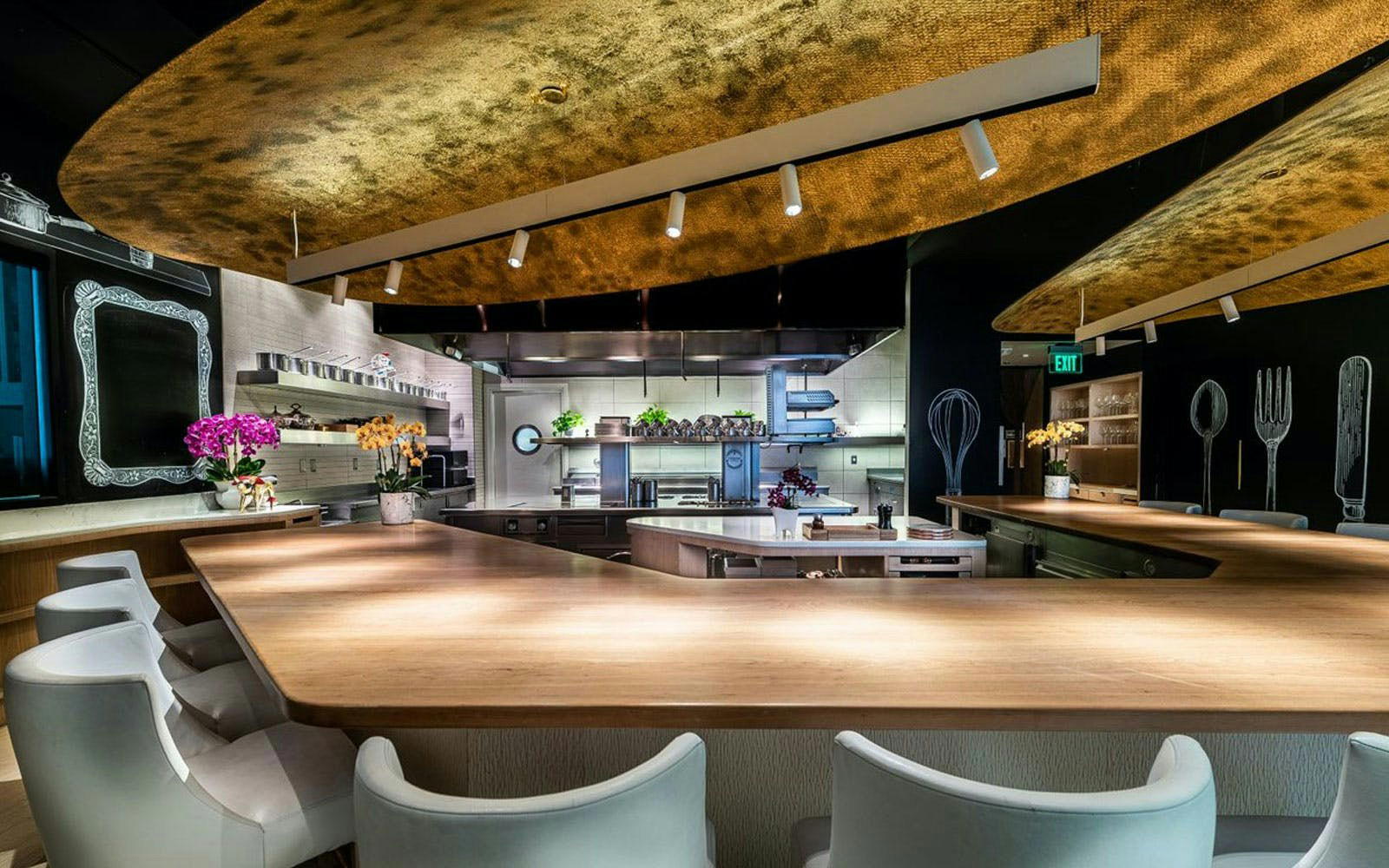
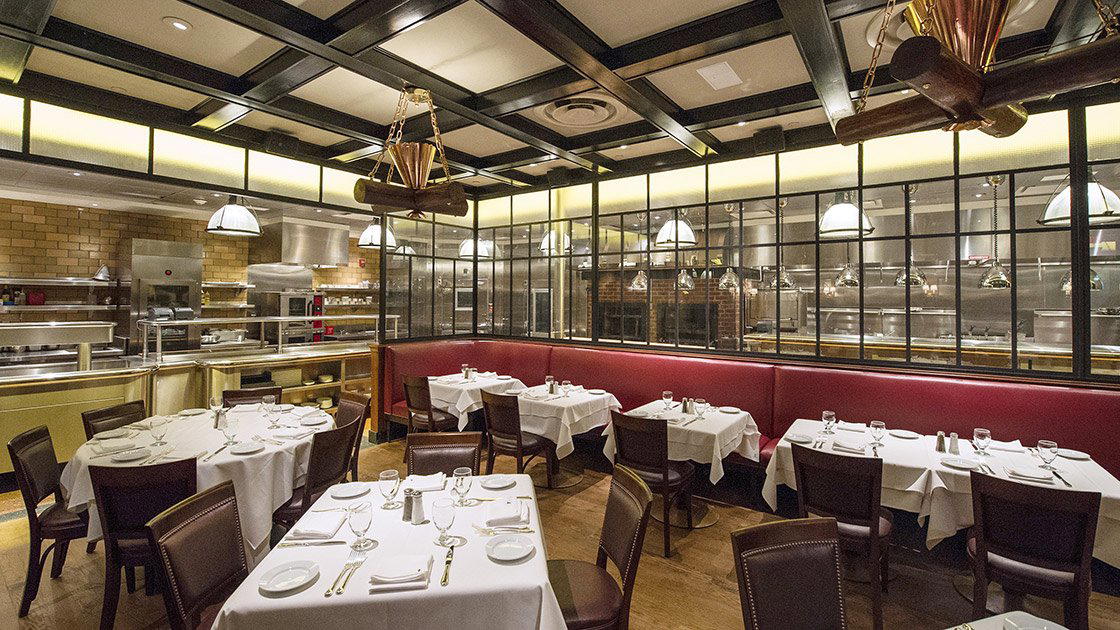
Bars in Washington DC
Browse all →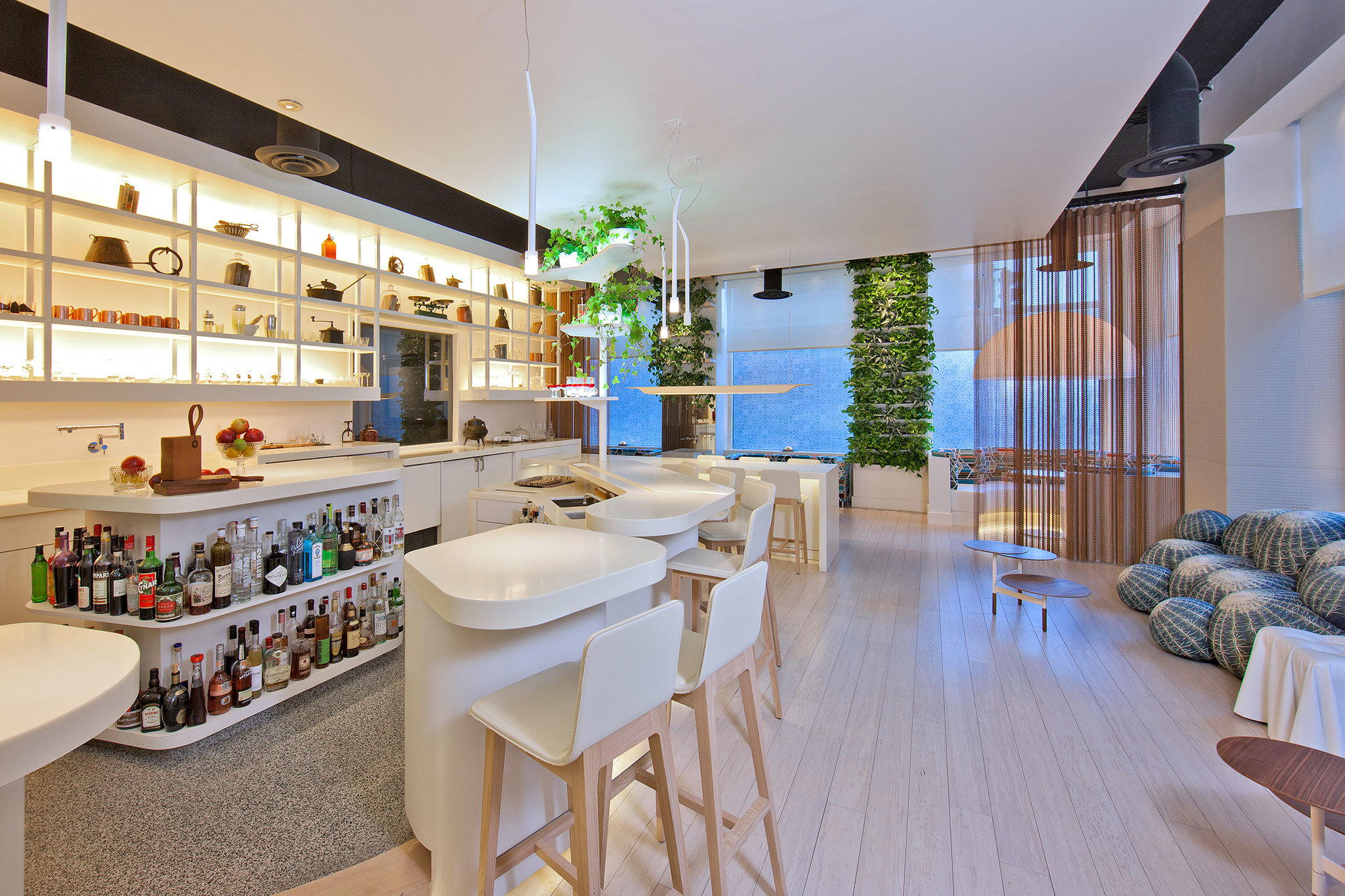
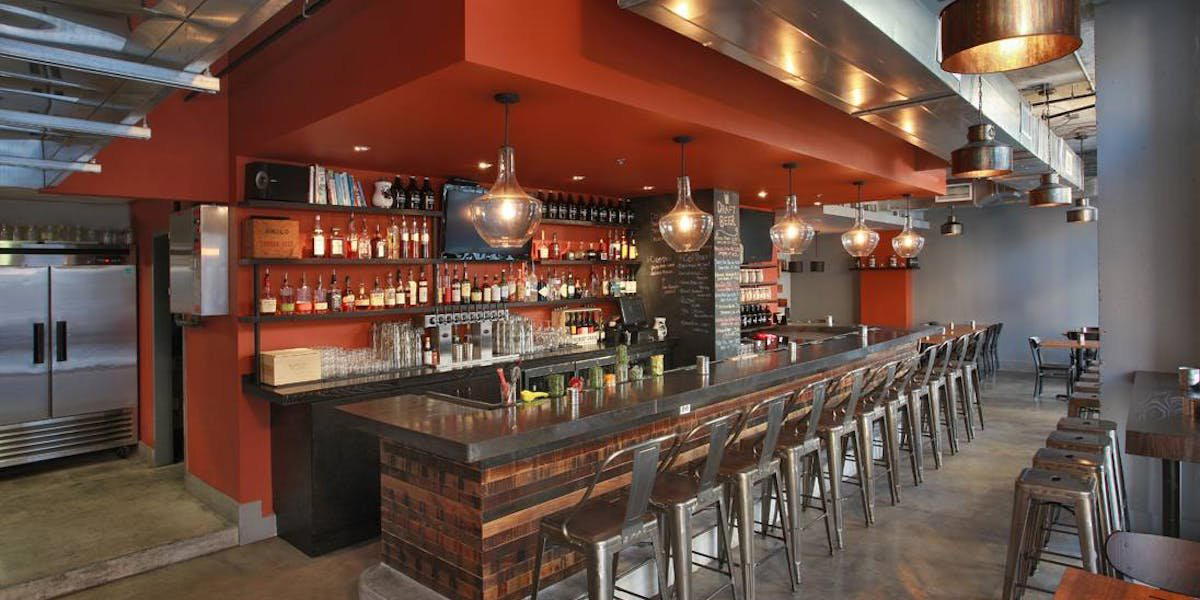
Hotels in Washington DC
Browse all →
At a Glance
- Modern
- Elegant
- Sophisticated
- Date Night
- Business Dinner
- Special Occasion
- Waterfront
- Open Kitchen
- Terrace
- Craft Cocktails
- Local Sourcing
- Waterfront
Current opening hours
- Monday
- 11:30 AM–10 PM
- Tuesday
- 11:30 AM–10 PM
- Wednesday
- 11:30 AM–10 PM
- Thursday
- 11:30 AM–10 PM
- Friday
- 11:30 AM–11 PM
- Saturday
- 11 AM–11 PM
- Sunday
- 11 AM–10 PM
Hours can change for holidays and private events. Last verified .
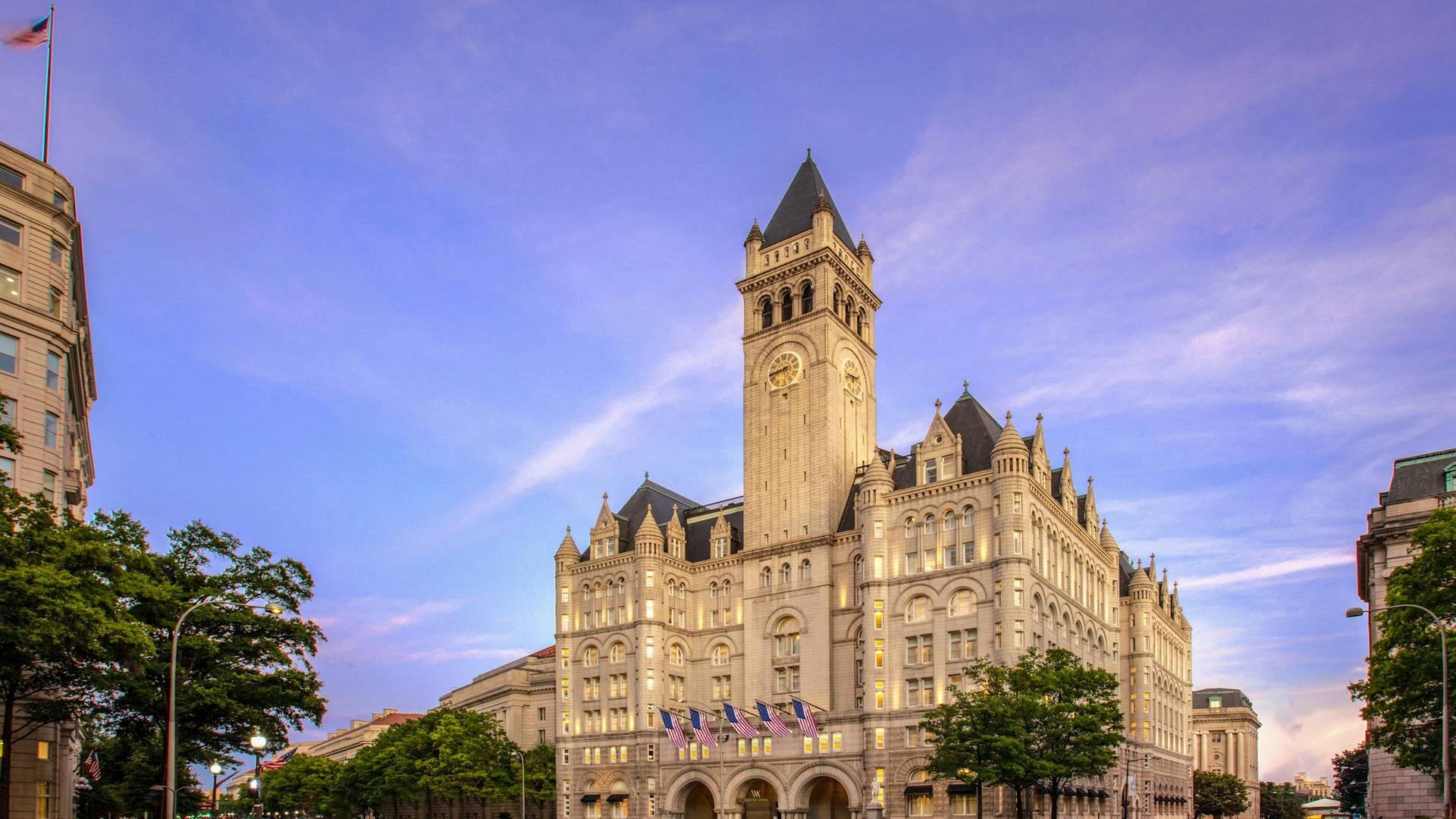
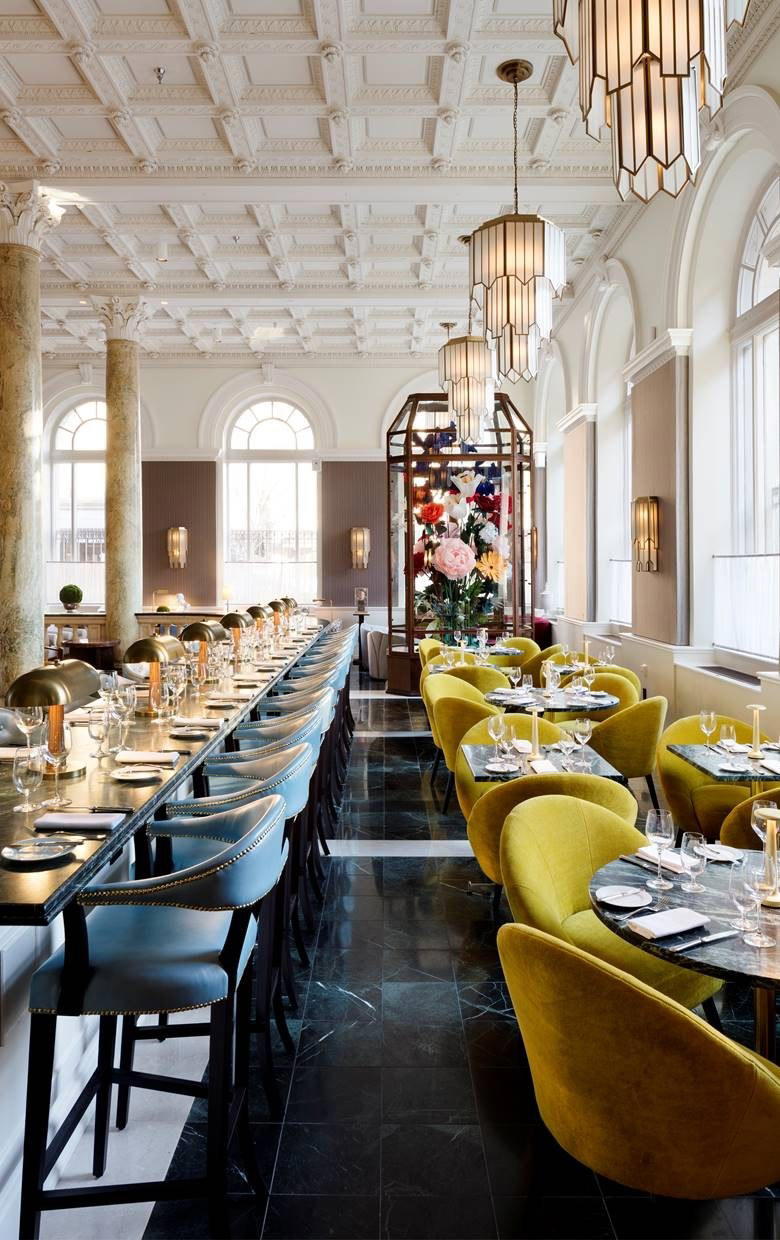
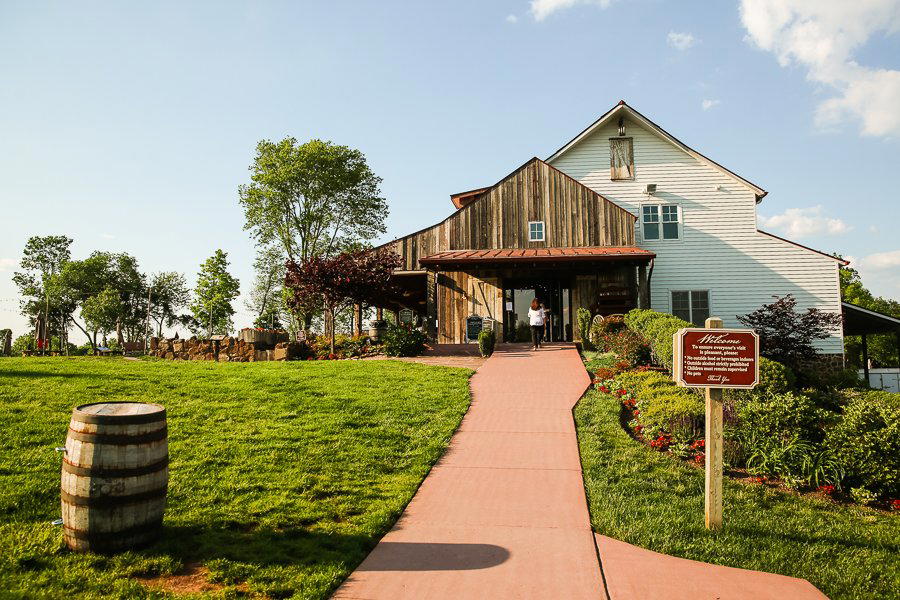
Polished mid-century modern with chic Miami influences, rose gold accents, soft lighting creating a shimmery incandescent effect, and an open kitchen showcasing the wood-fired Josper grill.