The Greenhouse
What the Address Tells You Before You Walk In 1200 16th Street NW is a coordinate that carries weight in Washington, D.C. This stretch of 16th Street, running north from the White House, is lined with institutions: embassies, private clubs, and...
Pearl is the En Primeur Club membership app — saves, bookings, and concierge access live there. Same editors, same standards.
- Address
- 1200 16th St NW, Washington, DC 20036
- Phone
- +12024482300
- Website
- jeffersondc.com
- Directions
- Get directions
 Saves & bookings on Pearl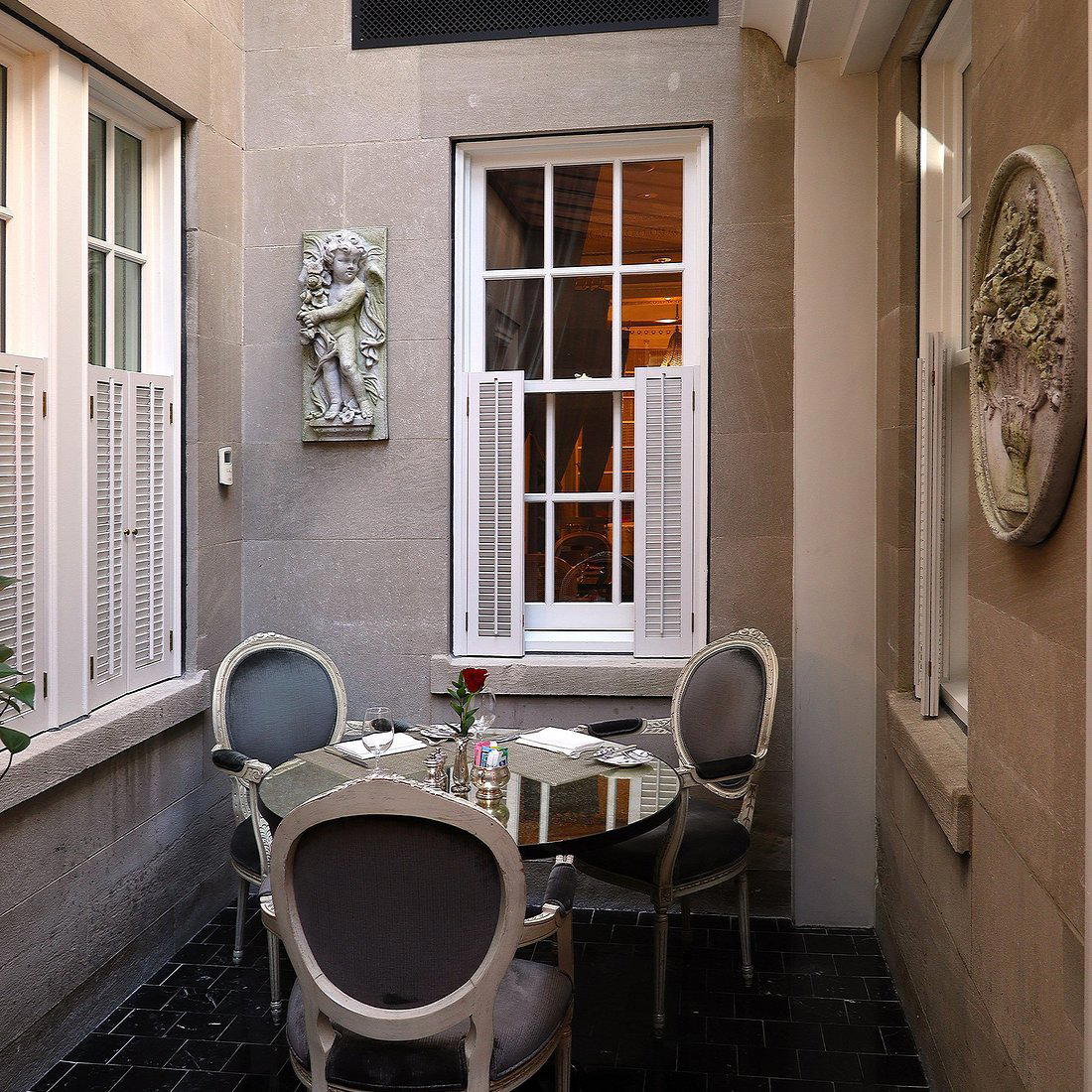
What the Address Tells You Before You Walk In
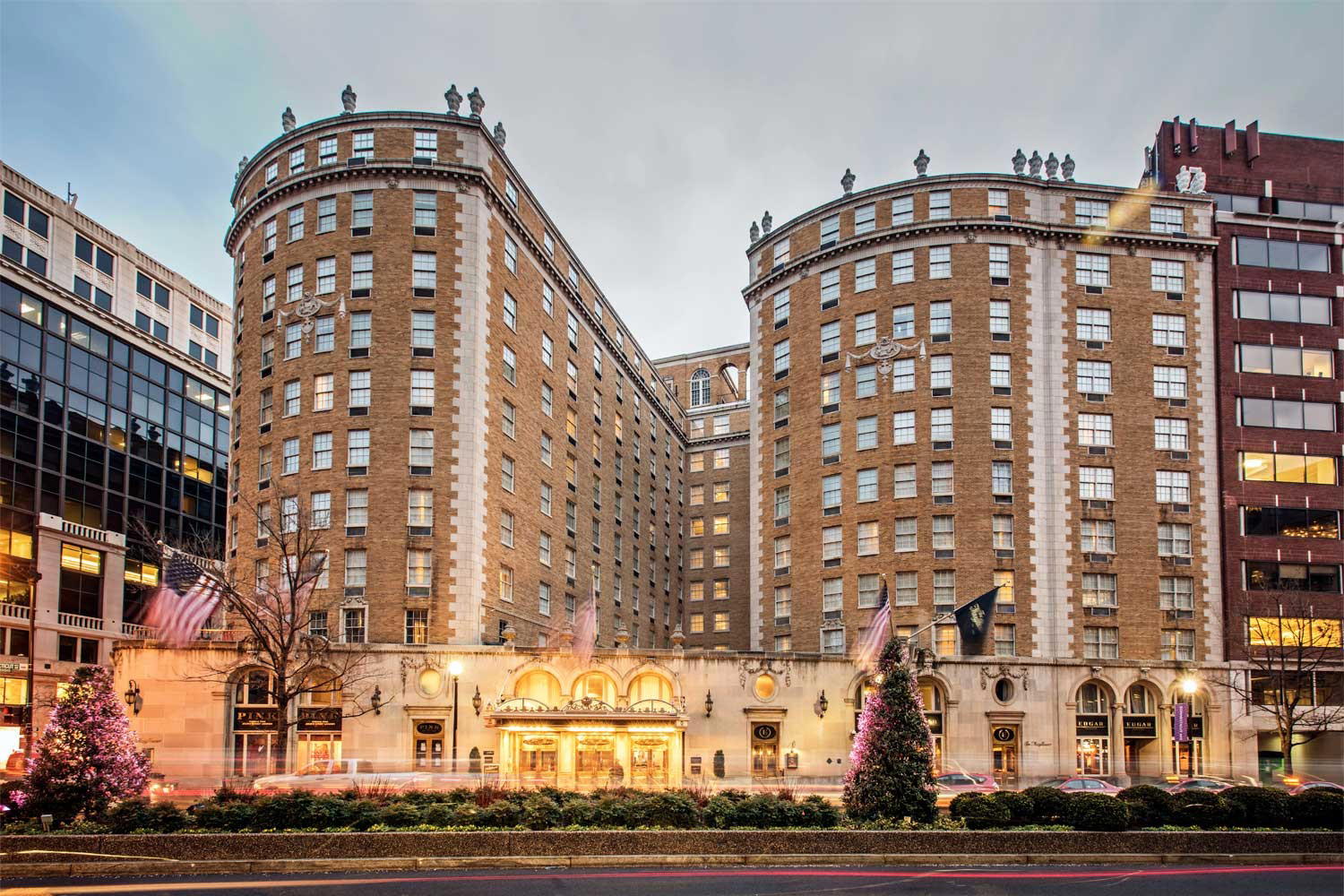
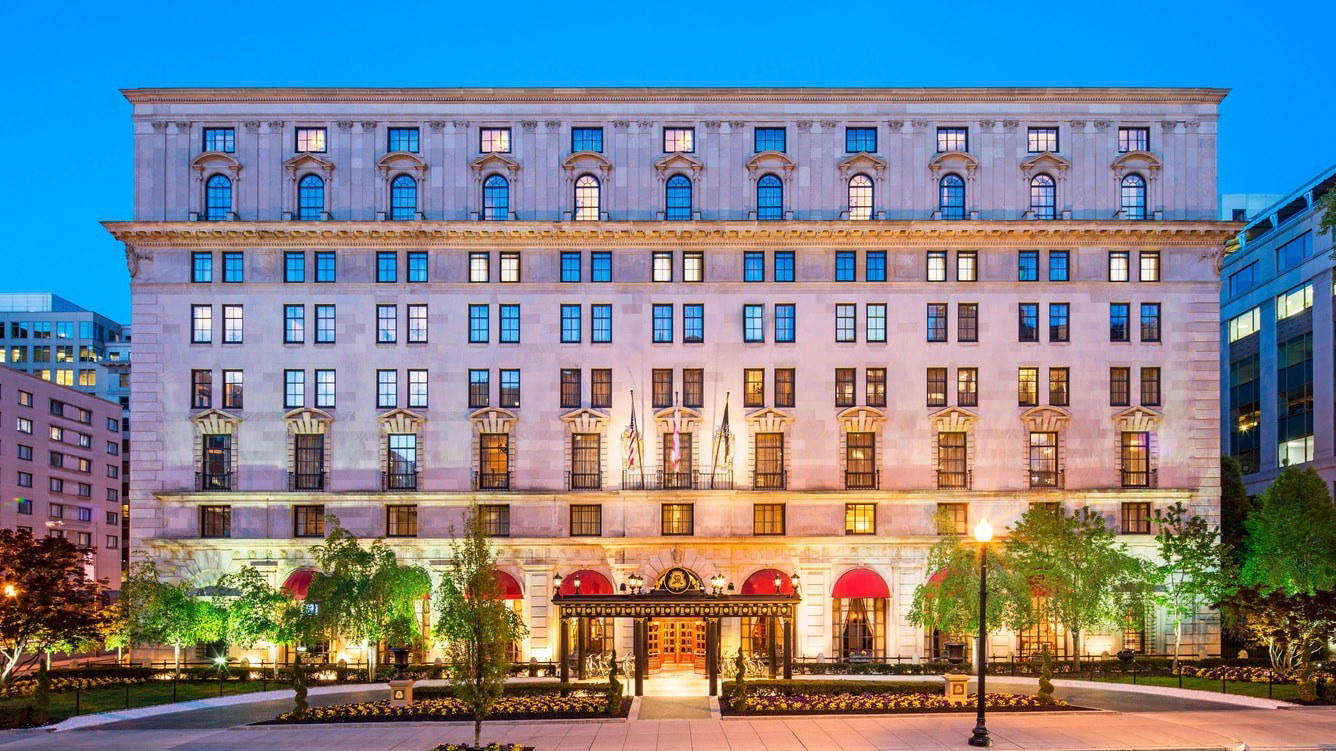
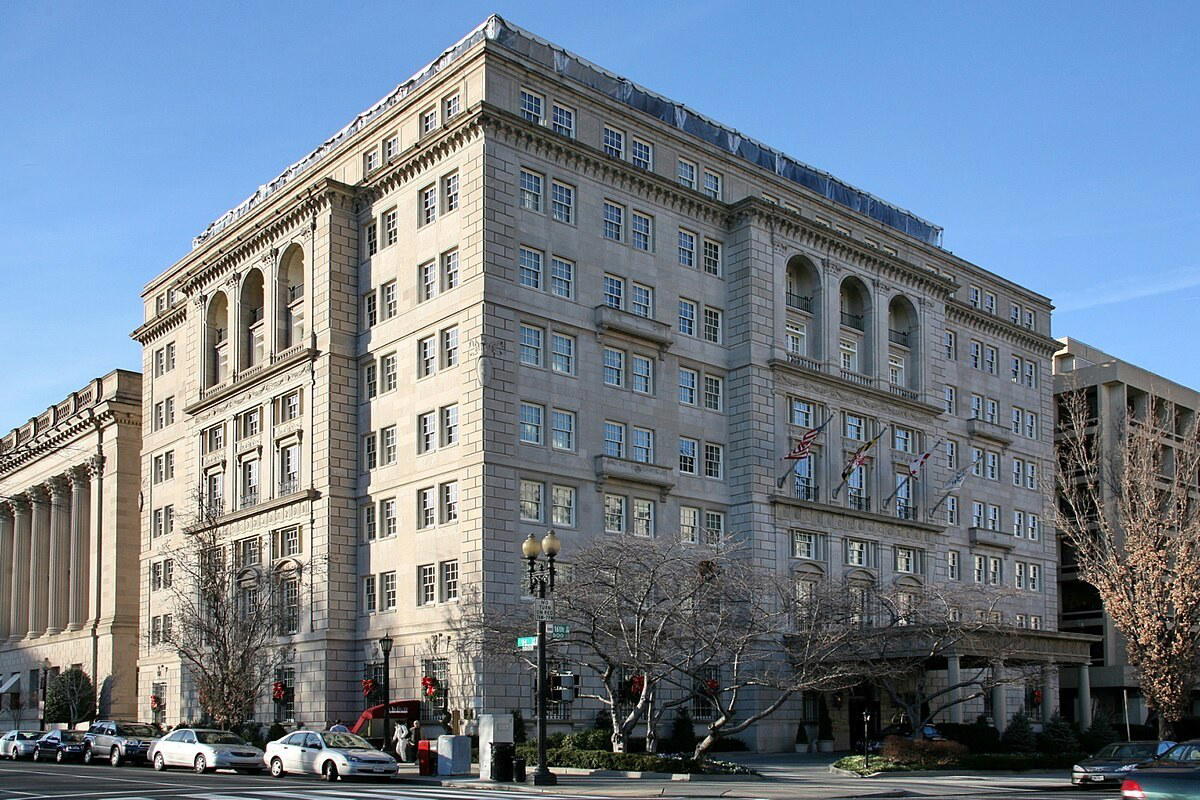
1200 16th Street NW is a coordinate that carries weight in Washington, D.C. This stretch of 16th Street, running north from the White House, is lined with institutions: embassies, private clubs, and buildings whose stone facades communicate permanence before a door is opened. The Greenhouse sits within this context, where the physical environment sets expectations that the dining room must either meet or reset. In a city where the relationship between power and hospitality has always been formalised, a restaurant occupying this address enters a conversation about what premium dining in the capital looks like in practice.
Menu Architecture as Editorial Statement
In American fine dining broadly, menu structure has become one of the clearest signals of a restaurant's competitive positioning. The shift from a la carte to tasting formats, the rise of counter-only omakase, the return of tableside service as theatre rather than function: each structural choice communicates where a kitchen places itself in the hierarchy of the genre. The Greenhouse, by address and setting alone, places itself in the tier where format discipline and coherence of menu logic matter as much as individual dishes.
What menu architecture communicates at this level is a set of commitments. A tightly sequenced menu, for example, tells you the kitchen controls the pace of the meal and believes the arc from first course to last carries meaning. A market-driven format, where the menu shifts with availability, signals a preference for ingredient primacy over the stability of a fixed repertoire. At addresses like this one, these are not neutral decisions: they are positioning statements visible to any diner who has eaten at comparable rooms, whether that is Jônt across the city, Alinea in Chicago, or The French Laundry in Napa.
D.C.’s Fine Dining Tier: Where The Greenhouse Sits
Washington’s upper tier of restaurants has grown more sophisticated and more varied over the past decade. The city’s dining scene was long characterised by caution: power-lunch formats, expense-account steakhouses, and French-inflected rooms that served the diplomatic and political calendar. That has changed. minibar established that ambitious technical cooking could find an audience here. Newer entrants like Causa and Albi have pushed the definition of premium further, while Oyster Oyster has demonstrated that sustainability-driven menus can operate at high price points without sacrificing rigour.
The restaurant occupies a position on 16th Street that aligns it with the city’s more formal dining register rather than its newer neighbourhood-rooted formats. Rooms at this address draw a clientele accustomed to the grammar of white-tablecloth service, international wine programs, and menus that communicate competence through structure. That is a different competitive set from the counter-culture restaurants that have defined D.C.’s recent momentum, and understanding the distinction matters for a reader choosing between them.
For comparison, peer venues in this price-and-format bracket nationally include Providence in Los Angeles, Addison in San Diego, and Le Bernardin in New York City, all of which operate formal tasting or semi-tasting formats in architecturally significant rooms. The Inn at Little Washington, located about 70 miles southwest in the Virginia countryside, is the regional reference point that has defined what Washington-area fine dining can aspire to: The Inn at Little Washington has held three Michelin stars and represents the ceiling of the region’s formal dining tradition.
The Broader Pattern: Hotel-Adjacent Dining in Capital Cities
Rooms in historic buildings on ceremonial streets in capital cities tend to share a structural logic. They attract a clientele that mixes long-stay hotel guests, embassy entertainment, and domestic diners who treat the occasion as an event rather than a weekly ritual. This shapes menu strategy: the kitchen must perform for first-time visitors and returning regulars simultaneously, which typically favours menus with a stable core and rotating seasonal components rather than menus that change entirely with each visit.
This is a pattern visible at comparable addresses internationally, from the hotel dining rooms of Mayfair in London to the formal restaurants along the Champs-Elysées corridor in Paris. In the American context, venues like Emeril’s in New Orleans and Lazy Bear in San Francisco represent two divergent responses to this challenge: one that built a stable, accessible menu for a broad audience, and one that committed fully to a reservation-only, communal-table format that requires diners to opt in to its logic entirely. The restaurant’s address suggests it operates closer to the former register.
What Sustainable and Seasonal Framing Means at This Level
Across American fine dining, the language of sustainability and seasonality has become widespread enough that its presence on a menu no longer signals differentiation on its own. What separates restaurants that mean it from those that deploy it as branding is evident in menu structure: the number of suppliers credited, the frequency of menu rotation, whether off-cuts and secondary preparations appear alongside premium proteins, and whether the wine program reflects the same sourcing logic as the kitchen. Venues like Blue Hill at Stone Barns in Tarrytown and Single Thread Farm in Healdsburg have set the structural benchmark for what farm-to-table commitment looks like when it is built into the architecture of the menu rather than appended to it as a footnote.
How the restaurant’s menu reflects or diverges from these patterns would clarify its actual positioning within this conversation. That specificity requires direct engagement with current menus and service, which is the only reliable way to assess whether the structural promises of an address are met in practice.
Cuisine Lens
Comparable venues nearby, for context on price, style, and recognition.
| Venue | Cuisine | Price | Notes |
|---|---|---|---|
| The GreenhouseThis venue — the venue you are viewing | Contemporary American | $$$ | Not listed |
| Morrison-Clark Restaurant | Contemporary American Fine Dining | $$$ | Shaw |
| Bluejacket | American Brewery Gastropub | $$$ | Near Southeast |
| VUE Rooftop | Modern American Rooftop | $$$ | East End |
| Flavorture | Polished American Soul Food | $$$ | Woodley Park |
| Birch & Barley | Modern American Gastropub | $$$ | Logan Circle |
Continue exploring
More in Washington DC
Restaurants in Washington DC
Browse all →
Bars in Washington DC
Browse all →
Hotels in Washington DC
Browse all →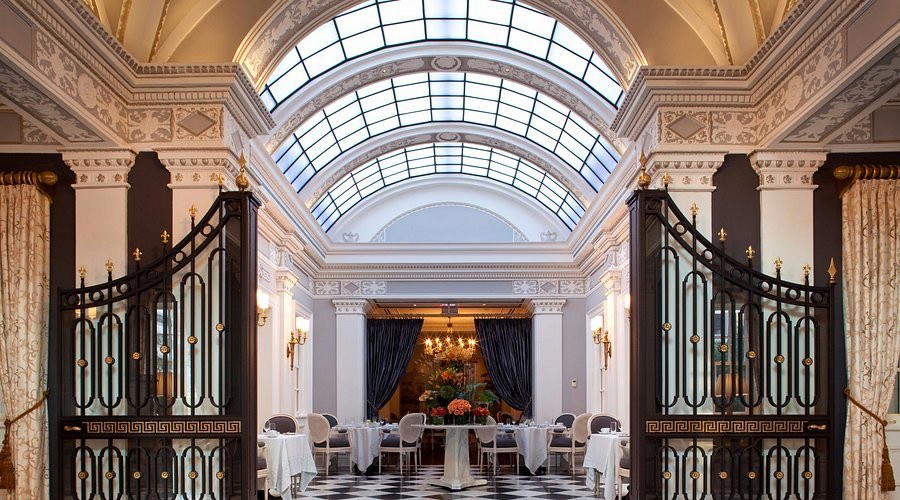
At a Glance
- Elegant
- Cozy
- Sophisticated
- Business Dinner
- Brunch
- Special Occasion
- Hotel Restaurant
- Historic Building
- Extensive Wine List
- Local Sourcing
Current opening hours
- Monday
- 7 AM–1:30 PM
- Tuesday
- 7 AM–1:30 PM, 5:30–9 PM
- Wednesday
- 7 AM–1:30 PM, 5:30–9 PM
- Thursday
- 7 AM–1:30 PM, 5:30–9 PM
- Friday
- 7 AM–1:30 PM, 5:30–9 PM
- Saturday
- 8 AM–1:30 PM, 5:30–9 PM
- Sunday
- 8 AM–1:30 PM
Hours can change for holidays and private events. Last verified .
Sunlit garden oasis with vaulted skylight, flowers, well-spaced tables, and elegant decor creating a calm, sophisticated setting.