Our verdict
Located in Ueno's Taito ward, The Auditorium occupies a corner of Tokyo where neighbourhood intimacy meets considered dining. Contact details and full booking information remain limited in public channels, making direct discovery the most reliable approach. For a city that rewards patience and research, this is a venue worth tracking.

Pearl is the En Primeur Club membership app, where members save venues, book tables and use the concierge.
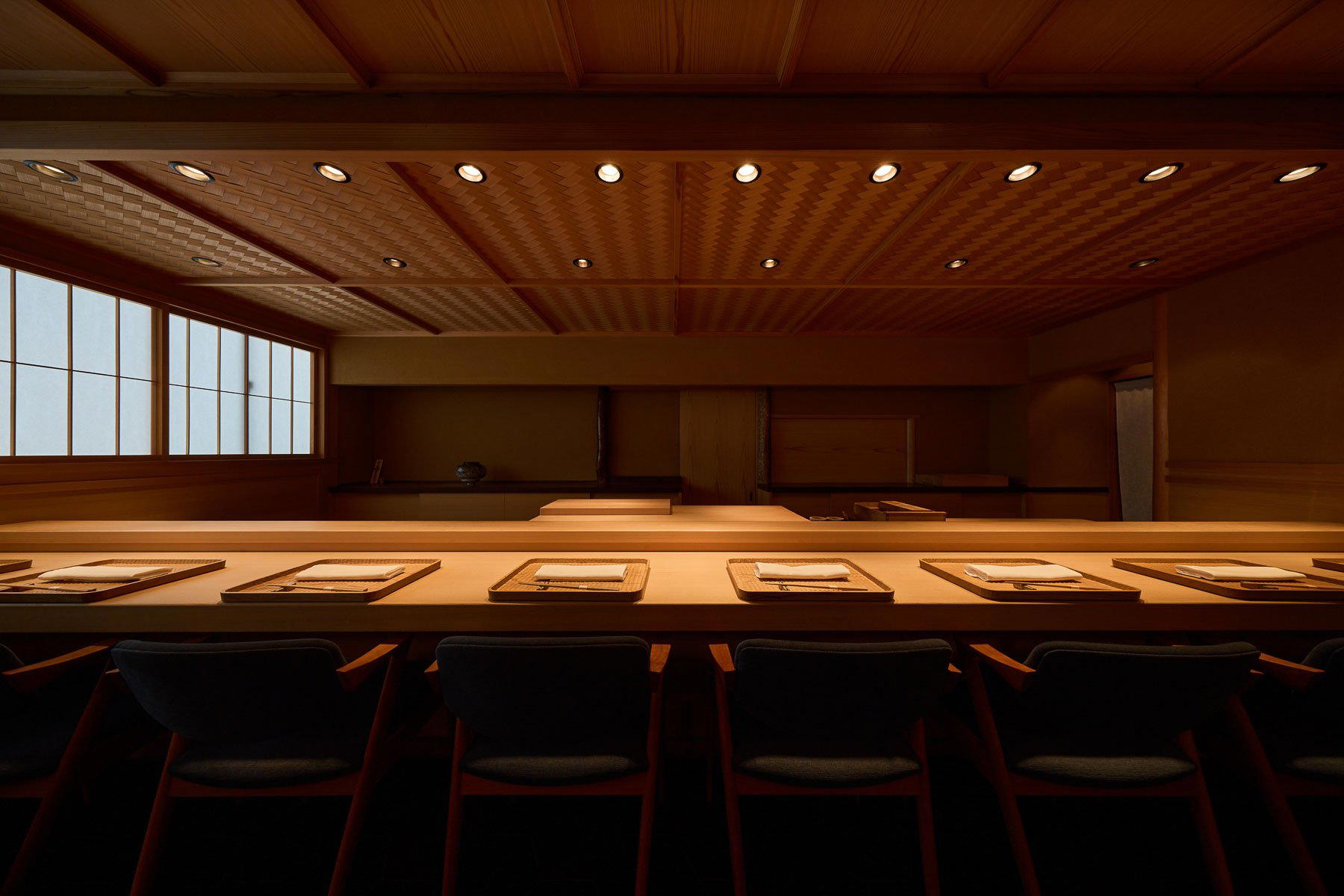
Ueno's Quiet Register
Tokyo's dining attention concentrates heavily on Ginza, Minami-Aoyama, and Nishi-Azabu, where the density of Michelin stars and omakase counters creates a well-mapped premium circuit. Ueno operates on a different frequency. Taito City, where The Auditorium sits at 7-6-7 Ueno, is better known for its public park, national museums, and the commuter corridors feeding Ueno Station than for destination dining. That neighbourhood context matters: restaurants here tend to draw from local loyalty and deliberate discovery rather than tourist flow or corporate expense accounts. A venue establishing itself in this part of the city is making an implicit argument about where it belongs in Tokyo's dining conversation.
That argument is worth taking seriously. Japan's dining geography has always been more decentralised than its Michelin-map reputation suggests. The concentration of critical attention on central wards obscures a broader pattern in which serious cooking, committed service, and considered wine or sake programs operate quietly across the city's outer and mid-ring neighbourhoods. For a broader picture of where Tokyo's restaurants sit across styles and price points, our full Tokyo restaurants guide maps the terrain.
The Team Dynamic as a Dining Proposition
In Tokyo's upper dining tier, the collaboration between kitchen, floor, and cellar has become a defining variable. The omakase format, which structures nearly every serious Japanese meal, places enormous pressure on sequencing and pacing, the chef's rhythm has to be readable by the front-of-house, who then translate it for guests without breaking the flow. At counters like Harutaka, where sushi at the highest price point depends on split-second timing between chef and server, this coordination is non-negotiable. At French-inflected kitchens like L'Effervescence and Sézanne, the sommelier's arc through a meal, how wine is paced against courses, how the team reads the table's appetite, carries equal weight to the plate.
This dynamic is not incidental to the dining experience; in Tokyo's most considered rooms, it is the dining experience. The Auditorium's name itself gestures toward performance and ensemble, suggesting a venue where the service choreography is intended to be legible, where the guest is positioned as an audience to a coordinated act rather than simply a customer receiving food. Whether that proposition is fully realised requires verification from direct experience, but the framing is deliberate and worth registering.
For comparison, RyuGin's kaiseki format represents the pinnacle of this team discipline in Tokyo's Japanese tradition, where every course's arrival, explanation, and removal is timed with near-theatrical precision. And at Crony, an innovative French kitchen, the front-of-house approach reflects a younger generation's interpretation of the same principle: less formality, more shared knowledge between kitchen and floor.
Positioning Within Japan's Broader Dining Map
Understanding The Auditorium's context requires placing it within Japan's wider restaurant geography, not just Tokyo's. The country's serious dining scene extends well beyond the capital. HAJIME in Osaka occupies a different kind of space in Japan's premium tier, a three-star kitchen that has defined what ambitious French technique looks like outside Tokyo. Gion Sasaki in Kyoto operates in a kaiseki tradition that is inseparable from its neighbourhood, where the ritual of the meal reflects centuries of Kyoto hospitality culture. Further afield, akordu in Nara and Goh in Fukuoka represent the growing confidence of Japan's regional dining, where chefs are no longer treated as working in the capital's shadow.
Japan also harbours a tier of restaurants that receive less international attention but sustain deep local reputations. 一本杉 川嶋 in Nanao, 夕別荘乃 in Sapporo, 湖畔廃墟 in Takashima, and 庭羽庵 in Nishikawa Machi each operate within regional contexts that define what cooking means in their respective cities. Birdland in Sakai and Bistro Ange in Toyohashi extend that pattern into two cities rarely covered by international food media. The Auditorium in Ueno belongs, by geography and apparent positioning, to this broader category of venues that reward attention beyond the standard premium circuit.
Seasonal and Temporal Considerations
Ueno's character shifts considerably across the year. Cherry blossom season, concentrated in late March and early April, turns Ueno Park, directly adjacent to the neighbourhood, into one of Tokyo's highest-footfall public spaces. Restaurants in the immediate area experience a corresponding surge in walk-in interest during this window, which typically compresses availability even at venues that operate primarily on reservations. Visiting in this period without advance planning is inadvisable. Conversely, the post-Golden Week lull in late May and the quieter autumn months of October and November offer a more settled experience of the neighbourhood itself.
For dining programmes that track Japanese seasonal produce, the spring-to-summer transition and the arrival of autumn ingredients represent the two periods when menus typically reflect the sharpest seasonal thinking. Tokyo's more considered kitchens, from RyuGin's kaiseki approach to the French-seasonal logic of L'Effervescence, structure their offerings around these transitions. Any venue in this city operating at a serious level will reflect the same seasonal discipline.
International Reference Points
The Auditorium's name and positioning in a neighbourhood outside Tokyo's premium core invites comparison with a particular type of restaurant that has become increasingly prominent in global dining cities: the venue that operates with high intent but deliberately avoids the over-indexed signals of fine dining. In New York, Le Bernardin represents the opposite end of that spectrum, a restaurant where every credential is front-of-mind and the formal contract with the guest is explicit. Atomix, also in New York, occupies a more interesting middle ground: high technical execution, strong team coordination, but a format that refuses easy categorisation. Tokyo has its own version of that tension, and Ueno as a location suggests The Auditorium may be positioning itself within it.
Planning Your Visit
Public information on The Auditorium is limited at this point. The address, 1F, Hashimoto Building, 7-6-7 Ueno, Taito City, Tokyo 110-0005, is the most reliable anchor for planning. Given the constraints on published booking information, direct approach on arrival or through local concierge networks is the practical route. Visitors to Ueno arriving for park or museum visits will find the location manageable on foot from Ueno Station, which is served by the JR Yamanote Line and multiple Tokyo Metro lines.
Quick reference: 7-6-7 Ueno, Taito City, Tokyo 110-0005, walk-in or concierge approach recommended until booking infrastructure is confirmed publicly.
Frequently asked questions
What do regulars order at The Auditorium?
For a venue in Ueno's neighbourhood dining register, regulars typically gravitate toward whatever the kitchen commits to with the most consistency, which in Tokyo restaurants often means a set format rather than à la carte choice. Visiting without a fixed expectation of cuisine type is advisable until more information is published.
What is the ideal way to book The Auditorium?
No phone number, website, or third-party booking platform has been confirmed for The Auditorium at this time. If you are visiting Tokyo and want to include this venue in your itinerary, hotel concierge services at mid-to-upper tier properties are often the most effective route for securing tables at smaller, independently operated restaurants, particularly those without established online booking infrastructure. Ueno's proximity to central Tokyo means a concierge at any Chiyoda or Chuo ward hotel can reasonably reach out on your behalf.
What is the standout thing about The Auditorium?
The name and Ueno address together suggest a venue making a considered argument about what a Tokyo dining room can be outside the standard premium wards. Tokyo's dining scene rewards venues that commit to a clear internal logic, and the framing here, performance, collaboration, Ueno as context, is sufficiently distinct to warrant attention.
Can The Auditorium accommodate dietary restrictions?
In Tokyo generally, restaurants operating tasting or set formats, which covers a significant portion of the city's serious kitchens, require dietary requirements to be communicated well in advance, typically at the time of reservation. Given The Auditorium's current limited public profile, this conversation is leading handled through whichever direct booking channel becomes available, or through a concierge who can communicate with the venue on your behalf.
Is The Auditorium suited to first-time visitors to Tokyo's dining scene?
Ueno-based dining in general operates closer to local-neighbourhood rhythms than the more internationally documented Ginza or Roppongi circuits, which makes it a more immersive but also less legible choice for first-time Tokyo visitors. The Auditorium's ensemble framing and limited public presence suggest a venue for guests who already have some fluency with Tokyo restaurants and want to move beyond the well-mapped premium tier. For orientation, our full Tokyo restaurants guide covers a wider range of entry points.
Comparable Venues
Comparable venues nearby, for context on price, style, and recognition.
| Venue | Cuisine | Price | Awards | Notes |
|---|---|---|---|---|
| The AuditoriumThis venue (the venue you are viewing) | Japanese Whisky & Cocktail Bar | $20–30 | Not listed | Not listed |
| Glitch Coffee & Roasters | Specialty Coffee Roastery Café | $10–20 | Tabelog 100 #48 | Chiyoda |
| All Seasons Coffee | Specialty coffee & seasonal sweets café | $10–20 | Tabelog 100 #76 | Shinjuku |
| Cafe Casa | European-inspired cafe with coffee, desserts, and comfort food | $10–20 | Tabelog 100 | Shibuya |
| CHAP Ebisu 🍧 | Modern Kakigori (Shaved Ice) Dessert Bar | $20–30 | Not listed | Ebisu |
| Milonga Nuova | Retro Japanese kissaten & café with beer and curry | $10–20 | Tabelog 100 | Chiyoda |
Continue exploring
More in Tokyo
Restaurants in Tokyo
All restaurants in Tokyo →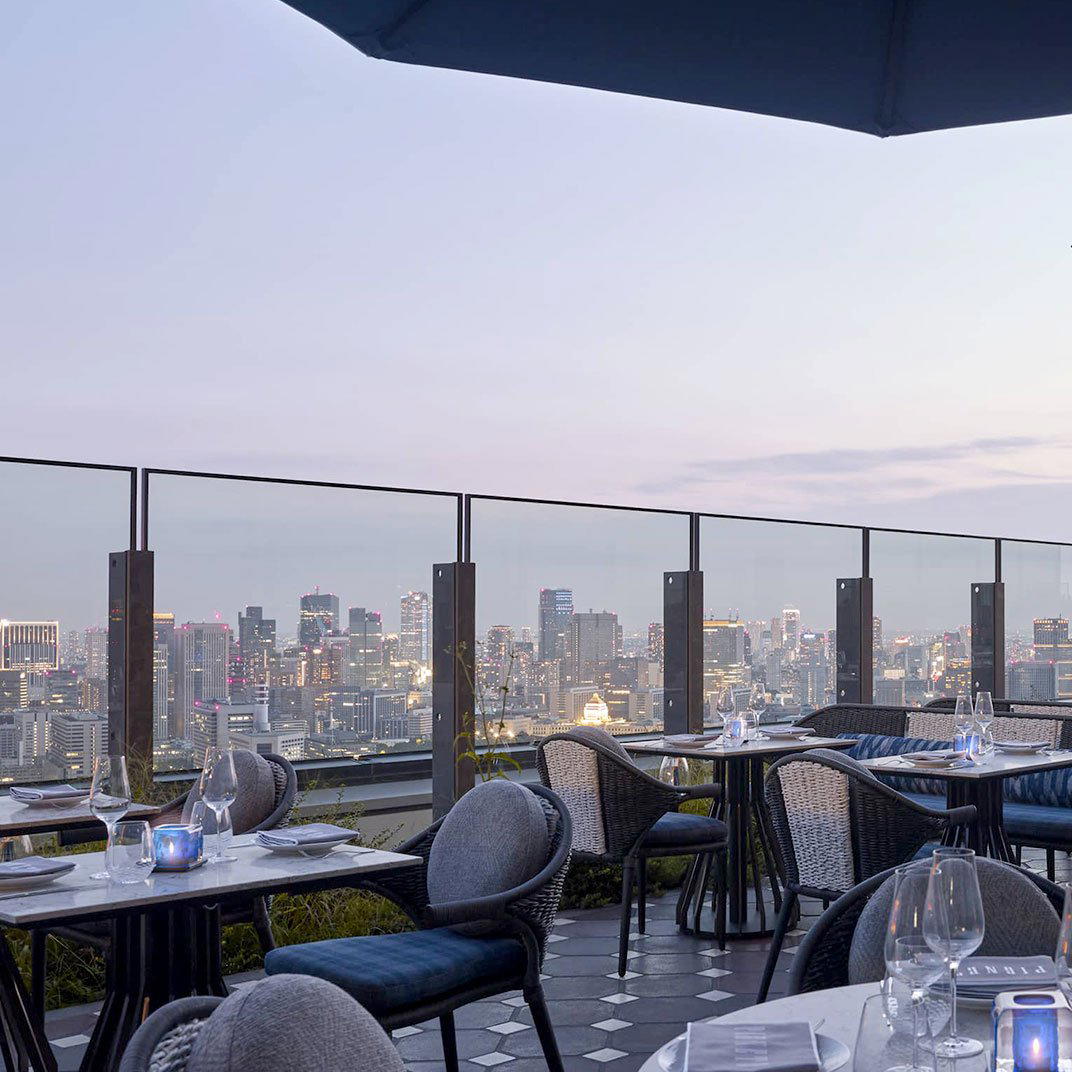
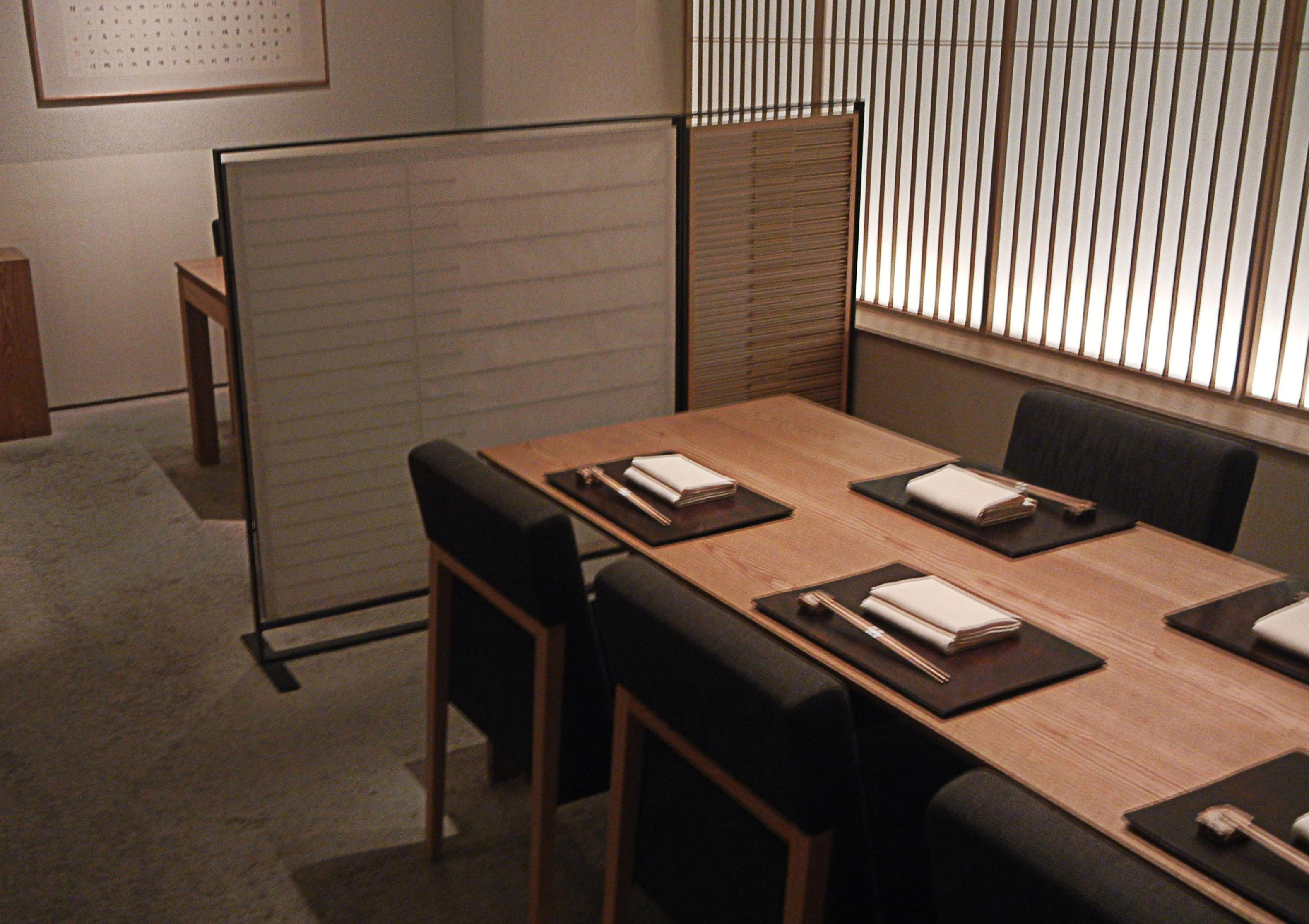


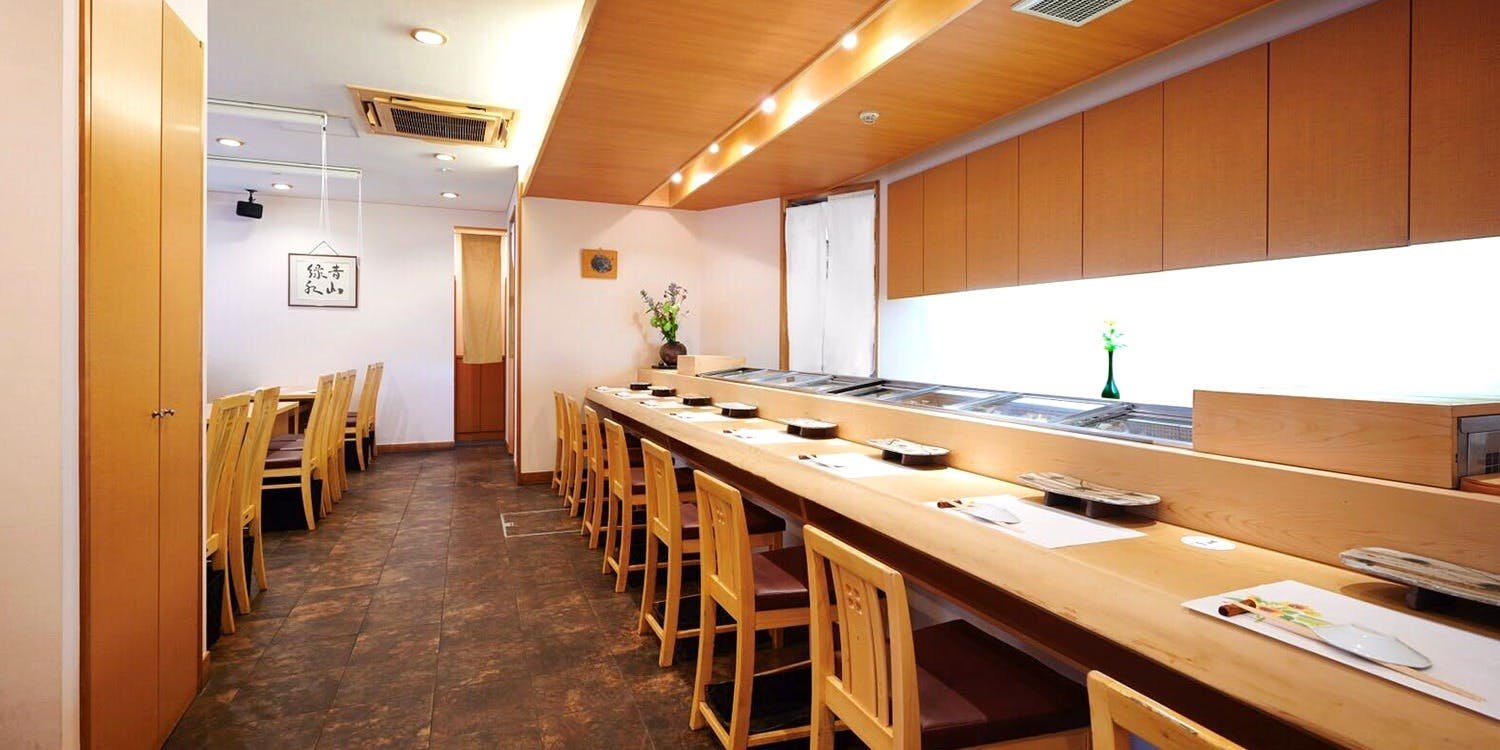
Bars in Tokyo
All bars in Tokyo →

Details
- Elegant
- Cozy
- Trendy
- Date Night
- After Work
- Casual Hangout
- Open Kitchen
- Craft Cocktails
- Sake Program
- Small Plates
- Japanese Whisky
- Craft Cocktails
Current opening hours
- Monday
- 5–11 PM
- Tuesday
- 5–11 PM
- Wednesday
- 5–11 PM
- Thursday
- 5–11 PM
- Friday
- 5–11 PM
- Saturday
- 3–11 PM
- Sunday
- 3–11 PM
Hours can change for holidays and private events. Hours as of .
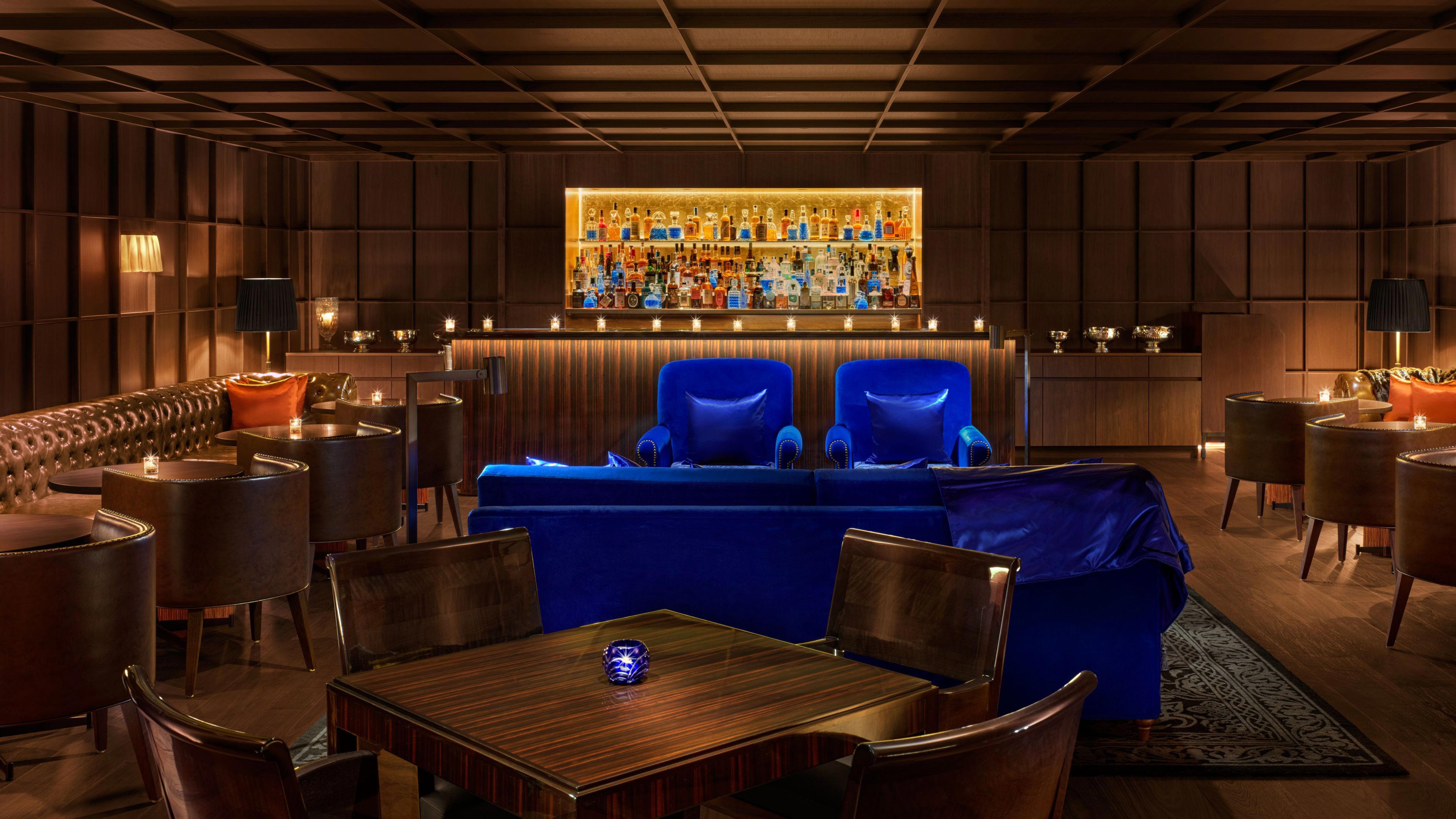
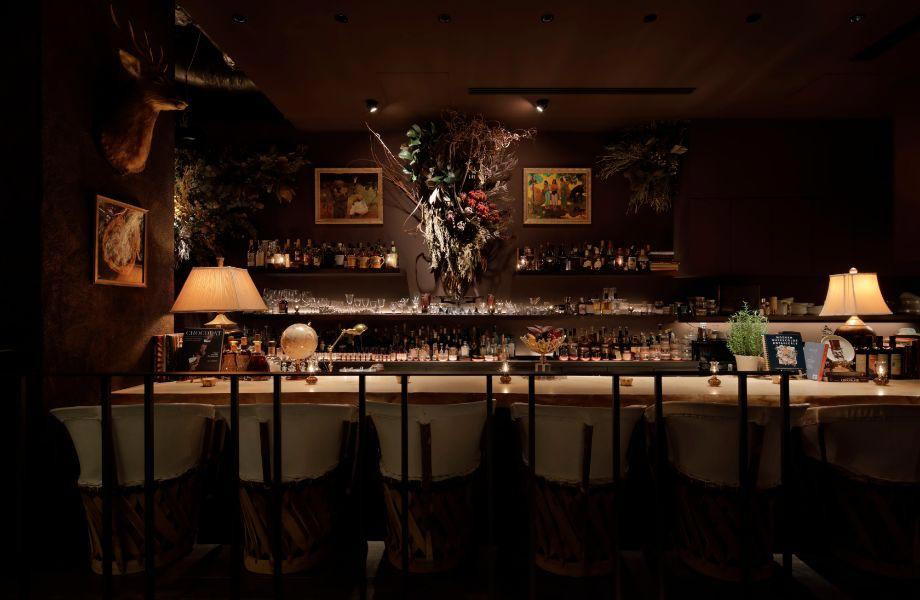
Warm lighting from a century-old chandelier, woody designer interior with open atmosphere, filled with records, vacuum tube amplifier, and nostalgic tunes from an antique jukebox.