Our verdict
Baschly occupies a address in Vienna's second district, positioning itself within a city whose fine dining scene increasingly pulls local ingredients through international technique. With Vienna's top creative tables operating at the €€€€ tier, Baschly enters a conversation already shaped by heavy hitters, placing it as a venue to watch against that competitive backdrop.

Pearl is the En Primeur Club membership app, where members save venues, book tables and use the concierge.

Where the Second District's New Dining Energy Finds a Stage
The second district, the Leopoldstadt, stretching from the Danube Canal toward the Prater, has spent the better part of a decade shedding its reputation as a transit zone between the first district and the river. What replaced it is a quieter but increasingly serious dining culture, one that operates without the institutional weight of the Innere Stadt but with more room to experiment. Baschly sits at Welthandelsplatz 1, an address on the WU Vienna campus development that signals something deliberately forward-facing: a venue choosing a business and academic quarter rather than a historic courtyard, which in Vienna is itself an editorial statement.
The Technique-and-Terroir Conversation Vienna Is Having
Austrian fine dining has been working through a specific tension for at least two decades: how to apply continental and international technique to products that are deeply, specifically local. This is not the same question a French kitchen asks, where the method and the ingredient grew up together. In Austria, the gap between, say, a Waldviertel poppy or a Styrian pumpkin and the reductive saucing or fermentation discipline borrowed from Scandinavian or Japanese kitchens is visible on the plate. The kitchens that handle that gap most credibly, Steirereck im Stadtpark, Mraz & Sohn, Konstantin Filippou, have built their reputations on exactly that: using imported frameworks to make indigenous products speak more clearly, not to bury them.
That editorial angle, local ingredients, global technique, is the dominant grammar of serious Austrian cooking right now. It runs from the Michelin-starred city tables through to the regional houses: Döllerer in Golling an der Salzach applies it to Alpine products with notable precision, while Kräuterreich by Vitus Winkler in Sankt Veit im Pongau takes it into herb-driven territory that reads as almost medicinal in its focus. Vienna's tables operate with access to the widest ingredient range, and the best of them use that access deliberately.
Baschly in the Vienna Context
The city's creative dining tier is well-populated at the upper end. Amador brings a Spanish-German creative lineage into the mix; Doubek approaches the conversation from a different angle. Diners who move between these rooms have calibrated expectations around sourcing transparency, format discipline, and the credibility of technique. A venue cannot rely on novelty alone in a city where the institutional memory of dining goes back through the Kaffeehauskultur and the grand hotel kitchens to something very deep.
Internationally, the technique-and-terroir mode has produced some of the most discussed rooms of the last decade. Le Bernardin in New York City built its entire identity on the idea that French classical rigour could unlock the potential of Atlantic seafood in ways American cooking had not yet attempted. Lazy Bear in San Francisco applied a different kind of borrowed framework, the communal dinner party, to Northern Californian produce. The Austrian version of this conversation is more geographically compressed but no less serious in intent.
The Regional Benchmarks That Shape Expectations
Visitors arriving in Vienna from other parts of Austria will have already encountered the regional variation of this approach. Obauer in Werfen has spent decades making the case for Salzburg-region produce through a kitchen that is technically sophisticated without performing its sophistication. Landhaus Bacher in Mautern an der Donau anchors itself to the Wachau's wine and agricultural calendar in a way that feels less like a program decision and more like a structural commitment. Taubenkobel in Schützen am Gebirge takes Burgenland's Pannonian pantry as its starting point and works outward from there.
These are the reference points that travel with Austrian diners when they sit down in a Vienna room. The Alpine tables, Gourmetrestaurant Tannenhof in Sankt Anton am Arlberg, Stüva in Ischgl, Schwarzer Adler in Hall in Tirol, Restaurant 141 by Joachim Jaud in Mieming, Ois in Neufelden, operate in a different register but reinforce the same underlying expectation: that the kitchen has a genuine relationship with its supply base, not merely a sourcing note on the menu.
What the Address Suggests About the Offer
Welthandelsplatz 1 is a planned development around the Vienna University of Economics and Business campus, architecture by Zaha Hadid, BUSarchitektur, and others, designed to create a district rather than just buildings. Venues that choose this location are making a bet on a particular kind of daytime and evening audience: students, academics, business visitors, and the growing residential population around the second district. It is a different catchment from the tourist-heavy first district or the established residential dining streets further out. Whether a kitchen reads that audience as an opportunity or a constraint matters considerably to what ends up on the plate.
Know Before You Go
- Address: Welthandelspl. 1, 1020 Wien, Austria (D4 building, WU Campus, second district)
- District: Leopoldstadt / WU Vienna campus development
- Phone: Not currently listed
- Website: Not currently listed
- Price range: Not confirmed; comparable Vienna creative tables operate at the €€€€ tier
- Dress code: Not specified; smart casual is standard for Vienna's creative dining rooms
Frequently asked questions
What part of town is Baschly in?
Baschly is located at D4, Welthandelspl. 1, 1020 Wien, Austria, Vienna.
Is Baschly a good option for dining near the Vienna University of Economics and Business (WU Wien)?
Baschly's address at Welthandelsplatz 1 in the 1020 district puts it directly within the WU campus precinct, designed with contributions from firms including Zaha Hadid Architects. For anyone already in that part of Vienna, whether attending the university, the nearby conference venues, or exploring the Leopoldstadt, it represents the most immediately accessible creative dining option in that specific development. The broader Leopoldstadt now has enough independent restaurant depth that Baschly competes in a genuine local dining conversation rather than operating by default of location alone.
What's the signature dish at Baschly?
The body editorial context frames the restaurant within Vienna's technique-and-terroir conversation, suggesting an approach rooted in Austrian regional produce shaped by continental cooking methods.
Should I book Baschly in advance?
Baschly sits at Welthandelsplatz 1 within the Zaha Hadid-anchored WU campus development, a planned district that draws both business-day and destination diners. That kind of address tends to fill early, particularly around academic-calendar peaks. Reserving at least a week ahead is a reasonable baseline until confirmed booking data is available.
What is Baschly known for?
Baschly is positioned within Vienna's creative dining tier in the Leopoldstadt, a district that has shifted significantly over the past decade from a neighbourhood dining scene toward one attracting more considered, technique-led operators. The address at Welthandelsplatz 1 places it inside one of Vienna's more architecturally deliberate new precincts, which itself signals a certain ambition about audience and offer.
Cuisine Context
Comparable venues nearby, for context on price, style, and recognition.
| Venue | Cuisine | Price | Notes |
|---|---|---|---|
| BaschlyThis venue (the venue you are viewing) | Modern Middle Eastern Street Food | $10–20 | Not listed |
| NENI am Naschmarkt | Modern Israeli Middle Eastern | $20–30 | Wieden |
| Tewa am Markt | Organic Oriental-Mediterranean | $10–20 | Praterstern Wien Nord |
| L´ORIENT | Authentic Moroccan | $20–30 | Praterstern Wien Nord |
| Florentin Neubau | Modern Middle Eastern Street Food | $20–30 | Neubau |
| Gaia Kitchen | Vegan Levantine Fusion | $10–20 | Praterstern Wien Nord |
Continue exploring
More in Vienna
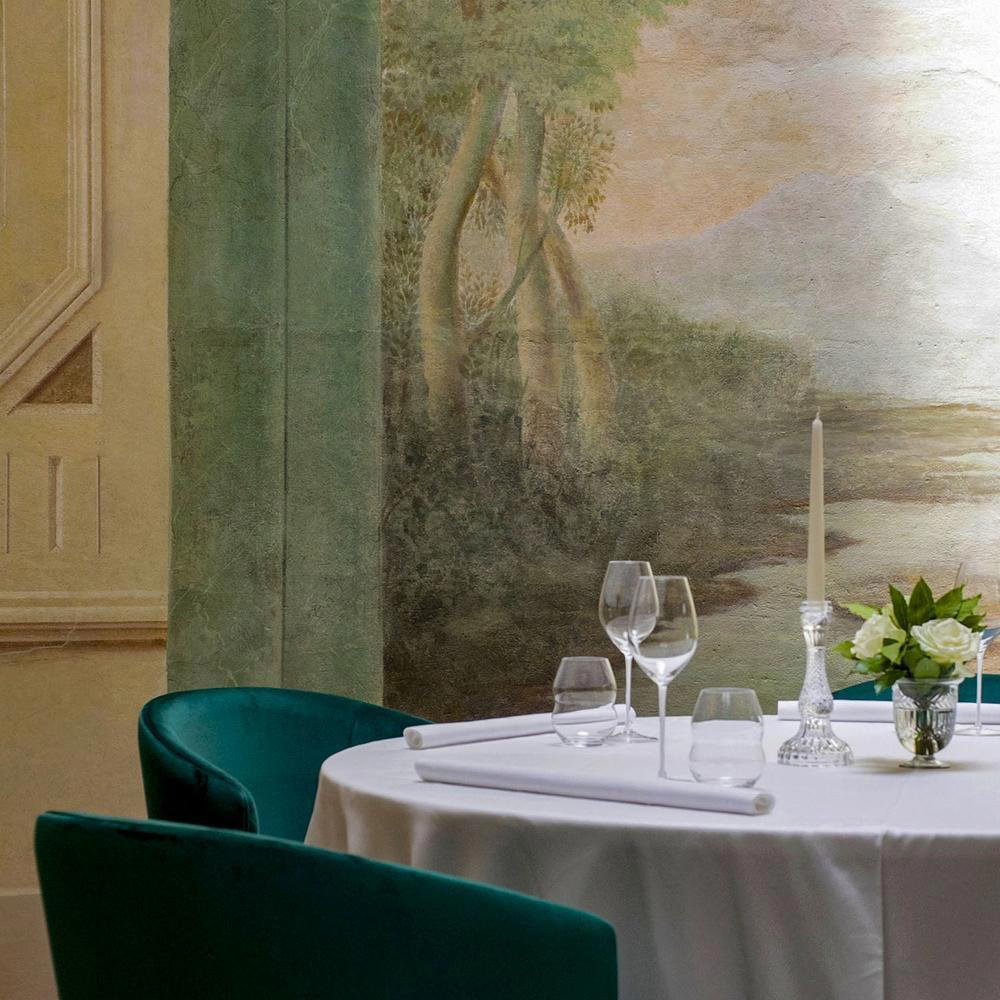
Restaurants in Vienna
All restaurants in Vienna →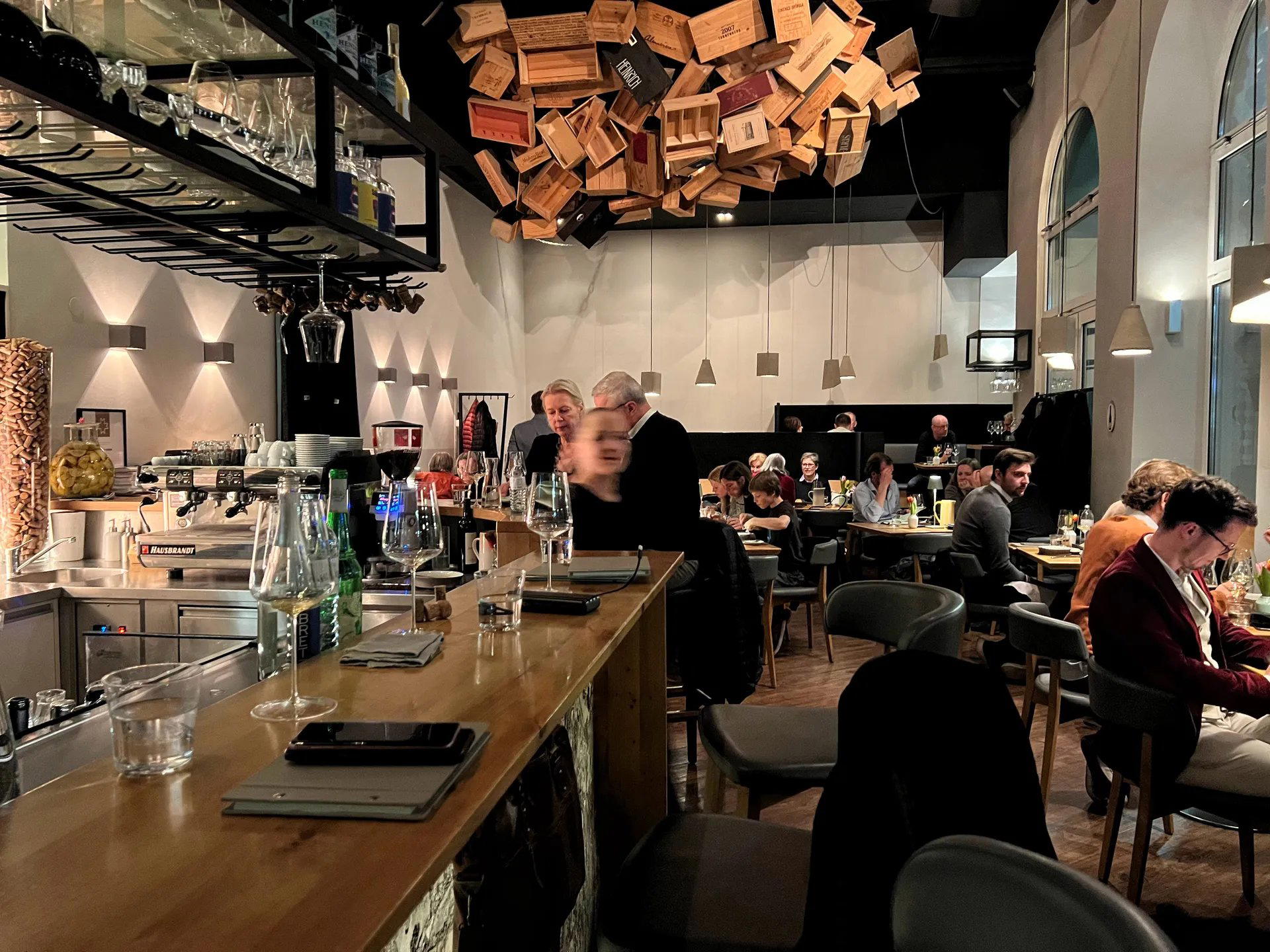
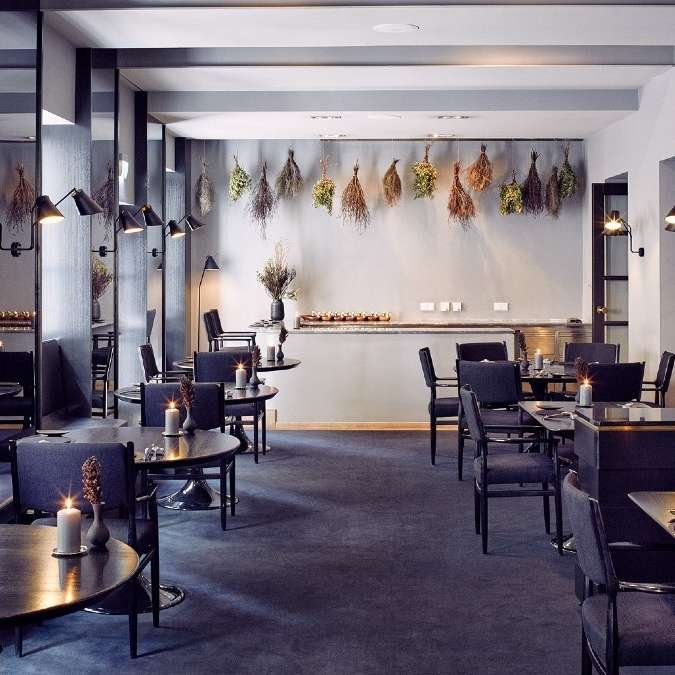
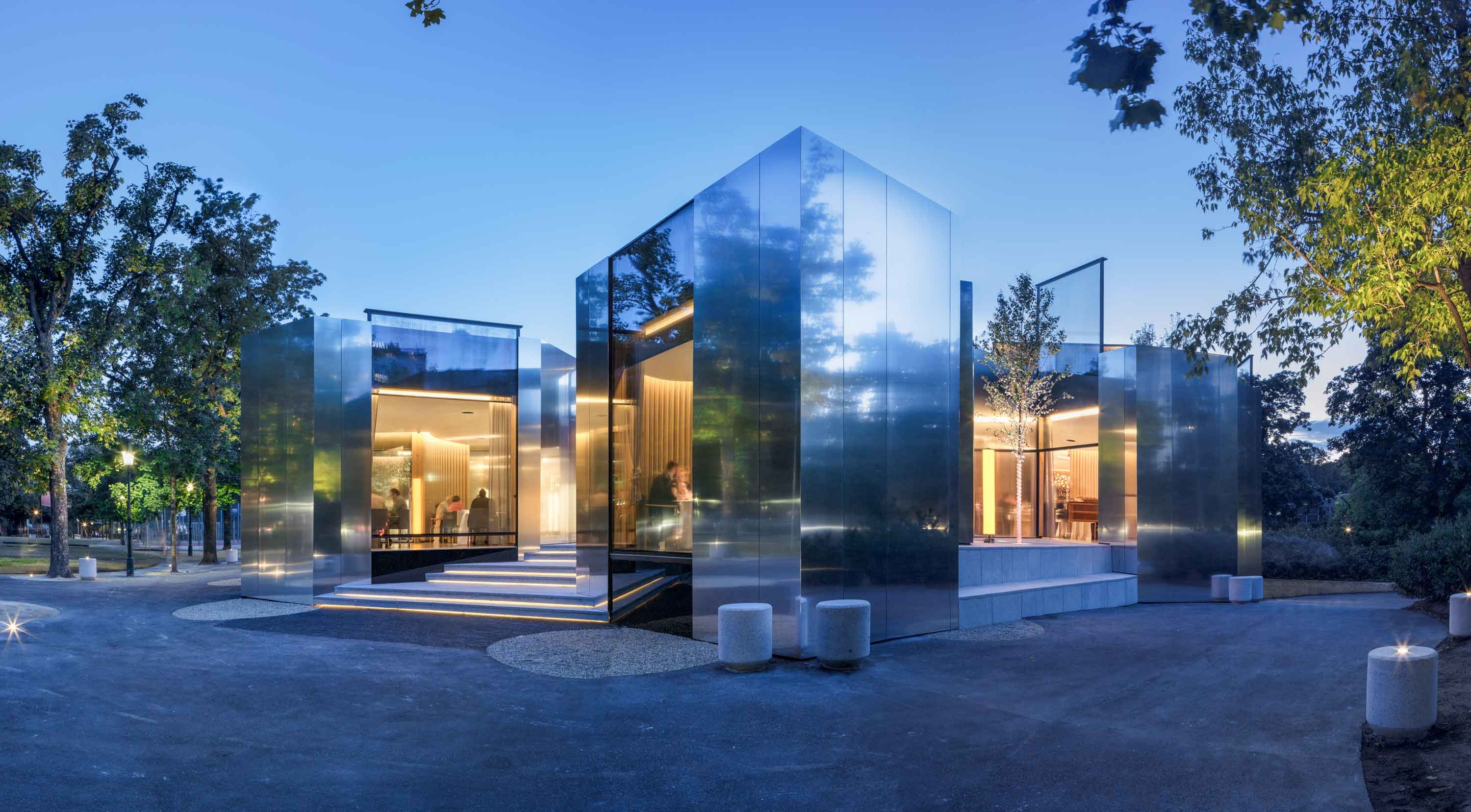
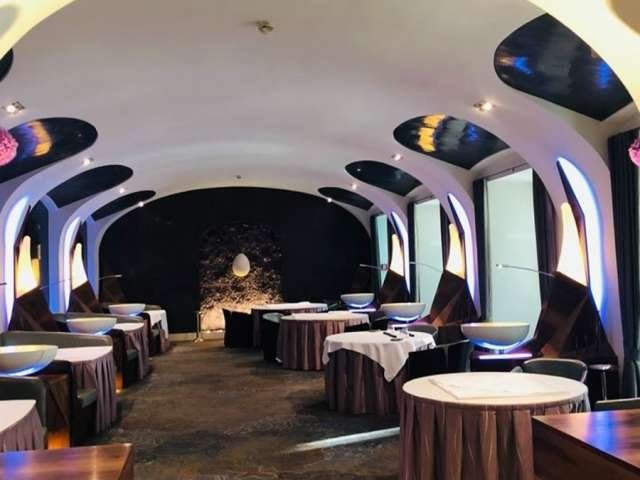
Bars in Vienna
All bars in Vienna →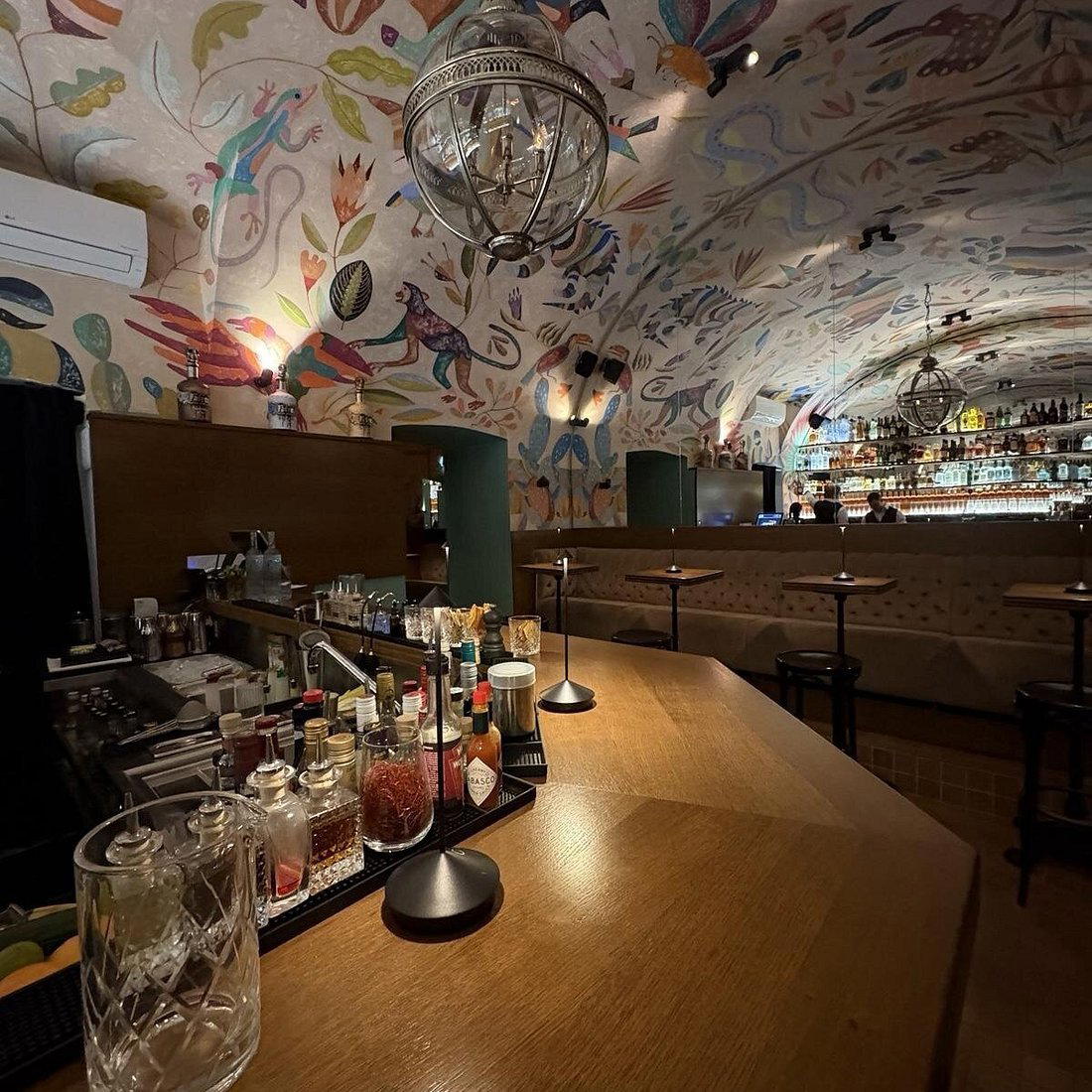
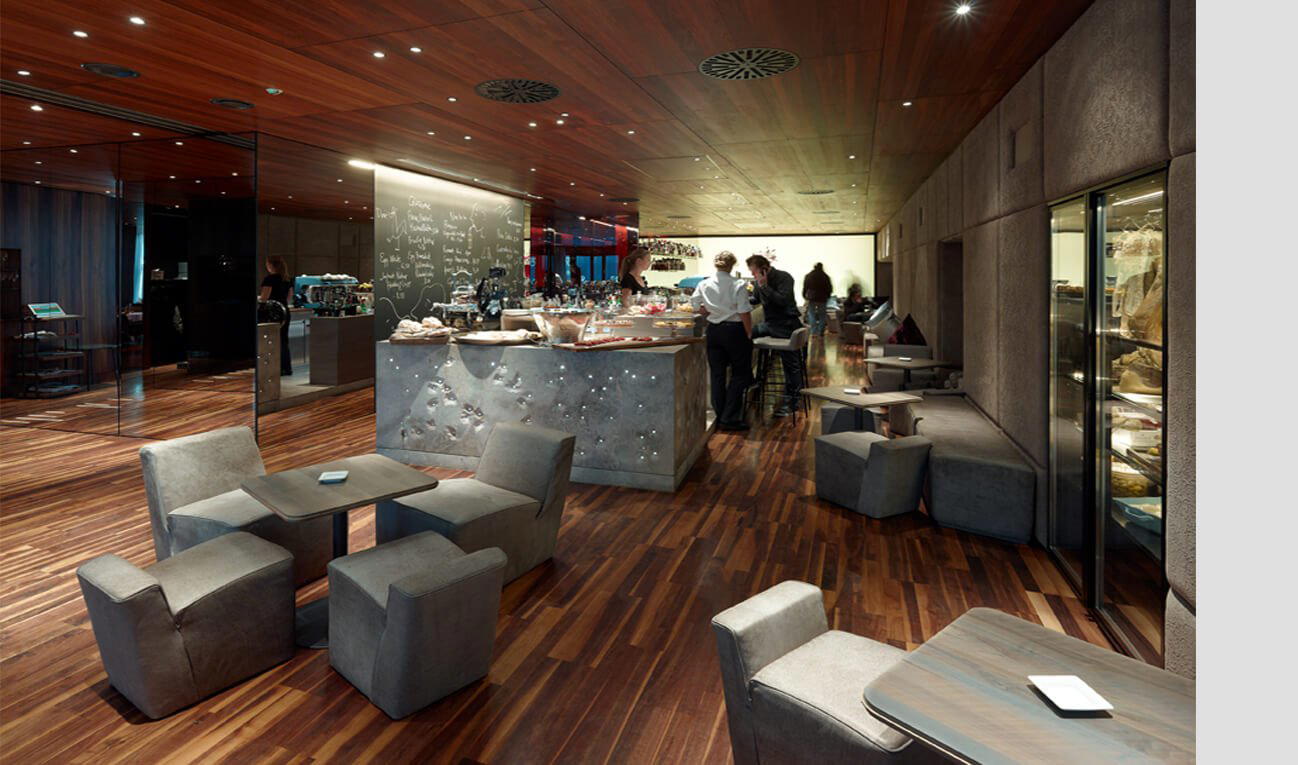
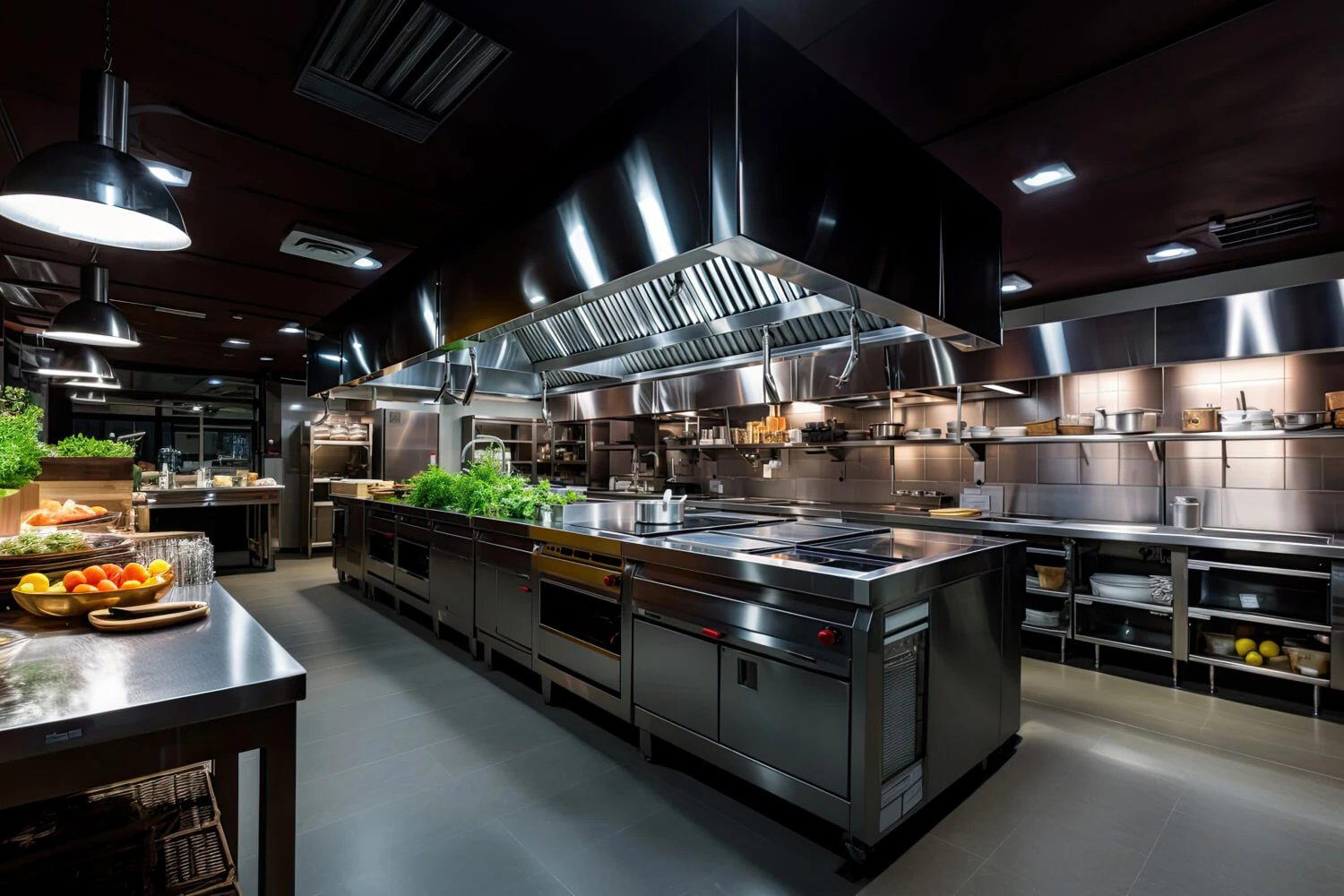
Details
- Lively
- Trendy
- Cozy
- Casual Hangout
- Brunch
- Garden
- Open Kitchen
- Terrace
- Craft Cocktails
- Garden
- A La Carte
- Small Plates
- Vegetarian Friendly
- Vegan Options
Current opening hours
- Monday
- 11:30 AM–4 PM
- Tuesday
- 11:30 AM–5:30 PM
- Wednesday
- 11:30 AM–5:30 PM
- Thursday
- 11:30 AM–5:30 PM
- Friday
- 11:30 AM–5 PM
- Saturday
- Closed
- Sunday
- Closed
Hours can change for holidays and private events. Hours as of .
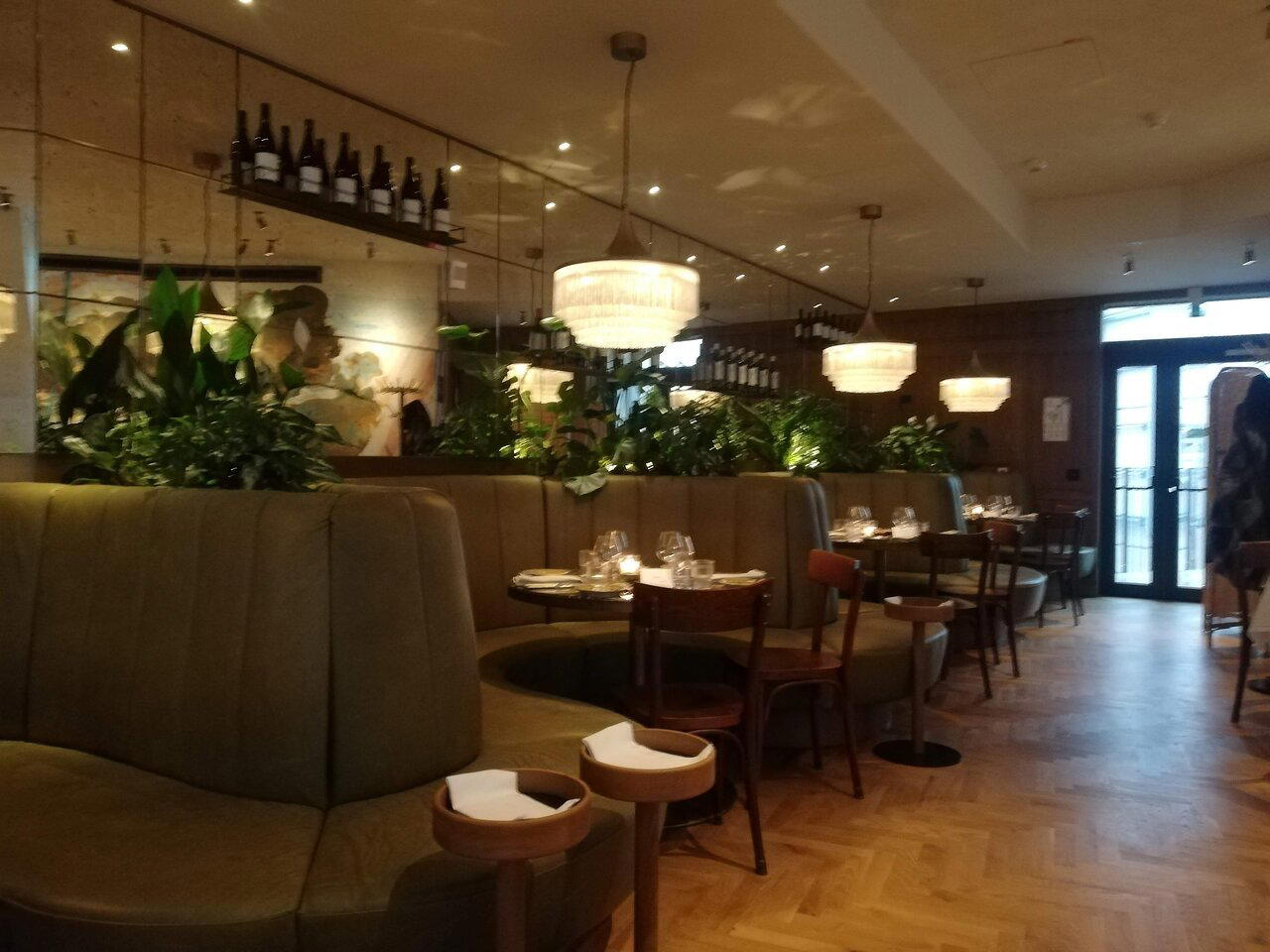
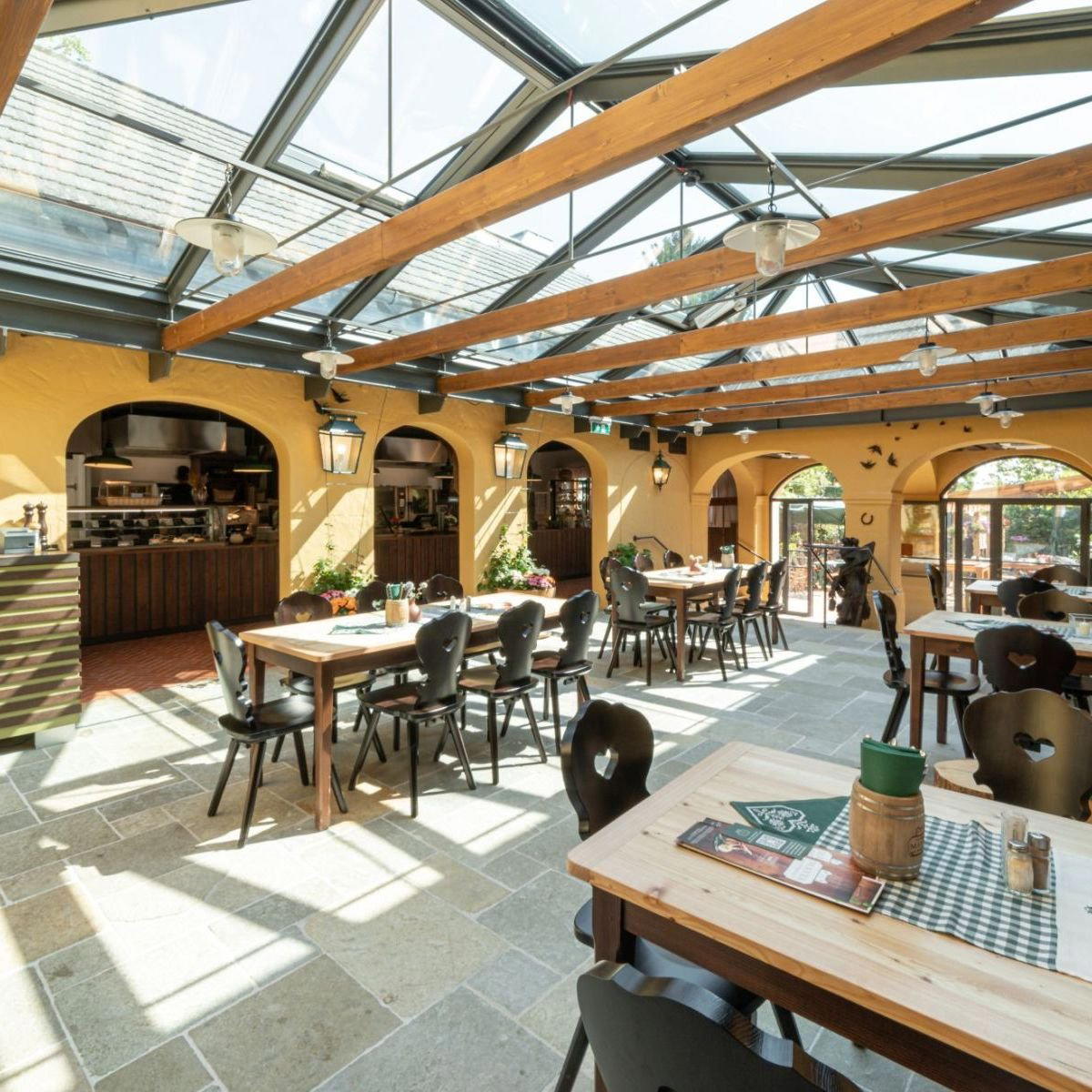
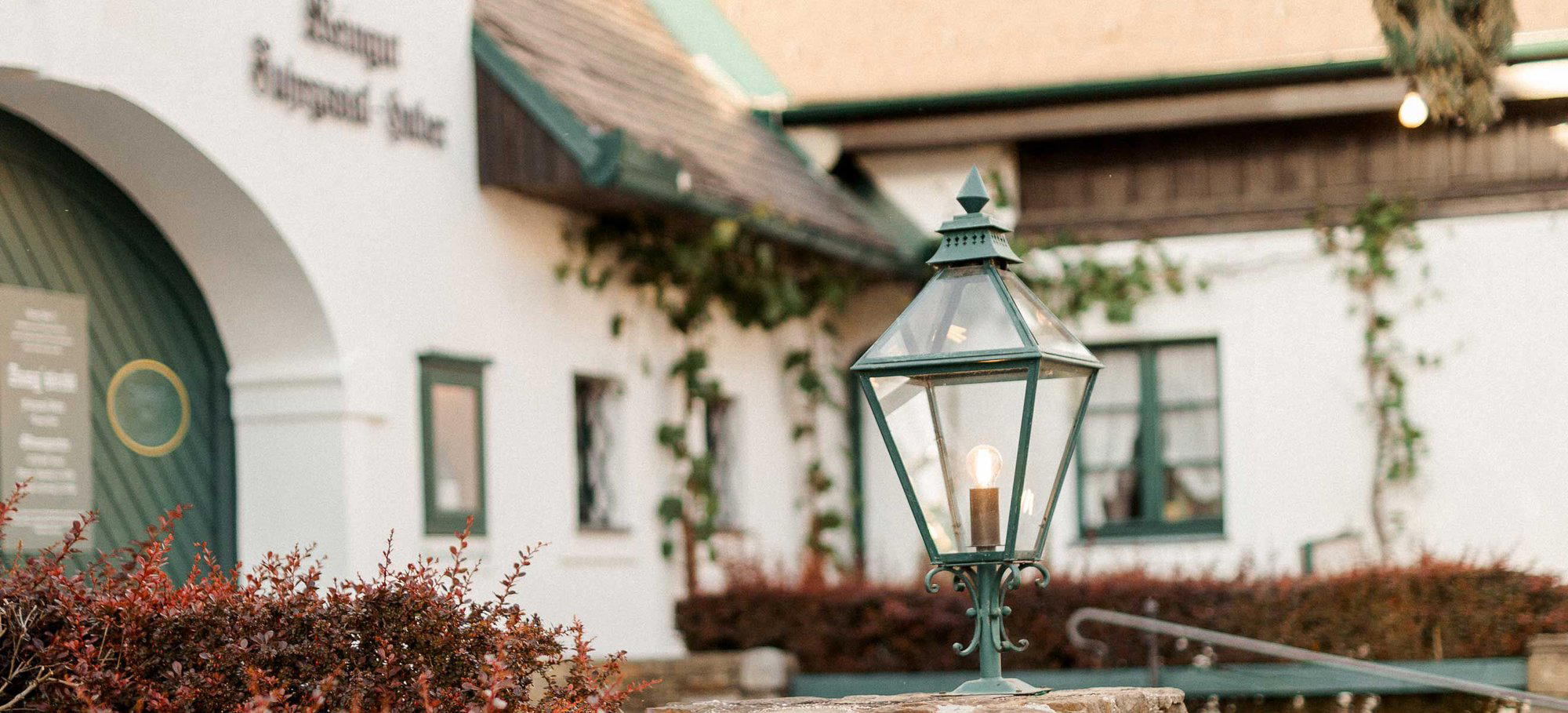
Busy and energetic atmosphere popular with young students, featuring indoor seating and a cozy garden area.