
Teuchi Udon Kogera places handmade udon in a small Higashimurayama setting, closer to Tokyo’s suburban noodle culture than its station-front dining circuits. Its Tabelog Udon EAST 100 selection in 2024, 12-seat scale, and sub-¥1,000 pricing put it in a category where craft, pace, and local regularity matter more than spectacle.
Pearl is the En Primeur Club membership app — saves, bookings, and concierge access live there. Same editors, same standards.
- Address
- Japan, 〒189-0024 Tokyo, Higashimurayama, Fujimicho, 2 Chome−6−72
- Phone
- +81 42-391-6717
- Website
- facebook.com
 Saves & bookings on Pearl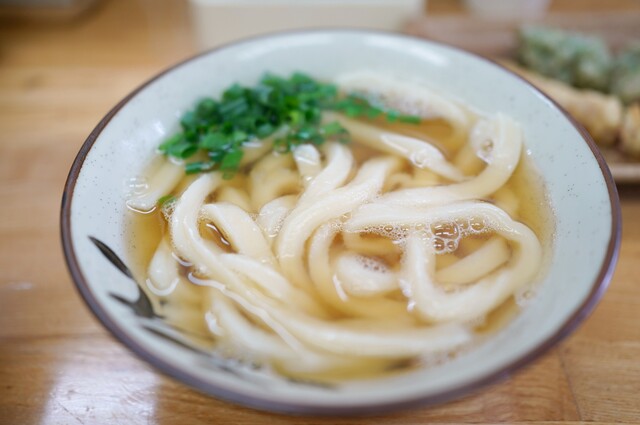
Approaching Tokyo’s western dining edge changes the rhythm before the first bowl arrives. Higashimurayama lacks the department-store polish of Ginza or the late-night compression of Shinjuku; here, the meal begins in a quieter residential register, where a small udon shop feels less like a destination restaurant than a neighbourhood habit sharpened by repetition. That setting matters. Handmade udon in Tokyo often carries authority through restraint: flour, water, timing, broth, and the discipline of a room built for turnover rather than performance.
Teuchi Udon Kogera belongs to that side of the city’s food culture. Listed for udon and tempura, with 12 seats, it was selected for Tabelog Udon EAST 100 in 2024, after earlier selections in 2022, 2020, and 2019. Those signals matter because udon does not trade on luxury theatre like sushi counters or kaiseki rooms. Recognition here points to consistency, noodle craft, local confidence, and a format strong enough to compare with specialist shops across eastern Japan.
Handmade udon, small-room discipline, and the Tokyo price paradox
Tokyo’s premium dining reputation is built around scarcity, but udon complicates that story. A serious bowl can sit in the lowest price band while demanding craft that far more expensive restaurants would recognise. Teuchi Udon Kogera’s average spend is listed under JPY 999, placing it with Tokyo peers such as Teuchi Udon Fukusuke, Yoshifuji, and Kodaira Udon Kodaira honten in the everyday-price bracket, not the luxury category. The useful comparison is not glamour versus simplicity; it is whether a low-ticket meal carries enough technical intent to justify crossing the city.
The answer lies in format. A 12-seat room with counter seating and two tables makes the meal close, quick, and exposed. There is little ceremony to hide weak execution. Self-service water, tempura flakes, and ginger reinforce a style common to small Japanese noodle shops, where guests join the service flow rather than being insulated from it. That is not quaint decoration; it is operational logic. In a room where cooking and service run at tight scale, returning dishes and moving efficiently help keep the experience viable.
Udon and tempura are a familiar pairing, but in Tokyo the category ranges from utility lunch to specialist pursuit. The better shops argue through texture as much as broth: chew, spring, surface, and temperature do the persuasive work. Without elaborate plating or named courses, the form rewards attention to increments. That makes the Tabelog Udon 100 framework more relevant here than a generic restaurant accolade. It groups the shop with noodle specialists judged inside their own tradition, not against broad fine-dining metrics.
Why Higashimurayama changes the reading of the meal
Location affects expectation. Central Tokyo diners read difficulty through reservations, omakase counters, and escalating budgets. In Higashimurayama, the signal is different: a short service window, modest seating, and a house-restaurant setting create scarcity without luxury coding. The meal asks for timing and patience rather than a concierge plan. That suits udon, a food whose seriousness can look plain until the details align.
This is where Tokyo’s suburban dining strength becomes visible. The city is not one restaurant market but overlapping systems: rail-hub lunches, department-store counters, nightlife dining, residential specialists, and destination shops outside the tourist core. Teuchi Udon Kogera fits the last two. It is family-friendly and solo-dining friendly, which says as much about the room’s social grammar as convenience. A diner can treat it as a focused noodle stop rather than an occasion meal, yet the award history gives the address a reason to appear on a wider Tokyo itinerary.
For travellers building a broader food map, this is a corrective to central-city overplanning. A day with handmade udon in Higashimurayama reads differently from one built only around inner-ward reservations. EP Club’s full Tokyo restaurants guide gives the larger restaurant frame, while separate guides cover Tokyo hotels, Tokyo bars, Tokyo wineries, and Tokyo experiences. The point is not to rank a noodle shop against a cocktail bar or hotel dining room, but to see how Tokyo rewards movement across scale.
The sensory argument is restraint, not spectacle
The sensory appeal of a small udon shop is rarely cinematic. It is closer to sound and proximity: counter movement, bowls landing, condiments added, and diners eating quickly because the food is built for that pace. The house-restaurant setting sharpens the impression. Instead of the choreographed hush of a tasting menu room, the atmosphere sits in an everyday Japanese register: compact, direct, and governed by shared etiquette.
That restraint gives the restaurant its editorial value. Tokyo has many ways to impress visitors, but its daily food culture often works through compression: few seats, narrow hours, low prices, and high repetition. The restaurant’s recognition across multiple Tabelog Udon 100 lists suggests sustained attention inside that compressed form. It is not a luxury meal, and luxury cues miss the category. The better test is whether the trip west returns a sharper understanding of how much Tokyo can place inside a bowl and a small room.
Readers comparing styles across EP Club can place this address beside casual Tokyo entries such as 3 Chome no Curry Ya San, 2D Cafe, 12/10 Shinjuku ten, 124. KAGURAZAKA (Yakitori), and. 鮪と炭火焼き うお炭 秋葉原店. Wider Japan comparisons can stretch from -Grilled beef Sukiyaki- KAMAKURA TANUKIAN 鎌倉 たぬき庵 in Kamakura to.cafe in Osaka.know in Kumamoto, (Shoku) Vietnam in Kawasaki, [Curry Senmon Ten] Maruyama Kyoju. in Sapporo, and [ki:] in Kyoto. For Japanese food culture outside Japan, Jōdo Saké Bar in Los Angeles and Onigiri Time in Pasadena show how focused formats travel, though the Tokyo noodle-shop cadence remains its own thing.
Style and Standing
Comparable venues for cuisine and category context.
| Venue | Cuisine | Price | Notes |
|---|---|---|---|
| Teuchi Udon KogeraThis venue — the venue you are viewing | Handmade Udon & Tempura | $ | Not listed |
| TAKUMA | Tokyo Ramen Counter | $ | Hachioji |
| Mendokoro Bigiya Gakugei daigaku honten | Classic Tokyo shoyu ramen shop | $ | Meguro |
| Sugamo Tokiwa Shokudo Honten | Japanese shokudo & teishoku diner | $ | Toshima |
| Ramen Jiro Mita honten | Japanese Ramen | $ | Minato |
| Rice Curry Manten | Japanese Curry House | $ | Chiyoda |
Recognition history
Dated appearances from independent guides and award organizations, with the underlying list record or original source where available.
Tabelog 100 #94 · No. 94
Tabelog · Tabelog 100 - Udon - EAST - 2024
Continue exploring
More in Tokyo
Restaurants in Tokyo
Browse all →


Bars in Tokyo
Browse all →



Hotels in Tokyo
Browse all →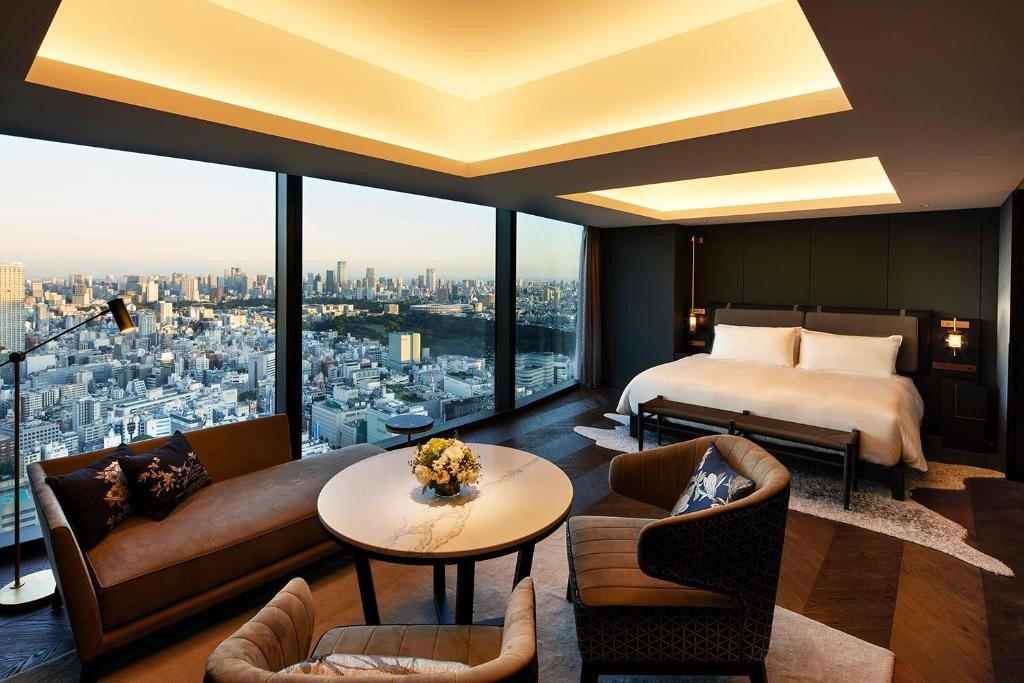




Wineries in Tokyo
Browse all →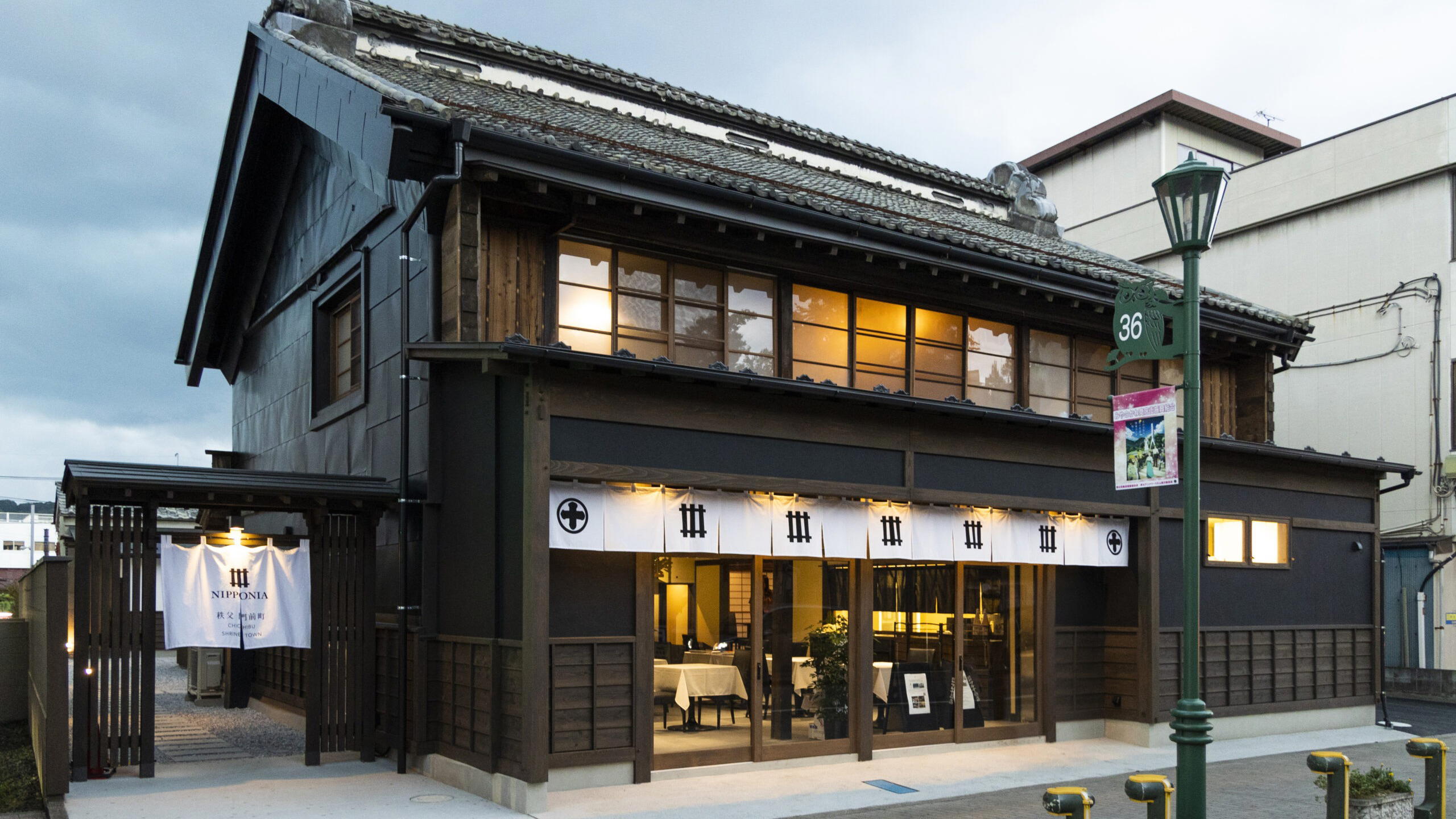
At a Glance
- Solo
- Casual Hangout
- After Work
- Standalone
Current opening hours
- Monday
- 11 AM–1 PM
- Tuesday
- 11 AM–1 PM
- Wednesday
- Closed
- Thursday
- Closed
- Friday
- 11 AM–1 PM
- Saturday
- 11 AM–1 PM
- Sunday
- 11 AM–1 PM
Hours can change for holidays and private events. Last verified .
Based on local rankings and its focus on handmade udon and tempura, it appears to be a simple, no-frills neighborhood spot oriented around the noodle-making rather than design or decor.