
Teppan Ryori Rakuda Nagoya ten brings Nagoya’s teppanyaki conversation into a compact Higashisakura room built around counter seating, private-room flexibility, and a course-led format. Its 2025 selection for Tabelog 100 Steak / Teppanyaki EAST places it in a serious regional bracket, with the appeal centered on the room’s controlled pace as much as the grill work.
Pearl is the En Primeur Club membership app — saves, bookings, and concierge access live there. Same editors, same standards.
- Address
- 愛知県名古屋市東区東桜2-13-15
- Phone
- +817089836910
- Website
- rakuda-teppan.com
 Saves & bookings on Pearl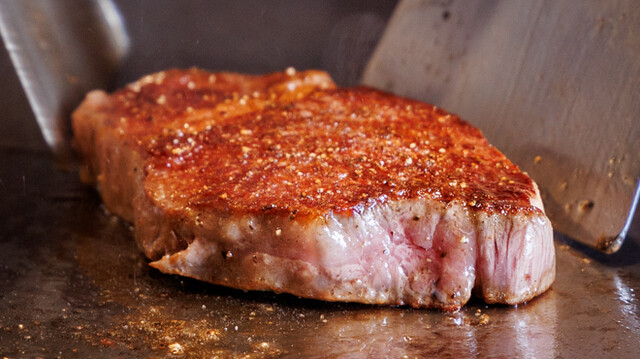
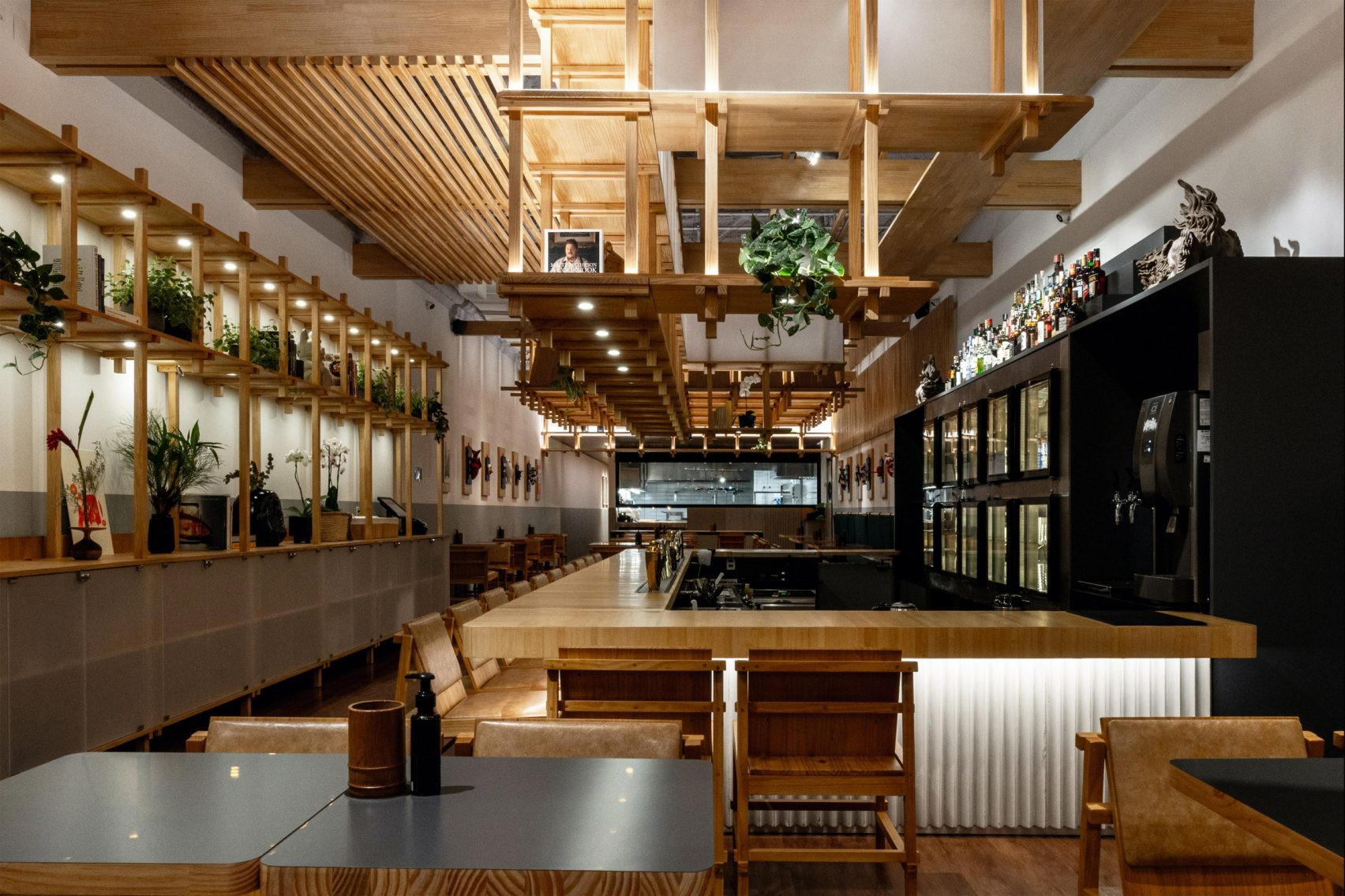
Higashisakura is not Nagoya’s loudest dining district, and that restraint matters here. Teppanyaki depends on proximity: the plate, the iron surface, the cook’s hands, the interval between heat and service. In a room with counter seating and a small total footprint, the format becomes architectural. Sightlines do the work that ceremony performs elsewhere, turning dinner into a measured sequence rather than a parade of flourishes.
That is the useful way to read Teppan Ryori Rakuda Nagoya ten: not as a grand steak house, but as part of Nagoya’s tighter, reservation-driven tier of Japanese grill rooms where scale is deliberately limited. Its 2025 inclusion in Tabelog 100 Steak / Teppanyaki EAST gives the restaurant a clear external marker in a category where precision, sourcing, and pacing tend to matter more than theatrical excess. For broader context across the city, Our full Nagoya restaurants guide maps the wider field, from counter-led Japanese formats to French, yakiniku, and casual specialists.
A compact teppanyaki room where the counter sets the tempo
Nagoya’s premium dining scene often rewards rooms that understand their own limits. Large dining rooms can flatten teppanyaki into performance; smaller rooms preserve the grammar of the style. The counter is not only a seat type here, it is the organizing principle: the guest sees timing, heat management, plating order, and service rhythm without needing a narrated show.
The restaurant’s format also reflects a broader shift in Japanese city dining since the early 2020s. Serious mid-to-premium restaurants outside Tokyo increasingly operate with fewer seats, tighter menus, and clearer occasion use. Opened in 2023, Teppan Ryori Rakuda Nagoya ten arrived into that environment rather than an older banquet-room model. Private-room availability adds another layer, especially in Nagoya, where business dining and celebration meals often need privacy without moving into hotel-restaurant formality.
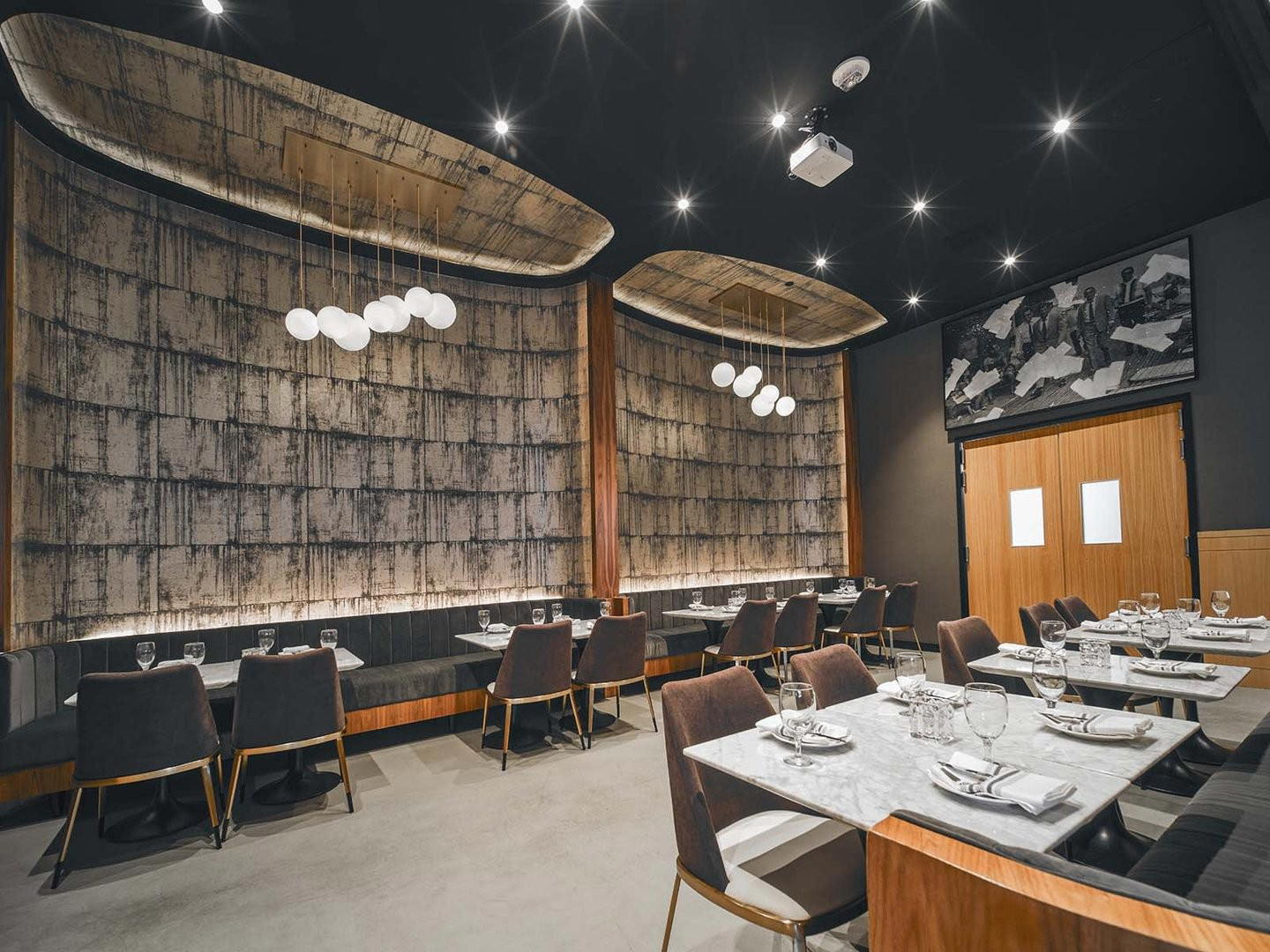
The design-and-space question matters because teppanyaki can go wrong in two directions: too much spectacle, or too little engagement. A counter-led room gives the format its necessary tension. The grill is visible, but the meal is not reduced to tricks. The private room option, sized for a small party, keeps the restaurant useful for occasions while preserving the central identity of a compact grill room.
Where it sits in Nagoya's premium grill and course-menu bracket
At this level, the comparison is not between every steak restaurant in town. It is between restaurants that compress a full evening into a controlled format. L'atelier K works at a higher dinner bracket, while Yakiniku Asahi and Shutei Nawa occupy a similar price band through different grill traditions. That distinction is useful: yakiniku hands control to the table, while teppanyaki concentrates it at the counter. The guest chooses the mood as much as the cuisine.
The Tabelog 100 Steak / Teppanyaki EAST selection in 2025 is the clearest public signal for where the restaurant belongs. Tabelog’s category lists are not Michelin-style star systems; they function more like category-specific recognition within Japanese diner culture. For travelers, the implication is practical: this is not a casual drop-in grill, and it competes in a field where locals pay close attention to category rankings, score movement, and booking friction.
Nagoya’s strength as a dining city is that it is not merely a smaller Tokyo. The city has a strong appetite for beef, grilled formats, and business-appropriate rooms, but it also supports precise counter dining across Japanese and Western idioms. In that context, Teppan Ryori Rakuda Nagoya ten reads as a Nagoya answer to premium teppanyaki: smaller, controlled, and less hotel-bound than the version many international visitors know.
Travelers building a wider Nagoya itinerary can set this against other local options such as 1022, 451, Aaron, Alan., and All Day Dining Montmartre. The point is not to rank unlike formats, but to understand how Nagoya splits its serious dining between counters, private rooms, hotel settings, and specialist kitchens.
The decision: choose it for controlled proximity, not grand spectacle
The strongest case for this restaurant is spatial rather than ornamental. A small teppanyaki room suits diners who want a close view of technique, a course-led evening, and the option of a private setting for a small group. It is less suited to anyone looking for a sprawling steak-house atmosphere or an à la carte grazing night.
The course-only structure also shapes the social contract. Teppanyaki at this level is not built for restless ordering; it rewards attention to sequence and pace. That makes the room a better fit for a focused dinner, a quiet celebration, or a business meal where the counter provides enough activity to keep the evening moving without turning the table into a stage.
For travelers, the wider plan matters. Pairing a tightly managed dinner here with Nagoya’s hotel, bar, and experience scene gives the city more dimension than a single restaurant booking can. Use Our full Nagoya hotels guide, Our full Nagoya bars guide, Our full Nagoya wineries guide, and Our full Nagoya experiences guide to build the rest of the stay around the meal rather than treating dinner as an isolated trophy booking.
Readers comparing Japanese dining formats beyond Nagoya may also find useful contrasts in -Grilled beef Sukiyaki- KAMAKURA TANUKIAN 鎌倉 たぬき庵 in Kamakura. 鮪と炭火焼き うお炭 秋葉原店 in Tokyo.cafe in Osaka.know in Kumamoto, (Shoku) Vietnam in Kawasaki, [Curry Senmon Ten] Maruyama Kyoju. in Sapporo, Jōdo Saké Bar in Los Angeles, and Onigiri Time in Pasadena. Together, they show how Japanese dining identity changes when the defining feature is the room: counter, grill, bar, café, or specialist shop.
Peers Worth Knowing
Side-by-side context: comparable cuisine and price.
| Venue | Cuisine | Price | Notes |
|---|---|---|---|
| Teppan Ryori Rakuda Nagoya tenThis venue — the venue you are viewing | Seasonal Teppanyaki | $$$ | Not listed |
| Yakiniku Asahi | Private-room Wagyu Yakiniku | $$$ | Higashi |
| Tatsufumi Shiten | Traditional Sushi Omakase Counter | $$$ | Higashi |
| Chiba Izumi | Yakitori Omakase | $$$ | Higashi |
| Yakitori Shige Higashizakura | Nagoya Cochin Yakitori Omakase | $$$ | Higashi |
| Meshiya Ukiyo Banare | Modern Japanese Izakaya | $$$ | Naka |
Recognition history
Dated appearances from independent guides and award organizations, with the underlying list record or original source where available.
Tabelog 100 #42 · No. 42
Tabelog · Tabelog 100 - Steak / Teppanyaki - EAST - 2025
Continue exploring
More in Nagoya
Restaurants in Nagoya
Browse all →

At a Glance
- Cozy
- Elegant
- Intimate
- Date Night
- Business Dinner
- Group Dining
- Special Occasion
- Celebration
- Chefs Counter
- Open Kitchen
- Standalone
- Extensive Wine List
- Local Sourcing
- Farm To Table
A casual yet upscale teppanyaki counter with warm, cozy lighting, an intimate number of seats around the grill, and a relaxed but polished atmosphere centered on interaction with the chef.