
Chiba Izumi places Nagoya yakitori in a polished Higashisakura setting, where counter seating, chicken-focused cooking and a serious drinks posture align it with Japan’s higher-reaching skewer rooms rather than casual after-work grills. Its selection for Tabelog 100 Yakitori EAST 2025 gives the restaurant a clear external signal in a city better known to many travelers for miso katsu, hitsumabushi and tebasaki.
Pearl is the En Primeur Club membership app — saves, bookings, and concierge access live there. Same editors, same standards.
- Address
- 2 Chome-11-20 Higashisakura, Higashi Ward, Nagoya, Aichi 461-0005, Japan
- Phone
- +81 52-908-0360
- Website
- tabelog.com
 Saves & bookings on Pearl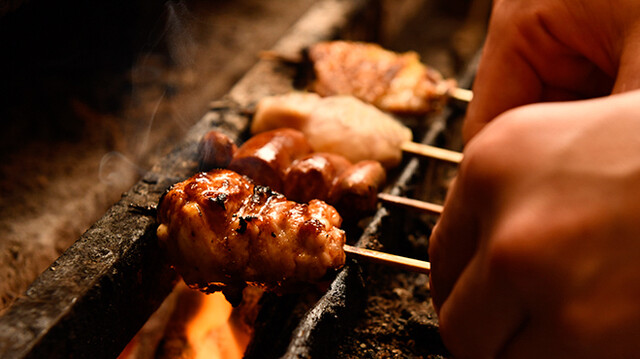
Higashisakura is not the Nagoya of station concourses and department-store dining floors. East of Sakae, the area settles into a quieter urban register: office towers, late-evening taxis, upper-floor restaurants and dining rooms for people who decided before arriving. Chiba Izumi belongs to that Nagoya. The setting matters because yakitori changes when it leaves the street-level grill for a controlled room: smoke becomes punctuation, the counter becomes a stage, and chicken moves from drinking food into a course-led format.
Nagoya has a strong everyday chicken culture, from tebasaki wings to izakaya cooking, but premium yakitori asks a different question. It is less about abundance than sequencing, heat control and making a narrow ingredient field feel complete. Chiba Izumi is listed for yakitori and chicken dishes, with counter seating, sofa seating and an eight-person private room, a plan suited to focused dining and small groups. Its price band places it in the same dinner tier as Nagoya venues such as LA MODESTIE and Yakiniku Asahi, far above the casual bracket represented by Pizza BURDE. The comparison is useful: this belongs to the city’s serious dinner category, not its quick comfort-food circuit.
Higashisakura gives yakitori a quieter Nagoya frame
Location shapes expectation in Nagoya. Sakae supplies the city’s nightlife gravity, while Nagoya Station pulls business travelers and transit diners. Higashisakura works differently: an after-dark corridor just removed from the loudest commercial streets, central enough to be practical and separate enough for restaurants built on reservations and repeat intent. For a yakitori counter, that distance helps. The format rewards patience: skewers arrive in sequence, drinks follow the grill, and the room’s scale does more work than spectacle.
The restaurant’s recognition sharpens that local position. Selection for Tabelog 100 Yakitori EAST 2025 places Chiba Izumi in a national yakitori conversation, not just a Nagoya one. Tabelog’s Hyakumeiten lists matter for genres such as yakitori, ramen and tonkatsu, where Japanese diners often read rankings, scores and category lists more fluently than foreign visitors read guidebook stars. A Tabelog score of 3.78 is meaningful here; on that platform, high-three scores can signal strong local approval in competitive formats where small counters and limited seating keep volume down.
That does not make it a generic trophy booking. It marks how Nagoya’s premium dining scene is broadening. The city’s international reputation often trails Tokyo, Kyoto and Osaka, but its strongest rooms need not imitate them. In yakitori, Nagoya can fold local appetite for chicken into a formal structure without losing the directness that makes the genre compelling. The restaurant sits in that middle ground: serious enough for destination-minded diners, grounded enough to feel recognizably Nagoya.
The format is chicken-led, drink-aware and built for a measured evening
Yakitori at this level depends on discipline more than range. The grammar is familiar across Japan: different cuts and textures, salt or tare decisions, and a grill rhythm that turns repetition into variation. Without naming unlisted dishes, the category tells diners what to expect: a chicken-focused sequence rather than a broad à la carte survey. For travelers choosing among Nagoya dining options, this is narrower than kaiseki, less casual than an izakaya, and more grill-centered than French or yakiniku at a similar price.
The drinks posture reinforces that positioning. The restaurant is noted for sake, shochu and wine, reflecting contemporary yakitori’s shift. Beer remains the historic companion for skewers, but higher-priced counters increasingly use sake for mineral lift, shochu for texture and wine for acidity or aromatic contrast. The grill may be old, but the pairing logic has become more ambitious. For beverage-focused diners, that breadth signals more than a long menu description.
The room’s 25 seats keep the experience compact without turning monastic. Counter seating suits diners who want the grill’s logic in view; sofa seating and the private room broaden the use case for small gatherings. In Nagoya, where business dining and social meals often overlap, that flexibility matters. It also separates this address from ultra-small counters where silence and scarcity govern the evening. The better read is controlled comfort around a precise cooking format, not austerity.
How it fits into a Nagoya dining itinerary
The restaurant suits travelers who already understand Nagoya’s standard food checklist and want a composed evening around one genre. It is not for sampling every local specialty in one sitting. It is for seeing how a city known for hearty, sauce-driven dishes handles a more exacting grill tradition. Go for focused yakitori and a drink program with sake, shochu and wine, not for a broad introduction to Aichi cooking.
For broader planning, EP Club’s Our full Nagoya restaurants guide gives city context around other dining styles, while Our full Nagoya hotels guide, Our full Nagoya bars guide, Our full Nagoya wineries guide and Our full Nagoya experiences guide help position the meal within a full stay. Nearby and Japan-wide restaurant references also sharpen the decision: 1022, 451, Aaron, Alan. and All Day Dining Montmartre show how varied the Nagoya field can be, while national comparisons such as -Grilled beef Sukiyaki- KAMAKURA TANUKIAN 鎌倉 たぬき庵 in Kamakura. 鮪と炭火焼き うお炭 秋葉原店 in Tokyo.cafe in Osaka.know in Kumamoto, (Shoku) Vietnam in Kawasaki, [Curry Senmon Ten] Maruyama Kyoju. in Sapporo, Jōdo Saké Bar in Los Angeles and Onigiri Time in Pasadena underline how specialized Japanese dining formats travel across cities and price tiers.
The verdict is simple: a Nagoya yakitori address for diners who prefer a defined format, external recognition and a quieter central district over a roaming night of snacks. The Tabelog 100 Yakitori EAST 2025 selection supplies the trust signal; the Higashisakura setting supplies the mood; the category supplies the discipline. Together, they make the restaurant a strong fit for a focused dinner rather than a casual add-on.
Reputation Context
Comparable venues by cuisine and price in the same metro.
| Venue | Cuisine | Price | Notes |
|---|---|---|---|
| Chiba IzumiThis venue — the venue you are viewing | Yakitori Omakase | $$$ | Not listed |
| Tempura Niitome (天風良 にい留) | Modern Tempura Omakase | $$$ | Naka |
| Teppan Yaki Jiro | Teppanyaki & Wagyu Steak | $$$ | Naka |
| 吉い | Seasonal Japanese Kaiseki | $$$ | Naka |
| Atsuta Houraiken Matsuzakaya ten | Traditional Nagoya eel (hitsumabushi) restaurant | $$$ | Naka |
| Sugimoto Honten | Traditional Japanese Sukiyaki & Shabu-Shabu | $$$ | Naka |
Recognition history
Dated appearances from independent guides and award organizations, with the underlying list record or original source where available.
Tabelog 100 #68 · No. 68
Tabelog · Tabelog 100 - Yakitori - EAST - 2025
Continue exploring
More in Nagoya
Restaurants in Nagoya
Browse all →
At a Glance
- Modern
- Elegant
- Cozy
- Intimate
- Sophisticated
- Date Night
- Business Dinner
- Group Dining
- Celebration
- Special Occasion
- After Work
- Chefs Counter
- Private Dining
- Design Destination
- Standalone
- Sake Program
- Extensive Wine List
Current opening hours
- Monday
- 5–11 PM
- Tuesday
- 5–11 PM
- Wednesday
- 5–11 PM
- Thursday
- 5–11 PM
- Friday
- 5–11 PM
- Saturday
- 5–11 PM
- Sunday
- Closed
Hours can change for holidays and private events. Last verified .
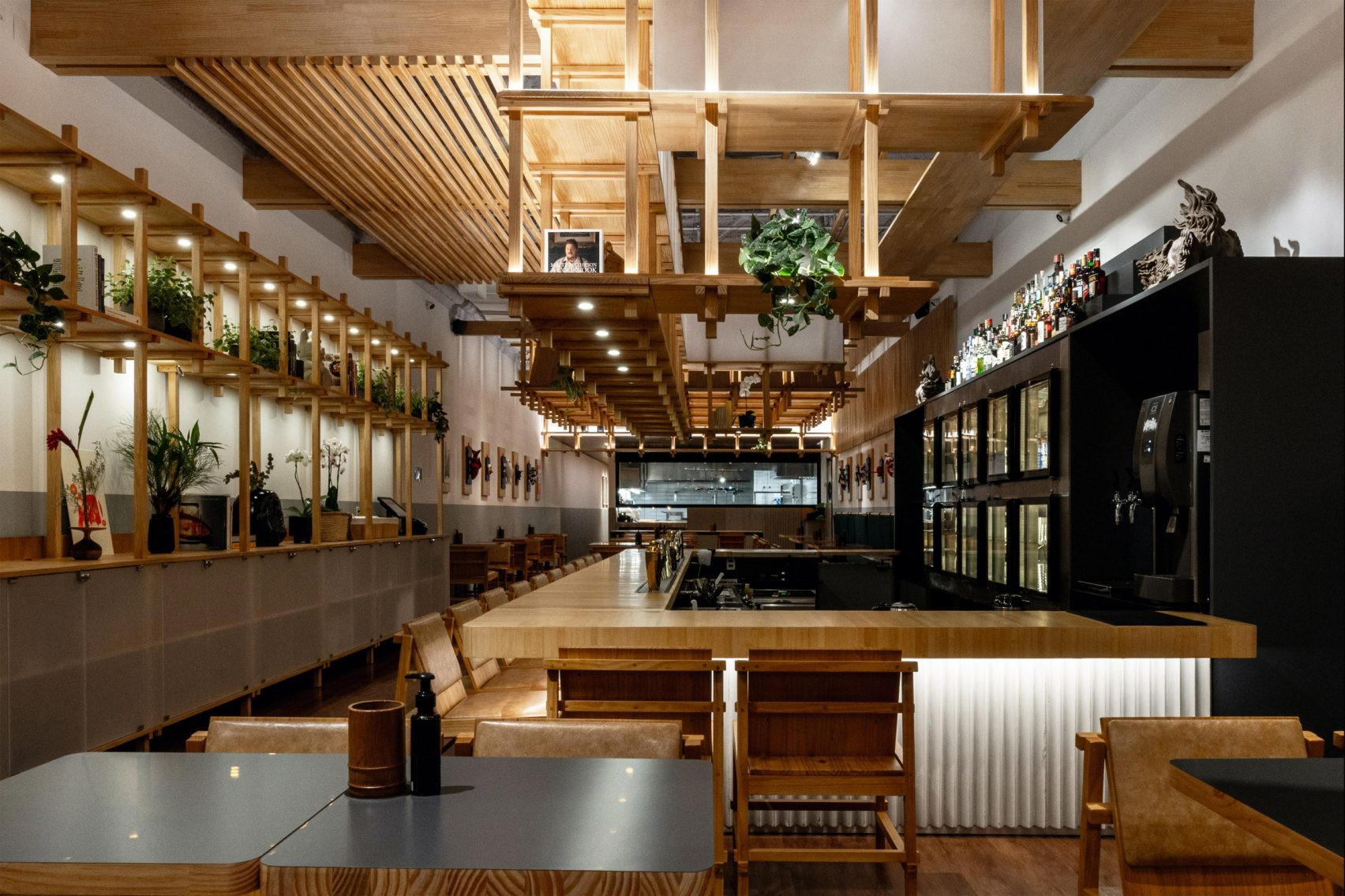
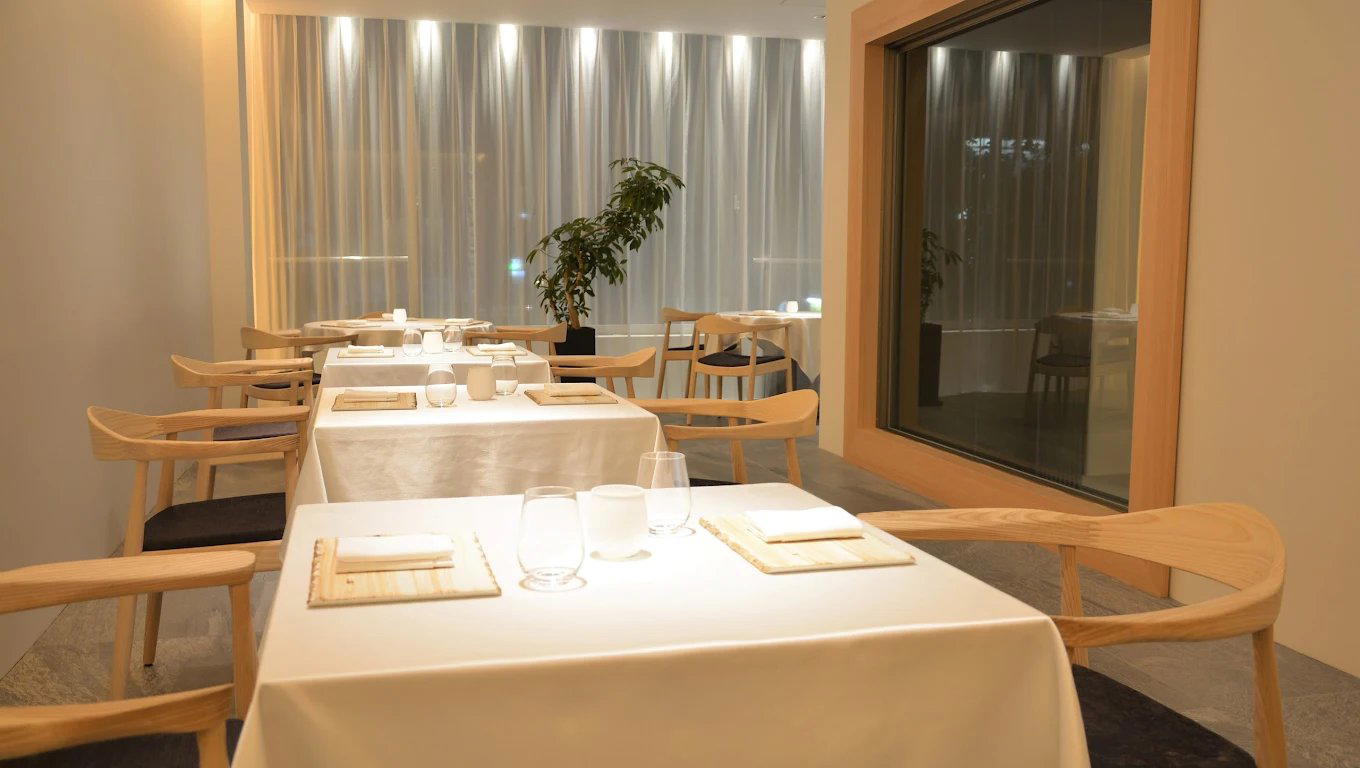
Modern Japanese, low-smoke interior with counter and sofa seating, designed as an adult hideout that feels relaxed yet refined and well-suited to dates and business dinners.