
Yakiniku Asahi places Nagoya’s grill culture in a private-room register: yakiniku rather than counter theatre, with wine in the frame and Tabelog 100 Yakiniku EAST 2025 recognition behind it. The appeal is strongest at dinner, where the category’s social rhythm, smoke control, and room-by-room privacy matter as much as the beef itself.
Pearl is the En Primeur Club membership app — saves, bookings, and concierge access live there. Same editors, same standards.
- Address
- 愛知県名古屋市東区東桜2-12-25 メゾン森2F
- Phone
- +81529384039
- Website
- tabelog.com
 Saves & bookings on Pearl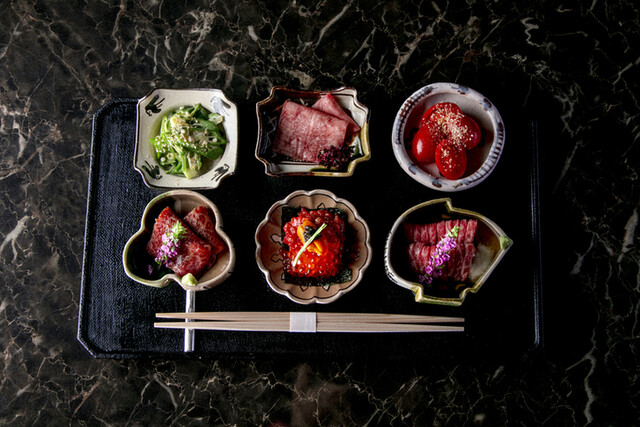
Arrival in Higashisakura has the discreet urban grammar Nagoya does well: offices thinning into apartment blocks, Sakae close enough to shape the evening but not so close that the room feels like a station-side compromise. Yakiniku is a cuisine of heat, timing, and conversation, and the private-room format changes the usual psychology of the grill. Instead of a noisy dining room built around shared spectacle, the meal becomes contained: the table, the grill, the pace of the group, and the decision of when to cook rather than simply what to order.
That matters because Nagoya’s higher-spend dining is not a single lane. French rooms, kappo counters, teppan formats, and yakiniku all compete for the same dinner slot, but they offer different kinds of control. L'atelier K sits in a higher dinner bracket, while Teppan Ryori Rakuda Nagoya ten and LA MODESTIE occupy a similar spend tier to Yakiniku Asahi. Pizza BURDE works at a lower casual register. Against that field, yakiniku earns its place through participation: the guest is not watching a chef’s choreography from across a counter, but managing heat, sequence, and appetite at the table.
Private-room yakiniku turns dinner into the main event
Daytime and evening service divide sharply in this category. Lunch, when offered by yakiniku restaurants, often works as value engineering: set meals, faster pacing, and a narrower expression of the kitchen’s buying. Dinner is where the format makes sense at full scale. Cuts can be ordered in sequence, wine can enter the conversation, and the table has time to move from leaner beef to richer sections without compressing the meal into a business-hour break.
Yakiniku Asahi’s public positioning points firmly toward that evening model. The Tabelog 100 Yakiniku EAST 2025 selection places it inside a competitive regional list rather than simply within the Nagoya neighborhood circuit, and its Tabelog score of 3.63 signals meaningful traction in a category where local regulars can be exacting. The listed wine focus is also a useful clue. In Japanese barbecue, wine changes the meal’s centre of gravity: it pulls yakiniku away from beer-led casualness and toward a longer dinner built around fat, salt, smoke, and pacing.
The private-room structure also changes who the restaurant suits. A 36-seat room count with all seats in private rooms makes it more adaptable for families, small celebrations, and business dinners than open-plan grill rooms where smoke, noise, and proximity define the night. Children are welcomed, which is not a minor detail in a price tier often associated with adult-only quiet. The better question is not whether families can go, but whether the group wants a slow grill dinner rather than a quick meal between sightseeing stops.
Where Nagoya's grill culture sits between counters and Western dining rooms
Nagoya’s dining identity is often flattened into local comfort dishes, but the city’s serious dinner culture is broader: private rooms for business use, meat-led formats for groups, and a strong appetite for restaurants that combine Japanese technique with Western drink habits. Yakiniku sits neatly in that pattern. It has the immediacy of fire but less formality than kaiseki, more social energy than sushi, and a more flexible ordering rhythm than tasting-menu French.
That comparison helps explain why a restaurant like this belongs in a Nagoya itinerary only when the evening calls for a participatory meal. A counter restaurant gives the guest surrender; yakiniku asks for attention. The difference is not hierarchy, it is mood. Shinzenbi may speak to another version of Nagoya dining, and L'atelier K to the city’s French-accented ambitions, but grill rooms answer a different question: where can a group eat well without turning dinner into a silent procession of plates?
For travellers mapping the city, the useful move is to think by occasion rather than cuisine checklist. Start with Our full Nagoya restaurants guide, then decide whether the night should be counter-led, room-led, or drink-led. The broader city edit also sits alongside Our full Nagoya hotels guide, Our full Nagoya bars guide, Our full Nagoya wineries guide, and Our full Nagoya experiences guide.
How to read the table before choosing the night
The strongest case for Yakiniku Asahi is not novelty; it is alignment. The room format, wine cue, children-welcome policy, and Tabelog 100 recognition all point to a restaurant built for a composed dinner rather than a casual meat stop. That makes it a sharper choice for groups who want privacy and control than for solo diners chasing counter intimacy. It also makes advance planning sensible, because recognised yakiniku rooms in central Nagoya tend to be chosen for occasions, not just appetite.
Readers building a wider Japan food itinerary can use contrasts to sharpen the decision. Beef-led meals elsewhere include -Grilled beef Sukiyaki- KAMAKURA TANUKIAN 鎌倉 たぬき庵 in Kamakura, while Tokyo drinking-and-grill culture appears in . 鮪と炭火焼き うお炭 秋葉原店 in Tokyo. For a completely different register, compare .cafe in Osaka, .know in Kumamoto, (Shoku) Vietnam in Kawasaki, and [Curry Senmon Ten] Maruyama Kyoju. in Sapporo. Outside Japan, Jōdo Saké Bar in Los Angeles and Onigiri Time in Pasadena show how Japanese formats travel when transplanted into California dining culture.
Within Nagoya, cross-check the city’s smaller restaurant field through 1022, 451, Aaron, Alan. and All Day Dining Montmartre. The comparison is useful because the restaurant is not trying to solve every dining need. It is a dinner answer for a specific kind of Nagoya night: private, meat-led, wine-aware, and better suited to lingering than rushing.
Recognition Snapshot
Comparable venues at the same tier.
| Venue | Cuisine | Price | Notes |
|---|---|---|---|
| Yakiniku AsahiThis venue — the venue you are viewing | Private-room Wagyu Yakiniku | $$$ | Not listed |
| Teppan Izumi ~Sankai~ | Teppanyaki Steakhouse | $$$ | Higashi |
| Sakana To Nihonshu Atarayo | Creative Seafood Izakaya with Sake | $$$ | Naka |
| Gensui | Traditional Soba & Sake | $$$ | Naka |
| Meshiya Ukiyo Banare | Modern Japanese Izakaya | $$$ | Naka |
| Sushi Yasuke | Traditional Edomae Sushi Omakase | $$$ | Shōwa |
Recognition history
Dated appearances from independent guides and award organizations, with the underlying list record or original source where available.
Tabelog 100 #46 · No. 46
Tabelog · Tabelog 100 - Yakiniku - EAST - 2025
Continue exploring
More in Nagoya
Restaurants in Nagoya
Browse all →
At a Glance
- Intimate
- Elegant
- Cozy
- Sophisticated
- Date Night
- Business Dinner
- Group Dining
- Special Occasion
- Private Event
- Private Dining
- Standalone
- Natural Wine
- Natural Wine
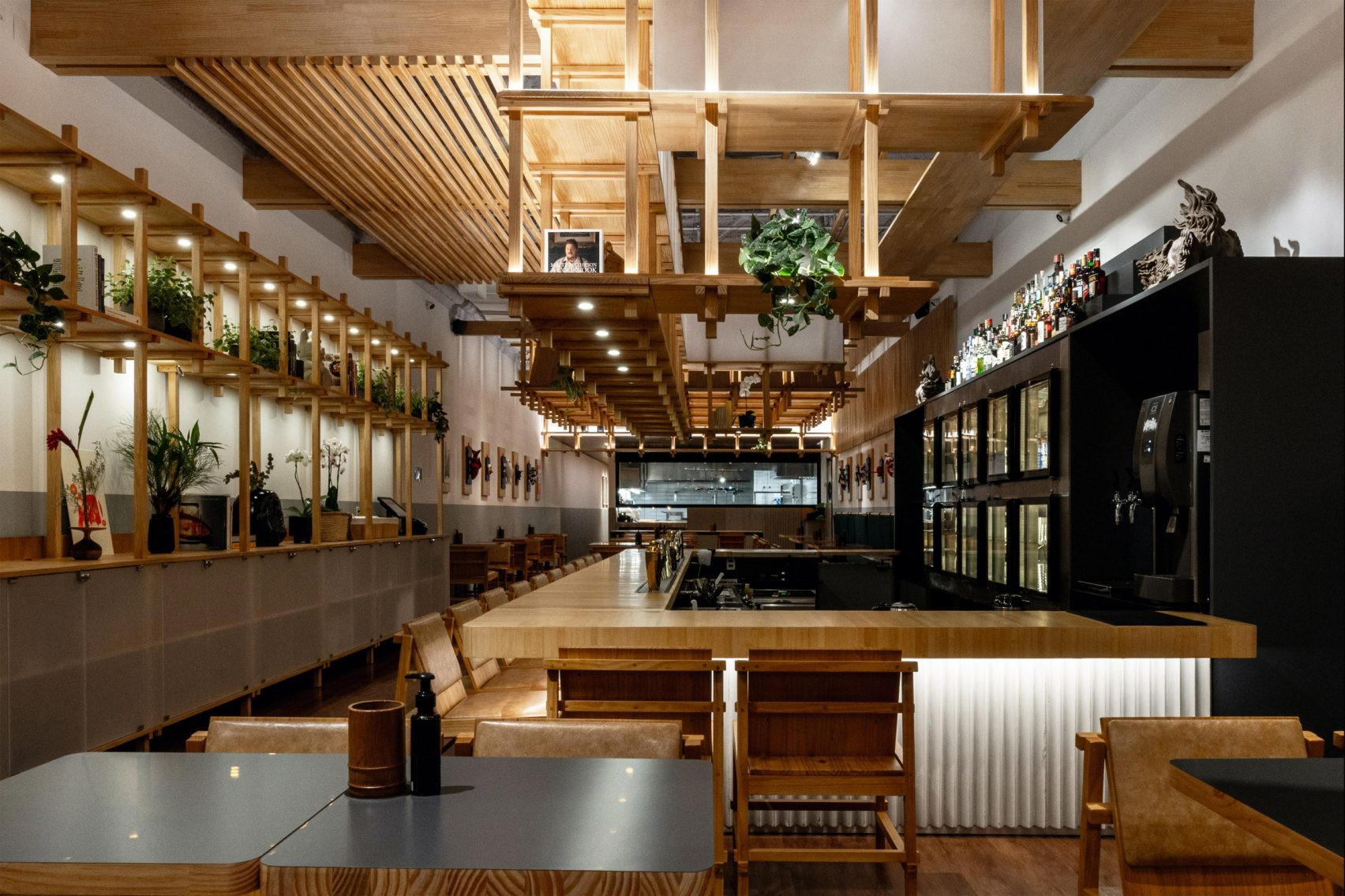
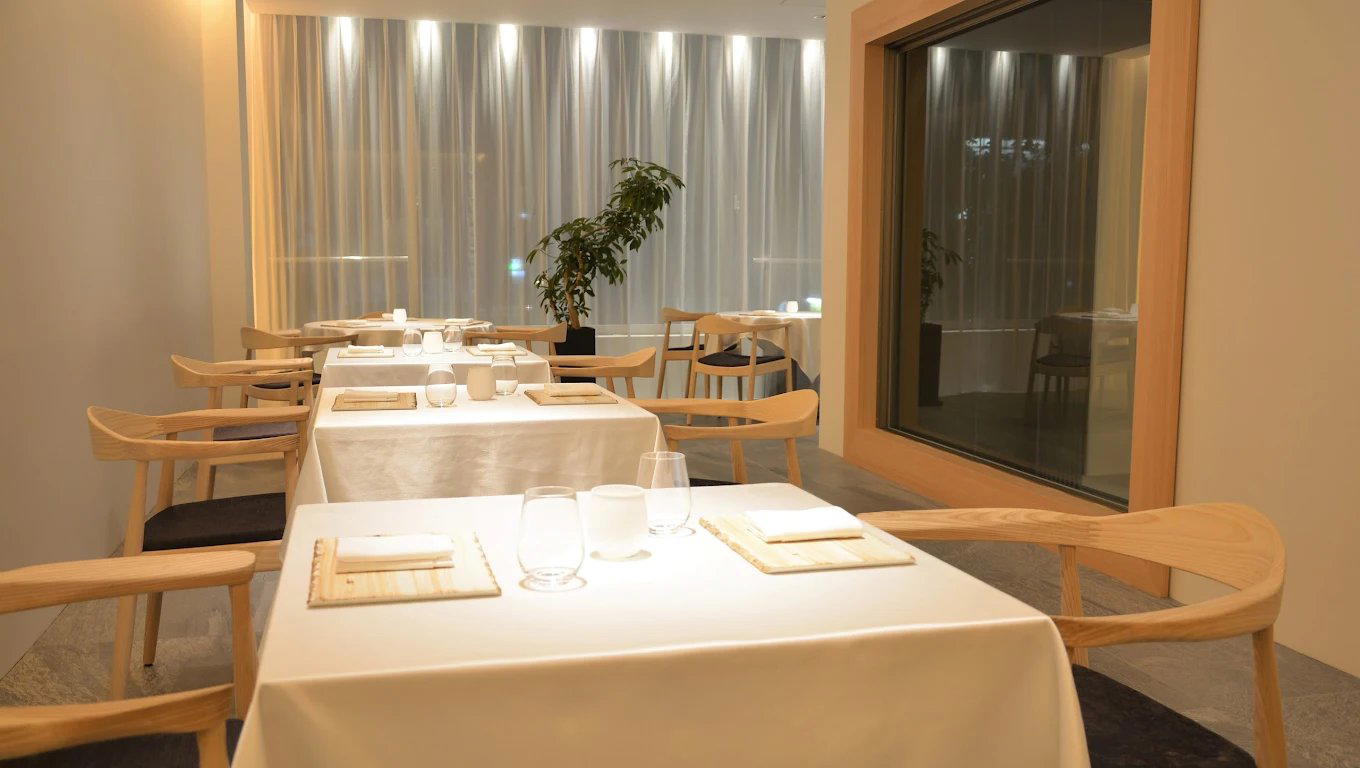
A quiet, tranquil hideaway of seven fully private rooms inside a condominium building, with a discreet back-entrance approach and attentive table-side grilling that creates an intimate, elegant atmosphere suited to dates and business dinners.