
Yakitori Shige Higashizakura is a Nagoya yakitori counter in Higashisakura with Tabelog 100 Yakitori EAST selections in 2023, 2024, and 2025. The draw is the disciplined charcoal-skewer format: aged Nagoya Cochin, counter seating, private-room flexibility, and a drinks program that spans sake, shochu, and wine.
Pearl is the En Primeur Club membership app — saves, bookings, and concierge access live there. Same editors, same standards.
- Address
- 1 Chome-10-7 Higashisakura, Higashi Ward, Nagoya, Aichi 461-0005, Japan
- Phone
- +81 52-951-7077
- Website
- tabelog.com
 Saves & bookings on Pearl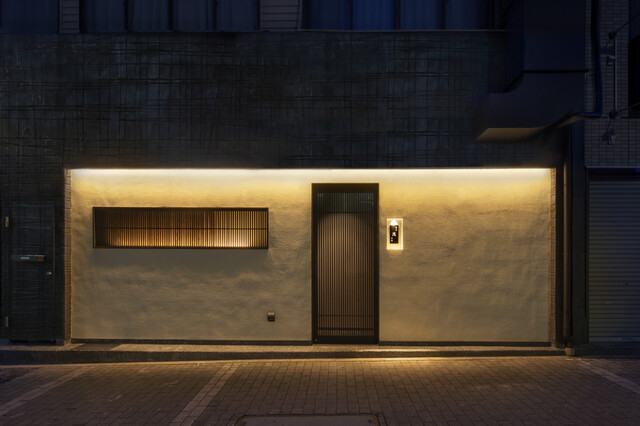
Higashisakura sits close enough to Sakae and Hisaya Odori to feel central, but its better dining rooms move with a quieter rhythm than Nagoya’s department-store restaurant floors. Yakitori fits that register: a grill, a sequence of skewers, and a chef judging heat by seconds rather than spectacle. Our full Nagoya restaurants guide maps the city’s stronger tables across formats, but charcoal chicken is one of the clearest ways to read local appetite without turning dinner into ceremony.
Yakitori Shige Higashizakura sits at the serious end of that spectrum. Tabelog selected it for Yakitori EAST “Tabelog 100” in 2023, 2024, and 2025, a useful signal in a category where the gap between casual skewers and specialist cooking can be larger than the room suggests. Its Tabelog score is 3.75, and the format is compact: 18 seats split between counter seating and a private room. That scale matters. Yakitori loses force when the grill is too far from the guest; the counter remains the craft’s natural stage.
Charcoal yakitori in Nagoya is about control, not theatre
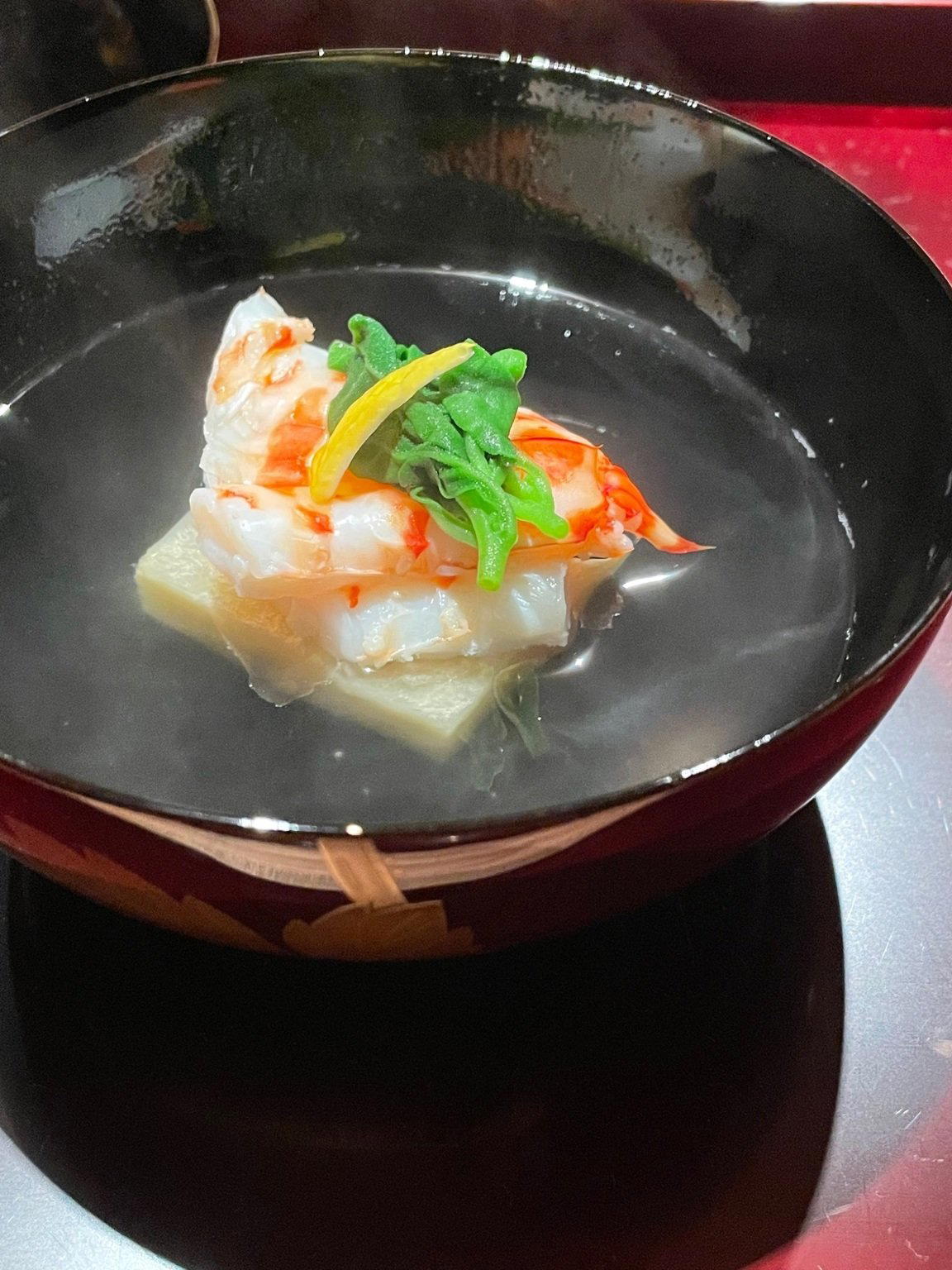
Japan’s yakitori tradition is often reduced to grilled chicken. At its disciplined end, it studies butchery, seasoning, heat management, and pacing. The bird is divided into small cuts with different fat, muscle, and skin structures, then cooked over charcoal in a sequence that rewards attention. Nagoya adds context through Nagoya Cochin, the regional chicken breed known for firmer texture and deeper poultry character. Here, the listed focus is aged Nagoya Cochin whole chicken, placing the restaurant in a more ingredient-led tier than ordinary after-work skewer houses.
The point is not luxury for its own sake. Yakitori grew from everyday drinking culture, yet specialist counters now sit beside sushi, tempura, and kappo as formats where repetition becomes refinement. A premium yakitori meal is not built around one centerpiece dish; it depends on accumulation. Skewers arrive one by one, moving through leaner and richer parts, with salt or tare acting as structure rather than decoration. The format is unusually transparent: poor sourcing and careless fire have little cover.
In Nagoya, where miso-katsu, tebasaki, kishimen, and hitsumabushi often dominate visitor checklists, a serious yakitori counter offers another reading of the city: compact room, focused cooking, drinks within reach, and a cadence suited to a business dinner or a small family gathering in a private room.
The counter format separates specialist yakitori from casual skewers
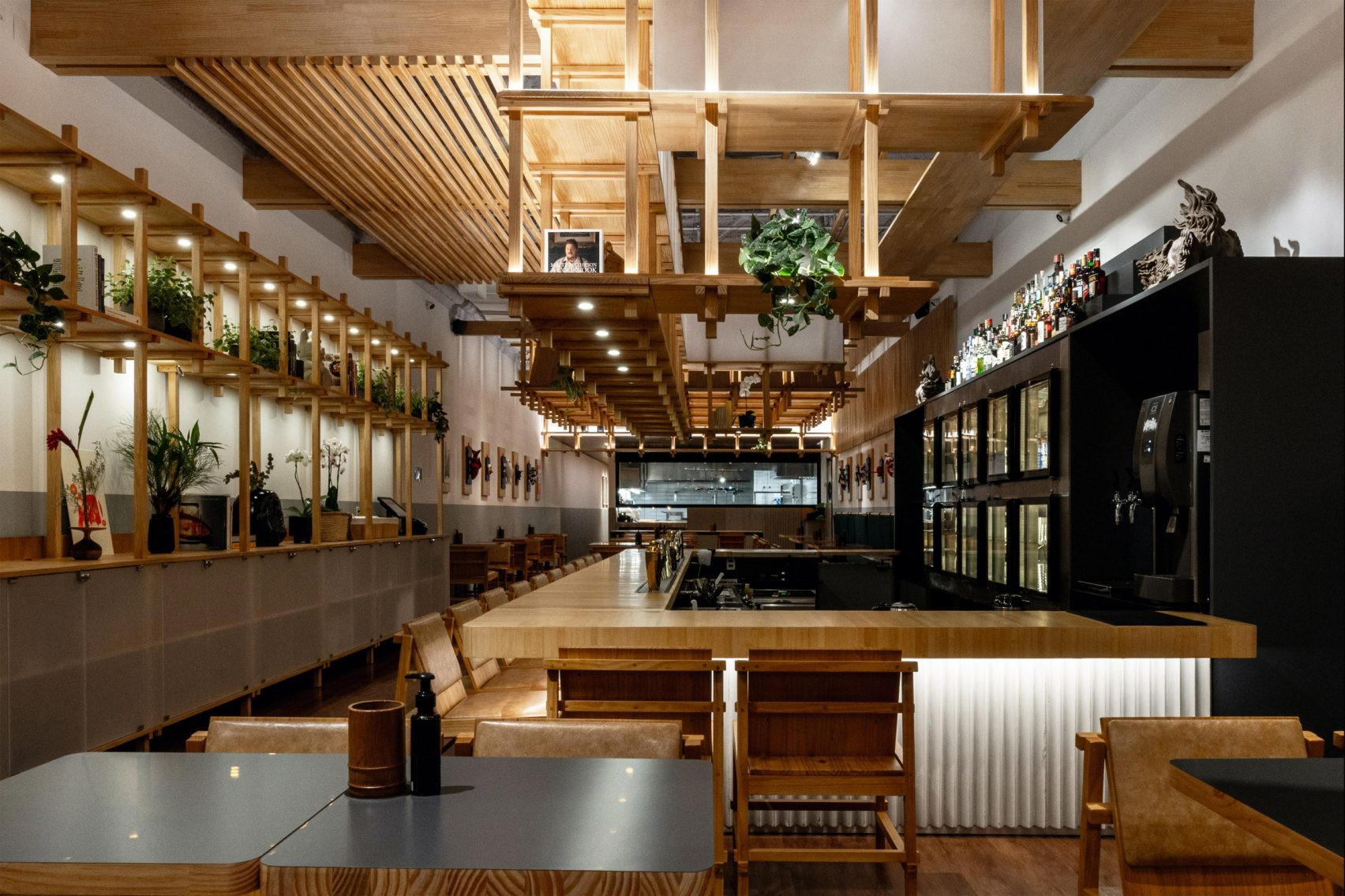
The room’s 12 counter seats and one six-seat private room create two versions of the meal. Counter seating suits diners who care about grill timing and cut sequence. The private room means less direct heat, more conversation, and a useful option for groups with children. The distinction is practical and cultural. Yakitori counters are intimate by design, and many serious rooms are not built for restless diners or large parties. A private room broadens the use case without changing the meal’s central grammar.
The drinks list points where yakitori at this level should: sake, shochu, and wine, with BYO allowed and corkage applied for outside bottles. Sake and shochu remain traditional pairings, especially with salt, smoke, and chicken fat, but wine is now common at specialist counters where diners want acidity, texture, and temperature control across a longer sequence. The multilingual menu in English, Traditional Chinese, Simplified Chinese, and Korean also makes the format more legible for visitors, not always the case at small Japanese counters.
House rules define the meal. Strong perfume is discouraged, phone calls are not allowed inside, and counter seats are not for small children. None of that is precious; it protects a compact room where aroma, timing, and proximity matter. Around charcoal and poultry fat, guest restraint is part of the culture.
Where it fits in Nagoya's dining map
Nagoya’s premium dining scene is less internationally overexposed than Tokyo’s or Kyoto’s, often to its advantage. Strong meals sit in specific neighborhoods rather than one tourist corridor. Higashisakura and Hisaya Odori give access to central Nagoya without dining inside a transport hub. For comparison, Cucina Italiana Selvaggio occupies a similar dinner spend bracket in Nagoya, while Kato Coffee Ten represents the city’s lower-priced kissaten culture. The contrast matters: Nagoya rewards diners who do not treat it as a single-cuisine destination.
Within yakitori, the Tabelog 100 selections are the key external signal. Michelin stars are not the shorthand for every Japanese genre, especially outside cities where international guides shape overseas demand. For yakitori, Japanese diner platforms and category-specific lists often map the field more precisely. A repeat Tabelog 100 Yakitori EAST selection places the restaurant among closely watched eastern Japan yakitori addresses, not just general Nagoya restaurants.
The editorial read is clear: this is for diners who want Nagoya through fire, poultry, and counter discipline, not a broad regional tasting survey. It suits a concentrated, adult-toned night, though the private-room policy gives families a workable path. It is less suited to diners wanting a sprawling à la carte experience or a noisy volume-driven group dinner.
For broader planning around the city, EP Club’s Nagoya coverage is organized by format: Our full Nagoya hotels guide, Our full Nagoya bars guide, Our full Nagoya wineries guide, and Our full Nagoya experiences guide. Restaurant readers cross-shopping Japanese dining can also compare 1022, 451, Aaron, Alan., and All Day Dining Montmartre. Further Japanese and Japan-adjacent listings include -Grilled beef Sukiyaki- KAMAKURA TANUKIAN 鎌倉 たぬき庵 in Kamakura. 鮪と炭火焼き うお炭 秋葉原店 in Tokyo.cafe in Osaka.know in Kumamoto, (Shoku) Vietnam in Kawasaki, [Curry Senmon Ten] Maruyama Kyoju. in Sapporo, Jōdo Saké Bar in Los Angeles, and Onigiri Time in Pasadena.
Price and Positioning
Comparable venues at a similar level for quick context.
| Venue | Cuisine | Price | Notes |
|---|---|---|---|
| Yakitori Shige HigashizakuraThis venue — the venue you are viewing | Higashi, Nagoya Cochin Yakitori Omakase | $$$ | Not listed |
| Yakiniku Taiga | Naka, Modern wagyu yakiniku | $$$ | Not listed |
| Maruko | Not listed | $$$ | Naka, Traditional Wagyu Sukiyaki & Shabu‑shabu |
| Taverna Sukima | Not listed | $$$ | Chikusa, Yoshoku (Japanese-style Western cuisine) |
| Motoi | Chikusa, Modern Kyoto Kaiseki Omakase | $$$ | Not listed |
| 本郷おけい鮨 | Meitō, Creative Japanese Omakase Sushi | $$$ | Not listed |
Recognition history
Dated appearances from independent guides and award organizations, with the underlying list record or original source where available.
Tabelog 100 #55 · No. 55
Tabelog · Tabelog 100 - Yakitori - EAST - 2025
Continue exploring
More in Nagoya
Restaurants in Nagoya
Browse all →
At a Glance
- Modern
- Cozy
- Intimate
- Elegant
- Date Night
- Business Dinner
- Celebration
- Special Occasion
- Group Dining
- After Work
- Chefs Counter
- Open Kitchen
- Private Dining
- Standalone
- Sake Program
- Beer Program
- Local Sourcing
Current opening hours
- Monday
- Closed
- Tuesday
- 5–11 PM
- Wednesday
- 5–11 PM
- Thursday
- 5–11 PM
- Friday
- 5–11 PM
- Saturday
- 5–11 PM
- Sunday
- Closed
Hours can change for holidays and private events. Last verified .
Warm, modern Japanese space centered on an open yakitori counter with close-up views of the grill, complemented by quiet, enclosed private rooms for a more secluded, upscale feel.