
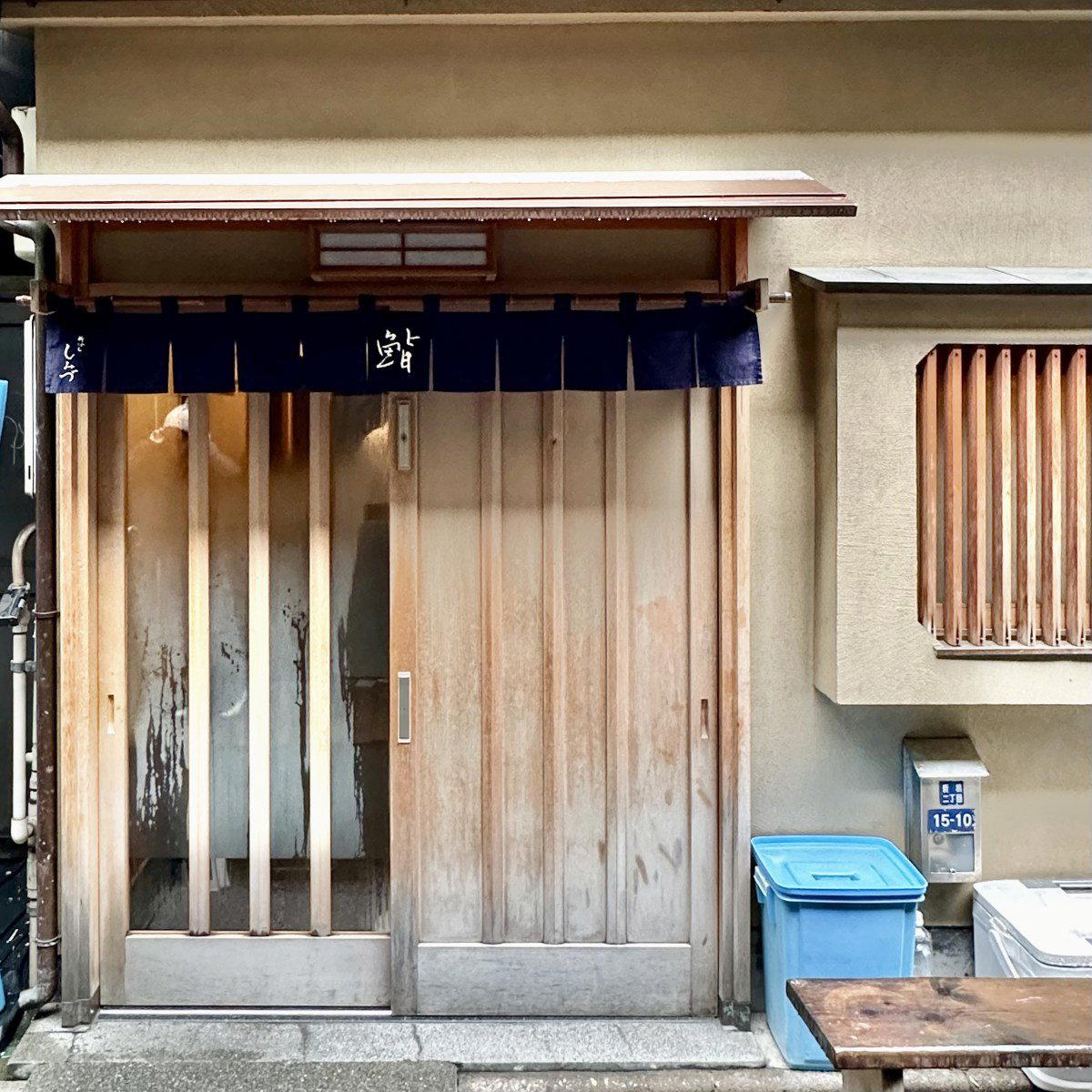
Tatsufumi Shiten belongs to Nagoya’s small-counter sushi tier: six counter seats, a fish-led format, and a dinner spend of JPY 10,000 to JPY 14,999. Its selection for Tabelog Sushi EAST “Tabelog 100” in 2021, 2022, and 2025 gives it a stronger signal than many neighbourhood sushi addresses around Kurumamichi.
Pearl is the En Primeur Club membership app — saves, bookings, and concierge access live there. Same editors, same standards.
- Address
- 愛知県名古屋市東区筒井3-9-12
- Phone
- +81529372133
- Website
- tabelog.com
 Saves & bookings on Pearl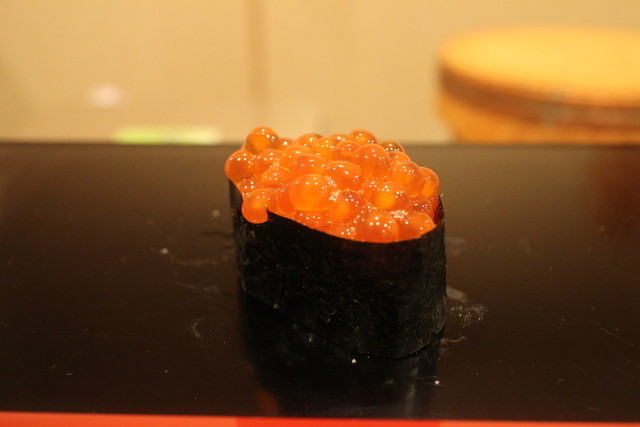
The approach to a six-seat sushi counter changes the evening before the first piece is served. In Nagoya, where premium dining spans hotel French rooms, kappo counters, and discreet sushi shops, small counters demand tighter planning: fewer seats, little tolerance for casual timing, and a rhythm set by the chef’s hands, not the diner’s pace. Tatsufumi Shiten sits in this compact category near Kurumamichi, where the room matters as much as the fish.
This is not Ginza theatre transplanted to Aichi. Nagoya sushi reads more quietly: serious sourcing, close counter contact, and prices below the extreme Tokyo omakase bracket while still requiring intent. The useful comparison is the city’s reservation-sensitive counters. Sushi Tesaku publishes dinner at JPY 6,000 to JPY 7,999, while Tsutsui Seijaku reaches JPY 20,000 to JPY 29,999. Tatsufumi Shiten’s JPY 10,000 to JPY 14,999 range places it mid-spectrum locally, with six seats tightening access more than price alone suggests.
Six counter seats put the booking before the appetite
The decisive fact is capacity. Six counter seats make the evening shaped by availability first and preference second. Reservations are available, but small-counter sushi is not practically a walk-in category, especially after multiple Tabelog Sushi EAST “Tabelog 100” selections in 2021, 2022, and 2025. That history is not a Michelin-style star system, but in Japan it is a meaningful consumer signal: repeated selection places the restaurant among sushi addresses diners actively track.
The room sets expectations. Counter seating removes the buffer between guest and preparation, so the meal is about timing, attention, and pacing more than private-table conversation. Private rooms are unavailable, private use is available, and the venue is non-smoking. The format is controlled and intimate, not a flexible group restaurant. For travellers, treat the reservation as the main logistical hurdle, then build the evening around it.
Payment also affects planning. Credit cards, electronic money, and QR code payments are not accepted, so cash belongs with the reservation checklist. This is not eccentric in Japan; many serious small restaurants keep older payment habits. At this price level, arrive prepared rather than turning a polished counter meal into an ATM problem.
Nagoya sushi between local discretion and national recognition
Nagoya is often framed by miso katsu, hitsumabushi, kishimen, and tebasaki, but its higher-end dining has a quieter second layer. Serious sushi counters compete for regulars, business dinners, and visitors who know not every worthwhile seat in Japan is in Tokyo, Kyoto, or Osaka. The city has enough demand for ambitious counters, but not so much international noise that every recognized address becomes a global trophy booking.
Tatsufumi Shiten’s published food emphasis is fish, obvious only until set against modern sushi’s drift toward aging technique, vinegar blends, temperature choreography, or luxury add-ons. A fish-forward identity keeps attention on sourcing and condition. Drink categories follow Japanese counter logic: sake, shochu, and wine, allowing traditional pairing habits and more international preferences without making the bar program the headline.
The Tabelog score of 3.74 deserves context. On Tabelog, scores above the mid-threes carry weight because the platform’s culture is conservative compared with many Western review sites. The stronger signal is repeated inclusion in the Sushi EAST “Tabelog 100.” For a traveller choosing between a hotel dining room, a French tasting menu such as Reminiscence, or a counter meal in the eastern wards, that recognition separates a serious sushi plan from a casual neighbourhood dinner.
Geography matters. Kurumamichi is not Sakae’s nightlife core or Nagoya Station’s transport-heavy dining grid. A counter here is a targeted trip, not a stop in visitor flow. That suits the format: small sushi rooms work best when given the night’s full attention.
Who should plan around this counter
The strongest case for booking is concentration: a six-seat sushi counter, mid-premium local pricing, fish-led cooking, and repeated Tabelog Sushi EAST recognition. It suits diners seeking a serious Nagoya sushi signal without the social proof of Tokyo’s international reservation circuit, and repeat Japan visitors who understand regional cities can offer compelling counters without the same global queue.
The format is less persuasive for diners wanting menu flexibility, a long wine-led evening, or a relaxed group setting. Private rooms are unavailable, and the counter limits movement, noise, and casual ordering. Families should weigh price and counter environment carefully; this is a small Nagoya sushi room, not a child-oriented restaurant. For older children comfortable with sushi-counter pacing, the issue is behavioural fit and reservation etiquette rather than a blanket yes or no.
Travellers mapping a broader Nagoya trip should treat this as one precise dining anchor, then build by category. For broader restaurant planning, start with Our full Nagoya restaurants guide; for where to stay, use Our full Nagoya hotels guide. Drinking routes sit separately in Our full Nagoya bars guide, while wider regional planning can run through Our full Nagoya wineries guide and Our full Nagoya experiences guide. Nearby and comparable restaurant browsing can include 1022, 451, Aaron, Alan., and All Day Dining Montmartre.
For readers extending the Japan food map beyond Nagoya, the contrast is useful: -Grilled beef Sukiyaki- KAMAKURA TANUKIAN 鎌倉 たぬき庵 in Kamakura. 鮪と炭火焼き うお炭 秋葉原店 in Tokyo.cafe in Osaka.know in Kumamoto, (Shoku) Vietnam in Kawasaki, and [Curry Senmon Ten] Maruyama Kyoju. in Sapporo show how format and price shift by city. Outside Japan, Jōdo Saké Bar in Los Angeles and Onigiri Time in Pasadena are diaspora comparisons, not substitutes for a Nagoya counter.
The verdict is practical: the restaurant rewards diners who plan early, bring cash, and understand compact sushi-counter etiquette. In a city better known abroad for hearty regional staples than destination sushi, that is the point. The address gives Nagoya dining a quieter, disciplined register, with limited seating making preparation part of the experience.
Category Peers
Comparable options at the same price tier.
| Venue | Cuisine | Price | Notes |
|---|---|---|---|
| Tatsufumi ShitenThis venue — the venue you are viewing | Traditional Sushi Omakase Counter | $$$ | Not listed |
| Chiba Izumi | Yakitori Omakase | $$$ | Higashi |
| Yakitori Sensho | Nagoya Cochin Yakitori | $$$ | Higashi |
| Wagyu Yakiniku Jirouya Kai wagyu&sake Nagoya ekimae honten | Japanese Yakiniku / Wagyu BBQ | $$$ | Nakamura |
| Otani | Kaiseki and Omakase | $$$ | Nakamura |
| Otsuaji Asai | Creative Japanese cuisine with handmade soba | $$$ | Naka |
Recognition history
Dated appearances from independent guides and award organizations, with the underlying list record or original source where available.
Tabelog 100 #5 · No. 5
Tabelog · Tabelog 100 - Sushi - EAST - 2025
Continue exploring
More in Nagoya
Restaurants in Nagoya
Browse all →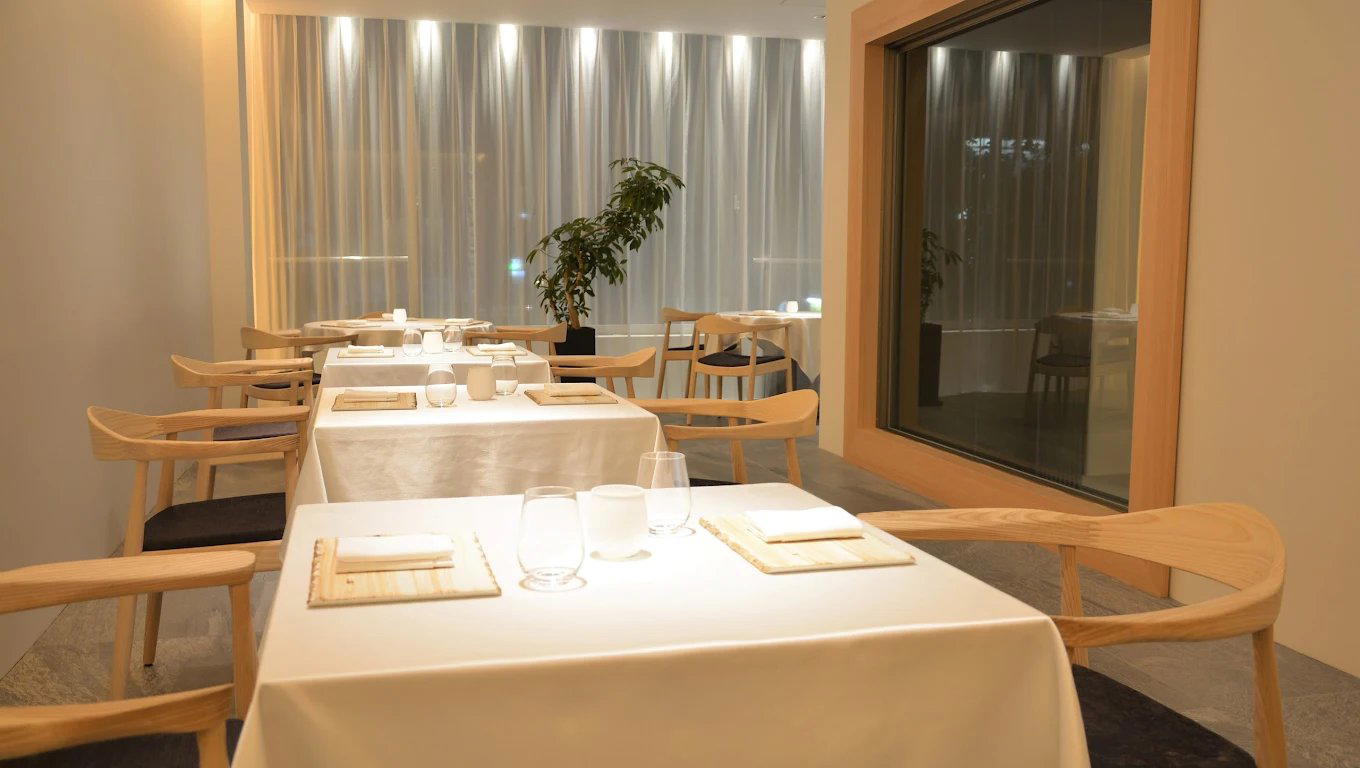
At a Glance
- Intimate
- Classic
- Cozy
- Date Night
- Solo
- Special Occasion
- After Work
- Chefs Counter
- Standalone
- Sake Program
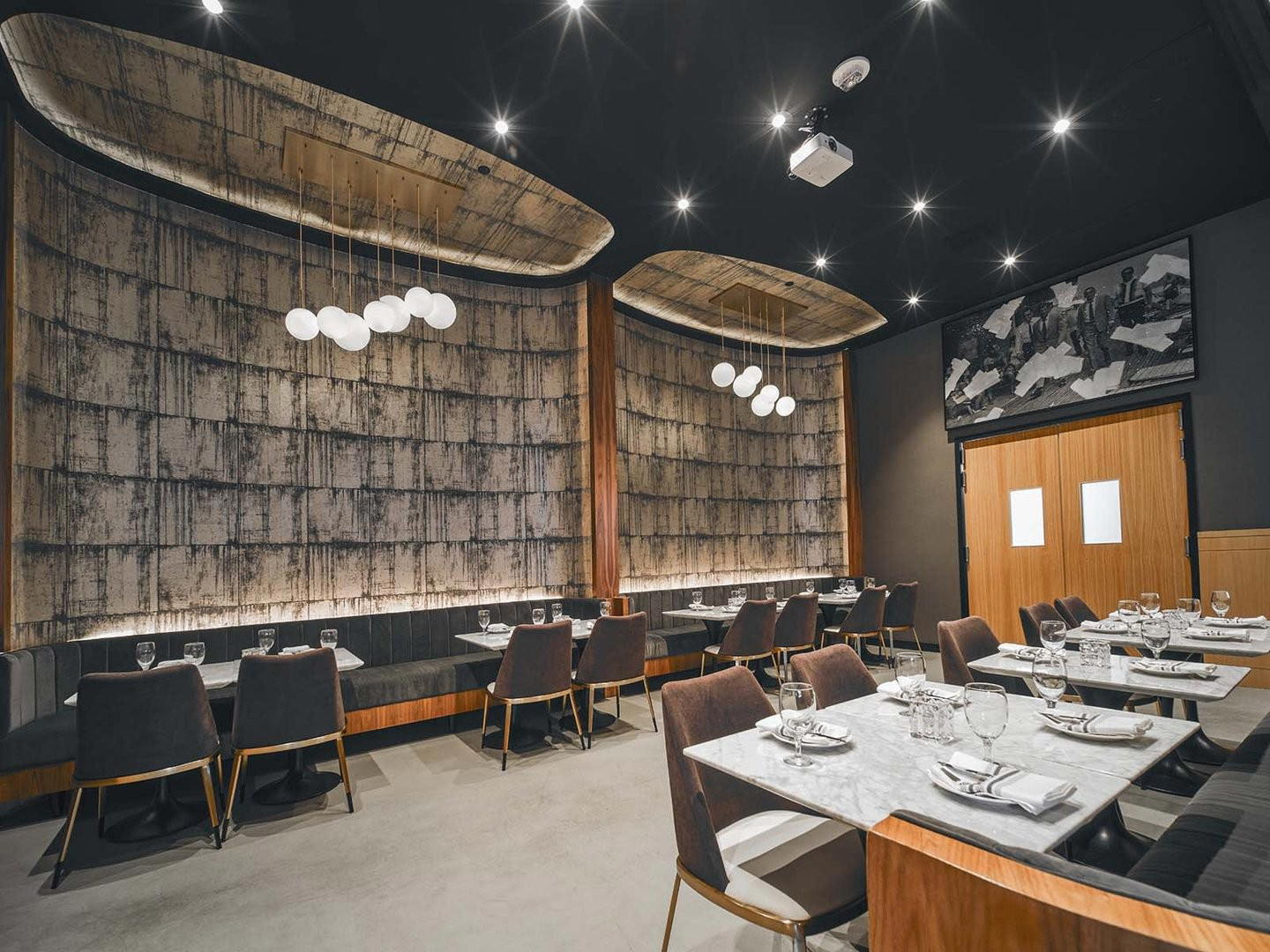
An intimate, non-smoking hideaway with just a small counter, creating a quiet and cozy atmosphere that feels like a neighborhood secret rather than a formal temple of sushi.