

1 Michelin Star
Our verdict
A Michelin-starred counter in Chuo City where Edomae tradition and deliberate innovation occupy the same omakase. Chef Hiroyuki Hashimoto's wide-cut fish, restrained nikiri, and straw-smoked Spanish mackerel have earned consistent placement in the Opinionated About Dining Top 100 Japan rankings. The counter runs two evening seatings Tuesday through Sunday, with Monday lunch service also available.

Pearl is the En Primeur Club membership app, where members save venues, book tables and use the concierge.
The menu
What to order
- Kohada nigiri
- Sawara nigiri
- Awabi in liver sauce
- Kuruma prawn
- Uni nigiri
Between Edo and Now: Where Sushi Hashimoto Sits in Tokyo's Omakase Debate
The argument that runs through Tokyo's high-end sushi scene, how much of Edomae tradition should a counter preserve, and how much should it reinterpret, rarely produces clean answers. Most counters resolve the tension by committing firmly to one side. The strictly classical houses, places like Edomae Sushi Hanabusa, treat Edo-period technique as non-negotiable doctrine. Counters at the other end of the spectrum treat history as raw material, subordinating it to personal expression. Sushi Hashimoto, which has held a Michelin star since at least 2024 and has appeared in the Opinionated About Dining Leading Restaurants in Japan rankings every year from 2023 through 2025, occupies a position neither camp claims cleanly. The technique reads traditional. The execution, at points, does not.
The Logic of the Fish Cut
Edomae sushi, in its canonical form, is about the relationship between prepared fish and seasoned rice. The preparation, curing, ageing, marinating, smoking, was originally a preservation method in the days before refrigeration. What Edo-period itamae discovered, and what modern practitioners still observe, is that controlled preparation concentrates and redirects flavour in ways raw fish cannot replicate. At Sushi Hashimoto, that logic governs the cutting as much as the preparation. Fish is cut in wide strips that wrap around the sushi rice rather than resting flat on top of it, a technique that changes the ratio of fish to rice at each bite and places the fish in direct contact with more surface area of the shari. The effect is structural as much as aesthetic: the rice does a different kind of work when it is enclosed rather than simply supporting the neta from below.
The rice itself reflects a blended shari approach, where the vinegar seasoning is calibrated to draw out the flavour of the fish rather than assert its own presence. This is a philosophically conservative choice, the rice as amplifier, not as character, and it aligns Hashimoto with the classicist tradition even as some of the individual pieces push away from it. Counters such as Sushi Kanesaka and Harutaka operate in a comparable register at the ¥¥¥¥ tier, where the rice-to-fish relationship is treated with the same seriousness as any individual ingredient.
Tradition as Anchor, Innovation as Punctuation
The clearest illustration of Hashimoto's dual position is the pairing of its gizzard shad preparation with its Spanish mackerel. Gizzard shad (kohada) stuffed with minced fish is a direct inheritance from Edo-period technique. Kohada is one of the fish most associated with the Edomae tradition, cured with salt and vinegar, it was among the earliest pieces formalized in the style. Stuffing it with minced fish extends an old practice without abandoning it. The piece reads as a direct line back through the decades.
Straw-smoked Spanish mackerel dressed in mustard reads differently. Straw smoking as a technique has a longer Japanese culinary history, but its application to a sushi counter piece and the addition of mustard as a condiment moves the piece into territory that classical Edomae houses would not recognise as their own. This is deliberate. The two pieces, placed in the same omakase sequence, create a before-and-after argument: here is what the tradition looks like when preserved, and here is what it looks like when tested. That argument is more interesting than either piece would be in isolation.
Nikiri, the brushed soy glaze applied to most Edomae pieces, is used sparingly here, which is also a considered position. Heavy nikiri application can homogenise a sequence, pulling different fish toward a common flavour baseline. Restraint with the brush keeps the individual character of each neta more legible. At Sukiyabashi Jiro Roppongiten, the nikiri application and its role in the sequence represents a point of intense focus; the fact that Hashimoto treats it differently is not a departure from rigour but a different expression of it.
The Counter Itself
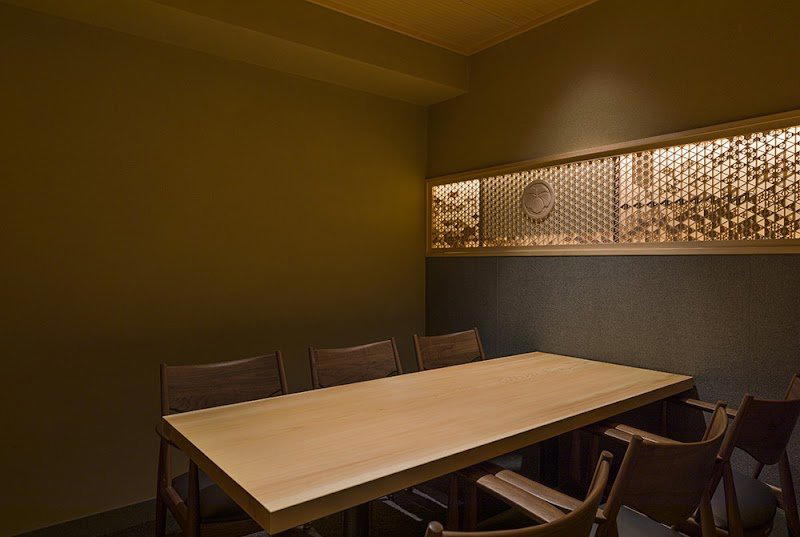
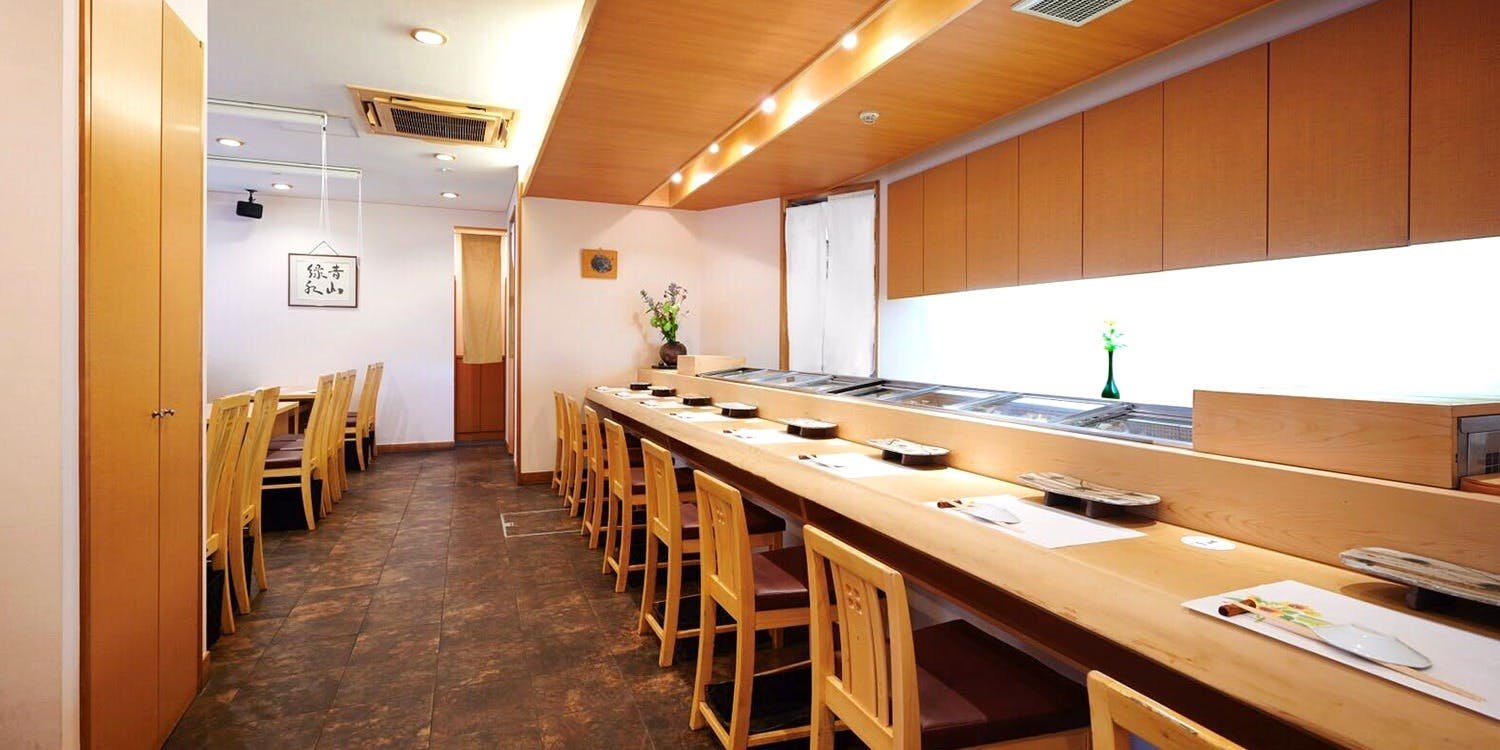
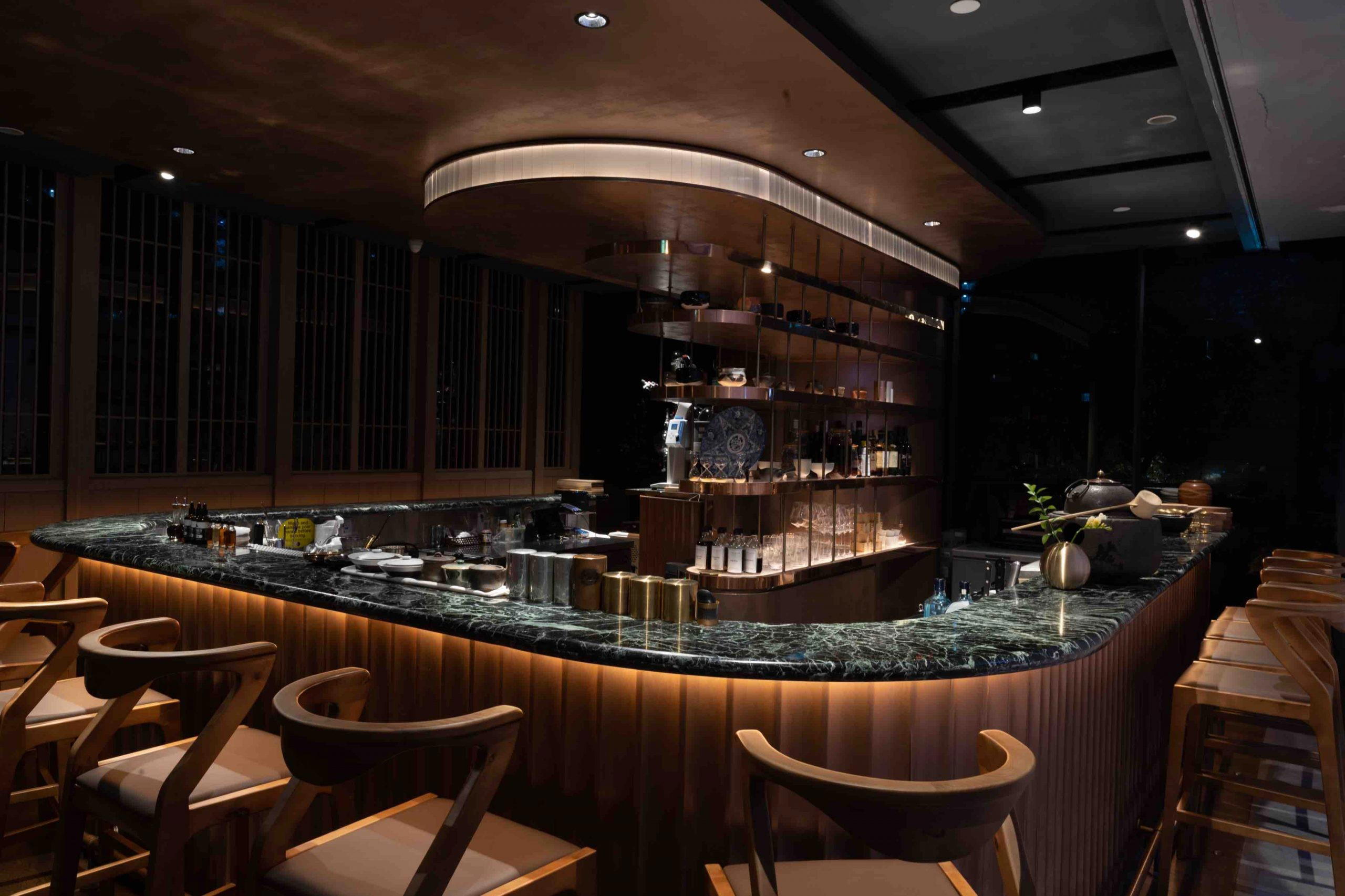
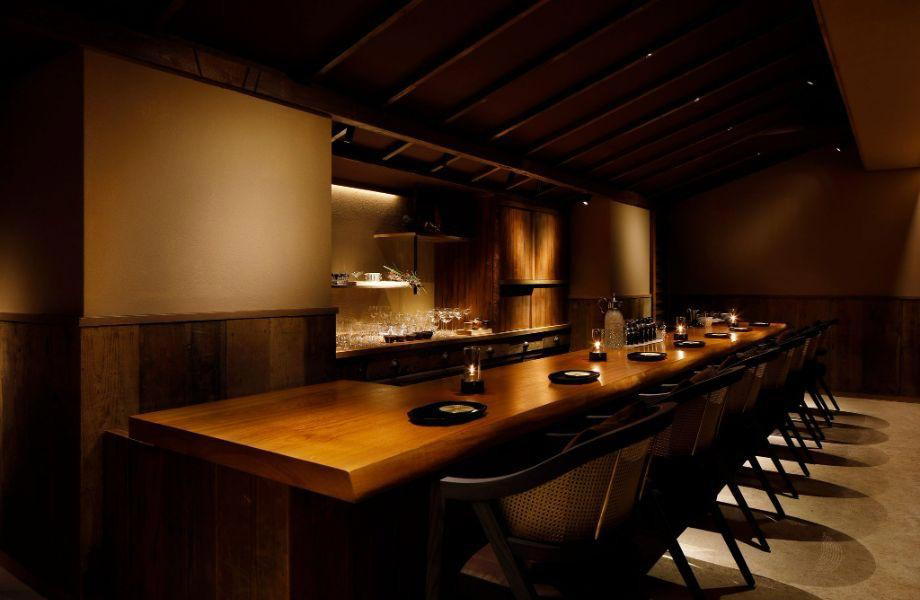
Physical counter at Sushi Hashimoto was constructed by artisans, and the space functions as an argument for sushi eaten without ceremony weight. Premium Tokyo sushi can carry significant formality, the atmosphere in some rooms is closer to a recital hall than a restaurant. Hashimoto's counter is described as creating a harmonious atmosphere where sushi can be enjoyed casually, which positions it in a distinct cohort of high-credential counters that have moved away from austere staging. This does not mean relaxed standards; it means the formality is in the food, not the room.
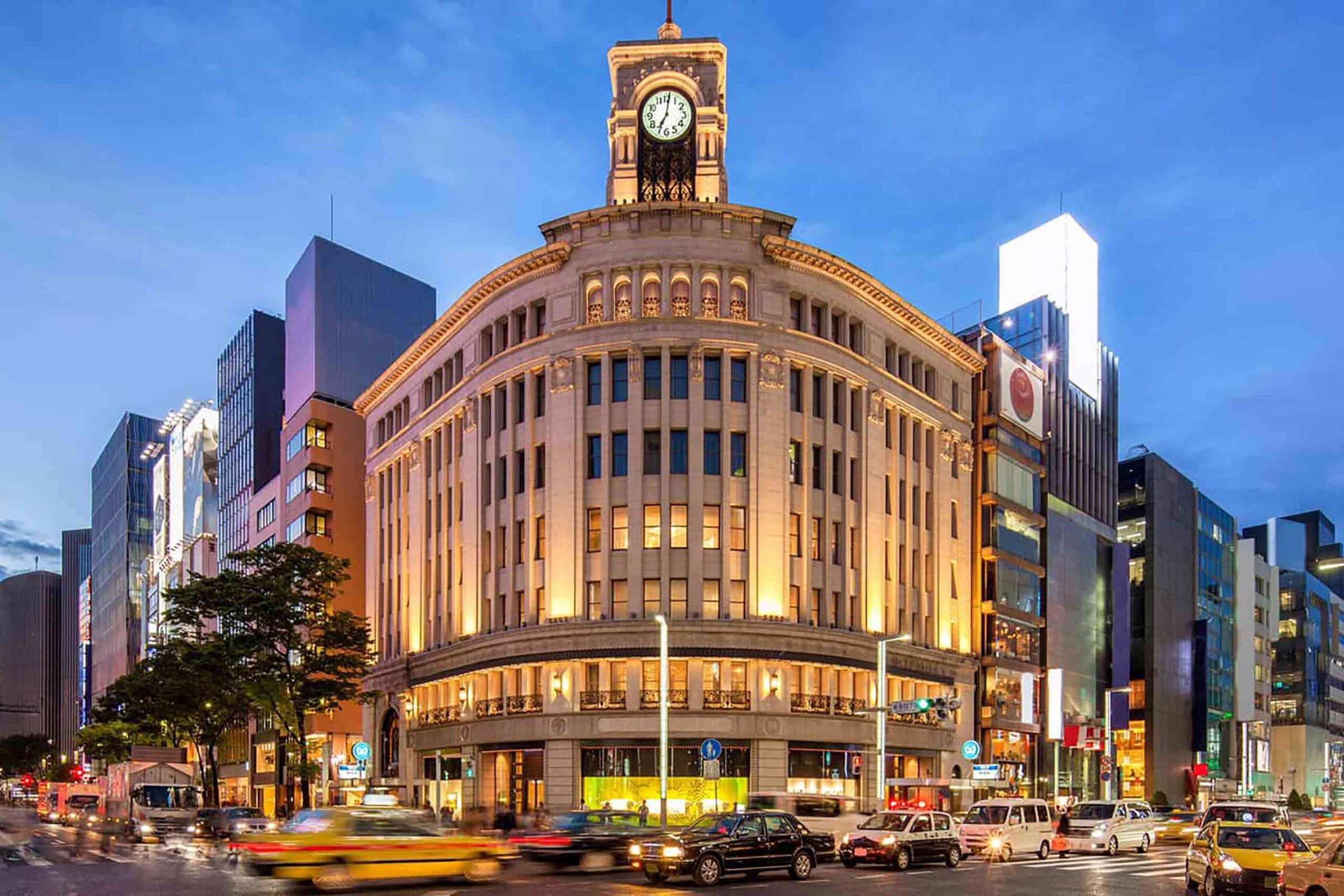
For comparison within the broader Japan context, the counter operates in the same city-centre register as the Chuo and Ginza counters that dominate the Michelin and OAD rankings, but Shintomi in Chuo City sits slightly removed from the concentrated density of the Ginza sushi corridor. That geography contributes to the less ceremonial atmosphere: the counter is not competing for the same foot traffic or the same tourist-facing exposure as the Ginza addresses.
Recognition and Where It Places Hashimoto
The OAD ranking is a useful peer-set indicator. Opinionated About Dining's Japan list is compiled from critic and industry votes, and consistent placement in the 100-110 range across three consecutive years, ranked 108th in 2023, 102nd in 2024, and 102nd again in 2025, signals a counter that the informed dining community returns to and recommends without significant variation in quality. The Michelin star, held since at least 2024, provides a secondary credential from a different evaluative framework. The two ranking systems reward different things; holding both simultaneously places Hashimoto in the subset of Tokyo sushi counters that read well to both audiences.
Among sushi counters outside Japan worth comparing by format and positioning, Sushi Shikon in Hong Kong and Shoukouwa in Singapore represent the export model, Edomae technique transplanted to Southeast Asian markets. The distinction matters: Hashimoto operates within the Tokyo supply chain and the Tokyo critical context, where the sourcing reference points and the peer comparisons are entirely local. That context is not available to export-model counters regardless of their technical standard.
Planning Your Visit
Sushi Hashimoto operates three seatings on active service days: a lunch seating from 12 to 2 pm, and two evening seatings running 5 to 7:30 pm and 7:45 to 10 pm. The counter is closed on Tuesdays and Wednesdays. Monday follows the same schedule as Thursday through Sunday. The two-seating evening structure is common among Tokyo's premium counters and allows reasonable back-to-back throughput without compressing service. The address is 1 Chome-8-2 Shintomi, Chuo City, Tokyo, 1F.
Budget: ¥¥¥¥ tier, consistent with the Michelin-starred omakase range in central Tokyo. Reservations: Dress: No formal dress code is confirmed; smart casual is the operating assumption at ¥¥¥¥ sushi counters. Timing: The lunch seating offers an alternative to the premium-priced evening slots that characterise this tier; availability at lunch is typically easier to secure than prime evening seats at comparable Michelin-starred counters.
Further Reading
For broader Tokyo dining context, see our full Tokyo restaurants guide. For accommodation near Chuo City, our full Tokyo hotels guide covers the relevant neighbourhoods. Our full Tokyo bars guide, our full Tokyo wineries guide, and our full Tokyo experiences guide complete the city picture.
For high-credential dining elsewhere in Japan: Gion Sasaki in Kyoto, HAJIME in Osaka, Goh in Fukuoka, akordu in Nara, 1000 in Yokohama, and 6 in Okinawa. For Tokyo sushi in the same competitive tier, Hiroo Ishizaka provides a useful reference point.
at Sushi Hashimoto?
At an omakase counter, the format removes the ordering decision entirely, Chef Hiroyuki Hashimoto sequences the meal. Within that sequence, the two pieces that most clearly define the counter's editorial position are the gizzard shad stuffed with minced fish, which carries the Edomae lineage directly, and the straw-smoked Spanish mackerel with mustard, which represents the counter's willingness to work outside classical parameters. Neither piece is optional; both are part of the omakase as confirmed by the counter's own Michelin recognition text. If the question is what to pay attention to, those two pieces, placed in sequence, make the counter's argument most clearly.
A Credentials Check
| Venue | Cuisine | Price | Awards | Notes |
|---|---|---|---|---|
| Sushi HashimotoThis venue (the venue you are viewing) | Michelin-Starred Edomae Sushi Omakase | $200–300 | 1 Michelin Star | Not listed |
| Harutaka | Edo-Style Omakase Sushi | $200–300 | 3 Michelin Stars · World's 50 Best #76 | Sushi |
| RyuGin | Modern Kaiseki | $500+ | 3 Michelin Stars · World's 50 Best #41 | Kaiseki, Japanese |
| L'Effervescence | Modern French with Japanese Influences | $200–300 | 3 Michelin Stars · World's 50 Best #69 | French |
| HOMMAGE | Modern French with Japanese Influences | $150–200 | 2 Michelin Stars · World's 50 Best #78 | Innovtive French, French |
| MAZ | Innovative Peruvian-Japanese Fusion | $150–200 | 2 Michelin Stars · World's 50 Best #28 | Innovative |
Recognition history
Dated appearances from independent guides and award organizations, with the underlying list record or original source where available.
Michelin 1 Star
Michelin
Opinionated About Dining Top Restaurants in Japan Ranked #120
Opinionated About Dining
Full recognition history (6 entries)
Opinionated About Dining Top Restaurants in Japan Ranked #102
Opinionated About Dining
Michelin 1 Star
Michelin
Opinionated About Dining Top Restaurants in Japan Ranked #102
Opinionated About Dining
Opinionated About Dining Top Restaurants in Japan Ranked #108
Opinionated About Dining
Continue exploring
More in Tokyo
Restaurants in Tokyo
All restaurants in Tokyo →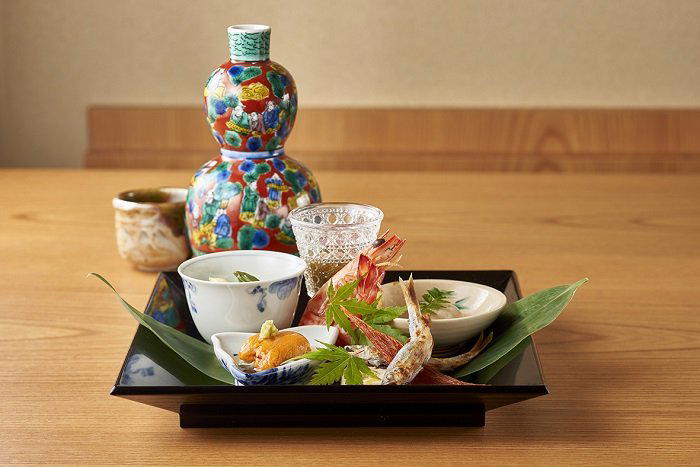



Details
- Intimate
- Elegant
- Classic
- Quiet
- Special Occasion
- Date Night
- Solo
- Chefs Counter
- Open Kitchen
- Sake Program
- Omakase
- Counter Dining
- Tasting Menu
- Sake
Current opening hours
- Monday
- 12–2 PM, 5–7:30 PM, 7:45–10 PM
- Tuesday
- Closed
- Wednesday
- Closed
- Thursday
- 12–2 PM, 5–7:30 PM, 7:45–10 PM
- Friday
- 12–2 PM, 5–7:30 PM, 7:45–10 PM
- Saturday
- 12–2 PM, 5–7:30 PM, 7:45–10 PM
- Sunday
- 12–2 PM, 5–7:30 PM, 7:45–10 PM
Hours can change for holidays and private events. Hours as of .
Intimate counter setting with only 8 seats, warm and relaxed atmosphere enhanced by hinoki wood counter and carefully selected sake vessels; minimal conversation but genuine hospitality from chef.