
Soba Kiri Kanbee places Fukuoka soba in a quieter, more ritualised register: buckwheat noodles, tempura, nabe, sake and a small counter format rather than the city’s louder ramen-and-izakaya shorthand. Its selection for Tabelog’s Soba WEST 100 in 2024 and 2025 gives it a clear credential within western Japan’s soba conversation.
Pearl is the En Primeur Club membership app — saves, bookings, and concierge access live there. Same editors, same standards.
- Address
- 福岡県福岡市中央区梅光園1-1-1
- Phone
- +81927323569
- Website
- tabelog.com
 Saves & bookings on Pearl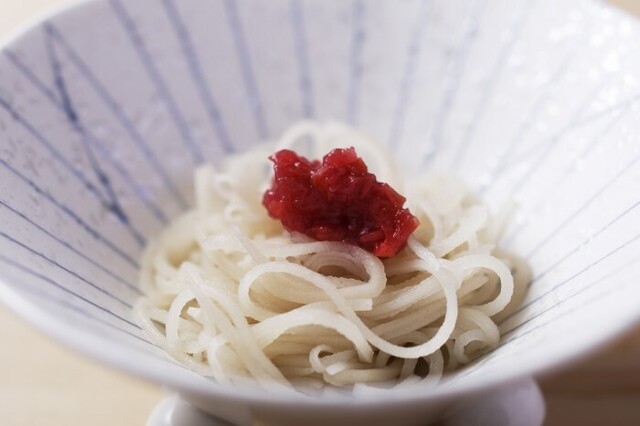
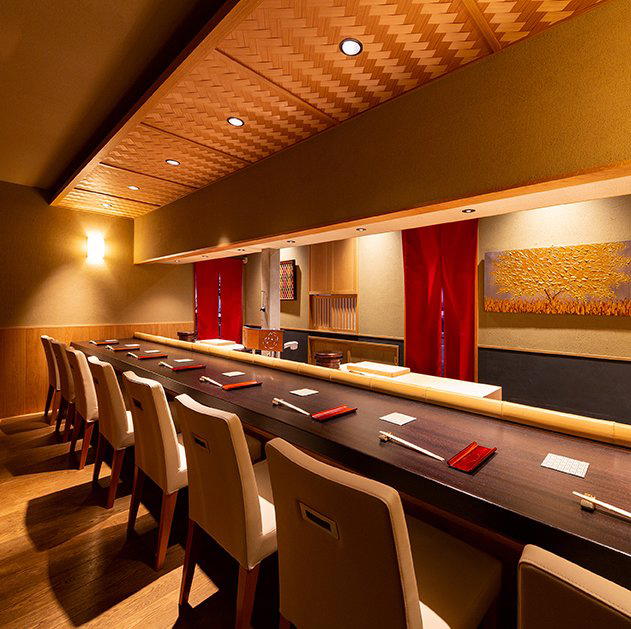
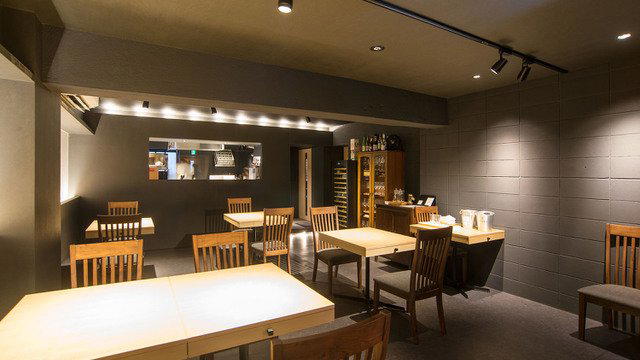
Ropponmatsu has a different rhythm from Fukuoka’s central dining corridors. The neighbourhood trades station-front glare for residential side streets, which suits soba: a cuisine built around pacing, temperature, restraint and the discipline of stopping before excess. In that setting, Soba Kiri Kanbee reads less as a quick noodle shop than as a compact soba room with counter seating, sake in the frame and the etiquette of a small Japanese specialist restaurant.
Fukuoka is often reduced to tonkotsu ramen, yatai drinking and seafood-led izakaya culture, but that shorthand misses a quieter category of restaurants where the meal is organised around craft rather than volume. Soba sits in that category. The appeal is not abundance; it is sequence. Noodles, dipping broth, tempura, hot pot and alcohol each have a defined place, and the room’s size makes the guest part of the tempo rather than an observer of it.
Soba as a paced meal, not a noodle stop
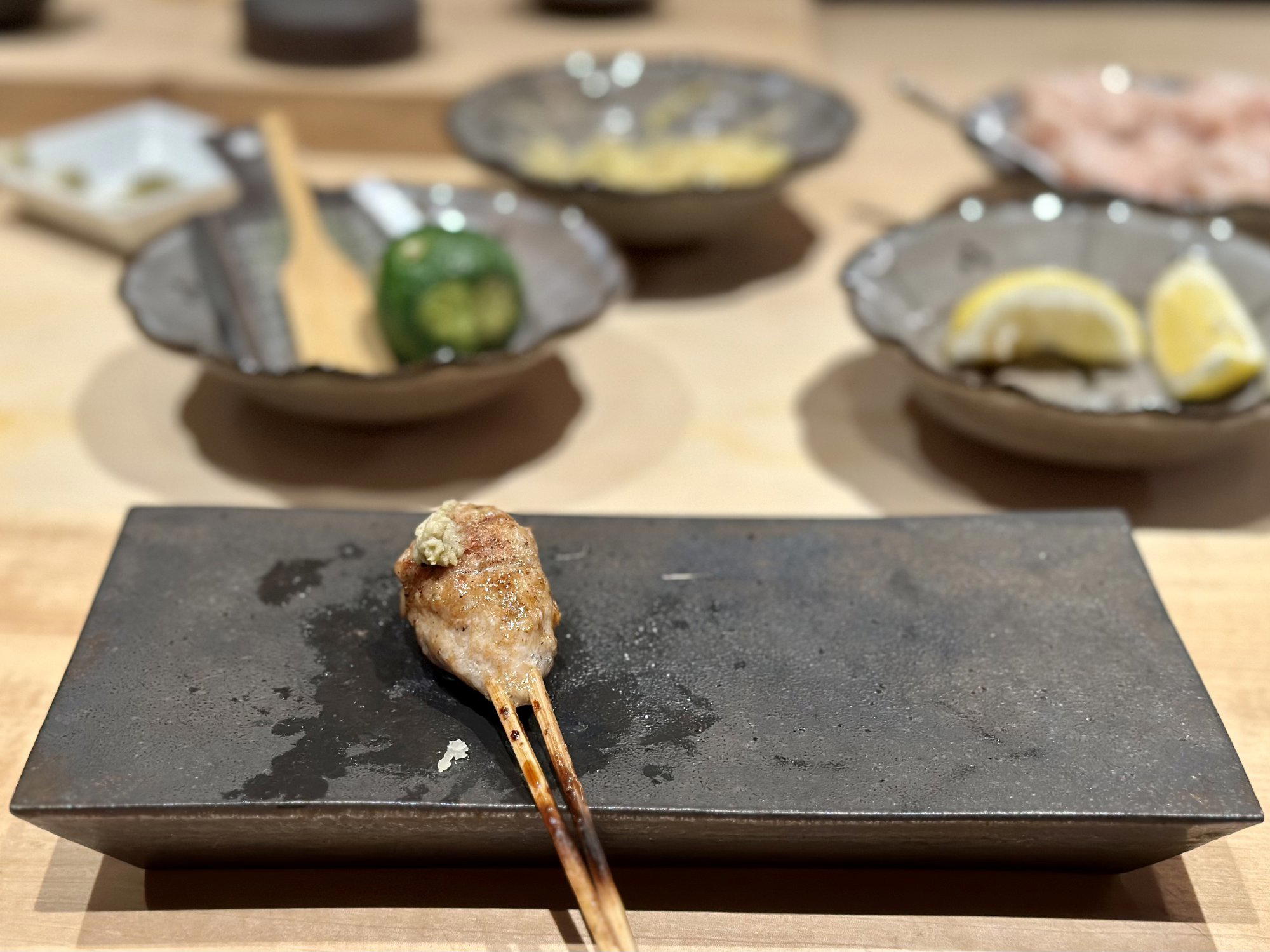
The useful way to read Soba Kiri Kanbee is through ritual. Edo-style soba culture treats buckwheat noodles as the centre of gravity, but the meal often widens through small dishes, tempura, nabe and sake before returning to the noodles. That structure explains why the restaurant’s categories matter: soba, nabe and tempura place it closer to a specialised Japanese meal than to a single-bowl lunch counter.
This distinction matters in Fukuoka because the city has strong casual-food energy. Nearby comparison points underline the spread: Gyoza Osomatsu Ropponmatsu and HAMBURGER SHOP Tomiyoshi sit in a lighter everyday bracket, while Aji Furai Shokudo Kaba and Grill Sen point toward low-cost, focused comfort cooking. At the other end, Syn operates in a higher-priced French register. Soba Kiri Kanbee occupies a narrower middle: more deliberate than a casual plate shop, less formal than a full fine-dining dégustation, and anchored in Japanese noodle tradition rather than Western tasting-menu grammar.
The Tabelog Soba WEST 100 selections in 2024 and 2025 are the clearest public signal here. That list does not make every selected restaurant identical; it groups soba houses that have earned attention within western Japan’s buckwheat-noodle field. For travellers, the point is practical as much as reputational: this is not a generic stop for noodles between appointments, but a restaurant where soba is treated as the organising idea of the meal.
The small-room etiquette changes the way dinner works
Small Japanese counters impose a social contract. Conversation drops in volume, perfume becomes intrusive, pacing matters, and the order in which guests arrive can shape the room’s flow. The restaurant’s format makes those customs visible. The counter setting and limited seating bring it closer to sushi-counter etiquette than to the quick-serve soba shops found in transport hubs, even though the cuisine is entirely different.
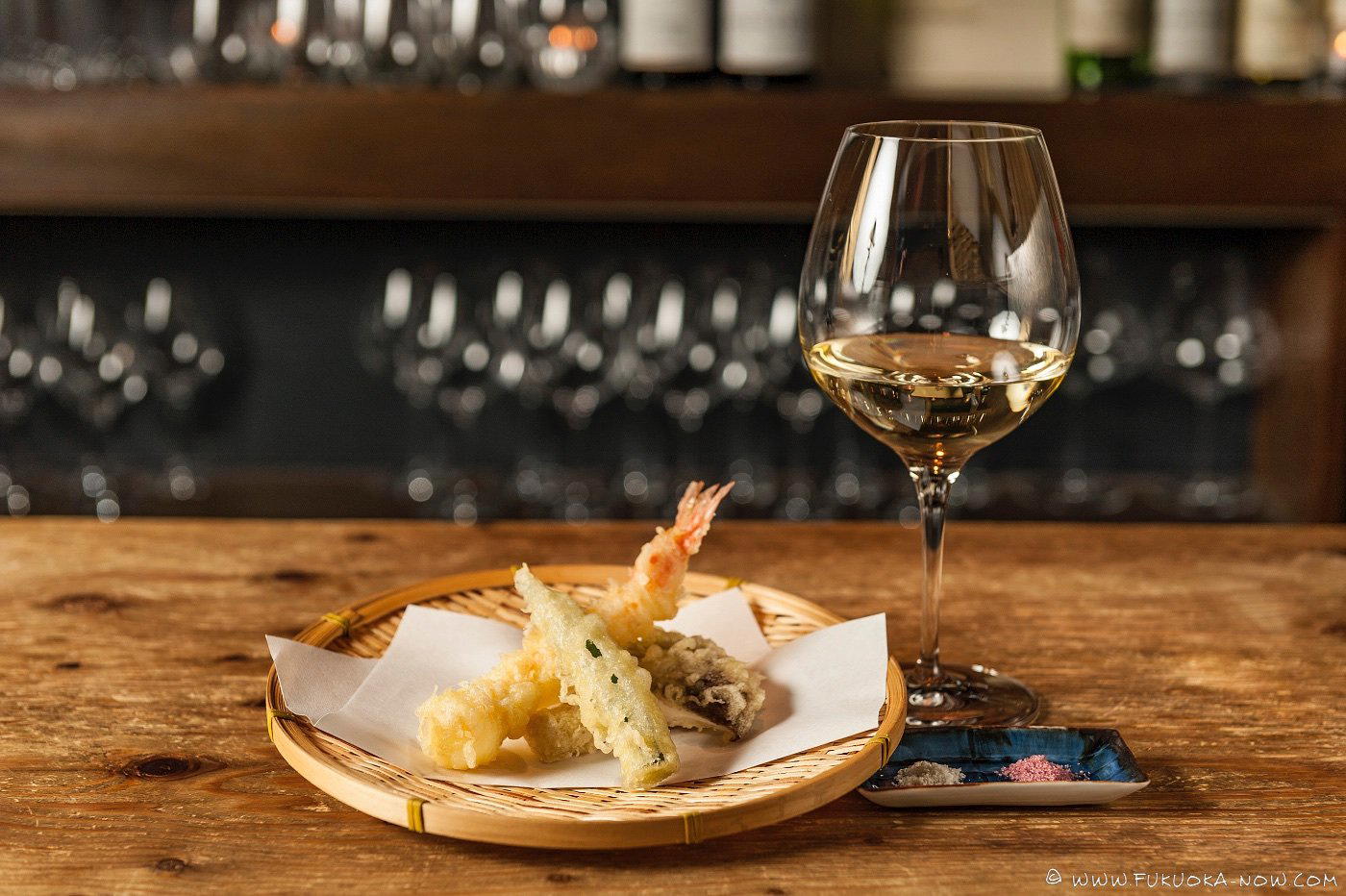
That atmosphere also affects ordering logic. Sake, shochu and wine appear in the drink frame, with sake given particular emphasis, which places the restaurant inside the Japanese habit of drinking around soba rather than treating noodles as a standalone carbohydrate. Vegetarian options and vegetable-focused items are part of the public positioning, but this is still a soba specialist with nabe and tempura in the same orbit. Guests with dietary requirements should think in terms of advance clarity, not improvisation at the counter.
The no-perfume rule is worth reading as culinary etiquette rather than fussiness. Soba is a subtle food: aroma, broth and buckwheat character are easily crowded out by fragrance. In small rooms across Japan, similar rules protect the shared meal. The same logic applies to dinner service with children; the setting is built for quiet adult pacing, while lunch is the more forgiving frame for a less formal visit.
Where it fits in a Fukuoka dining itinerary
For visitors building a Fukuoka itinerary, this is the counterpoint to the city’s more extroverted meals. Ramen answers hunger quickly. Izakaya nights answer sociability. A soba meal answers a different question: how much precision can be carried by a few controlled elements? That makes the restaurant useful after a day of seafood markets, shopping districts or bar-hopping plans, when another heavy meal would flatten the evening.
Ropponmatsu itself helps. The area does not have the same density of tourist dining as Hakata or Tenjin, and that removes some of the pressure to perform for visitors. The meal belongs to a local neighbourhood pattern: compact room, specialist menu, clear house rules, and a slower register than the city’s central drinking zones. Readers planning across categories can use Our full Fukuoka restaurants guide for dining context, then cross-check stay, drink and itinerary planning through Our full Fukuoka hotels guide, Our full Fukuoka bars guide, Our full Fukuoka wineries guide and Our full Fukuoka experiences guide.
The broader Fukuoka table is not one cuisine but a set of speeds. For casual regional variety, compare the city’s Indian, curry and seafood directions through 106 South Indian Fukuoka tenjin ten, Afterglow, Aji Dokoro Taro Gen Sougyou ten, Aji Furai Shokudo Kaba and Aji no Katsueda. For a wider Japan and overseas contrast in specialist casual dining, see -Grilled beef Sukiyaki- KAMAKURA TANUKIAN 鎌倉 たぬき庵 in Kamakura. 鮪と炭火焼き うお炭 秋葉原店 in Tokyo.cafe in Osaka.know in Kumamoto, (Shoku) Vietnam in Kawasaki, [Curry Senmon Ten] Maruyama Kyoju. in Sapporo, Jōdo Saké Bar in Los Angeles and Onigiri Time in Pasadena.
The editorial case for the restaurant is not that every traveller needs another noodle meal in Japan. It is that Fukuoka’s dining identity becomes more interesting when ramen is not allowed to dominate the conversation. A small soba counter in Ropponmatsu, recognised within the western Japan soba field, gives the city a quieter register: one built on buckwheat, sake, restraint and the shared manners of a compact room.
What It’s Closest To
Comparable venues for orientation by cuisine and category.
| Venue | Cuisine | Price | Notes |
|---|---|---|---|
| Soba Kiri KanbeeThis venue — the venue you are viewing | Traditional Japanese Soba | $$$ | Not listed |
| Daidokoro | Seasonal Japanese Izakaya & Seafood | $$$ | Chūō |
| Kamo to Negi Yodomizu Nigyo | Duck shabu-shabu (Japanese hotpot) | $$$ | Chūō |
| Oryori Yamanokuchi | Japanese Izakaya | $$$ | Chūō |
| Nishishin Hatsuki Honten | Traditional Wagyu Shabu-shabu & Sukiyaki | $$$ | Sawara |
| Teppanyaki Hiyori | Kyushu-focused Japanese Teppanyaki | $$$ | Sawara |
Recognition history
Dated appearances from independent guides and award organizations, with the underlying list record or original source where available.
Tabelog 100 #13 · No. 13
Tabelog · Tabelog 100 - Soba - WEST - 2025
At a Glance
- Quiet
- Cozy
- Intimate
- Sophisticated
- Solo
- Date Night
- Business Dinner
- Special Occasion
- Chefs Counter
- Standalone
- Sake Program
- Local Sourcing
A calm, adults-oriented hideaway with a refined counter experience and a quiet, tucked-away feel.