
Hinai Matomi gives Fukuoka’s soba culture a quieter address in Takasago, away from the city’s ramen shorthand and Tenjin dining traffic. Its Tabelog 100 Soba WEST 2025 selection, 33-seat format, counter seating, private rooms, and soba-led Japanese cooking place it in a more deliberate bracket than casual noodle shops.
Pearl is the En Primeur Club membership app — saves, bookings, and concierge access live there. Same editors, same standards.
- Address
- 1 Chome-22-9 Takasago, Chuo Ward, Fukuoka, 810-0011, Japan
- Phone
- +81 92-526-4504
- Website
- hina-imatomi.com
 Saves & bookings on Pearl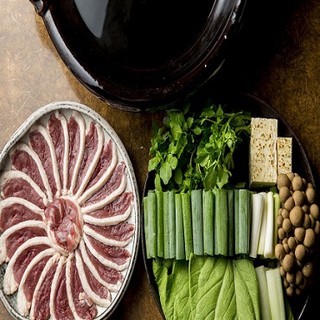
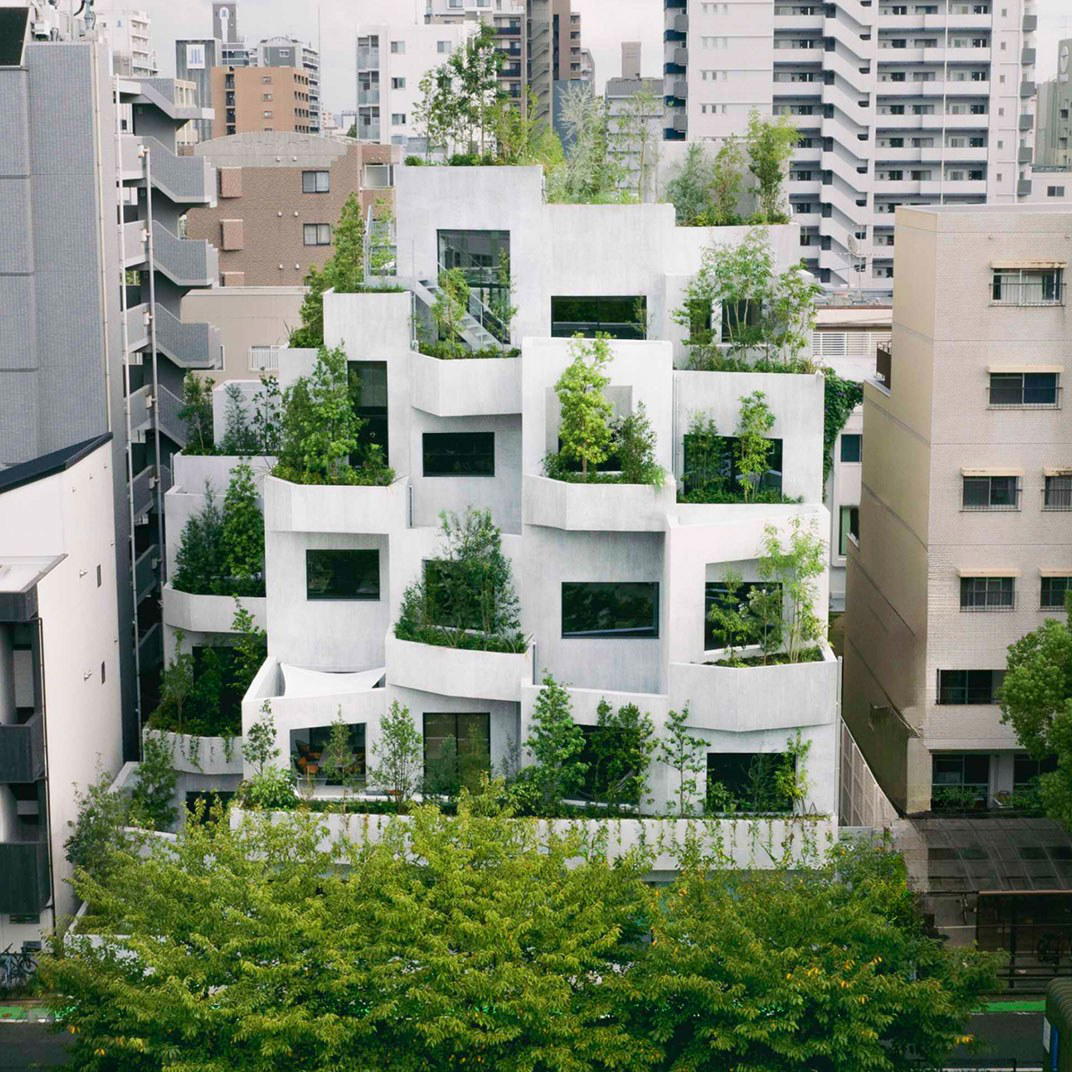
Approaching Takasago from the Watanabe-dori side, Fukuoka starts to feel less like a station-to-station food crawl and more like a residential city with serious rooms tucked between offices, apartments, and small local businesses. That setting matters for soba. The category rewards concentration rather than spectacle: a short lunch window, a restrained evening format, and a room where counter seats and private spaces shape different versions of the same meal.
Fukuoka is often read through tonkotsu ramen, yatai, motsunabe, and seafood, but its stronger restaurant culture is broader than that shorthand. Soba in this city sits in a smaller lane, especially when judged against Tokyo’s density of specialist shops. Hinai Matomi belongs to that narrower Fukuoka conversation: soba, Japanese cuisine, and nabe rather than a single-dish fast meal. Its inclusion in Tabelog 100 Soba WEST 2025 gives the address a clear credential within western Japan’s soba field, not just within the city’s neighborhood dining circuit.
Takasago gives soba a slower rhythm than the Tenjin core
The value of Takasago is distance from the obvious dining grid without leaving central Fukuoka. Tenjin and Hakata pull travelers toward department-store dining floors, ramen queues, and late-night counters; Takasago shifts the pace toward reservations, small-group dinners, and local repeat custom. That makes a soba meal feel less like a checklist stop and more like part of the city’s everyday hierarchy of restaurants.
Within that hierarchy, soba specialists play a different role from ramen shops. Ramen compresses the meal into speed, fat, and turnover. Soba asks for attention to grain, dipping sauce, temperature, and pacing, then often expands into drinking food in the evening. Hinai Matomi’s category spread, soba with Japanese cuisine and nabe, places it closer to a kappo-adjacent noodle house than to a quick lunch counter. That distinction explains the price gap between lunch and dinner: the daytime bracket sits at JPY 2,000 to JPY 2,999, while dinner moves into JPY 10,000 to JPY 14,999.
The comparison inside Fukuoka is instructive. Tokishirazu occupies a lower dinner band at JPY 6,000 to JPY 7,999, while Tatsu Sho operates above this range at JPY 20,000 to JPY 29,999 for dinner. Hatchan Ramen, by contrast, sits in the sub-JPY 999 ramen lane. Those numbers show how far Fukuoka’s dining spectrum stretches: noodle culture here is not one category, and soba at this level competes less with quick ramen than with controlled Japanese dining built around pacing and drink.
The format is small enough for counter focus, large enough for private-room meals
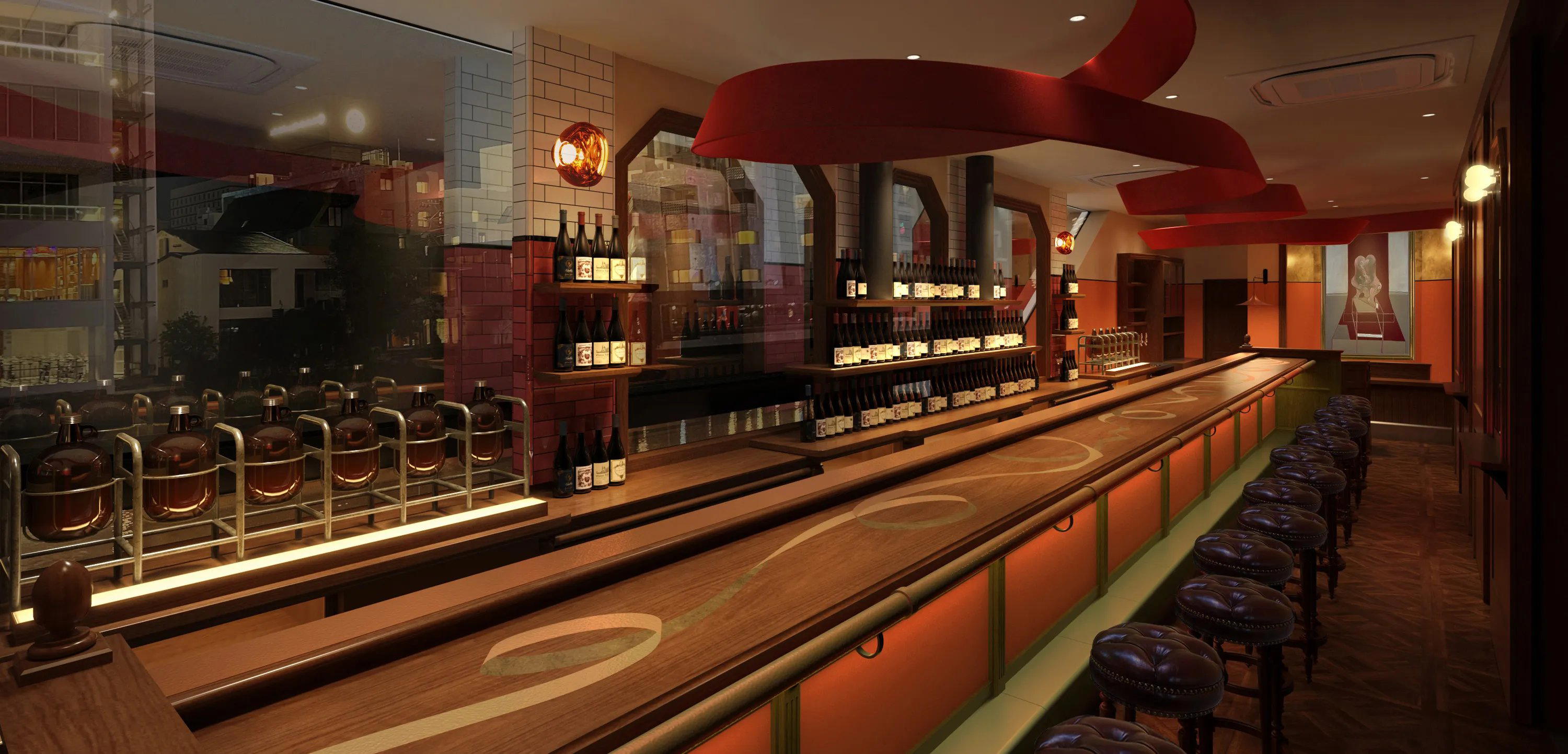
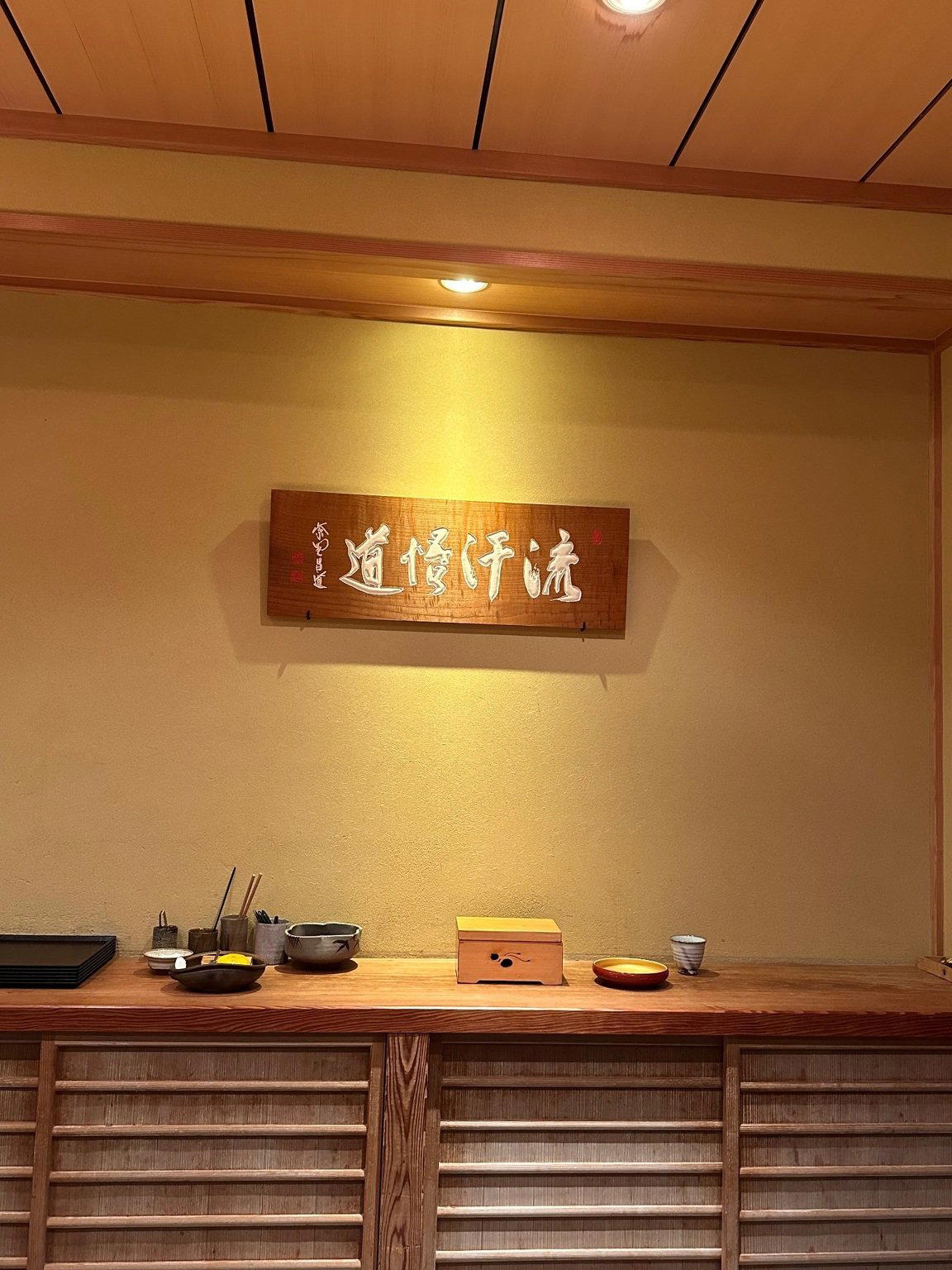
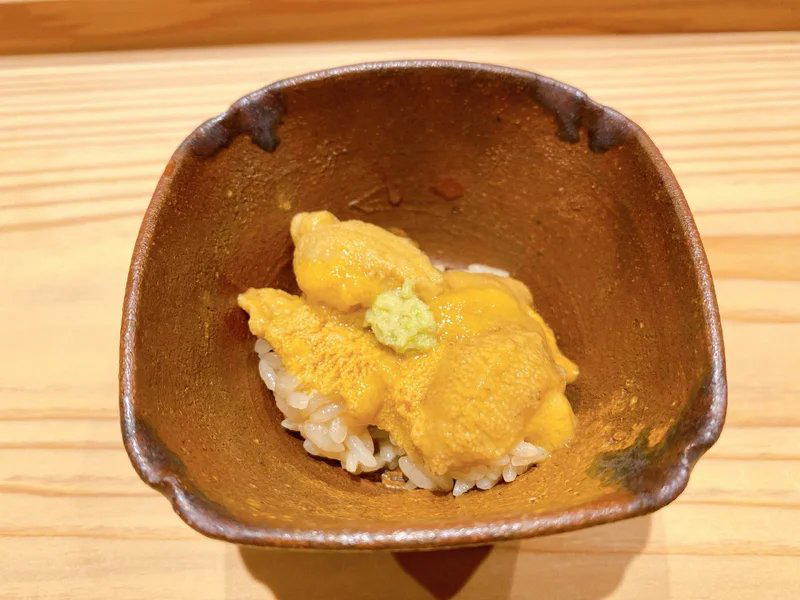
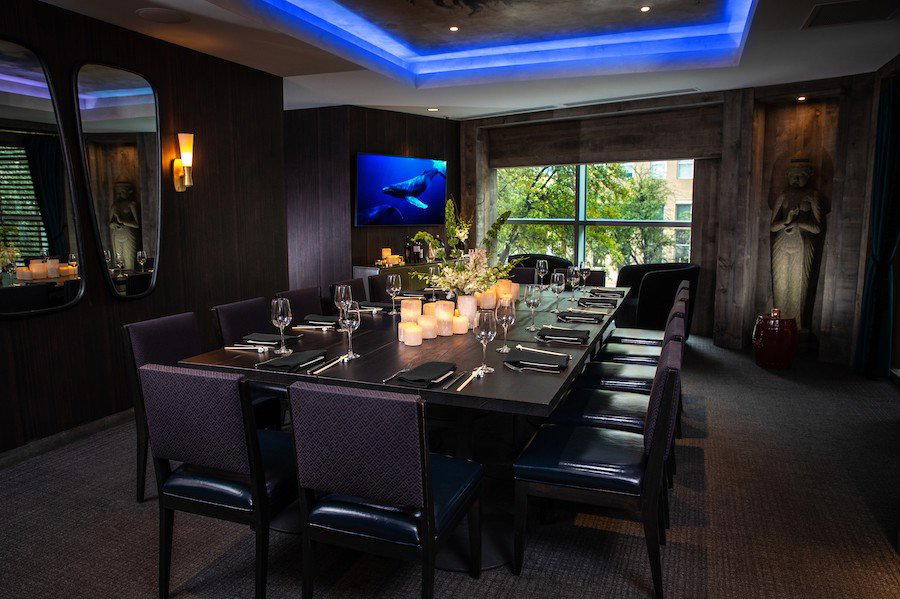
The room runs 33 seats, including 8 at the counter, 5 tables, and a hori-gotatsu private room. That configuration is telling. The counter keeps the meal in specialist territory, but the tables and private room make it workable for business dinners, family meals, and small celebrations. Soba restaurants can be austere; this one is structured for a wider range of occasions without abandoning the noodle-house spine.
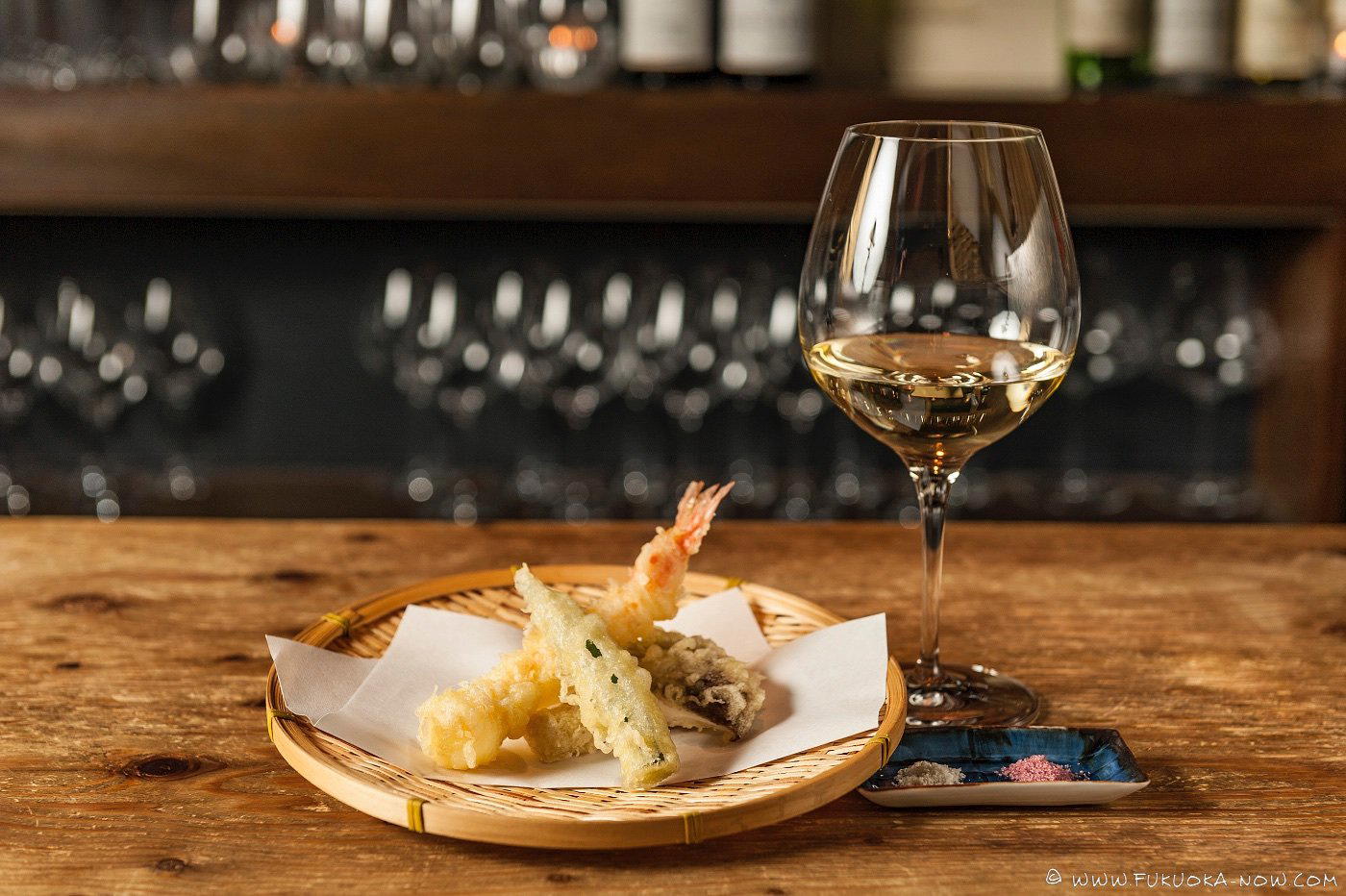
Drinks also signal the evening identity. Sake, shochu, and wine are listed, which fits the way stronger soba restaurants in Japan often move from noodles into broader drinking-food territory. Nabe adds another clue: the kitchen is not limited to a single bowl-and-go model. For travelers, that means the restaurant makes more sense as a planned lunch or a full dinner than as a spontaneous snack between sightseeing stops.
Recognition matters here because soba evaluation can be opaque to visitors. Tabelog’s Hyakumeiten lists are not Michelin, and they do not claim the same inspection model, but in Japan they function as a useful signal of category depth and local diner attention. A 2025 Soba WEST selection places Hinai Matomi among western Japan addresses that diners actively seek out for soba rather than among general Japanese restaurants that happen to serve noodles.
How to place it within a Fukuoka eating itinerary
Fukuoka rewards category switching. A visitor can build one trip around ramen, market seafood, izakaya counters, curry, and specialist Japanese rooms without repeating the same mood twice. For a soba-led meal in Chuo Ward, this address works as the quieter counterpoint to higher-traffic routes through Tenjin and Hakata. It is also useful for travelers who want Japanese cooking with structure but do not want the formality or tariff of the city’s upper kaiseki and sushi rooms.
For broader planning, Our full Fukuoka restaurants guide gives the clearest view of how this soba address fits alongside local categories. Nearby and citywide alternatives point in different directions: 106 South Indian Fukuoka tenjin ten for South Indian cooking in the Tenjin orbit, Afterglow for spice-driven dining, Aji Dokoro Taro Gen Sougyou ten for Japanese comfort, Aji Furai Shokudo Kaba for aji fry, and Aji no Katsueda for another local dining register.
Travel logistics around the meal can be built through the wider city guides rather than around the restaurant alone: Our full Fukuoka hotels guide, Our full Fukuoka bars guide, Our full Fukuoka wineries guide, and Our full Fukuoka experiences guide. For readers comparing Japanese regional dining beyond Kyushu, useful contrasts include -Grilled beef Sukiyaki- KAMAKURA TANUKIAN 鎌倉 たぬき庵 in Kamakura. 鮪と炭火焼き うお炭 秋葉原店 in Tokyo.cafe in Osaka.know in Kumamoto, (Shoku) Vietnam in Kawasaki, and [Curry Senmon Ten] Maruyama Kyoju. in Sapporo. Outside Japan, Jōdo Saké Bar in Los Angeles and Onigiri Time in Pasadena show how Japanese drinking and casual-food formats translate abroad, though Fukuoka’s soba rhythm remains its own local proposition.
A Tight Comparison
Comparable venues in the metro at similar price points.
| Venue | Cuisine | Price | Notes |
|---|---|---|---|
| Hinai MatomiThis venue — the venue you are viewing | Chūō, Seasonal Soba & Nabe Kaiseki | $$$ | Not listed |
| Yakitori Mako | Chūō, Yakitori & Kushiyaki | $$$ | Not listed |
| Unazen | Chūō, Traditional Japanese Unagi | $$$ | Not listed |
| Nishishin Hatsuki Honten | Not listed | $$$ | Sawara, Traditional Wagyu Shabu-shabu & Sukiyaki |
| Inakaan | Not listed | $$$ | Kokura, Traditional Grilled Eel (Unagi) |
| Kuwaman | Not listed | $$$ | Chūō, Traditional Japanese Izakaya & Sake Bar |
Recognition history
Dated appearances from independent guides and award organizations, with the underlying list record or original source where available.
Tabelog 100 #15 · No. 15
Tabelog · Tabelog 100 - Soba - WEST - 2025
At a Glance
- Cozy
- Quiet
- Intimate
- Rustic
- Elegant
- Date Night
- Business Dinner
- Group Dining
- Special Occasion
- After Work
- Private Dining
- Standalone
- Sake Program
- Beer Program
- Farm To Table
- Local Sourcing
Current opening hours
- Monday
- 11:30 AM–1 PM, 5:30–9 PM
- Tuesday
- 11:30 AM–1 PM, 5:30–9 PM
- Wednesday
- 11:30 AM–1 PM, 5:30–9 PM
- Thursday
- 11:30 AM–1 PM, 5:30–9 PM
- Friday
- 11:30 AM–1 PM, 5:30–9 PM
- Saturday
- 11:30 AM–1 PM, 5:30–9 PM
- Sunday
- 11:30 AM–1 PM, 5:30–9 PM
Hours can change for holidays and private events. Last verified .
A quiet, warm and residential hideaway with private rooms and partitioned tables, creating a relaxed, intimate atmosphere suited to unhurried meals, celebrations and hosting close friends or family.