
Tabelog 100 #82
Our verdict
A compact Hirao address for tonkatsu and champon noodle soup, Aji no Katsueda sits in Fukuoka’s everyday-dining register rather than its ceremony-heavy tasting-menu tier. Its 2026 Tabelog 100 Tonkatsu selection gives the room a clear trust signal, while the format keeps the appeal grounded: counter-and-table seating, a house-restaurant setting, and a value proposition built around familiar Japanese comfort cooking.

Pearl is the En Primeur Club membership app, where members save venues, book tables and use the concierge.
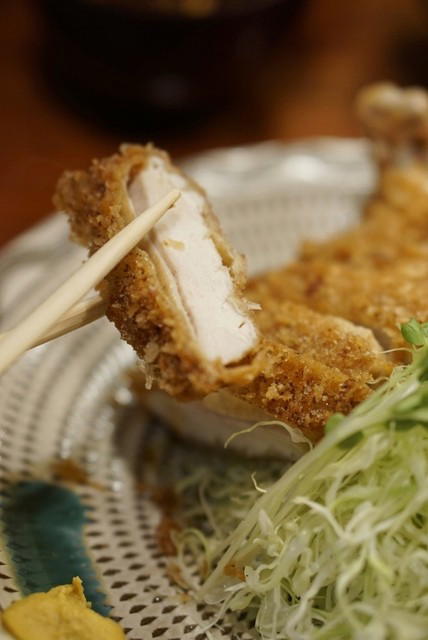
Hirao is not the Fukuoka of canal-side spectacle or late-night yatai photography. It is a quieter, lived-in pocket of Chuo Ward, where small restaurants are folded into residential streets and the better meals often feel closer to routine than occasion. That setting matters for tonkatsu. Pork cutlet is a dish of repetition and discipline, not theatrical reinvention: breading, frying temperature, rice, cabbage, sauce, timing. In this part of the city, the category reads less as destination dining and more as a test of how much satisfaction can be built into a modest format.
Aji no Katsueda belongs to that register. The restaurant’s public identity is concise: tonkatsu, champon noodle soup, sake and shochu, a compact room with counter and table seating, and a 2026 selection in Tabelog’s Tonkatsu 100. That last point is not decoration. In Japan, where everyday genres are judged with unusual seriousness, a category-specific list for tonkatsu places a restaurant inside a national conversation about frying technique, consistency, and value rather than luxury.
Tonkatsu as Fukuoka value, not formal dining
Fukuoka’s dining appeal is often discussed through ramen, seafood, motsunabe, and street-stall culture, but the city also rewards travelers who read its casual restaurants with the same care applied to sushi counters or kaiseki rooms. Tonkatsu sits in a useful middle ground: familiar enough for first-time visitors to understand immediately, technical enough to separate a merely filling lunch from a room with a following. The point is not novelty. The point is execution at a price tier where small differences carry weight.
That is where Aji no Katsueda makes sense. The draw is not a chef-led mythology or a grand room; it is the rare alignment of accessible Japanese comfort food with category recognition. Tonkatsu specialists in larger cities can drift toward premium pork branding, reservation pressure, and polished service rituals. Here, the experience is closer to neighborhood dining, but the Tabelog 100 Tonkatsu 2026 selection gives it a stronger signal than an ordinary local recommendation. For travelers comparing Fukuoka meals by return on spend, that distinction is useful.
The presence of champon broadens the frame. Champon is a Kyushu-adjacent comfort form with Chinese-Japanese roots, built around noodles and a mixed broth tradition rather than the single-bowl minimalism associated with many ramen shops. Its place alongside tonkatsu suggests a room serving everyday appetites rather than a narrow specialist temple. That matters in Fukuoka, a city where casual restaurants often carry more cultural information than formal rooms: what locals repeat, what families use, what fits into a normal week.
A compact room with a national category signal
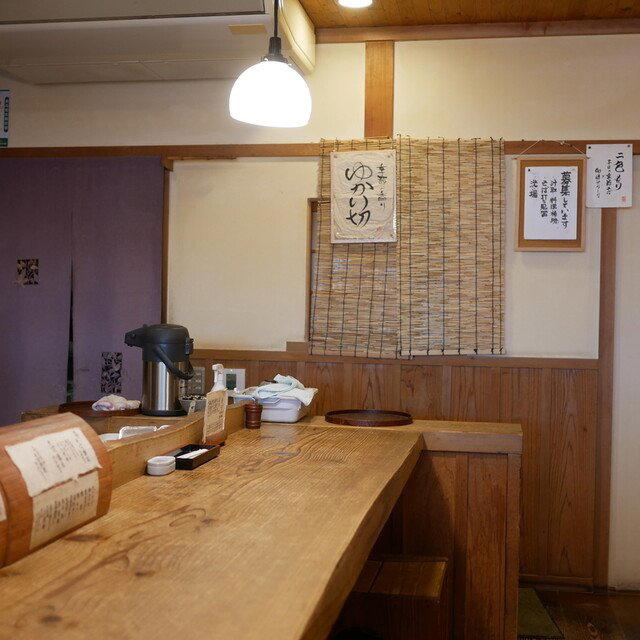
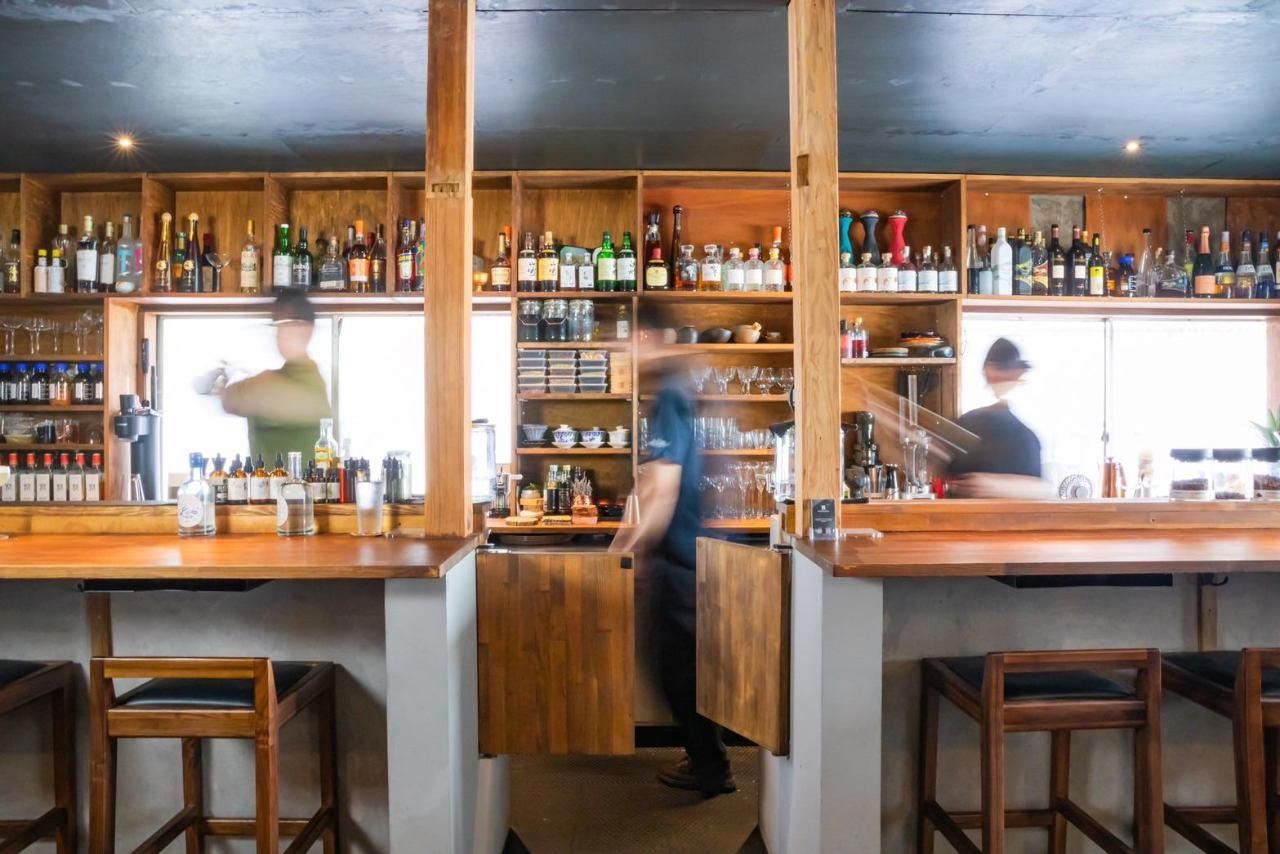
The restaurant format is small enough to keep expectations grounded. Counter seats change the rhythm of a meal, especially for fried food, because the category depends on short timing and steady turnover. Table seating keeps it accessible for friends and families rather than forcing the experience into a solo-counter mold. The non-smoking policy also matters in this genre, where aroma and texture can be dulled by a less controlled room.
Fukuoka’s higher-spend dining map can pull visitors toward tasting menus, yakitori counters, and cocktail rooms. Within the comparison set, Kiyoki occupies a far more expensive bracket, while torila signals the city’s yakitori lane and bar BaBa points to a drinking-led evening format. Aji no Katsueda answers a different question: where does a traveler place a serious, low-ceremony meal between ramen queues and formal reservations? The answer is in a category where recognition comes from consistency rather than polish.
That distinction is useful for building a Fukuoka itinerary. A meal here pairs better with neighborhood wandering than with a dressed-up night out. Readers mapping broader options can place it beside casual specialist addresses such as Aji Furai Shokudo Kaba or compare it with citywide dining choices in our full Fukuoka restaurants guide. For a fuller trip structure, the city pages for Fukuoka hotels, Fukuoka bars, Fukuoka wineries, and Fukuoka experiences help separate a food stop from the rest of the day.
How to read the wider Fukuoka table
The broader local scene is strongest when it refuses a single lane. South Indian cooking at 106 South Indian Fukuoka tenjin ten, spice-led dining at Afterglow, seafood tradition at Aji Dokoro Taro Gen Sougyou ten, and beef-focused cooking at AKAMIYACOWSI all show how Fukuoka’s interest lies in category strength rather than one dominant luxury script. Tonkatsu fits that pattern neatly: democratic, technical, and easy to underestimate.
For Japan itineraries beyond Kyushu, the same logic applies across comfort genres and regional specialists: -Grilled beef Sukiyaki- KAMAKURA TANUKIAN 鎌倉 たぬき庵 in Kamakura. 鮪と炭火焼き うお炭 秋葉原店 in Tokyo.cafe in Osaka.know in Kumamoto, (Shoku) Vietnam in Kawasaki, and [Curry Senmon Ten] Maruyama Kyoju. in Sapporo all sit in different parts of the everyday-to-specialist spectrum. Outside Japan, Jōdo Saké Bar in Los Angeles and Onigiri Time in Pasadena show how Japanese categories travel, but Fukuoka’s advantage is proximity to the original everyday context.
The editorial case is simple: this is the kind of address that rewards travelers who value category literacy over spectacle. Aji no Katsueda is worth seeking out because the spend belongs to casual dining, while the recognition places it among serious tonkatsu rooms. In a city where meals can easily become a checklist of famous local dishes, that combination has more practical force than another high-ceremony reservation.
Frequently asked questions
Where is Aji no Katsueda located?
Aji no Katsueda is located in Fukuoka.
What are the opening hours for Aji no Katsueda?
Hours at Aji no Katsueda: Mon: 11:30 AM–2:30 PM, 6–9 PM; Tue: 11:30 AM–2:30 PM, 6–9 PM; Wed: 11:30 AM–2:30 PM, 6–9 PM; Thu: 11:30 AM–2:30 PM, 6–9 PM; Fri: 11:30 AM–2:30 PM, 5:30–9 PM; Sat: 11:30 AM–2:30 PM, 5:30–9 PM; Sun: Closed.
What price level is Aji no Katsueda?
Pricing at Aji no Katsueda is listed as JPY 1,000 - JPY 1,999 JPY 1,000 - JPY 1,999 View spending breakdown.
What makes Aji no Katsueda worth seeking out?
Aji no Katsueda draws attention for being selected for Tabelog Tonkatsu "Tabelog 100" 2026, a concrete signal in a crowded Fukuoka scene. The setup is compact, with about 10 counter seats and 10 table seats in a house restaurant near Nishitetsu Hirao Station, and the pricing sits at JPY 1,000–JPY 1,999.
Reputation First
Comparable venues in the metro at similar price points.
| Venue | Cuisine | Price | Awards | Notes |
|---|---|---|---|---|
| Aji no KatsuedaThis venue (the venue you are viewing) | Tonkatsu & champon shop | $10–20 | Tabelog 100 #82 | Not listed |
| Tempura Dokoro Hirao Daimyou ten | Casual Tempura Specialist | $10–20 | Tabelog 100 #30 | Chūō |
| Yamachan Nakasu ten | Nagahama ramen izakaya | $10–20 | Tabelog 100 #50 | Hakata |
| Miyake | Traditional Hakata Udon | $1–10 | Tabelog 100 #74 | Hakata |
| Ganso Akanoren Setchan Ramen Tenjin hon ten | Traditional Fukuoka Tonkotsu Ramen Shop | $1–10 | Tabelog 100 #2 | Chūō |
| Kurobuta Tonkatsu Kuromatsu | Kurobuta tonkatsu specialty | $20–30 | Tabelog 100 #19 | Chūō |
Recognition history
Dated appearances from independent guides and award organizations, with the underlying list record or original source where available.
Tabelog 100 #82 · No. 82
Tabelog · Tabelog 100 - Tonkatsu - 2026
Continue exploring
More in Fukuoka
Restaurants in Fukuoka
All restaurants in Fukuoka →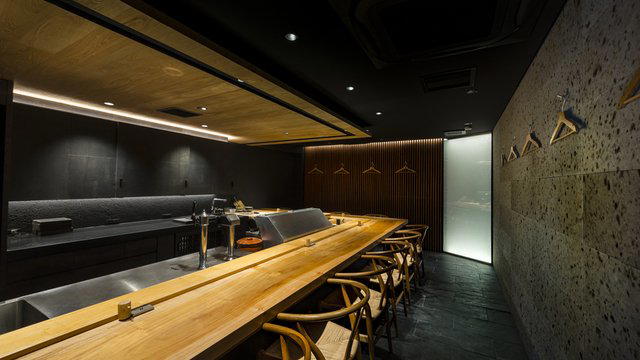
Details
- Cozy
- Lively
- Solo
- Casual Hangout
- Family
- Group Dining
- After Work
- Standalone
- A La Carte
Current opening hours
- Monday
- 11:30 AM–2:30 PM, 6–9 PM
- Tuesday
- 11:30 AM–2:30 PM, 6–9 PM
- Wednesday
- 11:30 AM–2:30 PM, 6–9 PM
- Thursday
- 11:30 AM–2:30 PM, 6–9 PM
- Friday
- 11:30 AM–2:30 PM, 5:30–9 PM
- Saturday
- 11:30 AM–2:30 PM, 5:30–9 PM
- Sunday
- Closed
Hours can change for holidays and private events. Hours as of .
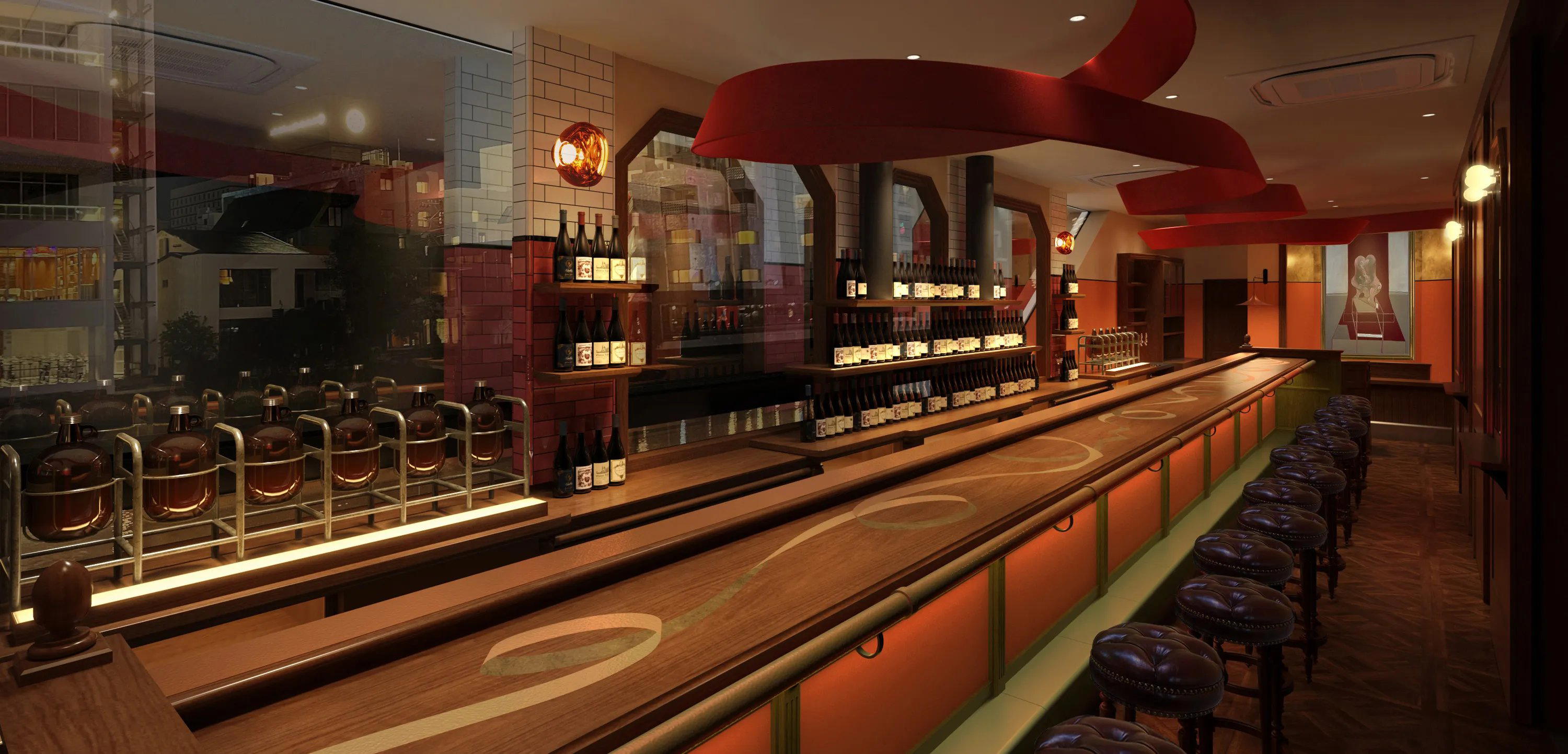
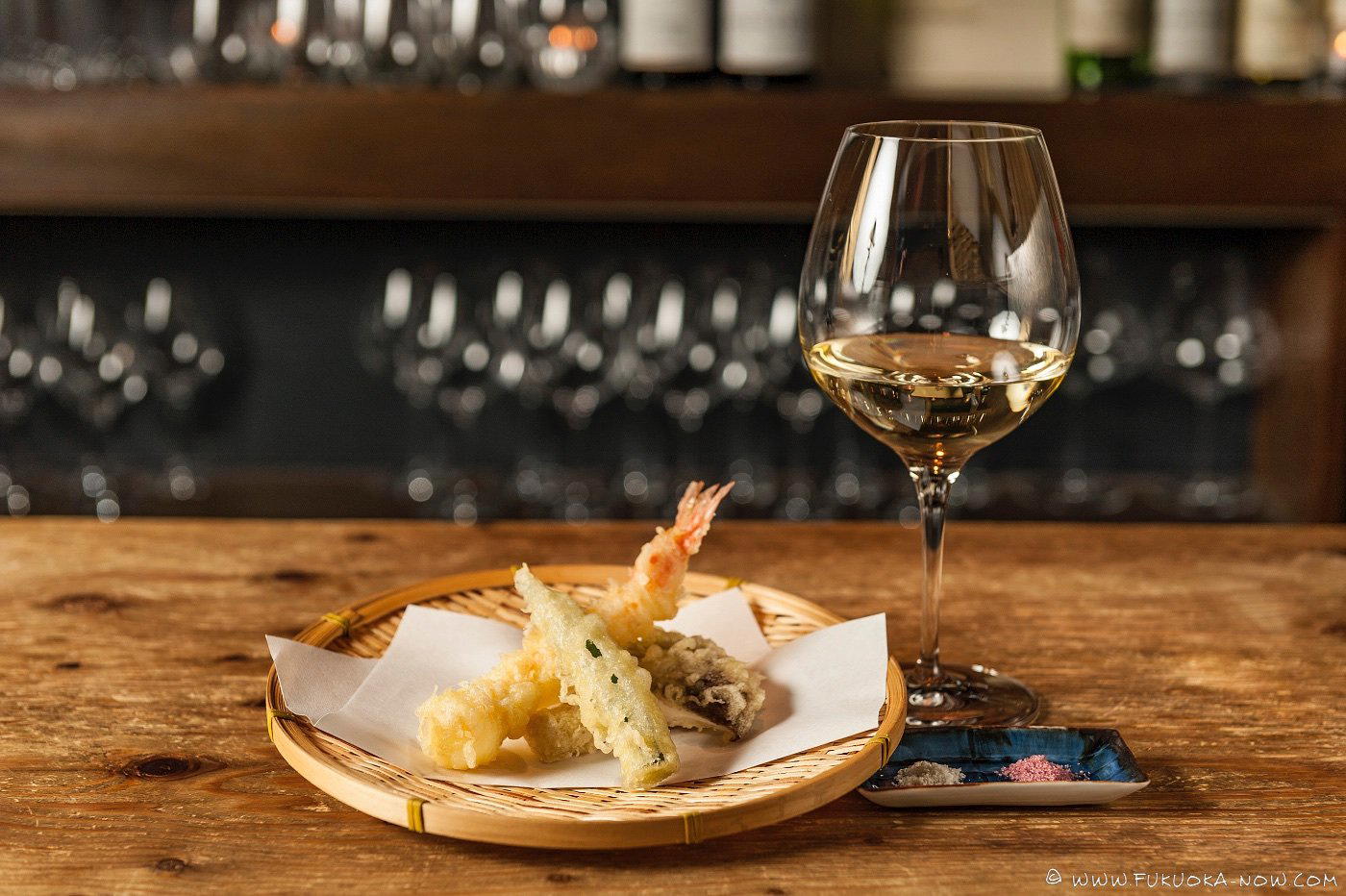
Informal, neighborhood-style tonkatsu shop with a compact dining room, simple décor, and a bustling yet relaxed atmosphere typical of popular local eateries in Fukuoka.