
Tabelog 100 #41
Our verdict
Kanazawa is better known for seafood, wagashi, and Kaga-ryori formality than for American-style burgers, which makes this small Unedahigashi counter a useful read on the city’s casual dining range. 1/3 HAMBURGER FACTORY brings a Tabelog Hamburger 100 selection in 2024 and 2026 to a house-restaurant format with counter seating, terrace space, takeout, and family-friendly details.

Pearl is the En Primeur Club membership app, where members save venues, book tables and use the concierge.
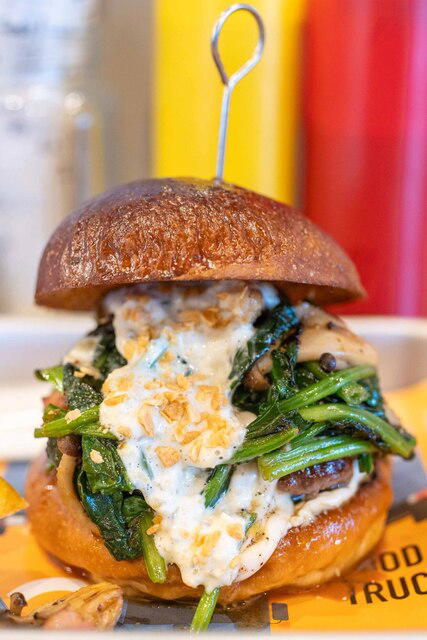
The menu
What to order
- Double Cheeseburger (BBQ)
- Teriyaki Chicken Burger
Approaching a house restaurant on Kanazawa’s western side sets a different expectation from the city’s lacquered ryotei rooms and market-adjacent seafood counters. The cues are more domestic than theatrical: compact seating, counter space, an open terrace, and an artificial-turf park area that makes the meal feel closer to a neighbourhood stop than a destination dining room. That matters, because Kanazawa’s food identity is often read through heritage: Kaga vegetables, refined sweets, winter crab, sushi tied to the Sea of Japan. A serious hamburger shop here has to make its case through sourcing, grind, cooking discipline, and format rather than ceremony.
1/3 HAMBURGER FACTORY has the external signal to justify attention beyond its immediate neighbourhood: selection for Tabelog Hamburger 100 in both 2024 and 2026, with a Tabelog score of 3.72. In Japan’s burger category, that places it in a specialist conversation rather than the generic café-and-sandwich lane. The useful comparison is not a luxury tasting counter; it is the country’s broader move toward craft burger shops that treat the patty, bun, and build as a composed plate, using Japanese precision on an American form.
A craft-burger reading of Kanazawa's ingredient culture
Kanazawa’s restaurant culture has long rewarded produce literacy. Even casual rooms benefit from a city where seasonality and provenance are not reserved for formal kaiseki. The burger format compresses those values into fewer variables: the meat blend must carry the dish, the bun must hold structure, and the condiments have to sharpen rather than bury the central ingredient. Without a named signature item published here, the more reliable way to read the kitchen is through category discipline. A Tabelog Hamburger 100 selection is not awarded for ambience alone; it points to execution within a narrow, highly competitive national field.
The house-restaurant scale also changes the experience. Seventeen seats create a room where the cooking rhythm is visible, split between counter seating and small tables. That is a different kind of intimacy from Kanazawa’s sushi counters, where silence and sequence often dominate. Here, the form is looser, more family-facing, and more adaptable: children are welcomed, strollers are accommodated, and takeout is part of the service. The result is not lesser dining; it is a different answer to what a city restaurant can be when the craft sits inside an everyday format.
For visitors building a Kanazawa itinerary, this is where the contrast becomes useful. A seafood meal might explain the city’s coastal geography, while a wagashi stop such as Amanatto Kawamura explains its sweet-making traditions. A burger specialist explains something else: how non-Japanese forms get absorbed into local expectations for precision, cleanliness, and ingredient clarity. The same city can support soba at Ajiraku Yumemi, meat-focused cooking at Aburi Niku Garan, and contemporary dining rooms such as Arroz (Spanish) without flattening into a single culinary identity.
The room makes sense for groups, families, and low-ceremony meals
The better burger shops in Japan tend to live or die by logistics as much as by the grill. A small room can feel focused at lunch and constrained at peak times; table reservations here are part of the operating model during the evening window, while takeout extends the usefulness beyond dine-in. Parking is also part of the point. In a city where many visitors concentrate around the station, Korinbo, Higashi Chaya, and Omicho Market, an Unedahigashi meal works better for travellers with a car or those already exploring Kanazawa beyond the central sightseeing loop.
That edge-of-centre position is not a weakness. Kanazawa’s stronger casual restaurants often sit outside the tight tourist circuit, where rent, neighbourhood demand, and repeat customers shape a different kind of value. Teuchi Soba Koyori, one of the relevant local comparisons, occupies a similar price band while answering a completely different craving. Dokkan, 鮨 八や, and レストラン エクティル show how varied the city’s serious small-room dining can be, from counter-led Japanese formats to more formal restaurant cooking. Against that field, 1/3 HAMBURGER FACTORY reads as a specialist casual address with proof of national category recognition.
The practical read is clear: use it when the itinerary needs a break from seafood, sake-led izakaya pacing, or tasting-menu structure, but not a drop in craft. The restaurant’s non-smoking policy, counter seats, terrace, private-use option, and family provisions make it particularly well suited to mixed-generation travel, where a single meal has to satisfy adults paying attention to quality and children who need room to function. That combination is not common in more formal Kanazawa dining rooms.
How it fits into a broader Kanazawa eating plan
Kanazawa rewards sequencing. A meal like this should not replace the city’s defining traditions; it should sit between them. Pair it with market seafood on another day, wagashi in Nishi Chaya or Higashi Chaya, and a soba or sushi counter if the trip allows. For broader planning, Our full Kanazawa restaurants guide maps the city’s dining range, while Our full Kanazawa hotels guide, Our full Kanazawa bars guide, Our full Kanazawa wineries guide, and Our full Kanazawa experiences guide help place meals around the rest of the trip.
鮪と炭火焼き うお炭 秋葉原店 in Tokyo.cafe in Osaka.know in Kumamoto, (Shoku) Vietnam in Kawasaki, and [Curry Senmon Ten] Maruyama Kyoju. in Sapporo. For a different international lens on Japanese casual formats, Jōdo Saké Bar in Los Angeles and Onigiri Time in Pasadena show how Japanese food categories shift when translated abroad.
Frequently asked questions
How much does it cost to eat at 1/3 HAMBURGER FACTORY?
Pricing at 1/3 HAMBURGER FACTORY is listed as JPY 2,000 - JPY 2,999 JPY 2,000 - JPY 2,999.
How do I find 1/3 HAMBURGER FACTORY?
1/3 HAMBURGER FACTORY is located in Kanazawa.
When can I go to 1/3 HAMBURGER FACTORY?
Hours at 1/3 HAMBURGER FACTORY: Mon: 11 AM–4 PM, 5–8 PM; Tue: 11 AM–4 PM, 5–8 PM; Wed: 11 AM–4 PM, 5–8 PM; Thu: 11 AM–4 PM, 5–8 PM; Fri: 11 AM–4 PM, 5–8 PM; Sat: 11 AM–8 PM; Sun: 11 AM–8 PM.
What is 1/3 HAMBURGER FACTORY known for?
1/3 HAMBURGER FACTORY is primarily known for its core concept and execution in Kanazawa.
A Quick Peer Check
Comparable venues to calibrate price, style, and recognition.
| Venue | Cuisine | Price | Awards | Notes |
|---|---|---|---|---|
| 1/3 HAMBURGER FACTORYThis venue (the venue you are viewing) | American Burgers | $20–30 | Tabelog 100 #41 | Not listed |
| Sushi Hachiya | Kanazawa Seasonal Sushi | $100–150 | Not listed | Shimeno Nakamachi |
| 鮨 八や | Kanazawa Seasonal Sushi | $100–150 | Not listed | Kanazawa |
| さかい | Japanese Kaiseki | $50–100 | Not listed | Kiguramachi |
| Dokkan | Yakitori (Grilled Chicken Skewers) | $30–50 | Not listed | Kanazawa |
| Koide | Traditional Japanese Izakaya & Sake Bar | $100–150 | Tabelog 100 #65 | Kanazawa |
Recognition history
Dated appearances from independent guides and award organizations, with the underlying list record or original source where available.
Tabelog 100 #41 · No. 41
Tabelog · Tabelog 100 - Hamburger - 2026
Continue exploring
More in Kanazawa
Restaurants in Kanazawa
All restaurants in Kanazawa →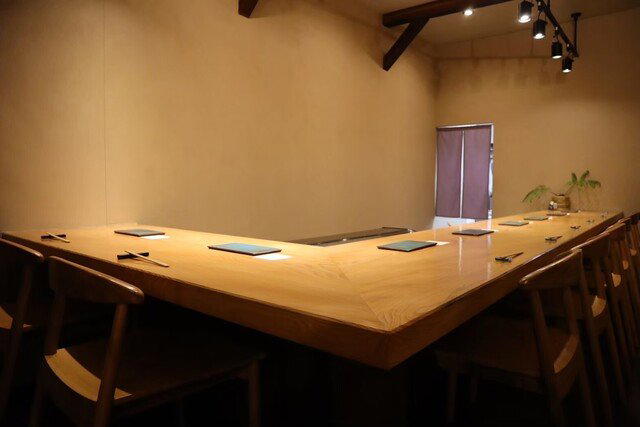
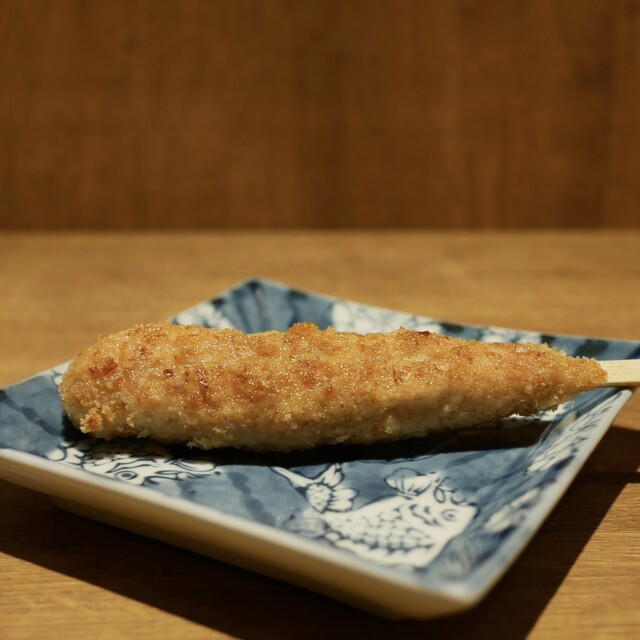
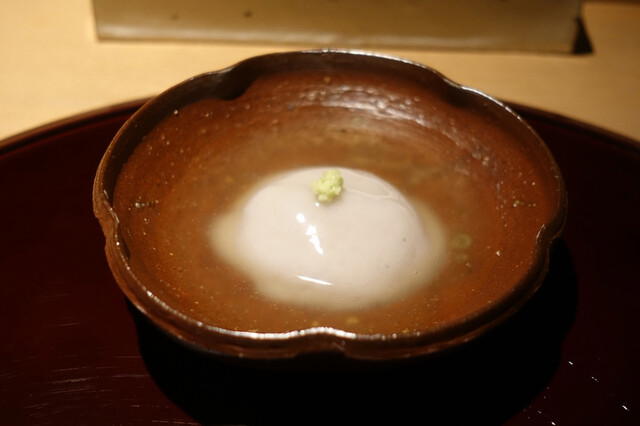
Hotels in Kanazawa
All hotels in Kanazawa →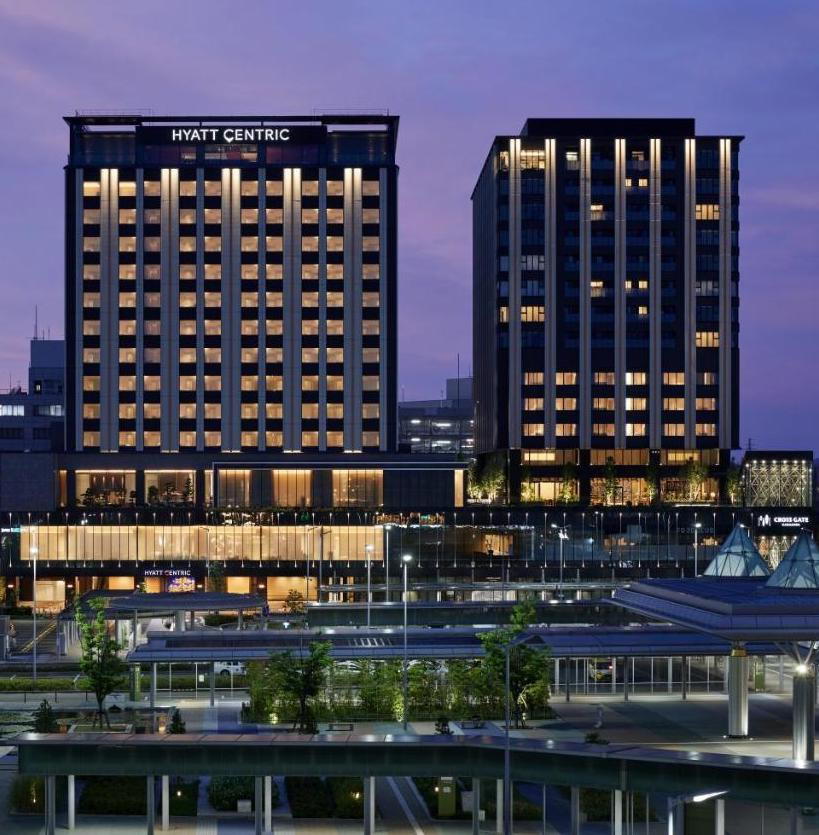
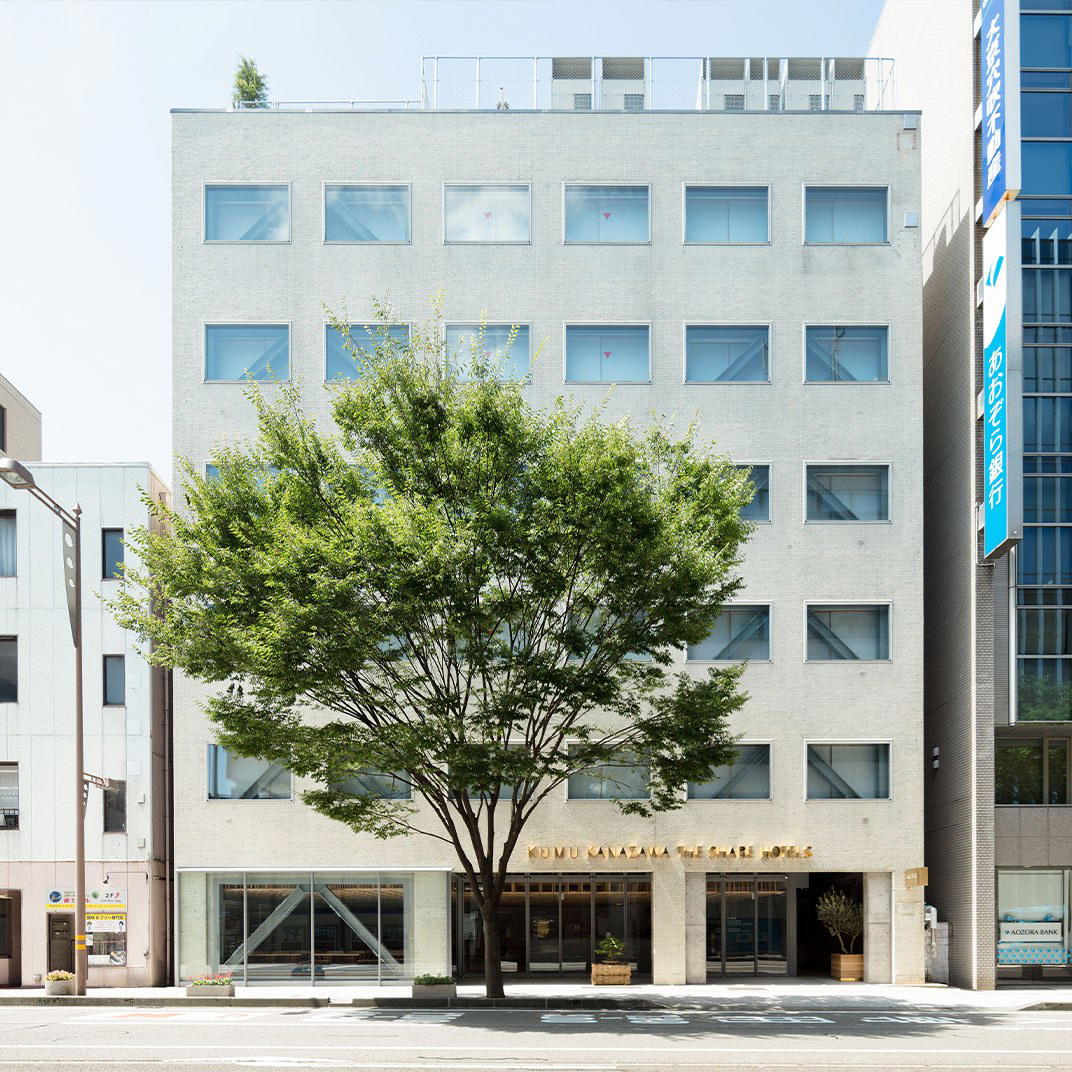
Wineries in Kanazawa
Browse all →
Details
- Casual
- Cozy
- Casual Hangout
- Family
- Standalone
- Beer Program
- A La Carte
- Milkshakes
Current opening hours
- Monday
- 11 AM–4 PM, 5–8 PM
- Tuesday
- 11 AM–4 PM, 5–8 PM
- Wednesday
- 11 AM–4 PM, 5–8 PM
- Thursday
- 11 AM–4 PM, 5–8 PM
- Friday
- 11 AM–4 PM, 5–8 PM
- Saturday
- 11 AM–8 PM
- Sunday
- 11 AM–8 PM
Hours can change for holidays and private events. Hours as of .
Casual burger spot offering comforting American-style eats and milkshakes.