Taverna Di Bacco
Taverna Di Bacco occupies a narrow address on Ludlow Street in the Lower East Side, a neighbourhood that has cycled through immigrant kitchens, dive bars, and now a dense layer of wine-forward dining rooms. The taverna format places it in a tradition older than the street itself: southern European eating built around the bottle as much as the plate.
Pearl is the En Primeur Club membership app — saves, bookings, and concierge access live there. Same editors, same standards.
- Address
- 175 Ludlow St, New York, NY 10002
- Phone
- +12124770077
- Website
- tavernadibacco.com
- Directions
- Get directions
 Saves & bookings on Pearl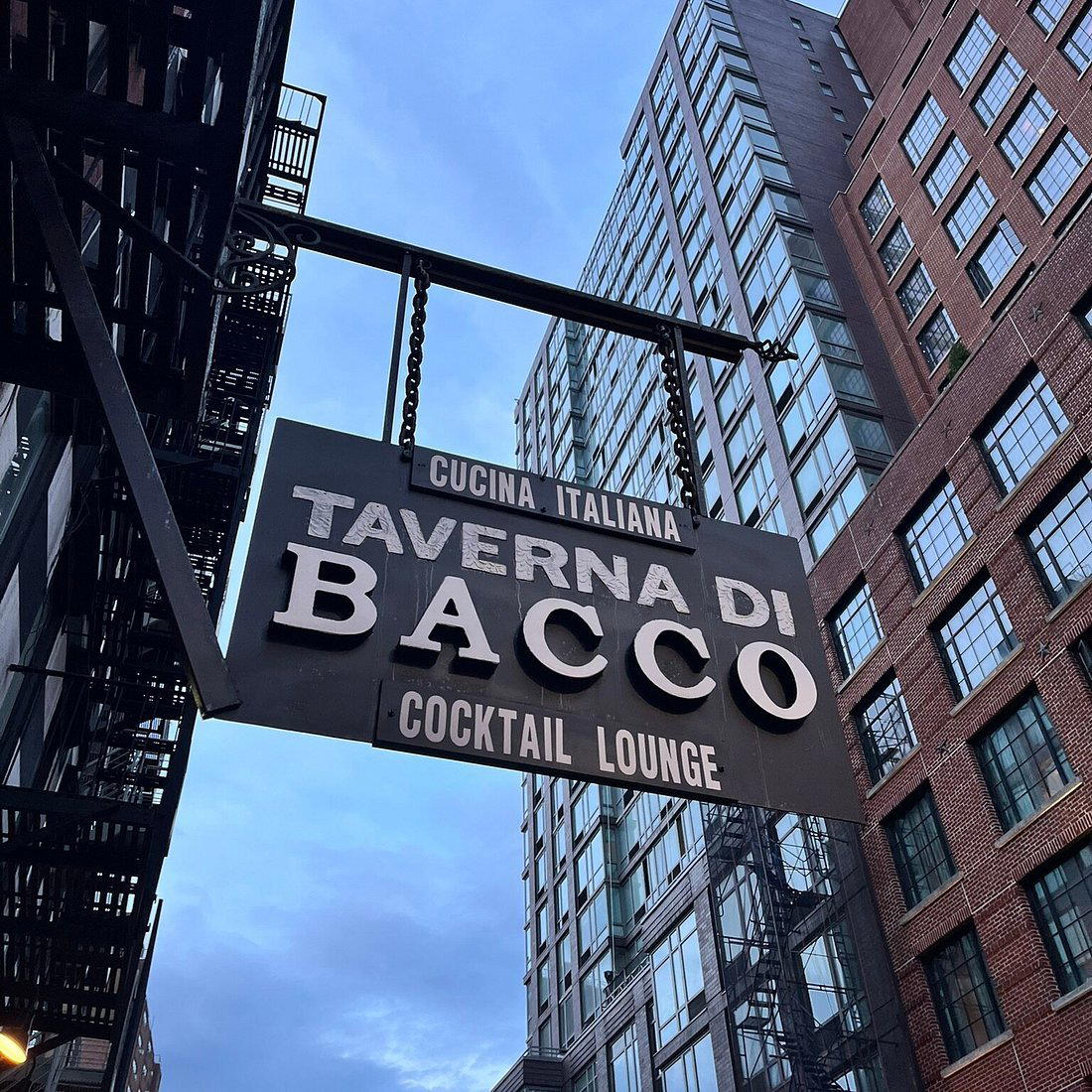
Ludlow Street and the Taverna Tradition
The Lower East Side has always eaten cheaply, loudly, and well. What has shifted over the past decade is the direction of the ambition: the neighbourhood that once sustained itself on knish counters and dumpling houses now supports a generation of wine-focused dining rooms where the list drives the menu as much as the kitchen drives it. Taverna Di Bacco at 175 Ludlow Street sits inside that pattern. The name itself declares an allegiance, not to a chef's ego or a seasonal conceit, but to Bacchus, the Roman god of wine, and to the taverna as a social institution: communal, unhurried, structured around the act of drinking as much as eating.
That framing matters because it separates a taverna from a restaurant in the conventional sense. Where the city's leading tasting-menu rooms, places like Per Se or Atomix, orchestrate the dining experience as a sequence of deliberate acts, the taverna model works through accumulation: bread, cured things, a few shared plates, a bottle that outlasts all of them. The two formats serve different needs, and knowing which one you are sitting down for changes everything about how the evening reads.
The Sensory Register of the Space
Ludlow Street after dark operates at a particular pitch: the sound travels through open doors, neon signs compete with candles at street level, and the sidewalk itself becomes an extension of the room in warmer months. A taverna format absorbs this ambient noise differently than a white-tablecloth room would. Hard surfaces and close tables push conversation inward; the clatter of shared plates and the pour of a carafe are part of the acoustic furniture rather than interruptions to it.
In the southern Italian and Greek taverna tradition that informs this style of venue, the sensory environment is deliberately unpolished. Terracotta tones, aged wood, and the smell of garlic and olive oil in the air are functional choices, not decorative ones, they signal that the room is built for sustained occupation rather than a single-course transaction. The contrast with the refined minimalism of a room like Masa or Le Bernardin is precise and intentional. Those rooms ask you to attend; the taverna asks you to settle in.
For New York dining, that sensory posture is part of a broader recovery of the European neighbourhood-eating model. Across the city, a cohort of Italian-inflected rooms has moved away from the red-sauce trattoria formula and toward something closer to the Roman or Neapolitan osteria: simpler in presentation, more serious about wine, less concerned with impressing and more concerned with sustaining a room through an evening. Taverna Di Bacco's address on the Lower East Side places it in a neighbourhood that has the foot traffic and the late-night energy to support that kind of operation.
Where It Sits in the New York Italian Conversation
New York's Italian restaurant tier has fractured into at least three distinct registers. At the leading end, Italian-influenced tasting menus operate on the same pricing and booking logic as their French counterparts. In the middle, neighbourhood trattorias and wine bars compete on list depth and pasta execution. At the more accessible end, the pizza and red-sauce houses maintain their own loyal constituency. The taverna format occupies a position adjacent to the middle tier but with a distinct social function: it is less interested in showcasing a kitchen's technical range and more interested in sustaining a table over two or three hours.
That is a different value proposition than what you find at Jungsik New York or the more architecturally ambitious tasting rooms. It is also a different proposition than the neighbourhood Italian joints that prioritise throughput. The taverna sits in a niche where time is the product as much as the food. Comparable operations in other American cities, Bacchanalia in Atlanta, or the farm-to-table ethos behind Blue Hill at Stone Barns in Tarrytown, share the unhurried format even when the cuisine differs sharply. Internationally, the closest analogue in terms of taverna-as-institution is the dining culture that shapes rooms like Alain Ducasse at Louis XV in Monte Carlo or 8½ Otto e Mezzo Bombana in Hong Kong, though those venues operate at a different price tier and with a different social contract entirely.
The Lower East Side location is not incidental. This is a neighbourhood with a high concentration of wine bars and independent restaurants that have grown out of the post-2010 bar-to-dining-room evolution. It draws a crowd that is already primed for the taverna model: late arrivals, extended conversations, a second bottle decided mid-dinner rather than at the outset.
Tradition and Comparison Beyond New York
The taverna as a dining format has outlasted every trend cycle it has encountered. It survived the rise of modernist cuisine in the 1990s and 2000s, the farm-to-table wave, and the small-plates revolution. What it offers that more concept-driven restaurants cannot easily replicate is durability: a room built for drinking and talking does not go out of fashion the way a room built around a single chef's vision can. Venues operating on similar social contracts in other American cities include Lazy Bear in San Francisco, which shares the communal-table orientation even within a more structured tasting format, and Emeril's in New Orleans, where the dining room functions as much as a cultural institution as a restaurant. The difference is that the taverna format resists the personality cult. The room, not the name above the door, is the draw.
For anyone tracking where American Italian dining is heading, the taverna revival is one of the more coherent signals. It suggests a move away from both the white-tablecloth formality and the fast-casual informality toward something closer to European neighbourhood eating: good wine, shared plates, and a room that is still full at eleven o'clock. Other ambitious American restaurants tracking a similar long-form, experience-driven model include Alinea in Chicago, Single Thread Farm in Healdsburg, The French Laundry in Napa, Providence in Los Angeles, Addison in San Diego, and The Inn at Little Washington, though each of those operates in a different register and at a substantially higher price point than a Ludlow Street taverna.
Planning Your Visit
Taverna Di Bacco is at 175 Ludlow Street in the Lower East Side, Open Wednesday through Saturday from 1:30 to 11 PM, and Sunday from 1:30 to 10 PM. Reservations are recommended. Dress code: smart casual. The menu sits at about $40 per person.
Budget and Context
Comparable venues nearby, for context on price, style, and recognition.
| Venue | Cuisine | Price | Notes |
|---|---|---|---|
| Taverna Di BaccoThis venue — the venue you are viewing | Not listed | $$ | Not listed |
| Il Brigante | Not listed | $$ | Financial District-Battery Park City, Southern Italian Trattoria & Pizza |
| Il Melograno | Not listed | $$ | Hell's Kitchen, Southern Italian Sicilian |
| Paulie Gee’s, East Village slice shop | East Village, New York-Style Pizza | $$ | Not listed |
| Supper | East Village, Northern Italian Osteria | $$ | Not listed |
| Song' E Napule | Not listed | $$ | Greenwich Village, Authentic Neapolitan Pizza |
Continue exploring
More in New York City
Restaurants in New York City
Browse all →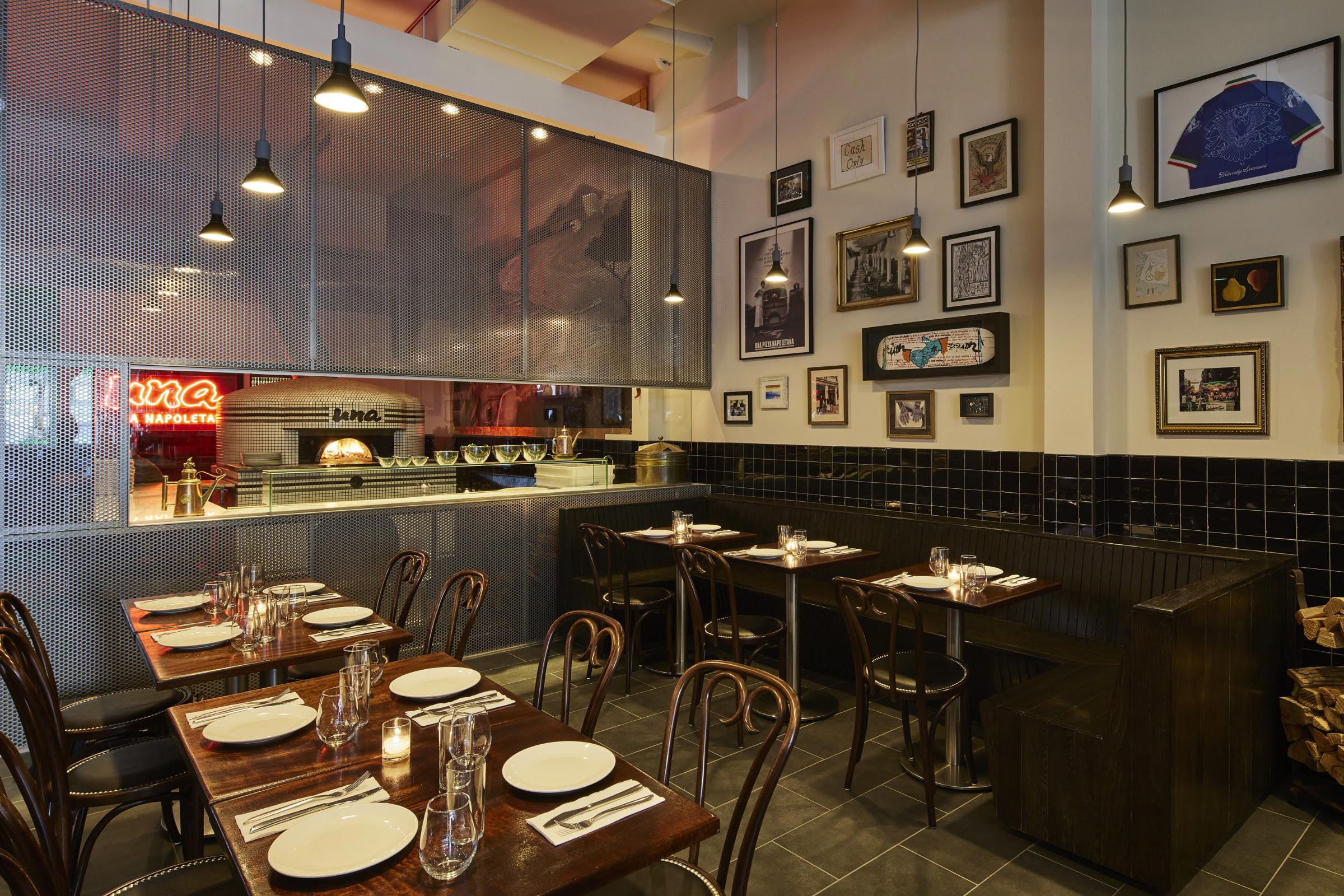
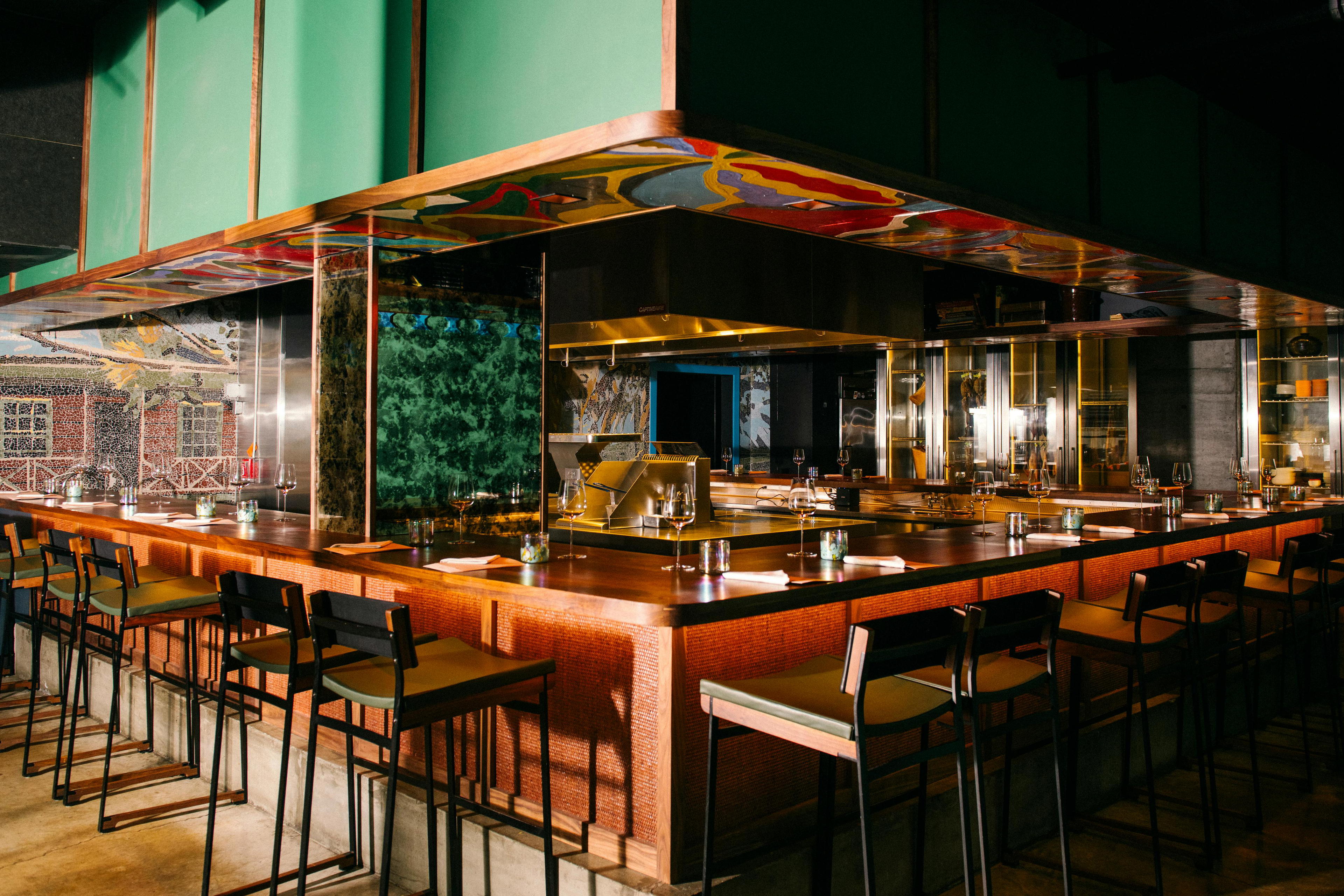
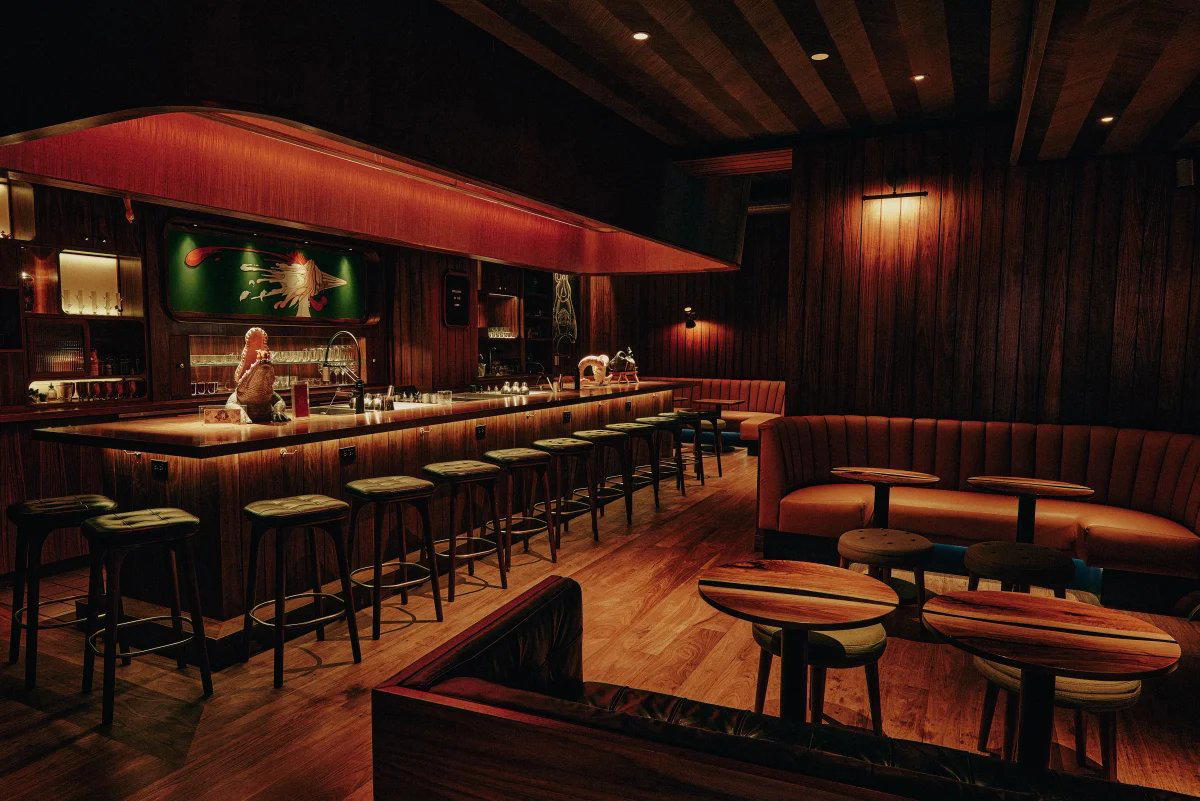
Bars in New York City
Browse all →
Hotels in New York City
Browse all →




At a Glance
- Cozy
- Rustic
- Intimate
- Elegant
- Date Night
- Group Dining
- Special Occasion
- Open Kitchen
- Extensive Wine List
- Local Sourcing
Current opening hours
- Monday
- Closed
- Tuesday
- Closed
- Wednesday
- 1:30–11 PM
- Thursday
- 1:30–11 PM
- Friday
- 1:30–11 PM
- Saturday
- 1:30–11 PM
- Sunday
- 1:30–10 PM
Hours can change for holidays and private events. Last verified .
Cozy and charming with warm lighting, evoking an authentic Italian home atmosphere as described in guest reviews.