Il Brigante
Il Brigante sits at 214 Front St in the heart of the South Street Seaport, where lower Manhattan's grid meets the East River waterfront. The address places it inside one of New York's more atmospheric dining corridors, where cobblestone streets and 19th-century brick warehouses set a context that few other neighbourhoods in the city can replicate. For visitors and locals drawn to the Seaport's particular combination of history and river air, it is a reliable reference point on the downtown Italian circuit.
Pearl is the En Primeur Club membership app — saves, bookings, and concierge access live there. Same editors, same standards.
- Address
- 214 Front St, New York, NY 10038
- Phone
- +1 212 285 0222
- Website
- ilbrigantenyc.com
- Directions
- Get directions
 Saves & bookings on Pearl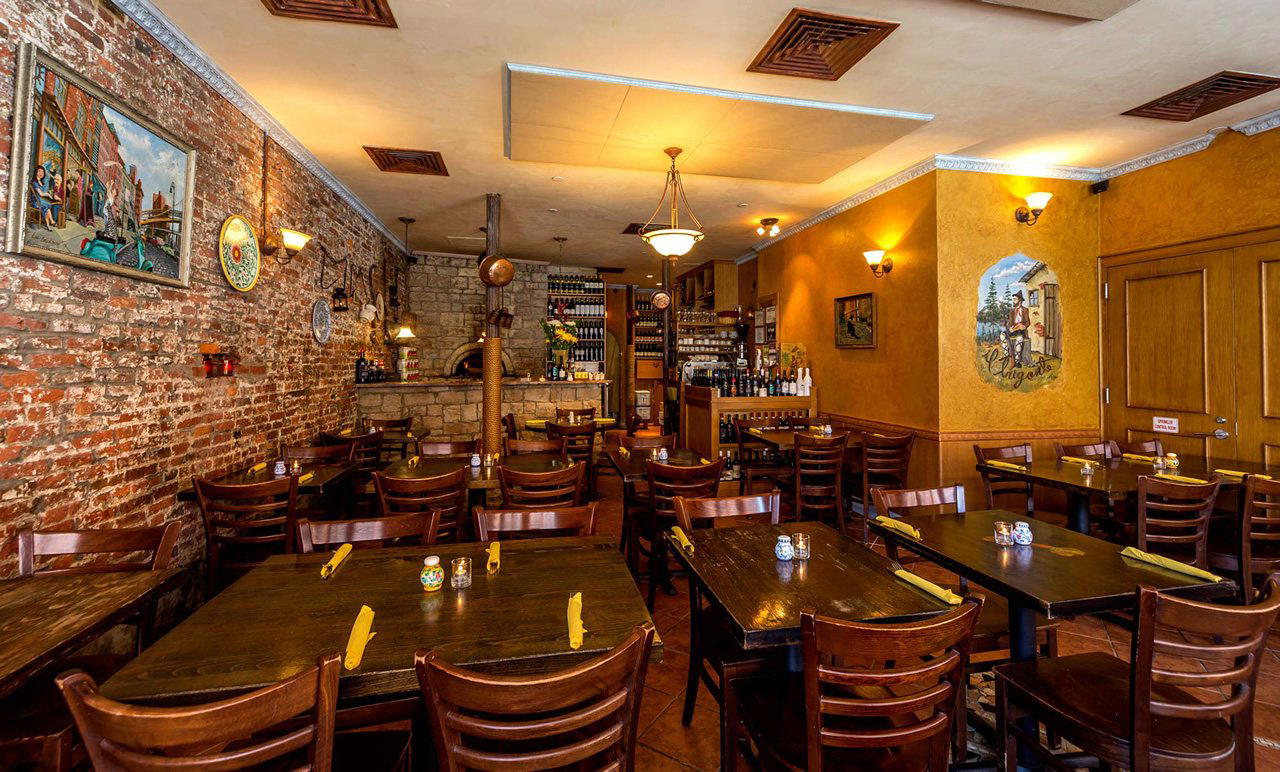
The South Street Seaport Table
Lower Manhattan's dining scene has never followed a single logic. Midtown operates on expense-account cadence, the West Village on neighbourhood loyalty, and the Financial District on lunch volume. The South Street Seaport, by contrast, runs on something older: the rhythm of a working waterfront that has been partially preserved and partially reimagined, with cobblestone blocks and cast-iron facades creating a backdrop that most of New York's newer dining corridors cannot manufacture. Il Brigante is a Southern Italian trattoria and pizzeria at 214 Front Street in New York City, a casual restaurant where reservations are recommended and the average price is about $25 per person. It sits inside that context, its address placing it at the intersection of Seaport history and lower Manhattan appetite.
Front Street is a particular kind of New York address. One block from the East River, close enough to Fulton Street to catch foot traffic from the rebuilt Pier 17 complex, but set back enough that the immediate block retains a quieter, more considered character. The Seaport's Italian dining options occupy a specific niche in the downtown market: they serve a neighbourhood that runs on proximity rather than destination dining, where the decision to eat is often made within a ten-minute walk of the office or the waterfront. Il Brigante has become a regular stop for nearby workers and Seaport visitors.
What the Setting Delivers
The sensory argument for eating in this part of Manhattan starts before you sit down. Front Street in the evening carries a different register than the glass-and-steel corridors a few blocks north: lower ambient noise, older building stock, a street-level scale that encourages attention rather than efficiency. Italian restaurants thrive in this kind of setting precisely because the cuisine is built for pace rather than spectacle. A room that rewards slowness suits a kitchen tradition where pasta timing, sauce reduction, and bread arrival are the choreography.
The Seaport's reconstruction over the past decade has brought higher-profile tenants to the pier itself, including a wave of concepts that lean toward the theatrical. Restaurants like Le Bernardin or Per Se define the upper end of New York's formal dining register, where the room is engineered for a particular kind of occasion. Il Brigante's position in the South Street Seaport places it in a different bracket entirely: neighbourhood Italian with a waterfront address, operating in the zone where regulars, tourists from nearby hotels, and Financial District workers overlap. That overlap produces a dining room energy distinct from the destination-driven tension of a tasting-menu counter.
Italian Dining in New York's Current Moment
New York's Italian restaurant category has fragmented considerably over the past decade. At one end, a wave of Roman-style trattorias and natural-wine-led osterie has reshaped expectations in lower Manhattan and Brooklyn. At the other, older red-sauce institutions in the outer boroughs continue to hold loyal audiences. In between, neighbourhood Italians like those along the Seaport corridor occupy a pragmatic middle: familiar in format, Italian in reference, calibrated to a clientele that wants quality without the full ceremony of a multi-course tasting progression.
For context on how New York's fine dining hierarchy is structured, the city's Korean-led tasting-menu scene at places like Atomix and Jungsik New York operates on a different register entirely, as does Japanese counter dining at Masa. The restaurant's competitive set is not those rooms. Its peers are the Italian addresses that have survived and adapted in a neighbourhood that has changed dramatically since the Seaport was rebuilt, where the test is sustained local relevance.
The Seaport as a Dining Address
Timing matters at the Seaport more than in most Manhattan neighbourhoods. Lunch and early dinner attract Financial District workers and Seaport tourists; later evenings tend to draw a more deliberately local crowd. The seasonal shift is also more pronounced here than in, say, Midtown: summer brings foot traffic from the pier and the outdoor terraces of Pier 17's rooftop; winter narrows the street-level audience, and the restaurants that hold their audience through December tend to be the ones that have built genuine regulars rather than relying on warm-weather volume.
The cobblestone blocks around Front Street are more navigable in warmer months, and the East River light in late afternoon, low and directional, bouncing off the older warehouse facades, creates a quality of light that photographers notice and diners feel even without naming it. Italian restaurants in the area tend to plan for the district's seasonal swings.
Placing Il Brigante in the Wider American Italian Scene
American Italian dining at the serious end of the spectrum has its own geography. Destination restaurants in other cities, Alinea in Chicago, Lazy Bear in San Francisco, The French Laundry in Napa, Single Thread Farm in Healdsburg, Providence in Los Angeles, Blue Hill at Stone Barns in Tarrytown, Addison in San Diego, The Inn at Little Washington, Bacchanalia in Atlanta, and Emeril's in New Orleans, operate in an aspirational register that serves special occasions and destination travellers. Internationally, the Italian fine dining tradition is represented at the highest level by addresses like 8 1/2 Otto e Mezzo Bombana in Hong Kong and Alain Ducasse at Louis XV in Monte Carlo, where Italian culinary influence intersects with formal French service traditions. Its logic is neighbourhood Italian in a neighbourhood with few comparable Italian addresses.
Planning Your Visit
The restaurant is located at 214 Front Street in the South Street Seaport district, accessible from the Fulton Street subway complex, which serves multiple lines and places the restaurant within a short walk of the platforms. For visitors staying in lower Manhattan or near the Financial District, the Seaport is a logical evening destination that requires no transport. Reservations are advisable on weekend evenings when the Seaport draws both local and tourist foot traffic; weekday lunch and early dinner are typically more available. Reservations are recommended, especially on weekend evenings.
Peers You’d Cross-Shop
Comparable venues nearby, for context on price, style, and recognition.
| Venue | Cuisine | Price | Notes |
|---|---|---|---|
| Il BriganteThis venue — the venue you are viewing | Southern Italian Trattoria & Pizza | $$ | Not listed |
| Noodle Pudding | Traditional Italian | $$ | Brooklyn Heights |
| La Nonna | Classic Italian Trattoria | $$ | SoHo-Little Italy-Hudson Square |
| Sofia's of Little Italy | Italian Trattoria | $$ | SoHo-Little Italy-Hudson Square |
| Da Nico Ristorante | Traditional Northern & Southern Italian | $$ | SoHo-Little Italy-Hudson Square |
| Love & Dough | Neapolitan Pizza | $$ | Downtown Brooklyn-DUMBO-Boerum Hill |
Continue exploring
More in New York City
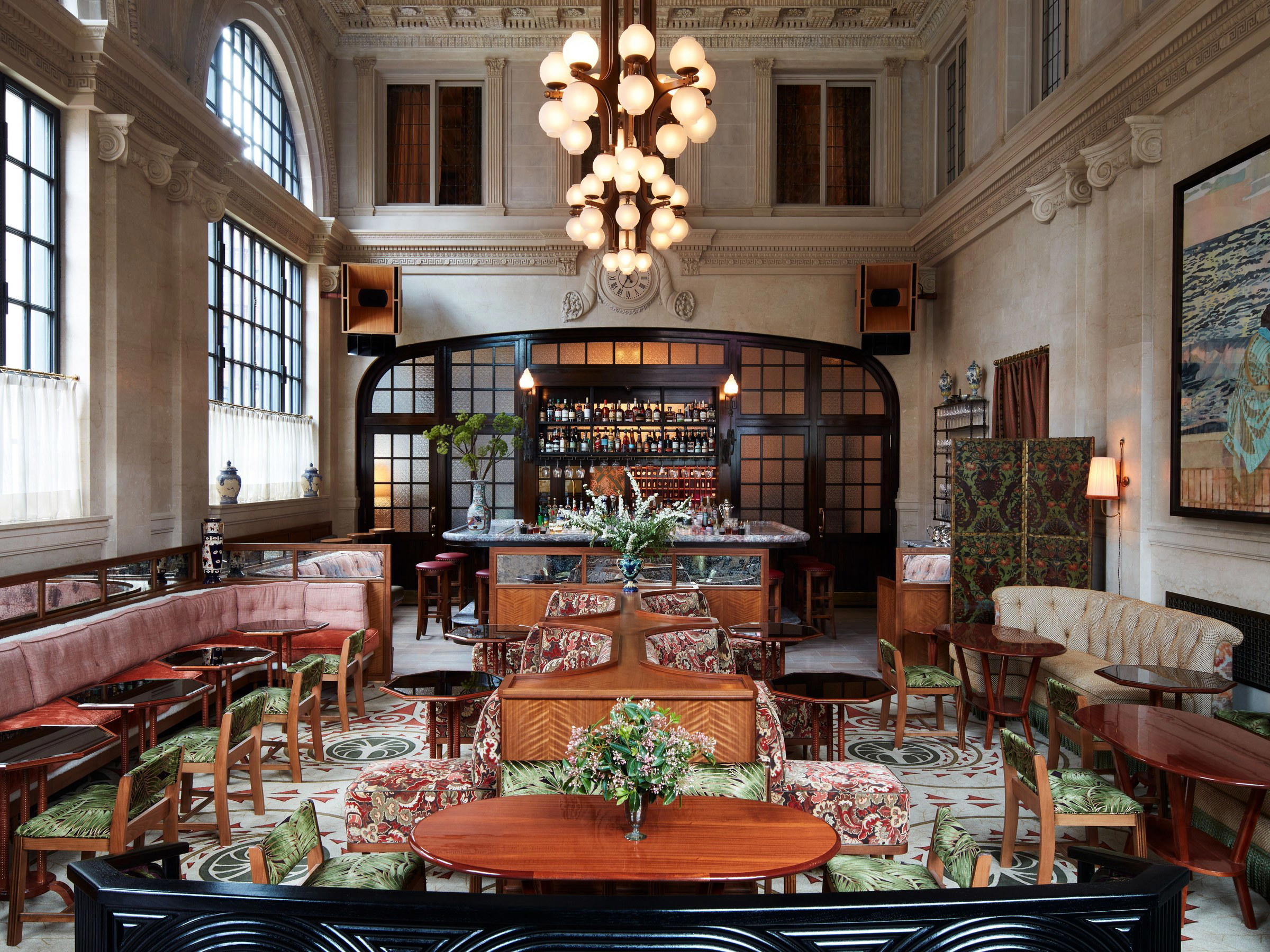
Restaurants in New York City
Browse all →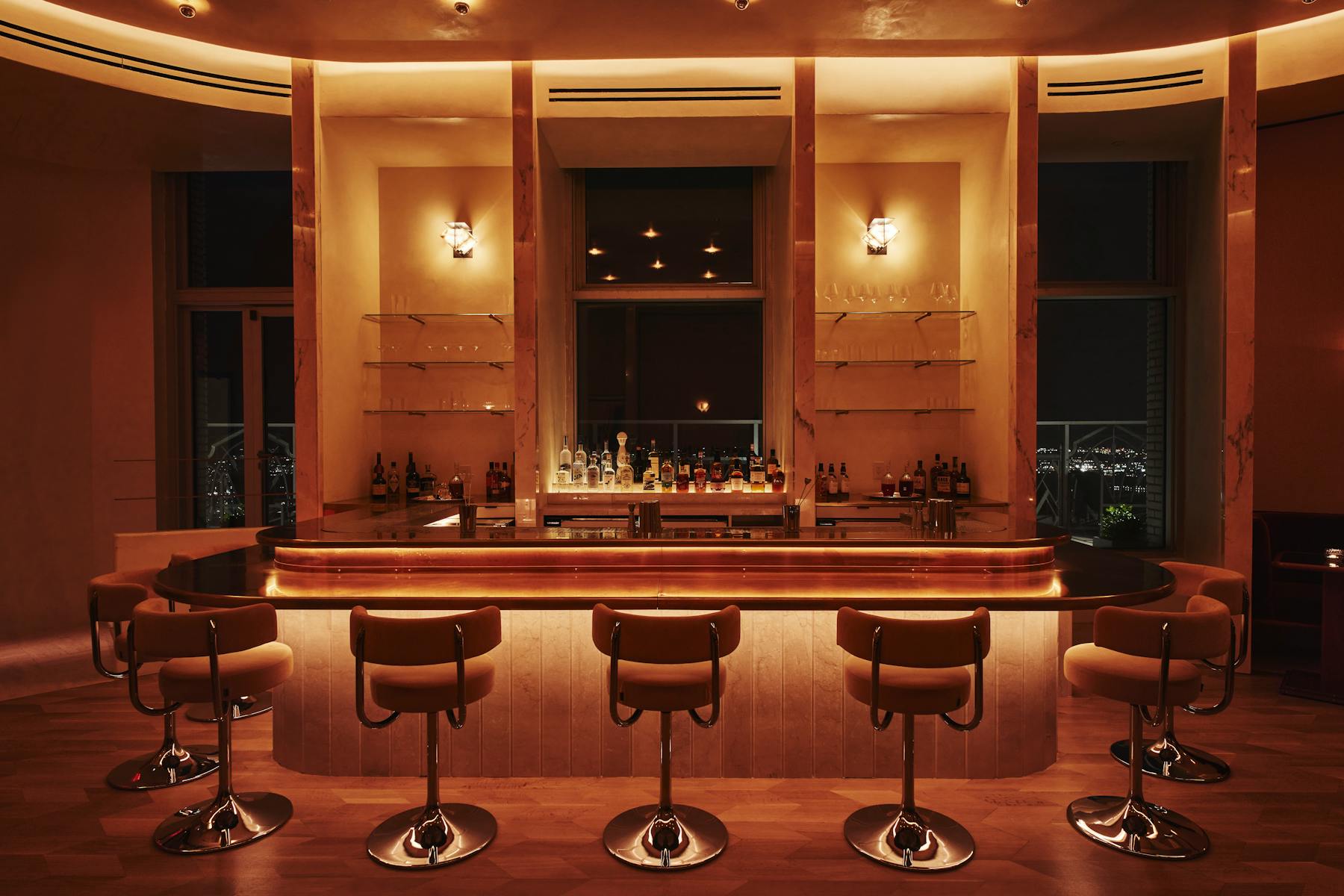
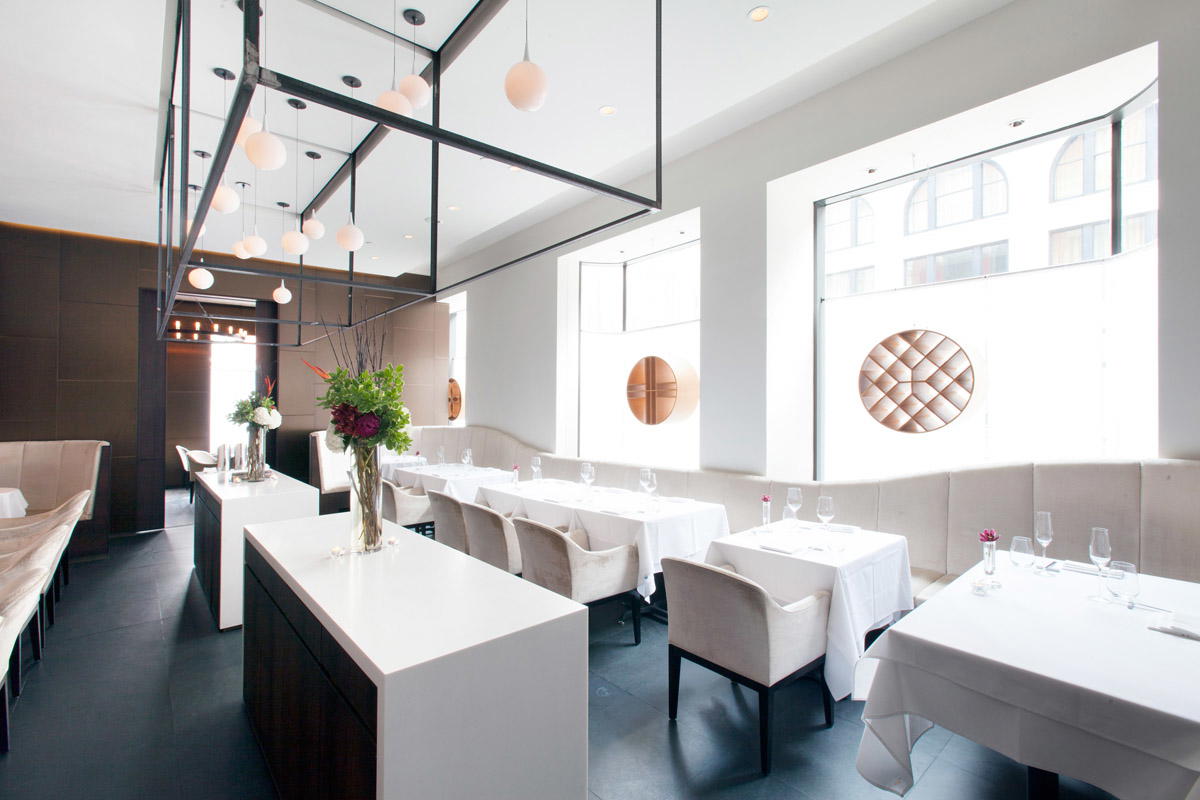
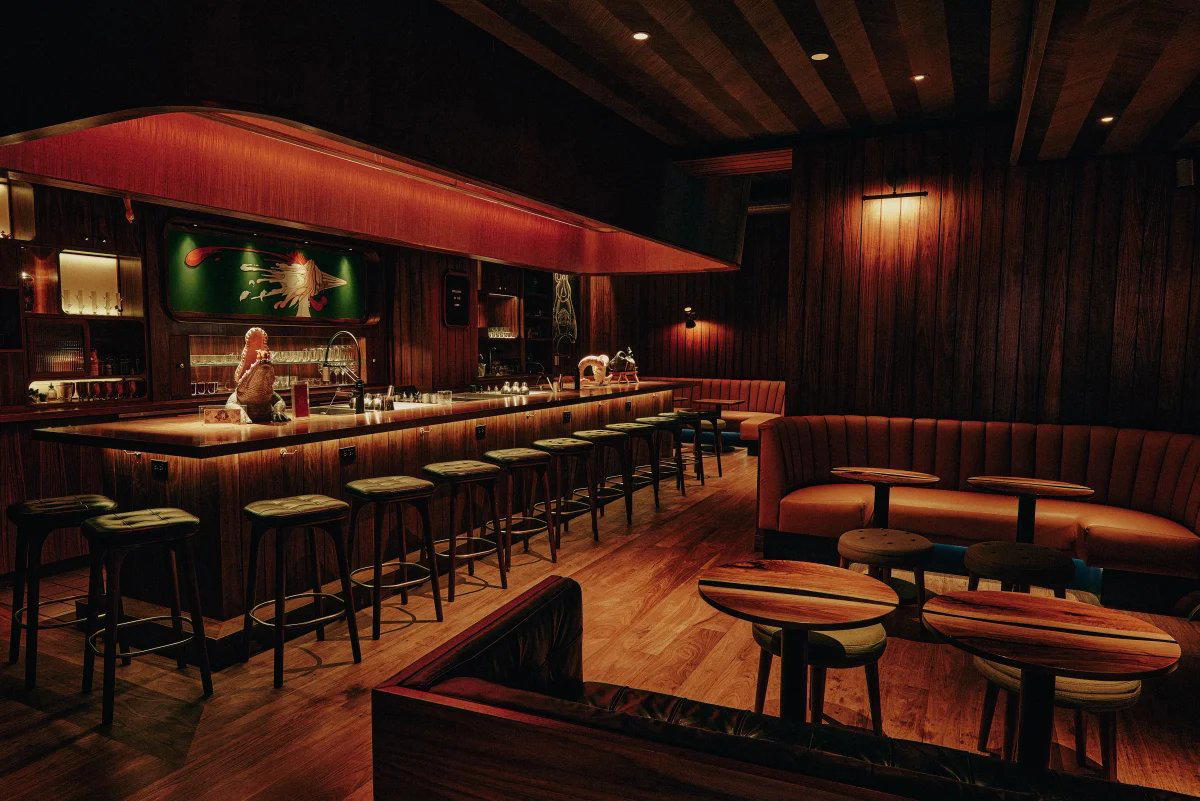
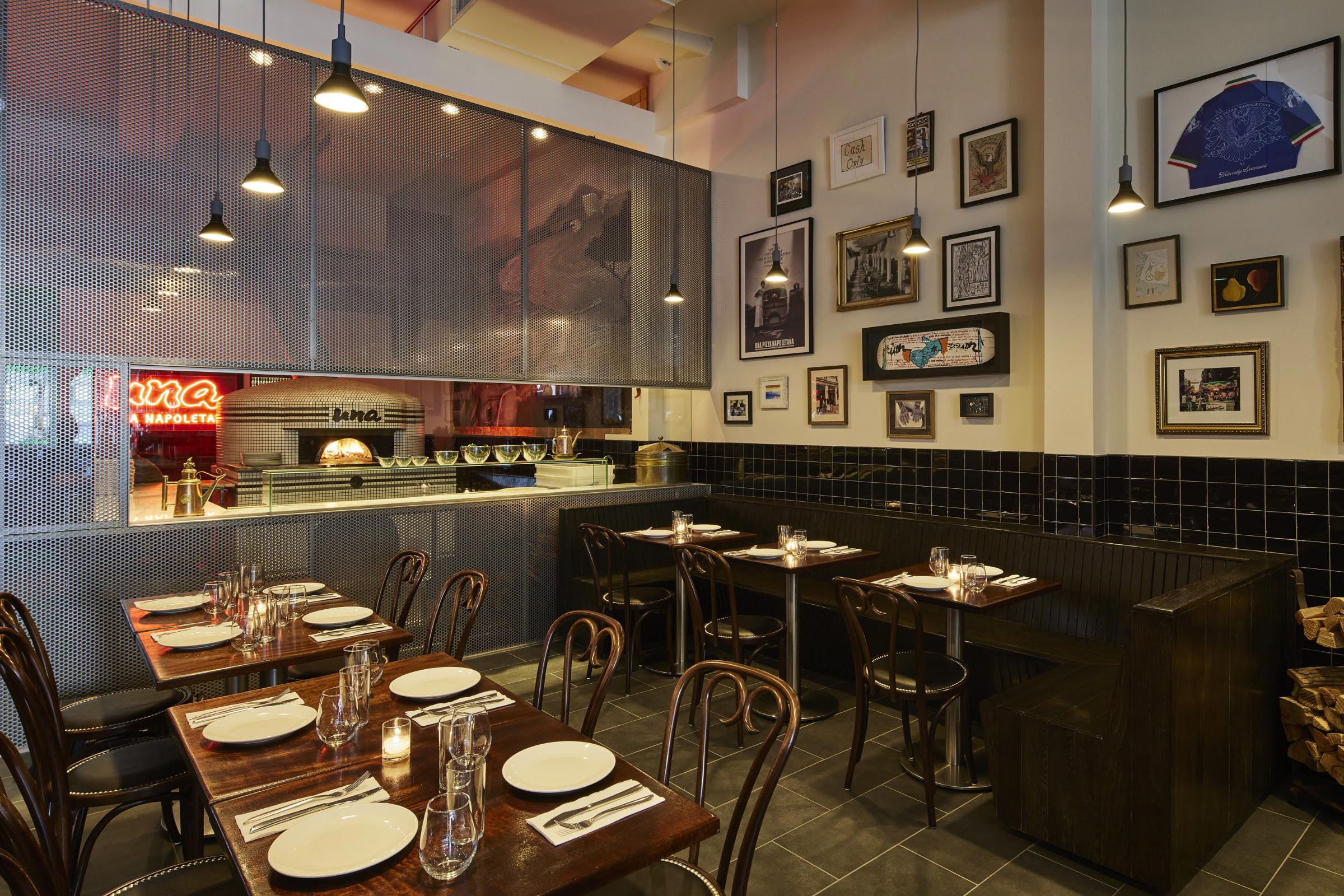
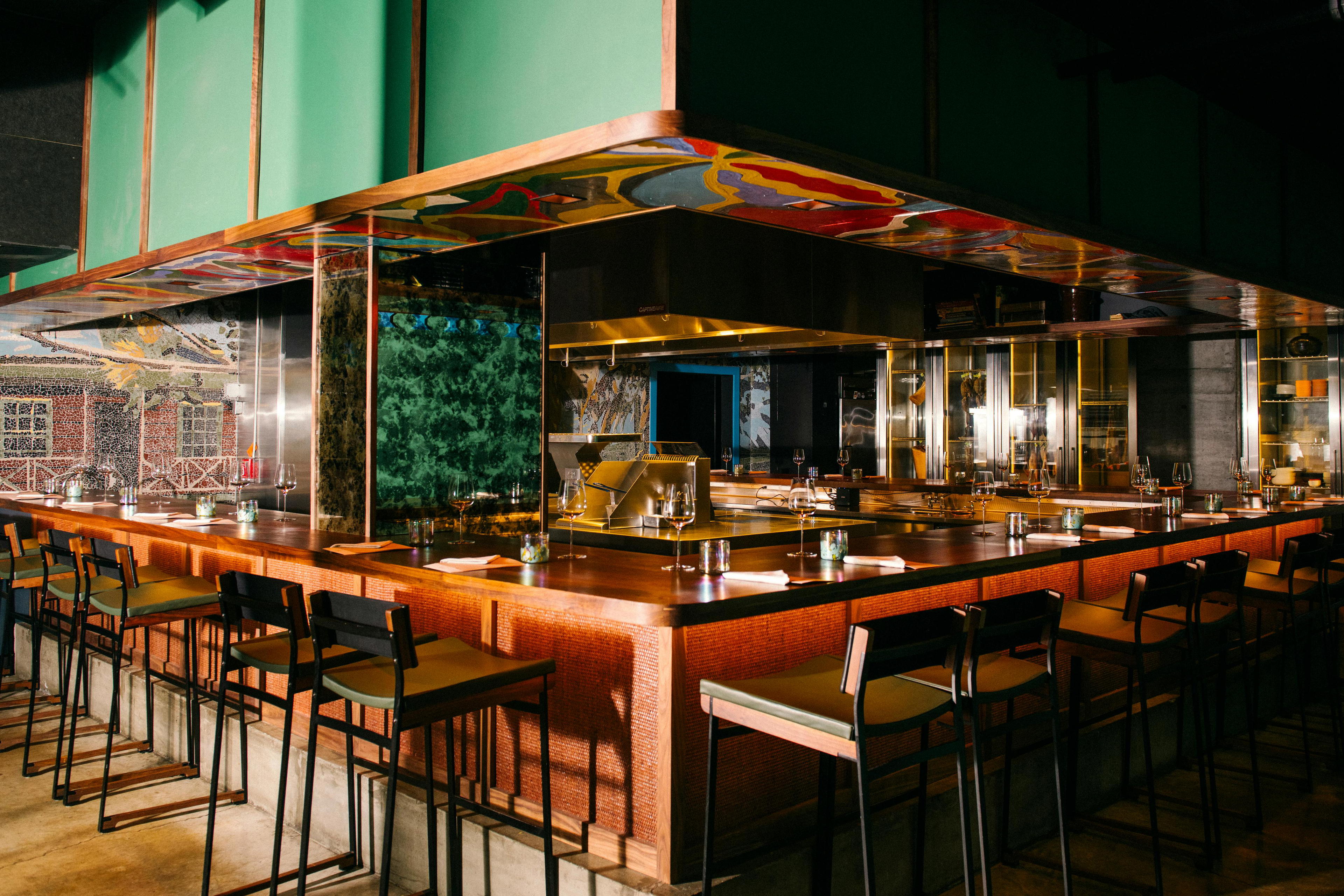
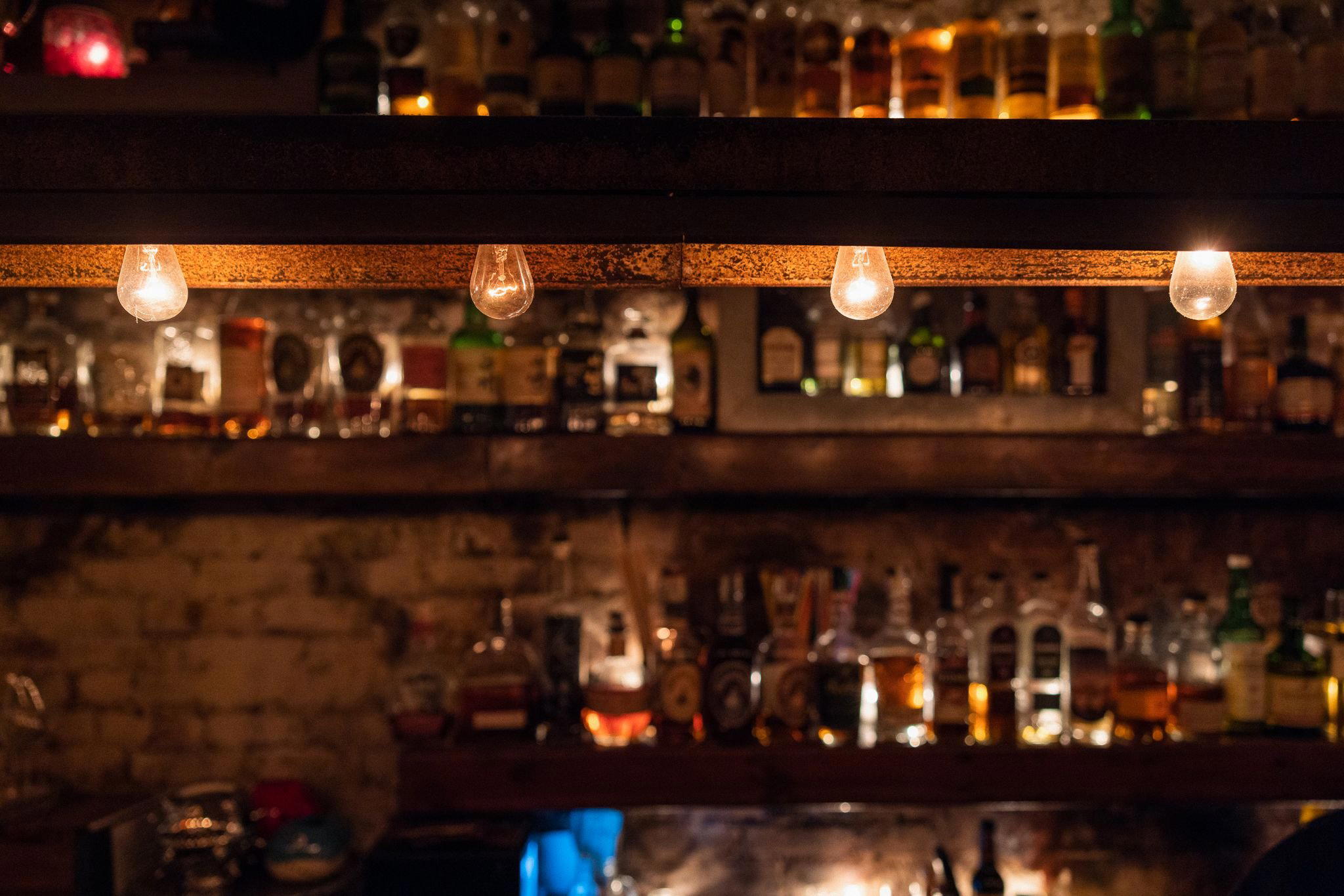
Bars in New York City
Browse all →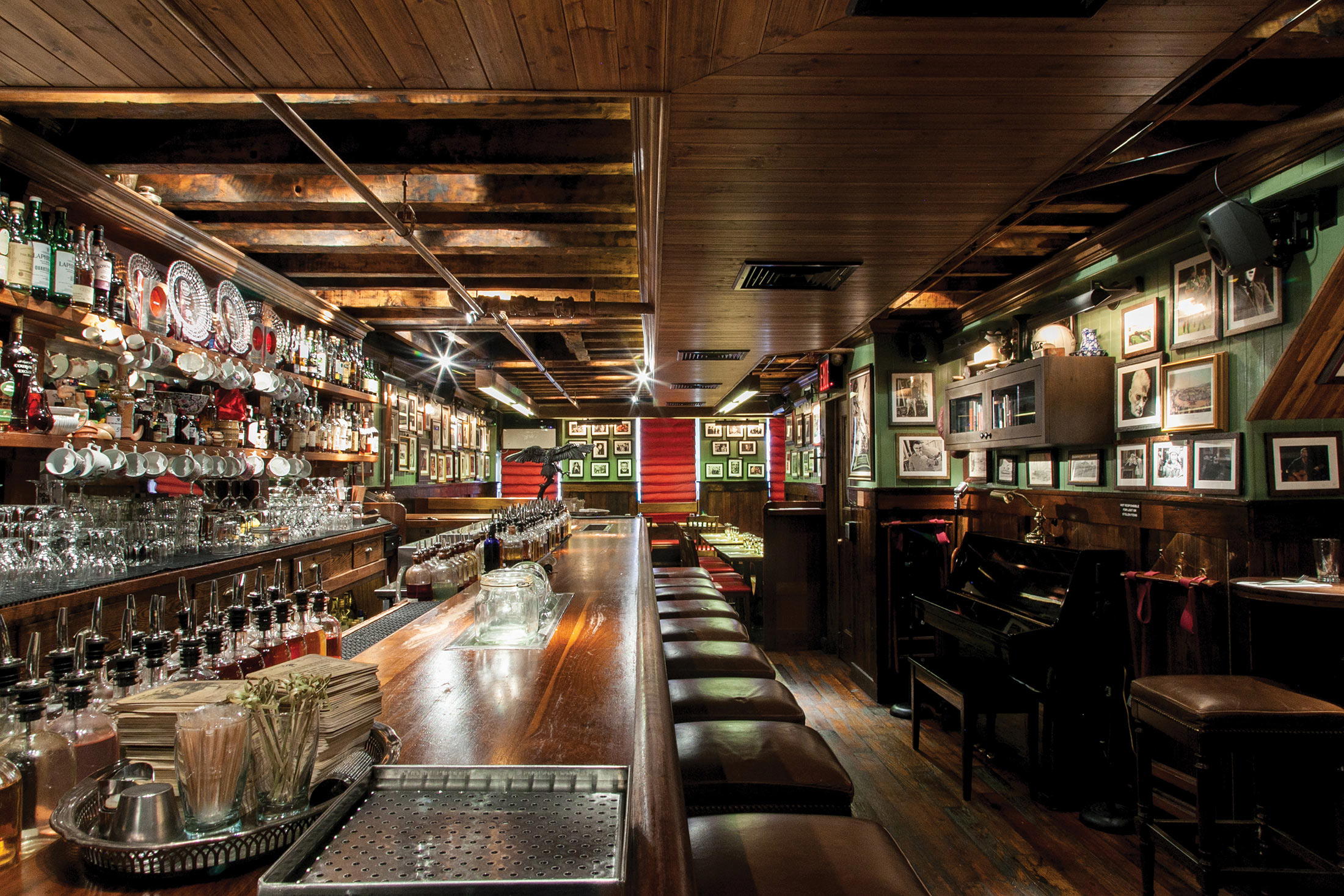
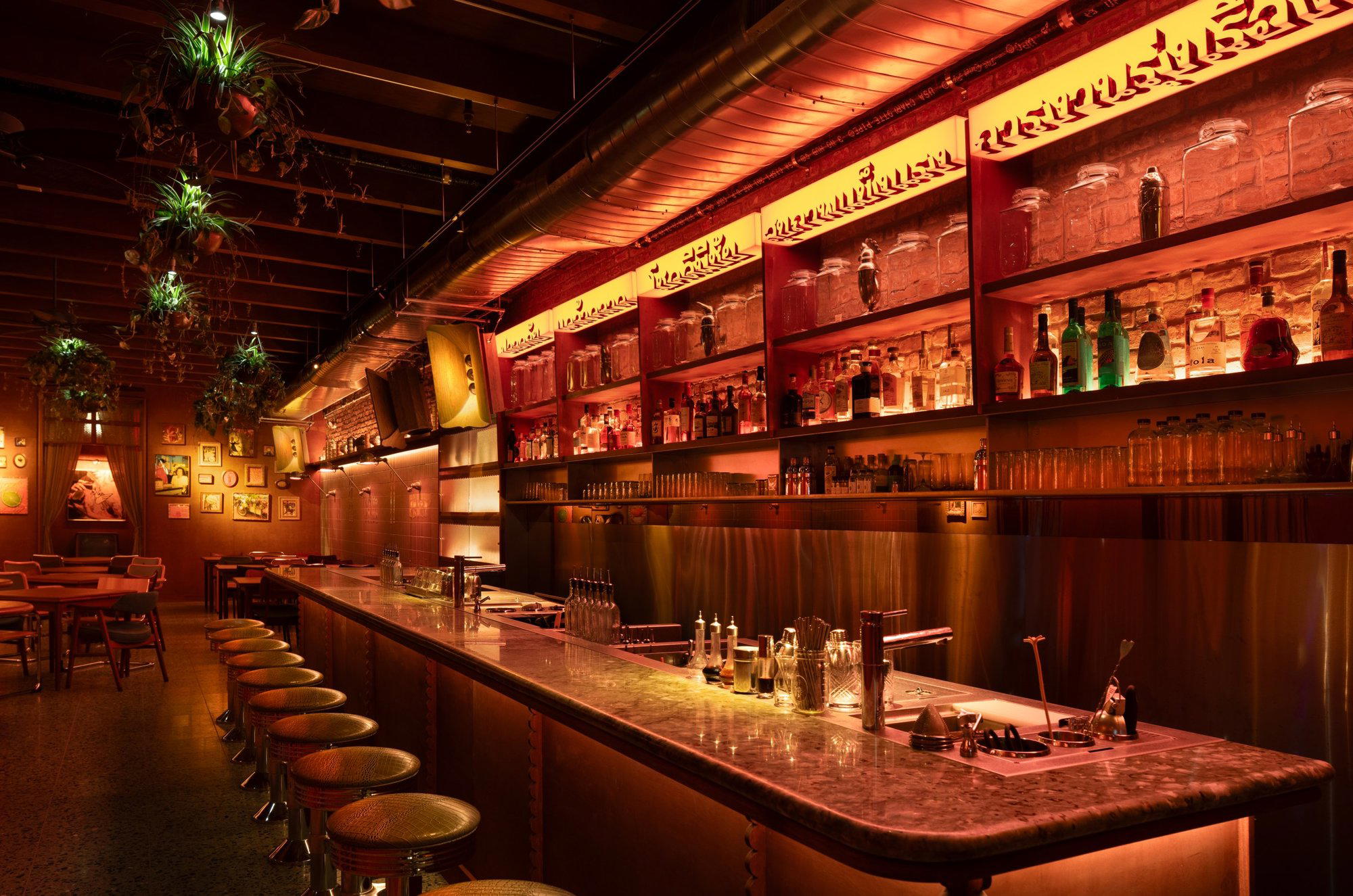
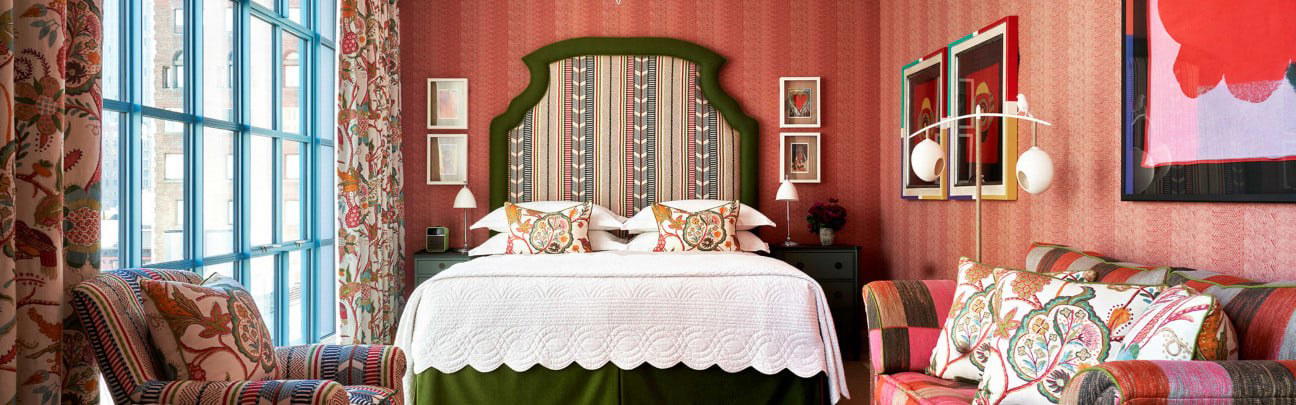
Hotels in New York City
Browse all →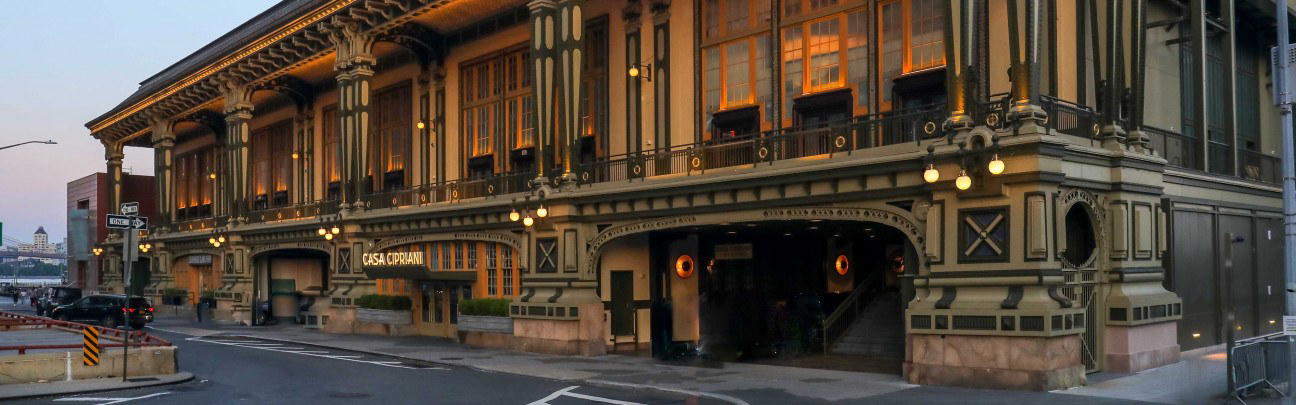





At a Glance
- Cozy
- Rustic
- Classic
- Casual Hangout
- Date Night
- Late Night
- Open Kitchen
- Street Scene
Current opening hours
- Monday
- 12–10:30 PM
- Tuesday
- 12–10:30 PM
- Wednesday
- 12–10:30 PM
- Thursday
- 12–10:30 PM
- Friday
- 12–11 PM
- Saturday
- 12–11 PM
- Sunday
- 12–10:30 PM
Hours can change for holidays and private events. Last verified .
Cozy and welcoming with plain wood tables, efficient service, and a warm trattoria atmosphere.