Il Melograno
Il Melograno on West 51st Street sits within a Midtown corridor that has grown more serious about Italian cooking over the past decade. The address places it close to Hell's Kitchen's expanding restaurant scene, where sustainability-conscious sourcing has become a distinguishing marker across the price spectrum. Visitors looking for Italian dining with environmental intention have a credible address to consider.
Pearl is the En Primeur Club membership app — saves, bookings, and concierge access live there. Same editors, same standards.
- Address
- 501 W 51st St, New York, NY 10019
- Phone
- +12127579290
- Website
- ilmelogranonyc.com
- Directions
- Get directions
 Saves & bookings on Pearl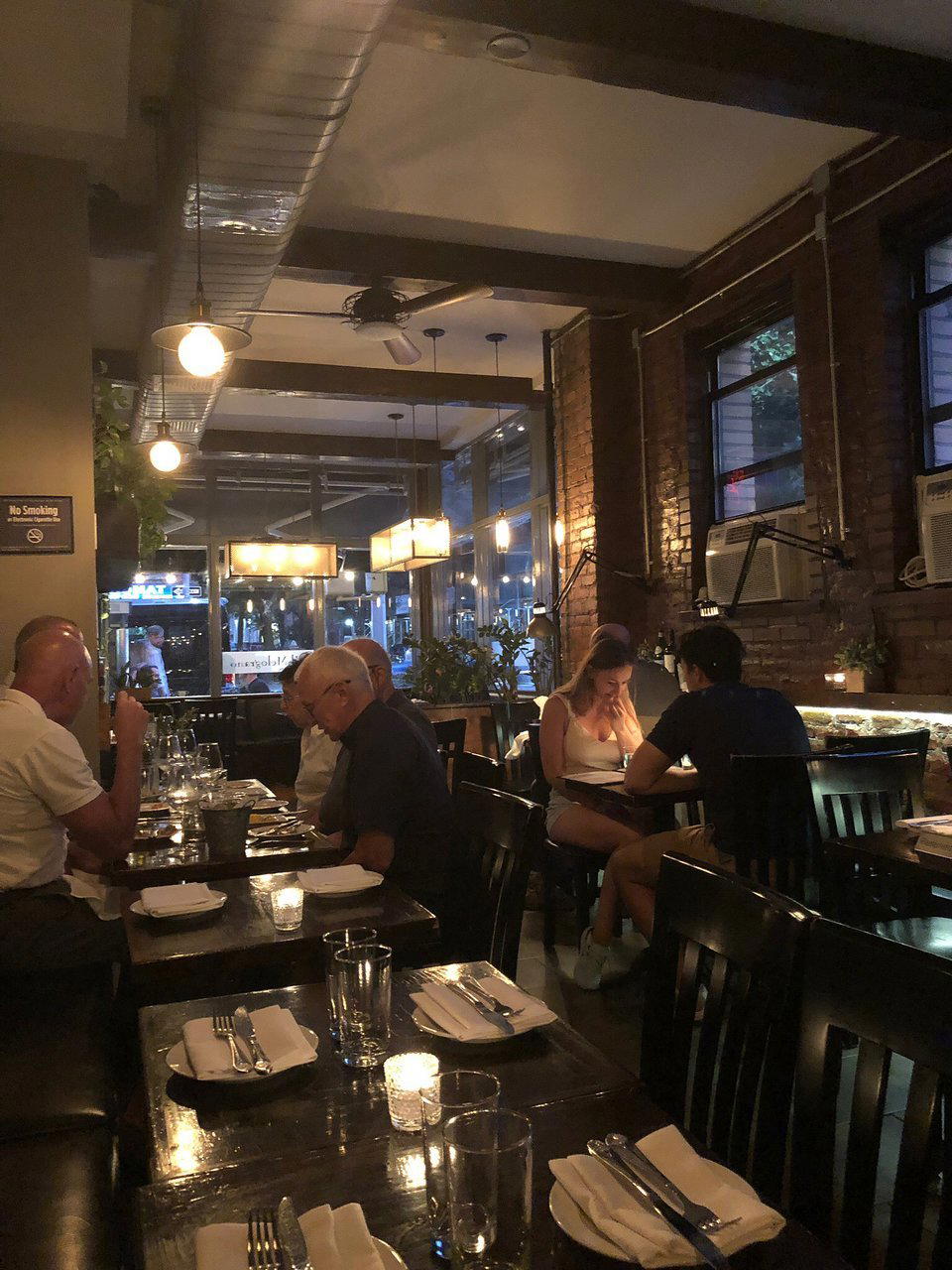
Hell's Kitchen and the Shift Toward Accountable Italian
Midtown Manhattan's western edge has changed its dining identity considerably since the early 2010s. Hell's Kitchen, once shortlisted primarily for pre-theatre convenience, now holds a concentration of operators who are taking sourcing, waste, and seasonal discipline seriously, territory that was, not long ago, almost entirely the province of farm-to-table destinations further afield. Il Melograno, at 501 West 51st Street, occupies this zone. The address is a short walk from the Hudson Yards corridor and close enough to the Theater District that it draws both destination diners and neighbourhood regulars, a dual audience that shapes the room's energy on any given evening.
The broader context matters here. Italian cooking in New York has always had a complicated relationship with sustainability, partly because authentic Italian tradition is already built around seasonal availability and whole-ingredient discipline. The question for contemporary Italian restaurants is not whether to adopt sustainability rhetoric, but whether the sourcing infrastructure and kitchen practice actually reflect it. That distinction separates performative farm references on menus from genuine supply chain accountability.
The Room: West Side Midtown Without the Midtown Gloss
The physical address on West 51st places Il Melograno at some remove from the concentrated luxury of Fifth Avenue dining. The restaurants in this corridor tend toward a less formal register than their counterparts at Le Bernardin or Per Se, both of which operate closer to Central Park at the summit of the New York fine dining market. Il Melograno's West 51st location suggests a room designed for repeat visitors rather than celebratory one-offs, which typically produces a different kind of hospitality cadence, more conversational, less choreographed.
Hell's Kitchen restaurants at this price position frequently carry the physical traces of neighbourhoods in transition: mid-century building stock, narrower frontages, interior design decisions that prioritize atmosphere over spectacle. Whether the restaurant fits that typology precisely is something a visit resolves, but the neighbourhood pattern is consistent enough to set useful expectations for first-timers.
Sustainability as Editorial Lens, Not Marketing Label
Across American fine dining, the sustainability story has fractured into distinct camps. At one end sit destination farms-with-kitchens like Blue Hill at Stone Barns in Tarrytown, where the agricultural model and the restaurant are structurally inseparable. At the other end are restaurants that list seasonal suppliers on their menus without those relationships materially affecting kitchen practice. The middle ground, where sourcing decisions are genuine but the restaurant exists independently of any single farm, is where most credible urban Italian operates.
Italian cuisine is a practical fit for this middle ground. The tradition's reliance on preserved, fermented, and cured ingredients means whole-animal and zero-waste kitchen logic is native rather than imposed. A kitchen that applies Italian technique rigorously does not need to graft sustainability onto its identity; it emerges from the cooking method. Restaurants like Single Thread Farm in Healdsburg and Addison in San Diego have made sourcing accountability central to their public identity, but both operate in regions where agricultural proximity makes that direct. In Midtown Manhattan, where no kitchen is within walking distance of a working farm, the sourcing story requires more deliberate construction, which makes it more meaningful when it holds up.
The New York Italian Reference Frame
New York's Italian dining spectrum runs from old-school red-sauce institutions to hyper-seasonal contemporary Italian that prices against the Korean tasting menu tier represented by Atomix and Jungsik New York. The restaurant at West 51st sits within a Midtown sub-market where the competition is less about format innovation and more about ingredient quality, consistency, and the depth of the kitchen's seasonal commitment. That is a harder story to tell than tasting-menu theatrics, but it is the one that builds loyal repeat business.
The pomegranate of the restaurant's name, melograno in Italian, carries historical weight in Italian culinary symbolism, representing abundance, hospitality, and seasonality. Whether the kitchen engages with that symbolism through its actual menu rotation or treats the name as pure branding is the kind of question that separates a restaurant with genuine seasonal identity from one running a fixed menu in seasonal clothing.
How Il Melograno Compares to the Wider US Italian Scene
Across the country, Italian restaurants with a sustainability emphasis have taken different structural approaches. Bacchanalia in Atlanta built its reputation on farm relationships that predate the current sourcing-focused moment by years. Emeril's in New Orleans represents a different model, where the chef's public profile carries the institutional weight. Alinea in Chicago and Lazy Bear in San Francisco prioritize format experimentation over sourcing narrative. Providence in Los Angeles and The French Laundry in Napa anchor their identity in ingredient provenance from different regional positions. The restaurant's New York context means it competes for attention in one of the world's most reviewed restaurant markets, where credibility requires more than a well-written supplier list.
For international reference points, Italian-influenced fine dining in the European tradition, such as at Alain Ducasse's Louis XV in Monte Carlo or 8 1/2 Otto e Mezzo Bombana in Hong Kong, sets the technical benchmark that New York Italian operators at the premium tier are implicitly measured against. The gap between those European reference points and the New York Italian middle market is exactly where restaurants like Il Melograno define their pitch.
Planning Your Visit
West 51st Street is accessible from multiple subway lines, with the 50th Street station on the C and E lines a short walk from the address. The Hell's Kitchen location means parking is tight, and ride-share drop-off on the crosstown block is generally smoother than attempting street parking. For evening reservations, the Theater District proximity creates a predictable demand pattern: earlier seatings fill faster on performance nights, typically Tuesday through Saturday. Visiting on a Sunday or Monday, when the surrounding neighbourhood is quieter, tends to produce a more relaxed room. Booking through whatever reservation platform the restaurant currently uses is advisable at least one to two weeks ahead for weekend evenings; weeknight availability is generally more open.
At a Glance
Comparable venues nearby, for context on price, style, and recognition.
| Venue | Cuisine | Price | Notes |
|---|---|---|---|
| Il MelogranoThis venue — the venue you are viewing | Not listed | $$ | Not listed |
| Serafina Times Square | Not listed | $$ | Midtown-Times Square, Northern Italian Trattoria |
| Cafe Paradiso | Not listed | $$ | Upper West Side-Lincoln Square, Italian-American Cafe |
| Organika Bar & Kitchen | West Village, Organic Italian | $$ | Not listed |
| Antonucci | Not listed | $$ | Upper East Side-Carnegie Hill, Northern Italian Trattoria |
| Trattoria Pesce Pasta | Not listed | $$ | West Village, Northern Italian Seafood Trattoria |
Continue exploring
More in New York City
Restaurants in New York City
Browse all →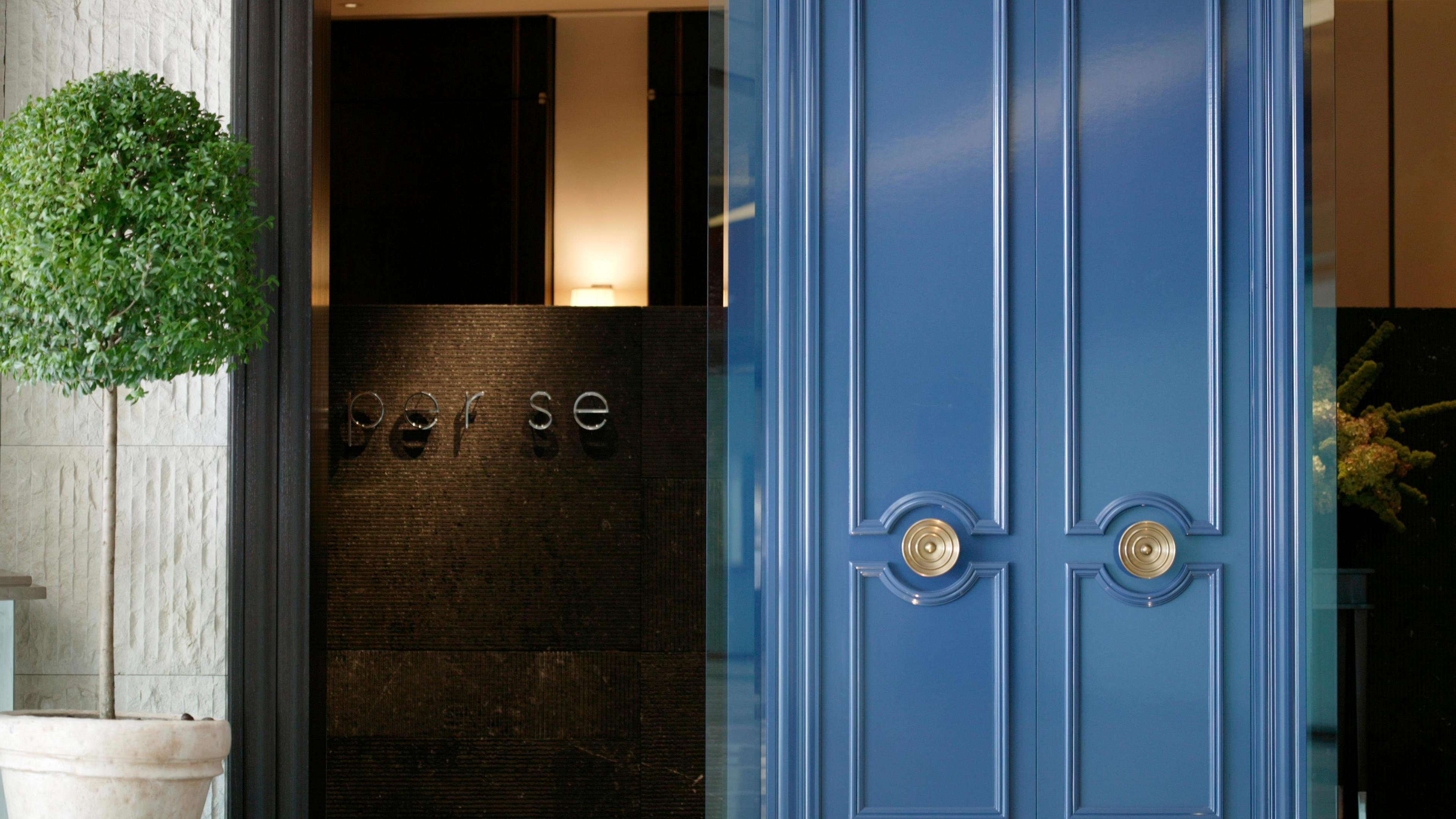
Bars in New York City
Browse all →
Hotels in New York City
Browse all →




At a Glance
- Cozy
- Intimate
- Classic
- Date Night
- Group Dining
- Special Occasion
- Standalone
- Local Sourcing
Current opening hours
- Monday
- Closed
- Tuesday
- 4:30–9:45 PM
- Wednesday
- 4:30–9:45 PM
- Thursday
- 4:30–9:45 PM
- Friday
- 4:30–9:45 PM
- Saturday
- 4:30–9:45 PM
- Sunday
- 4:30–9:45 PM
Hours can change for holidays and private events. Last verified .
Cozy and charming atmosphere that feels like a family Italian getaway with friendly hospitality.