Supper
Our verdict
Supper is a neighborhood Italian restaurant on East 2nd Street in Manhattan's East Village, where the kitchen's focus on ingredient provenance and simple, direct cooking has earned it a loyal local following since the early 2000s. Positioned well below the prix-fixe formality of Midtown's top tables, it draws a regular crowd looking for honest pasta and seasonal vegetables without ceremony.

Pearl is the En Primeur Club membership app, where members save venues, book tables and use the concierge.

The menu
What to order
- Kale Gnocchi
- Chicken Parmigiano
- Lasagna alla Bolognese
East Village Italian and the Case for Sourcing Over Spectacle
When Supper opened on East 2nd Street in the early 2000s, the East Village was a different kind of dining destination, a neighborhood where rents allowed small operators to cook with genuine conviction rather than financial calculation. The Italian-American restaurant boom that had swept through much of Manhattan by then largely bypassed the block between Avenues A and B, leaving room for a quieter, produce-driven approach to take hold. Supper arrived into that gap and stayed, while the neighborhood around it shifted through multiple waves of openings and closures.
The East Village has always occupied a distinct position in New York's restaurant hierarchy. Unlike the tasting-menu formality of Midtown, where Le Bernardin, Per Se, and Eleven Madison Park anchor a price tier built around multi-course ceremony, the neighborhood's strongest restaurants have generally competed on ingredient quality and kitchen confidence rather than format and production. Supper belongs to that tradition. Its address alone signals the competitive set: not the $$$$ omakase world of Masa or the modern Korean ambition of Atomix, but the more grounded tier where a well-made cacio e pepe or a plate of roasted seasonal vegetables is the actual point.
What Ingredient Sourcing Means on East 2nd Street
The farm-to-table conversation in American dining has moved through several phases since the early 2000s. What began as a marketing distinction, listing farm names on menus as credentials, has matured, in the better kitchens, into something more structural: procurement decisions that shape the menu rather than decorate it. Restaurants operating at this level in New York's mid-price neighborhood tier face a specific challenge. The Hudson Valley producers and Greenmarket relationships that supply the city's more celebrated kitchens, operations like Blue Hill at Stone Barns in Tarrytown, which has built its entire identity around the farm behind it, require a kitchen committed enough to adapt the menu week by week as availability shifts.
Supper's Italian framework makes that commitment legible. Northern Italian and Roman cooking, at its structural core, places vegetables and grains at the center rather than treating protein as the default anchor. That architecture suits a sourcing-led approach: seasonal produce from the Greenmarket can fill a pasta or anchor a vegetable course without requiring the kitchen to work around a fixed protein-heavy template. The same logic appears in more lavishly resourced form at places like Single Thread Farm in Healdsburg, where the farm-to-table relationship is fully integrated and vertically controlled, or at Smyth in Chicago, where sourcing informs a more technically ambitious menu. At Supper's scale and price point, the sourcing ambition is necessarily more modest, but the underlying logic is the same.
The Room and What to Expect
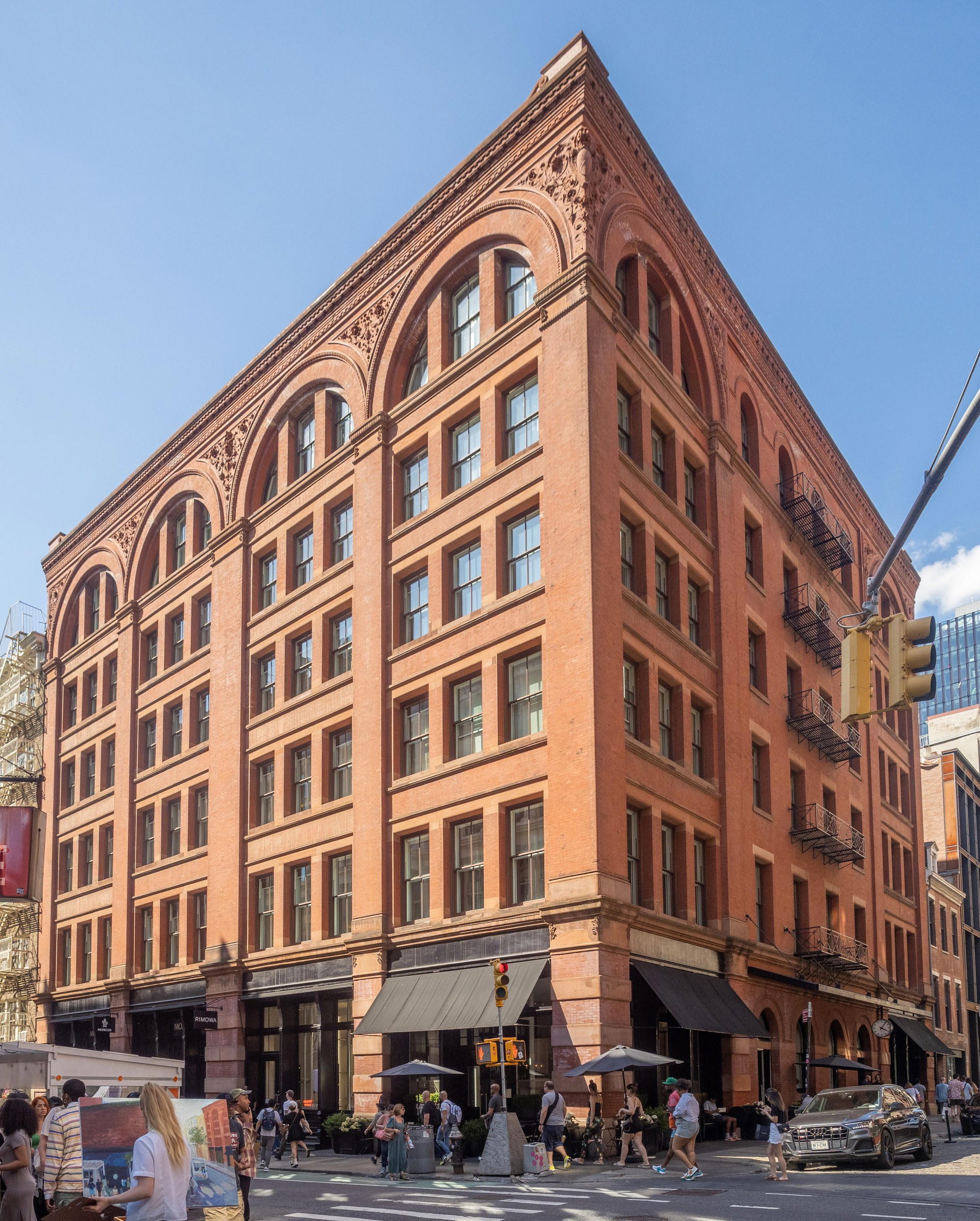
The physical experience of dining on the lower end of East 2nd Street is worth understanding before you arrive. The East Village's restaurant spaces tend toward the compact and informal, narrow storefronts, close-set tables, and an ambient noise level that rises quickly on weekend evenings. Supper fits that profile. This is not a room designed for extended privacy or quiet conversation; it is a neighborhood restaurant in the functional sense, where the energy comes from density and movement rather than from designed atmosphere. Diners accustomed to the curated stillness of a Midtown tasting room will find the register noticeably different.
That informality extends to the service register. East Village Italian at this tier operates without the formal choreography you'd find at, say, Frasca Food and Wine in Boulder or The Inn at Little Washington. Pacing is relatively quick, the wine program is purposeful rather than encyclopedic, and the experience is oriented around the food itself rather than the production surrounding it. For readers who value that directness, it reads as a feature rather than a gap.
Placing Supper in the Broader American Sourcing Conversation
The Italian sourcing-led restaurant format has its strongest American expressions outside New York. The French Laundry in Napa and Lazy Bear in San Francisco have made Northern California's produce access central to their identities at a much higher price tier. Providence in Los Angeles and Addison in San Diego represent the West Coast's take on rigorous sourcing within fine-dining frameworks. Even in the Gulf South, Emeril's in New Orleans built its reputation partly on demonstrating that regional sourcing could anchor a serious kitchen in a city not previously associated with that discipline.
In the Italian tradition specifically, the European reference points matter. Kitchens like Dal Pescatore in Runate and Atelier Moessmer Norbert Niederkofler in Brunico have demonstrated what it looks like when Italian cuisine is organized entirely around what grows nearby, with the menu following the season rather than the other way around. Supper operates at a fraction of that ambition and budget, but the underlying philosophy, that Italian food is most coherent when the ingredients are doing the work, connects these very different operations across a shared principle.
Planning Your Visit
East 2nd Street between Avenues A and B is direct to reach by subway, with the F train stopping at Second Avenue a short walk north. The restaurant's neighborhood position and casual format suggest it functions well for early-week bookings when East Village foot traffic is lower and the room is less pressured. For anyone building a broader New York itinerary around serious eating, our full New York City restaurants guide maps the full range from neighborhood Italian to the city's most formal tasting menus. Supper occupies the honest middle of that spectrum: a kitchen focused on what it does, in a room that doesn't ask for more than you're willing to give it.
Frequently asked questions
Is Supper a family-friendly restaurant?
What should I expect atmosphere-wise at Supper?
What dish is Supper famous for?
Do they take walk-ins at Supper?
How does Supper compare to other Italian restaurants doing ingredient-led cooking in New York City?
Price Lens
A short peer table to compare basics side-by-side.
| Venue | Cuisine | Price | Awards | Notes |
|---|---|---|---|---|
| SupperThis venue (the venue you are viewing) | Northern Italian Osteria | $30–50 | Not listed | Not listed |
| Le Bernardin | French Seafood Fine Dining | $300–500 | 3 Michelin Stars · World's 50 Best #13 | French, Seafood |
| Atomix | Modern Korean Tasting Menu | $300–500 | 2 Michelin Stars · World's 50 Best #7 | Modern Korean, Korean |
| Per Se | French Fine Dining Tasting Menu | $300–500 | 3 Michelin Stars · World's 50 Best #40 | French, Contemporary |
| Masa | Traditional Japanese Omakase | $500+ | 2 Michelin Stars · World's 50 Best #27 | Sushi, Japanese |
| Eleven Madison Park | Contemporary Plant-Based Fine Dining | $300–500 | 3 Michelin Stars · World's 50 Best #4 | French, Vegan |
Supper
Featured Guides
Continue exploring
More in New York City
Restaurants in New York City
All restaurants in New York City →
Bars in New York City
All bars in New York City →

Details
- Intimate
- Cozy
- Classic
- Date Night
- Special Occasion
- Standalone
- Extensive Wine List
- Organic
- A La Carte
- Vegetarian Friendly
Current opening hours
- Monday
- 4 PM–12 AM
- Tuesday
- 4 PM–12 AM
- Wednesday
- 4 PM–12 AM
- Thursday
- 4 PM–12 AM
- Friday
- 4 PM–1 AM
- Saturday
- 11 AM–1 AM
- Sunday
- 11 AM–12 AM
Hours can change for holidays and private events. Hours as of .
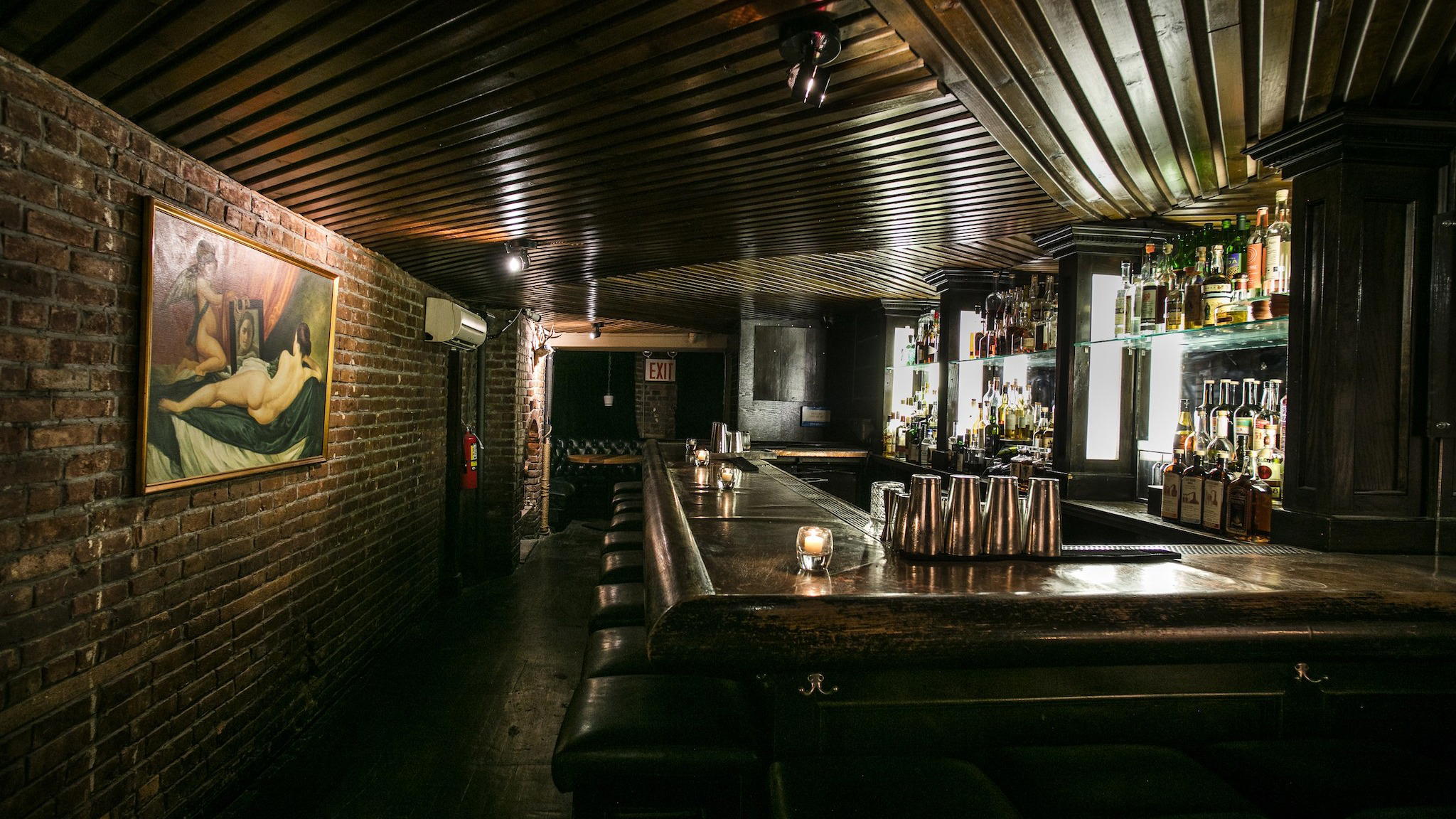
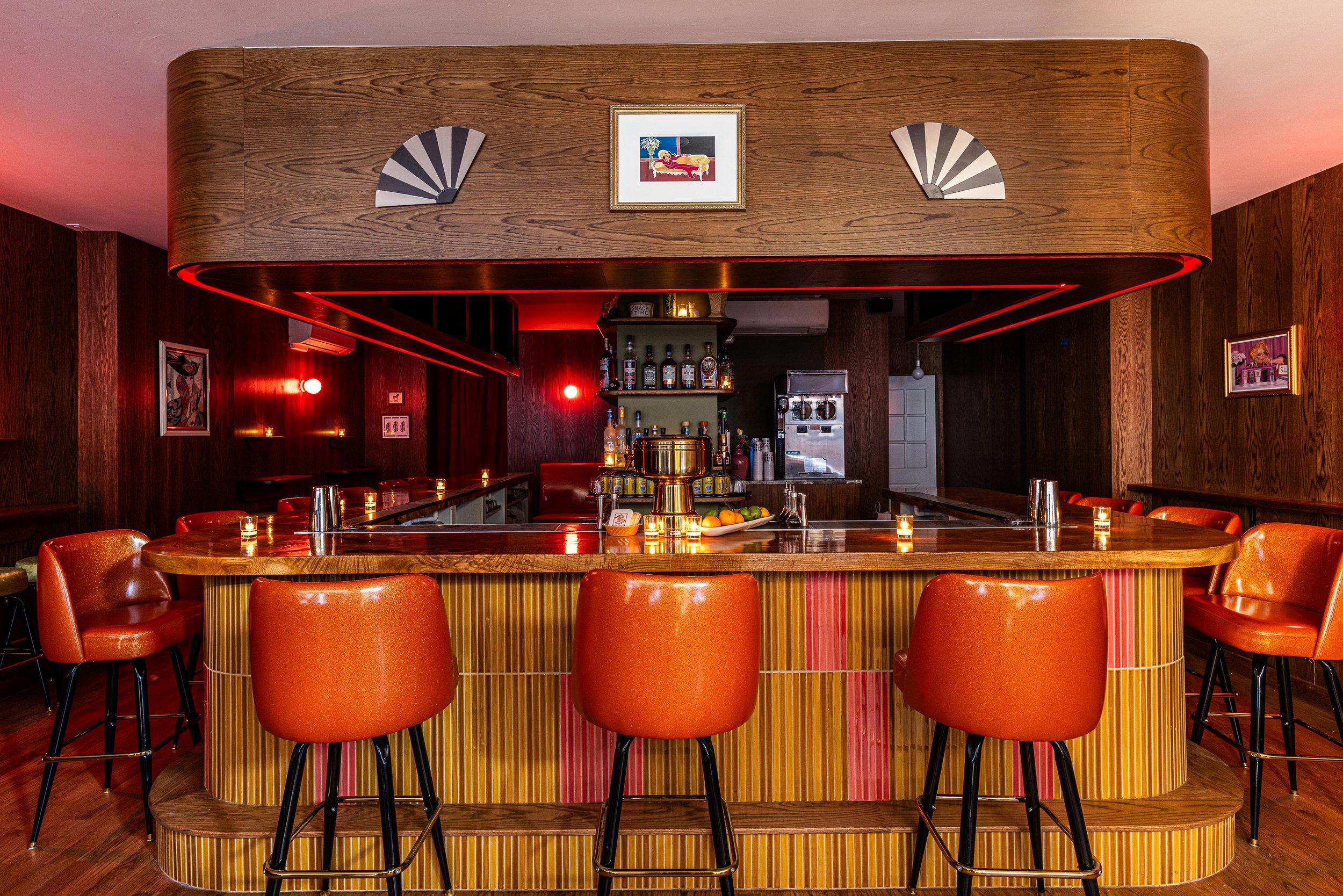
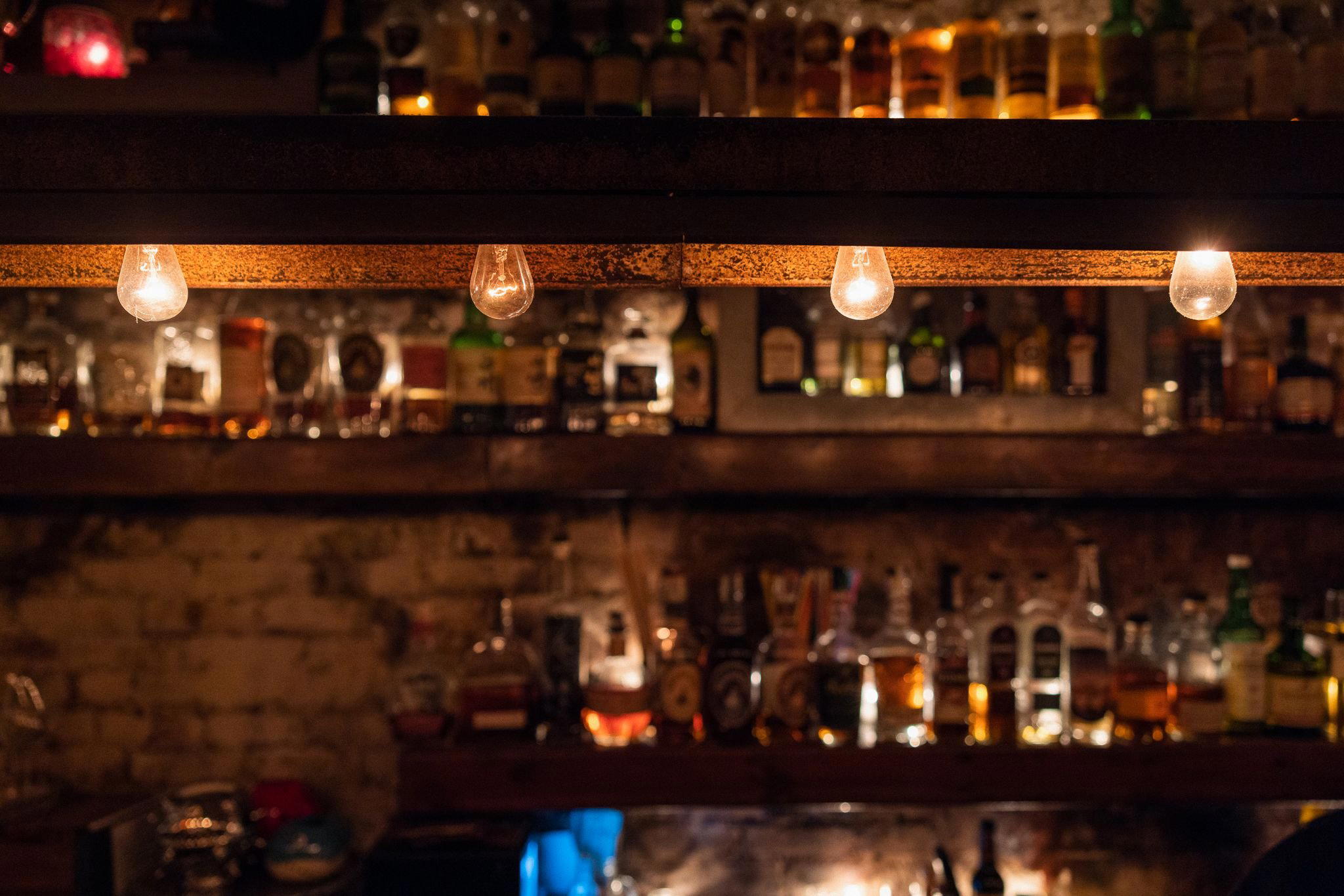
Low lighting creating an intimate and special Old East Village charm.