Taverna 1821
Our verdict
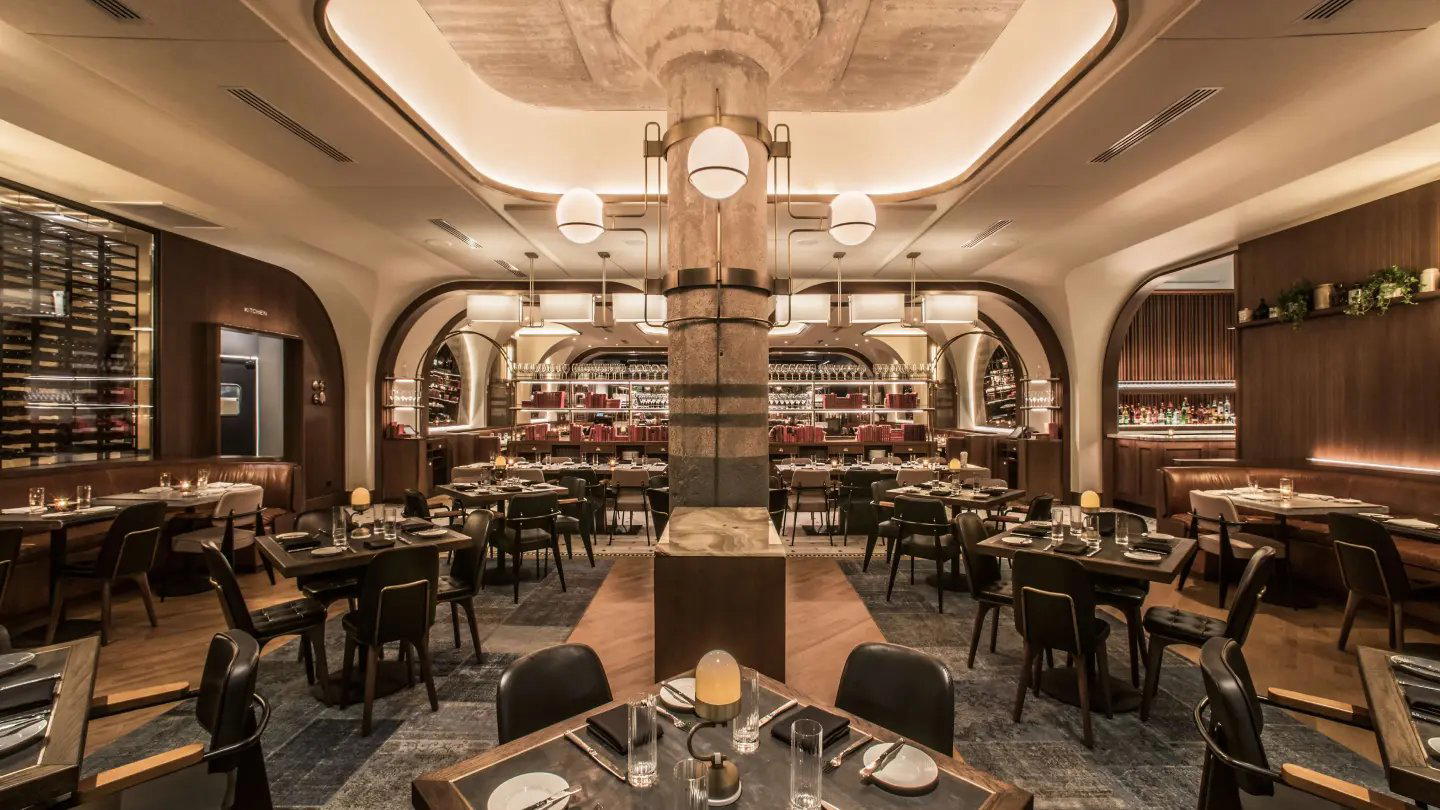
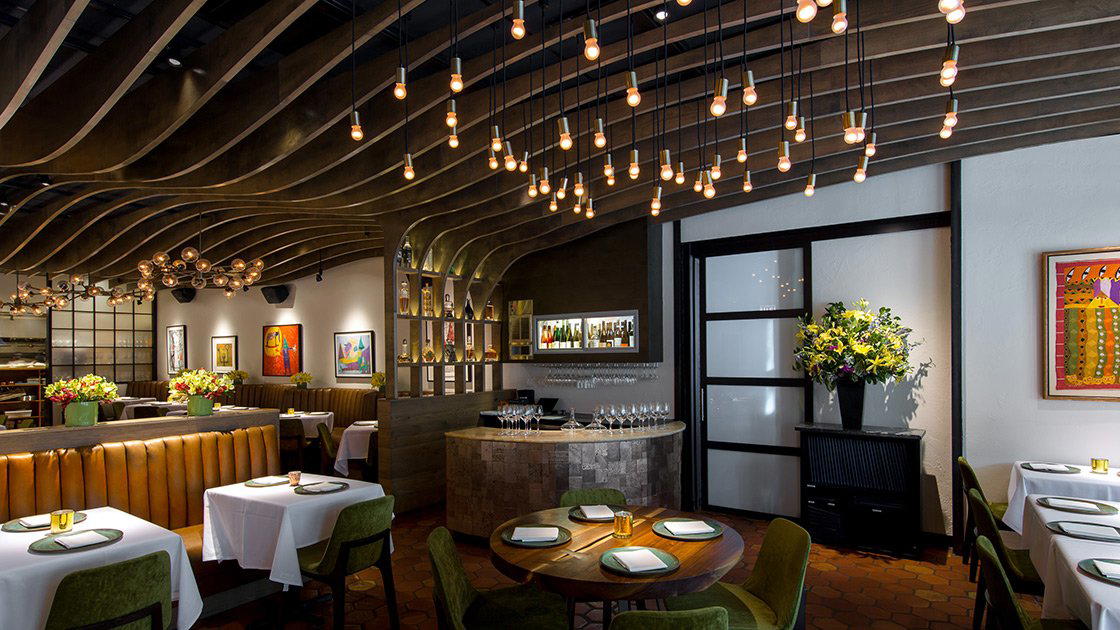
Taverna 1821 occupies a Fulton Market address at 952 W Fulton St, Chicago, positioning it inside one of the city's most competitive dining corridors. The name's reference to Greek independence signals a Mediterranean orientation that sets it apart from the progressive American and contemporary tasting-menu formats that define the immediate neighbourhood. For Chicago diners looking beyond the Michelin-chased omakase and farm-to-counter circuits, it offers a different register entirely.

Pearl is the En Primeur Club membership app, where members save venues, book tables and use the concierge.

Fulton Market and the Case for Mediterranean Counterpoint
Fulton Market has spent the last decade absorbing the ambitions of Chicago's most decorated kitchens. Alinea, Smyth, and Oriole have anchored the neighbourhood's reputation for technically demanding, multi-course formats at the top of the city's price tier. The result is a corridor where the dominant grammar is progressive American: long tasting menus, hyper-seasonal sourcing, and the quiet formality of a counter or intimate dining room calibrated for concentration. Taverna 1821, at 952 W Fulton St, enters that context carrying a different reference point entirely. The name itself is a historical signal, 1821 marks the beginning of the Greek War of Independence, and that cultural orientation places it in a category that Fulton Market has not fully developed: the serious Mediterranean table.
That gap is worth pausing on. Chicago's broader dining scene has long been tilted toward either the European fine-dining inheritance or the farm-to-table American idiom. Mediterranean cuisine, Greek in particular, has occupied a narrower, less formally recognised niche. Where Spanish cooking found institutional champions and Italian-American traditions built deep local roots, Greek culinary traditions in Chicago have rarely had a flagship address to match the cuisine's actual range and depth. Taverna 1821's positioning on Fulton Market suggests an intention to change that framing.
The Meal as Arc, Not Menu
One of the consistent features of Greek taverna dining, in its most considered form, is the way a meal builds through shared rhythm rather than individual sequence. Unlike the chef-controlled tasting progression at Next Restaurant or Kasama, where the arc of the meal is scripted in advance, the taverna tradition asks the table to participate in the pacing. Mezedes arrive in waves, bread absorbs the residue of a previous dish, and the larger proteins or braises that anchor the meal feel earned rather than delivered on a predetermined timer.
This structure has a logic that rewards a certain kind of diner: one who treats the table as a space for conversation as much as consumption. The cuisine that tends to emerge from that tradition, olive oil-led preparations, aged cheeses, slow-cooked lamb or pork, grilled fish served whole, is less about technical spectacle and more about accumulated richness. A meal in that register doesn't build toward a single climactic dish; it builds toward a collective sense of satisfaction that arrives gradually, a function of time at the table as much as the food itself.
For a dining corridor where courses are often timed to the minute and servers narrate each plate's provenance, that unhurried logic represents a genuine contrast. Fulton Market diners accustomed to the precision formats of Smyth or the theatrical invention of Alinea will find the taverna structure asks something different of them: a willingness to cede control of the meal's tempo to the group rather than the kitchen.
The Neighbourhood Address and What It Implies
952 W Fulton St sits in the western section of the Fulton Market district, where the density of high-profile restaurant openings has made real estate decisions into editorial statements. An address on Fulton Market carries implicit claims about ambition and intended audience. The neighbourhood draws a dining public that has already demonstrated willingness to spend seriously on food, which creates both an opportunity and a pressure for any incoming operator.
Mediterranean-anchored restaurants at comparable ambition levels in other American cities have demonstrated that the format can sustain premium positioning. Le Bernardin in New York City built its reputation on a single-minded focus on seafood prepared with classical rigour, a model of cuisine-led identity rather than trend-chasing. Blue Hill at Stone Barns in Tarrytown demonstrated that sourcing transparency and agricultural connection could anchor a serious fine-dining identity. The strongest Greek and Mediterranean restaurants to have broken through at the serious dining tier in the United States have typically done so by committing fully to a specific regional tradition rather than blending toward a generalised Mediterranean middle. That specificity, a commitment to Aegean seafood, or Peloponnesian wine, or a particular regional bread culture, is usually what separates a taverna with staying power from one that operates as a novelty.
Chicago's broader restaurant scene offers useful reference points. Oriole built credibility through consistent Michelin recognition and a format that rewards multiple visits. Kasama demonstrated that a cuisine outside the dominant European-American axis could anchor a serious tasting-menu format on the city's own terms. The precedent exists for a restaurant to build a distinct identity against the neighbourhood's prevailing current.
Placing Taverna 1821 in the Wider American Scene
Across American fine dining, the restaurants that have achieved sustained critical recognition tend to share one quality: a defined point of view that the meal communicates from the first course to the last. The French Laundry in Napa and Providence in Los Angeles built those identities over years. Lazy Bear in San Francisco and Single Thread Farm in Healdsburg did it by marrying a specific agricultural ethos to a considered multi-course format. Addison in San Diego and The Inn at Little Washington showed that regional distinctiveness can translate into national recognition when the execution is consistent enough. Bacchanalia in Atlanta and Atomix in New York City each found ways to ground a specific cultural inheritance in an American fine-dining format without losing the tradition's character. Even internationally, the comparison holds: 8½ Otto e Mezzo Bombana in Hong Kong built a case for Italian culinary rigour in a market that had no obvious reason to embrace it, by refusing to dilute the reference point.
That is the standard Taverna 1821's Fulton Market address implicitly invites comparison to. The question the restaurant will answer over time is whether it commits to the specificity that the taverna tradition at its strongest demands, or whether it modulates toward what a Fulton Market audience already knows how to read.
For a fuller map of where this restaurant sits within Chicago's competitive dining picture, the EP Club Chicago restaurants guide covers the broader field, including the progressive American tasting-menu tier and the newer cohort of cuisine-specific formats working at serious price points. Emeril's in New Orleans offers a useful analogue from a different American city: a restaurant that built a durable identity by leaning into a regional culinary tradition rather than away from it.
Planning Your Visit
Taverna 1821 is located at 952 W Fulton St, Chicago, IL 60607, in the Fulton Market district. Fulton Market is accessible by the CTA Green and Pink Lines (Morgan stop), and street parking in the immediate area is limited on weekday evenings when the corridor operates at capacity.
Quick reference: 952 W Fulton St, Chicago, IL 60607. Confirm hours and booking directly with the venue.
Frequently asked questions
Where is Taverna 1821 located?
Taverna 1821 is located at î952 W Fulton St, Chicago, IL 60607, Chicago.
How does Taverna 1821 fit into Chicago's broader Greek restaurant scene?
Chicago's Greek dining has historically concentrated in Greektown along Halsted Street, making Taverna 1821's Fulton Market address at 952 W Fulton St a deliberate repositioning of that cuisine into the city's most competitive fine-dining corridor. Placing a Greek taverna concept alongside destinations like Smyth and Oriole signals an intent to hold the format to a different critical standard than the neighbourhood traditionally applied to it.
What do regulars order at Taverna 1821?
Taverna 1821 follows the Greek taverna tradition of shared plates built around a communal meal arc rather than individual courses. Regulars at 952 W Fulton St tend to order across multiple rounds, allowing the table to determine the pace. For current menu specifics, check the venue's official channels.
What's the best way to book Taverna 1821?
Taverna 1821 is located at 952 W Fulton St in Chicago's Fulton Market district, one of the city's highest-demand dining corridors. Given the competition for tables in that neighbourhood alongside Smyth, Oriole, and comparable destinations, booking ahead is advisable. Check the restaurant's current reservation channels for availability.
What is Taverna 1821 known for?
Taverna 1821 brings a Greek taverna format to Fulton Market, a Chicago neighbourhood where tasting-menu destinations dominate the conversation. The 1821 name references Greek independence, grounding the restaurant in a specific cultural identity rather than a generalised Mediterranean pitch. That defined point of view is its clearest distinction on the block.
Is Taverna 1821 allergy-friendly?
Greek taverna cooking relies heavily on olive oil, wheat-based breads, seafood, and dairy in forms like feta and yogurt, so diners with relevant allergies should contact Taverna 1821 at 952 W Fulton St, Chicago, directly before visiting to confirm current accommodations.
The Short List
Comparable venues nearby, for context on price, style, and recognition.
| Venue | Cuisine | Price | Notes |
|---|---|---|---|
| Taverna 1821This venue (the venue you are viewing) | Modern Greek Taverna | Not listed | Not listed |
| Deliz | Italian Steakhouse | $30–50 | Bucktown / Wicker Park, Italian Steakhouse |
| Hiro Izakaya | Modern Japanese Izakaya | $50–100 | West Town, Modern Japanese Izakaya |
| Barrio | Modern Mexican with American Influences | $30–50 | River North, Modern Mexican with American Influences |
| Bull Moose | Classic Chicago Steakhouse & Cocktail Lounge | $50–100 | Lincoln Park, Classic Chicago Steakhouse & Cocktail Lounge |
| Ithaki Estiatorio | Modern Greek Seafood | $50–100 | Greektown, Modern Greek Seafood |