Monteverde




Michelin Plate · Star Wine List · James Beard Award Semi Finalist
Our verdict
In Chicago's West Loop, Monteverde has built its reputation on a working pasta station visible from the dining room counter, where sheets are rolled, cut, and hung daily. Chef Sarah Grueneberg's cucina tipica program draws from Italian regional traditions while integrating influences from her wider travels. Ranked on Opinionated About Dining's North America list and holding a Michelin Plate, it sits in the upper tier of the city's serious Italian offerings.

Pearl is the En Primeur Club membership app — saves, bookings, and concierge access live there. Same editors, same standards.
- Address
- 1020 W Madison St, Chicago, IL 60607
- Phone
- (312) 888-3041
- Hours
- Mon ClosedTue–Thu 11 AM–9:30 PMFri–Sat 11 AM–10:30 PMSun Closed
- Website
- monteverdechicago.com
- Directions
- Get directions
- Booking
- Book on Resy
The menu
What to order
- Cacio Whey Pepe
- Gnocchetti con Pesto
- Lilian’s Cabbage
Where Pasta Is Made in Plain Sight
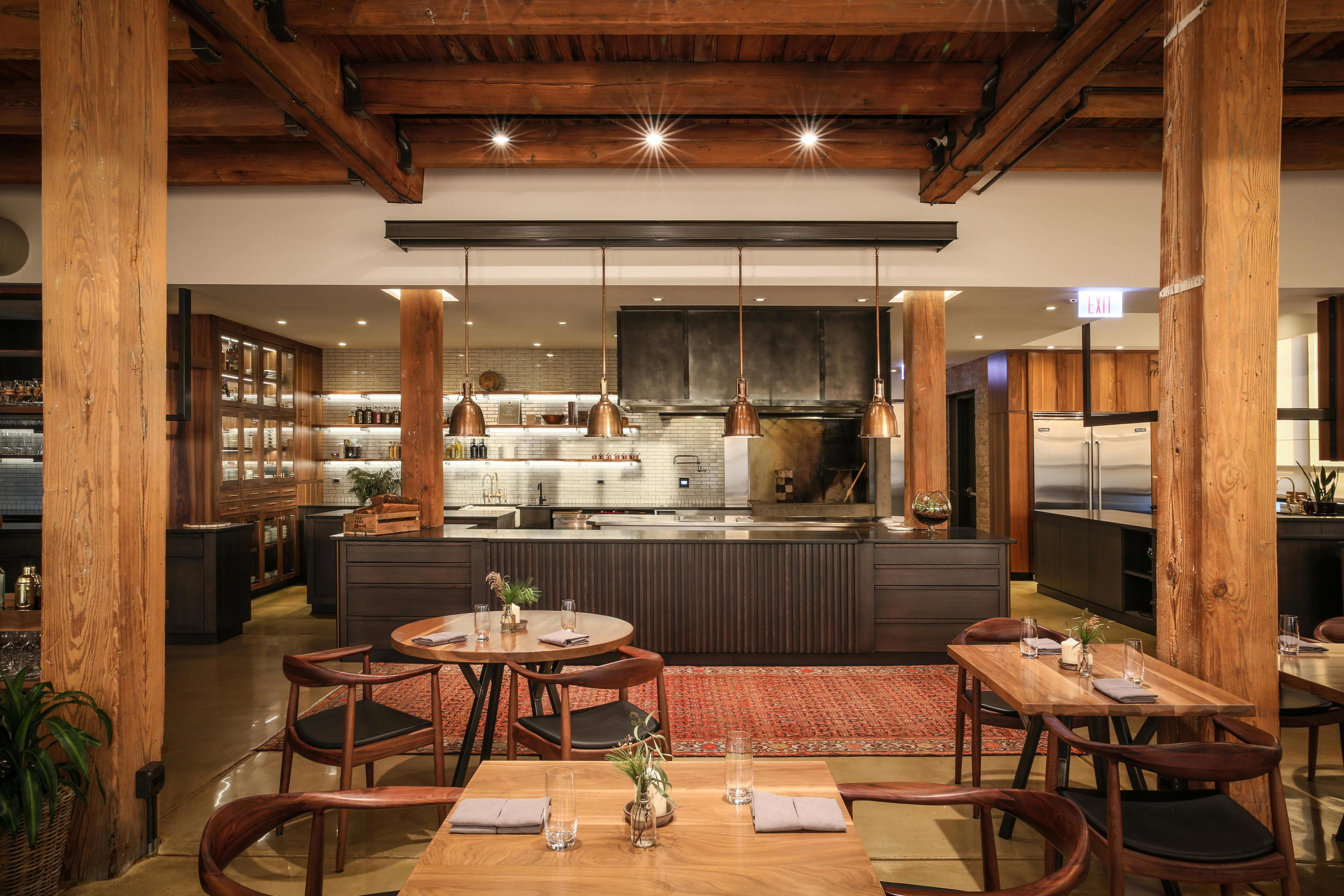
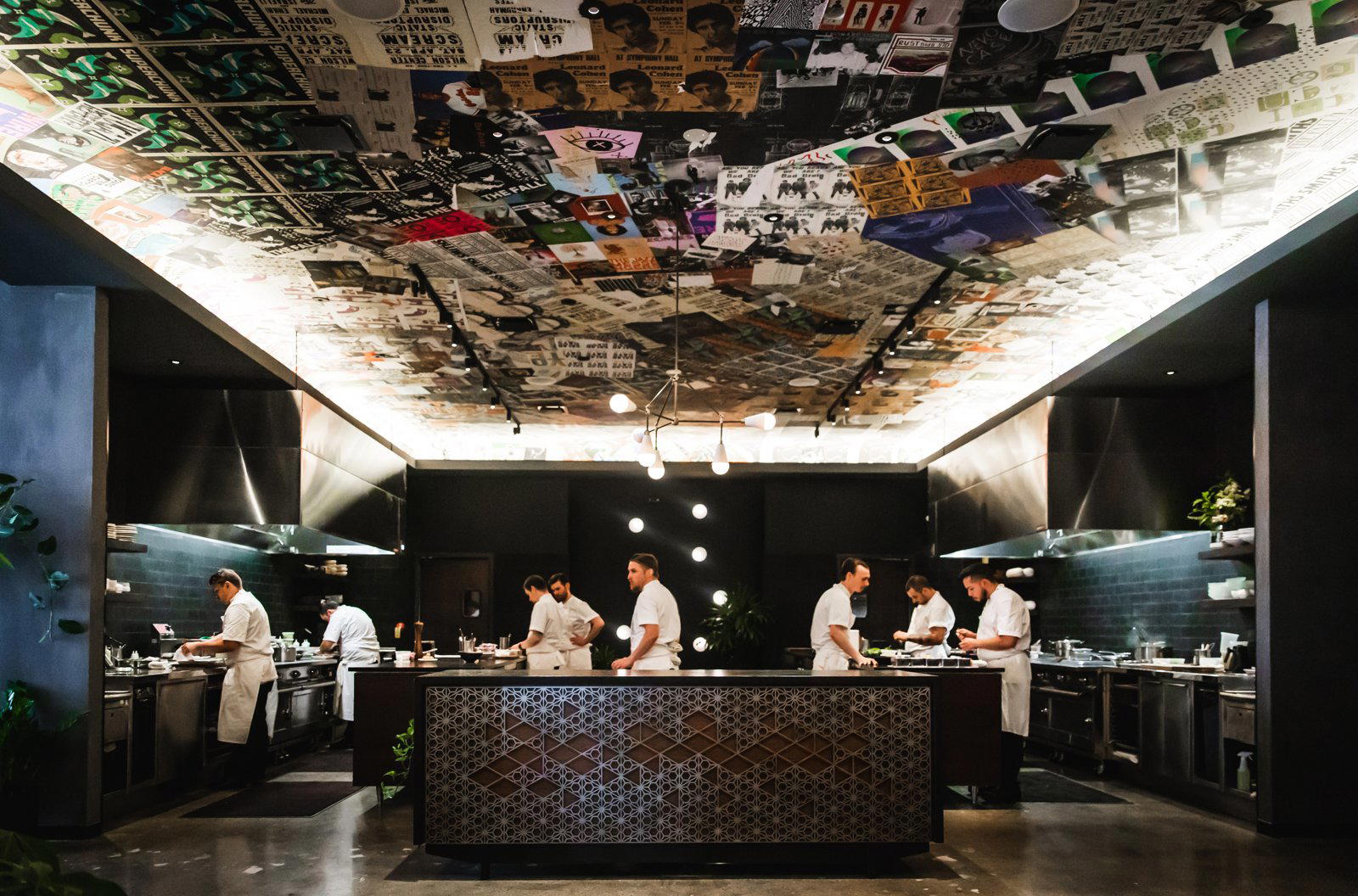
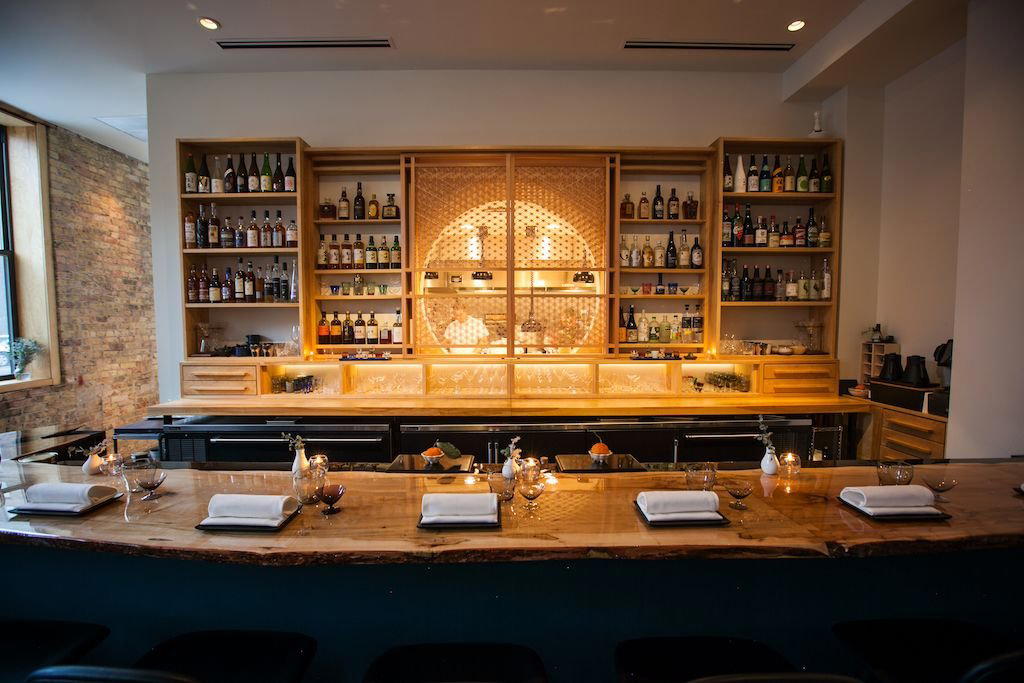
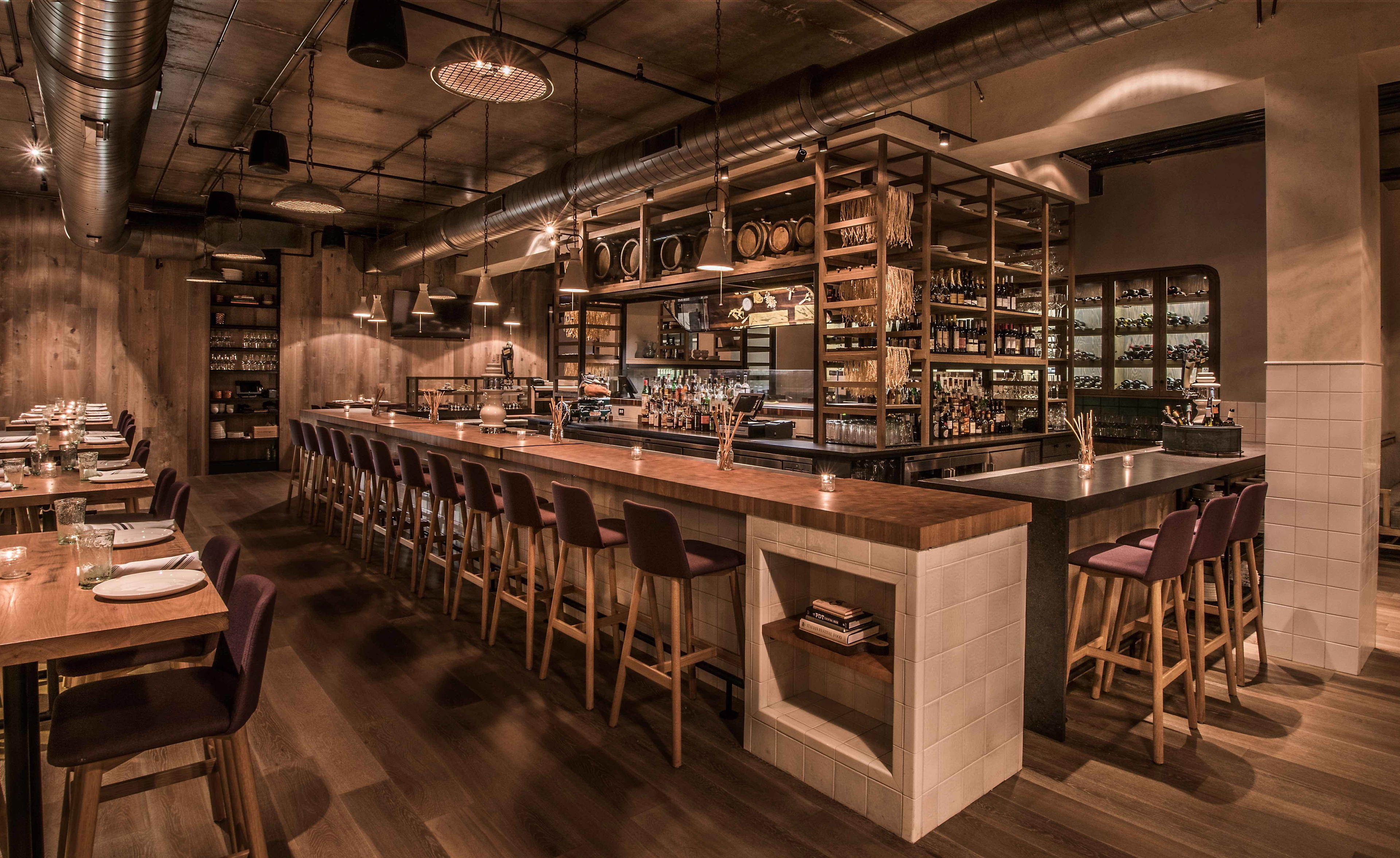
In many Italian restaurants, the kitchen is a rumour. At Monteverde, it is the room's central argument. The pasta station sits behind a wood-grain bar at 1020 W Madison St, visible from the counter seats that fill by 5:30 on any given weeknight. Sheets of dough are rolled, cut, and hung to dry in view of the dining room, a deliberate structural choice that makes the production process part of the meal itself. That transparency — practical, untheatrical — sets a tone that runs through the whole operation.
The West Loop has become Chicago's most competitive dining corridor over the past decade, absorbing serious investment and serious talent from across the city. The neighbourhood's restaurant density now rivals any American dining district, and its Italian options alone span everything from quick-service pasta counters to the kind of regionally specific cooking that demands comparison with the source. Monteverde sits firmly in that second category.
Cucina Tipica and What That Framing Actually Means
The Italian-American restaurant tradition in Chicago is long and sometimes hard to read clearly. The city has more Italian restaurants per capita than most American metros, and as the venue's own awards documentation concedes, ruling out the mediocre still leaves dozens of genuinely serious options across every style and subregion. What Monteverde signals through its menu language, specifically the term cucina tipica, is a commitment to the typicality of Italian regional cooking: the idea that the most compelling dishes are often the most specific, the ones where one ingredient or one preparation method defines a place.
That kind of specificity is harder to execute than it sounds. Italian regional cooking is not a single tradition but several dozen overlapping ones, each with its own produce logic, its own pasta shapes, its own unspoken rules about when cream is acceptable and when it is not. Restaurants that describe themselves through this frame are making a claim about fidelity, not just flavour. The claim invites scrutiny, and scrutiny is exactly what Monteverde has received, and held up under. Opinionated About Dining, a survey that weights heavily toward culinary professionals and experienced diners rather than general public reviews, ranked Monteverde at #392 in its 2025 Casual North America list, up from #426 in 2024, and previously listed the restaurant in its Gourmet Casual Dining category at #106 in 2023. That upward trajectory across categories is a signal worth noting: the restaurant appears to have moved from a credible neighbourhood option to something the professional dining community tracks more seriously.
For context on how Italian cooking translates across geography, it is worth looking at what happens to the cuisine when it travels further. 8 1/2 Otto e Mezzo Bombana (Hong Kong), Italian in Hong Kong holds three Michelin stars and operates at the formal end of the spectrum. cenci, Italian in Kyoto applies Japanese precision to Italian structure. Monteverde's frame is different: it is less about translation and more about grounding, a Midwestern Italian restaurant that takes its source material at full value.
The Pasta Program as Anchor
The Pastificio, Monteverde's in-house fresh pasta program, is the restaurant's most documented strength. The cacio whey pepe that appears in critical write-ups uses whey in place of water in the pasta dough, which introduces a slight tang and adds body to the finished result. The dish is completed with Pecorino Romano and a four-peppercorn blend, an approach that respects the Roman original while acknowledging that the leading restatements of a classic are usually the ones that understand the chemistry behind the original before they adjust it.
The menu extends meaningfully beyond pasta, however. Among the dishes that have drawn consistent notice is a preparation built around cabbage leaves stuffed with herbed breadcrumbs, mushrooms, and porcini Bolognese, a dish that works precisely because it does not announce itself as a showpiece. Humble vessel, concentrated flavour, no visual noise. That is a difficult register to hit in a room that sees as much foot traffic as this one, and it points to a kitchen with real discipline about restraint.
Where Monteverde Sits in the Chicago Italian Tier
Chicago's Italian restaurant scene occupies a different position than, say, New York's or San Francisco's. The city's Italian-American identity is older and more embedded, which means the competition is not just between contemporary fine dining rooms but between those rooms and decades of accumulated neighbourhood expectation. That context makes the task for a serious Italian restaurant in Chicago different from opening one in a market where Italian food is newer or more novelty-driven.
Among the city's current Italian operations, Osteria Langhe focuses specifically on Piedmontese cooking. Nico Osteria works at the seafood-forward end of the Italian spectrum. Alla Vita, Ciccio Mio, and Coco Pazzo each occupy different points along the price and formality axis.
The 2024 Michelin Plate designation places Monteverde in the category Michelin uses for restaurants with high-quality cooking that has not yet reached starred level. Within Chicago's broader dining tier, the restaurant competes for attention with rooms like [Alinea](), [Smyth](), and [Kasama]() at the formal end, though Monteverde's register is deliberately less ceremonial and more driven by ingredient and technique than by format or theater.
Chef Sarah Grueneberg, a James Beard Award winner for Leading Chef: Great Lakes, carries the kind of name recognition in Chicago that affects how a room fills. Her profile means the restaurant draws both the food-focused and the occasion-focused, a dual audience that can dilute a kitchen's focus in less disciplined operations. Here it appears to have had the opposite effect, driving the kitchen toward the kind of consistent execution that sustains both professional recognition and high-volume public ratings simultaneously.
For a wider read on where Monteverde sits relative to American cooking at a national level, Le Bernardin in New York City, The French Laundry in Napa, and Providence in Los Angeles each represent different expressions of the formal American dining tier. Lazy Bear in San Francisco and Single Thread Farm in Healdsburg occupy the progressive end. Monteverde operates in a more grounded register than any of these, but the regional ranking data puts it in the same broad conversation.
You can read more about the full dining scene in our [Our full Chicago restaurants guide](), and explore the wider city through our [Our full Chicago hotels guide](), [Our full Chicago bars guide](), [Our full Chicago wineries guide](), and Our full Chicago experiences guide.
Know Before You Go
- Address: 1020 W Madison St, Chicago, IL 60607
- Price range: $$$
- Hours: Tuesday to Thursday 11am–9:30pm; Friday to Saturday 11am–10:30pm; Sunday and Monday closed
- Awards: Michelin Plate (2024); Opinionated About Dining Casual North America #392 (2025)
- Timing note: Counter seats at the pasta station fill early; arrive at or before opening on weeknights if you want that view
Frequently asked questions
What type of food is Monteverde known for?
What part of town is Monteverde in?
Monteverde is located at 1020 W Madison St, Chicago, IL 60607, Chicago.
What kind of recognition has Monteverde received?
Monteverde has received recognition including: Chicago has so much Italian food. And even if we rule out a hundred restaurants as mediocre ‘red sauce’ copycats, that still leaves dozens of really excellent Italian meals of every style and subregio...; Opinionated About Dining Casual in ….
What's the must-try dish at Monteverde?
The cacio whey pepe is the dish most cited in professional coverage of Monteverde, including Opinionated About Dining, which ranked the restaurant #392 in North America for 2025. The technique substitutes whey for water in the dough, producing a slight tang and additional creaminess, with the finished pasta tossed in Pecorino Romano and a four-peppercorn blend. It is the clearest single expression of what the Pastificio program does differently from standard Italian-American kitchens in Chicago.
Is Monteverde more mid-range or high-end?
Pricing at Monteverde is listed as $$$.
Cuisine Lens
| Venue | Cuisine | Price | Awards | Notes |
|---|---|---|---|---|
| MonteverdeThis venue — the venue you are viewing | Modern Italian Pasta | $50–100 | Michelin Plate · Star Wine List | Not listed |
| Alinea | Avant-Garde Molecular Gastronomy | $300–500 | 2 Michelin Stars · World's 50 Best #37 | Progressive American, Creative |
| Smyth | Modern American Tasting Menu | $200–300 | 3 Michelin Stars · World's 50 Best #1 | Progressive American, Contemporary |
| Kasama | Modern Filipino | $30–50 | 2 Michelin Stars · World's 50 Best #31 | Filipino |
| Next Restaurant | Avant-Garde Themed Tasting Menus | Not listed | 1 Michelin Star · We're Smart World 2 Radishes | American Cuisine |
| Boka | Modern American Seasonal Fine Dining | $150–200 | 1 Michelin Star · La Liste Top Restaurants | New American, Contemporary |
Recognition history
Dated appearances from independent guides and award organizations, with the underlying list record or original source where available.
Michelin Plate
Michelin
Star Wine List
Star Wine List
James Beard Award Semi Finalist
James Beard Award
Opinionated About Dining Casual in North America Recommended
Opinionated About Dining
Robb Report 100 Greatest American Restaurants of the 21st Century #74
Robb Report
Full recognition history (11 entries)
Opinionated About Dining Casual in North America Ranked #392
Opinionated About Dining
Michelin Plate
Michelin
Opinionated About Dining Casual in North America Ranked #426
Opinionated About Dining
Opinionated About Dining Gourmet Casual Dining in North America Ranked #106
Opinionated About Dining
Opinionated About Dining Casual in North America Recommended
Opinionated About Dining
James Beard Award Best Chefs
James Beard Award