Deliz
Deliz brings an Argentine-inflected sensibility to Chicago's Italian steakhouse tradition, pairing wood-fired grills with house-made pastas in a format that sits comfortably in the city's upper-tier dining tier. The supporting cast of sides and classics carries as much weight as the protein, making it a useful benchmark for how the genre performs at its more serious end. Chicago's premium dining scene provides a competitive frame that rewards the visit.
Pearl is the En Primeur Club membership app — saves, bookings, and concierge access live there. Same editors, same standards.
- Address
- Chicago, United States
- Directions
- Get directions
 Saves & bookings on Pearl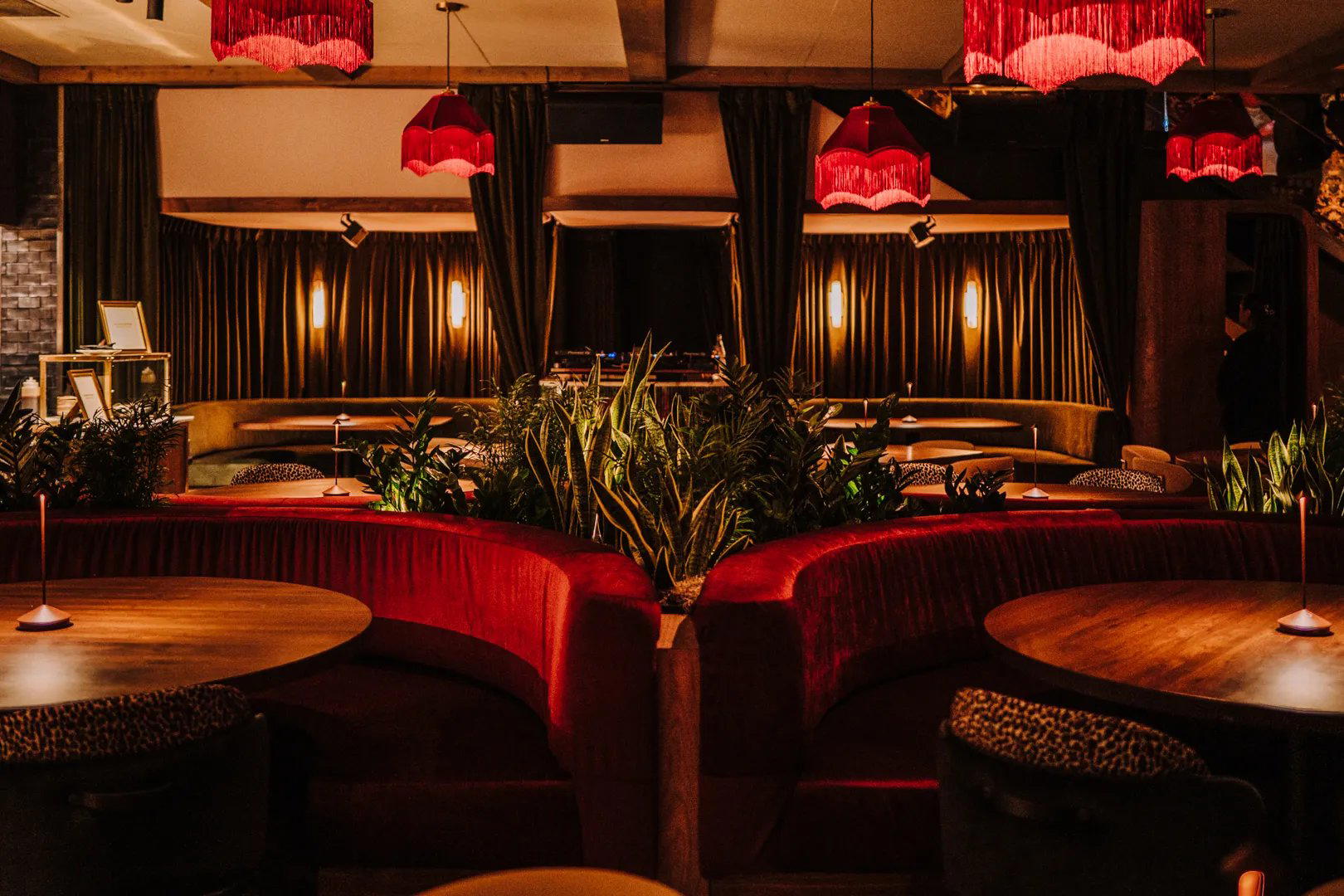
Where the Side Dishes Do the Talking
Chicago's steakhouse culture has always placed outsized faith in the supporting cast. Long before the category fractured into Argentine specialists, Italian-American hybrids, and contemporary wood-fire formats, the city's great steak rooms were judged as much by their creamed spinach and potato work as by the cut on the plate. Deliz is an Italian steakhouse in Chicago that pairs Argentine-style hardwood grilling with pasta, prime cuts, and serious sides.
The format rewards a particular kind of attention. In rooms like this, the pasta course and the side dishes are not afterthoughts assembled to pad a menu. They are the editorial argument. A properly executed cacio e pepe before a grilled short rib, a gratin potato stacked with enough cream that the leading layer crisps to a lacquered finish, these are the signals that separate a steakhouse operating with genuine Italian kitchen discipline from one using Italian nomenclature as surface decoration. Deliz positions itself in the former category, and the ordering strategy here should reflect that ambition from the first plate.
The Argentine Grill Logic in a Chicago Context
Argentine-style grilling carries a distinct technical signature: lower, slower heat from hardwood embers, fat rendered gradually rather than seared at high temperature, and a patience with the cook that produces a different crust and interior texture than the broiler-heavy American steakhouse tradition. Chicago has absorbed this approach incrementally over the past two decades, with Argentine-inflected spots demonstrating that the city's appetite for serious protein work extends well beyond the classic porterhouse-and-béarnaise format.
What the Argentine influence adds to an Italian steakhouse frame is a different relationship with the fire. The pasta side of the menu and the grill side of the menu occupy different thermal registers, and a well-run kitchen in this hybrid format has to manage both without allowing either to feel like a concession to the other. When it works, the result is a meal with genuine structural logic: the pasta carries the salt and richness of Italian technique, the grilled cuts carry the smoke and char of South American tradition, and the sides function as the connective tissue between the two.
Sides as Critical Infrastructure
In the Italian steakhouse format, the side dish list is where kitchens either justify or undermine their ambitions. Creamed spinach is the classic test: too loose and it reads as canteen cooking, too thick and it loses the vegetal character that makes it work against fatty beef. Wedge salads, similarly, turn on precision, the dressing ratio, the blue cheese quality, the temperature of the lettuce. These are not complicated dishes, but they are honest ones. There is nowhere to hide in a wedge salad.
Argentine-Italian hybrid rooms like Deliz extend this logic to the starch. The potato work here draws on both traditions: the Italian tendency toward gnocchi and gratins, the Argentine comfort with simple preparations that let the quality of the ingredient carry the dish. Ordering broadly across the sides and letting the table function as a shared spread is both the practical approach and the correct one. The format rewards groups who treat the meal as a collective exercise rather than individual protein selections.
In Chicago's upper dining tier, Deliz operates in a different register entirely. It is competing with the city's serious à la carte houses, where a disciplined kitchen and a considered wine list do the work. That is a harder category to execute, and a more useful one for regular dining.
Italian Pasta in the Steakhouse Frame
The pasta element of the Italian steakhouse tradition carries its own set of expectations. In the format's classic expression, pasta arrives as a first course or a shared side, a tonnarelli cacio e pepe or a rigatoni alla vodka that sets the register for the meal without competing with the main protein. The discipline required is restraint: pasta that is well-made and properly sauced but not so ambitious that it becomes the point of the evening.
This is a more common failure mode than it appears. Kitchens that are genuinely skilled at pasta work sometimes over-invest in the pasta course at the expense of the grilled proteins, or vice versa. The Italian-Argentine hybrid format only holds together when both sides of the menu are operating at the same level of seriousness. When they are, the result is a meal with a clarity of purpose that simpler formats don't achieve.
For visitors placing Deliz in the wider American dining context, the Italian steakhouse with serious grill credentials occupies a specific niche.
Planning the Visit
Restaurants that round out an understanding of the city's upper tier include Kasama for Filipino-inflected tasting menus and Next Restaurant for a rotating-concept format at the same price level. For comparison against other serious American rooms in different cities, Lazy Bear in San Francisco, Providence in Los Angeles, and Atomix in New York each represent their respective markets at a comparable tier of ambition.
Accolades, Compared
Comparable venues nearby, for context on price, style, and recognition.
| Venue | Cuisine | Price | Notes |
|---|---|---|---|
| DelizThis venue — the venue you are viewing | Italian Steakhouse | $$$ | Not listed |
| A Tavola | Authentic Northern Italian | $$$ | Ukrainian Village |
| Coco Pazzo | Classic Tuscan Italian fine dining | $$$ | River North |
| Sofi Restaurant | Northern Italian | $$$ | Printer's Row |
| UMMO | Contemporary Italian | $$$ | River North |
| Bacino's | Classic Chicago Deep-Dish Pizza & Italian Comfort Food | $$ | Lincoln Park |


At a Glance
- Romantic
- Elegant
- Lively
- Sophisticated
- Date Night
- Special Occasion
- Celebration
- Group Dining
- Late Night
- Open Kitchen
- Private Dining
- Standalone
- Craft Cocktails
- Extensive Wine List
- Local Sourcing
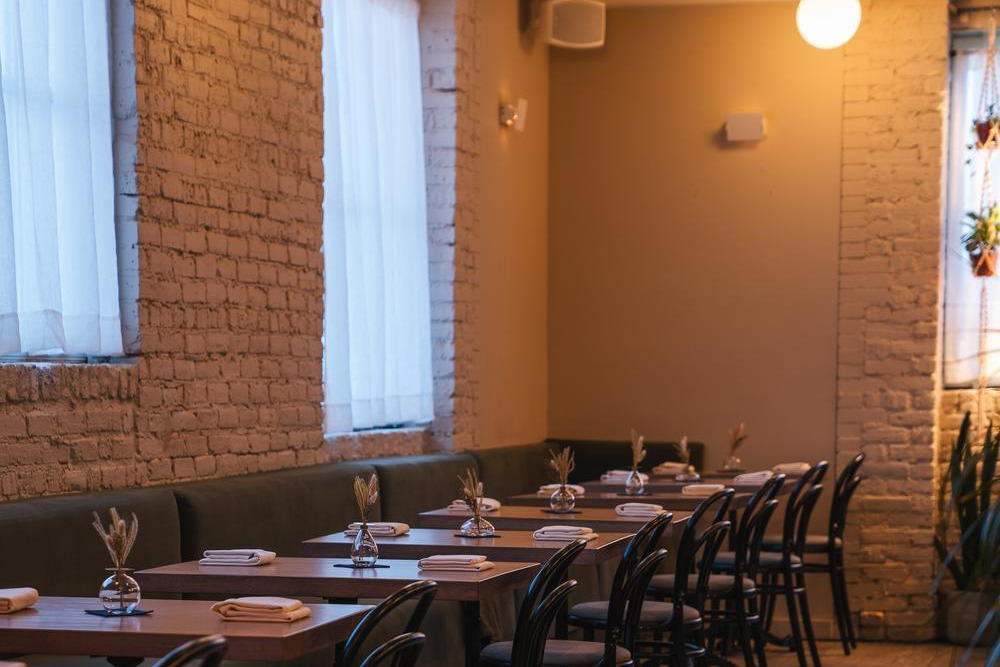
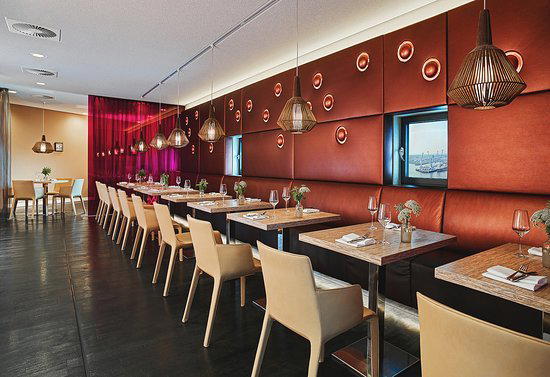
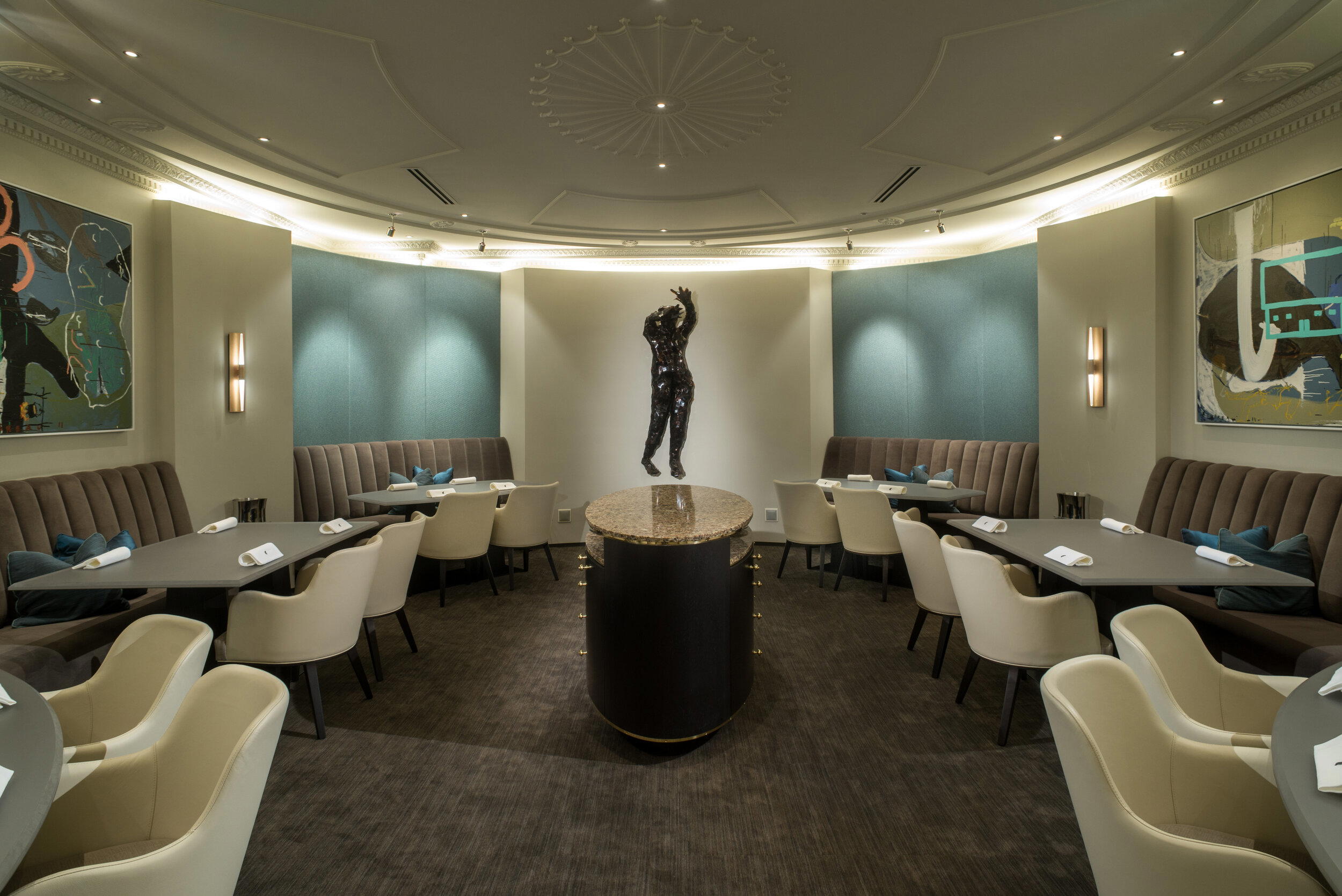
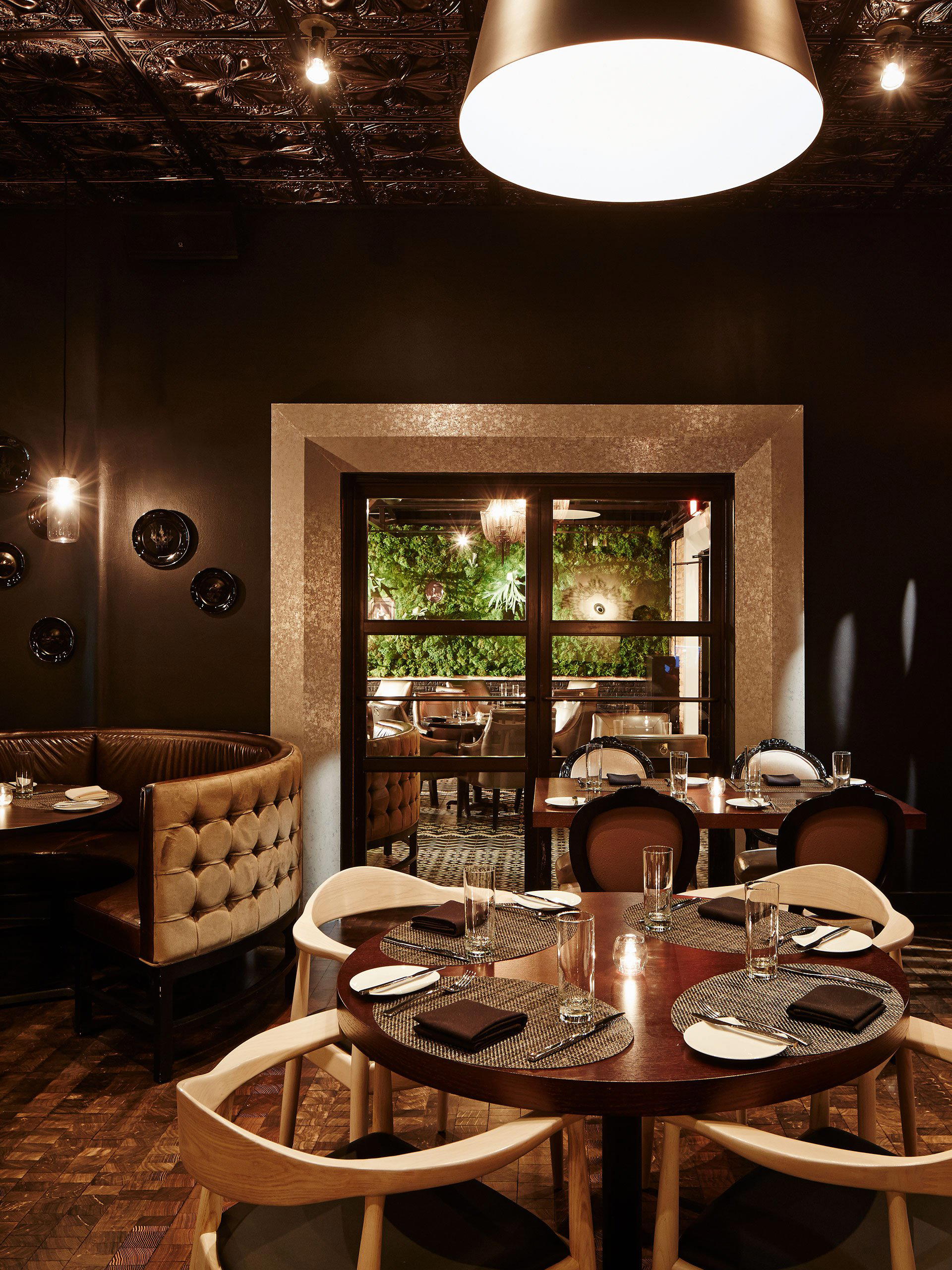
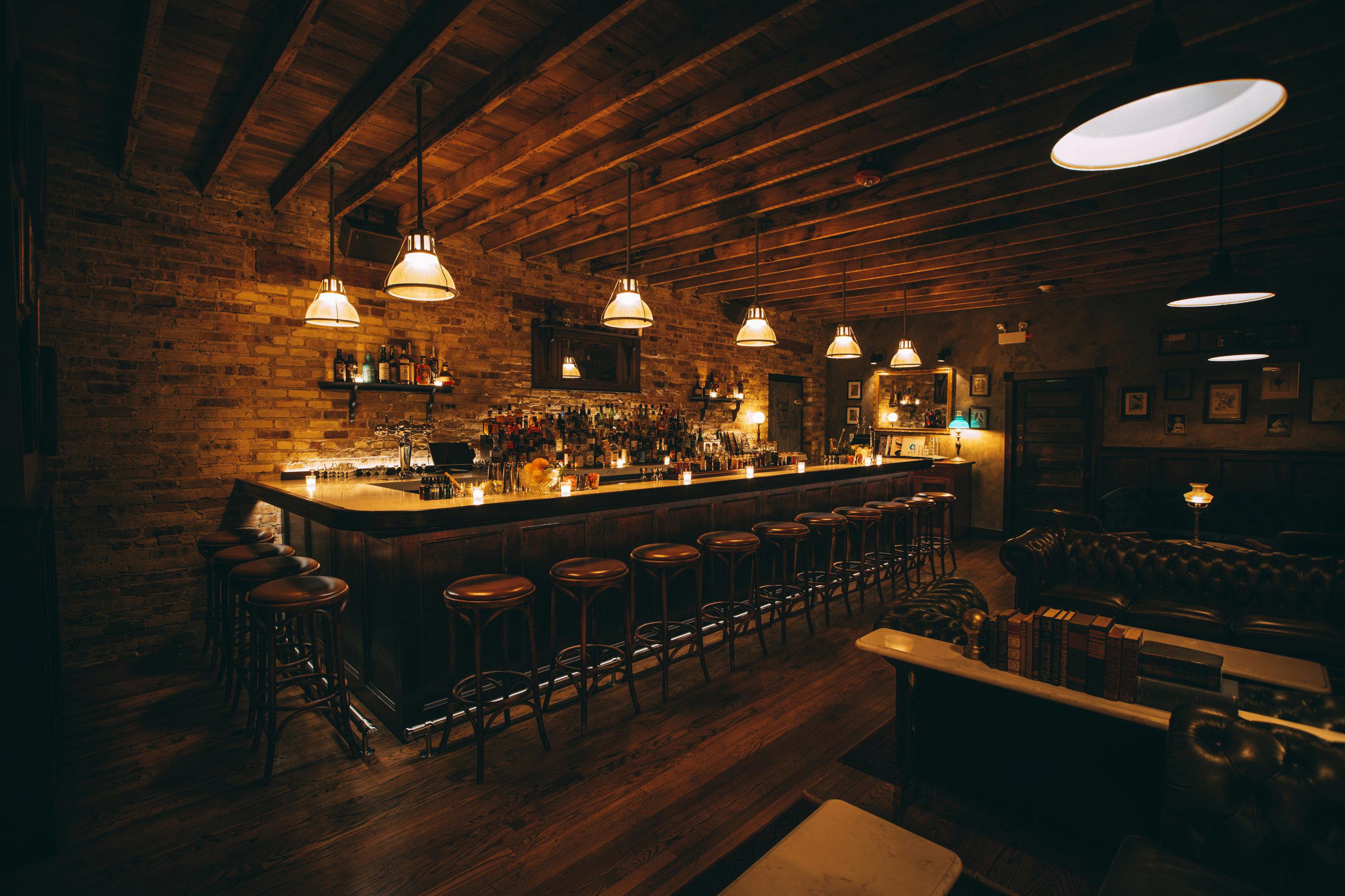
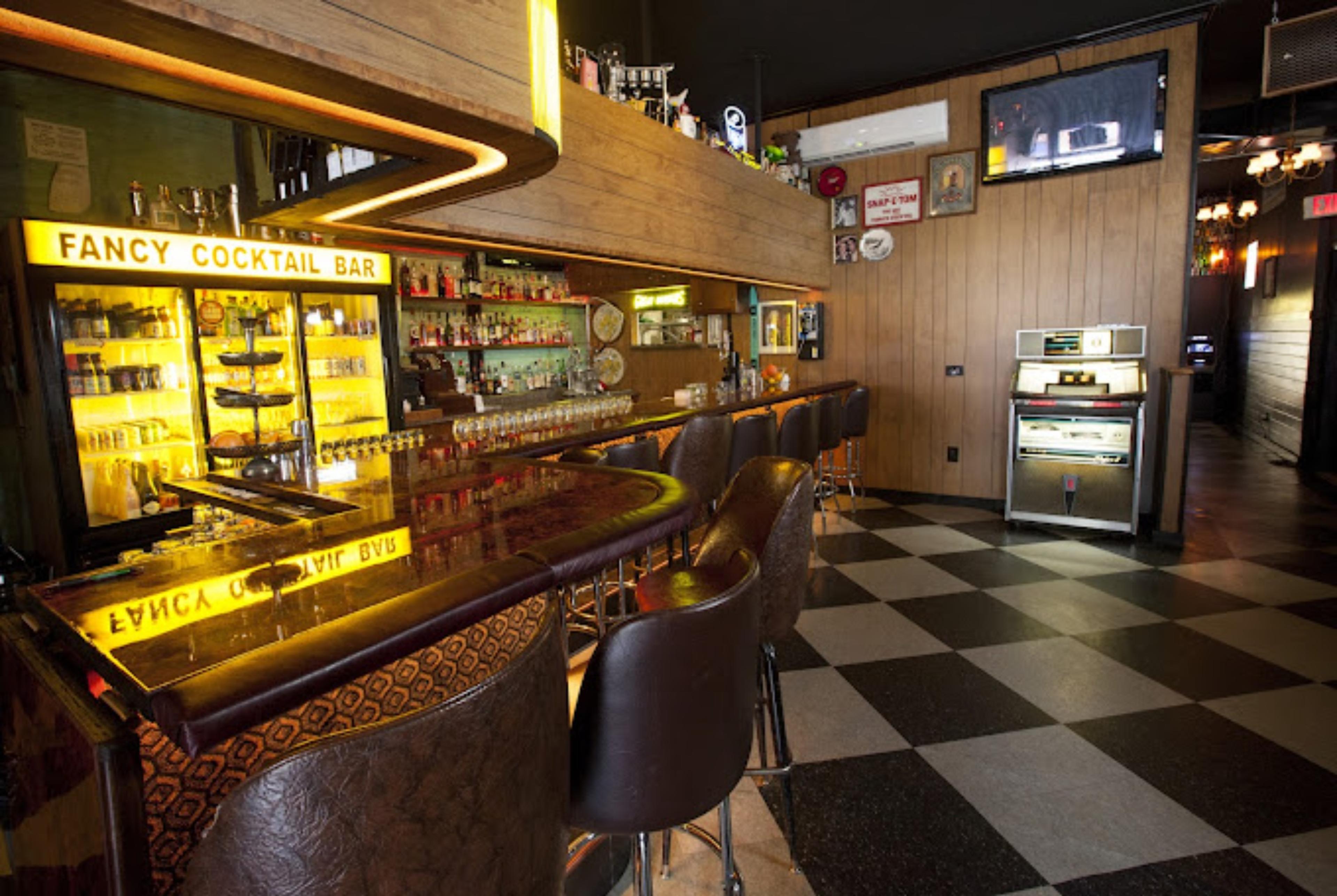
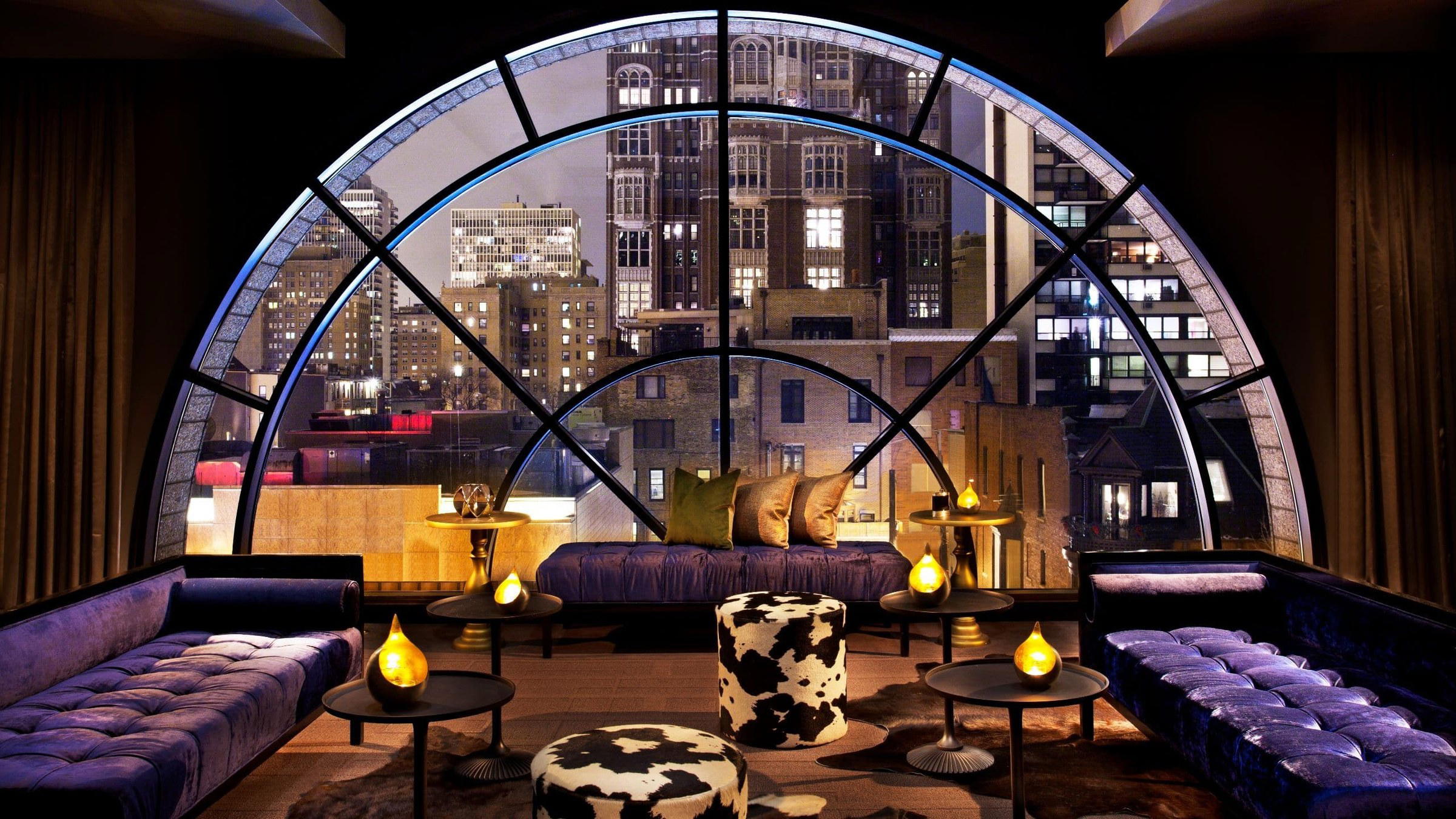
Downstairs features warm lighting and soft accents suited for intimate occasions; upstairs offers lively energy with sports TVs, energetic music, and late-night service on weekends.