Barrio
Our verdict
Barrio occupies a corner of Chicago's River North neighbourhood at 65 W Kinzie St, operating in a dining district where format and identity are constantly renegotiated. The address places it among a dense concentration of mid-to-upper tier restaurants, where the pressure to define a clear culinary position is higher than almost anywhere else in the city. What Barrio has built, and how that identity has shifted, is the more instructive story.

Pearl is the En Primeur Club membership app, where members save venues, book tables and use the concierge.

The menu
What to order
- Quesabirria Tacos
- Short Rib Barbacoa
- Grilled Octopus Tacos
- Pork Nachos
- Whole Red Snapper for Two
- Truffle Mushroom Tacos
River North and the Pressure to Evolve
Chicago's River North dining corridor has never been a static thing. Over the past decade, the neighbourhood has cycled through waves of concept openings, repositionings, and quiet closures, with the surviving operations tending to be those that found a reason to hold ground beyond novelty. The stretch around Kinzie Street sits in one of the denser commercial pockets of that district, where foot traffic from hotel guests, financial district workers, and destination diners creates a demanding and varied audience. Restaurants at this address have to work across multiple day-parts and diner types simultaneously, which shapes menu strategy and format in ways that single-neighbourhood specialists rarely face.
That context matters when assessing Barrio at 65 W Kinzie St. The address is not incidental, it places the venue inside a competitive tier where format clarity and the ability to shift with the room define durability more than any single dish or concept. In River North, the venues that persist are those that have renegotiated their identity at least once, sometimes more, without losing the through-line that made them worth returning to.
The Evolution Frame: What Reinvention Looks Like Here
Chicago's dining culture has documented a broader pattern across the past fifteen years: concepts that launched with one clear identity, often defined by a single cuisine flag or a trend-driven format, have either hardened into institutional status or pivoted toward something more durable. The city's top-tier tasting menu operations Alinea, Smyth, Oriole, occupy one end of that spectrum, where the format itself is the brand and reinvention happens within tightly controlled parameters. Below that tier, the more interesting evolutionary stories are playing out in venues that serve broader audiences without sacrificing a defined point of view.
Barrio sits in that middle register. The name signals a Latin American reference point, which in Chicago's dining scene carries specific competitive weight. The city has a deep and well-documented Mexican culinary tradition rooted in neighbourhoods like Pilsen and Little Village, where family-run operations and community-anchored recipes carry more authority than any River North address could claim. A venue operating under a Latin-inflected identity in River North is, by definition, speaking to a different audience and making a different set of arguments about what the food means in that context. How Barrio has handled that gap, between the heritage weight of Chicago's Latin American communities and the transactional expectations of a tourist-adjacent dining corridor, is the central question of its evolution.
The River North Competitive Set
Positioning in River North means pricing and format decisions get made against a specific peer group. Next Restaurant has demonstrated how a high-concept format can sustain in the neighbourhood if it builds genuine booking demand. Kasama, operating in a different Chicago neighbourhood, shows how a cuisine-specific identity can anchor both a daytime casual format and an evening tasting menu without diluting either. These are not direct competitors to Barrio in format or price, but they illustrate the range of viable strategies in the city's premium-casual and destination tiers.
Nationally, the comparison set for Latin-inflected restaurant concepts at the upper-casual register includes operations at the level of Lazy Bear in San Francisco and Emeril's in New Orleans, venues where the culinary identity is specific enough to survive trend cycles. In the fine dining tier, Le Bernardin in New York City and The French Laundry in Napa represent how format discipline over decades creates a different kind of institutional gravity. Barrio is not operating in those tiers, but the comparison is useful for understanding what durable identity actually requires: specificity of intent, maintained over time, with enough flexibility to absorb changing room dynamics.
What the Kinzie Address Demands
The specific block on Kinzie Street in River North carries particular logistical pressures. The proximity to the Chicago River, the density of hotel inventory in the surrounding blocks, and the accessibility from the Loop mean the dinner service here draws from a wider geographic and motivational range than neighbourhood restaurants elsewhere in the city. A table at Barrio on a Friday evening is likely to include conventioneers from the nearby hotel corridor, local regulars, and out-of-town visitors who found the address through a hotel concierge or platform recommendation. Serving all three groups coherently, without flattening the menu into lowest-common-denominator territory, is the operational challenge that defines this kind of location.
Venues that handle this well tend to do so through format discipline, clear section logic on the menu, a bar program that carries its own identity without requiring a full meal commitment, and service pacing that can read different table types. Comparable approaches are visible in operations like Providence in Los Angeles and Addison in San Diego, where high-traffic locations have been turned into an asset rather than a compromise by building formats that reward both the first-time visitor and the returning local.
Broader Context: Latin American Dining in Chicago
The wider context for Latin American dining in Chicago is one of the more textured stories in American restaurant culture. The city's Mexican population is among the largest in the country, and the culinary output from community-anchored restaurants in Pilsen, Brighton Park, and Cicero represents a depth of regional specificity, from Oaxacan mole to Michoacán carnitas, that no single River North venue can replicate. What River North operations with Latin references tend to do instead is extract certain flavour vocabularies, present them in a format that reads legibly to a broader dining audience, and price accordingly. Whether that represents translation or dilution is a question that Chicago food writers have debated consistently over the past decade, and the answer tends to depend on the quality of execution rather than the premise.
For reference points on how Latin American culinary traditions have been handled at the highest technical levels, Atomix in New York City offers a model of how a cuisine-specific identity can operate at the top of a market without compromise. Atelier Moessmer Norbert Niederkofler in Brunico and Blue Hill at Stone Barns in Tarrytown illustrate how regional ingredient sourcing can anchor a culinary identity in ways that make format evolution easier over time. Single Thread Farm in Healdsburg, Frasca Food and Wine in Boulder, and The Inn at Little Washington each demonstrate how a clear culinary thesis, held consistently, creates the kind of reputation that insulates a venue from neighbourhood-level market pressure.
See our full Chicago restaurants guide for the wider picture of how the city's dining scene is currently structured across neighbourhoods and price tiers.
Know Before You Go
Address: 65 W Kinzie St, Chicago, IL 60654
Neighbourhood: River North, Chicago
Getting There: River North is accessible from the Chicago Loop on foot; the nearest CTA refined stations are at State/Lake and Grand/State
Note: Pricing, hours, and format details are best confirmed directly with the venue ahead of your visit
Frequently asked questions
What part of town is Barrio in?
Barrio is located at 65 W Kinzie St, Chicago, IL 60654, Chicago.
How does Barrio fit into Chicago's Latin American dining scene compared to other River North restaurants?
Chicago has one of the most historically layered Latin American restaurant cultures in the United States, anchored by decades of Mexican immigration on the city's south and west sides and more recent South American influences entering neighbourhoods like River North. Barrio's placement at 65 W Kinzie St positions it within the neighbourhood's mid-to-upper dining tier, where it competes on concept identity rather than price alone. The Kinzie corridor specifically draws a mix of hotel guests, local professionals, and visiting diners, giving Latin American formats here broader exposure than they might receive in more residential parts of the city.
What should I order at Barrio?
Barrio's menu sits within the Latin American dining tradition that has deep roots across Chicago, from the Mexican communities of Pilsen to the South American kitchens that have reshaped River North over the past decade. River North kitchens at this address tier tend to shift their strongest dishes seasonally, so the staff recommendation carries real weight.
Can I walk in to Barrio?
Walk-in availability at Barrio on Kinzie Street depends heavily on the night and the hour. River North's hotel density and proximity to the Chicago River drives consistent foot traffic on weekday evenings and sharply higher demand on weekends. Arriving before the main dinner rush or later in the evening gives the best odds; for weekend sittings, confirming in advance through the venue directly is the more reliable approach.
What has Barrio built its reputation on?
Barrio operates within the Latin American dining corridor that Chicago's River North has developed over the past fifteen years, a segment where concept clarity and menu identity determine staying power. Its address at 65 W Kinzie St places it inside a competitive peer group where format and consistency are tested continuously against neighbouring venues. Chicago's broader Latin American dining culture, one of the more documented stories in American restaurant history, provides the reference point against which Barrio's positioning is read.
Is Barrio allergy-friendly?
Latin American kitchens typically work with a range of common allergens including wheat, dairy, shellfish, and tree nuts depending on regional influences on the menu. Barrio's specific allergy protocols are best confirmed directly with the restaurant at 65 W Kinzie St, Chicago, before visiting. River North venues at this level of visibility generally have floor staff trained to field detailed dietary questions.
Pricing, Compared
Comparable venues nearby, for context on price, style, and recognition.
| Venue | Cuisine | Price | Notes |
|---|---|---|---|
| BarrioThis venue (the venue you are viewing) | Modern Mexican with American Influences | $30–50 | Not listed |
| Westso Mexican Steakhouse | Mexican Steakhouse | Not listed | Edison Park, Mexican Steakhouse |
| Manchamanteles | Elevated Mexican Fine Dining | $50–100 | Bucktown, Polished Mexican Fine Dining |
| La Lunita | Modern Mexican | Not listed | Logan Square, Modern Mexican |
| La Cantina Grill | Authentic Mexican | $20–30 | South Loop, Authentic Mexican |
| La Catedral Cafe - New Eastside | Mexican Breakfast and Lunch | $10–20 | New Eastside, Mexican Breakfast and Lunch |
Continue exploring
More in Chicago
Restaurants in Chicago
All restaurants in Chicago →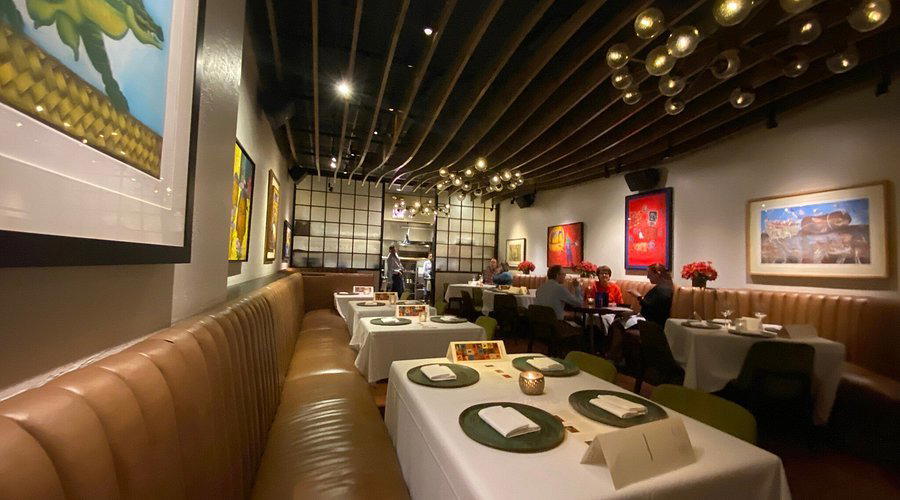

Bars in Chicago
All bars in Chicago →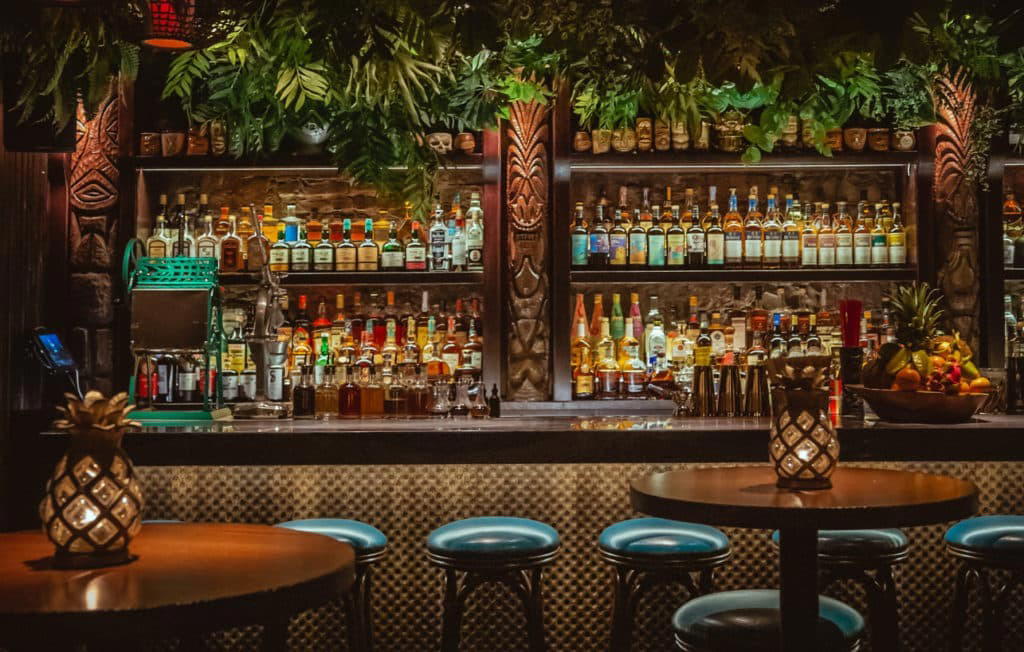
Details
- Lively
- Rustic
- Industrial
- Energetic
- Trendy
- Group Dining
- Celebration
- Casual Hangout
- After Work
- Late Night
- Open Kitchen
- Private Dining
- Terrace
- Standalone
- Craft Cocktails
- Beer Program
- Waterfront
- A La Carte
- Small Plates
- Tequila
- Cocktails
- Margaritas
- Vegetarian Friendly
Current opening hours
- Monday
- 5–9:30 PM
- Tuesday
- 5–9:30 PM
- Wednesday
- 5–9:30 PM
- Thursday
- 5–9:30 PM
- Friday
- 5–11:30 PM
- Saturday
- 11 AM–11:30 PM
- Sunday
- 11 AM–9:30 PM
Hours can change for holidays and private events. Hours as of .
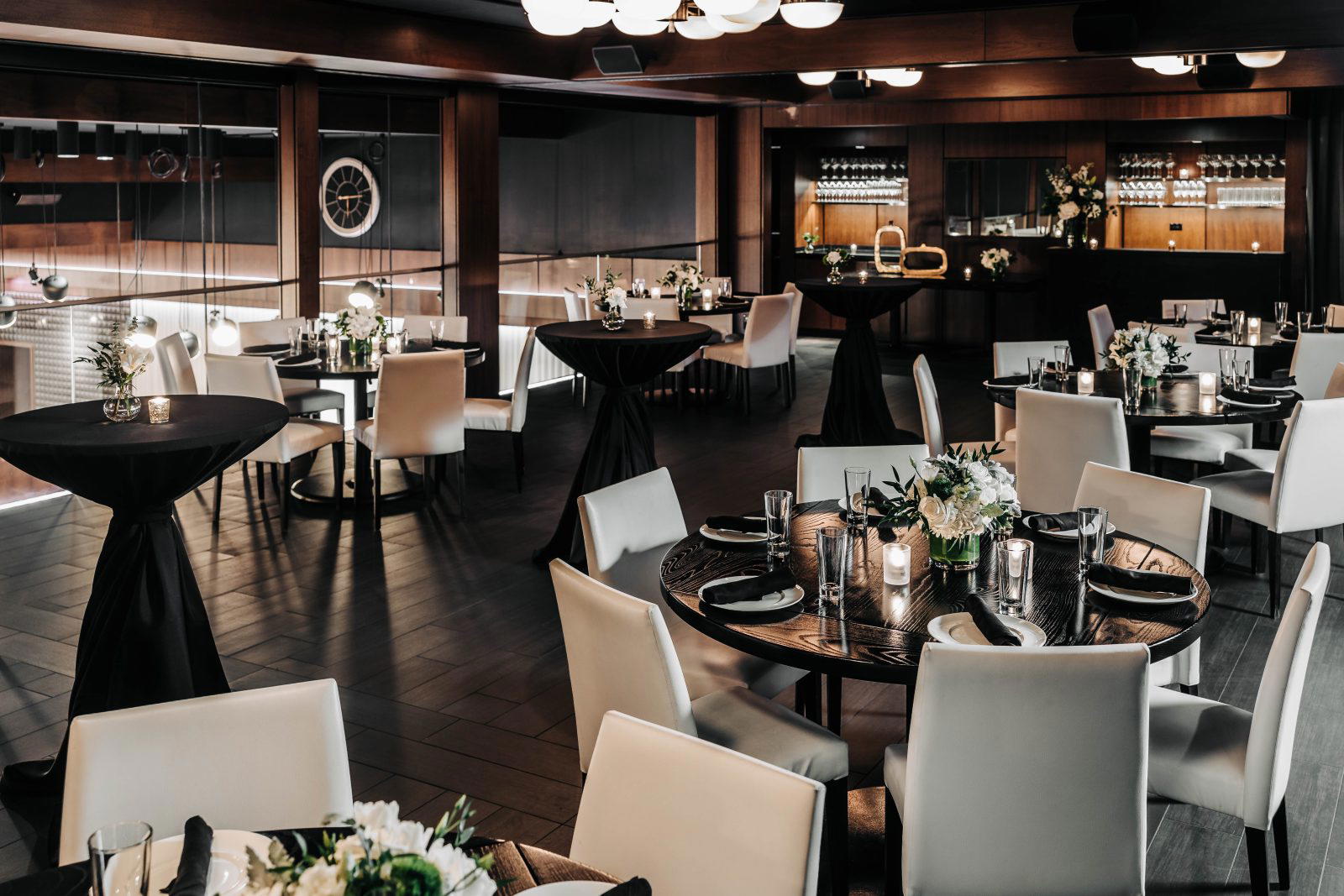
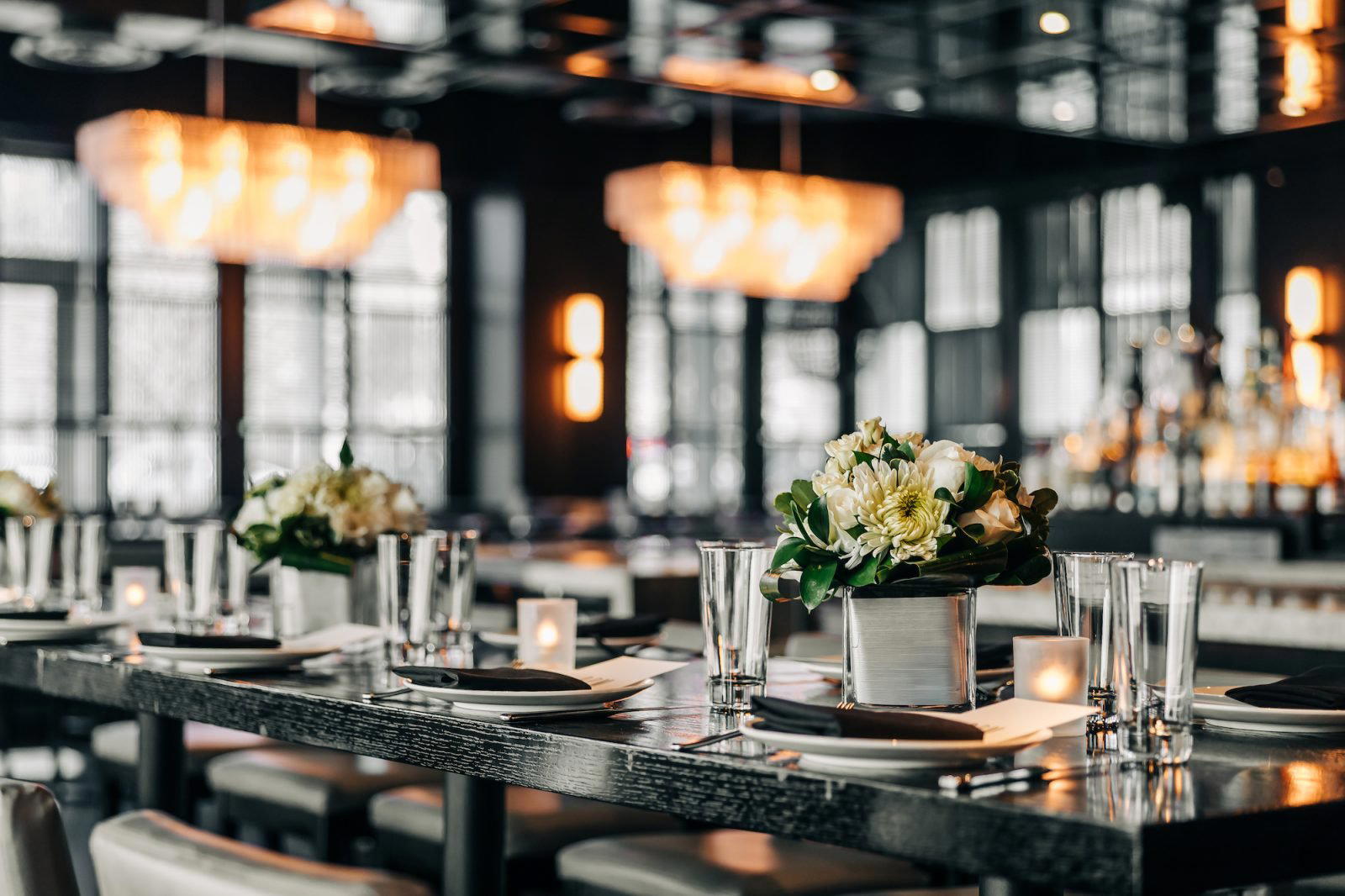
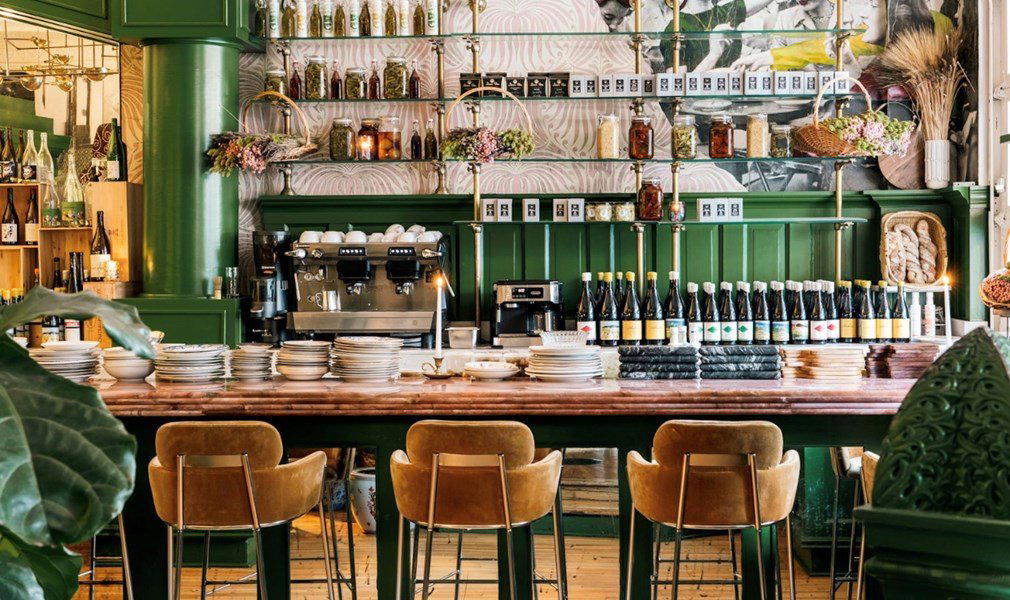
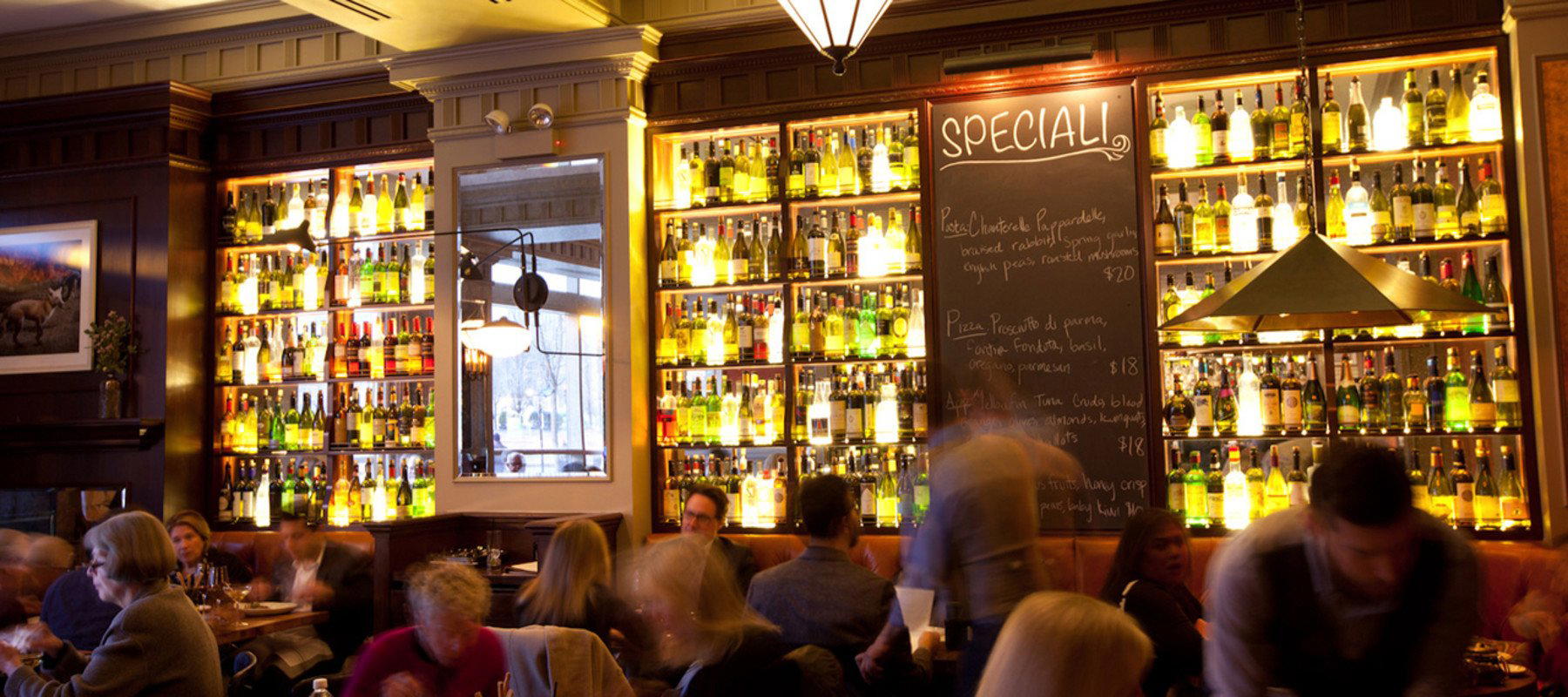
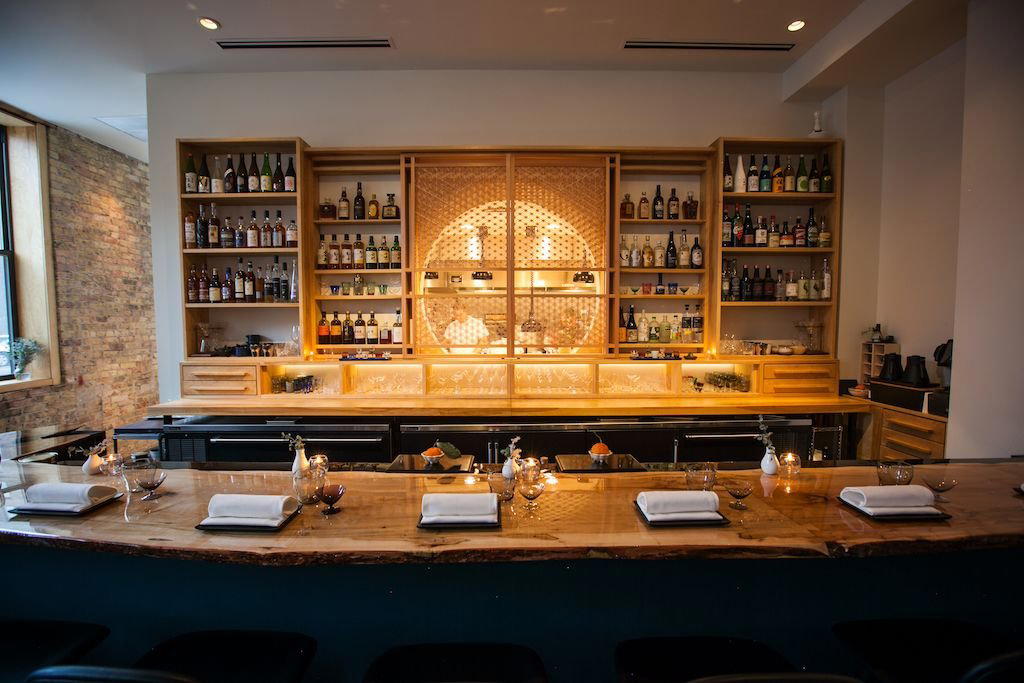
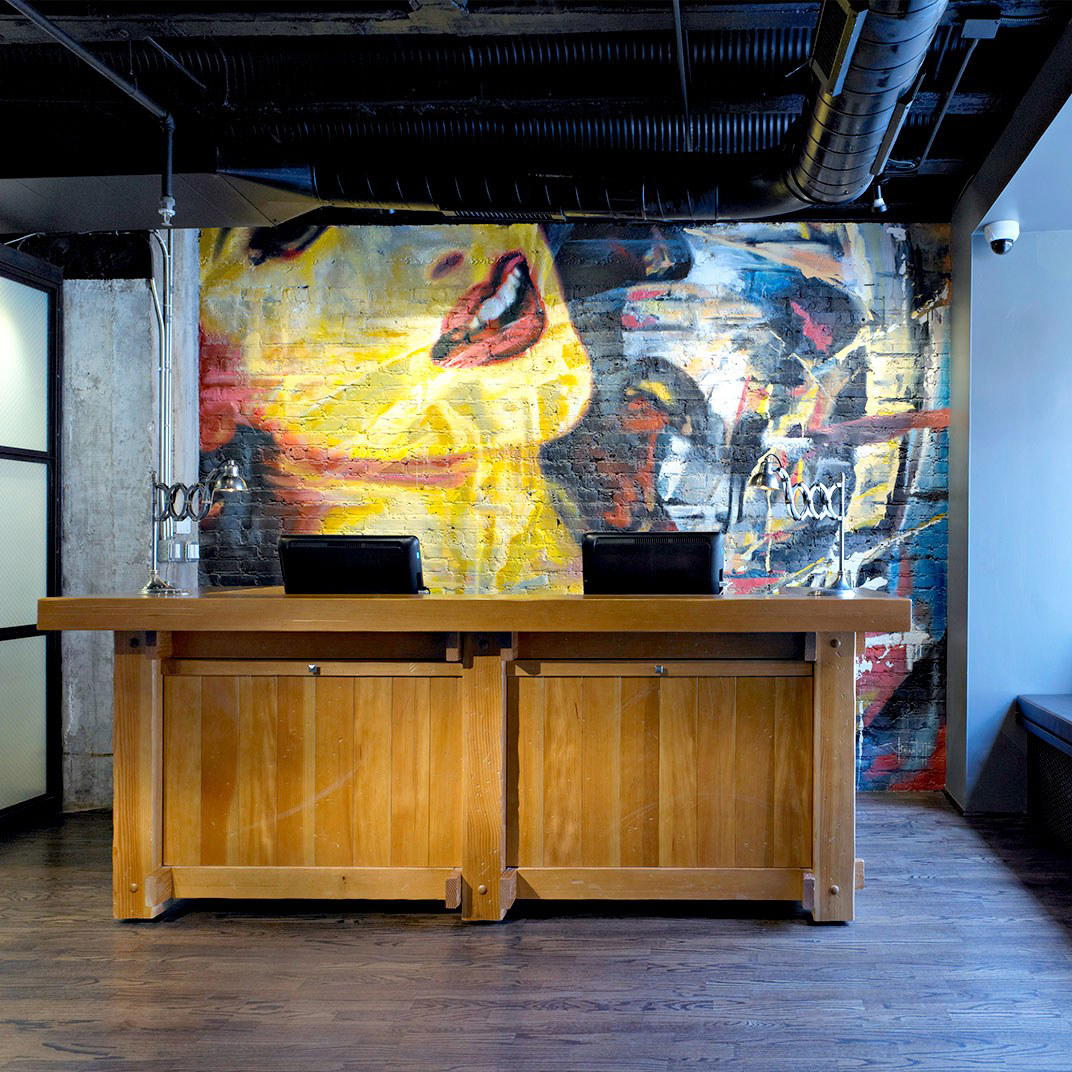
Upscale, earth-toned lounge with rustic-industrial design, lively atmosphere with bar seats, tables and booths creating a lively social environment.