Hiro Izakaya
Hiro Izakaya on West Chicago Avenue brings the izakaya format to a neighborhood that prefers its Japanese drinking food without ceremony. The menu moves the way a good izakaya should: small plates arriving in waves, drinks timed to the food, the pacing driven by the table rather than the kitchen's schedule. For Chicago's West Town corridor, it fills a specific gap in a city increasingly serious about Japanese dining.
Pearl is the En Primeur Club membership app — saves, bookings, and concierge access live there. Same editors, same standards.
- Address
- 1600 W Chicago Ave, Chicago, IL 60622
- Phone
- +13126006336
- Website
- hiroizakaya.com
- Directions
- Get directions
 Saves & bookings on Pearl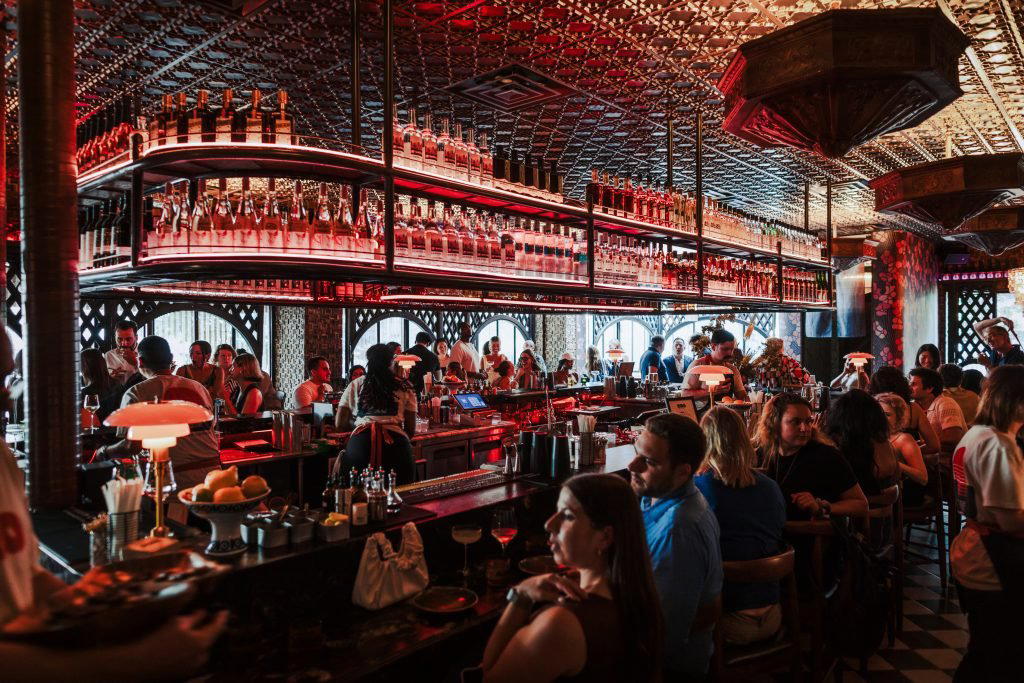
West Town and the Izakaya Question
Chicago's Japanese dining scene has consolidated at two ends of a spectrum over the past decade. At one end sit omakase counters and high-concept tasting menus, the kind of operations that draw comparisons to Alinea and Smyth in ambition if not in cuisine. At the other end sits the izakaya format: the Japanese pub tradition of drinking and eating simultaneously, where the food exists to sustain the session rather than to anchor it. Hiro Izakaya on West Chicago Avenue occupies that second register, in West Town, a corridor that has become one of the city's more reliable neighborhoods for informal but considered eating.
The izakaya as a format rewards cities with serious drinking cultures, and Chicago qualifies. The model depends on food arriving in a loose sequence, portions sized to share, and a drinks list calibrated to extend the evening rather than punctuate it. That rhythm differs sharply from the tasting-menu logic that drives Next Restaurant or the structured progression of Oriole. At an izakaya, the arc of the meal is negotiated at the table, not dictated by the kitchen.
The Shape of an Izakaya Meal
Understanding how to eat at a place like Hiro Izakaya requires understanding how the format is supposed to work. The Japanese izakaya tradition organizes eating around drinking: lighter, sharper plates early, something pickled, something raw, edamame as punctuation, to open the palate and justify the first drink. The middle stretch is where the kitchen gets more latitude: fried plates, skewered proteins, heavier broths that slow the pace without closing the table down. The final phase, if the table wants it, tilts toward carbohydrates, rice or noodles as a closer, the Japanese equivalent of bread to finish a meal.
That progression is not rigid, and a good izakaya doesn't enforce it. The better operations in Chicago and comparable American cities with established Japanese food cultures, including San Francisco, New York, and Los Angeles, treat the sequence as a suggestion that the kitchen can honor or bend depending on what's coming out of the kitchen at a given moment. The guest's job is to order broadly and let the plates arrive in whatever order the kitchen manages them. Trying to impose a linear tasting logic on the format misses the point.
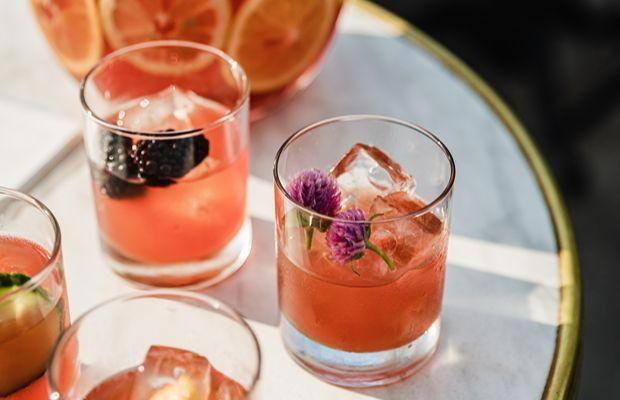
What the format does demand is range in the drinks list. Sake by the carafe, shochu, Japanese whisky highballs, and a beer selection that skews lager-weight to keep pace with fried food, these are the structural requirements. A wine list is not wrong at an izakaya, but it's supplementary. The food is built for fermented grain drinks, and the pairing logic is different from what drives a wine-forward room like Le Bernardin or The French Laundry.
West Chicago Avenue as a Dining Address
The block at 1600 W Chicago Ave sits in a neighborhood that has shifted considerably as a dining destination. West Town and the adjoining Ukrainian Village have accumulated a range of independent operators across price points, not the destination-restaurant density of the West Loop, but a more lived-in mix of neighborhood regulars and deliberate visitors. The izakaya format suits that audience well. It doesn't require the kind of pre-commitment that a ticketed tasting menu demands, and it accommodates the kind of table that shows up without a firm agenda.
Chicago's broader Japanese dining conversation has expanded in recent years, with Filipino-influenced and Korean-inflected tasting menus like Kasama and Atomix in New York redefining what Asian fine dining looks like in American cities. The izakaya operates outside that conversation by design. It is not competing for recognition in the same tier as Blue Hill at Stone Barns or Addison. Its competitive set is the neighborhood casual Japanese room, measured against whether the food arrives correctly and the drinks stay cold.
How Hiro Izakaya Fits the Format
The address at 1600 W Chicago Ave places the restaurant within walking distance of a neighborhood that eats and drinks across multiple venues in a single evening. The format works well when it doesn't ask for full-night commitment. Across American cities where the izakaya has taken hold, from San Francisco's Japantown-adjacent rooms to the denser Japanese dining corridors of Los Angeles, the more successful operations have understood that the format competes with the bar as much as with the restaurant. Lazy Bear or Providence ask for a full evening. An izakaya asks for as much time as the table wants to give it.
That flexibility is a structural advantage in a neighborhood context. West Town's dining pattern skews toward the kind of evening where a table might start at one address and move, or where walk-ins arrive without a reservation because the block allows for it. The izakaya format is built for exactly that kind of night.
Comparable casual Japanese operations in other American cities, whether izakaya-format rooms in Atlanta near Bacchanalia or drinking-food formats adjacent to hotel dining in New Orleans near Emeril's, tend to work when the kitchen is consistent across the full evening rather than front-loaded with effort. The challenge for any izakaya in a non-Japanese urban context is maintaining that consistency across a menu that spans raw preparations, fried plates, and grilled skewers simultaneously. That's a kitchen management problem as much as a culinary one, and it's where izakaya operations most often diverge in quality.
For international reference points in Japanese-influenced fine dining, 8 1/2 Otto e Mezzo Bombana in Hong Kong and The Inn at Little Washington illustrate how different the formal end of the spectrum can look from the casual Japanese pub format. Similarly, Single Thread Farm in Healdsburg demonstrates the kaiseki-influenced structured end of Japanese dining in an American context, about as far from an izakaya as the same cultural tradition can travel.
Style and Standing
Comparable venues nearby, for context on price, style, and recognition.
| Venue | Cuisine | Price | Notes |
|---|---|---|---|
| Hiro IzakayaThis venue — the venue you are viewing | Modern Japanese Izakaya | $$$ | Not listed |
| Nomonomo Sushi | Modern Japanese Omakase and Izakaya | $$$ | Logan Square |
| Ramen Wasabi - West Loop | Japanese Ramen | $$ | West Loop |
| Ron of Japan | Teppanyaki Japanese Steakhouse | $$ | Near North Side |
| Monster Ramen | Beef-Based Gyukotsu Ramen | $$$ | Logan Square |
| Yusho | Japanese Yakitori Izakaya | $$ | Avondale |
At a Glance
- Lively
- Trendy
- Energetic
- Modern
- Date Night
- Group Dining
- Casual Hangout
- After Work
- Open Kitchen
- Craft Cocktails
- Sake Program
Current opening hours
- Monday
- Closed
- Tuesday
- 5–10 PM
- Wednesday
- 5–10 PM
- Thursday
- 5–10 PM
- Friday
- 5 PM–12 AM
- Saturday
- 5 PM–12 AM
- Sunday
- Closed
Hours can change for holidays and private events. Last verified .
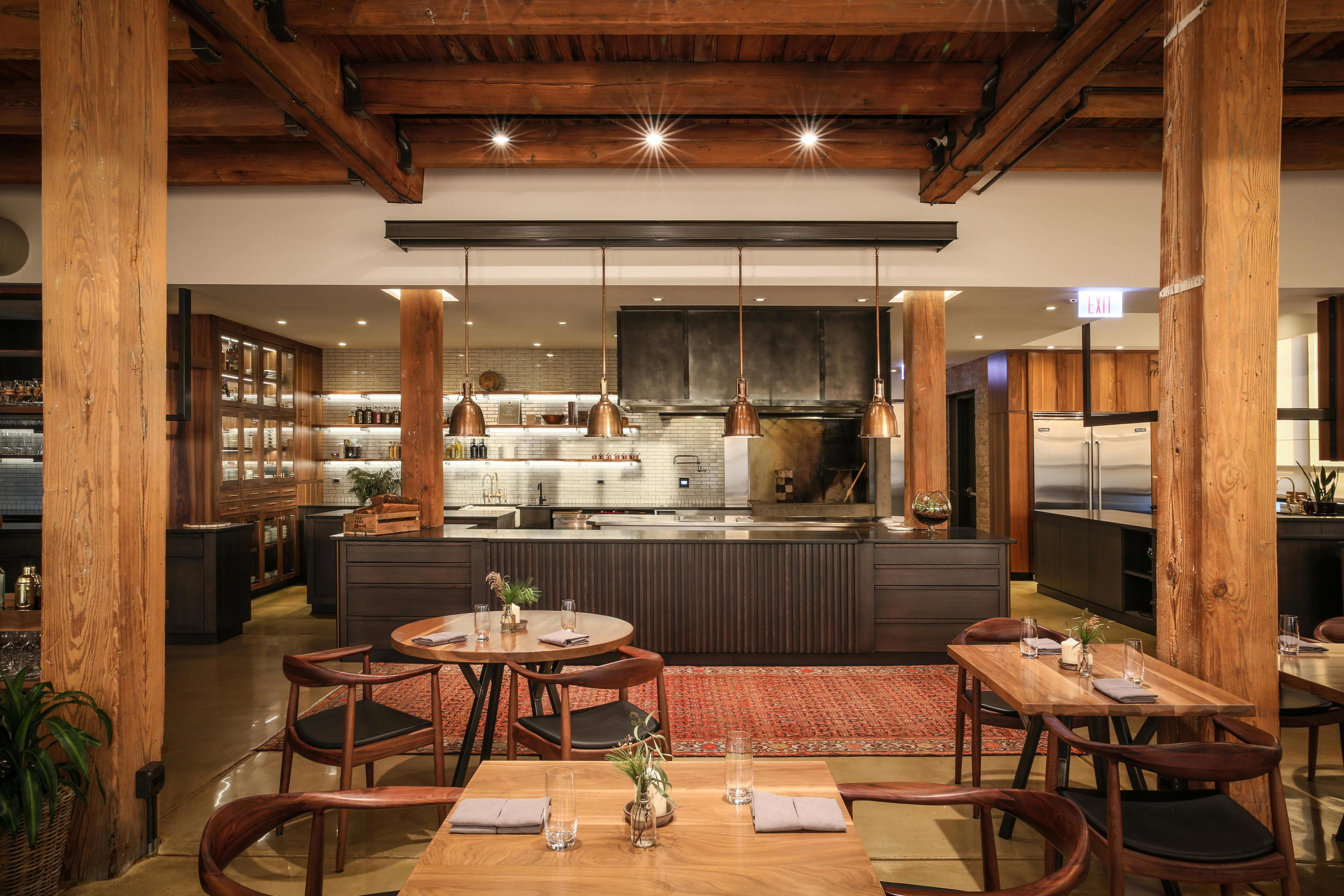
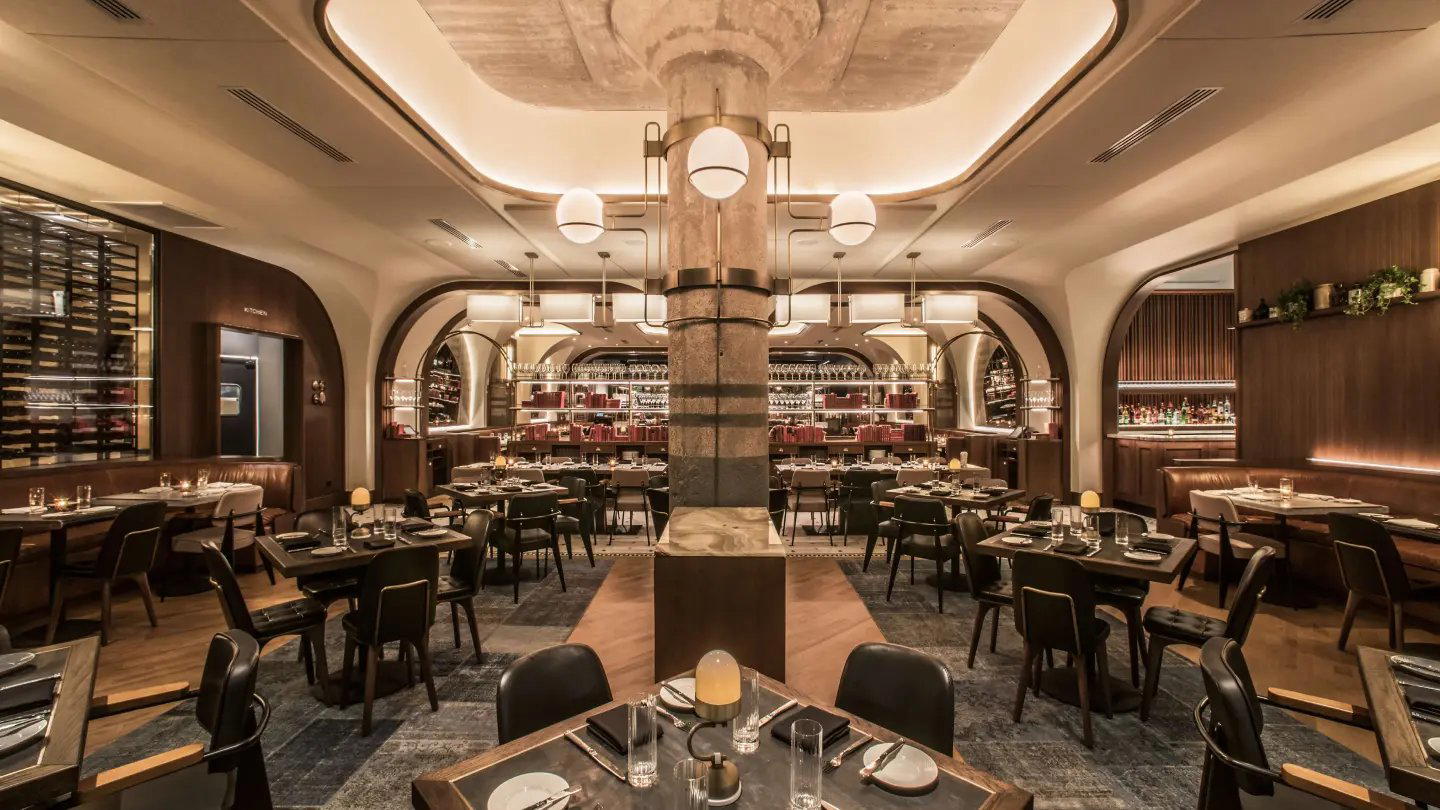
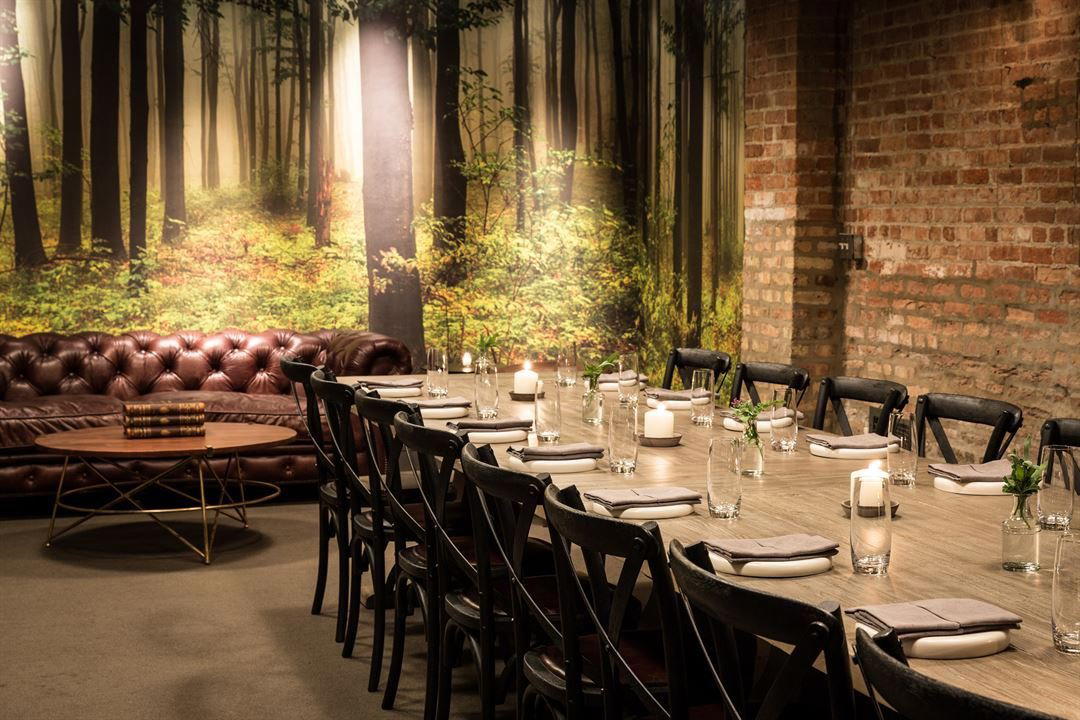
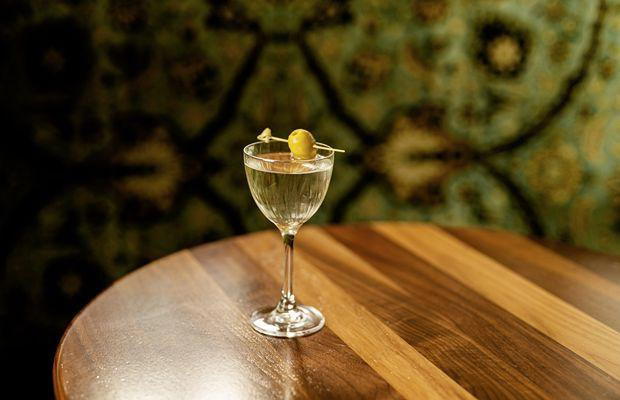
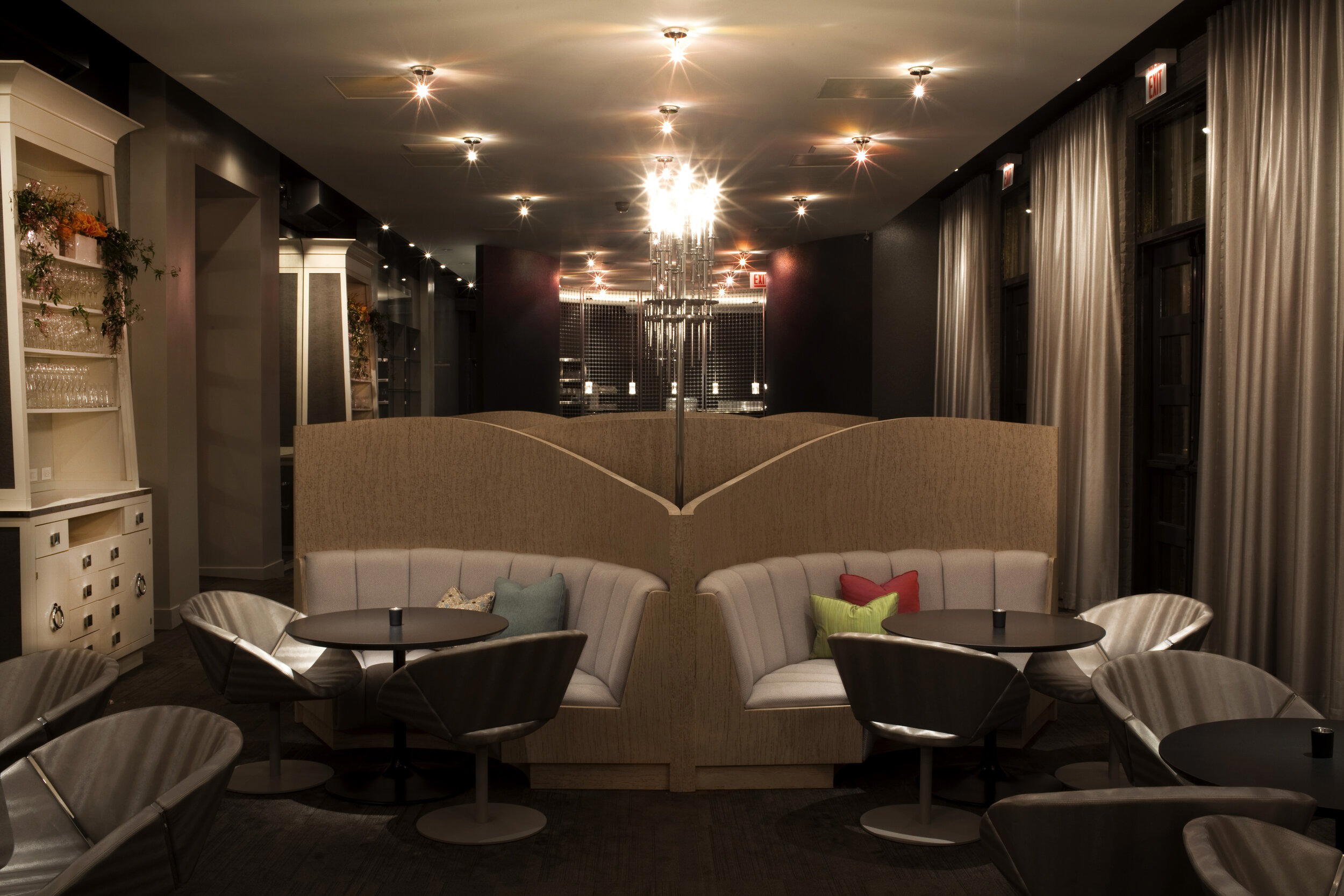
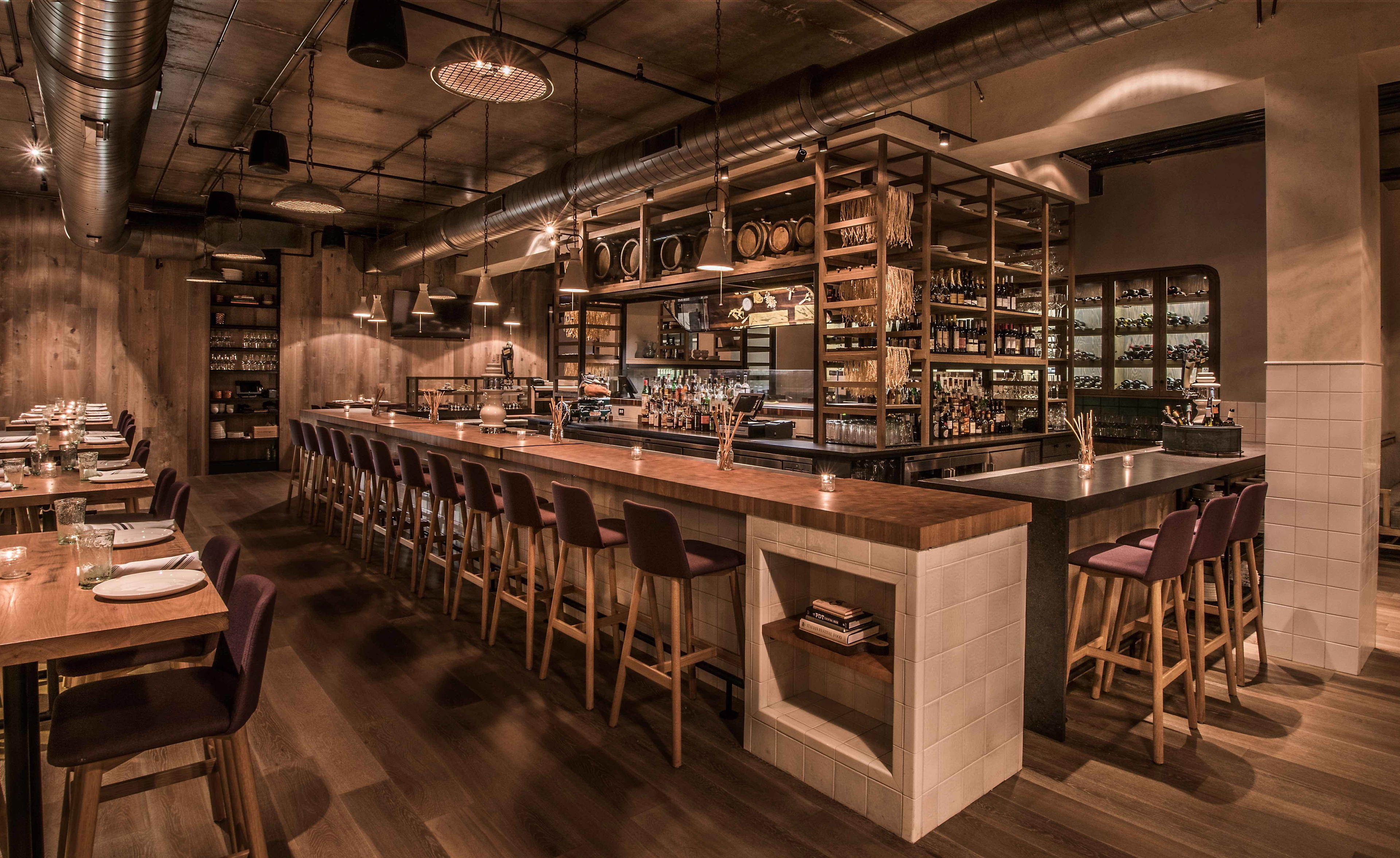
Moody urban edge with neon accents and lively, electric Tokyo street vibe.