Ithaki Estiatorio
On South Halsted Street in Chicago's Greektown, Ithaki Estiatorio sits within one of the few remaining concentrations of Greek dining in the American Midwest. The restaurant draws on Mediterranean sourcing traditions at a time when the Greektown corridor is reasserting itself as a destination rather than a footnote. For visitors comparing Chicago's Greek dining options, Ithaki is a reference point for the neighborhood's more considered end of the spectrum.
Pearl is the En Primeur Club membership app — saves, bookings, and concierge access live there. Same editors, same standards.
- Address
- 314 S Halsted St, Chicago, IL 60661
- Phone
- +13127419105
- Website
- ithakichicago.com
- Directions
- Get directions
 Saves & bookings on Pearl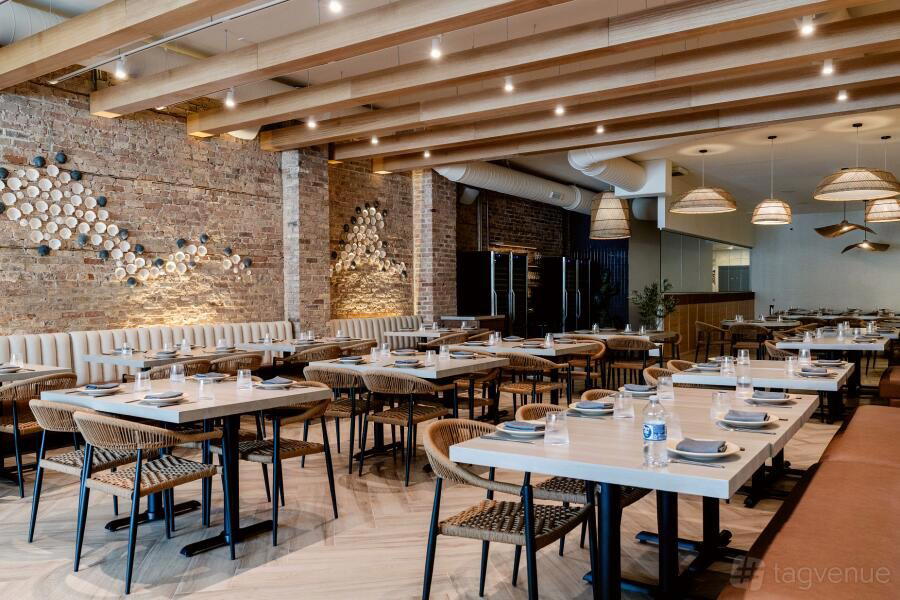
Greektown, South Halsted, and the Sourcing Question
South Halsted Street has carried Chicago's Greek dining identity for well over a century, outlasting the demographic shifts that have reduced many American ethnic dining corridors to a handful of holdouts. The blocks between Van Buren and Adams retain a critical mass of Greek restaurants, bakeries, and import shops that few other Midwestern cities can match. Within that corridor, the question that separates the serious Greek tables from the tourist-adjacent ones is sourcing: whether the kitchen treats Mediterranean ingredients as a marketing frame or as a working discipline. Ithaki Estiatorio, at 314 S Halsted St, Chicago, is a modern Greek seafood restaurant that sits in the category that takes the latter view more seriously than most of its immediate neighbors.
Greek cuisine's relationship with sustainability is structural rather than fashionable. The Mediterranean diet built its reputation on short supply chains, seasonal produce, olive oil pressed from named groves, and fish drawn from specific waters. These are not recent additions imported from the farm-to-table movement of the 2000s. They are the baseline assumptions of a cooking tradition that predates industrial food systems by millennia. What distinguishes contemporary Greek restaurants that hold to those assumptions is not novelty but fidelity, and fidelity is increasingly difficult to maintain at commercial scale in a landlocked Midwestern city.
How Greek Sourcing Translates in a Chicago Context
The practical challenge for any serious Greek table operating far from the Aegean is ingredient provenance. Olive oil, olives, dried legumes, and certain cheeses travel reliably. Fresh fish is the harder problem. The Greek-Mediterranean tradition prizes specific species, specific preparations, and specific textures that differ substantially from what a standard American seafood distributor stocks. Restaurants operating at the more considered end of the South Halsted corridor tend to work with specialty importers rather than broadline distributors, which affects both menu range and price positioning.
Across the broader American dining scene, the Greek restaurant category has been slow to attract the kind of scrutiny applied to, say, Japanese or French cuisine. That is changing. In New York, a tier of Greek restaurants has emerged that treats sourcing and technique with the rigor more commonly associated with Le Bernardin in New York City. Chicago's Greektown has not yet produced a direct equivalent, but Ithaki occupies the position on South Halsted where that conversation is most likely to begin. The neighborhood's other anchor restaurants compete primarily on volume and familiarity. Ithaki's positioning is closer to the estiatório model, the Greek term for a sit-down restaurant with a fixed, considered menu rather than a sprawling taverna spread.
The Sustainability Frame in Mediterranean Cooking
Greek culinary tradition offers a useful case study in pre-industrial sustainability. The reliance on legumes as protein sources, the whole-animal use in meat preparations, the vegetable-forward structure of the daily table, and the preservation techniques built around fermentation and drying all align with what contemporary sustainability discourse advocates. When a restaurant in this tradition sources with care, it is not grafting an external value system onto its menu. It is recovering what the tradition already contains.
This distinction matters when comparing Greek dining to other sustainability-focused restaurants in Chicago's wider fine-dining cohort. Places like Smyth and Oriole have built sustainability narratives around progressive American menus, with explicit sourcing credits and farm partnerships as part of their identity. Alinea operates in a different register altogether, with technique and concept as its primary currency. The Greek table's claim to ethical sourcing is older and less performative than any of these, but it is also less visible to diners who associate sustainability with modernist plating and seasonal menus printed with farmer names. Ithaki's opportunity is to make that older tradition legible to a Chicago dining public that has been educated to look for sustainability signals in contemporary American formats.
The broader American movement toward conscious sourcing has produced significant examples beyond Chicago. Blue Hill at Stone Barns in Tarrytown and Single Thread Farm in Healdsburg have set the benchmarks for farm-integrated dining in the United States. Lazy Bear in San Francisco and Providence in Los Angeles each frame sourcing through distinct regional lenses. The Greek dining tradition, at its most rigorous, belongs in that conversation, even if it rarely appears in it. South Halsted is not Healdsburg, and Ithaki is not operating with a dedicated farm. But the structural principles of Mediterranean sourcing share more with those destinations than their geographical and stylistic distance suggests.
Greektown's Position in Chicago's Dining Ecology
Chicago's restaurant scene is organized around several distinct dining cultures that rarely overlap. The progressive American tier, represented by Next Restaurant and Kasama, draws a different audience than the ethnic neighborhood corridors. Greektown has historically functioned as a destination for occasions tied to Greek-American community life, large-group dinners, and pre-theater meals for the United Center crowd. That audience is real and economically significant. It is also not the audience that tends to generate the critical attention that elevates a restaurant's regional profile.
The question for Ithaki, and for South Halsted's better Greek tables generally, is whether the corridor can attract the food-media attention that has been directed at Chicago's Asian dining scenes, at Atomix-style Korean fine dining in New York, or at the kind of Spanish and Portuguese cooking that has reshaped the conversation about European cuisines. Greek food's Mediterranean provenance connects it to olive oil cultures, wine traditions from ancient appellations, and a vegetable-forward approach that should resonate with current dining values. The translation requires a restaurant willing to make that case explicitly, through sourcing choices, menu framing, and the physical experience of the room.
For the wider context of serious American dining, including The French Laundry in Napa, Addison in San Diego, The Inn at Little Washington, Bacchanalia in Atlanta, and Emeril's in New Orleans, see our full Chicago restaurants guide for comparative context across the city's dining tiers. For Hong Kong's comparable Mediterranean-adjacent fine dining, 8 1/2 Otto e Mezzo Bombana offers a useful reference point for how Mediterranean traditions perform at the summit of an international market.
Know Before You Go
Know Before You Go
- Address: 314 S Halsted St, Chicago, IL 60661
- Neighborhood: Greektown, Near West Side
- Cuisine: Greek / Mediterranean estiatório format
- Leading Season to Visit: Late spring and early fall, when Mediterranean produce imports align most closely with seasonal availability and the Halsted corridor is most active
- Getting There: The Blue Line (UIC-Halsted station) places the restaurant within a short walk; street parking is available on side streets off Halsted
- Booking: Reservations are recommended.
- Whole grilled fish
- Pork souvlaki
- Moussaka
- Saganaki
- Grilled langoustines
- Spanakopita
Comparable Spots
Comparable venues nearby, for context on price, style, and recognition.
| Venue | Cuisine | Price | Notes |
|---|---|---|---|
| Ithaki EstiatorioThis venue — the venue you are viewing | Modern Greek Seafood | $$$ | Not listed |
| Athenian Room | Authentic Greek | $$ | Lincoln Park |
| Avli River North | Modern Greek | $$$ | River North |
| Prosecco | Contemporary Regional Italian | $$$ | River North Gallery District |
| Miss Ricky's | Modern Italian Gastropub | $$$ | Loop |
| Mariposa at Neiman Marcus - Michigan Avenue | Contemporary American | $$$ | Magnificent Mile |


At a Glance
- Elegant
- Modern
- Romantic
- Scenic
- Date Night
- Group Dining
- Special Occasion
- Celebration
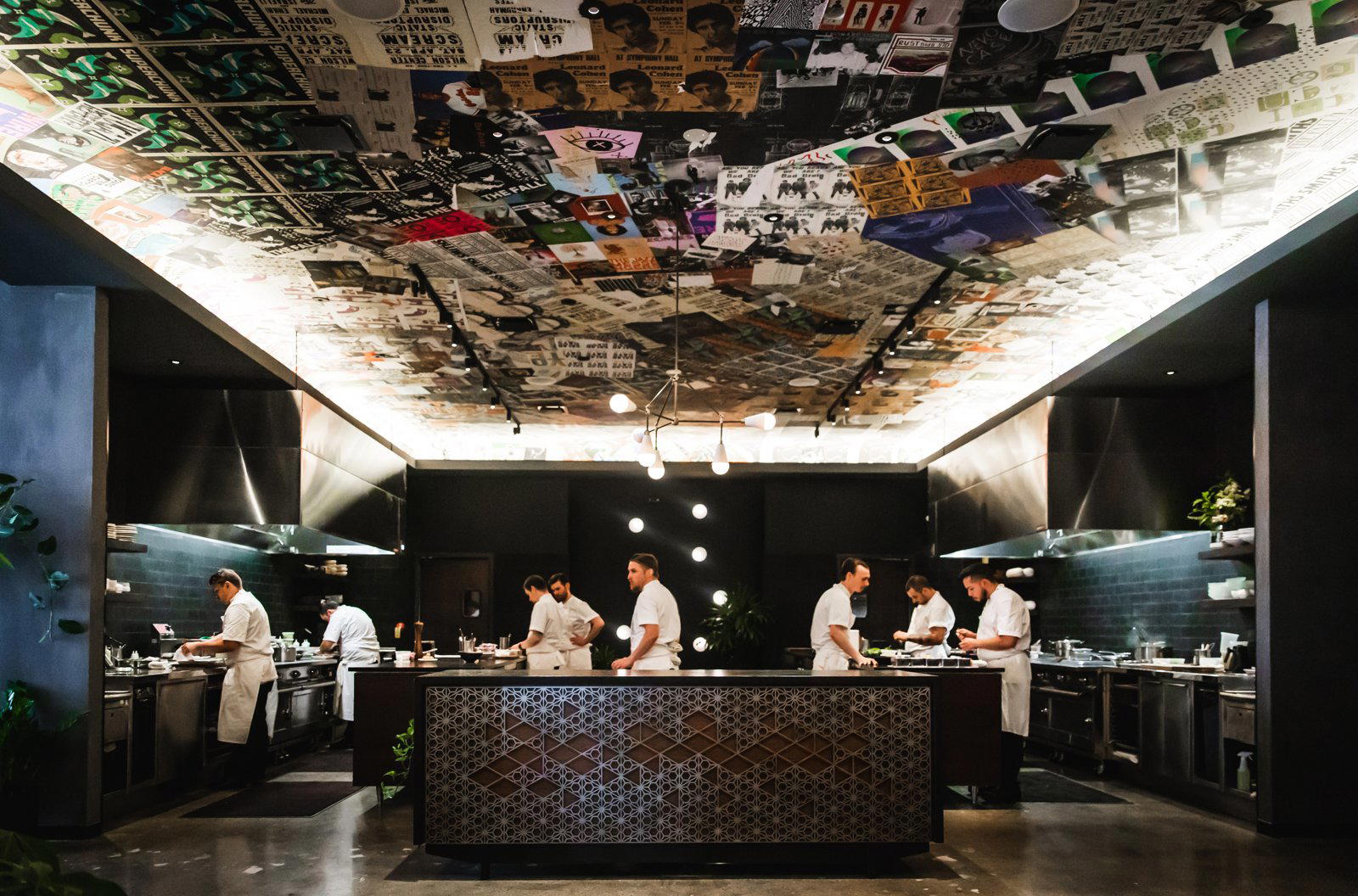
- Open Kitchen
- Terrace
- Design Destination
- Standalone
- Extensive Wine List
- Local Sourcing
- Sustainable Seafood
- Street Scene
Current opening hours
- Monday
- 4–9 PM
- Tuesday
- 4–9 PM
- Wednesday
- 4–9 PM
- Thursday
- 4 PM–12 AM
- Friday
- 4 PM–12 AM
- Saturday
- 4 PM–12 AM
- Sunday
- 4–9 PM
Hours can change for holidays and private events. Last verified .
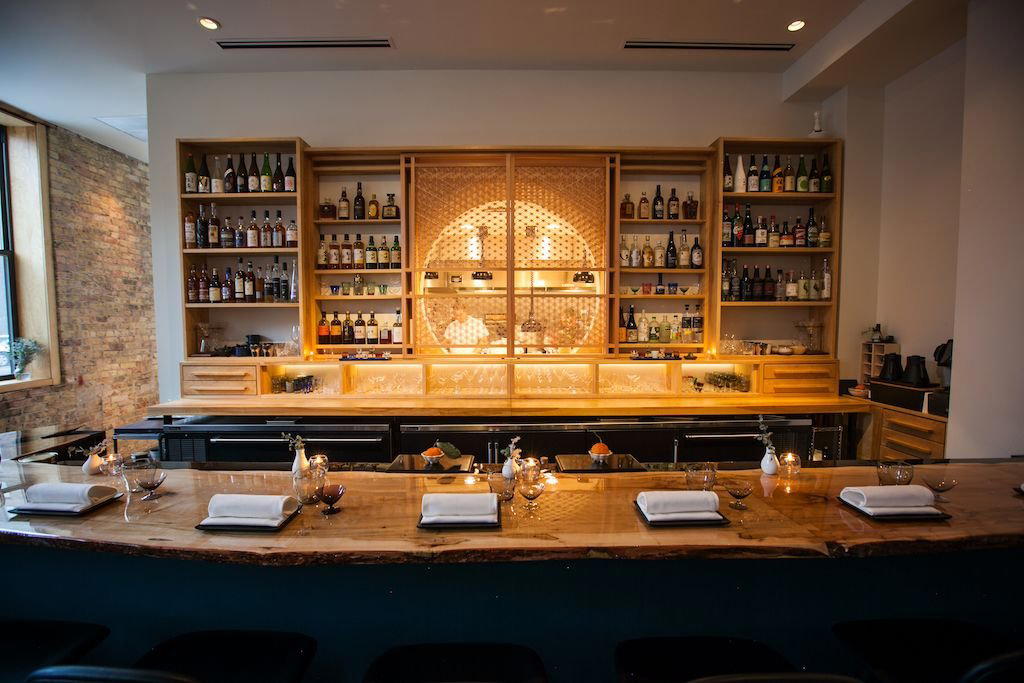
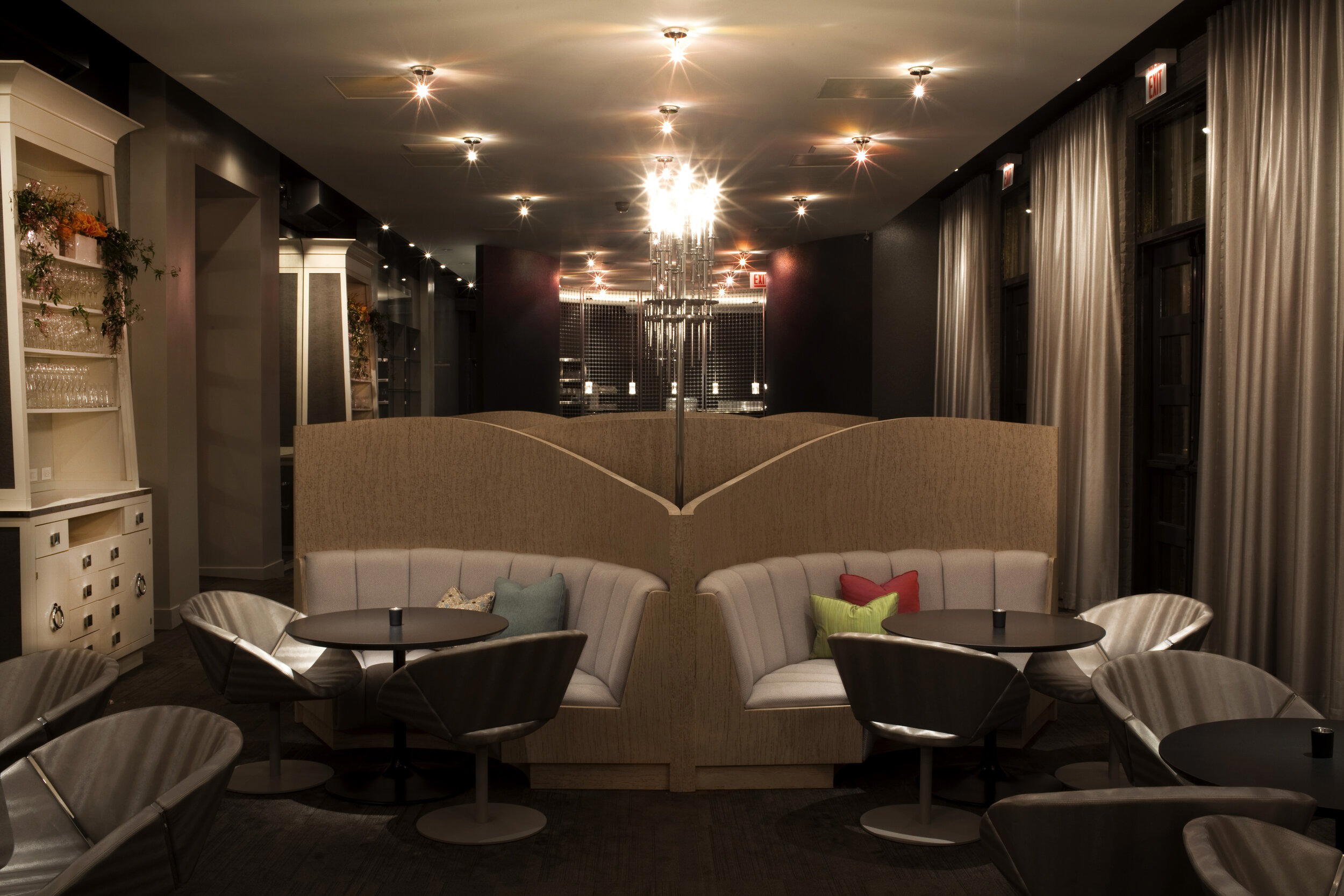
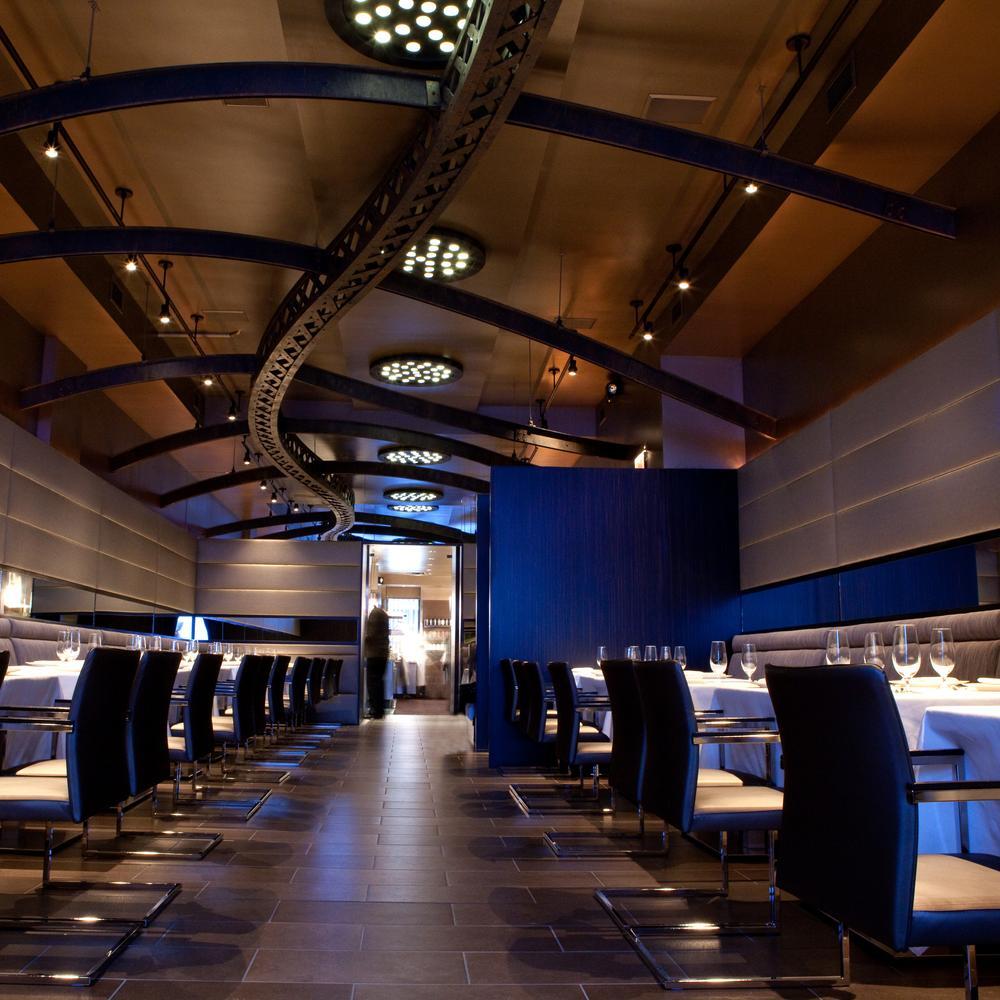
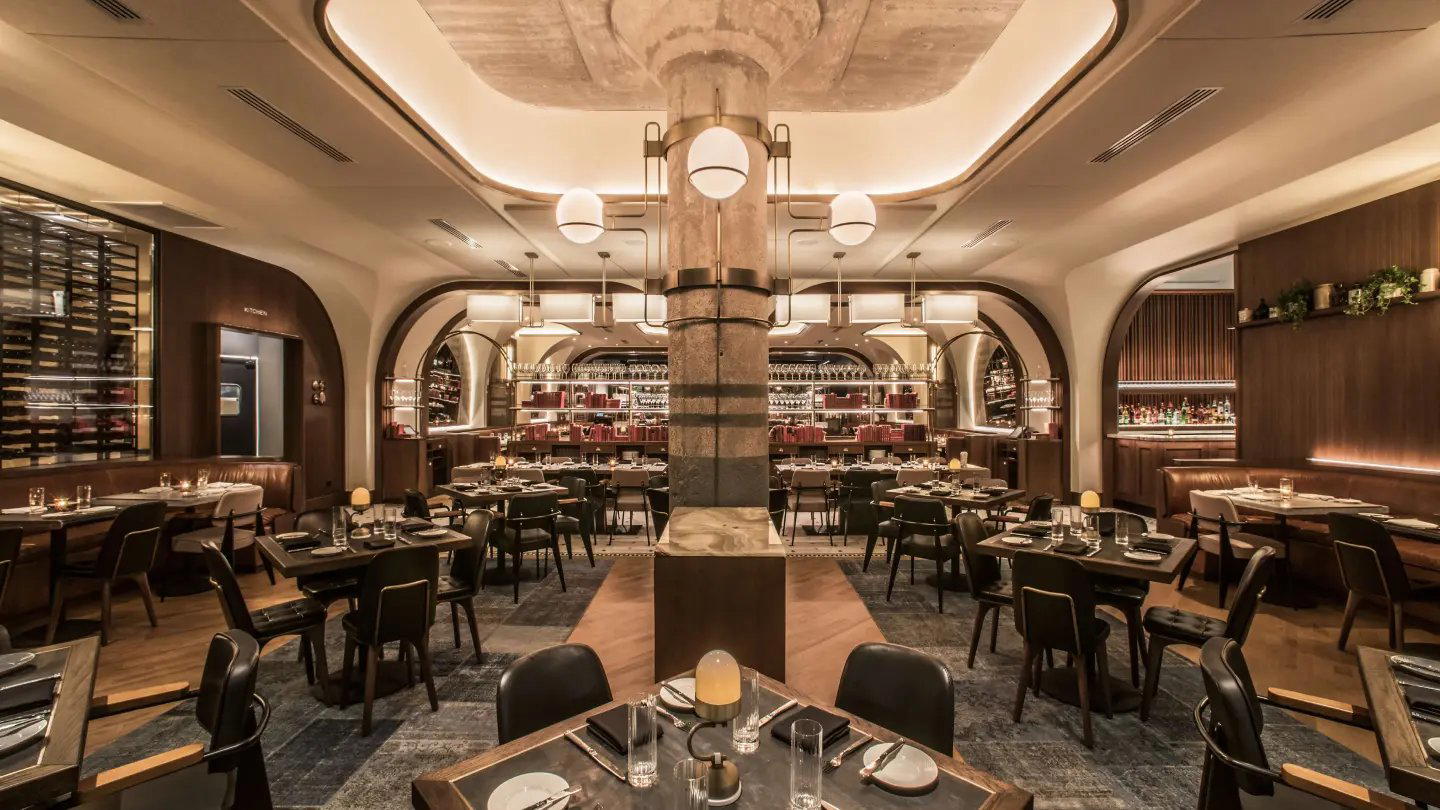
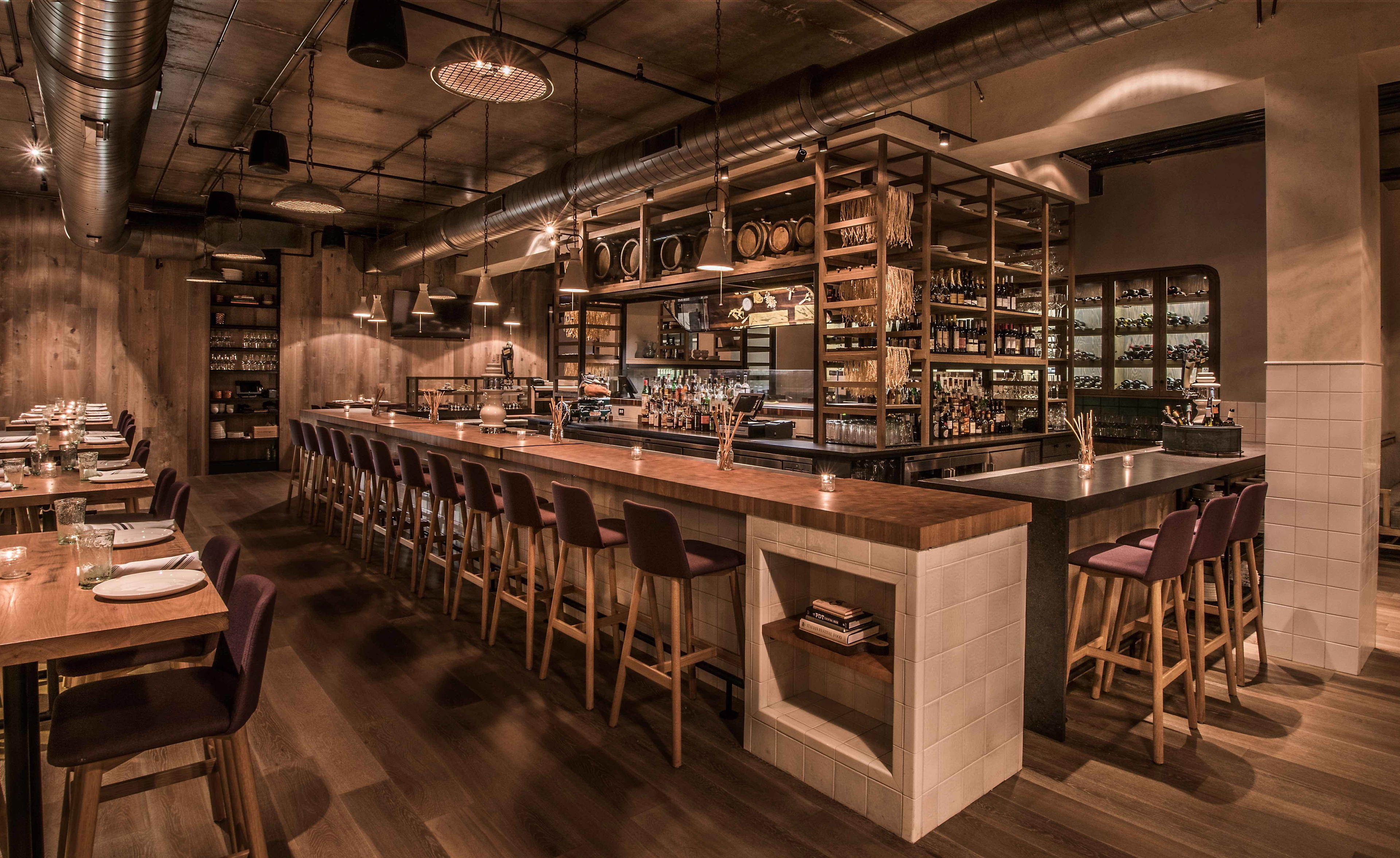
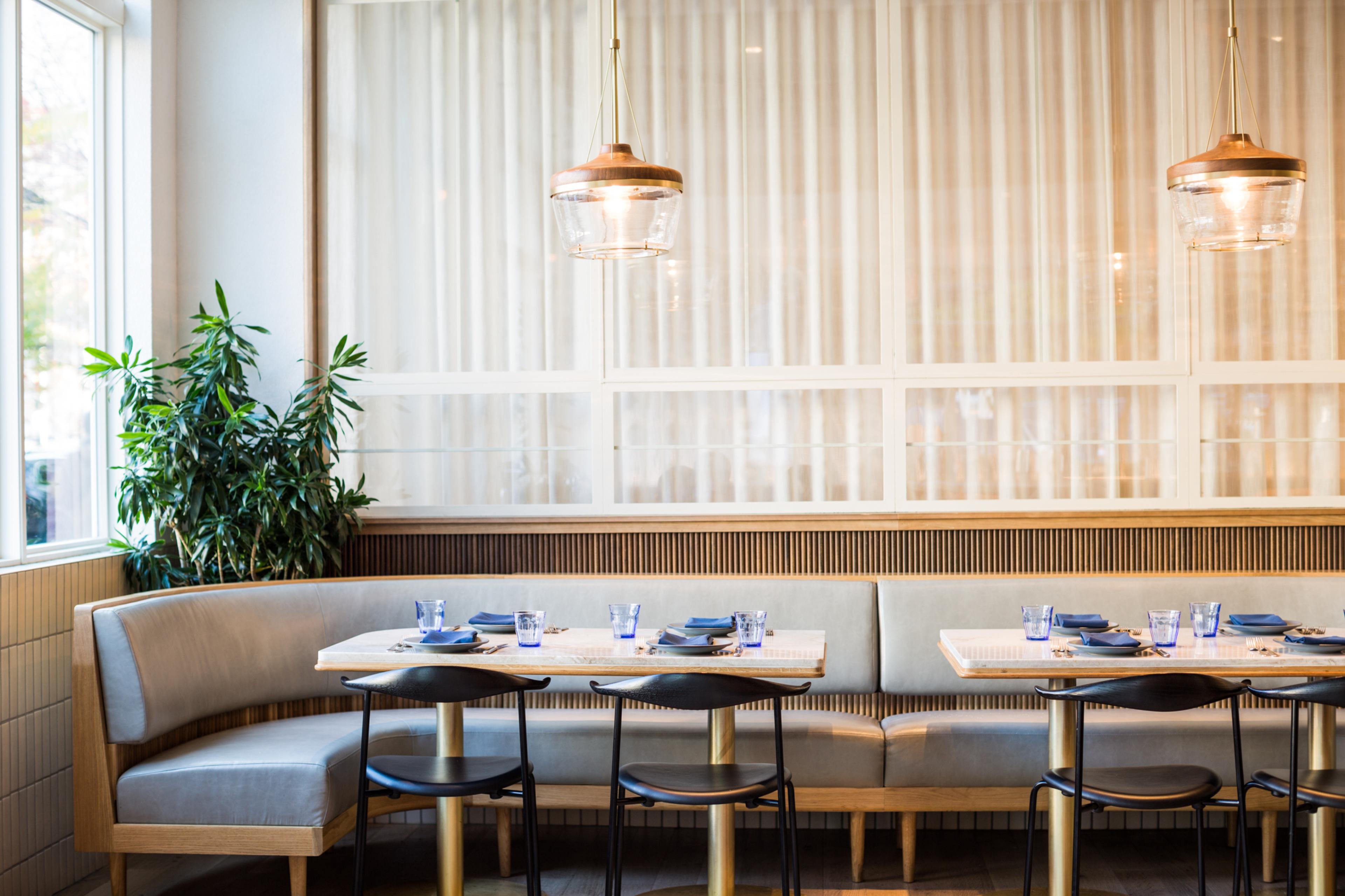
Warm lighting with island-inspired design, polished yet approachable atmosphere with breeze from floor-to-ceiling windows opening onto the street.