Google: 4.5 · 404 reviews
Tante Kee
.png)
On the small island village of Kaag in the Dutch lake district, Tante Kee holds consecutive Michelin Plate recognition (2024 and 2025) for modern cuisine that draws from the water and farmland surrounding it. At the €€€ price tier, it occupies a distinct position in the Dutch fine-dining register: formally recognised but grounded in a rural setting that larger city restaurants rarely replicate.
 Discover on Pearl
Pearl is the En Primeur Club membership app — saves, bookings, and concierge access live there. Same editors, same standards.
Where the Kaag Waterways Meet the Kitchen
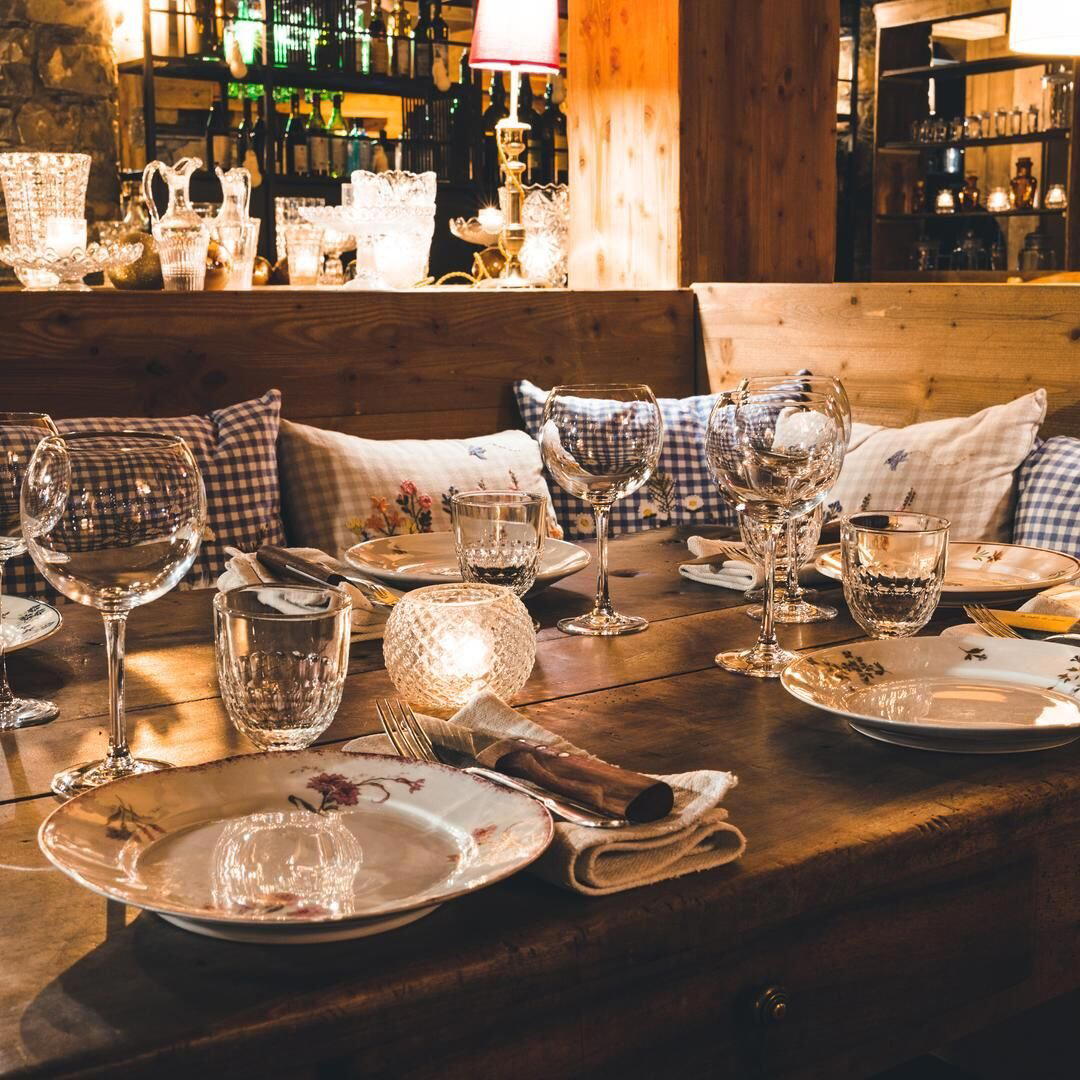
Arriving in Kaag requires a deliberate choice. The village sits on an island in the Kagerplassen, the lake system that spreads across South Holland between Leiden and Haarlem, and reaching it means crossing by small ferry or bridge from the mainland. That geographic isolation is not incidental to what Tante Kee represents in the Dutch dining scene. Restaurants that take root in places this removed from urban foot traffic tend to do so because the setting itself justifies the detour, and in the Kagerplassen, that means proximity to the water, to polderland agriculture, and to a seasonal rhythm that urban kitchens can only approximate. Tante Kee, addressed at Julianalaan 14 on this compact island, operates inside that logic.
The approach along Kaag's narrow lanes, with reeds and open water visible between low houses, sets an expectation that the kitchen either honours or squanders. At the €€€ price tier, positioned a clear step below the €€€€ bracket occupied by peers such as De Librije in Zwolle or Aan de Poel in Amstelveen, Tante Kee makes a case for modern cuisine without the escalation in price that marks the fine-dining tier.
What Michelin Plate Recognition Signals Here
The Michelin Plate, awarded for 2024 and again for 2025, is a signal of consistent quality. It confirms that inspectors have assessed the kitchen and found the cooking to meet a standard of quality worth flagging to travellers, without yet reaching the star threshold. In the context of a small island village restaurant in the Dutch lake district, consecutive Plate recognition across two years carries a particular weight: it means the quality is consistent, not incidental. For the broader Dutch dining map, this places Tante Kee among regionally rooted restaurants that Michelin tracks alongside better-known urban and coastal addresses.
For context: the Netherlands' Michelin-recognised restaurant network extends across geographies that many visitors overlook, from De Groene Lantaarn in Staphorst to Brut172 in Reijmerstok. Tante Kee's placement within this network of destination restaurants, each requiring a deliberate journey, reflects a wider pattern in Dutch fine dining: quality has dispersed well beyond the Randstad.
Sourcing in a Water-Edged Landscape
The ingredient logic of a restaurant in the Kagerplassen is geographically specific. The lake system supports freshwater fish, and the surrounding polderland has historically supplied the dairy, vegetables, and herbs that define the regional larder. Modern cuisine at this level, particularly in a lakeside setting, tends to align kitchen identity with what the immediate environment yields, not as a marketing posture but because access to daily-fresh local product is a practical advantage that city restaurants at similar price points cannot replicate.
This sourcing proximity is part of the appeal of restaurants like Tante Kee in a way it isn't for their urban counterparts. A kitchen a short distance from open water and working farms operates with shorter supply chains by default. What arrives at the table reflects a regional specificity that the broader Dutch fine-dining conversation, often anchored to Amsterdam addresses like Ciel Bleu or to organic-led approaches like De Nieuwe Winkel in Nijmegen, approaches differently. Rural lakeside restaurants work from what is close at hand, and the finest of them turn that constraint into a kitchen identity.
Comparable rural precision can be found at De Lindenhof in Giethoorn, another Michelin-recognised address in a Dutch water-village setting, or at Inter Scaldes in Kruiningen, where the Zeeland estuary defines the ingredient palette as thoroughly as the cooking technique. Tante Kee operates within that same pattern: the geography is not backdrop, it is supply chain.
Positioning in the Dutch Modern Cuisine Tier
At €€€, Tante Kee occupies a pricing tier shared by a smaller number of Michelin-noticed Dutch restaurants. Many of the country's recognised modern cuisine addresses operate at €€€€, making the Tante Kee price point a more accessible entry into recognised-quality modern Dutch cooking. For a comparable price tier and cuisine classification, De Swarte Ruijter in Holten offers a useful parallel: €€€, modern cuisine, Michelin-tracked, in a non-urban Dutch setting.
The contrast with heavier investment addresses is instructive. Restaurants like Fred in Rotterdam or De Bokkedoorns in Overveen operate at the higher tier, where tasting menus carry significantly larger per-head costs. Tante Kee's recognition at one bracket below suggests a kitchen delivering meaningfully above its price ceiling, which is precisely the condition that earns and retains Michelin attention at the Plate level year after year.
International visitors familiar with Michelin-recognised modern cuisine at the €€€ tier in other European cities, Borkonyha Winekitchen in Budapest is a useful comparative reference, will find Tante Kee occupies a similar quality-to-price position, though the Dutch lake-district setting makes the journey itself part of what is on offer.
Planning a Visit to Kaag
Kaag is reachable from Leiden in under 15 minutes by car, and from Amsterdam the drive runs roughly 40 minutes south-west. Given the island's limited scale, dining at Tante Kee works well as a deliberate half-day or evening excursion rather than a stop on a dense itinerary. The village has no significant hotel stock, so most visitors overnight in Leiden or along the broader South Holland corridor. For those spending more time in the region,
Booking in advance is the practical requirement for any Michelin-noticed restaurant in a setting with limited capacity. The Google review volume, 404 reviews at 4.5 stars, confirms that Tante Kee draws consistent visitor traffic, which at a small island venue translates directly to competition for tables, particularly on weekends and through the warmer lake-district season from late spring to early autumn. Arriving in summer, when the Kagerplassen fills with sailing traffic and the days are long, adds a dimension to the meal that is specific to this geography. Arriving in winter, when the village is quieter and the water grey, offers a different but equally deliberate kind of experience.
How It Stacks Up
Comparable venues nearby, for context on price, style, and recognition.
| Venue | Cuisine | Price | Awards |
|---|---|---|---|
| Tante KeeThis venue — the venue you are viewing | Modern Cuisine | €€€ | Michelin Plate (2025); Michelin Plate (2024) |
| De Librije | Modern Cuisine | €€€€ | Michelin 3 Star |
| Aan de Poel | Creative | €€€€ | Michelin 2 Star |
| De Lindehof | Contemporary Dutch, Creative | €€€€ | Michelin 2 Star |
| Fred | Creative French | €€€€ | Michelin 2 Star |
| De Nieuwe Winkel | Organic | €€€€ | Michelin 2 Star |
Continue exploring
More in Kaag
Restaurants in Kaag
Browse all →
Bars in Kaag
Browse all →
Hotels in Kaag
Browse all →
At a Glance
- Scenic
- Cozy
- Elegant
- Romantic
- Intimate
- Date Night
- Business Dinner
- Special Occasion
- Waterfront
- Terrace
- Extensive Wine List
- Sommelier Led
- Local Sourcing
- Organic
- Waterfront
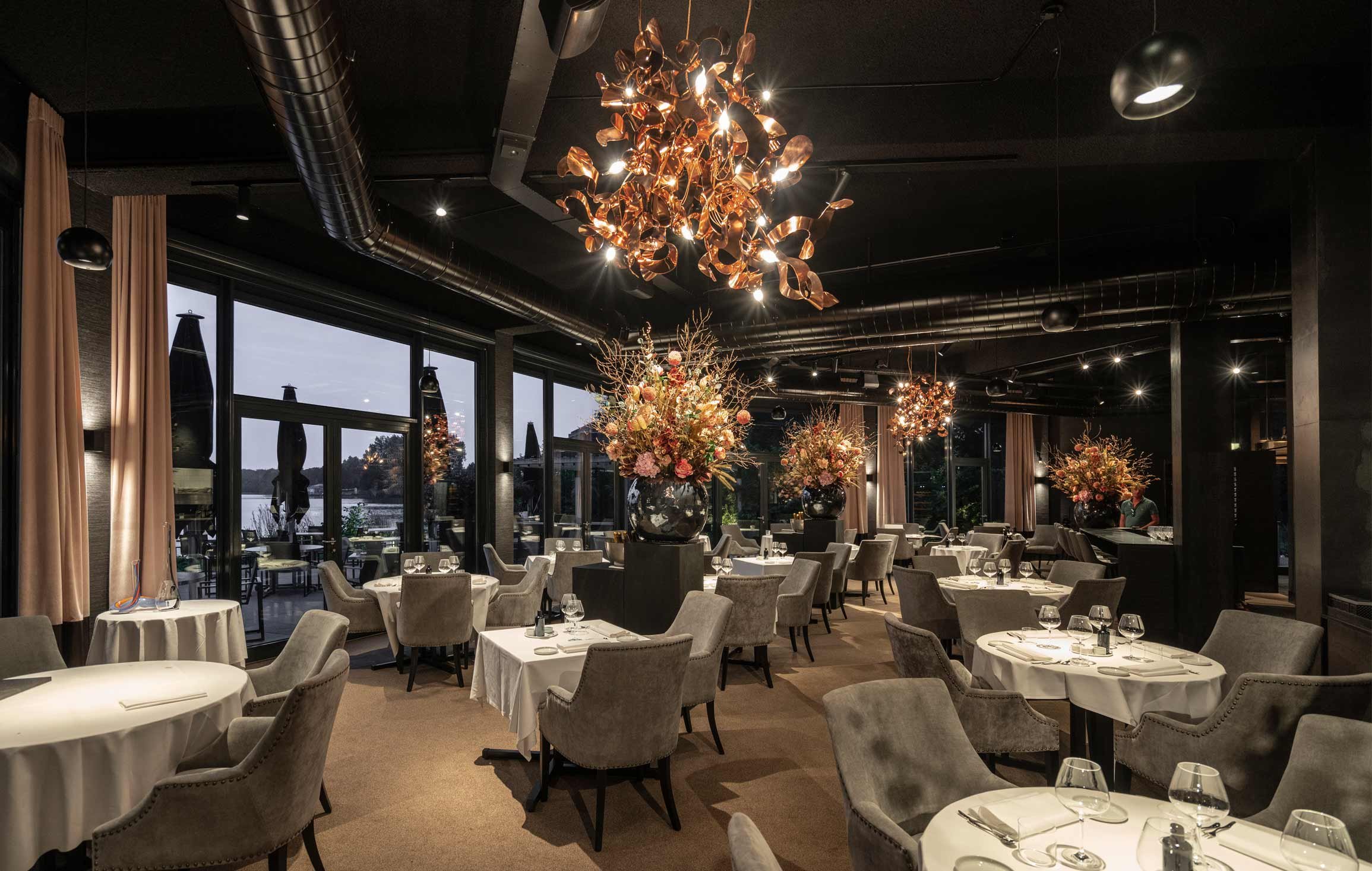
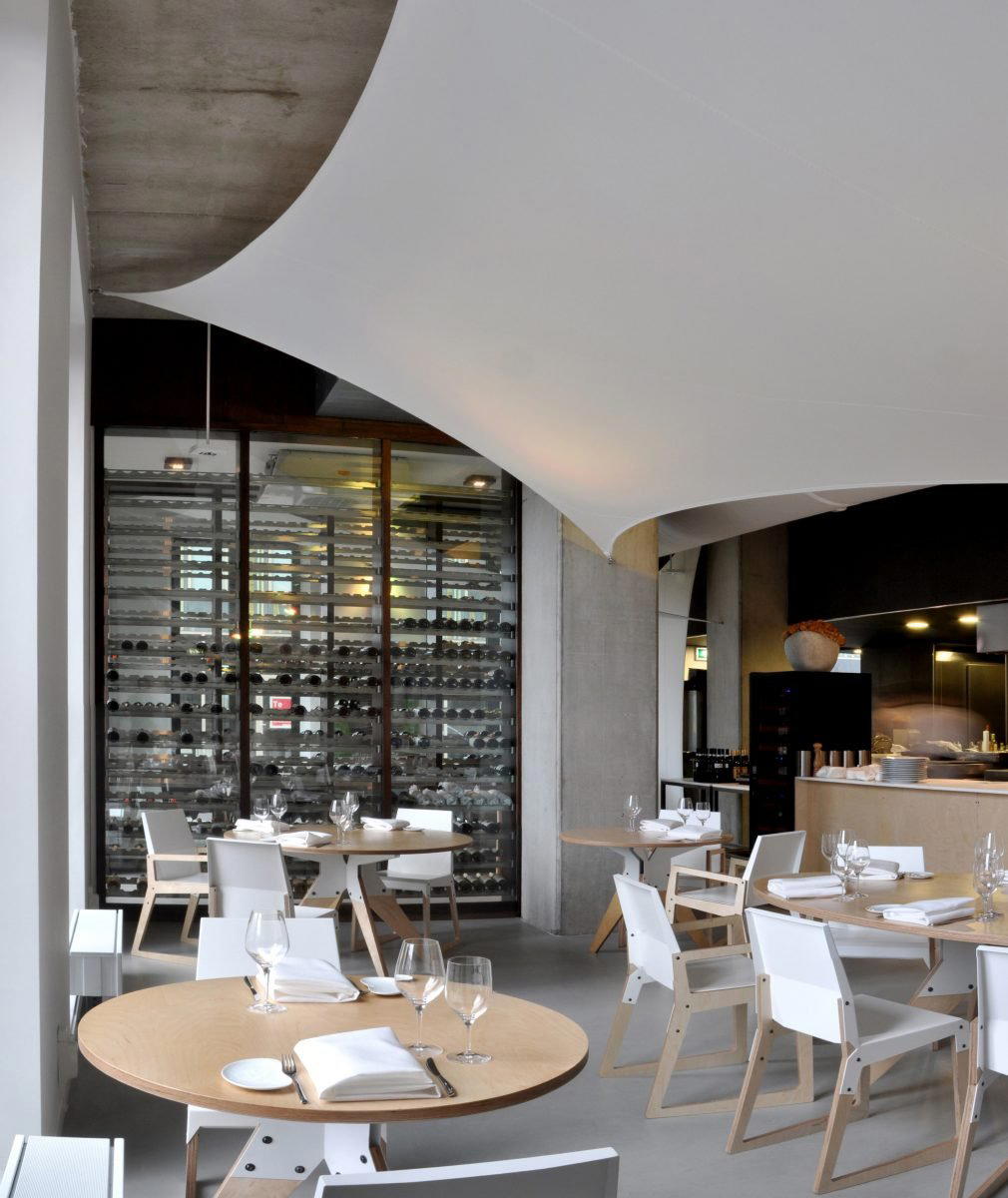
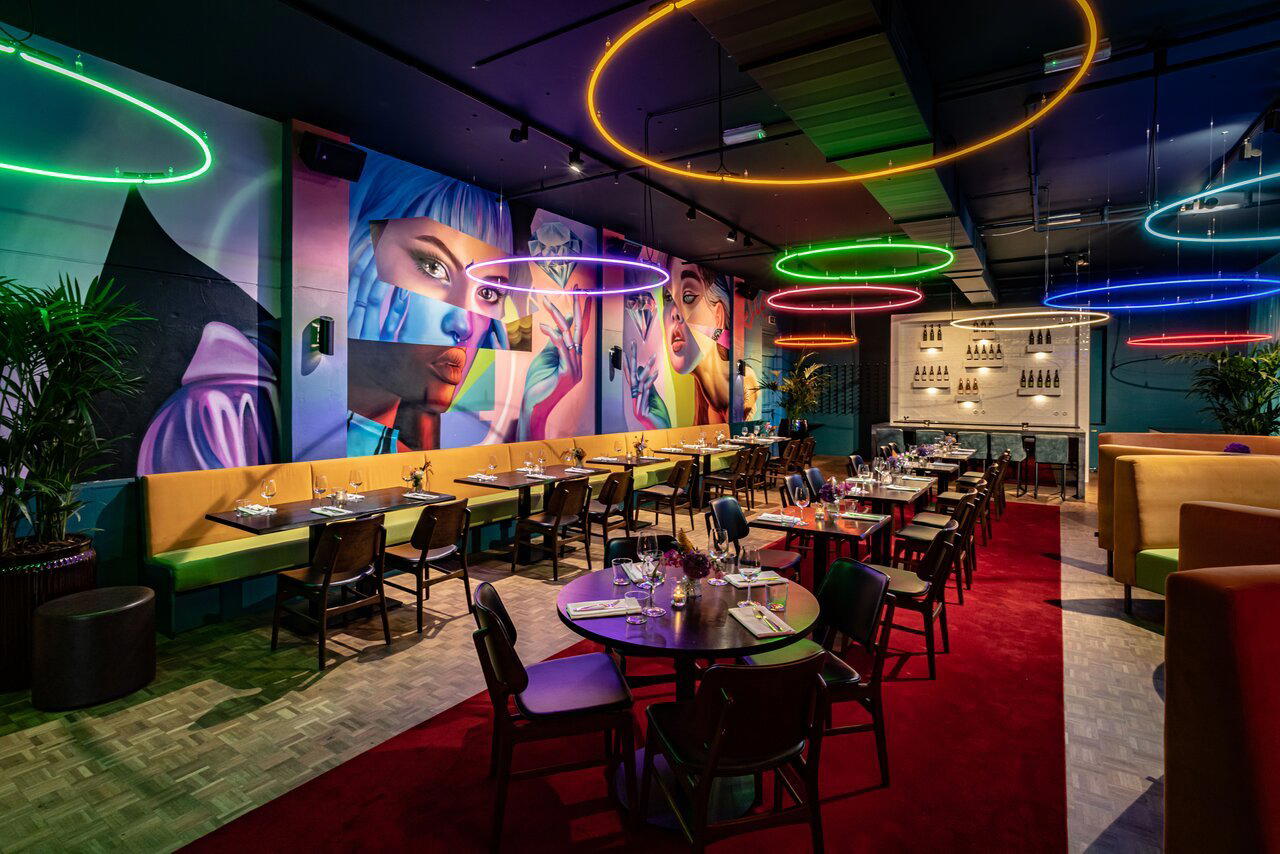
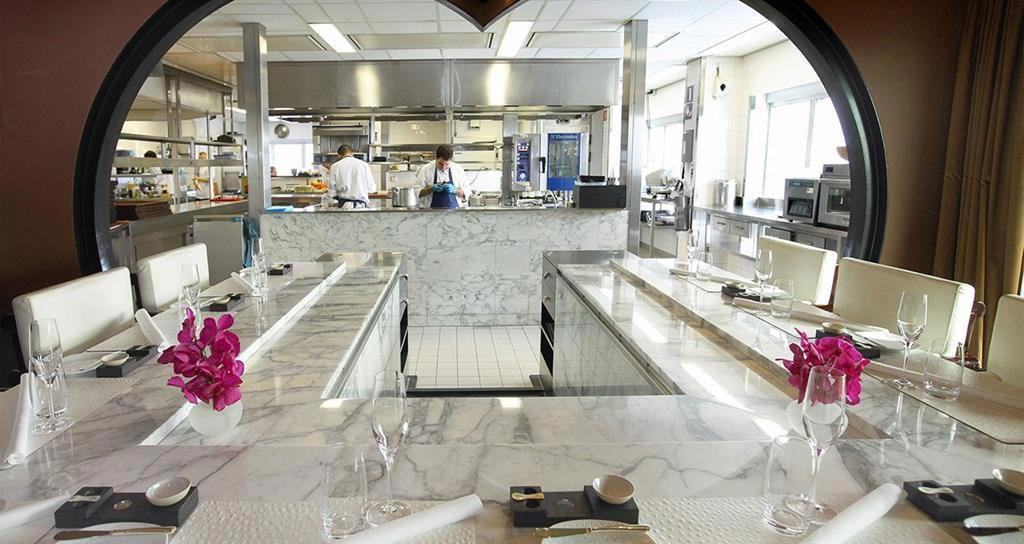
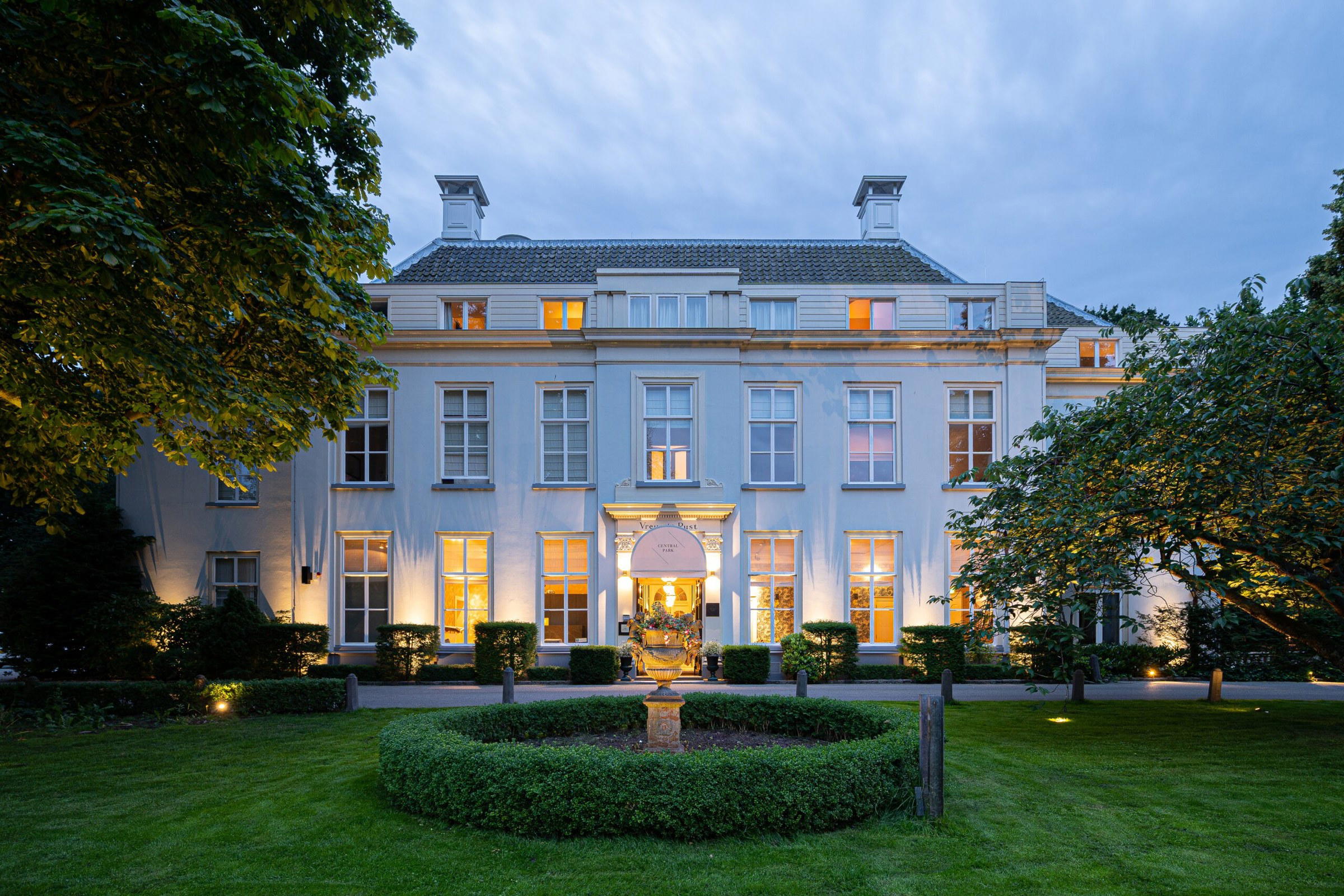
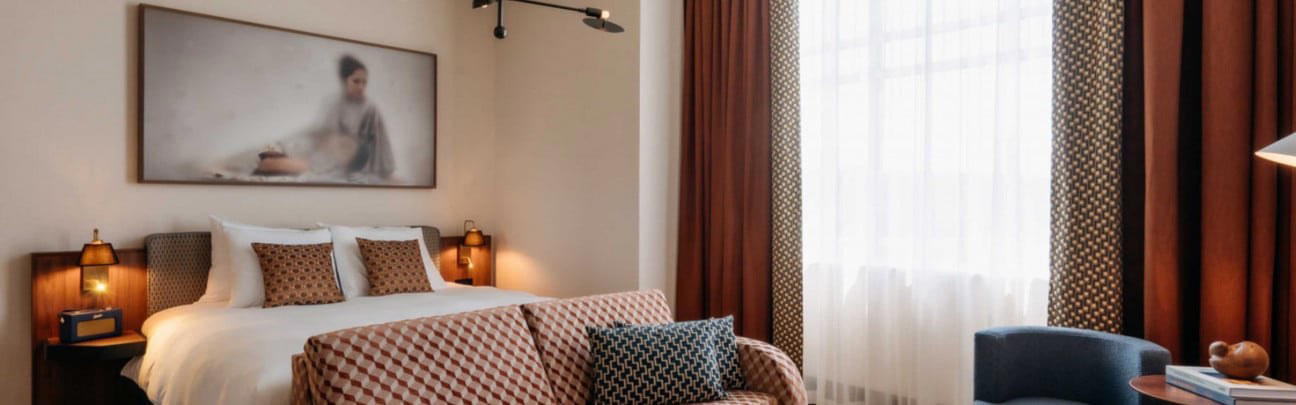
Stylish modern interior with light design; magical outdoor terrace atmosphere overlooking the lake with boats mooring beside it.