Michelin Bib Gourmand
Our verdict
Tang Jai Yang in Bang Kho Laem built its following the way most Bangkok institutions do: through repetition, word of mouth, and a single dish executed with uncommon consistency. The price point sits at the lowest tier, making it one of Bangkok's more accessible Thai-Chinese addresses.

Pearl is the En Primeur Club membership app, where members save venues, book tables and use the concierge.
The menu
What to order
- Khao Moo Daeng (roasted pork rice)
- Charcoal Grilled Red Pork with Fried Egg Rice
- Red Pork Noodles
- Tang Jai Yang Platter
Chan Road and the Logic of the Single-Dish Kitchen
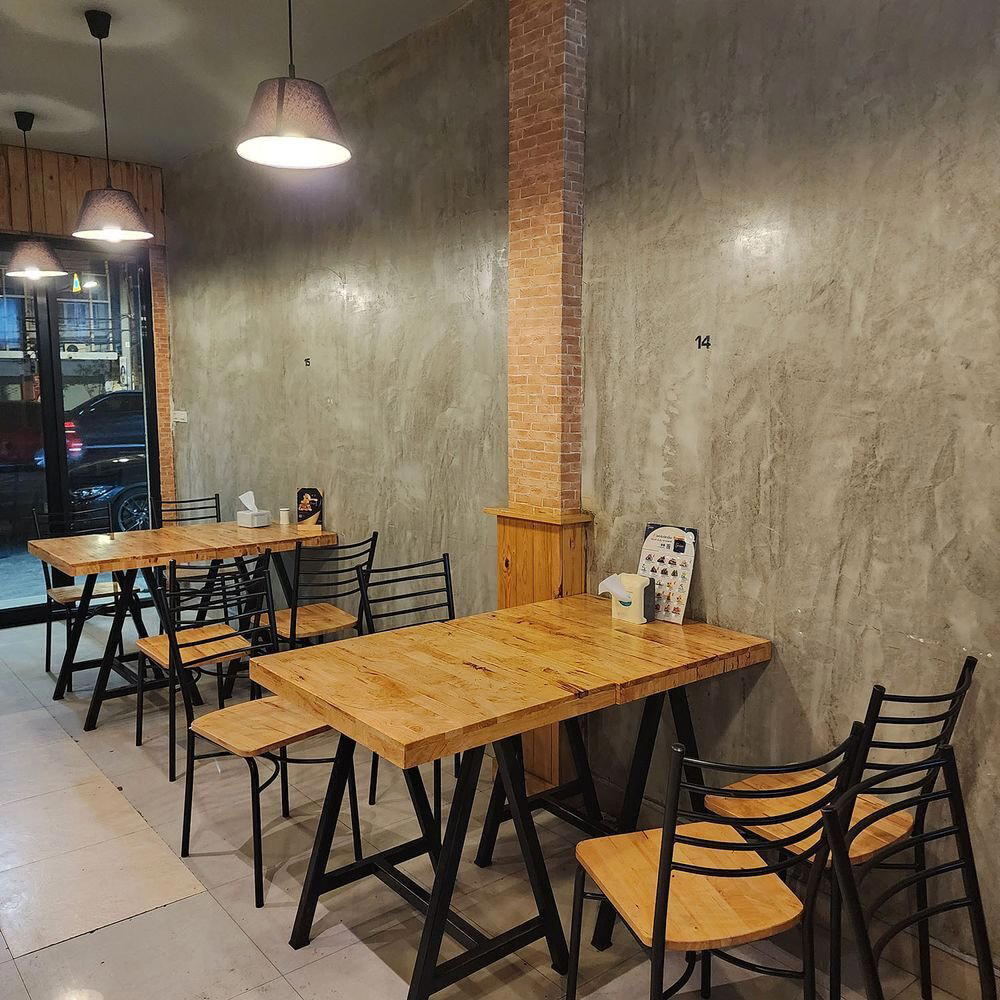
Bang Kho Laem sits on the east bank of the Chao Phraya, south of the Silom corridor, in a neighbourhood that most visitors pass through rather than stop in. The area has long supported a working Thai-Chinese community, and the food culture along its lanes reflects that: shophouse counters, early hours, menus built around one or two things done repeatedly and well. Chan Road, where Tang Jai Yang occupies an understated space at number 171, fits that pattern exactly. Nothing about the approach signals destination dining. That is, in part, the point.
The Thai-Chinese kitchen in Bangkok has always operated on a different set of priorities than the tasting-menu tier. Where restaurants like Sorn or Baan Tepa demand planning, pre-payment, and weeks of lead time, the shophouse format demands only that you arrive early enough to beat the queue. The value exchange is different. So is the register of loyalty it produces.
Char Siu as Anchor and Organising Principle
Cantonese-style barbecue pork, char siu, is one of the most replicated dishes across Southeast Asia's Chinese diaspora communities. The range between a forgettable version and a memorable one is wide: fat distribution, marinade balance, caramelisation at the edges, resting time. Bangkok has no shortage of competent char siu, but the dish that circulated online before Tang Jai Yang existed as a physical restaurant was specific enough to build a following before the kitchen had a door to open.
That origin matters to understanding what regulars are returning for. The place did not open to serve a broad Thai-Chinese menu that happens to include char siu. It opened because the char siu itself created demand. The result is a menu architecture that keeps the pork central across nearly every dish, which reduces the decision burden for first-timers and reinforces the kitchen's identity with each visit. Among Bangkok's Thai-Chinese addresses, this kind of single-product focus is relatively uncommon at the shophouse tier. Places like Kor Chun Huad and Por. Pochaya operate with broader menus; Tang Jai Yang's narrower scope is a deliberate constraint, not a limitation.
What the Regulars Know
It does not reflect aspirational dining or occasion-based visits. It reflects repeat customers who have enough investment in the place to leave a review, and who return often enough to have opinions worth sharing. That pattern is common to Bangkok's most resilient neighbourhood restaurants: the audience is local, consistent, and not easily impressed by novelty.
At Tang Jai Yang, the unwritten menu knowledge that regulars carry is less about secret dishes and more about sequencing and portion logic. When a kitchen organises itself around one primary ingredient, experienced visitors tend to develop strong preferences about preparation style: how much char on the exterior, the ratio of lean to fat, which accompanying element leading offsets the sweetness of the glaze. The Thai-Chinese barbecue tradition allows for these distinctions, and a restaurant that has generated the kind of word-of-mouth Tang Jai Yang did before it opened will attract exactly the audience most likely to care about them.
For context across the Thai-Chinese category elsewhere in Thailand, Baan Heng in Khon Kaen and Heng Khao Moo Daeng in Surat Thani represent how this culinary tradition scales across Thai cities outside Bangkok, each shaped by regional ingredient availability and local community preferences. The Bangkok iteration at Tang Jai Yang sits within that wider tradition while being specific to the capital's appetite for viral-origin shophouse dining.
Bang Kho Laem in the Wider Bangkok Food Picture
Bangkok's serious eating is not evenly distributed. The city's most-discussed restaurants cluster in Silom, Sukhumvit, the old town around Yaowarat, and increasingly in the inner suburbs. Bang Kho Laem is adjacent to but not inside those circuits. What that means practically is that a visit to Tang Jai Yang involves a deliberate detour rather than a walk from a hotel or a stop between other bookings. The neighbourhood rewards that detour with the kind of eating that does not exist in higher-rent districts: focused, affordable, and shaped by the people who live nearby rather than by tourism flows.
Other Bangkok addresses operating in a comparable register include Chop Chop Cook Shop and Jok's Kitchen in Pom Prap Sattru Phai, both of which represent the same logic of neighbourhood-anchored cooking at accessible price points. For seafood in the adjacent Bang Rak area, Somboon Seafood offers a different scale and register but shares the riverfront district's broader character.
For those building a longer Bangkok itinerary, our full Bangkok restaurants guide maps the city across price tiers and cuisines. Complementary planning resources include our Bangkok hotels guide, bars guide, and experiences guide.
Planning a Visit
| Venue | Cuisine | Price Tier | Neighbourhood | Format |
|---|---|---|---|---|
| Tang Jai Yang (Bang Kho Laem) | Thai-Chinese (char siu focus) | ฿ | Bang Kho Laem | Shophouse, walk-in |
| Kor Chun Huad | Thai-Chinese | ฿-฿฿ | Bangkok | Shophouse |
| Por. Pochaya | Thai-Chinese | ฿-฿฿ | Bangkok | Shophouse |
| Somboon Seafood (Bang Rak) | Thai Seafood | ฿฿ | Bang Rak | Full-service |
Tang Jai Yang is located at 171 Chan Road, Wat Phraya Krai, Bang Kho Laem, Bangkok 10120. Given the viral-origin demand and the neighbourhood's limited walk-in traffic from tourists, arriving outside peak lunch hours is the lowest-friction approach. The price tier is the lowest available, making this one of the most accessible Thai-Chinese addresses in the city by cost.
For broader Thai context beyond Bangkok, AKKEE in Pak Kret, PRU in Phuket, Aeeen in Chiang Mai, Agave in Ubon Ratchathani, and Angeum in Phra Nakhon Si Ayutthaya represent the range of the country's dining offer at different price and format tiers.
Frequently asked questions
What cuisine category does Tang Jai Yang (Bang Kho Laem) fall under?
What distinctions does Tang Jai Yang (Bang Kho Laem) have?
Tang Jai Yang (Bang Kho Laem) has received recognition including: Tang Jai Yang’s chef started cooking char siu, or Cantonese-style barbecue pork, for family and friends before selling it online. There, it went viral, so he opened this understated place. Since almost every dish on the menu contains the su….
What dish is Tang Jai Yang (Bang Kho Laem) famous for?
Char siu, Cantonese-style barbecue pork, is the kitchen's organising principle. The chef built a following selling it online before opening the Chan Road shop, and virtually every dish on the menu is built around it.
How much does it cost to eat at Tang Jai Yang (Bang Kho Laem)?
Pricing at Tang Jai Yang (Bang Kho Laem) is listed as ฿.
Where exactly is Tang Jai Yang (Bang Kho Laem)?
Tang Jai Yang (Bang Kho Laem) is located at 171 Chan Rd, Wat Phraya Krai, Bang Kho Laem, Bangkok 10120, Thailand, Bangkok.
What's the best way to book Tang Jai Yang (Bang Kho Laem)?
No phone number or website is listed in the public record which is common for walk-in operations in Bang Kho Laem. Arriving early is the practical approach, particularly at peak lunch hours when the char siu sell-out risk is highest at a kitchen operating at ฿ price-tier volumes.
Booking and Cost Snapshot
A small set of peers for context, based on recorded venue fields.
| Venue | Cuisine | Price | Awards | Notes |
|---|---|---|---|---|
| Tang Jai Yang (Bang Kho Laem)This venue (the venue you are viewing) | Cantonese Charcoal-Grilled Barbecued Pork | $1–10 | Michelin Bib Gourmand | Not listed |
| Sorn | Fine Southern Thai | $200–300 | 3 Michelin Stars · World's 50 Best #12 | Southern Thai, ฿฿฿฿ |
| Côte by Mauro Colagreco | Riviera Mediterranean Fine Dining | $200–300 | 2 Michelin Stars · World's 50 Best #91 | Mediterranean, Modern Cuisine, ฿฿฿฿ |
| Baan Tepa | Creative Thai Fine Dining | $150–200 | 2 Michelin Stars · World's 50 Best #53 | Thai contemporary, ฿฿฿฿ |
| Gaa | Modern Indian Fine Dining with Thai Influences | $150–200 | 2 Michelin Stars · World's 50 Best #95 | Modern Indian, Indian, ฿฿฿฿ |
| Sühring | Modern German Fine Dining | $200–300 | 3 Michelin Stars · World's 50 Best #18 | German, ฿฿฿฿ |
Recognition history
Dated appearances from independent guides and award organizations, with the underlying list record or original source where available.
Michelin Bib Gourmand
Michelin
Full recognition history (2 entries)
Michelin Bib Gourmand
Michelin