
Michelin Plate
Our verdict
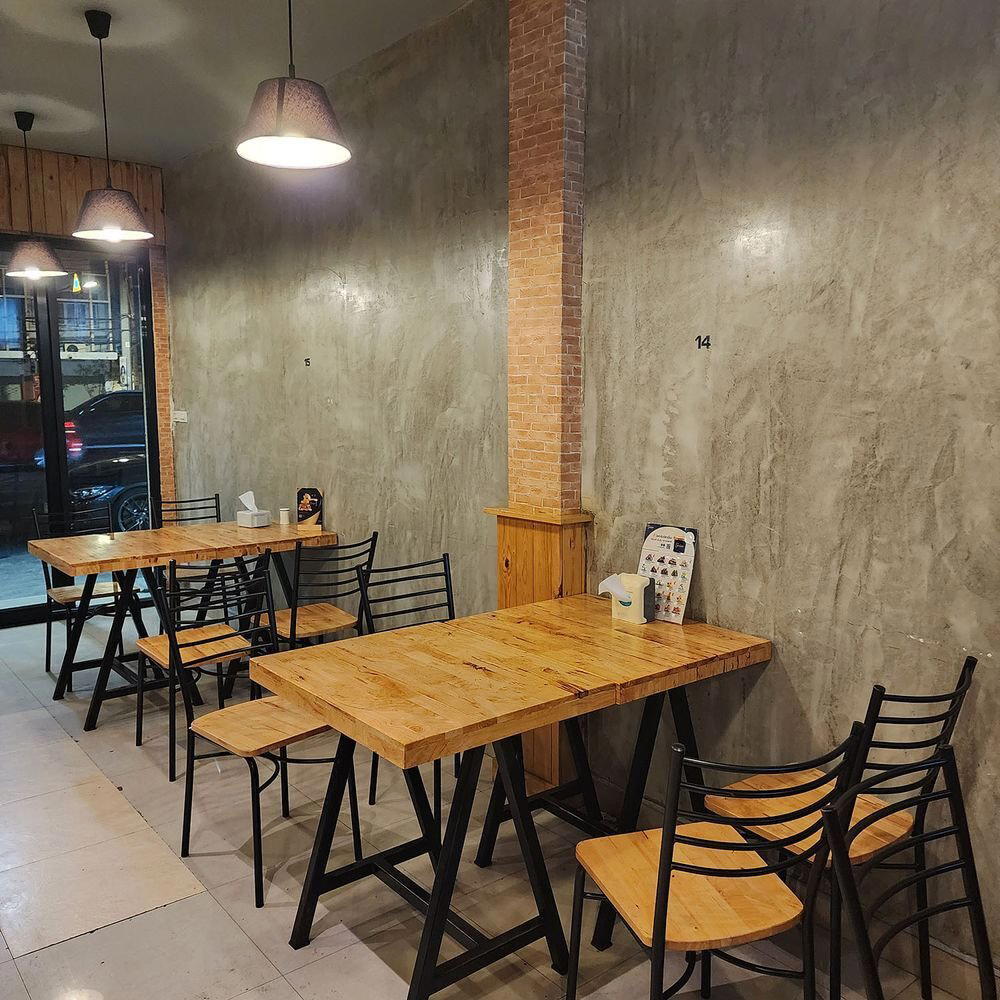
A Thai-Chinese shophouse restaurant in Thon Buri awarded a Michelin Plate in both 2024 and 2025, Kor Chun Huad sits on the quieter west bank of the Chao Phraya at a price point well below the city's tasting-menu tier.

Pearl is the En Primeur Club membership app, where members save venues, book tables and use the concierge.
The menu
What to order
- Rice porridge
- Boiled pork slices with soybean sauce
- Five-spice stewed duck
The West Bank Table: Thon Buri's Thai-Chinese Dining Tradition
Cross the Chao Phraya and Bangkok changes register. Thon Buri, the city's older, quieter half, holds some of the most persistent examples of Teochew-inflected cooking in the capital, a cuisine that arrived with waves of southern Chinese migrants two centuries ago and never left. The result is a register distinct from both tourist-facing Thai and the high-concept tasting menus accumulating stars on the Sukhumvit corridor. Kor Chun Huad, on Soi Somdet Phra Chao Tak Sin 34 in Dao Khanong, belongs firmly to that older order. The address alone signals intent: this is neighbourhood eating, anchored in a district that does not orient itself around visiting diners.
Thai-Chinese cooking in Bangkok occupies a specific middle ground. It is neither the refined Cantonese banquet tradition nor the rustic regional Thai cooking that draws culinary tourism to the north or south. Teochew influence shows up in particular techniques, slow braises, clear-brothed soups, rice congee as a structural dish, and in a palate that balances salt, fat, and mild sweetness with less chilli heat than central Thai cooking typically carries. Understanding that context makes the Michelin recognition more legible: the Guide has increasingly pursued this category, moving beyond multi-course destination restaurants toward the shophouse counters and family-run rooms that define how most Bangkokians actually eat.
Michelin Recognition in Context
A Michelin Plate is not a star, but its consecutive award in 2024 and 2025 carries its own signal. The designation indicates that the Guide's inspectors returned, found consistency, and placed the kitchen among addresses worth tracking. At the ฿฿ price tier, Kor Chun Huad operates in a different competitive frame than starred Bangkok restaurants like Sorn, Baan Tepa, or Sühring, all of which sit at ฿฿฿฿. The Plate is a more meaningful credential in this bracket: it is not given to compensate for low prices, and the inspectors applying it in Bangkok's Thai-Chinese category are making comparisons against other serious practitioners of the same tradition.
For context on how Bangkok's Michelin tier distributes across cuisines and price points, the EP Club Bangkok restaurants guide maps the full picture. Thai-Chinese recognition has been building across multiple editions, and Kor Chun Huad sits alongside a small cohort of Thon Buri and riverside addresses that the Guide has consistently returned to.
Indigenous Product, Inherited Technique
The editorial angle on Thai-Chinese cooking is, in many ways, a story about technique migrating into new ingredient territory. The Teochew cooks who shaped Bangkok's Chinese quarter brought with them a specific culinary grammar, clay-pot braising, preserved vegetable use, the discipline of clear stocks, and applied it to what was available locally: Thai river fish, local pork cuts, galangal and lemongrass finding their way into what were originally Fujian-adjacent preparations. Over generations, the seams between the two traditions became invisible. What looks like a purely Thai dish in a Thon Buri shophouse often contains structural decisions that trace back to Guangdong province.
This intersection is precisely what makes the Thai-Chinese category worth attention beyond nostalgia. It is not fusion in the contemporary sense; it is the result of a long, unselfconscious synthesis that predates the word. Kitchens operating in this tradition are, in effect, practicing a form of applied food history with every service. The same dynamic plays out differently in other Thai cities: Baan Heng in Khon Kaen and Heng Khao Moo Daeng in Surat Thani each represent regional variants of the same broad heritage, adapted to local produce and eating habits. Kor Chun Huad's version is Bangkok-riverine: shaped by the west bank's geography and the specific immigrant communities that settled this stretch of the Chao Phraya.
The Shophouse Format and Who Comes Here
Bangkok's shophouse restaurants occupy a format that the city's dining press tends to romanticize but rarely analyzes carefully. The physical structure, narrow frontage, open facade, cooking visible from the street, is a function of commercial real-estate history rather than aesthetic choice. What it produces, functionally, is a kitchen with low overhead, a menu calibrated to volume and consistency, and a clientele that returns on routine rather than occasion.
That local trust is a more durable signal than any single award cycle. Shophouse kitchens in Bangkok that sustain strong neighbourhood ratings over time do so through repetition and reliability, the opposite of the seasonal novelty that drives tasting-menu scores. Comparable addresses in the broader Bangkok Thai-Chinese category include Tang Jai Yang in Bang Kho Laem and Por. Pochaya, both operating in the same mid-range, neighbourhood-anchored register. For cooking that takes a different format but shares a similar commitment to specificity, Chop Chop Cook Shop and Jok's Kitchen in Pom Prap Sattru Phai are useful comparisons. Somboon Seafood in Bang Rak represents the more tourist-integrated end of the Bangkok Thai-Chinese spectrum for contrast.
Beyond Bangkok, the tradition branches in instructive directions. AKKEE in Pak Kret demonstrates how the heritage sits just outside the capital, while technique-driven restaurants like PRU in Phuket and Aeeen in Chiang Mai show how Thai kitchens in other regions approach the local-ingredient question from entirely different angles. For broader trip context, EP Club also covers Bangkok hotels, Bangkok bars, Bangkok experiences, and Bangkok wineries.
Know Before You Go
- Address: 864 Soi Somdet Phra Chao Tak Sin 34, Dao Khanong, Thon Buri, Bangkok 10600
- Price tier: ฿฿, mid-range by Bangkok standards, accessible for the category
- Awards: Michelin Plate 2024 and 2025
- Cuisine: Thai-Chinese (Teochew-influenced)
- Booking: No booking method confirmed in available data, arriving early or at off-peak hours is advisable for this style of venue
- Getting there: Thon Buri is accessible by BTS (Wongwian Yai station is the closest main hub) or by river ferry and connecting taxi; the Dao Khanong area is leading reached by taxi or motorcycle taxi from the main road
Frequently asked questions
Do they take walk-ins at Kor Chun Huad?
No booking contact or reservations policy is listed for Kor Chun Huad. Shophouse restaurants in Thon Buri at the ฿฿ price point typically operate on a walk-in basis, with peak lunch hours drawing the longest waits. Arriving early or outside the midday rush is the conventional strategy for neighbourhood spots of this format.
What's the defining dish or idea at Kor Chun Huad?
The defining idea is persistence: a Thai-Chinese kitchen in Thon Buri operating in the Teochew tradition that shaped this part of Bangkok's west bank. The Michelin Plate, awarded consecutively in 2024 and 2025, signals consistency rather than spectacle, the Guide's inspectors returned and found the same standard. That continuity, at a ฿฿ price point, is the restaurant's clearest credential.
Cuisine and Awards Snapshot
| Venue | Cuisine | Price | Awards | Notes |
|---|---|---|---|---|
| Kor Chun HuadThis venue (the venue you are viewing) | Thai-Chinese Rice Porridge | $10–20 | Michelin Plate | Not listed |
| Sorn | Fine Southern Thai | $200–300 | 3 Michelin Stars · World's 50 Best #12 | Southern Thai, ฿฿฿฿ |
| Côte by Mauro Colagreco | Riviera Mediterranean Fine Dining | $200–300 | 2 Michelin Stars · World's 50 Best #91 | Mediterranean, Modern Cuisine, ฿฿฿฿ |
| Baan Tepa | Creative Thai Fine Dining | $150–200 | 2 Michelin Stars · World's 50 Best #53 | Thai contemporary, ฿฿฿฿ |
| Gaa | Modern Indian Fine Dining with Thai Influences | $150–200 | 2 Michelin Stars · World's 50 Best #95 | Modern Indian, Indian, ฿฿฿฿ |
| Sühring | Modern German Fine Dining | $200–300 | 3 Michelin Stars · World's 50 Best #18 | German, ฿฿฿฿ |
Recognition history
Dated appearances from independent guides and award organizations, with the underlying list record or original source where available.
Michelin Plate
Michelin
Full recognition history (2 entries)
Michelin Plate
Michelin
Continue exploring
More in Bangkok
Restaurants in Bangkok
All restaurants in Bangkok →
Bars in Bangkok
All bars in Bangkok →
Details
- Cozy
- Classic
- Late Night
- Family
- Casual Hangout
- Standalone
- A La Carte
Current opening hours
- Monday
- 4 PM–12:30 AM
- Tuesday
- 4 PM–12:30 AM
- Wednesday
- 4 PM–12:30 AM
- Thursday
- 4 PM–12:30 AM
- Friday
- 4 PM–12:30 AM
- Saturday
- 4 PM–12:30 AM
- Sunday
- 4 PM–12:30 AM
Hours can change for holidays and private events. Hours as of .
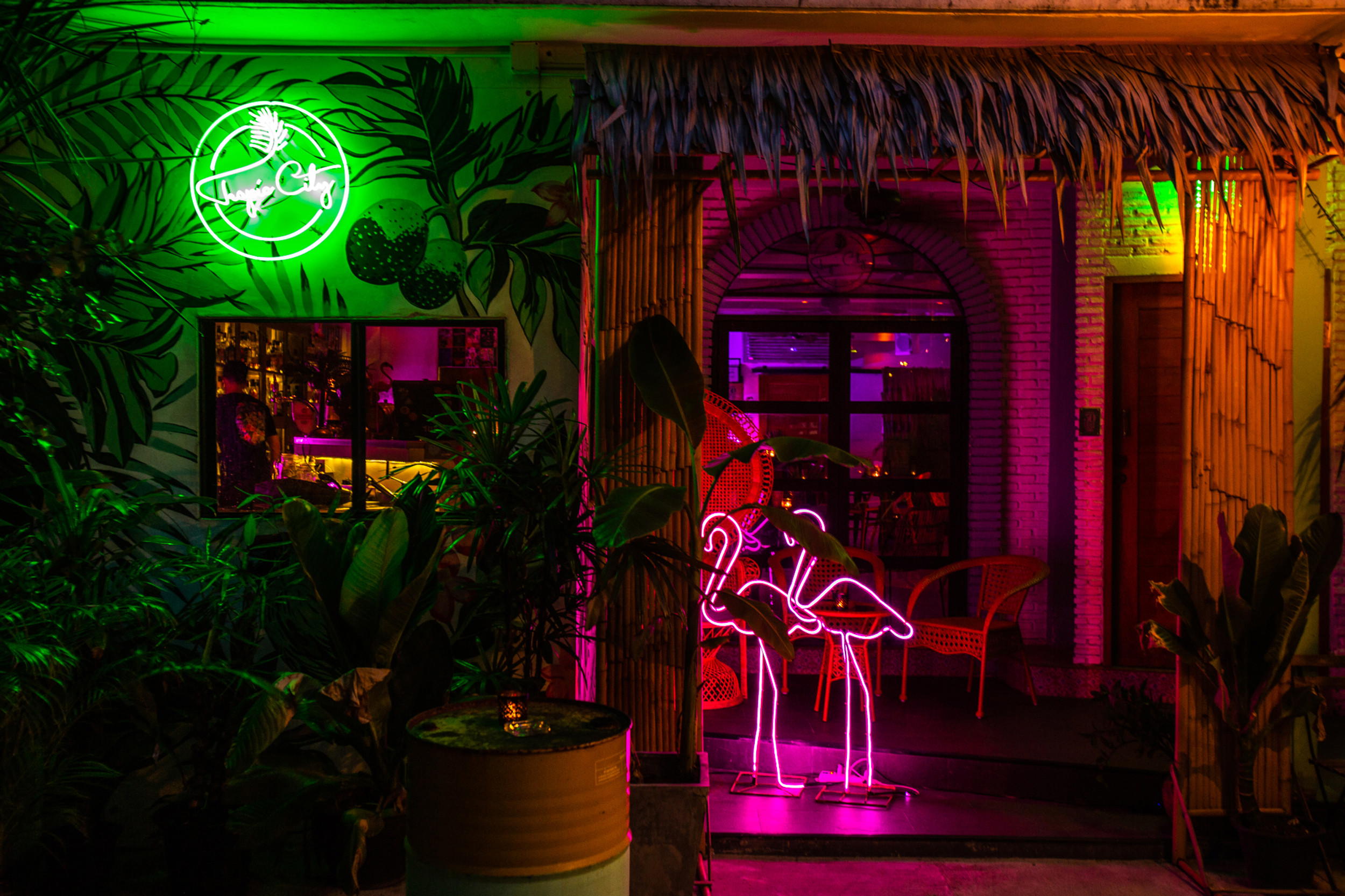
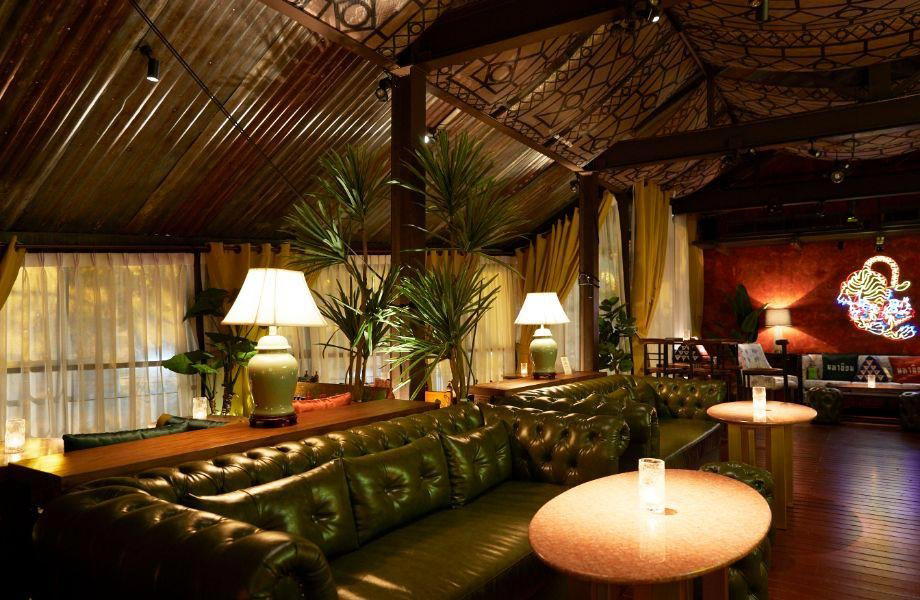
Simple, welcoming, classic atmosphere that evokes childhood memories with air-conditioned comfort.