
Michelin Plate
Our verdict
A Michelin Plate recipient in both 2024 and 2025, Angeum brings Vietnamese cooking to Ayutthaya's mid-range dining tier. Located in Tambon Khlong Suan Plu, it occupies an uncommon position in a city where Thai and Isan kitchens dominate. For visitors moving between temple sites and river restaurants, it offers a distinct alternative grounded in the northern Vietnamese pho tradition.

Pearl is the En Primeur Club membership app, where members save venues, book tables and use the concierge.
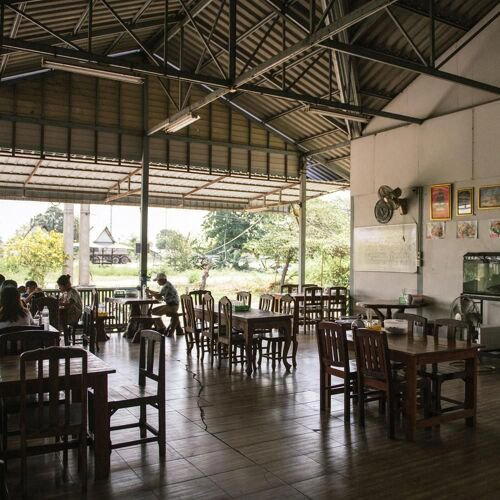
Vietnamese Broth in a Thai Heritage City
Ayutthaya's dining identity is rooted in central Thai cooking: river fish prepared with lemongrass and galangal, boat noodle soups ladled from pots that have been simmering since early morning, and temple-district restaurants that trade on proximity to the ruins as much as on what arrives at the table. Against that backdrop, a Vietnamese kitchen earning back-to-back Michelin Plate recognition in 2024 and 2025 is a specific kind of anomaly worth understanding. Angeum, at 55/17 Moo 7 in Tambon Khlong Suan Plu, sits outside the tourist-heavy island centre, in a residential neighbourhood where the dining is quieter and the clientele skews more local. That placement matters: it positions the restaurant closer to the community it feeds than to the heritage circuit it might otherwise chase.
The broader context for Vietnamese cooking in Thailand is worth laying out. Vietnamese restaurants have found consistent footing in Bangkok's more cosmopolitan dining zones, but in secondary cities and historical towns, they remain a niche inside a niche. Ayutthaya's food scene runs heavily toward Thai and Isan kitchens, with a handful of Chinese-inflected restaurants filling the mid-range tier at the ฿฿ and ฿฿฿ price points. Angeum operates at the ฿฿ level, the same bracket as Baan Ta Ko Rai and several of the city's more established Thai tables, which means it competes on quality rather than price undercutting.
The Pho Ritual: What Broth Depth Communicates
In the northern Vietnamese tradition, pho is not fast food dressed up in heritage clothing. The broth is a long project: beef bones charred with onion and ginger, spiced with star anise, cinnamon, cloves, and black cardamom, simmered for hours until the collagen has fully dissolved and the fat has been skimmed clean. The result should be clear, not cloudy, and carry depth without heaviness. The condiment table that arrives alongside it, the fresh herbs, bean sprouts, lime wedges, hoisin, and chili sauce, is not an afterthought but a set of calibration tools, allowing each diner to tune the bowl toward their own register of sweet, sour, or heat.
This philosophy travels imperfectly. Outside Vietnam's northern cities, pho often gets accelerated or simplified: shorter cook times, pre-made bases, or broths that read as salty stock rather than layered extraction. The Michelin Plate recognition that Angeum has held for two consecutive years signals that the kitchen is working at a standard above that baseline. The Michelin Plate category, awarded to restaurants producing good cooking across the guide's framework, is not a starred distinction, but it is a documented quality signal. Across Thailand's Michelin-listed restaurants, including starred venues like Sorn in Bangkok, PRU in Phuket, and AKKEE in Pak Kret, the Plate tier represents kitchens that the guide found worth returning to and documenting. In a city where most Vietnamese cooking does not reach that level of scrutiny, consistency across two editions of the guide carries weight.
For comparison, Hanoi's Tầm Vị represents the kind of technically serious Vietnamese cooking that can serve as a reference point for what the tradition looks like at high execution. Angeum is operating in a very different context, producing Vietnamese food for a Thai provincial audience rather than for a capital-city dining market, which makes the Michelin attention more notable, not less.
Ayutthaya's Dining Spread: Where Angeum Sits
Understanding where Angeum fits requires understanding what surrounds it. Ayutthaya's mid-range dining tier is occupied by a mix of Thai river restaurants, Isan-inflected grills, and a smaller set of international kitchens. Baan Pomphet, Baan Mai Rim Nahm, and Ayutthayarom represent the Thai tradition at the same general price tier, each working with the river-facing, locally sourced framework that defines central Thai cooking in this region. Baan Pu Karn adds another reference point in Thai cooking at the mid-range level.
Angeum steps outside that framework entirely. In a provincial Thai city, that consistency for a Vietnamese restaurant is not the norm.
The comparison also holds against Vietnamese restaurants in other markets. Camille in Orlando operates in a diaspora context where Vietnamese cooking must compete in a crowded international dining scene. Angeum's situation is structurally different: it is a relatively rare format in its city, which means it earns its reputation without the peer pressure of a Vietnamese dining cluster nearby.
Planning Your Visit
Angeum is located in Tambon Khlong Suan Plu, outside Ayutthaya's island centre where most of the Unesco-listed temple sites are concentrated. Visitors arriving from Bangkok by train or road will find the city manageable by tuk-tuk or motorbike taxi, though reaching this particular address may require a ride to a neighbourhood that sees fewer independent travellers than the central ruins district. The ฿฿ price point places it in affordable mid-range territory for most visitors, comparable in spend to the Thai restaurants along the river. The Michelin Plate designation in both 2024 and 2025 suggests demand that may not always align with capacity at popular meal times.
For visitors building a broader picture of Ayutthaya's restaurants, our full Phra Nakhon Si Ayutthaya restaurants guide maps the city's dining spread across Thai, Isan, Chinese, and international kitchens. Those extending their stay can also consult our full Phra Nakhon Si Ayutthaya hotels guide, bars guide, wineries guide, and experiences guide for a fuller read of what the city offers beyond its temple circuit. For Vietnamese dining in other Thai cities, Aeeen in Chiang Mai and Agave in Ubon Ratchathani offer points of comparison in different regional contexts.
Frequently asked questions
Is Angeum Michelin-listed?
Angeum has received recognition including: Michelin Plate (2025); Michelin Plate (2024).
What's the signature dish at Angeum?
In that tradition, broth-based dishes, particularly pho, carry the most technical weight and are the most reliable indicator of a restaurant's standard. At a ฿฿ price point in Ayutthaya, that places Angeum in a distinct category: serious Vietnamese cooking at accessible mid-range pricing, outside the tourist-dense island centre.
What does dinner at Angeum typically cost?
Pricing at Angeum is listed as ฿฿.
What's the address for Angeum?
Angeum is located at 55 17 หมู่ที่ 7 ตำบล คลองสวนพลู Tambon Khlong Suan Plu, Phra Nakhon Si Ayutthaya District, Phra Nakhon Si Ayutthaya 13000, Thailand, Phra Nakhon Si Ayutthaya.
Comparison Snapshot
| Venue | Cuisine | Price | Awards | Notes |
|---|---|---|---|---|
| AngeumThis venue (the venue you are viewing) | Authentic Vietnamese | $10–20 | Michelin Plate | Not listed |
| Baan Ta Ko Rai | Authentic Central Thai | $10–20 | Michelin Bib Gourmand | Thai, ฿฿ |
| Pa Lek Boat Noodles | Authentic Thai Boat Noodles | $1–10 | Michelin Bib Gourmand | Noodles, ฿ |
| Gu Cherng | Authentic Chinese Dim Sum & Peking Duck | Not listed | Michelin Plate | Chinese, ฿฿฿ |
| Here Klae Pork Satay | Thai Pork Satay | $1–10 | Michelin Bib Gourmand | Street Food, ฿ |
| Kampun Gai Yang | Authentic Isan Thai | $10–20 | Michelin Plate | Isan, ฿฿ |
Recognition history
Dated appearances from independent guides and award organizations, with the underlying list record or original source where available.
Michelin Plate
Michelin
Full recognition history (2 entries)
Michelin Plate
Michelin
Continue exploring
More in Ayutthaya
Details
- Modern
- Cozy
- Elegant
- Date Night
- Casual Hangout
- Special Occasion
- Open Kitchen
- A La Carte
- Vegetarian Friendly
Current opening hours
- Monday
- 9:30 AM–9 PM
- Tuesday
- 9:30 AM–9 PM
- Wednesday
- 9:30 AM–9 PM
- Thursday
- 9:30 AM–9 PM
- Friday
- 9:30 AM–9 PM
- Saturday
- 9:30 AM–9 PM
- Sunday
- 9:30 AM–9 PM
Hours can change for holidays and private events. Hours as of .
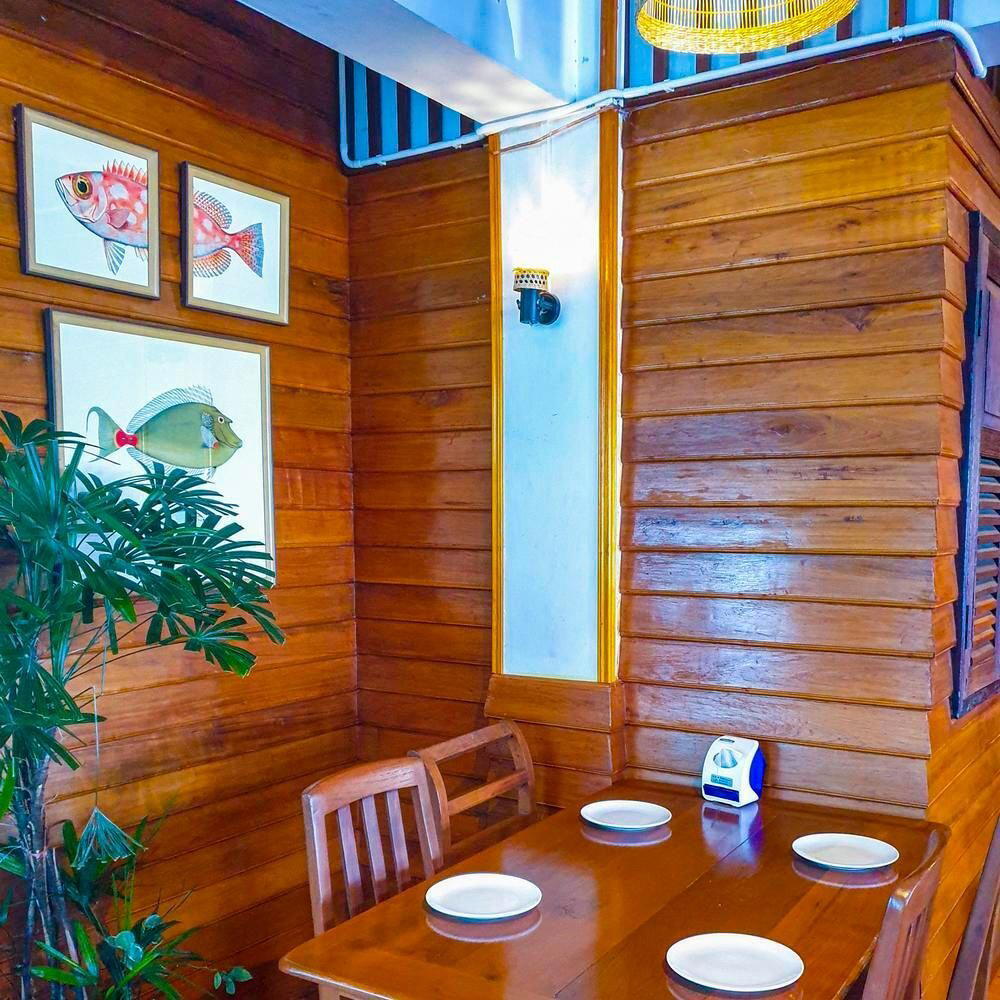
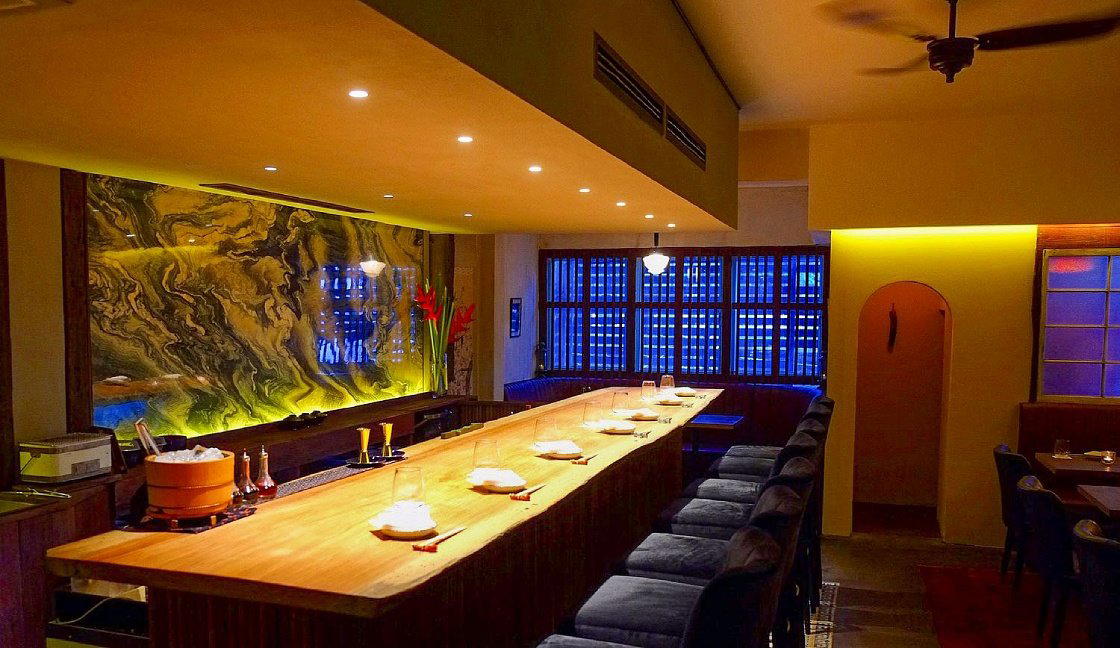
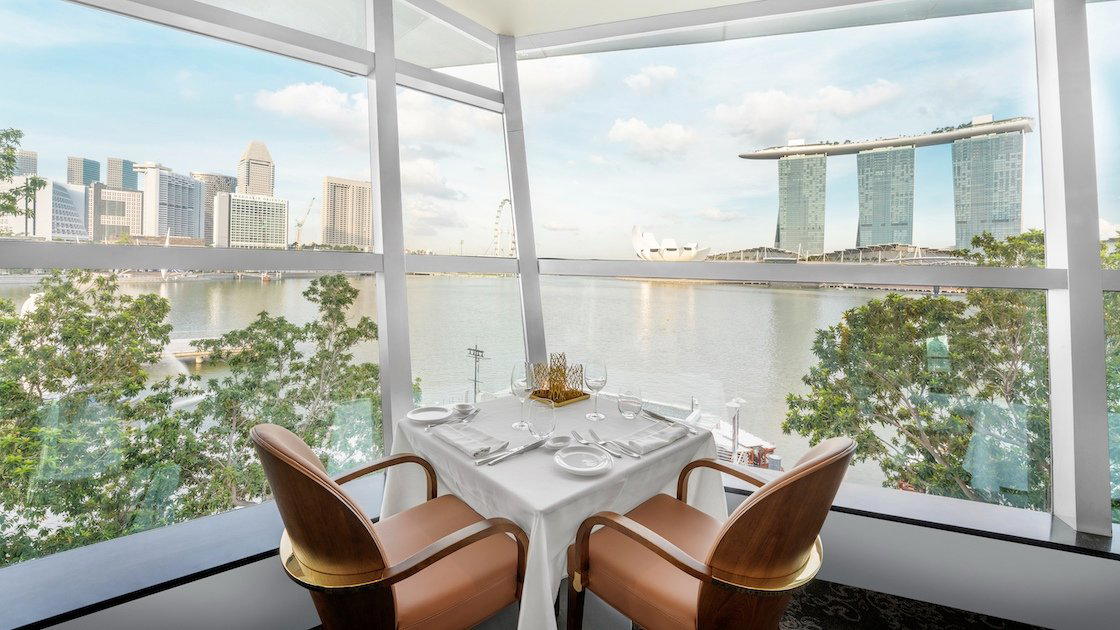
Contemporary stylish decor with beautiful decoration, quality furnishings, air-conditioned indoor zone, and cozy outdoor area.