
Michelin Bib Gourmand
Our verdict
Tan occupies the upper floors of a historic building overlooking Jiu Qu Bridge in Yuyuan Garden, one of Shanghai's most photographed tourist sites. The name references traditional pickling jars, a signal of preservation-driven cooking that appears across the menu. Expect regional Chinese technique and local sourcing in a setting that pairs temple architecture with modern service.

Pearl is the En Primeur Club membership app, where members save venues, book tables and use the concierge.
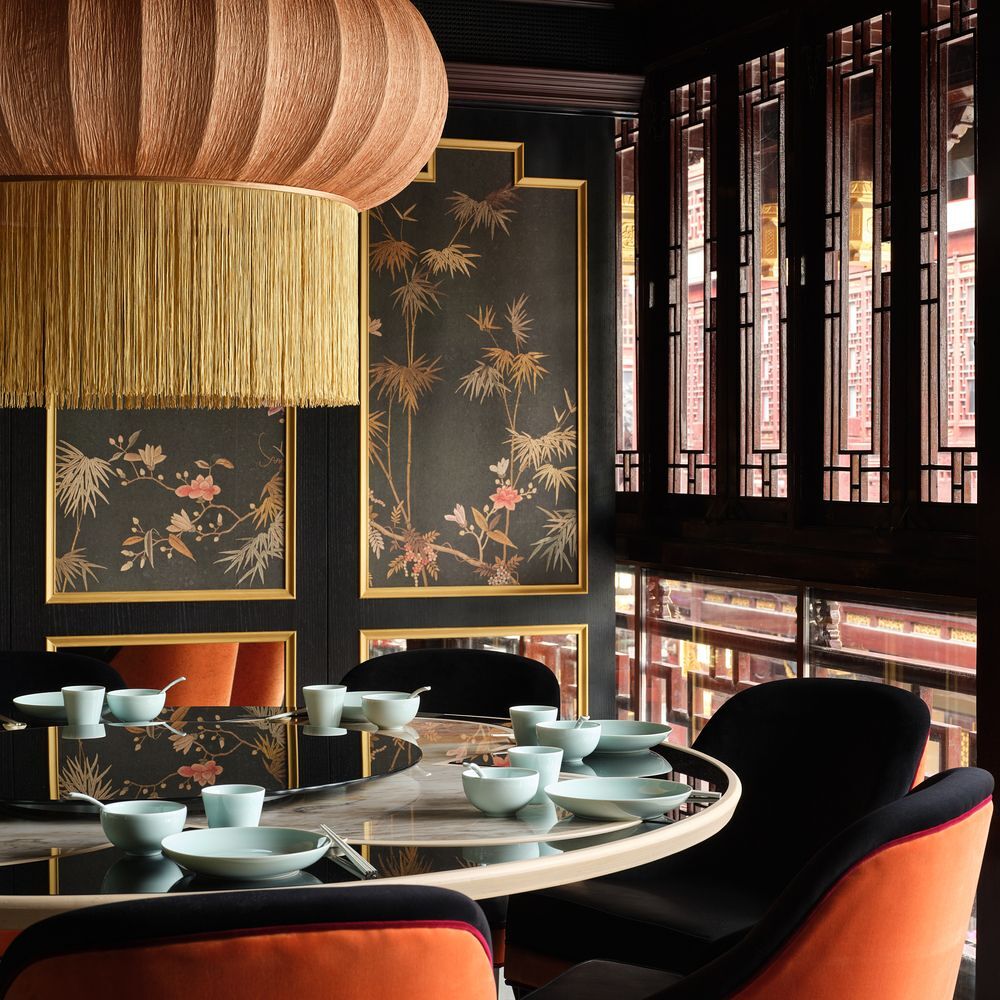
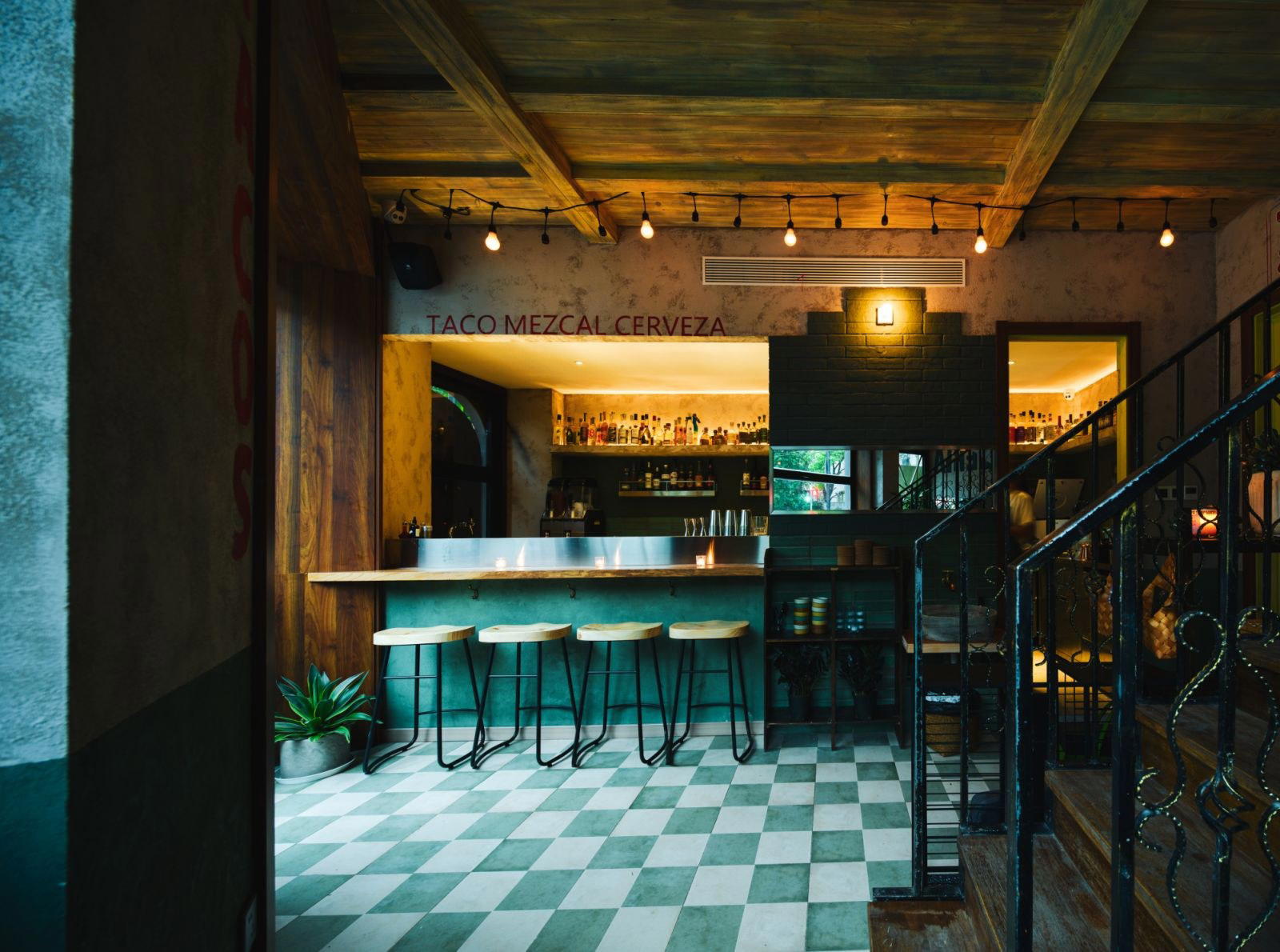
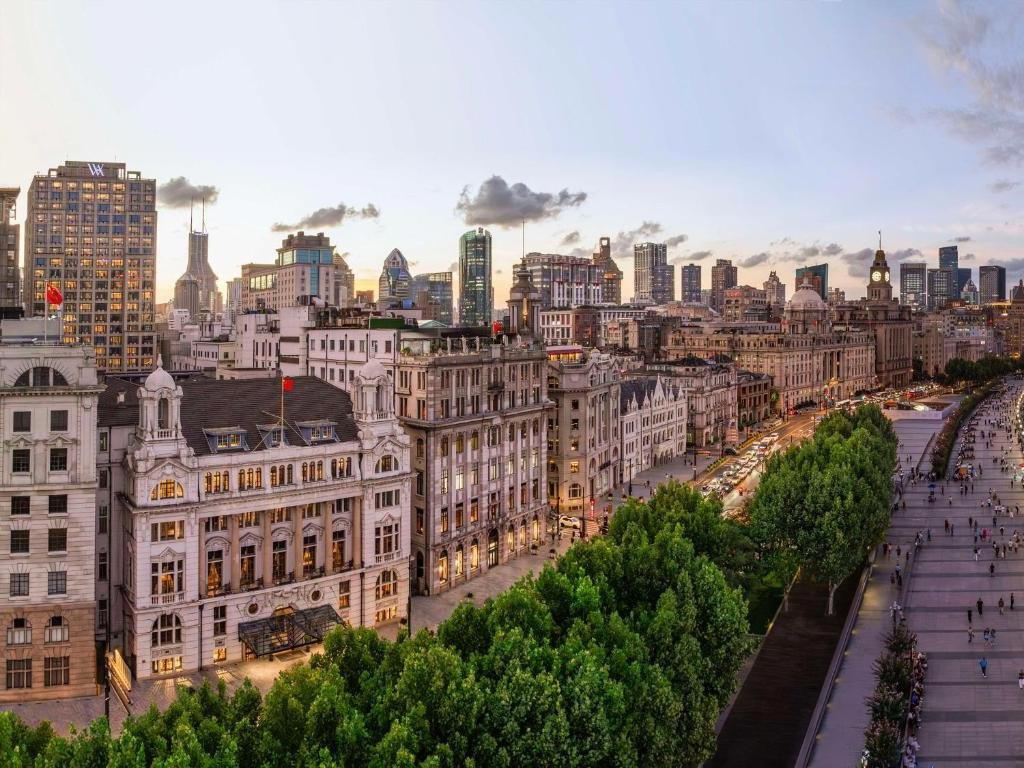
Yuyuan Garden draws thousands of visitors daily, but most skip the restaurants that ring the perimeter. Tan sits two floors above the crowds, inside Songyunlou, a Qing-era structure that faces the zigzag bridge, a location that delivers temple-courtyard views without the crush of street-level commerce. The name translates to 'pickling jar,' a reference to fermentation and preservation techniques that anchor the kitchen's approach. The building's lattice windows, carved beams, and tile roofing remain intact; inside, the dining room balances period detail with contemporary furniture and neutral tones. Service runs formal but not ceremonial, and the soundtrack stays quiet enough to hear conversation across the table.
The menu centers on regional Chinese ingredients handled through slow, temperature-controlled processes, pickling, drying, fermenting, that deepen flavor without relying on heavy spice or sauce. Produce comes from suppliers within a two-hour radius of Shanghai, with some items sourced directly from farms in Jiangsu and Zhejiang provinces. Fish arrives from the East China Sea; poultry and pork are traced to specific farms that meet the kitchen's standards for feed and handling. The kitchen lists provenance on seasonal menus, a practice more common in Japan and Northern Europe than in Shanghai's dining scene, where ingredient transparency still lags behind execution. Tan's approach positions it closer to the farm-to-table ethos of restaurants like 102 House Shanghai, which also emphasizes supplier relationships and regional sourcing, though Tan skews more traditional in technique.
What to Expect on the Menu
The kitchen runs both à la carte and set-menu formats, with tasting menus that rotate every six weeks to reflect what farms can deliver. Pickled vegetables appear in multiple forms, smoked radish, fermented mustard greens, aged cabbage, each treated as a standalone course rather than a condiment. Fish is often served barely cooked, relying on quality and temperature control rather than aggressive seasoning. Poultry dishes lean toward braising and slow roasting, with sauces built from stock reductions rather than commercial bases. Rice, noodles, and buns are made in-house; the kitchen mills its own flour and sources heirloom rice varieties from Anhui. Portions skew generous, and the pacing runs slower than most multi-course experiences in Shanghai, where speed often trumps progression. Wine and tea lists are short, with a focus on Chinese tea and a small selection of European bottles that suit the menu's low-fat, vegetable-forward composition.
Set-menu format works better than à la carte if you're unfamiliar with the kitchen's style. Courses build from lighter, acidic preparations to richer, protein-forward dishes, and the progression clarifies the kitchen's logic in a way that a la carte ordering can blur. Pricing sits in the mid-range for Huangpu dining, below the tier occupied by 100 Century Avenue Cantonese or 1515 West Chophouse, but above neighborhood spots like 102 House (Cantonese). The location premium is real, you're paying for the view and the building, but the kitchen's sourcing and technique justify the cost in a way that many Yuyuan-area restaurants do not.
How It Fits into Shanghai's Dining Map
Shanghai's high-end dining scene has historically favored Cantonese luxury and French technique over regional Chinese cooking. Tan operates in a smaller category: restaurants that privilege ingredient provenance and traditional Chinese methods without chasing Michelin recognition or international acclaim. It shares more DNA with places like Yangzhou Fan Dian in Huangpu, which specializes in Huaiyang cuisine and similarly emphasizes slow-cooked, minimally spiced dishes, than with the city's headline-grabbing fine-dining rooms. The Yuyuan location also sets it apart. Most serious restaurants cluster in the French Concession or Lujiazui; Tan's proximity to a heritage site attracts a different mix of diners, including domestic travelers who want more than the dim sum factories that dominate the neighborhood. For a broader view of the city's restaurant landscape, consult our full Shanghai restaurants guide, which maps the competitive tiers and neighborhood distinctions that shape where locals and visitors eat.
The restaurant's preservation-focused cooking also connects it to a broader movement in Chinese dining, where chefs are revisiting fermentation and pickling as core techniques rather than relics. This shift mirrors trends in Japan, see Jōdo Saké Bar in Los Angeles or Onigiri Time in Pasadena, both of which champion traditional Japanese ingredient handling, and in parts of Europe, where natural wine and low-intervention cooking have redefined what fine dining can look like. Tan applies similar principles to Chinese ingredients and techniques, a strategy that distinguishes it from the banquet-hall Shanghainese restaurants that still dominate the local market.
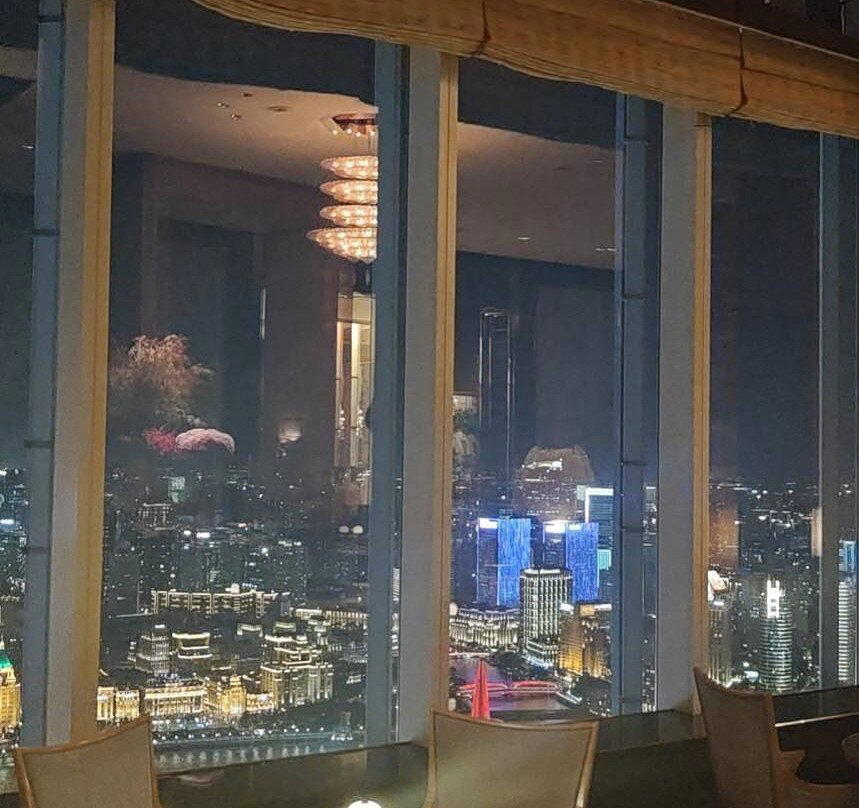
The view matters. The second-floor dining room overlooks the Jiu Qu Bridge, which local legend says confuses evil spirits with its nine turns. The bridge is illuminated at night, and the reflection on the pond below creates a frame that changes with the season. In spring, the surrounding gardens bloom; in autumn, the foliage shifts to rust and gold. The visual context adds value that pure culinary execution cannot, and the restaurant's design maximizes sightlines without turning the room into a viewing platform. It's a rare case where location and kitchen ambition align without one undermining the other.
For context on where to stay, drink, and explore beyond dining, see our full Shanghai hotels guide, our full Shanghai bars guide, and our full Shanghai experiences guide. If you're planning a broader trip through eastern China, compare Tan's approach to regional peers like #8 in Chengdu, 1913 in Hangzhou, or 1927 Dong Yuan Si Chu in Xiamen, all of which share a similar commitment to ingredient sourcing and regional technique.
Frequently asked questions
Can I bring kids to Tan?
The kitchen offers both à la carte and tasting-menu formats, and the Yuyuan Garden Malls location sees family traffic year-round. Call ahead if you need high chairs or want to confirm portion flexibility, but there is no formal age restriction.
What's the overall feel of Tan?
The dining room sits inside the Yuyuan Garden Malls complex on levels one and two of Songyunlou, with views over Jiu Qu Bridge Square. The focus is on seasonal produce and pickling craft rather than tableside theatre, and the six-week menu rotation keeps the tone exploratory rather than static.
Is Tan award-winning?
Tan has received recognition including: A ‘Tan’ is a pickling jar typically....
What part of town is Tan in?
Tan is located at L 1-2, 106 Songyunlou, Jiu Qu Bridge Square, Yuyuan Garden Malls, Huangpu, Shanghai, Shanghai Municipality, CHN, Shanghai.
Is Tan reservation-only?
Walk-ins are accepted when the kitchen has capacity, but the six-week tasting-menu cycle and limited floor space mean advance booking is the safer route. Check availability directly at the restaurant, located at L 1-2, 106 Songyunlou, Jiu Qu Bridge Square, Yuyuan Garden Malls.
What's Tan best at?
The kitchen anchors its menus around traditional Chinese pickling techniques, with produce sourced directly from farms and rotated every six weeks. That cadence gives the team room to showcase regional fermentation methods alongside seasonal vegetables in both tasting and à la carte formats.
Comparable venues by cuisine and price in the same metro.
| Venue | Cuisine | Price | Awards |
|---|---|---|---|
| Tan | Traditional Japanese Kaiseki with Tango Peninsula Ingredients | $30–50 | Michelin Bib Gourmand · We're Smart World 2 Radishes |
| Lao Di Fang Mian Guan | Shanghainese Noodles | $1–10 | Michelin Bib Gourmand |
| Yangzhou Fan Dian (Huangpu) | Traditional Huaiyang Chinese | Not listed | Michelin Bib Gourmand |
| Nanxiang Steamed Bun | Traditional Shanghai Xiao Long Bao & Dumplings | $10–20 | Michelin Bib Gourmand |
| Lu Bo Lang | Traditional Shanghainese Dim Sum | $20–30 | Michelin Bib Gourmand |
| Guang Dong Lu | Traditional Shanghainese Noodles & Dim Sum | $20–30 | Not listed |
Recognition history
Dated appearances from independent guides and award organizations, with the underlying list record or original source where available.
Michelin Bib Gourmand
Michelin

Continue exploring
More in Shanghai
Restaurants in Shanghai
All restaurants in Shanghai →
Bars in Shanghai
All bars in Shanghai →
Details
- Elegant
- Modern
- Sophisticated
- Romantic
- Date Night
- Business Dinner
- Special Occasion
- Celebration
- Standalone
- Design Destination
- Extensive Wine List
- A La Carte
- Set Menu
- Wine
- Pescatarian Friendly
Upscale yet not overly formal, with a polished, contemporary Chinese aesthetic that feels refined and suitable for dates or business meals rather than loud, high-energy dining.