

Located inside the Jing'An, 1515 West Chophouse is Shanghai's long-running American steakhouse with Michelin Plate recognition in both 2024 and 2025. The wine program runs to 1,335 bottles across 155 selections, with California as the house strength. Lunch and dinner service, with cuisine pricing in the mid-range ¥¥ tier.
Pearl is the En Primeur Club membership app — saves, bookings, and concierge access live there. Same editors, same standards.
- Address
- China, Shanghai, Jing'An, 久光 Yan'an Rd (M), 1218号上海静安香格里拉大酒店 邮政编码: 200041
- Phone
- +86 21 2203 8889
- Website
- shangri-la.com
- Directions
- Get directions
 Saves & bookings on Pearl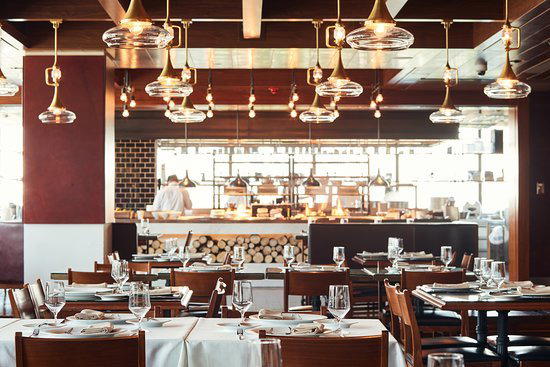
The Shanghai Steakhouse in Context
Shanghai's Western fine-dining corridor has always operated at a different register from its Chinese-cuisine counterparts. Where Cantonese rooms at the ¥¥¥¥ level, such as Fu He Hui, compete on technical precision and seasonal sourcing within a recognisable local idiom, the city's upper-tier chophouses and steakhouses occupy a parallel track: hotel anchored, wine-forward, priced for corporate entertainment and internationally mobile guests. 1515 West Chophouse, operating from inside the Jing'An on Yan'an Road, sits squarely in that hotel steakhouse bracket, but with a wine infrastructure that places it meaningfully above the category average.
Shanghai now has a competitive field of Western red-meat restaurants at the ¥¥¥ price level. Shaughnessy, Stonesal, and The Meat each occupy adjacent positions in that comparable set. What differentiates 1515 is less about the meat itself and more about the depth of the cellar it has assembled. A list of 155 selections backed by 1,335 bottles in inventory is an unusual commitment for a restaurant of this format in this market.
Entering the Room
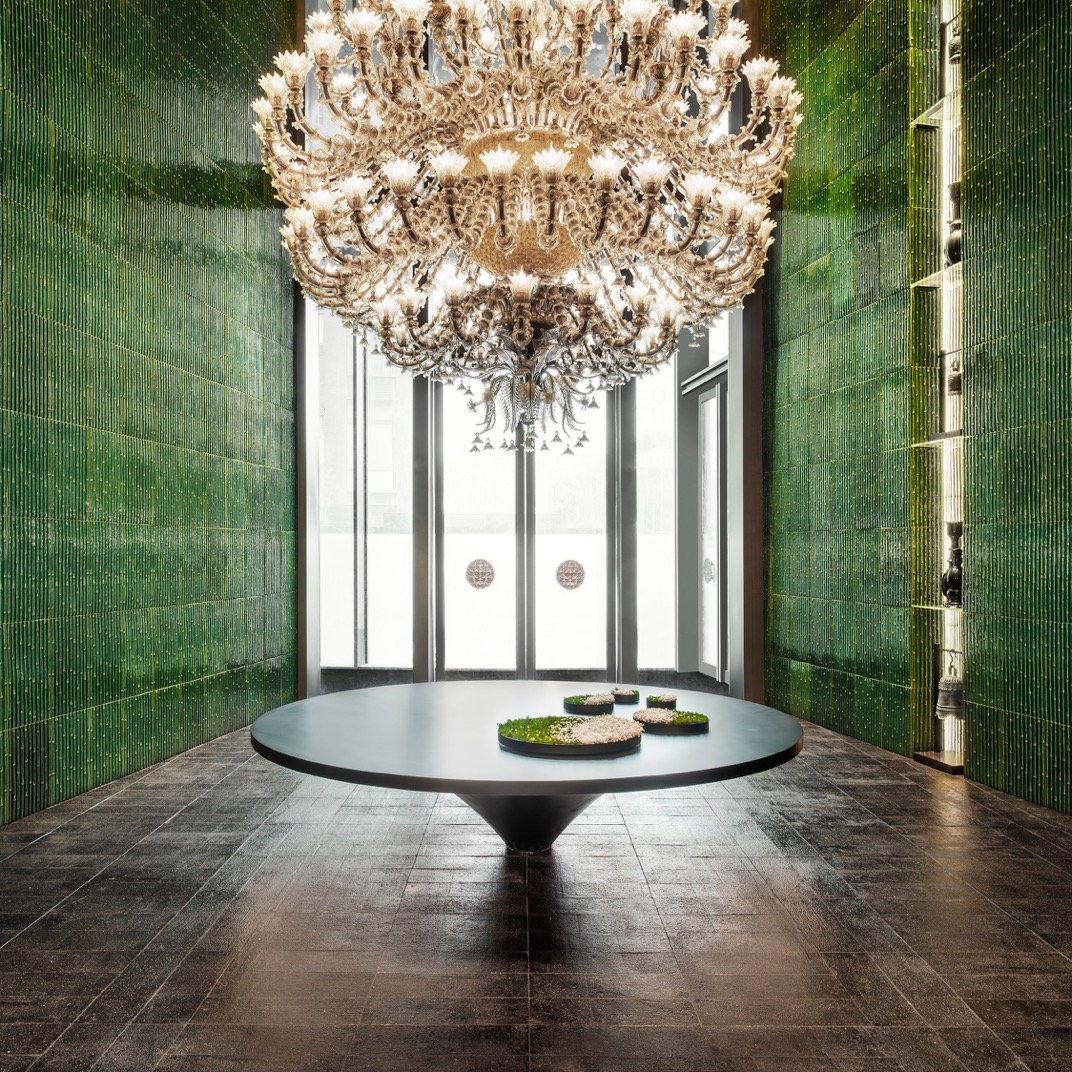
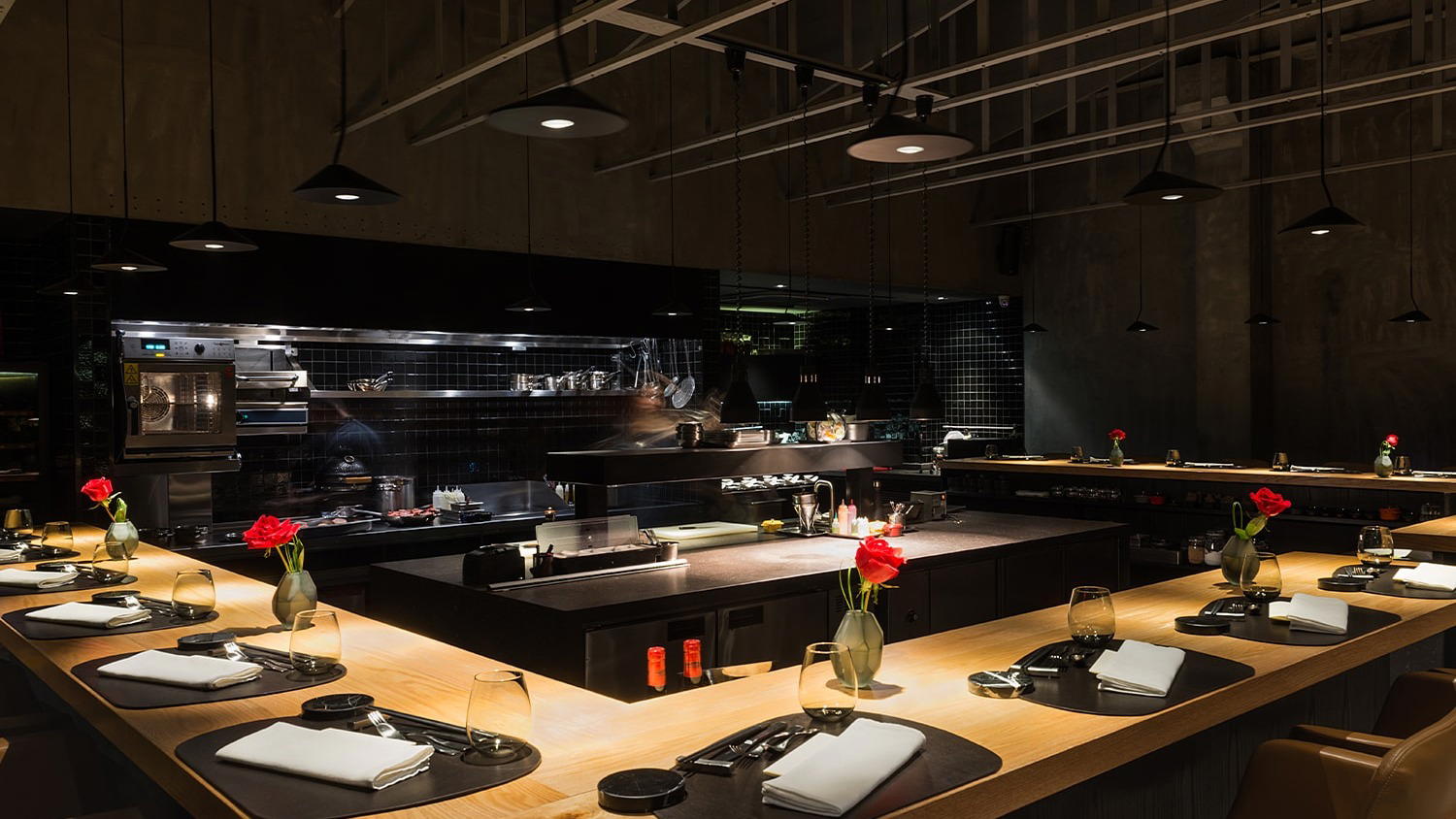
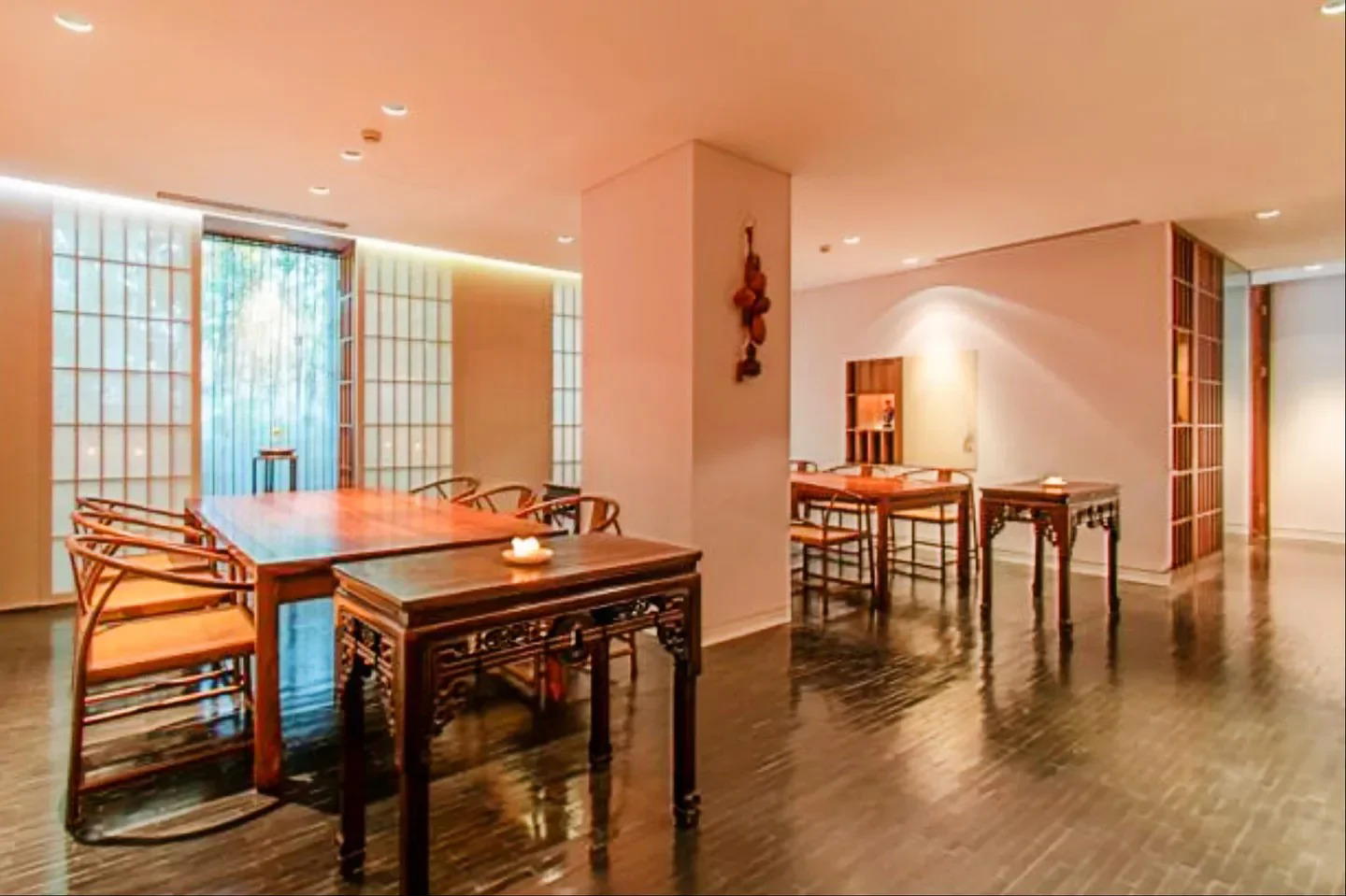
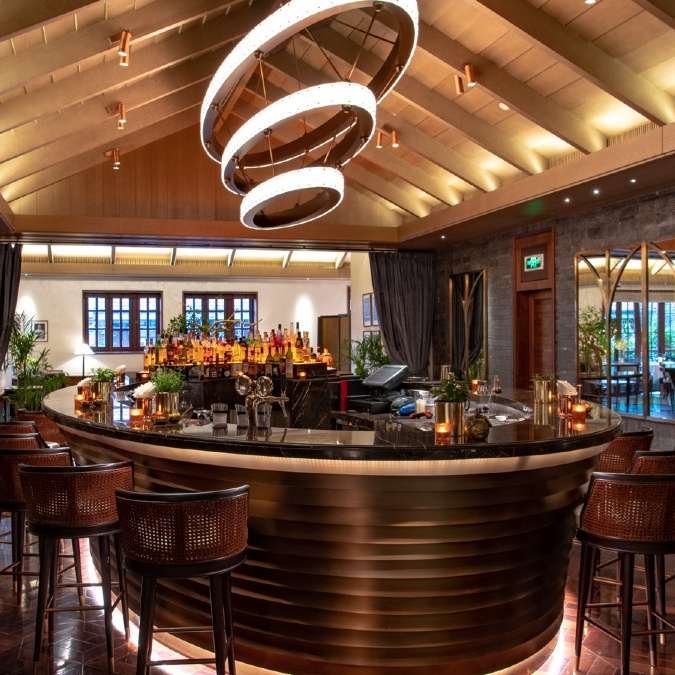
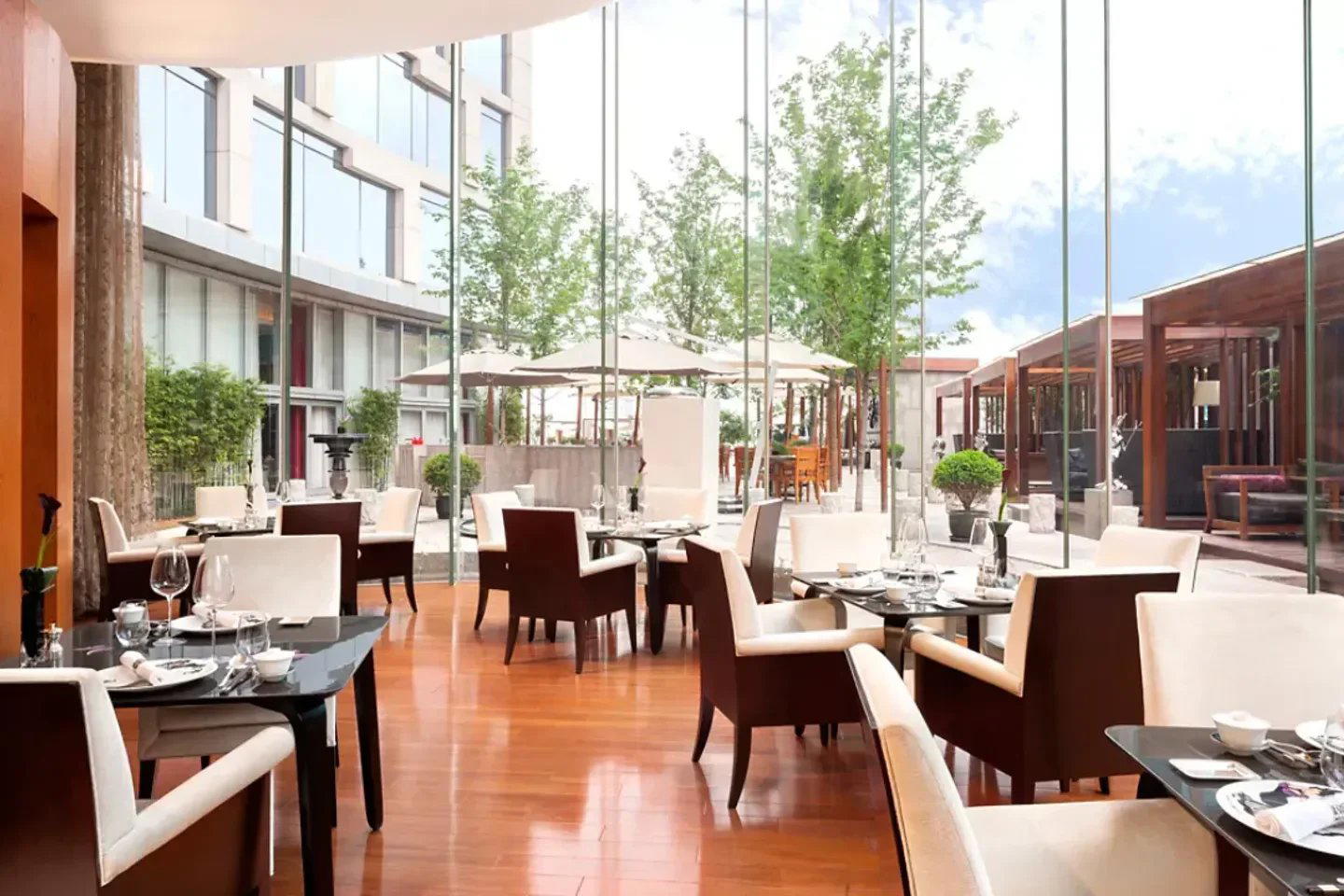
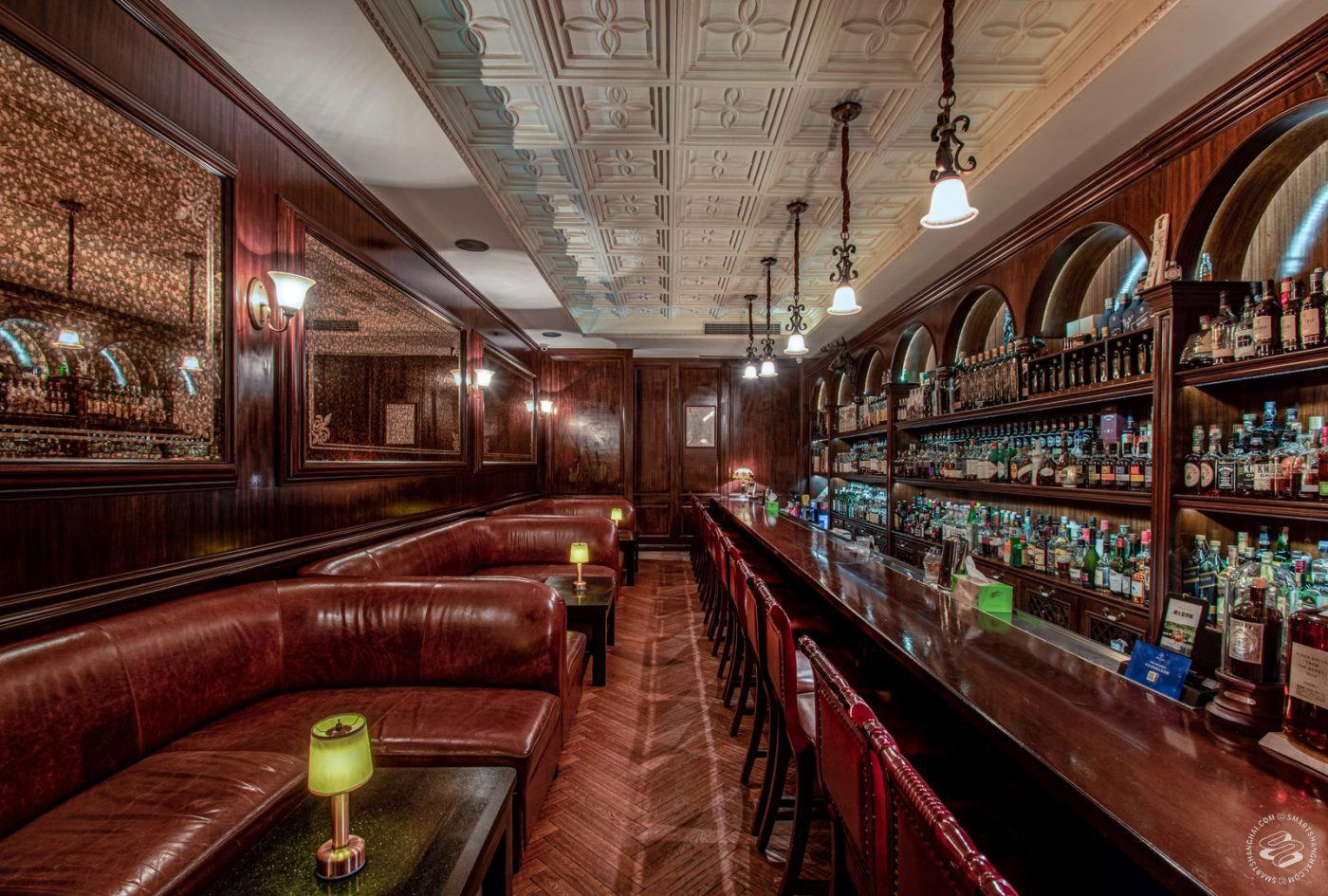
Hotel steakhouses in Chinese cities tend toward the monumental: high ceilings, dark timber panelling, imported marble, and lighting rigs designed to make a cut of beef look its most expensive self. 1515 occupies dining space within the Jing'An hotel on Yan'an Road in a manner consistent with the property's overall register. The address places guests in Jing'An, one of Shanghai's most consistently upmarket dining districts, within reach of the neighbourhood's broader restaurant concentration.
The Dry-Aging Argument
In contemporary steakhouse culture across Asia's major cities, the conversation around beef has shifted from provenance alone, which prefecture, which ranch, which grade, toward technique, and specifically toward aging. Wet-aging dominated hotel steakhouses for years because it is operationally direct: sealed in the bag, held under refrigeration, delivered with controlled consistency. Dry-aging demands dedicated cold-room space, precise humidity and airflow management, daily monitoring, and tolerance for significant trim loss. A restaurant that commits to a dry-aging program is making a statement about kitchen infrastructure, not just menu positioning.
The flavour argument for dry-aging is well documented: moisture loss concentrates the meat's existing flavour compounds, while enzymatic activity breaks down muscle fiber, producing a tenderness that wet-aging approximates but does not replicate. The characteristic result at 28 to 45 days is a more pronounced, almost nutty depth alongside the expected beef intensity. At longer durations, 60 days and beyond, the profile becomes more complex and, for some palates, divisive. The chophouse format generally works in the 30-to-45-day range, where the technique is most legible to a broad dining audience without requiring a specialist appetite for fermented intensity.
For comparison across Asian markets, A Cut in Taipei operates a comparable hotel steakhouse format at a similar price tier, and the approaches to aging and beef sourcing across both restaurants reflect how the category has developed in markets where imported Western beef carries significant tariff premiums.
The Wine Program
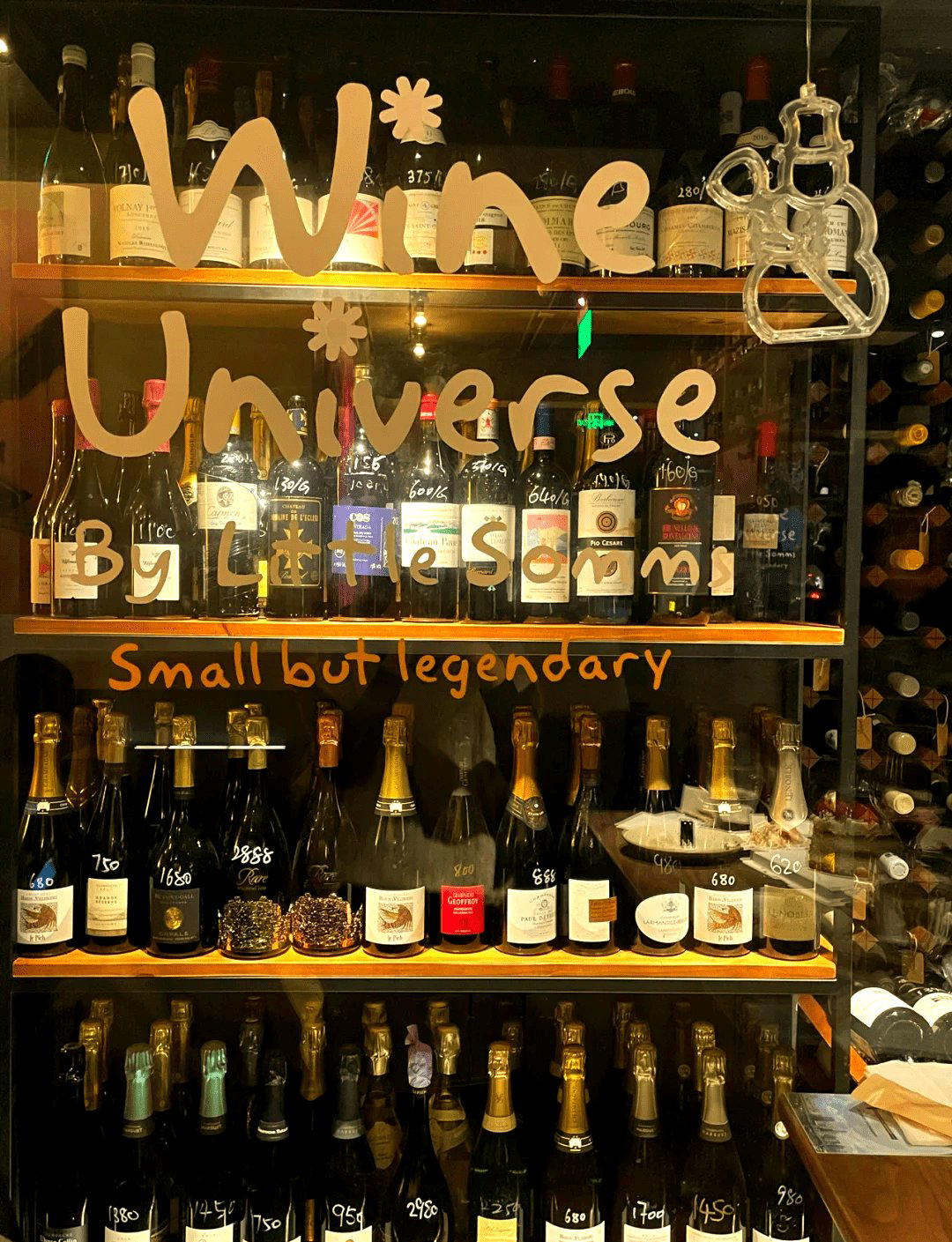
At most Shanghai hotel restaurants in the ¥¥¥ cuisine tier, a wine list of 60 to 80 references would be standard. A list of 155 selections with 1,335 bottles in inventory is materially different in both scale and financial commitment. The wine pricing sits at the $$ level, meaning the list spans a genuine range rather than anchoring exclusively at the high end. California is the declared house strength, which aligns logically with an American chophouse format: Napa Cabernet Sauvignon and the format's signature red-meat pairings have a relationship that other regional pours do not replicate with the same directness.
A corkage fee of $25 is on the low end for a restaurant at this price and hotel tier, a detail relevant to guests who travel with allocated bottles or have sourced from Shanghai's retail market. Wine Director Andrew Hillanbrand, who also holds the General Manager position, has built a list that reflects both the California commitment and a range broad enough to serve the full spectrum from business-dinner pragmatism to serious collector interest.
For guests with broader interests in Shanghai's wine, hotel, bar, and experience programming, EP Club maintains guides across all categories:
Michelin Recognition and What It Signals
Michelin Plate recognition sits below Star level in the Michelin hierarchy but signals a consistent standard. In a category where execution can drift across service periods or kitchen transitions, holding Plate status across consecutive years is a reliable indicator of baseline consistency rather than a single strong performance.
Shanghai's Michelin landscape includes starred Chinese restaurants at multiple price tiers, from the Cantonese precision of rooms like 102 House to the vegetarian rigor of Fu He Hui. The Western steakhouse category receives less Michelin attention in this market than Chinese-cuisine formats, which makes any Michelin acknowledgment in the segment more notable by proportion.
Planning a Visit
1515 West Chophouse operates for both lunch and dinner, which is less common among hotels steakhouses in this tier, many of which limit full-format service to evenings. The cuisine pricing at $$, a typical two-course meal in the $40 to $65 range, excluding beverages, sits below the ¥¥¥ overall price signal, suggesting that beverage spend, including from the 1,335-bottle cellar, is where the bill extends. The restaurant sits inside the Jing'An at 1218 Yan'an Road (Middle), Jing'An district, accessible by metro and well positioned for guests staying on the hotel's upper floors or arriving from the broader Jing'An dining and business district. Reservations are recommended, and the restaurant is open daily from 10 AM to 10 PM.
Cost and Credentials
Comparable venues nearby, for context on price, style, and recognition.
| Venue | Cuisine | Price | Awards | Notes |
|---|---|---|---|---|
| 1515 West ChophouseThis venue — the venue you are viewing | Jing'an, Classic American Steakhouse | $$$$ | Michelin Plate | Not listed |
| Stonesal | Da Pu Qiao, Premium Steakhouse | $$$$ | Michelin Plate | Not listed |
| Jing'an Shangri La 1515 West Chophouse & Bar | Jing'an, American Steakhouse | $$$$ | Not listed | Not listed |
| Ruth's Chris Steak House Shanghai | Huangpu, Classic American Steakhouse | $$$$ | Not listed | Not listed |
| Shanghai Club | Jing An Si, Old Shanghai Classics | $$$$ | Michelin Plate | Not listed |
| Arva | Not listed | $$$$ | Michelin Plate | Amanyangyun, Seasonal Italian Farm-to-Table |
Recognition history
Dated appearances from independent guides and award organizations, with the underlying list record or original source where available.
Wine Spectator Best of Award of Excellence
Wine Spectator
Michelin Plate
Michelin
Wine Spectator Award of Excellence
Wine Spectator
Michelin Plate
Michelin
At a Glance
- Elegant
- Classic
- Sophisticated
- Lively
- Date Night
- Business Dinner
- Celebration
- Special Occasion
- Hotel Restaurant
- Open Kitchen
- Extensive Wine List
- Craft Cocktails
- Sommelier Led
- Farm To Table
Current opening hours
- Monday
- 10 AM–10 PM
- Tuesday
- 10 AM–10 PM
- Wednesday
- 10 AM–10 PM
- Thursday
- 10 AM–10 PM
- Friday
- 10 AM–10 PM
- Saturday
- 10 AM–10 PM
- Sunday
- 10 AM–10 PM
Hours can change for holidays and private events. Last verified .
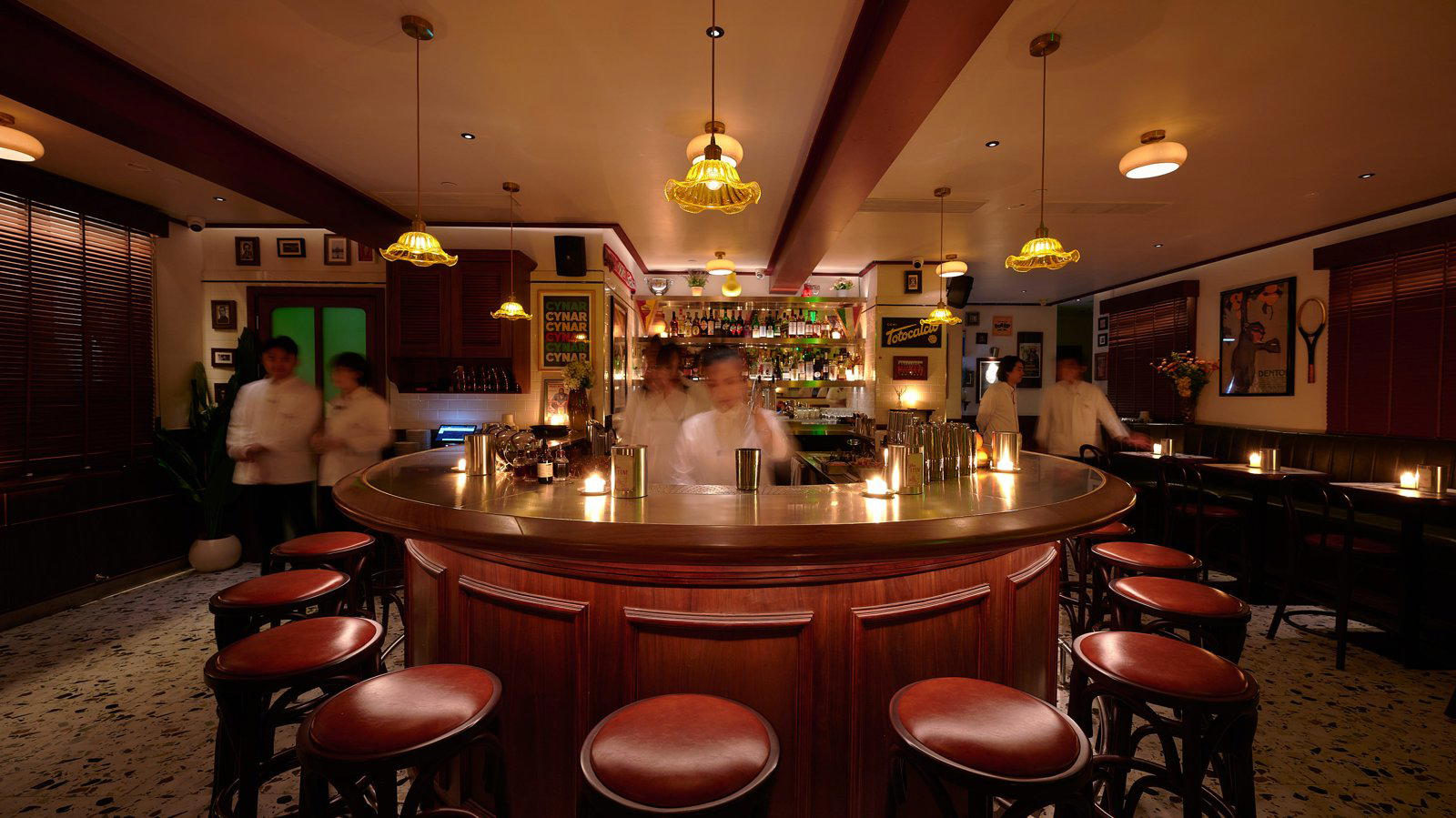
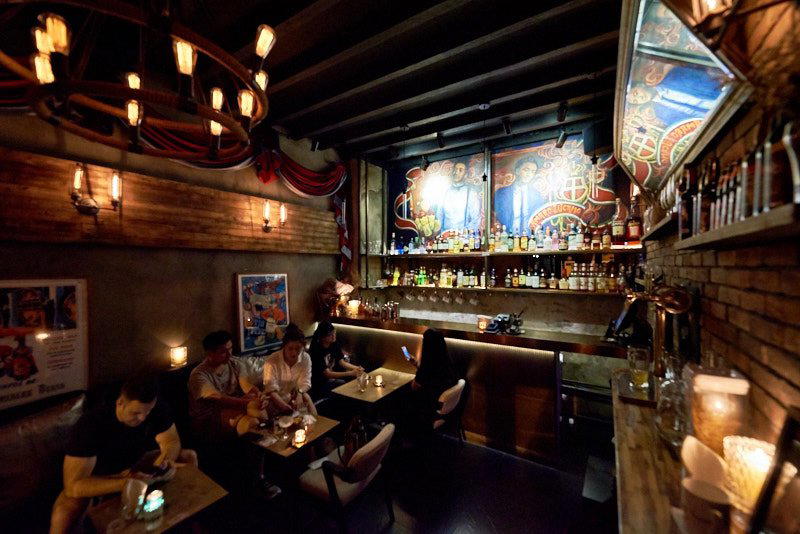
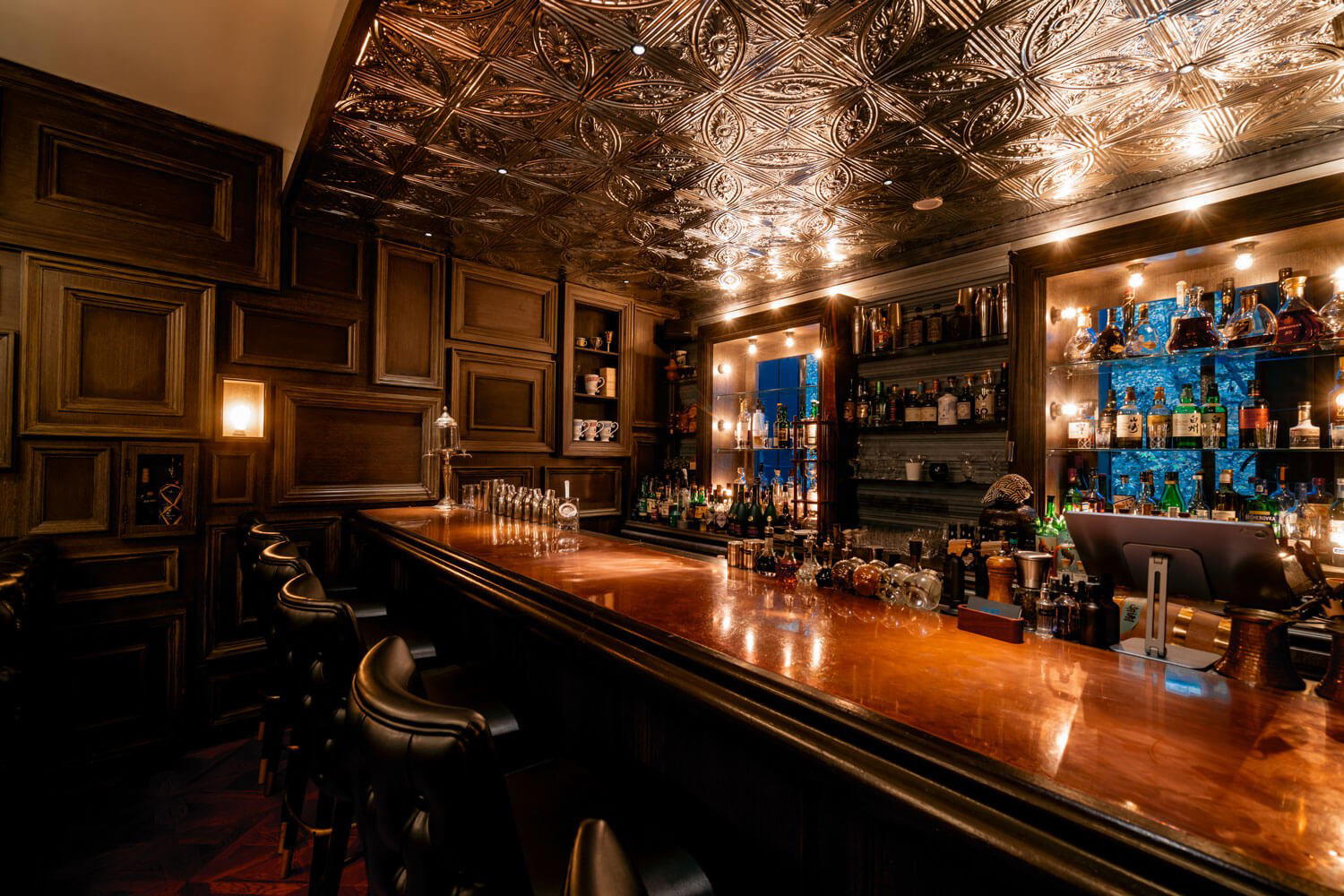
Masculine wood-paneled bar with vintage 1940s-50s styling, warm lighting, and a refined dining room that balances modern steakhouse aesthetics with classic Hollywood-era decor.