

2 Michelin Stars
Our verdict
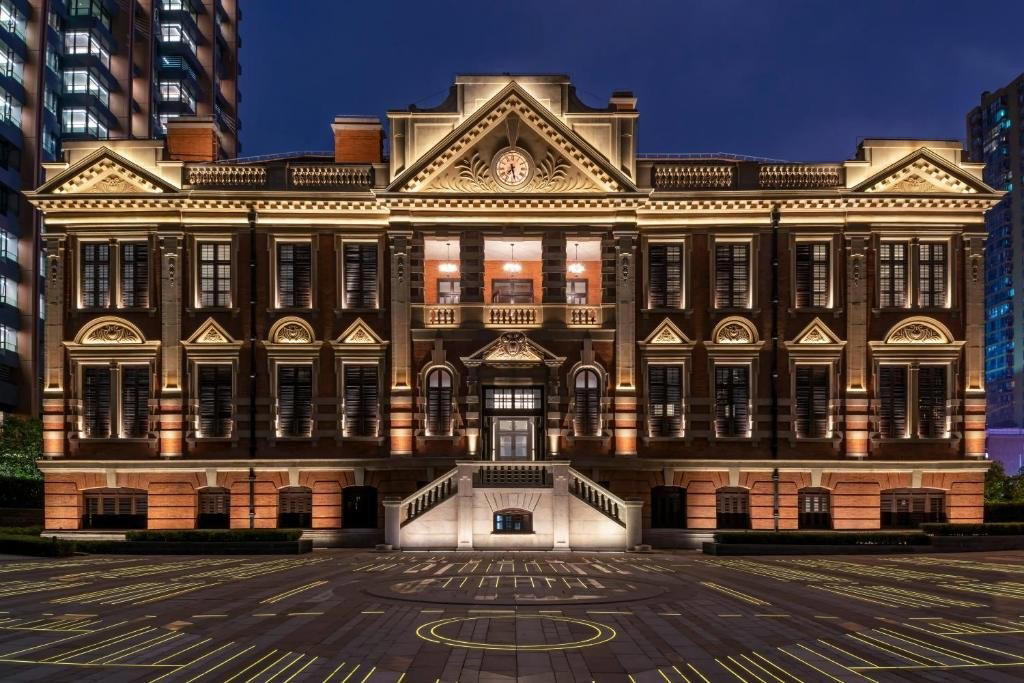
Bao Li Xuan sits in Jing’an’s heritage-commercial core, where Shanghai’s appetite for Cantonese dining meets the city’s taste for polished rooms and business-grade hospitality. The draw is less novelty than cultural fluency: Cantonese technique, private-dining expectations, and the formality that Shanghai applies to serious Chinese restaurants.

Pearl is the En Primeur Club membership app — saves, bookings, and concierge access live there. Same editors, same standards.
- Address
- 3F, Chamber of Commerce Shanghai, Lane 108, North Shanxi Road, Jingan, Shanghai, Shanghai Municipality, CHN
- Phone
- +86 21 3606 7788
- Website
- guide.michelin.com
- Directions
- Get directions
The menu
What to order
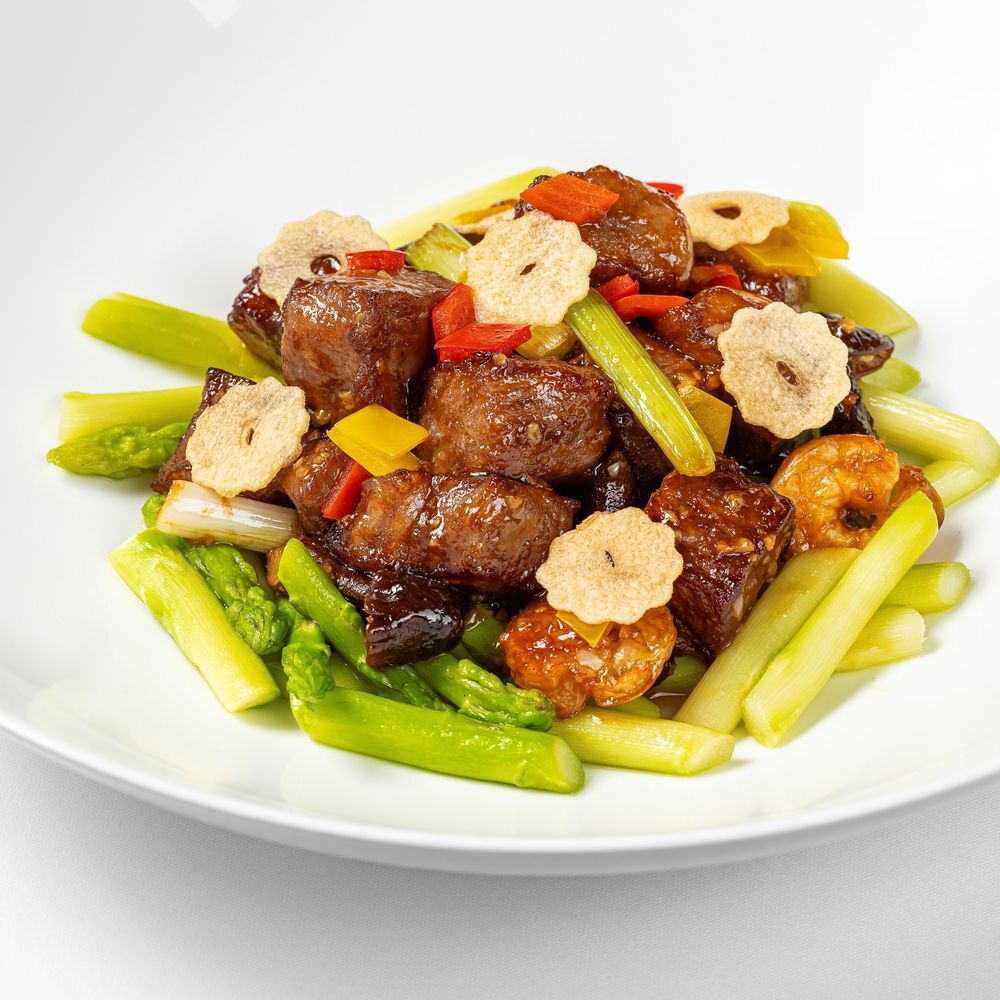
- Rose soy sauce chicken
- Abalone crisps
- Huadiao egg white steamed crab claws
- Roasted suckling pig
- Dim sum selection
Approaching Bao Li Xuan in Shanghai, the mood shifts from the city’s street-level tempo to a more composed register: a sense that serious dining here belongs as much to occasion culture as to the evening itself. Bao Li Xuan occupies a Shanghai setting, and that context matters. In Shanghai, formal dining often works by separation: the city’s energy outside, quieter tables within, with hospitality calibrated for negotiations, family occasions, and long dinners where pacing and service carry as much weight as the kitchen.
Restaurants of this kind in Shanghai occupy a particular role. They are not simply places to eat; they are status rooms, precision kitchens, and gathering places for a city that has long absorbed dining codes into its own idea of refinement. The discipline, controlled pacing, careful handling, and service culture translate neatly to Shanghai’s preference for order and polish. Bao Li Xuan fits that conversation in Shanghai rather than the spectacle tier, which gives the meal a different register: less skyline theatre, more club-like urban discretion.
Formal dining inside Shanghai's polished grain
The city is the first editorial clue. Shanghai has become one of China’s clearest stages for high-spend dining because it can support several kinds of luxury at once: hotel restaurants, polished dining rooms, and specialist counters. A formal room inside the city reads differently from a dining room built around views. It connects the restaurant to Shanghai’s broader culture of hospitality, where private conversation, ceremonial pacing, and considered ordering can be part of how social and business occasions are shaped.
That context matters because this style of dining depends on structure. The pleasure is not only in a single plate but in sequence, rhythm, and the way the table is allowed to unfold. Shanghai diners understand that grammar. At this tier, the kitchen is judged on restraint as much as abundance, because polished cooking has little patience for heavy-handed display. Sauces should support rather than bury; texture should be legible; expensive ingredients need technique, not theatrical framing.
Within Shanghai’s formal dining field, Bao Li Xuan sits closer to the composed occasion-room model than to casual shops or single-format counters. Readers comparing premium choices in the city can place it alongside other Shanghai dining rooms, while noting that each room answers a different Shanghai question: hotel polish, intimacy, or discreet urban formality. The broader city list sits in our full Shanghai restaurants guide.
How Shanghai reads a formal dining room
Shanghai is a demanding city for restaurants in this bracket because the category is familiar, competitive, and socially coded. Diners are not merely asking whether the food is polished. They are reading the room: whether it suits elders, clients, celebrations, and multigenerational ordering; whether the service rhythm allows conversation; whether the setting carries enough ceremony without becoming stiff. Bao Li Xuan’s Shanghai setting puts it in that adult dining bracket, where the meal is expected to function for occasions rather than casual grazing.
The comparison set helps clarify the point. Shanghai’s premium dining scene ranges from international hotel kitchens such as Il Ristorante - Niko Romito to highly local casual institutions like Yang’s Fry-Dumpling. A formal room in Shanghai competes on a different axis: not speed, novelty, or imported glamour, but the durability of a dining format that can handle family hierarchies and business etiquette. That is why the room, the city, and the occasion belong in the same sentence.
For travellers, the useful frame is not “where is the flashiest dinner?” but “what kind of Shanghai meal is this?” Some venues answer an international business-dining brief. Bao Li Xuan answers another: a composed table, deference to occasion, and a structure that lets the host shape the evening. That cultural function is the point.
Where it fits in a wider China itinerary
Dining in China is often flattened for visitors, but the differences are practical, not academic. Other cities reward different registers: casual directness in one place, formal pacing in another, specialist rooms elsewhere. Shanghai brings its own filter to those traditions, shaping them through polish, order, and a social understanding of what a formal dining room is meant to do.
Against that map, Bao Li Xuan gives Shanghai visitors a serious local reference point without leaving the city’s luxury circuit. It belongs in an itinerary that also considers hotels, bars, and cultural pacing: our full Shanghai hotels guide, our full Shanghai bars guide, our full Shanghai wineries guide, and our full Shanghai experiences guide help place dinner within the rest of the trip. For readers extending the comparison beyond China, other Asian dining traditions show how intimacy, counter service, ceremony, and ritual scale differently in other cities.
The editorial verdict is simple: this is a Shanghai address to consider when the occasion calls for composure, not novelty. The value lies in the fit between the room, the city, and the social use. In a city where dining rooms often compete through height, spectacle, or imported names, Bao Li Xuan’s appeal is more rooted: formal dining placed inside Shanghai’s urban fabric, with enough distance from street-level noise to let the table do its work. It is also recognized with Two MICHELIN Stars, which gives that composure an external benchmark.
Frequently asked questions
Does Bao Li Xuan work for a family meal?
Yes, Bao Li Xuan in Shanghai can suit family gatherings, especially if the group wants a formal, sit-down dining room rather than a casual drop-in.
What's the overall feel of Bao Li Xuan?
Bao Li Xuan reads as a formal dining room in Shanghai. The setting suggests a businesslike, composed atmosphere rather than a loose neighborhood restaurant.
What distinctions does Bao Li Xuan have?
Bao Li Xuan has received Two MICHELIN Stars.
What's the address for Bao Li Xuan?
Shanghai.
Do I need a reservation for Bao Li Xuan?
A reservation is advisable for Bao Li Xuan in Shanghai, especially for dinner and group dining. Its formal positioning usually makes planned arrivals the safer choice.
What's the standout thing about Bao Li Xuan?
Its most notable feature is the way Bao Li Xuan frames a composed, formal meal in Shanghai. That setting suits occasion dining and distinguishes it from more casual city rooms.
Price and Recognition
Side-by-side context: comparable cuisine and price.
| Venue | Cuisine | Price | Awards |
|---|---|---|---|
| Bao Li Xuan | Two-Michelin-starred Cantonese fine dining | $100–150 | Not listed |
| Il Ristorante - Niko Romito | Contemporary Italian Fine Dining | $150–200 | 1 Michelin Star · Wine Spectator Best of Award of Excellence |
| Il Ristorants | Contemporary Italian Fine Dining | $150–200 | Not listed |
| Rong Ji 95 | Modern Seafood Bistro | $50–100 | Star Wine List |
| The Yidao (East Beijing Road) | Modern Huaiyang Tea-Paired Chinese | $50–100 | Michelin Plate |
| Yang’s Fry-Dumpling | Shanghainese Sheng Jian Bao | Not listed | Not listed |
Recognition history
Dated appearances from independent guides and award organizations, with the underlying list record or original source where available.
Michelin 2 Stars
Michelin
World Culinary Awards China's Best Hotel Restaurant 2025 #1
World Culinary Awards
Details
- Elegant
- Sophisticated
- Classic
- Romantic
- Ornate
- Special Occasion
- Date Night
- Business Dinner
- Celebration
- Group Dining
- Wine Cellar
- Private Dining
- Design Destination
- Hotel Restaurant
- Standalone
- Extensive Wine List
- Sommelier Led
- A La Carte
- Set Menu
- Wine
- Baijiu
- Tea
- Vegetarian Friendly
- Gluten Free Options
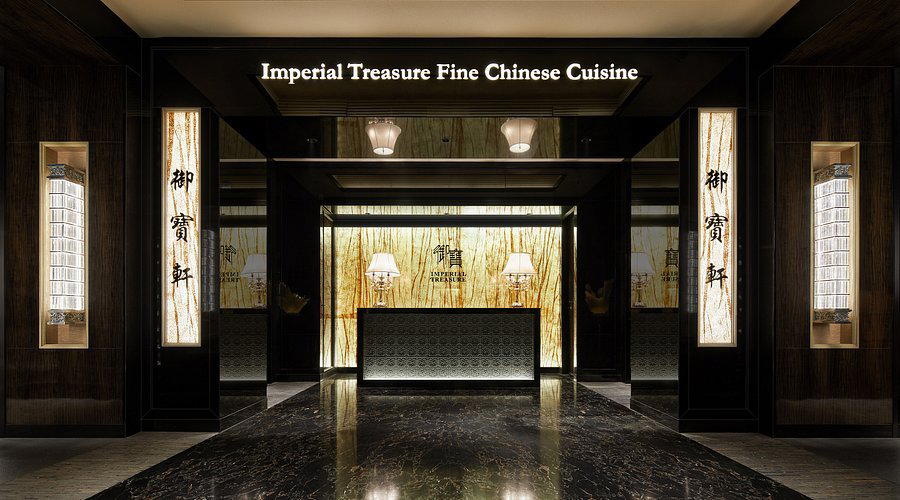
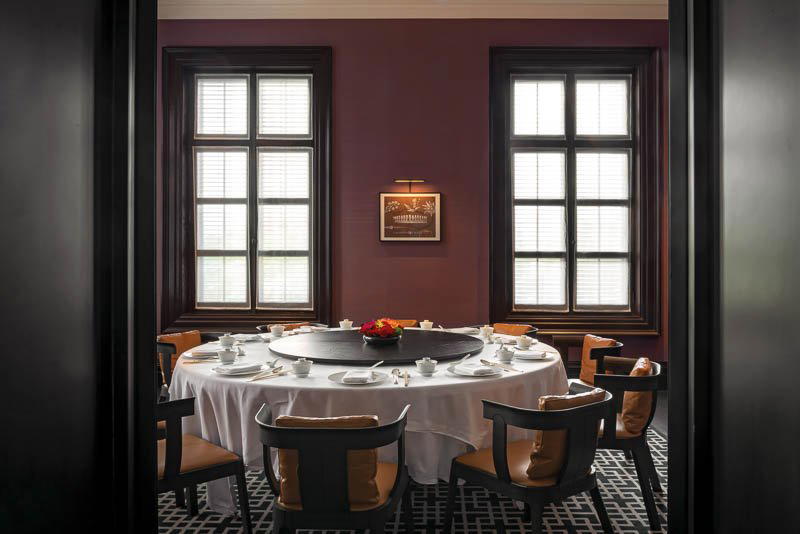
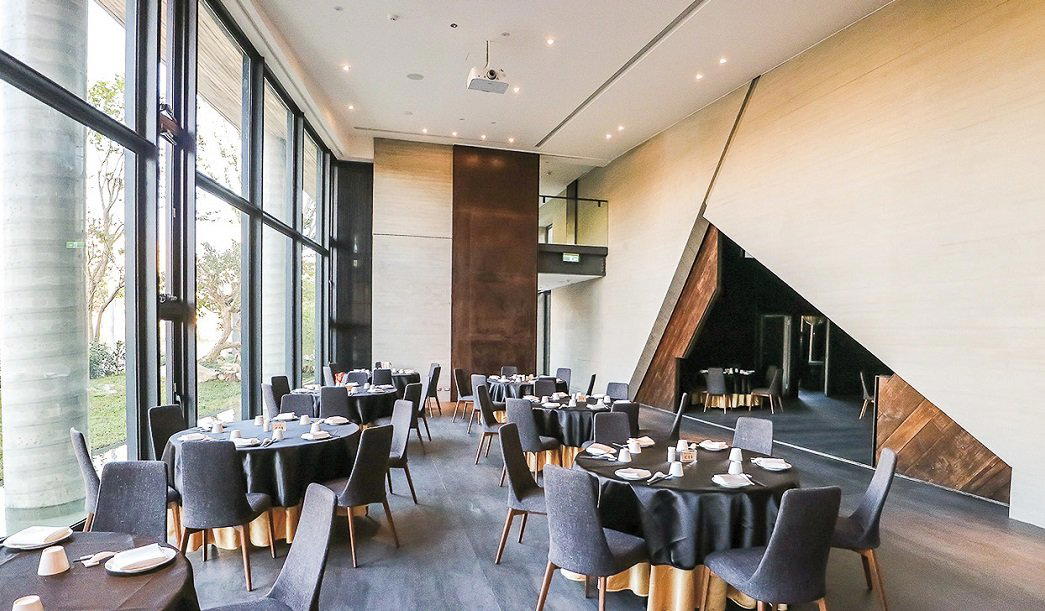
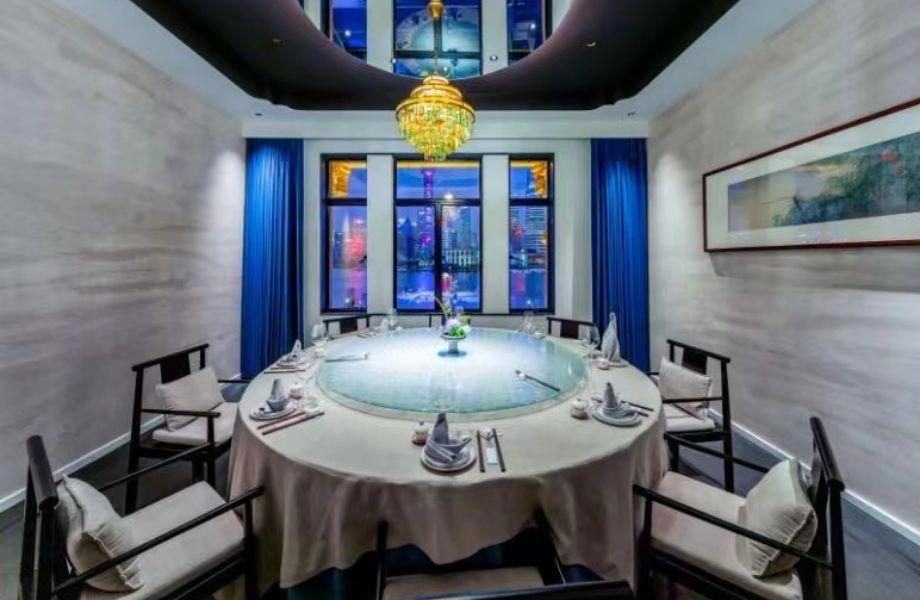
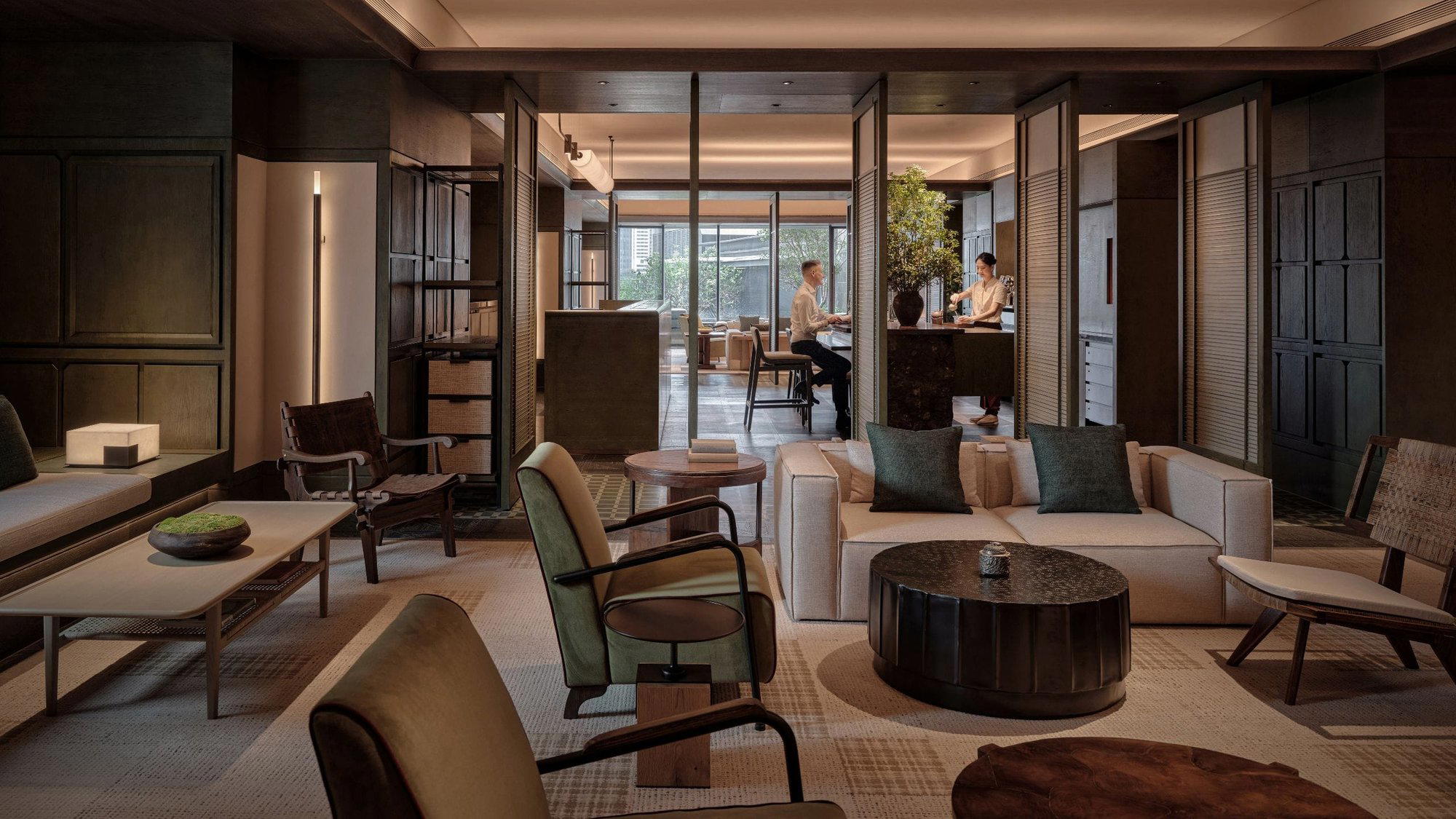
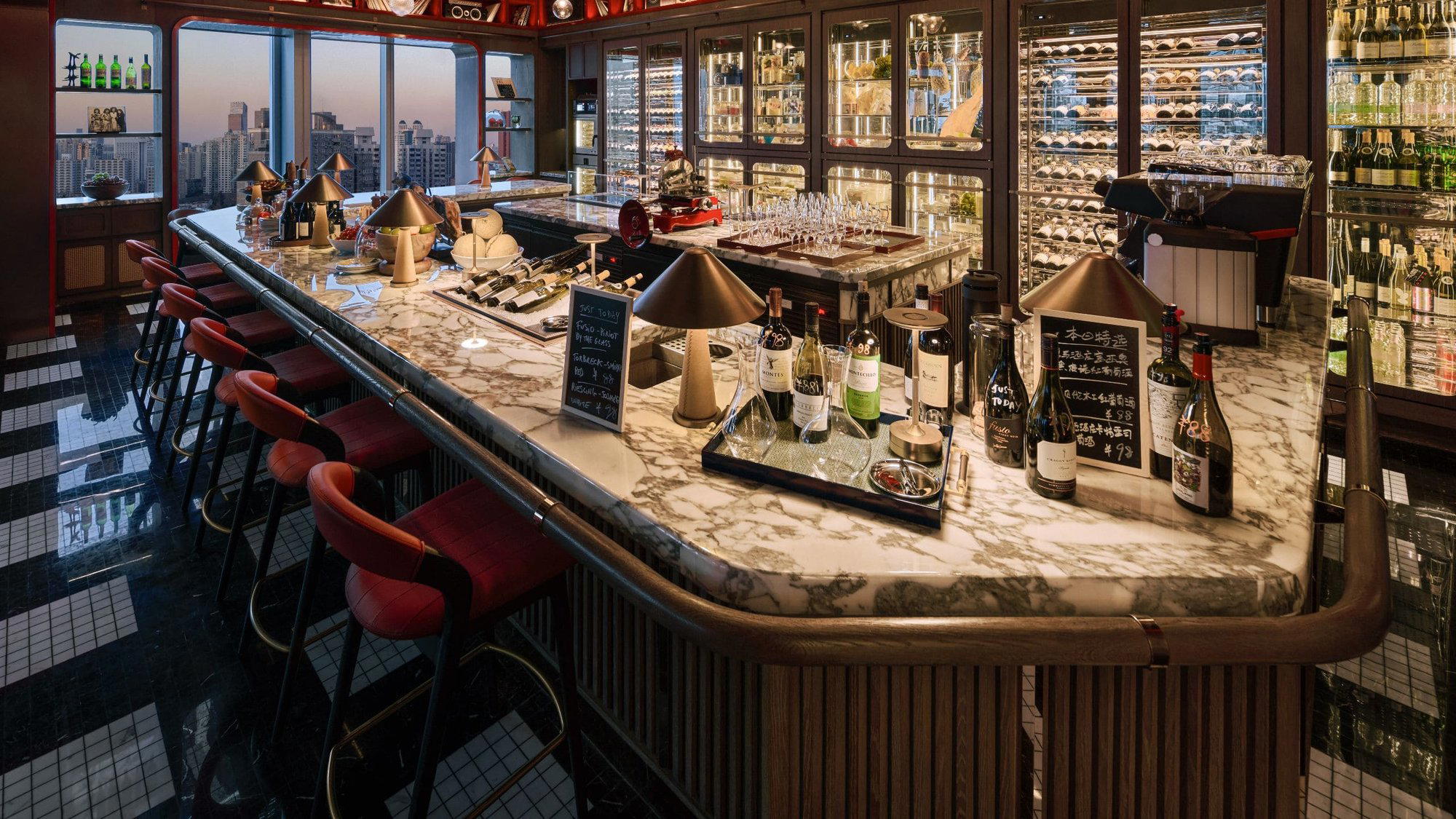
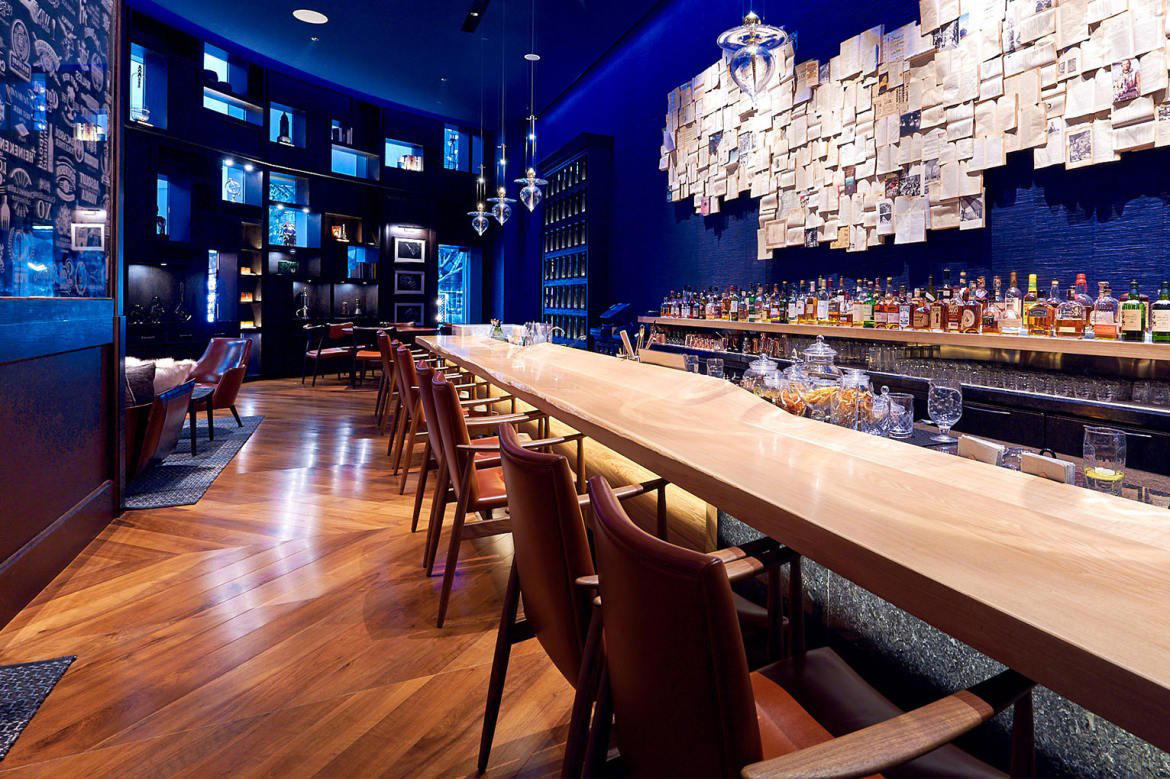
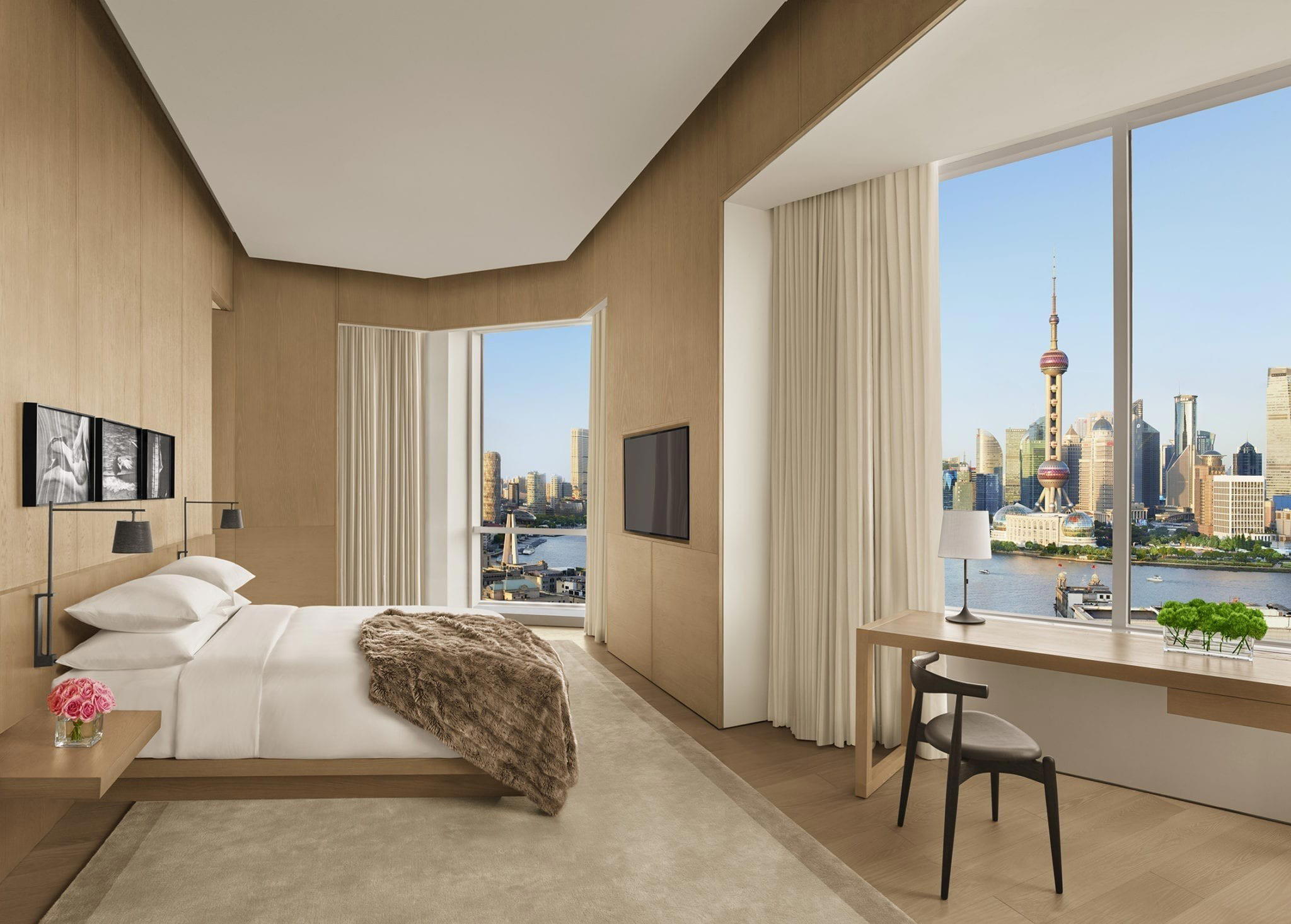
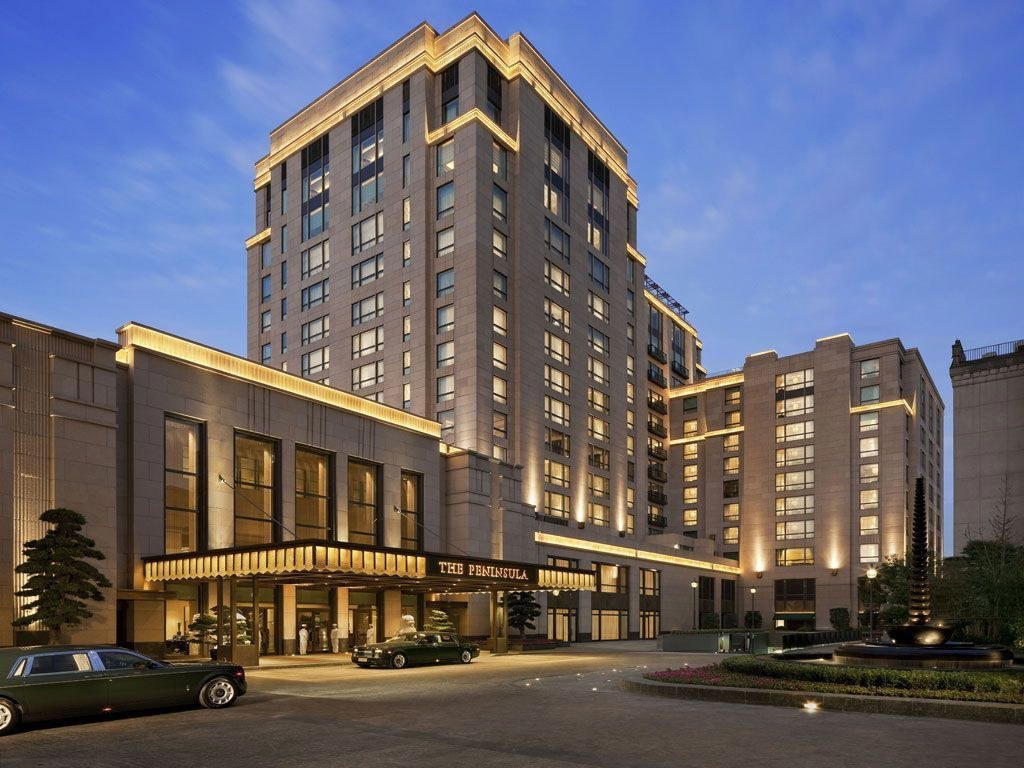
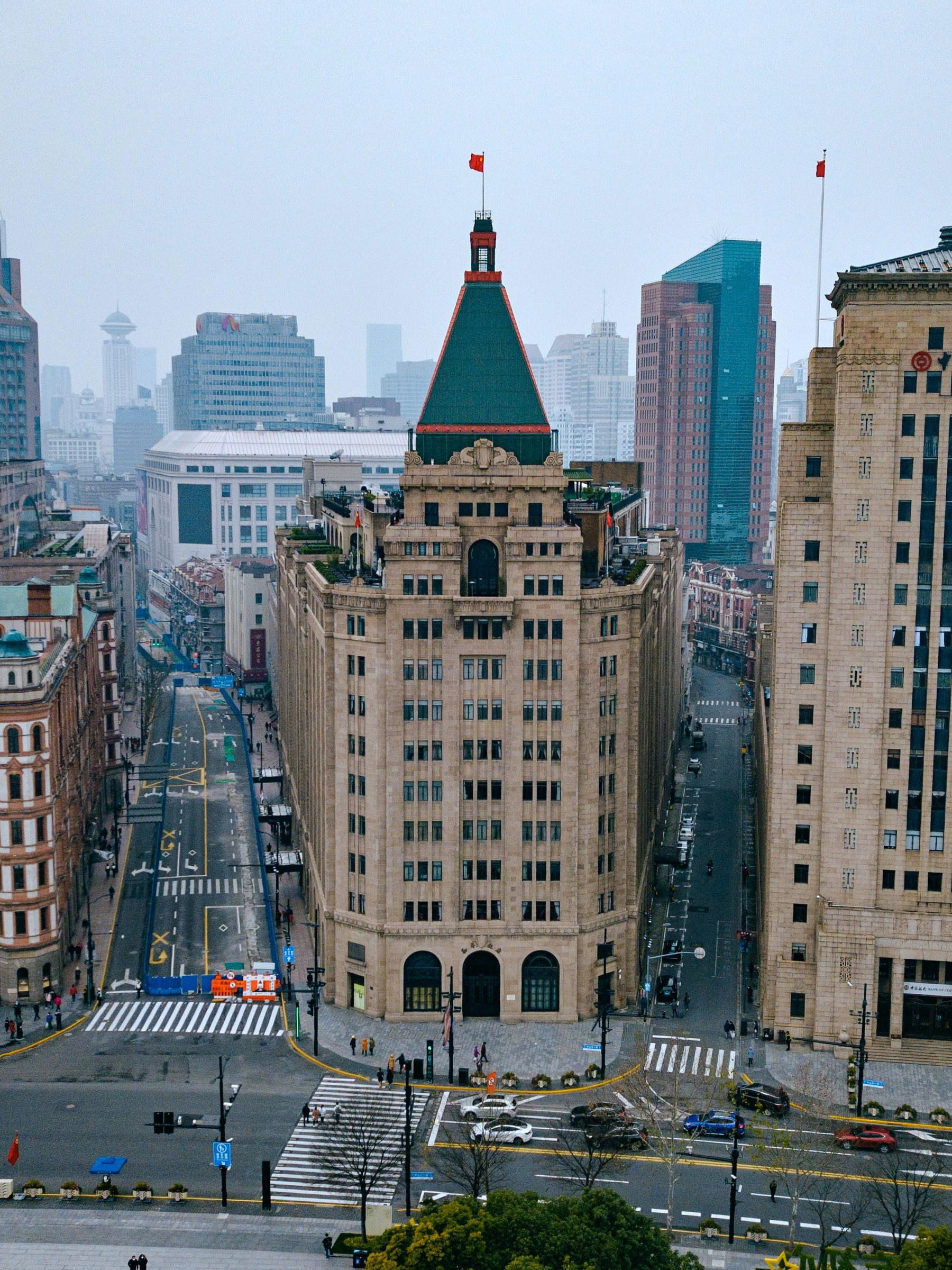
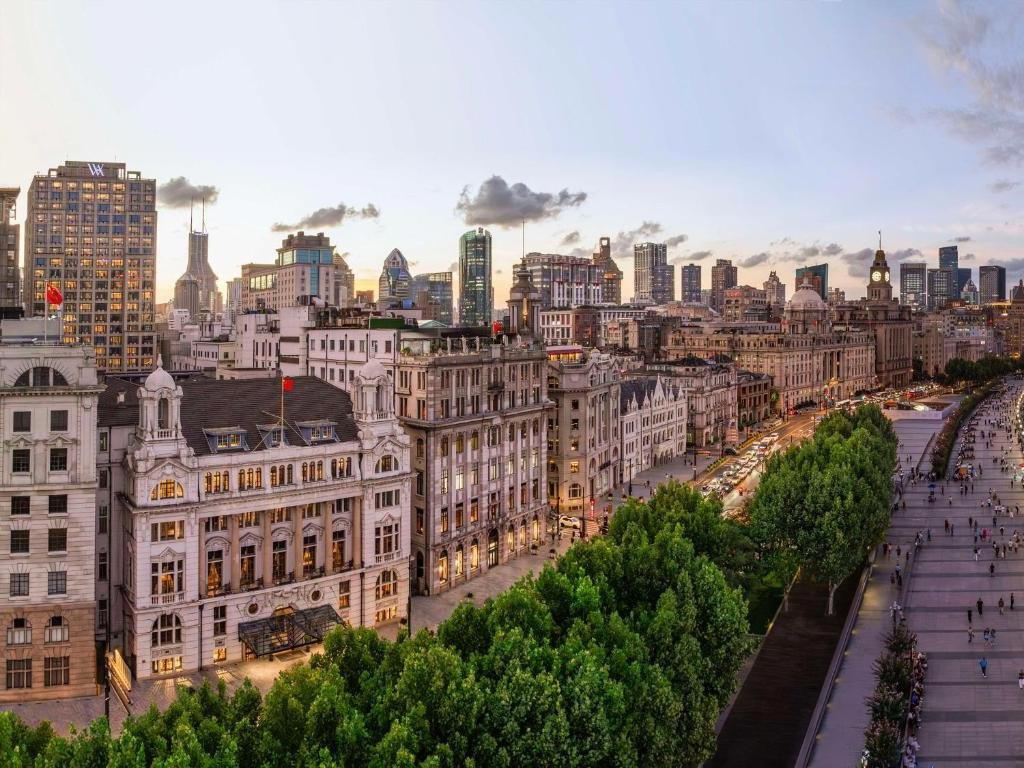
An intimate, jewel-box space that blends old Shanghai glamour with contemporary luxury, featuring turquoise raw silk walls, black lacquer panels, Art Deco-patterned carpets and soft, refined lighting that creates an elegant yet comfortable setting for fine dining.