← Guides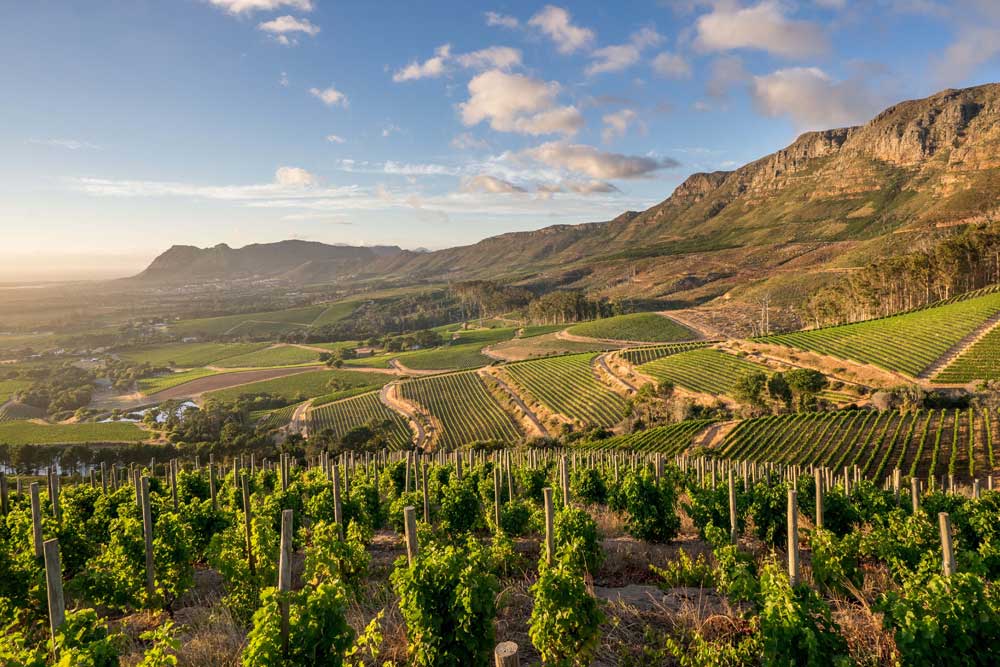
Plan a 2026 Cape Winelands trip around Klein Constantia's Vin de Constance cellar door and the Swartland's allocation-driven producers.
Plan a 2026 Cape Winelands trip around Klein Constantia's Vin de Constance cellar door and the Swartland's allocation-driven producers.
The confirmation email from Klein Constantia arrives with a tasting time, a gate code, and a note about the Vin de Constance, the estate's 500ml dessert wine that Napoleon reportedly requested on St Helena. That email is the access. Both Klein Constantia and the Swartland's leading producers do receive visitors, and neither requires the kind of years-long mailing-list patience that Burgundy's grands crus demand. But the two regions operate on different logics, and conflating them will cost you bottles and time.
The direct answer for any Cape Winelands travel guide in 2026: Klein Constantia1 accepts tasting bookings through its website and can be visited with a few days' notice in quieter months. The Swartland's cult producers, Sadie Family Wines, Mullineux, Intellego, AA Badenhorst, are a different matter. Most do not operate public tasting rooms. Access runs through allocation lists, annual releases, and a handful of trade-facing events. Plan accordingly.
Constantia is a working wine estate on the southern slopes of the Cape Peninsula, approximately forty minutes from Cape Town International Airport.2 It has infrastructure for visitors: a tasting room, a restaurant, and a vineyard drive.2 Demand is real, as the estate draws both international collectors chasing Vin de Constance and local wine tourists, but it is manageable. You are not competing with a thousand-person mailing list for a single annual slot, so make Klein Constantia the fixed point in your itinerary.
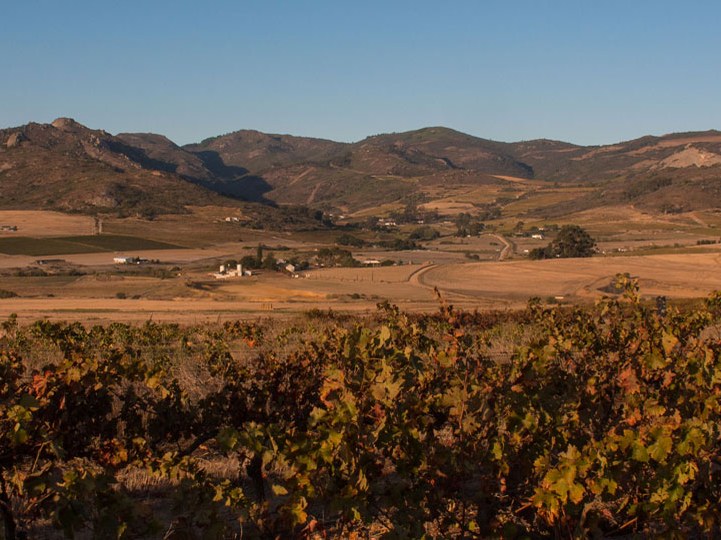
The Swartland is a different proposition entirely. The region sits roughly ninety minutes north of Cape Town, centered on Malmesbury, and its most sought-after producers built their reputations on small-production, single-vineyard wines that sell out quickly after release. Eben Sadie's Columella and Palladius, the flagship reds and whites of Sadie Family Wines, are allocated to a list that has been effectively closed to new entrants for years. Andrea and Chris Mullineux release their single-terroir Syrahs in annual campaigns that move fast. These are not wines you walk in and taste. They are wines you track, apply for, and wait on.
The scarcity is structural. The Swartland's dry-farmed, old-vine parcels, Grenache on granite, Chenin Blanc on iron-rich schist, produce small yields by design. A parcel of seventy-year-old Cinsault on the Paardeberg mountain does not scale. The producers who farm these sites have chosen allocation over volume, and that choice is irreversible at the scale they operate.
Klein Constantia's tasting room operates Monday to Sunday, 10:00 to 17:00,2 with bookings available through the estate's website. If you are seeking a case allocation rather than a cellar-door bottle, contact the estate directly to confirm current availability and any waiting-list mechanics.
For the Swartland's allocation-driven producers, the annual release window is the critical moment. Sadie Family Wines, Mullineux, and AA Badenhorst each run annual release campaigns, typically in the first half of the calendar year. Exact drop dates vary by vintage.
The Swartland Independent Producers (SIP) collective, which includes many of the region's most sought-after names, historically held an annual tasting event open to trade and press, but public access to this event is limited and not guaranteed year to year.
Confirm directly with individual producers or their Cape Town-based agents before building a travel itinerary around a specific release date.
For Klein Constantia, the cellar-door booking page is one direct route. The estate also works with a network of fine wine merchants in the UK, Europe, and the US for Vin de Constance allocations; if you are outside South Africa and want a case rather than a cellar-door bottle, building a relationship with a merchant who holds a direct allocation, such as Justerini & Brooks and Berry Bros & Rudd, which have historically listed it, is the practical path. The estate can be reached at +27 (0)21 794 51881 or by email at info@kleinconstantia.com.1
For the Swartland's top producers, the channels rank roughly as follows:
The patient route, joining producer mailing lists now and waiting for active allocation, costs nothing upfront but demands a multi-year horizon. The expensive-but-immediate route runs through auction and restaurant lists. A bottle of Columella at auction typically trades at a premium to its release price; expect to pay materially more than the ex-cellar price for sought-after vintages, though exact auction hammer prices vary by vintage and condition. Restaurant pours of Swartland cult wines carry the standard hospitality markup but give you the wine in the glass tonight, paired with food, without a case commitment.
For Klein Constantia's Vin de Constance, the calculus is simpler: the 500ml format retails through merchants at a price point that does not require auction-level outlay. The cellar door is one atmospheric place to buy it, and availability there is generally more reliable than for the Swartland's micro-production reds.
Join the Sadie Family Wines and Mullineux mailing lists today, even if active allocation is years away. List position compounds: the earlier you are on the list, the sooner you move into active status as the list turns over. While you wait, buy the producers' entry-level ranges: Sadie's Sequillo Cellars wines and Mullineux's Kloof Street range are made from purchased fruit and are widely available through merchants. They are not the same wines as the single-terroir releases, but they are made by the same hands and give you a reference point for the house style.
For Klein Constantia, the off-vintage entry point is the estate's dry table wines, the Metis range and the KC Sauvignon Blanc, which are available through merchants without any allocation friction. Tasting these before a cellar-door visit gives you context for the Vin de Constance conversation.
If you are planning a Cape Winelands trip in 2026, build the itinerary around Klein Constantia's cellar door as the confirmed anchor, and treat any Swartland producer visit as a bonus to be arranged well in advance through direct producer contact. Swartland wine tours can also be arranged through Luhambo Tours, who specialise in wine tasting tours in the region,3 a useful option if you want a guided introduction rather than cold-calling producers directly. Several smaller Swartland producers, Intellego's Jurgen Gouws, for instance, do receive visitors by appointment and are more accessible than the headline names. Email directly; the Cape wine community is not large, and a genuine, informed inquiry is received differently than a generic tourist request.
| Producer / Venue | Access Difficulty | Tasting Room | Allocation Route | Best For |
|---|---|---|---|---|
| Klein Constantia | Low, Medium | Yes, bookable online | Merchant / cellar door | Vin de Constance, cellar-door experience |
| Mullineux Family Wines | High | By appointment only (reported) | Producer mailing list | Single-terroir Syrah, Chenin Blanc |
| Sadie Family Wines | High | No public tasting room | Producer mailing list (waitlist) | Columella, Palladius, old-vine series |
| AA Badenhorst Family Wines | Medium | Yes, Kalmoesfontein farm visits reported | Merchant / direct | Swartland blends, Ramnasgras Cinsault |
| Boekenhoutskloof (Franschhoek) | High | Appointment-only tastings on limited days; no cellar-door sales | Use the Invincible shop in Franschhoek for purchases | Syrah, Semillon, The Chocolate Block |
AA Badenhorst Family Wines at Kalmoesfontein is the Swartland's most visitor-friendly serious producer. Adi Badenhorst farms old-vine Grenache, Cinsault, and Chenin Blanc on the Paardeberg and has historically welcomed visitors to the farm; confirm by email before arriving, as no formal booking platform is published.
Boekenhoutskloof in Franschhoek produces wines of genuine ambition, particularly the Syrah and old-vine Semillon, but visitor access is limited and should be arranged well in advance. Purchases are handled through the Invincible shop in Franschhoek rather than cellar-door sales.
Intellego Wines (Jurgen Gouws) is a micro-producer making some of the Swartland's most interesting natural-leaning wines from old Chenin Blanc and Grenache. Production is tiny, but Gouws is reachable directly and has been known to receive collectors by appointment.
The estate sits at End Klein Constantia Road, Constantia,1 on the eastern slopes of the Constantiaberg, the same mountain that produced the Constantia wine that reached the courts of Europe in the eighteenth century. The tasting room looks across the valley toward False Bay; on a clear Cape morning, the light on the water is the kind of thing that makes you pour more slowly.
A standard tasting at Klein Constantia moves through the dry table wines before arriving at the Vin de Constance, a Muscat de Frontignan dessert wine made from hand-harvested, partially dried grapes, aged in French oak.
The wine is served in its distinctive 500ml bottle, and the tasting notes that accompany it reference the historical record: the wine that Baudelaire wrote about, that Jane Austen's characters drank, that Napoleon's physician ordered for the emperor's final years.
Whether or not you find the historical provenance compelling, the wine itself, honeyed but not cloying, with a citrus-peel tension that keeps the sweetness honest, earns the attention.
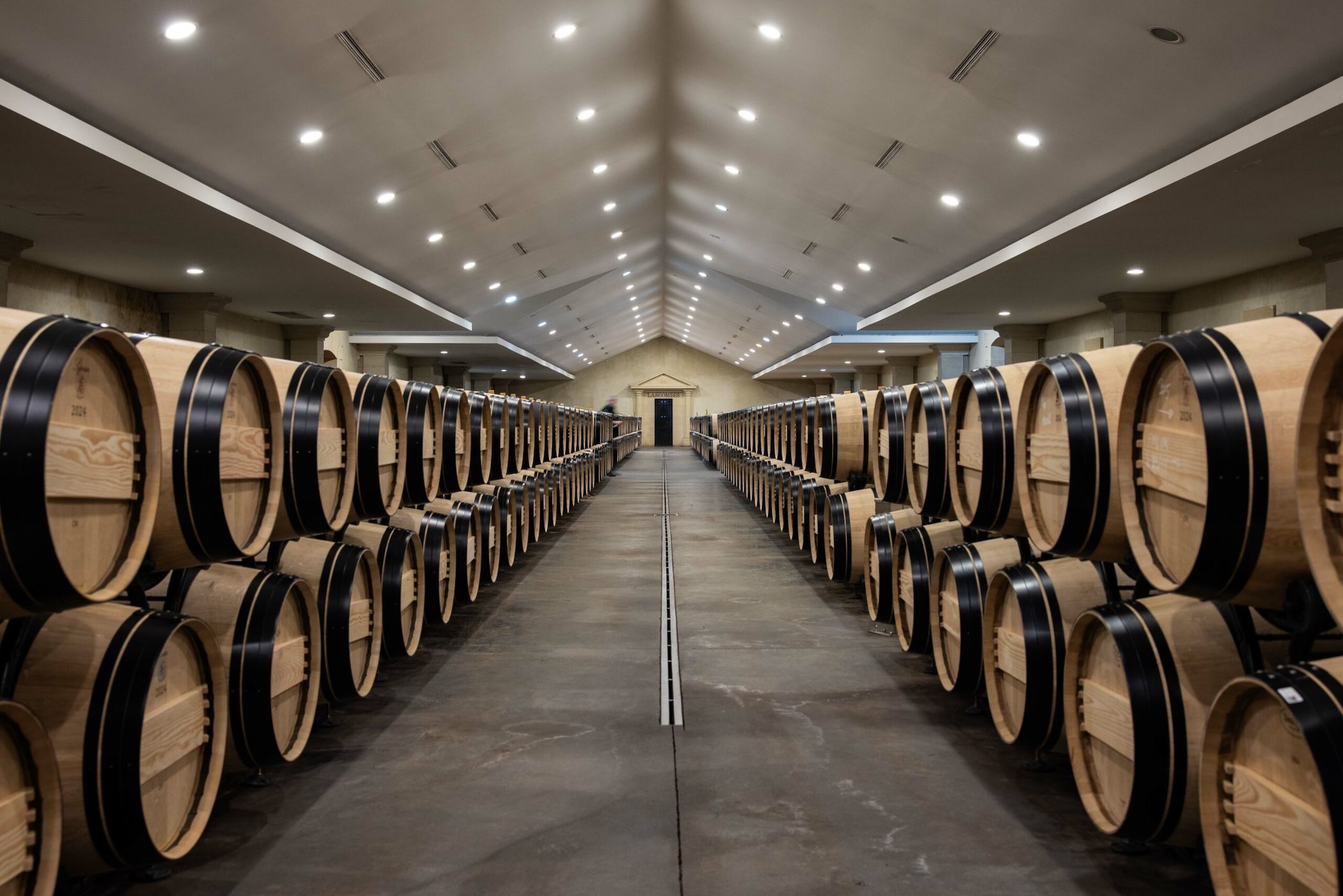
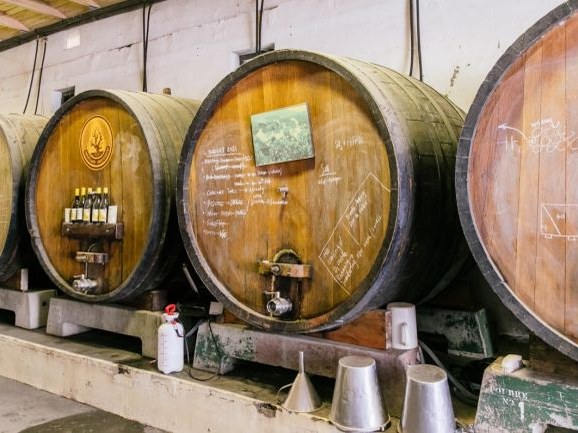
Cellar tours are available and take you through the barrel hall where the Vin de Constance ages. Confirm specifics when booking. The crowd at the tasting room on a weekday morning tends toward serious wine travelers and collectors rather than casual tourists, so expect more cellar talk than bus-tour bustle.
For the Swartland, the tasting experience at Mullineux Family Wines has historically had no formal tasting room; visitors stood beside stacked barrels and wandered among fermenters,3 an immersive encounter with the winemaking process rather than a polished hospitality offering. Check directly with the Swartland Independent Producers collective for current information.
Klein Constantia is worth the visit for any serious wine traveler passing through Cape Town. The Vin de Constance is one of the world's great dessert wines, and tasting it in the valley where it was made adds a layer that no merchant bottle replicates. The dry table wines are solid rather than thrilling, but the estate's historical weight and the quality of the hospitality make the cellar door worthwhile on its own terms.
The Swartland rewards the collector willing to play a long game. For those visiting Cape Town in 2026 who want to engage with the region's top producers, one productive approach is to arrive having already joined the mailing lists, having already bought the entry-level ranges, and having already made contact with producers by email. The Swartland is not a region you drop into; it is a region you cultivate a relationship with over several vintages.
Harvest season, roughly February through April in the Cape, is one atmospheric time to visit, with activity in the cellars and producers more present on their farms. It is also the busiest period for cellar-door bookings. If you want a quieter, more focused tasting at Klein Constantia, the austral winter months (June through August) offer cooler temperatures and shorter queues.
Klein Constantia is accessible, and the Vin de Constance is worth every effort to taste at the source. Book the cellar door, arrive with some knowledge of the estate's history, and leave with a 500ml bottle for the cellar. That part of the trip is easy to arrange and reliably delivers.
The Swartland's cult producers are a different matter. Sadie Family Wines and Mullineux do not function as visit-and-buy destinations for most travelers; the allocation lists are long, the tasting rooms are limited or nonexistent, and the wines move before most people know the release has happened. If you are not already on the list, you are buying at auction or through a restaurant, and both of those routes are legitimate ways to engage with the wines.
The allocation list is the only route that reliably works for the Swartland's top tier over the long term. Join it now, buy the entry-level ranges while you wait, and treat a Swartland producer visit as something to earn over several vintages rather than something to slot into a two-week itinerary. The region's old-vine Chenin Blancs and granite-grown Syrahs are among the more compelling arguments for the Cape's place in the world's serious wine conversation, and they taste better when you have waited for them.
Walk-ins may be possible during quieter periods, but the estate recommends booking in advance through its website to guarantee a tasting slot. During harvest season (February through April) and peak tourist months, arriving without a reservation risks being turned away. Booking ahead is the safer approach.
Apply directly through the Sadie Family Wines website. The list is reported to carry a significant waitlist, and active allocation status may take several years to reach. There is no shortcut through merchants for the single-vineyard releases; list membership is the only reliable route to new-release bottles.
Yes, the Vin de Constance is typically available for purchase at the cellar door in its 500ml format. Availability of specific vintages varies; contact the estate directly if you are seeking a particular year or a case quantity, as larger allocations may require a separate arrangement.
AA Badenhorst Family Wines at Kalmoesfontein has historically received visitors, and some smaller producers such as Intellego's Jurgen Gouws have been known to welcome collectors by appointment. Most of the headline names, Sadie Family Wines, Mullineux, do not operate public tasting rooms. Direct email contact with individual producers is the only way to confirm current visitor arrangements.
Harvest season (February through April) is especially atmospheric, with active cellars and producers on-site, but it is also the busiest period for bookings. The Cape winter (June through August) offers quieter cellar doors and cooler tasting conditions. For the Swartland, timing a visit around a producer's annual release campaign, typically in the first half of the year, maximises the chance of meeting winemakers and accessing new-release stock.
Get the App
Take the shortlist into the En Primeur Club app for concierge access, saved places, and the next step after discovery.
Get Exclusive AccessMore from the editors