
Lu Bo Lang has held court in Shanghai's Huangpu district for decades, earning consecutive Michelin Bib Gourmand recognition in 2024 and 2025 for its disciplined approach to Shanghainese cooking. The mid-range pricing and classical interior place it among the city's most accessible serious Chinese restaurants, drawing locals and visitors alike to a menu rooted in the region's braised, sweet-savory traditions. Chef Lu Yaming leads the kitchen.
Pearl is the En Primeur Club membership app — saves, bookings, and concierge access live there. Same editors, same standards.
- Address
- China, Shanghai, Huangpu, 四牌楼 邮政编码: 200010
- Phone
- +86 21 6328 0602
- Directions
- Get directions
 Saves & bookings on Pearl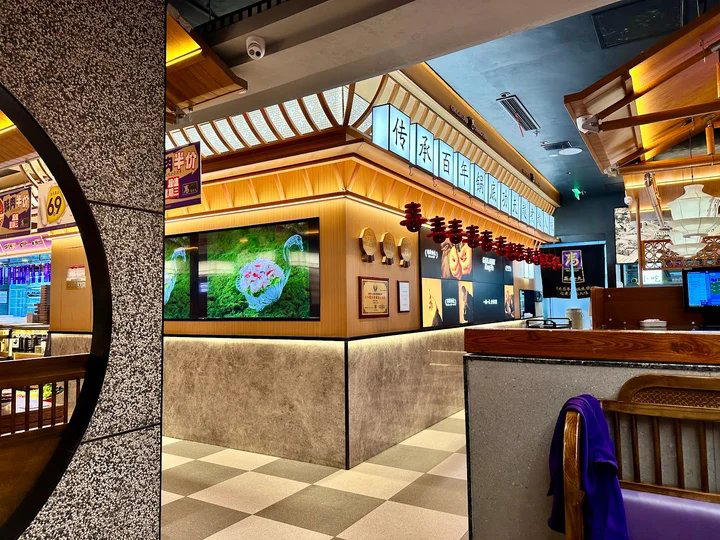
Classical Shanghainese in a City Pulling Toward the New
Shanghai's dining scene has spent the better part of the last decade in a headlong chase for novelty: new-wave Chinese concepts, ingredient-led tasting menus, collaborations between local chefs and imported European technique. Against that backdrop, the restaurants that hold to a classical Shanghainese register occupy a distinct and increasingly self-confident position. Lu Bo Lang, located in the Huangpu district's 四牌楼 corridor, belongs to that tier, a space where the architecture, the service rhythm, and the food itself resist the pressure to modernize for its own sake.
The Bib Gourmand, awarded by Michelin in both 2024 and 2025, places Lu Bo Lang in a specific bracket of Shanghai's mid-range Chinese dining. The Bib designation, which Michelin applies to restaurants offering good cooking at a price point below the starred tiers, signals something useful to the reader: this is not a budget canteen, nor is it a showpiece for a celebrated chef's personal vision. It sits in the working middle of the market, the segment where a city's everyday culinary character tends to be most honestly expressed. In Shanghai, that character is defined by red-braised pork, slow-cooked river eel, and a sweet-savory seasoning logic that distinguishes the city's cooking from the drier, spicier registers found inland.
The Physical Logic of the Dining Room
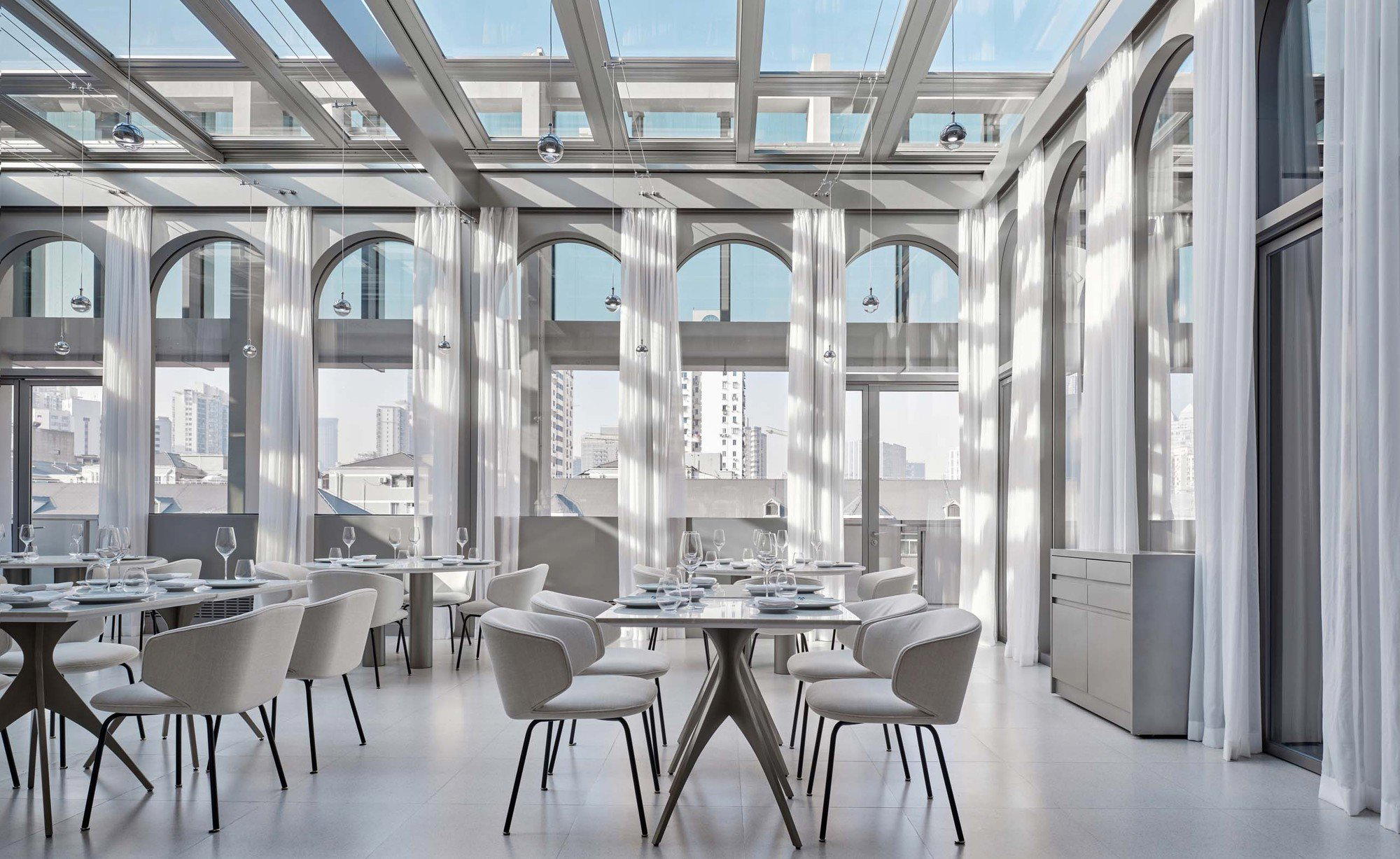
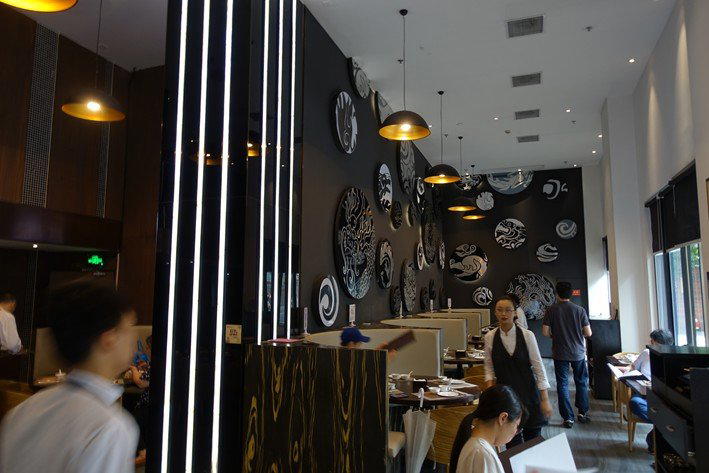
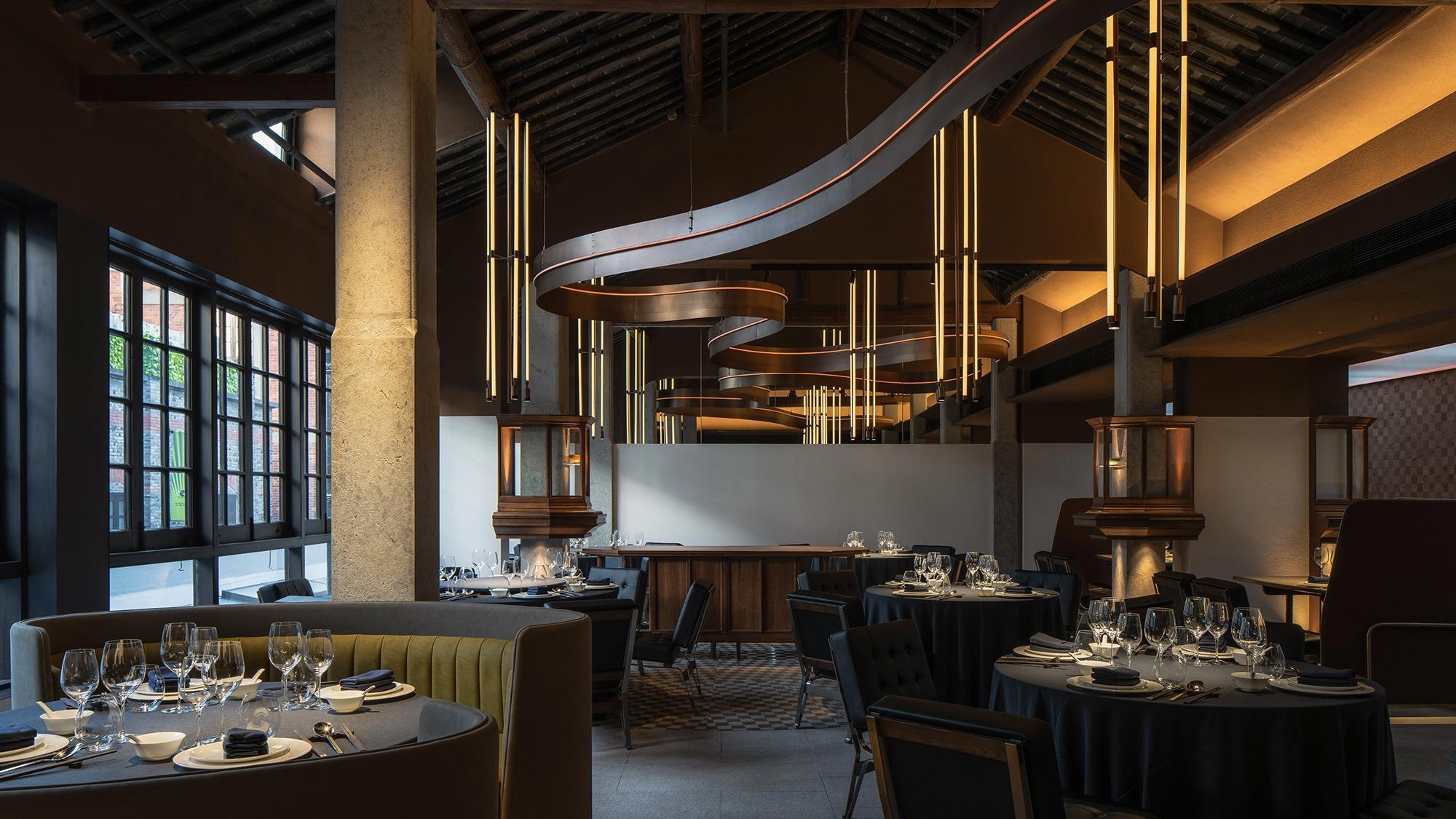
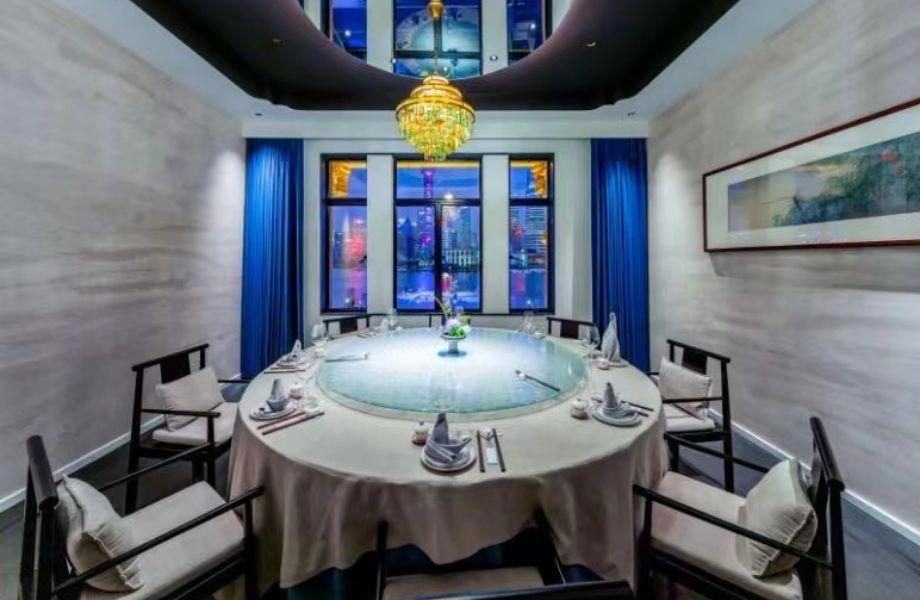
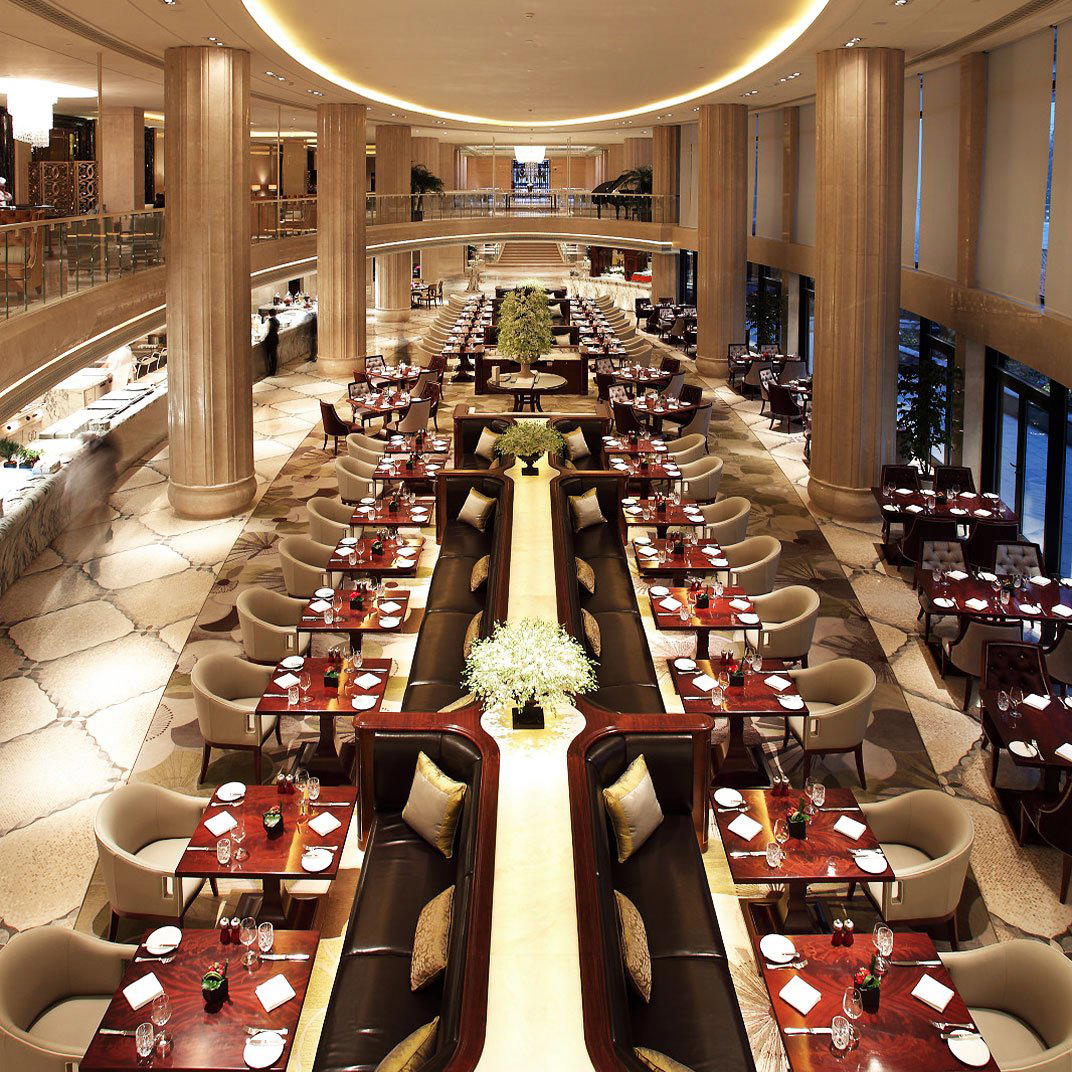
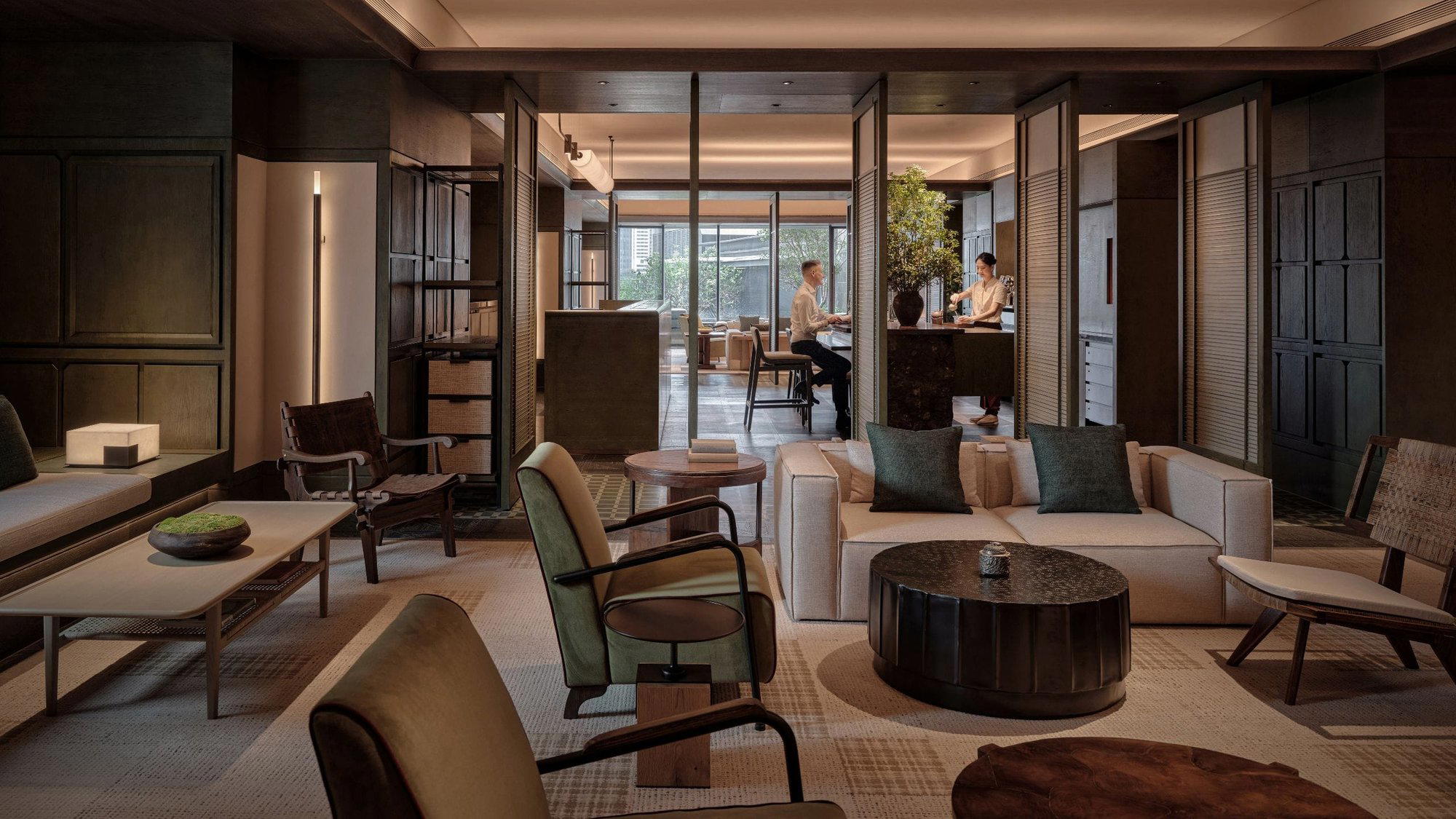
Shanghainese classical restaurants tend to share a recognizable spatial grammar: tiered dining rooms that accommodate large family tables, carved wood screens that divide the space without closing it off, and an interior palette drawn from dark lacquer, warm lantern light, and decorative motifs that reference the city's pre-revolutionary merchant wealth. Lu Bo Lang operates within this tradition. The address in Huangpu puts it in proximity to the old city fabric, and the interior design reads as a deliberate continuation of a specifically Shanghainese decorative sensibility rather than a pastiche of generic Chinese restaurant aesthetics.
That distinction matters. In Chinese fine and mid-range dining, the quality of a room often signals the kitchen's ambition. A space that takes its physical identity seriously, real joinery, considered proportion, seating that treats a multi-hour meal as the expected format, tends to correlate with a kitchen that applies the same patience to its cooking. The long braises and precisely controlled sweetness that define the Shanghainese canon require the same disciplined attention as a well-made room.
The seating format at mid-tier classical Shanghainese restaurants like Lu Bo Lang typically accommodates both round tables for groups and smaller configurations for pairs or compact family parties. The round table remains the operative social unit in this style of dining: dishes arrive at the center, portions are shared, and the meal unfolds as a collective experience rather than a sequence of individual plates. This is worth noting for visitors whose default is the Western tasting-menu format, where the drama is personal and sequential rather than communal and simultaneous.
Where Lu Bo Lang Sits in Shanghai's Shanghainese Dining Tier
To understand the restaurant's position, it helps to map the full Shanghainese spectrum in the city. At the higher end, restaurants like Fu 1088 and Fu 1015 operate in heritage villa settings with pricing and formality that places them in the premium bracket. Fu 1039 occupies a similar register. At the other end, neighborhood hong shao rou spots function as quick-service canteens. The restaurant, with its ¥¥ pricing and sustained Michelin recognition, holds the middle ground, accessible enough for a regular weekday dinner, serious enough to justify a table for a visiting guest.
The comparison with Lao Zheng Xing, another Shanghainese address in the city with historical standing, is instructive. Both restaurants operate in a classical mode; the difference lies in setting, specific menu emphasis, and the particular slice of the city's culinary history each chooses to represent. Cheng Long Hang in Huangpu offers a useful neighborhood-level reference point, as proximity within the district often reflects shared customer demographics and overlapping menu traditions.
For travelers building a regional itinerary, the Shanghainese tradition appears in diluted or adapted form across East China's major cities. Ru Yuan in Hangzhou and Dai Yuet Heen in Nanjing represent related but distinct regional approaches. Further afield, Liu Yuan Pavilion in Hong Kong and Shanghai Cuisine in Beijing serve as diaspora reference points, places where the Shanghainese cooking tradition travels but inevitably bends to local supply and clientele. The source, Shanghai itself, remains the standard against which those outposts are judged.
Across mainland China and the wider region, mid-tier classical Chinese restaurants are under pressure from two directions: rising labor costs push prices upward, while fast-casual formats compete for the same mid-week dining occasion. The Michelin Bib Gourmand's consecutive recognition of the restaurant in 2024 and 2025 suggests the kitchen is holding its position against those pressures. It also places the restaurant in a useful peer context alongside Bib-recognized addresses at other Chinese restaurants in comparable cities, such as Xin Rong Ji in Beijing, Xin Rong Ji in Chengdu, Chef Tam's Seasons in Macau, and Imperial Treasure Fine Chinese Cuisine in Guangzhou.
Planning a Visit
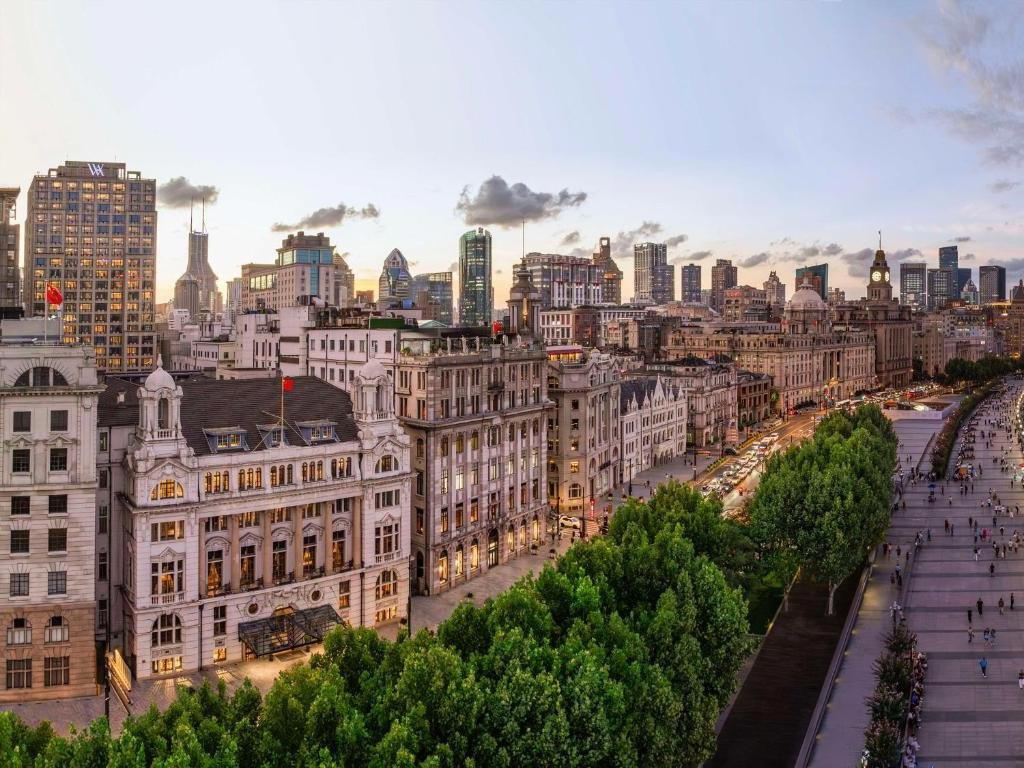
The restaurant is located in the Huangpu district at 四牌楼, placing it within the old city core, an area that rewards walking before or after a meal. The ¥¥ price range puts a full shared dinner comfortably below the mid-three-figure per-person mark that Shanghai's starred venues command. Chef Lu Yaming leads the kitchen. For a fuller picture of where the restaurant fits within the city's broader options, see our full Shanghai restaurants guide, as well as our guides to Shanghai hotels, bars, wineries, and experiences.
- turnip pastry
- osmanthus glutinous rice cake
- eyebrow pastry
- shrimp scallop crab roe xiaolongbao
- dongpo pork
- crab roe lion’s head meatball
Where the Accolades Land
Comparable venues nearby, for context on price, style, and recognition.
| Venue | Cuisine | Price | Awards | Notes |
|---|---|---|---|---|
| Lu Bo LangThis venue — the venue you are viewing | Traditional Shanghainese Dim Sum | $$ | Bib Gourmand | Not listed |
| Chun | Authentic Shanghainese Home-Style Cooking | $$ | Bib Gourmand | Da Pu Qiao |
| Yu Ge Zhanjiang (Jingan) | Zhanjiang Cantonese | $$ | Bib Gourmand | Dabazi |
| Hao Sheng | Home-style Shanghainese | $$ | Bib Gourmand | Xujiahui |
| Gong De Lin (West Nanjing Road) | Traditional Shanghainese Vegetarian | $$ | Bib Gourmand | Huangpu |
| Chic 1699 | Authentic Fujian Cuisine | $$ | Bib Gourmand | Huangpu |
Recognition history
Dated appearances from independent guides and award organizations, with the underlying list record or original source where available.
Michelin Bib Gourmand
Michelin
Michelin Bib Gourmand
Michelin

At a Glance
- Classic
- Well Known
- Historic
- Business Dinner
- Group Dining
- Special Occasion
- Historic Building
- Private Dining
- Garden
Current opening hours
- Monday
- 7 AM–10 PM
- Tuesday
- 7 AM–10 PM
- Wednesday
- 7 AM–10 PM
- Thursday
- 7 AM–10 PM
- Friday
- 7 AM–10 PM
- Saturday
- 7 AM–10 PM
- Sunday
- 7 AM–10 PM
Hours can change for holidays and private events. Last verified .
Classic Chinese pavilion with traditional decor, wavy silvery ceiling panels, subtle green lighting, and views of Yu Garden pond from upstairs.